


Primary sourceArtifactc. 330–320 BC
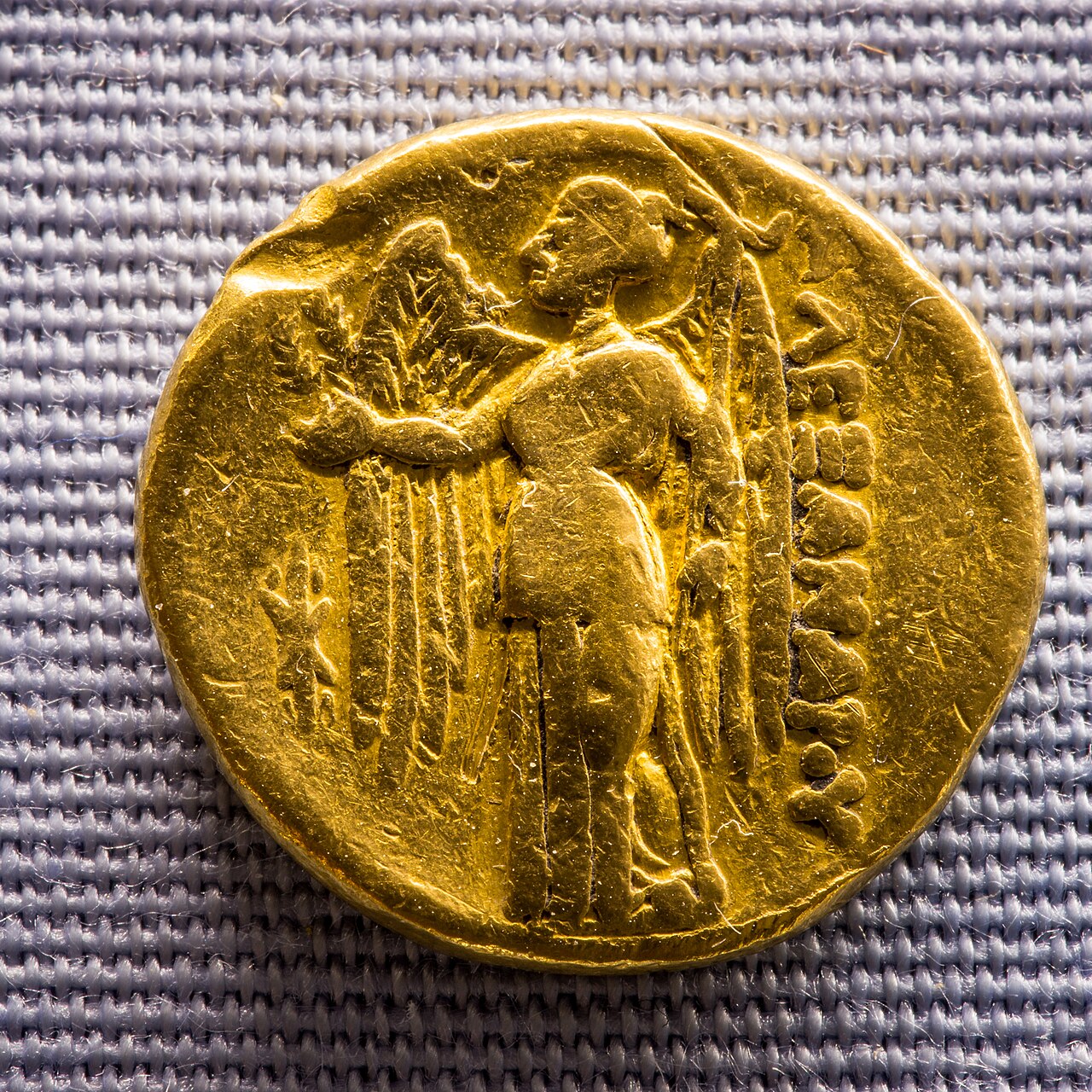
Gold Stater of Alexander the Great (Athena / Nike Type)
c. 330–320 BC
A gold coin struck by Alexander's royal mints, showing Athena and a winged Nike, used to fund his campaigns and advertise his victories.
This coin was minted under Alexander's authority and funded his conquests, bearing his name directly.
About this source
What it is
This gold coin, called a stater, was struck at royal mints under Alexander III (Alexander the Great) around 330–320 BC, using gold likely drawn from captured Persian treasure. Examples are held by institutions including the British Museum and the American Numismatic Society.
The coin shows the head of the goddess Athena wearing a Corinthian helmet on one side, and the winged victory goddess Nike holding a wreath and a ship's mast ornament on the other, with Alexander's name inscribed in Greek.
Why it matters
This coinage shows how Alexander financed his massive army and empire, and how he used imagery of Greek gods to present his conquests as a shared Greek cause rather than purely personal ambition.
Look closer
- Why might Alexander choose Athena and Nike rather than his own portrait for this coin?
- What does using captured Persian gold to mint Greek-style coins suggest about his goals?
- How might this coin have traveled and what would it have told people who used it?
This artifact is part of the curated material that grounds the AI version of Alexander the Great on Humy.ai — when students ask about related events, the AI can quote it and cite it.
More Alexander the Great sources
Meet the AI Alexander the Great →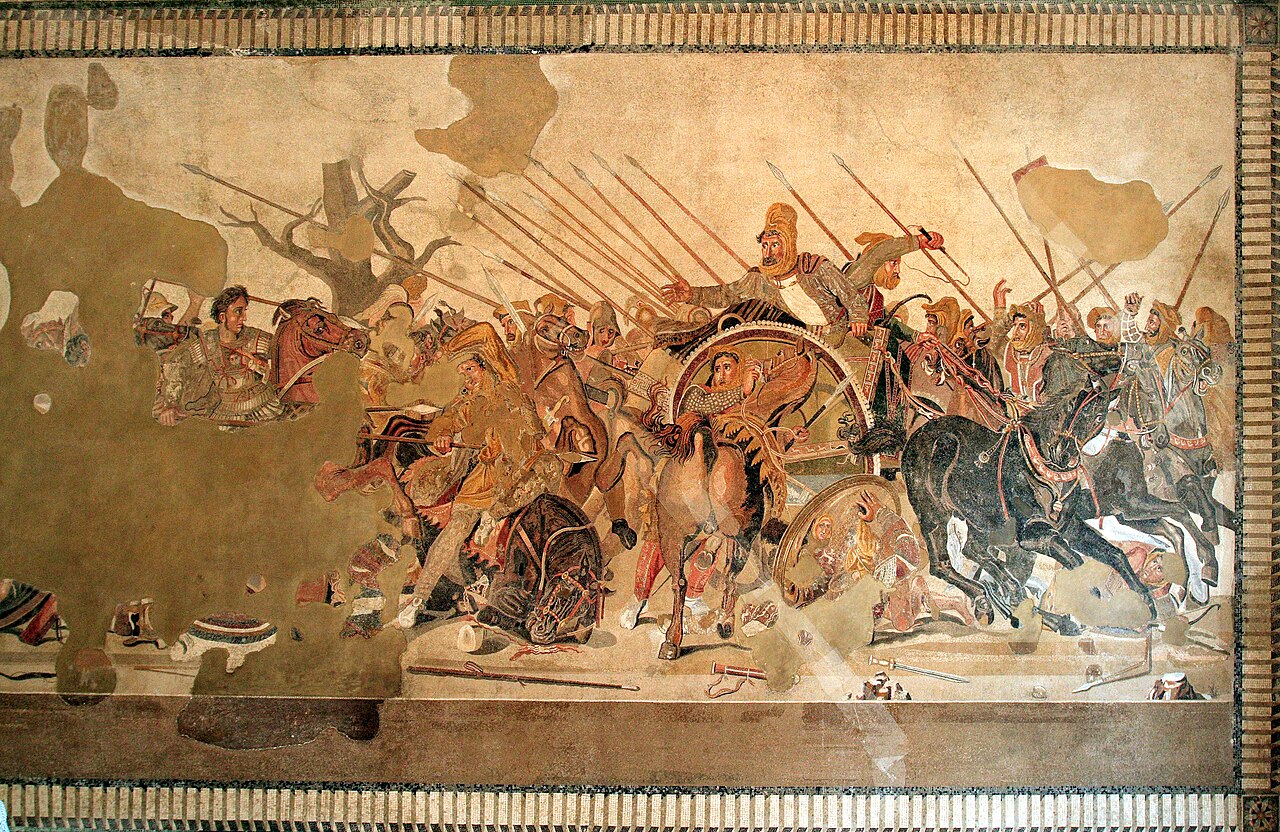 Artifact
Secondary source
Alexander Mosaic
Philoxenus of Eretria · c. 120-100 BCE (copy of an earlier Hellenistic painting)
 Painting
Secondary source
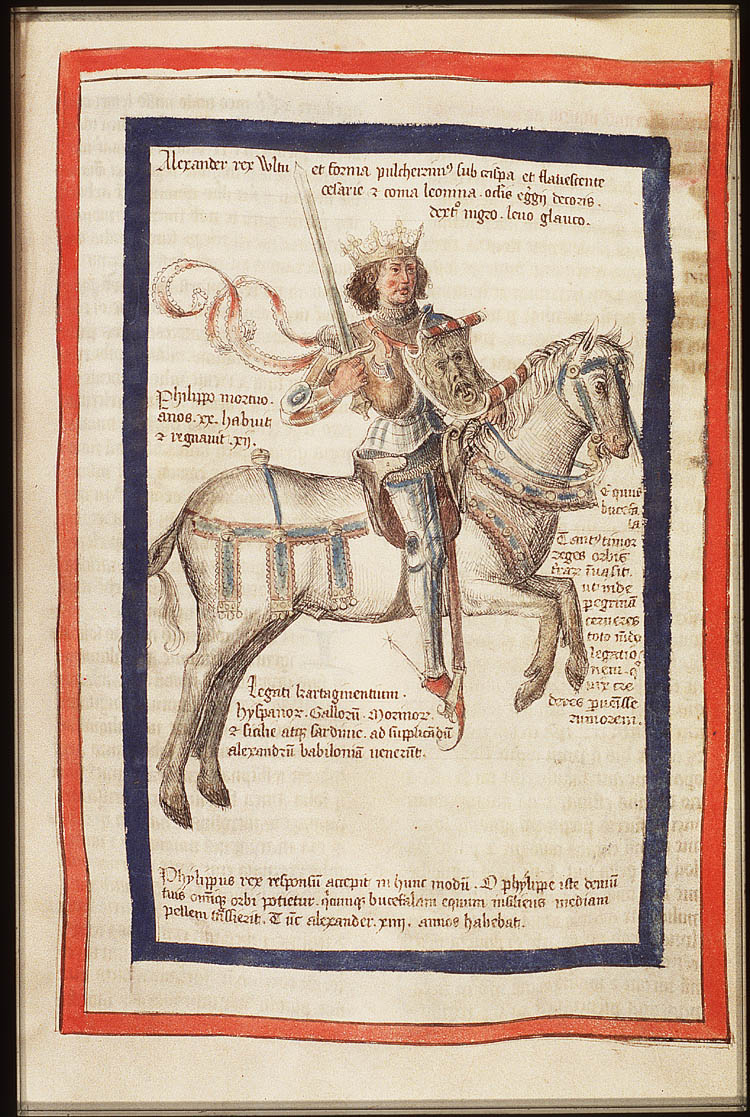
Alexander the Great riding Bucephalus
1460
 Artifact
Primary source
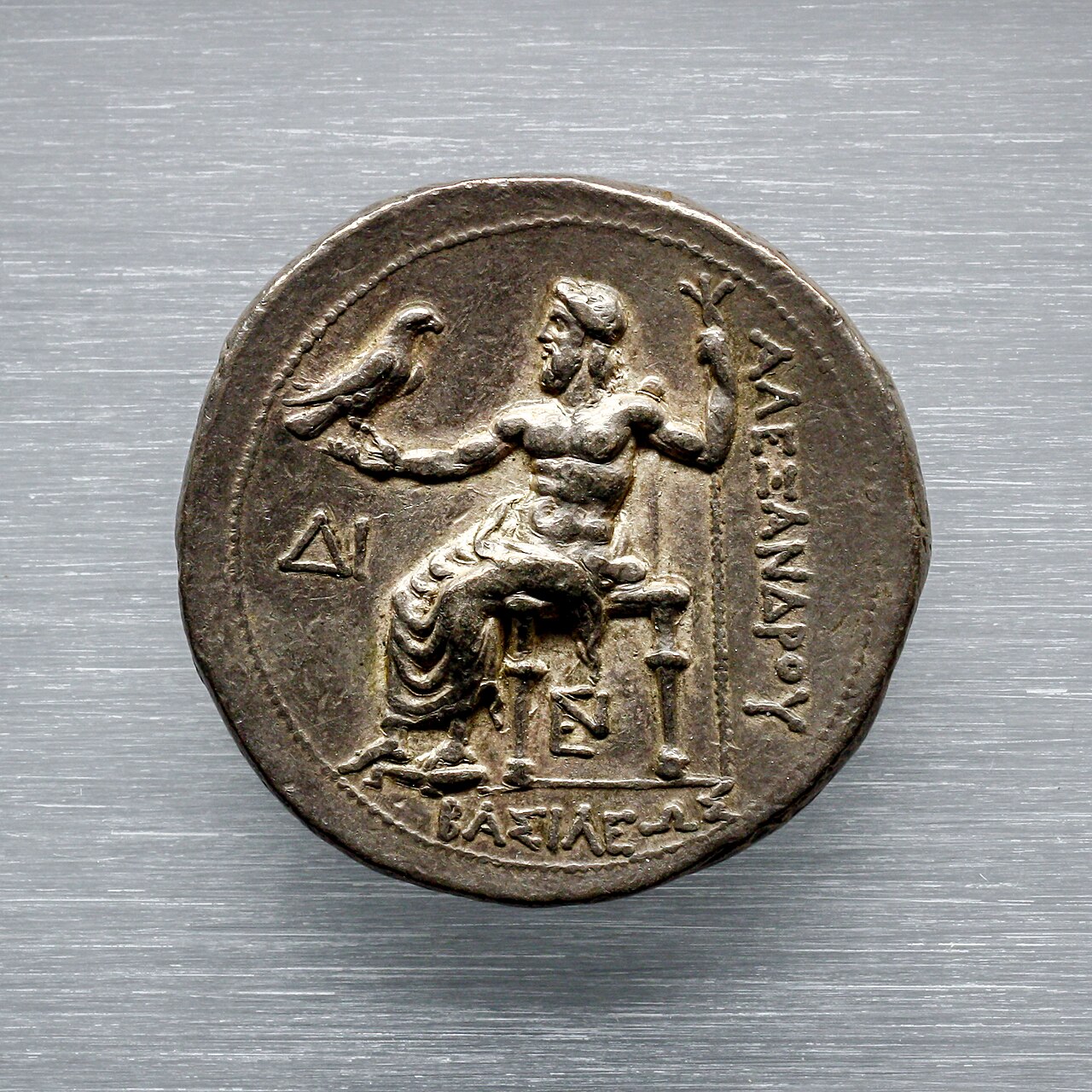
Silver Tetradrachm of Alexander the Great
Royal mints of Alexander III · c. 336-323 BCE
 Painting
Secondary source
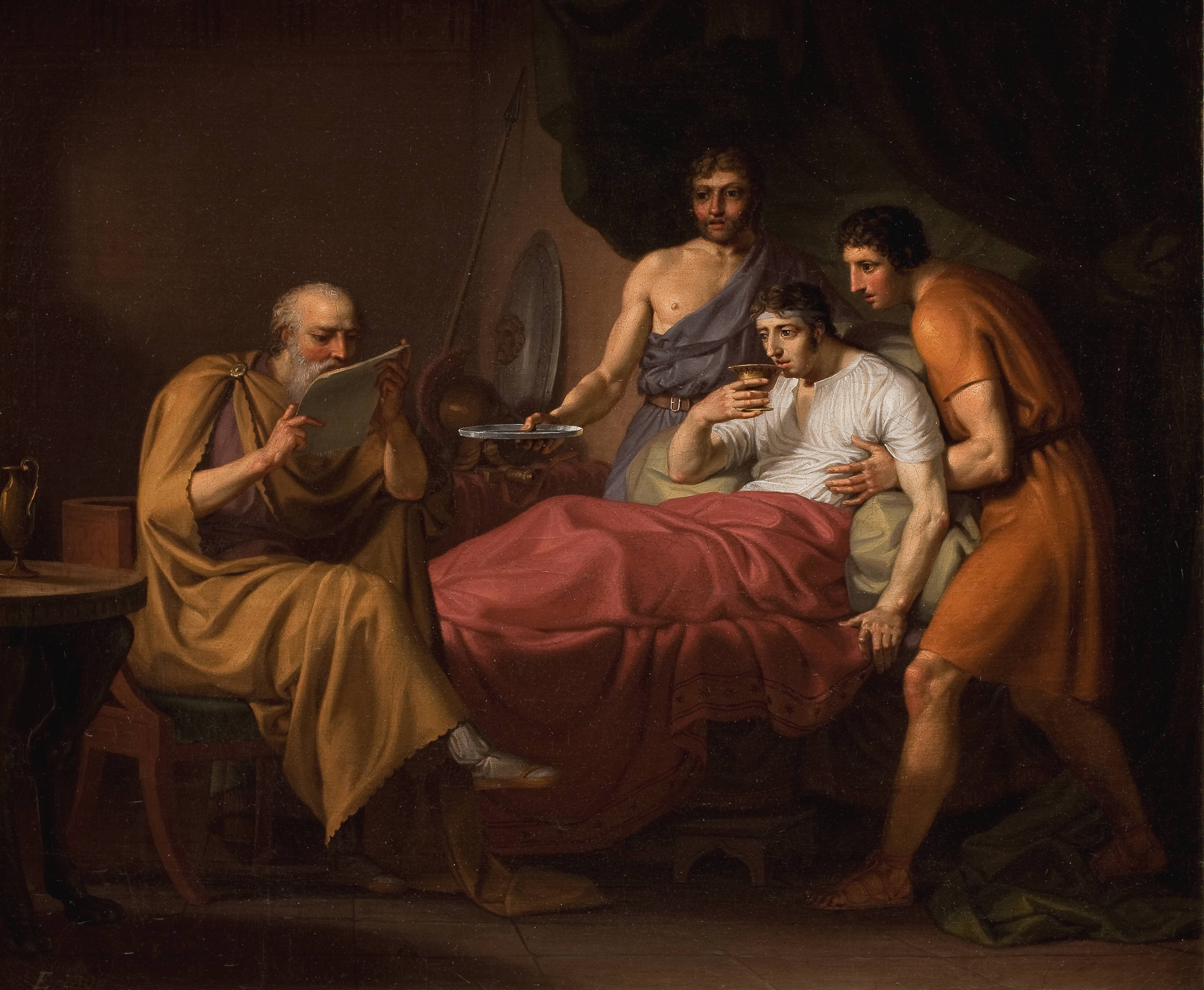
Alexander the Great on his Sickbed
1806
 Book
Secondary source
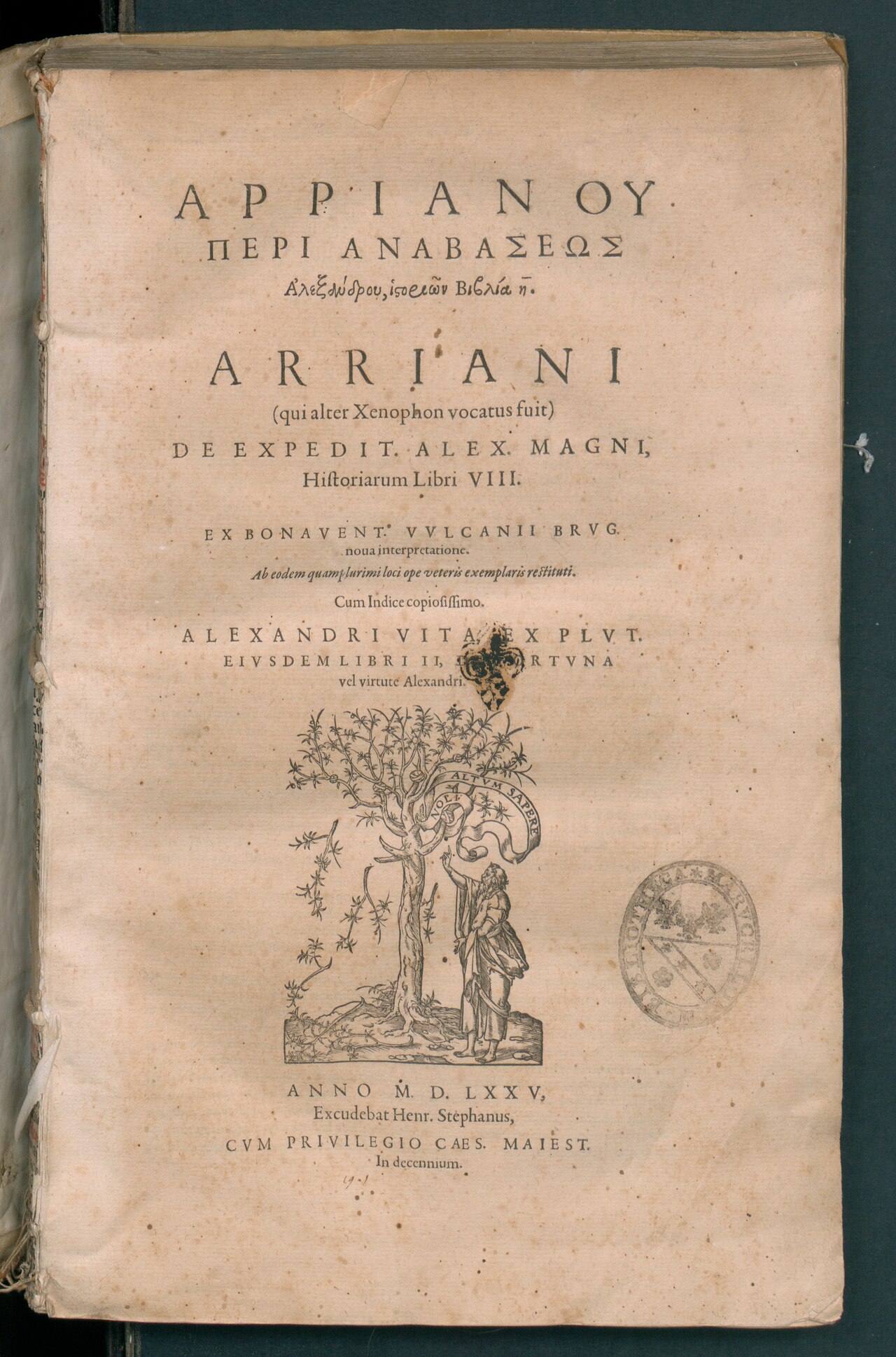
Anabasis of Alexander
Arrian · c. 150 AD
Ready when you are
Start chatting with Alexander the Great now.
20 messages free · No credit card · Available in 50+ languages.