


Secondary sourceArtifact
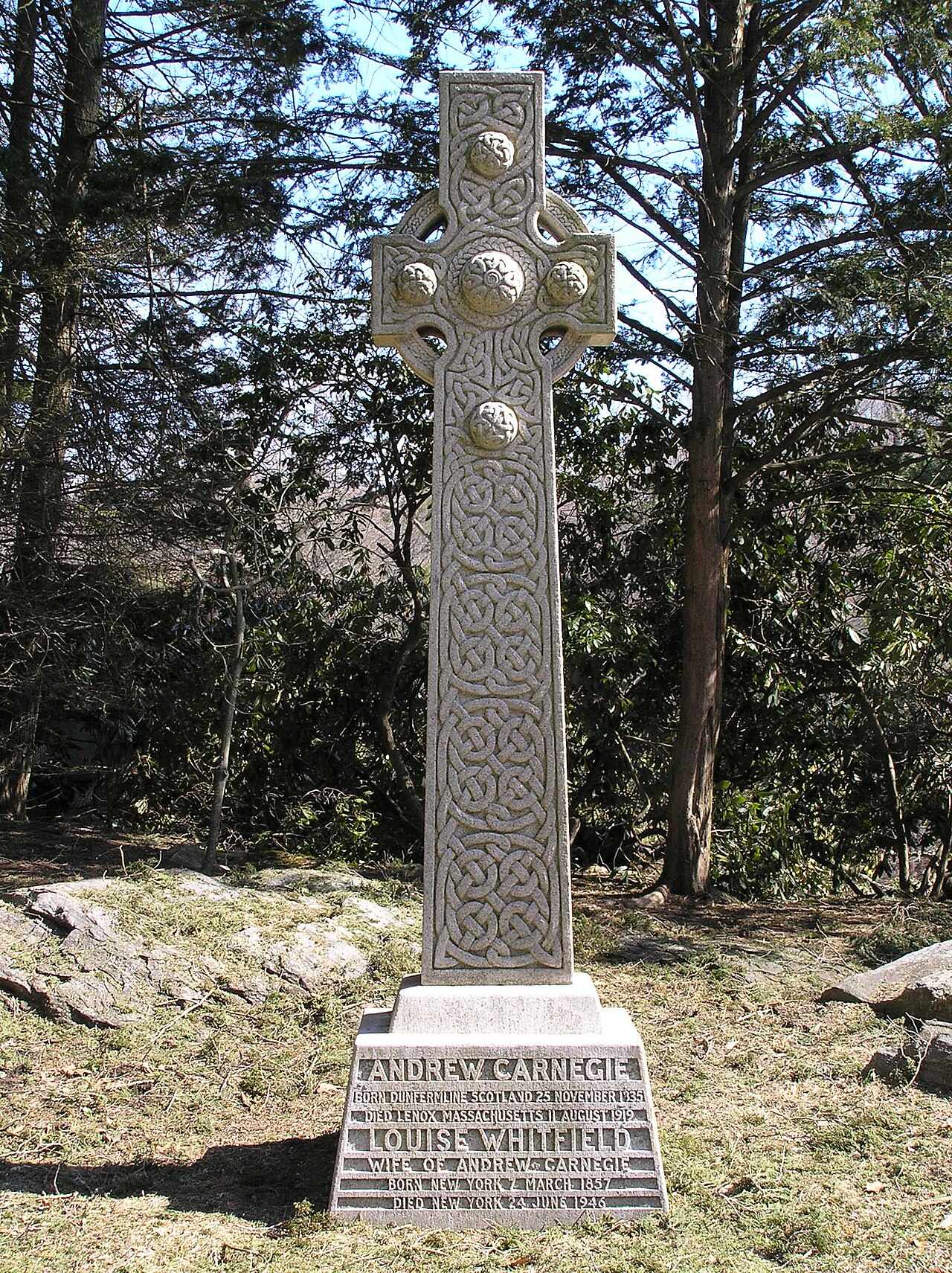
Grave of Andrew Carnegie
Carnegie's grave at Sleepy Hollow Cemetery, marked by a Celtic cross, where he and his wife Louise Whitfield are buried.
This is Carnegie's own grave, marking his burial place and his Scottish-American identity.
About this source
What it is
This is the gravesite of Andrew Carnegie at Sleepy Hollow Cemetery, marked by a tall granite Celtic cross with interlaced knotwork carving. The inscription names Carnegie and his wife, Louise Whitfield.
Why it matters
The choice of a Celtic cross, a style associated with Scotland, reflects Carnegie's pride in his Scottish origins even after decades as an American industrialist and philanthropist. Graves and memorials like this show how people wanted to be remembered after death, and what identities they valued.
Look closer
- Why might Carnegie have chosen a Celtic cross rather than another style of monument?
- What does the inclusion of his wife's name on the same memorial suggest?
- What does a grave marker tell us about a person's life, and what does it leave out?
This artifact is part of the curated material that grounds the AI version of Andrew Carnegie on Humy.ai — when students ask about related events, the AI can quote it and cite it.
More Andrew Carnegie sources
Meet the AI Andrew Carnegie →Primary source
The Gospel of Wealth
Andrew Carnegie · June 1889
 Book
Primary source
The Autobiography of Andrew Carnegie
Andrew Carnegie · 1920 (published posthumously)
 Newspaper article
Primary source
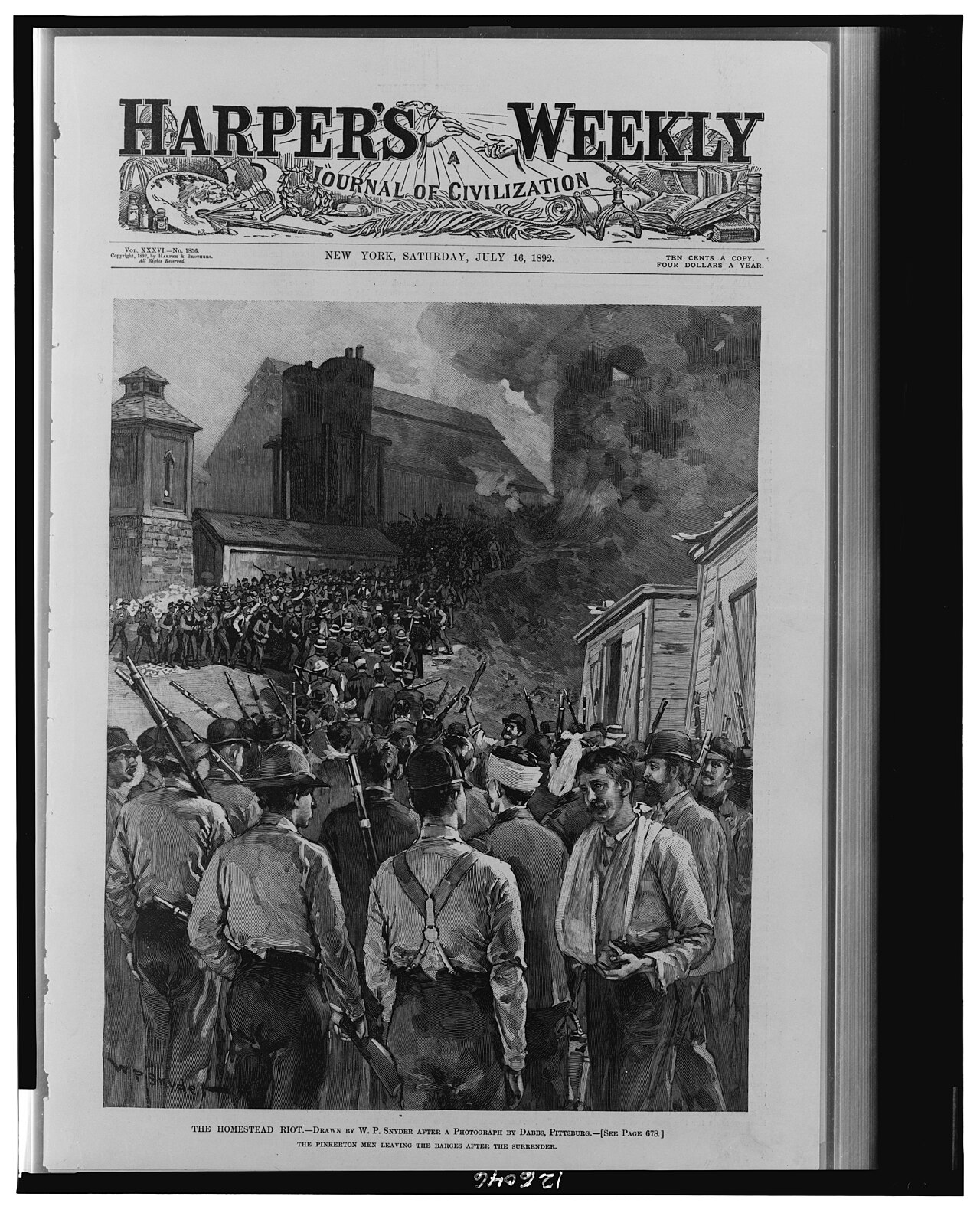
The Homestead Riot
W. P. Snyder · 16 July 1892
 Photograph
Primary source
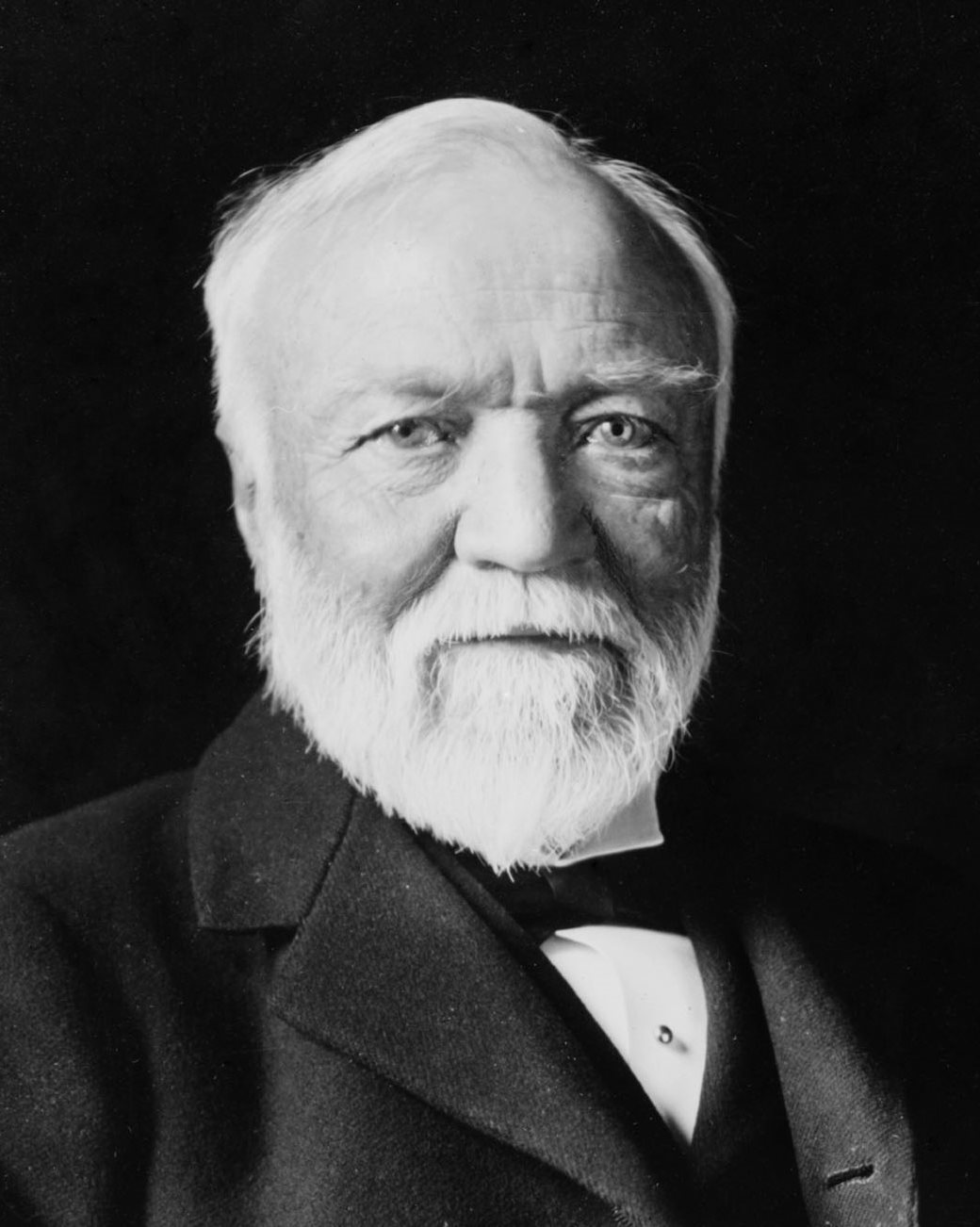
Portrait of Andrew Carnegie
1913
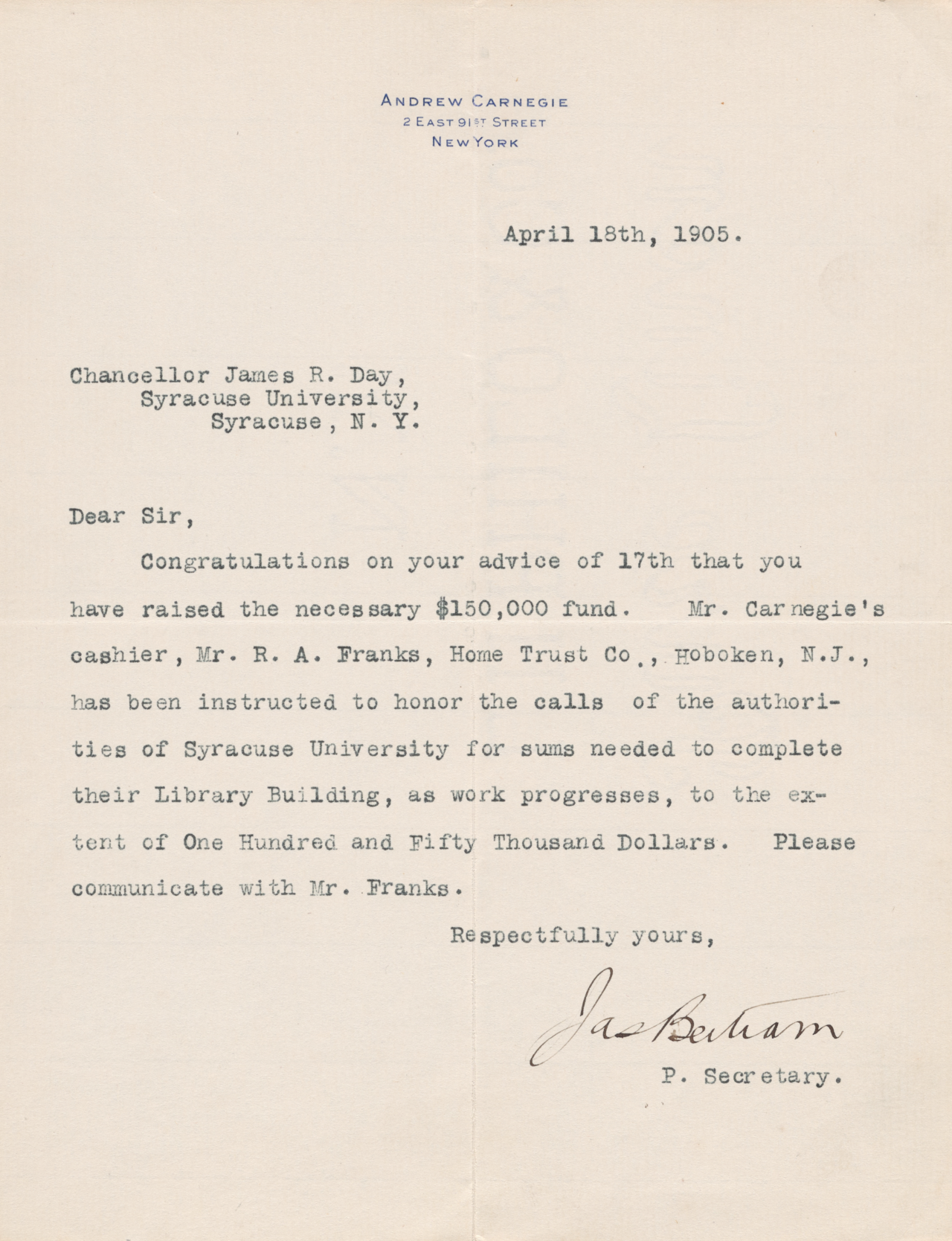 Letter
Primary source
Andrew Carnegie Papers
Andrew Carnegie · 18 April 1905
Ready when you are
Start chatting with Andrew Carnegie now.
20 messages free · No credit card · Available in 50+ languages.