


Secondary sourceArtifact
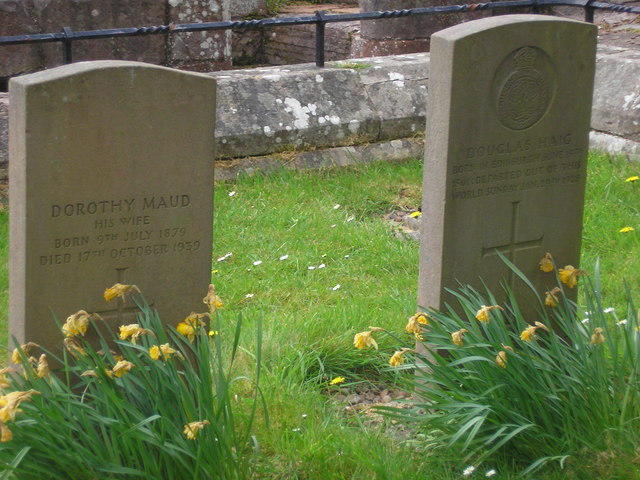
Grave of Douglas Haig, 1st Earl Haig
The gravestone of Douglas Haig at Dryburgh Abbey, deliberately styled like the plain headstones of ordinary soldiers.
Haig's own grave, deliberately styled like a common soldier's, marks his death and burial place.
About this source
What it is
This photograph shows the gravestones of Douglas Haig and his wife, Dorothy Maud, at Dryburgh Abbey. Haig's stone records his birth in Edinburgh on 19 June 1861 and his death on 29 January 1928.
Why it matters
Haig chose to be buried under a plain military-style headstone, matching those used for the ordinary soldiers who died under his command in the First World War. This choice reflects how he wanted to be remembered in relation to the men he led, at a time when his wartime leadership was already being debated.
Look closer
- Why might a famous commander choose the same style of headstone as his soldiers?
- What does the inscription tell us, and what does it leave out about his career?
- How does this choice compare with grander monuments to other historical leaders?
This artifact is part of the curated material that grounds the AI version of Field Marshal Douglas Haig on Humy.ai — when students ask about related events, the AI can quote it and cite it.
More Field Marshal Douglas Haig sources
Meet the AI Field Marshal Douglas Haig →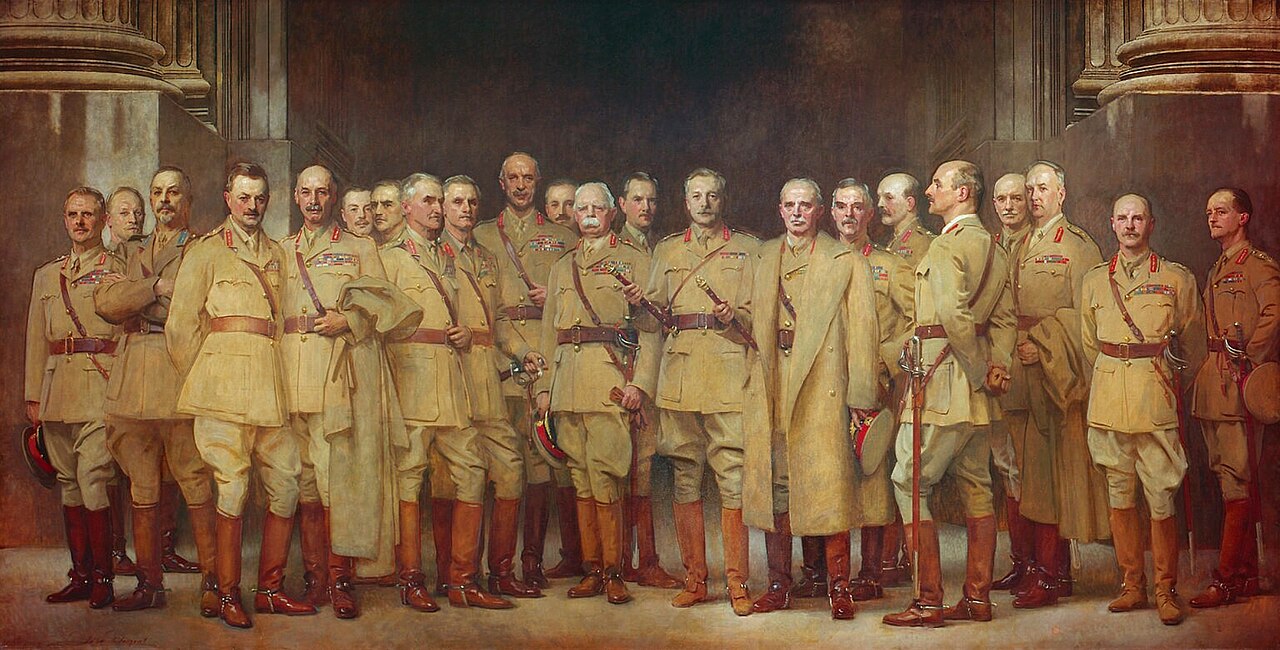 Painting
Primary source
General Officers of World War I
John Singer Sargent · 1922
 Document
Primary source
Final Despatch of Sir Douglas Haig
Douglas Haig · 21 March 1919
 Painting
Primary source
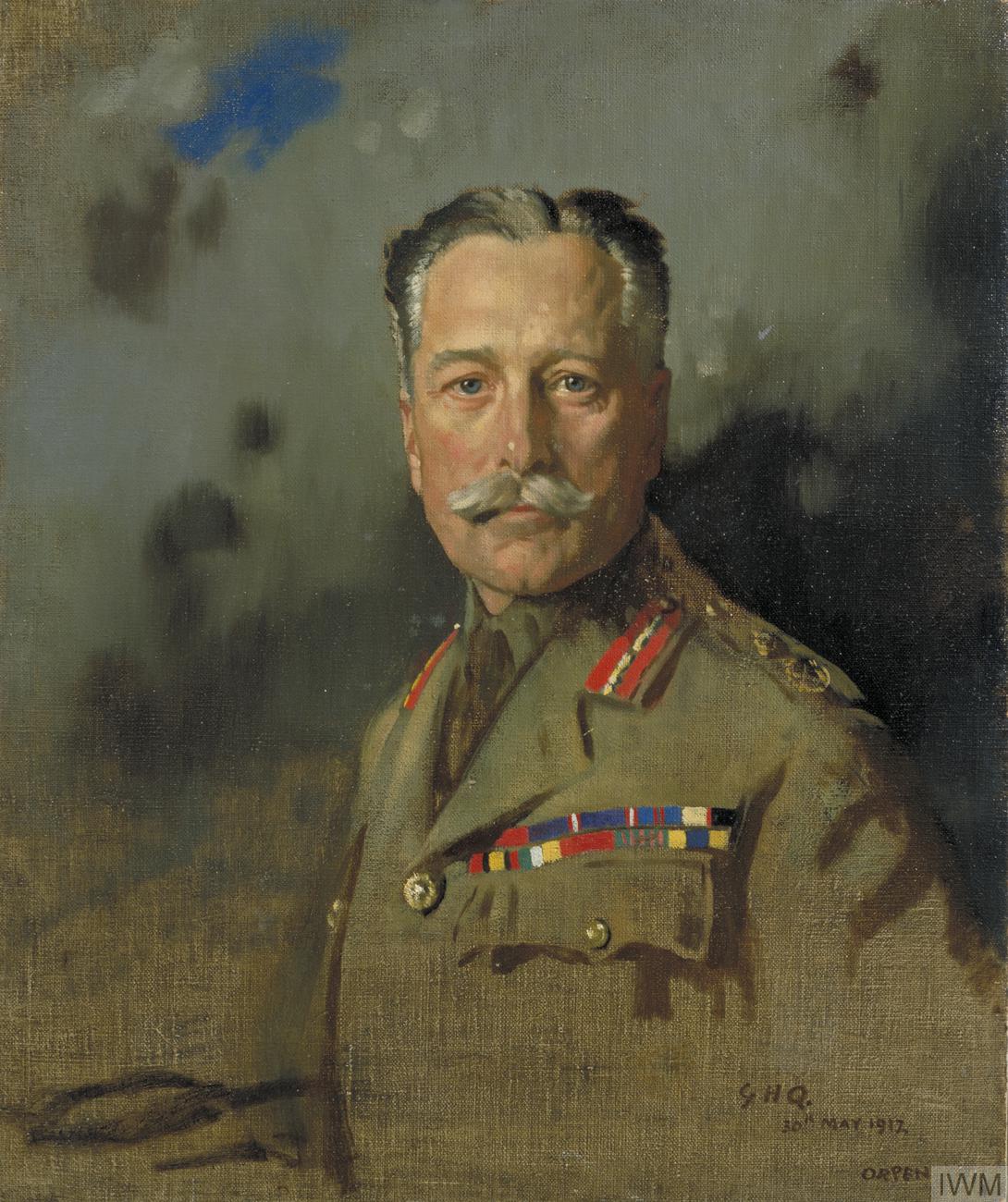
Field-Marshal Sir Douglas Haig, Commander-in-Chief, France
William Orpen · 1917
 Document
Secondary source
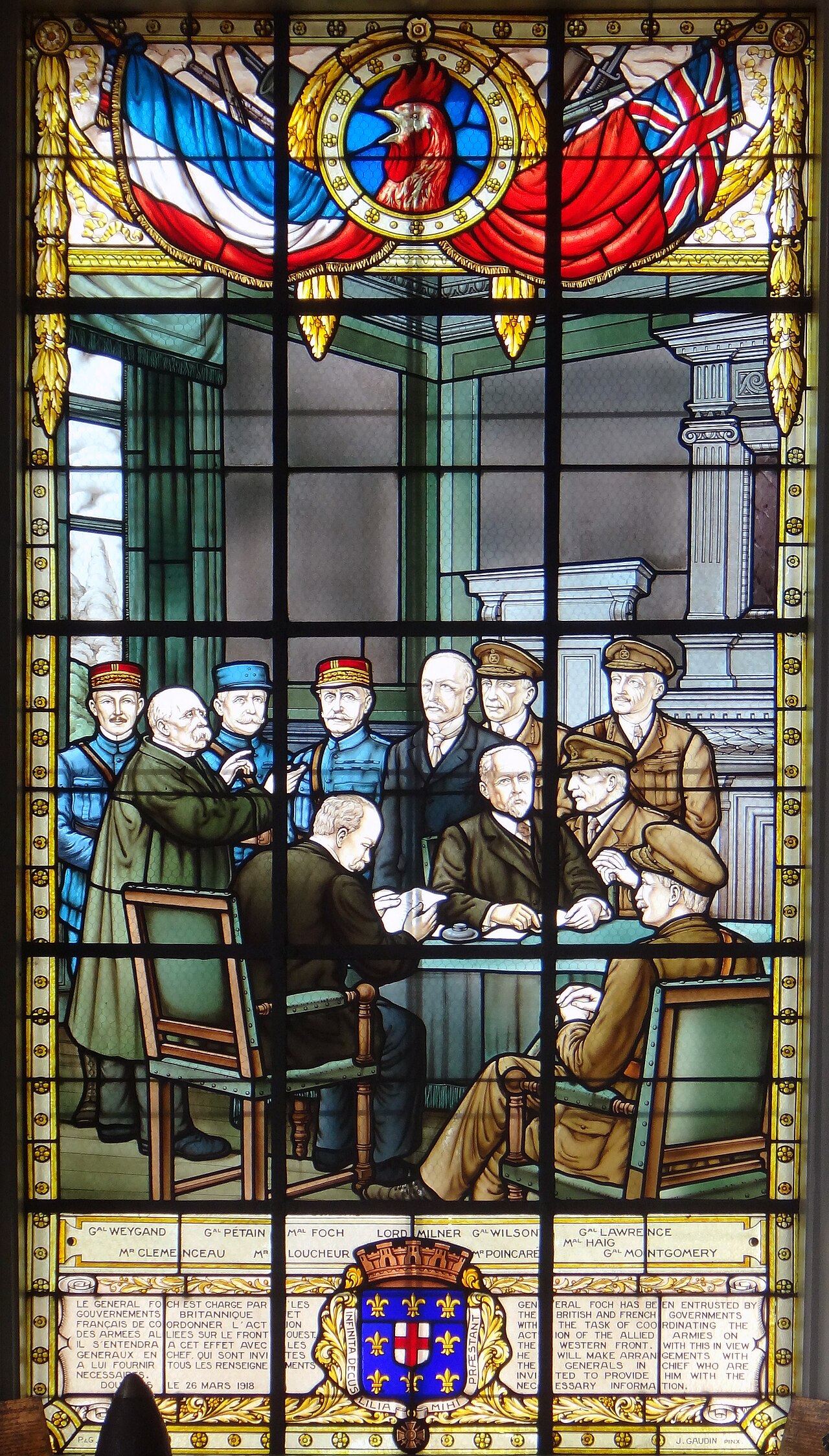
Doullens Conference
26 March 1918
 Artifact
Primary source
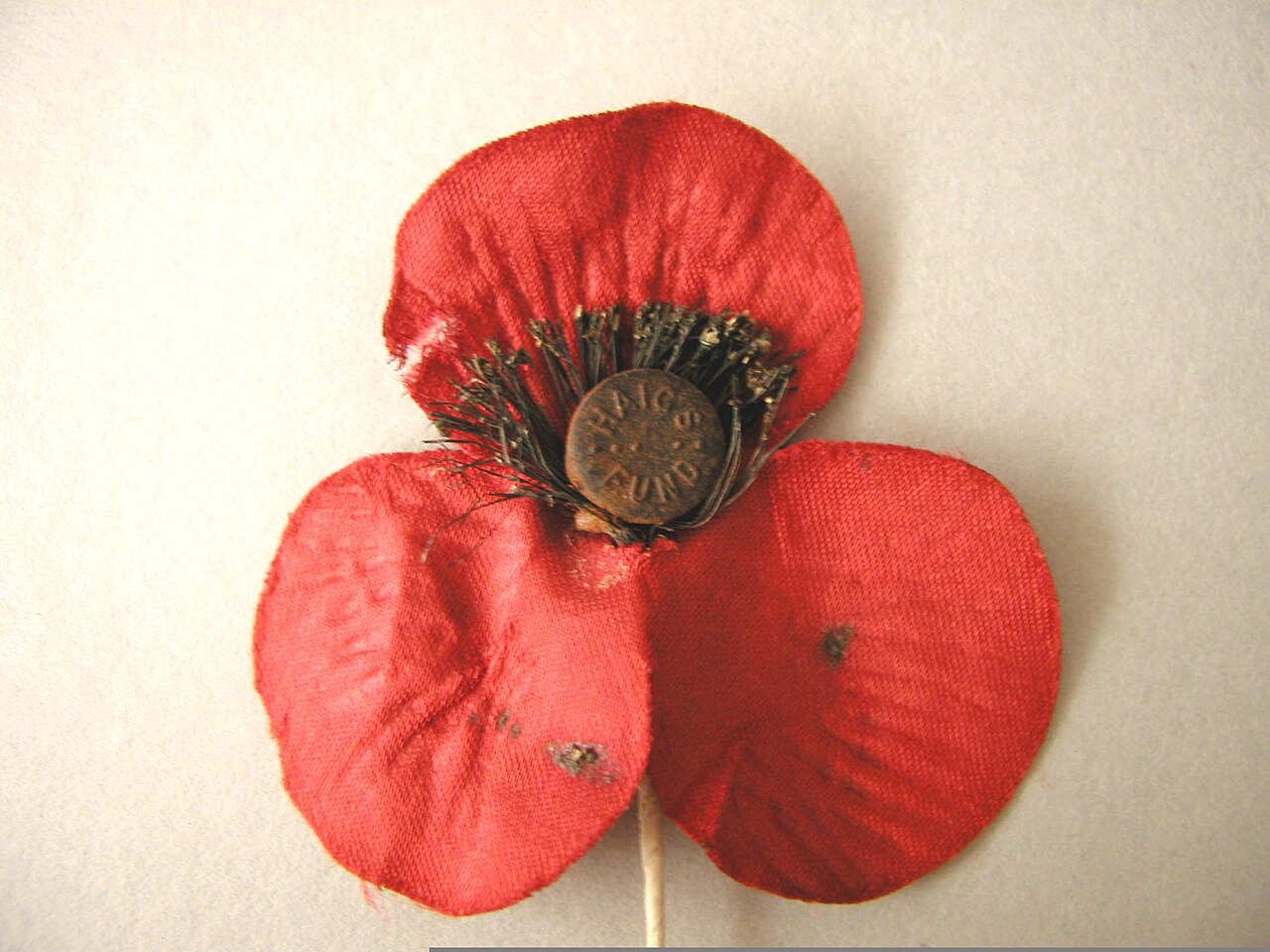
Haig Fund remembrance poppy
1921-1928
Ready when you are
Start chatting with Field Marshal Douglas Haig now.
20 messages free · No credit card · Available in 50+ languages.