


Secondary sourceArtifact1484
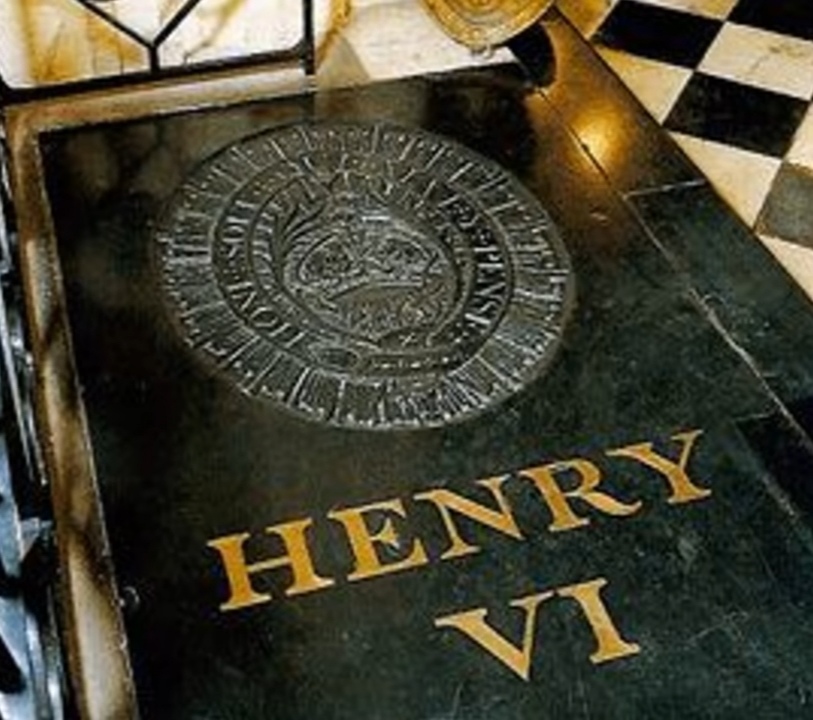
Grave of Henry VI of England
1484
The tomb of Henry VI at St George's Chapel, Windsor, where his body was moved in 1484 and which became a site of popular devotion.
This tomb holds Henry VI's remains and shows how his death turned him into an object of popular religious veneration.
About this source
What it is
This is the tomb of Henry VI in St George's Chapel, Windsor. His body was moved there in 1484 by order of Richard III, and the site is marked by a dark stone slab with a bronze seal bearing a crown and inscription.
Why it matters
After his death, Henry VI became the focus of a popular cult, with people visiting his grave as if he were a saint. This shows how defeated or murdered kings could still hold power over people's imaginations long after their deaths, and how later rulers like Richard III used royal tombs to shape public memory.
Look closer
- Why might Richard III have chosen to move Henry's body to such a prominent location?
- What does the popularity of Henry's grave as a pilgrimage site suggest about how people viewed his life and death?
- What is missing from a tomb that a written account might tell us about a person's life?
This artifact is part of the curated material that grounds the AI version of Henry VI on Humy.ai — when students ask about related events, the AI can quote it and cite it.
More Henry VI sources
Meet the AI Henry VI →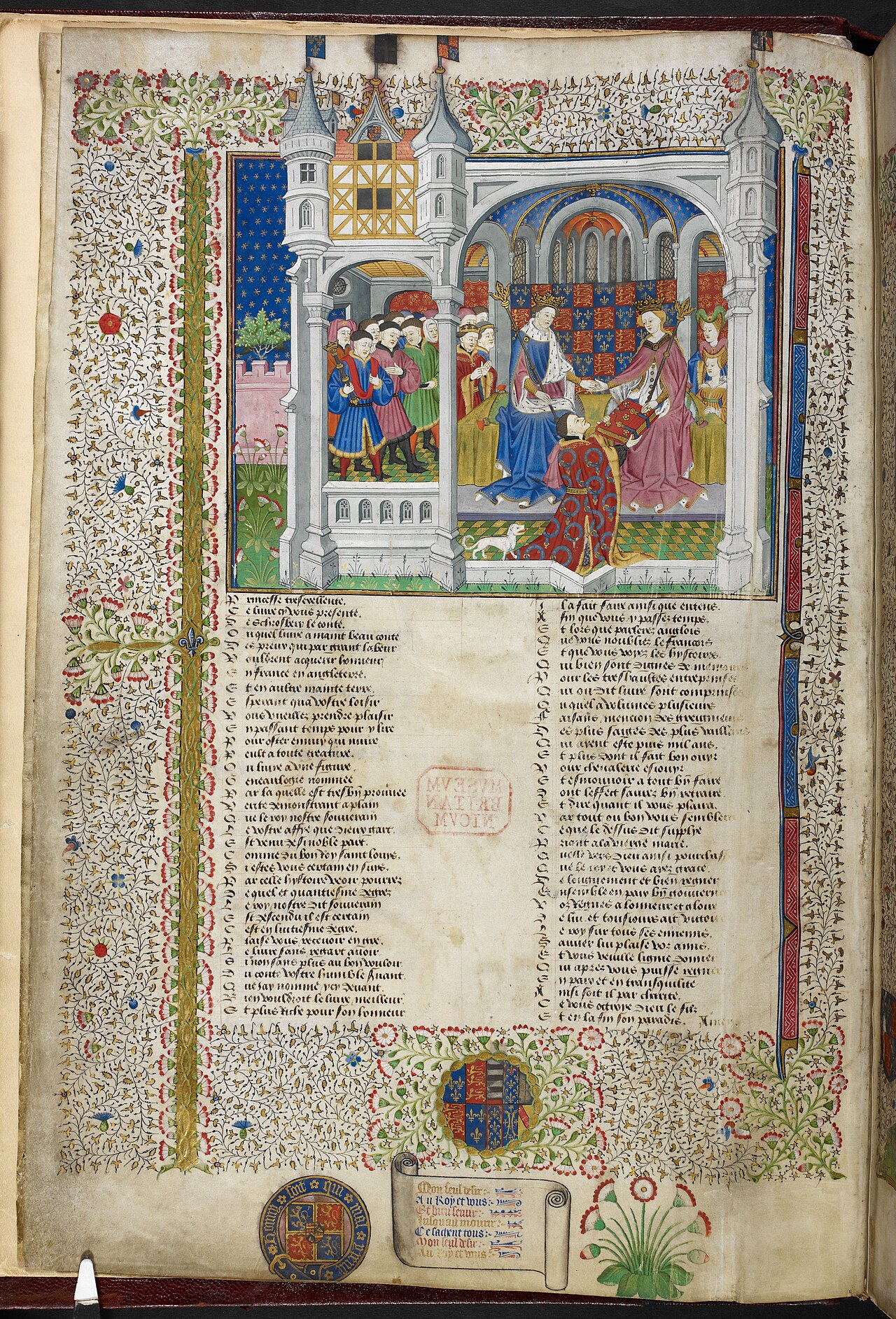 Book
Primary source
Talbot Shrewsbury Book
Master of the Munich Golden Legend · 1444/1445
 Painting
Secondary source
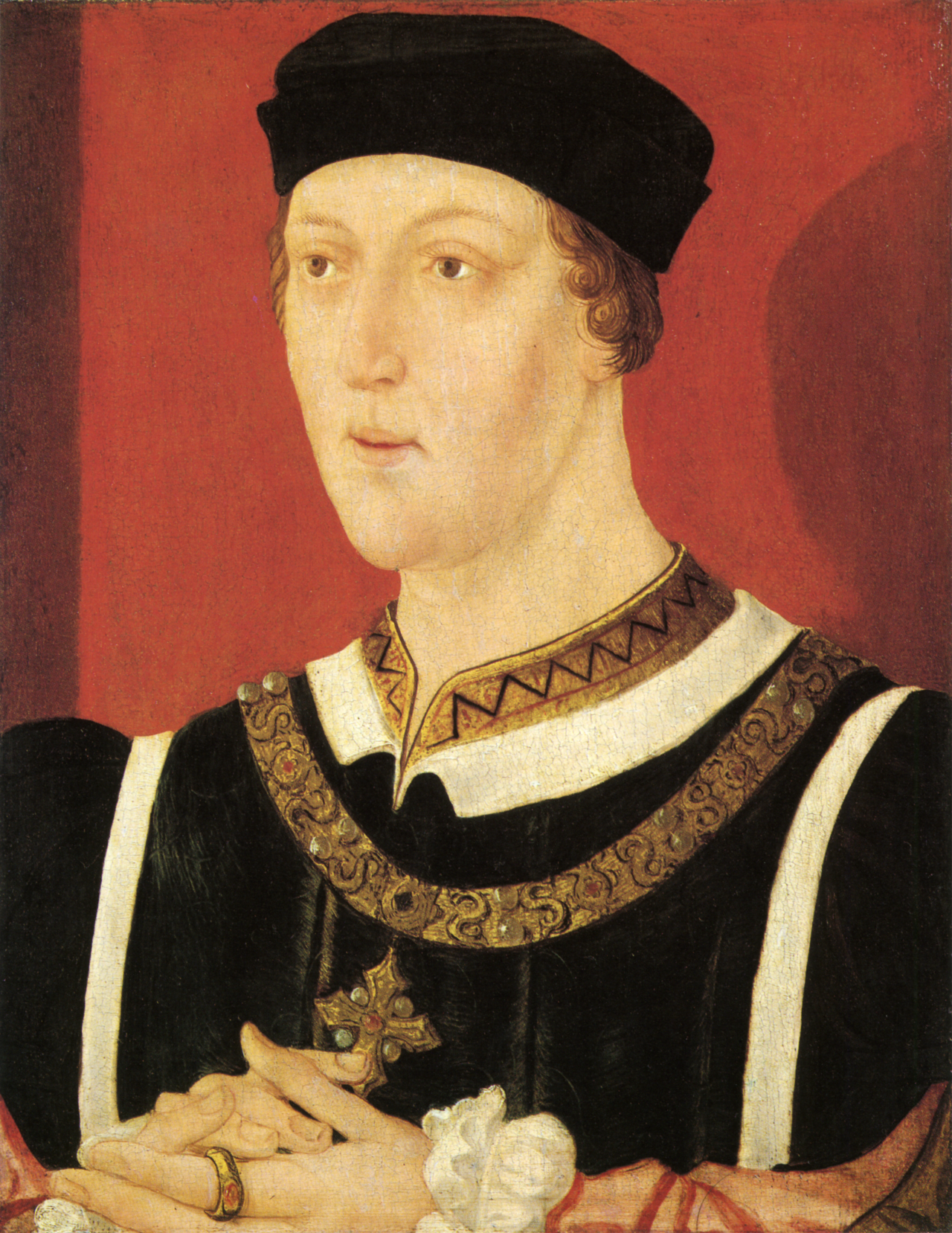
King Henry VI
Unknown English artist · c. 1540
 Artifact
Primary source
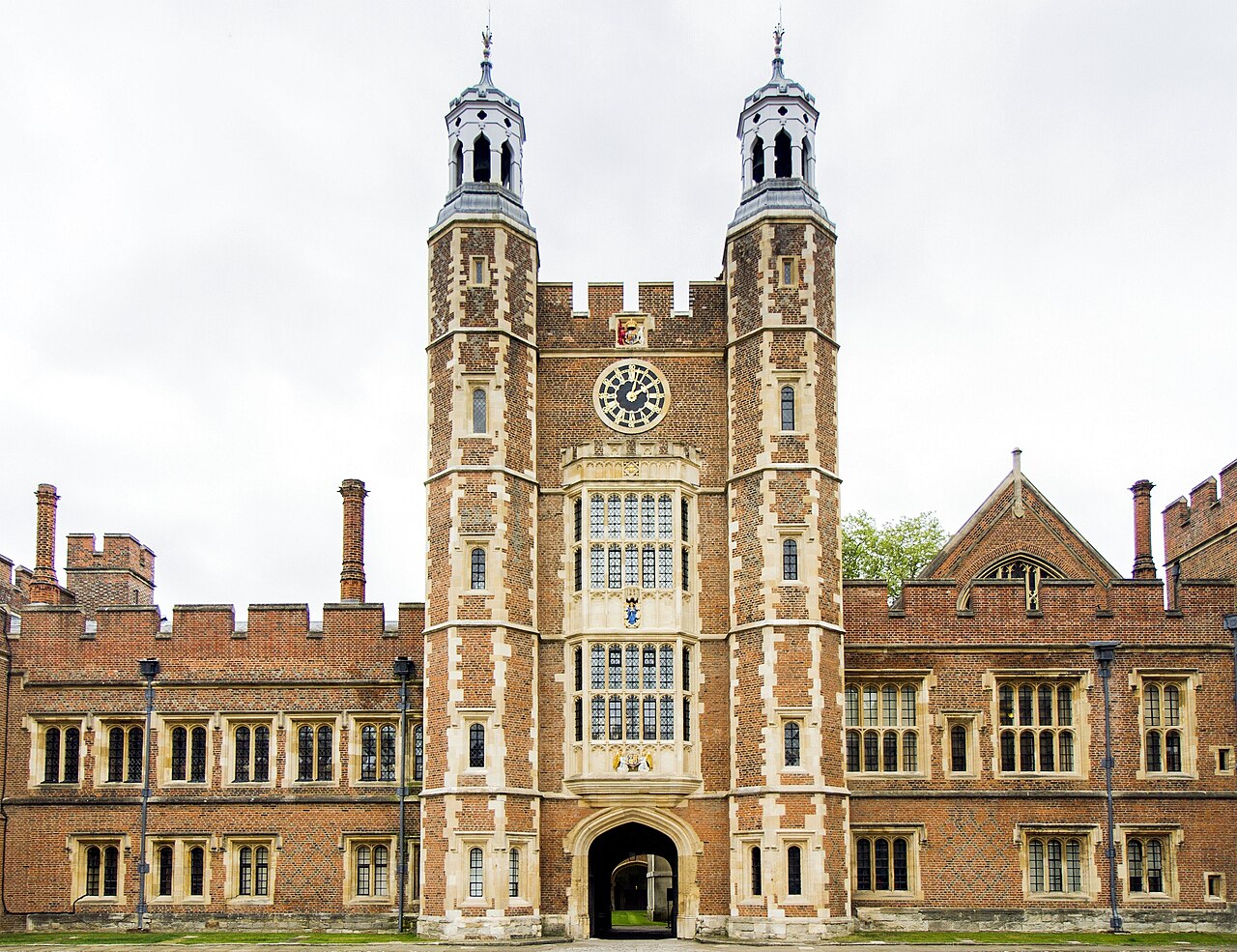
Eton College
1440
 Artifact
Primary source
King's College Chapel
1446–1515
 Book
Secondary source
The Historie of the Arrivall of Edward IV
Unknown (servant of Edward IV) · c. 1500
Ready when you are
Start chatting with Henry VI now.
20 messages free · No credit card · Available in 50+ languages.