


Secondary sourceArtifact
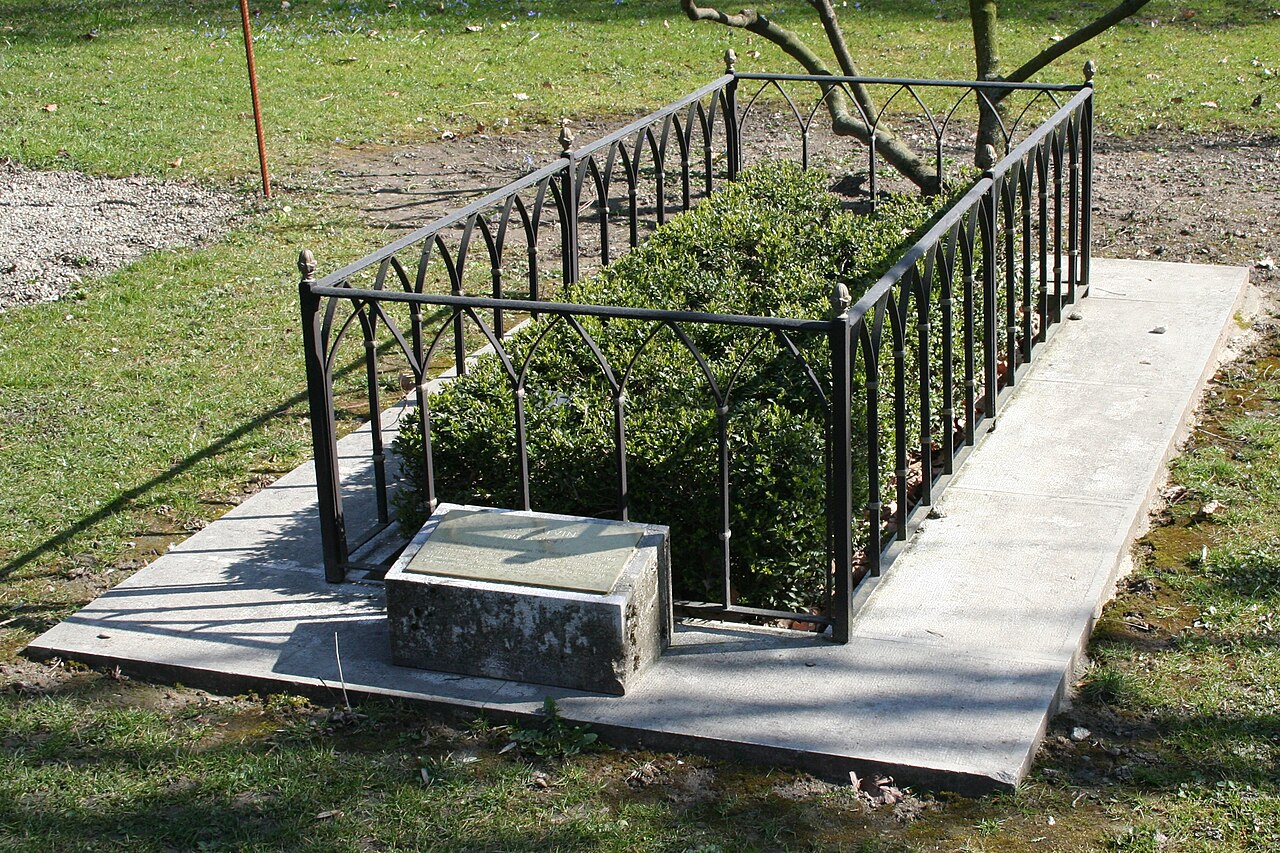
Grave of John Calvin
A small marked plot in Geneva's Cimetière des Rois, traditionally identified as Calvin's grave, though his actual remains were placed unmarked to avoid veneration.
This marker, created later for visitors, contrasts with Calvin's own request for an unmarked, anonymous grave.
About this source
What it is
This is a photograph of a small rectangular plot in the Cimetière des Rois in Geneva, bordered by a black iron railing with a low boxwood hedge and a raised concrete slab bearing a plaque.
Why it matters
According to the curator's note, Calvin asked for an unmarked grave, and his remains were placed in a mass grave specifically to avoid a cult of personality forming around him. This "traditional" grave marker is a later response to visitors wanting a site to visit, not the actual resting place of his remains. It shows Calvin's own rejection of personal veneration, in tension with how later generations wanted to commemorate him.
Look closer
- Why might Calvin have wanted an unmarked grave?
- What does the existence of this marker, despite his wishes, tell you about how people remember historical figures?
- How does this site differ from a genuine burial marker?
This artifact is part of the curated material that grounds the AI version of John Calvin on Humy.ai — when students ask about related events, the AI can quote it and cite it.
More John Calvin sources
Meet the AI John Calvin →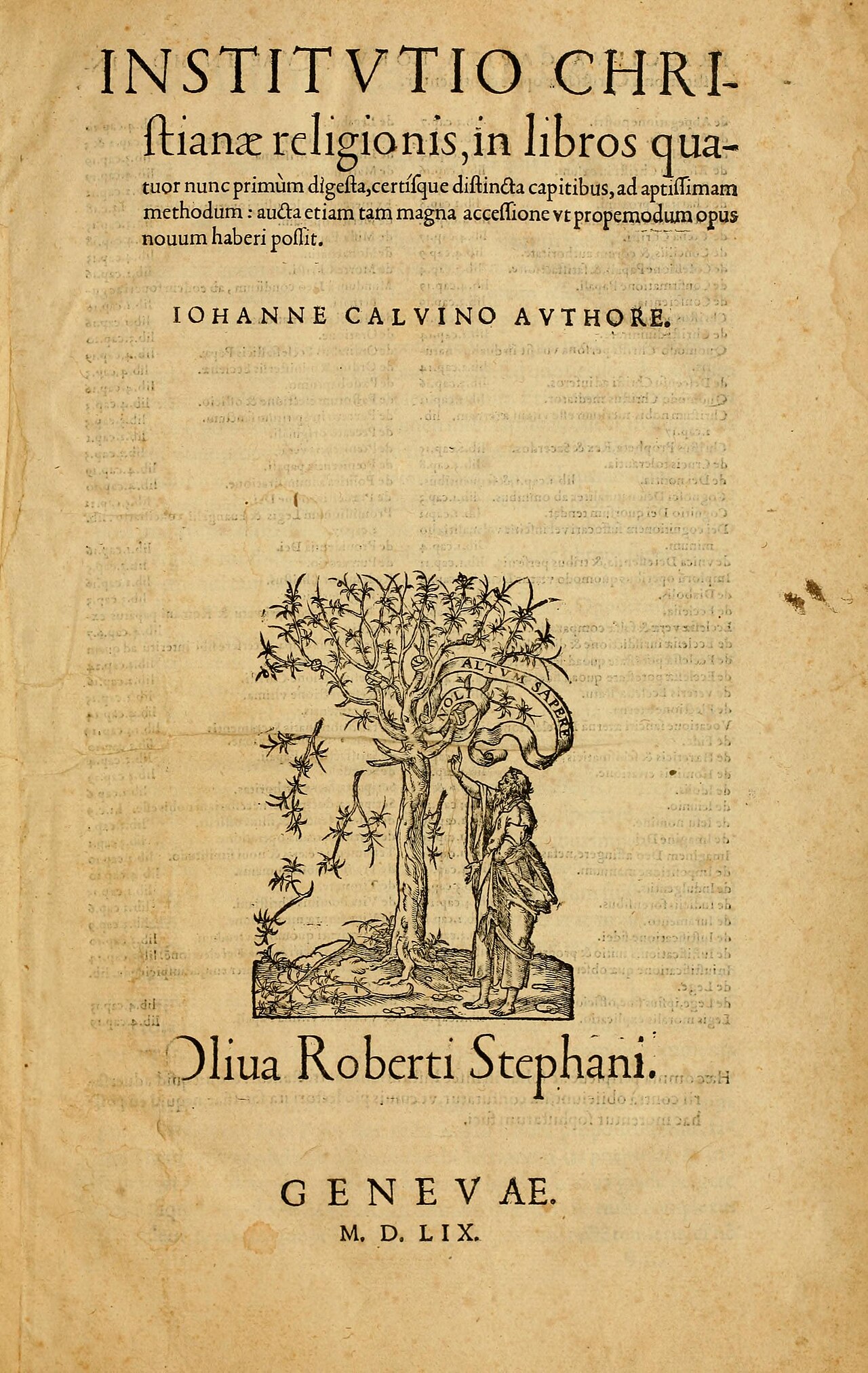 Book
Primary source
Institutes of the Christian Religion
John Calvin · 1536 (first edition); revised to 1559
Primary source
Geneva Catechism
John Calvin
 Book
Primary source
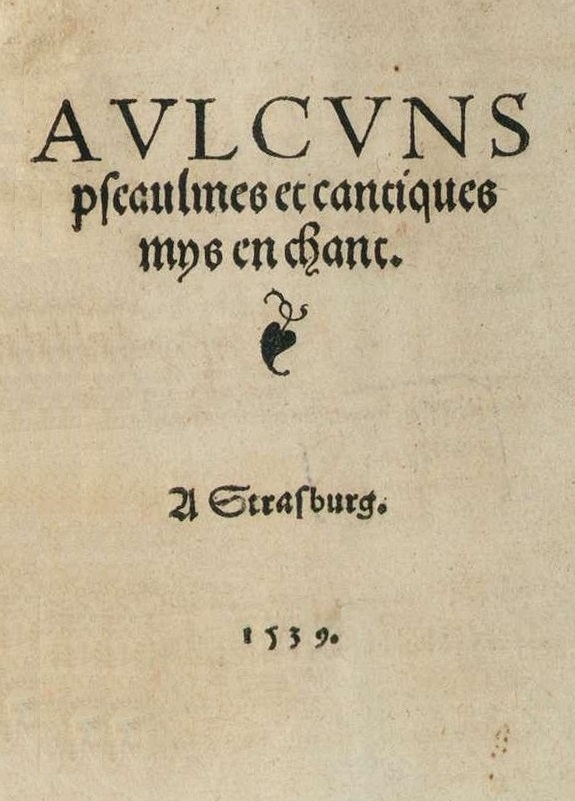
Genevan Psalter
John Calvin · 1562 (complete edition)
 Letter
Primary source
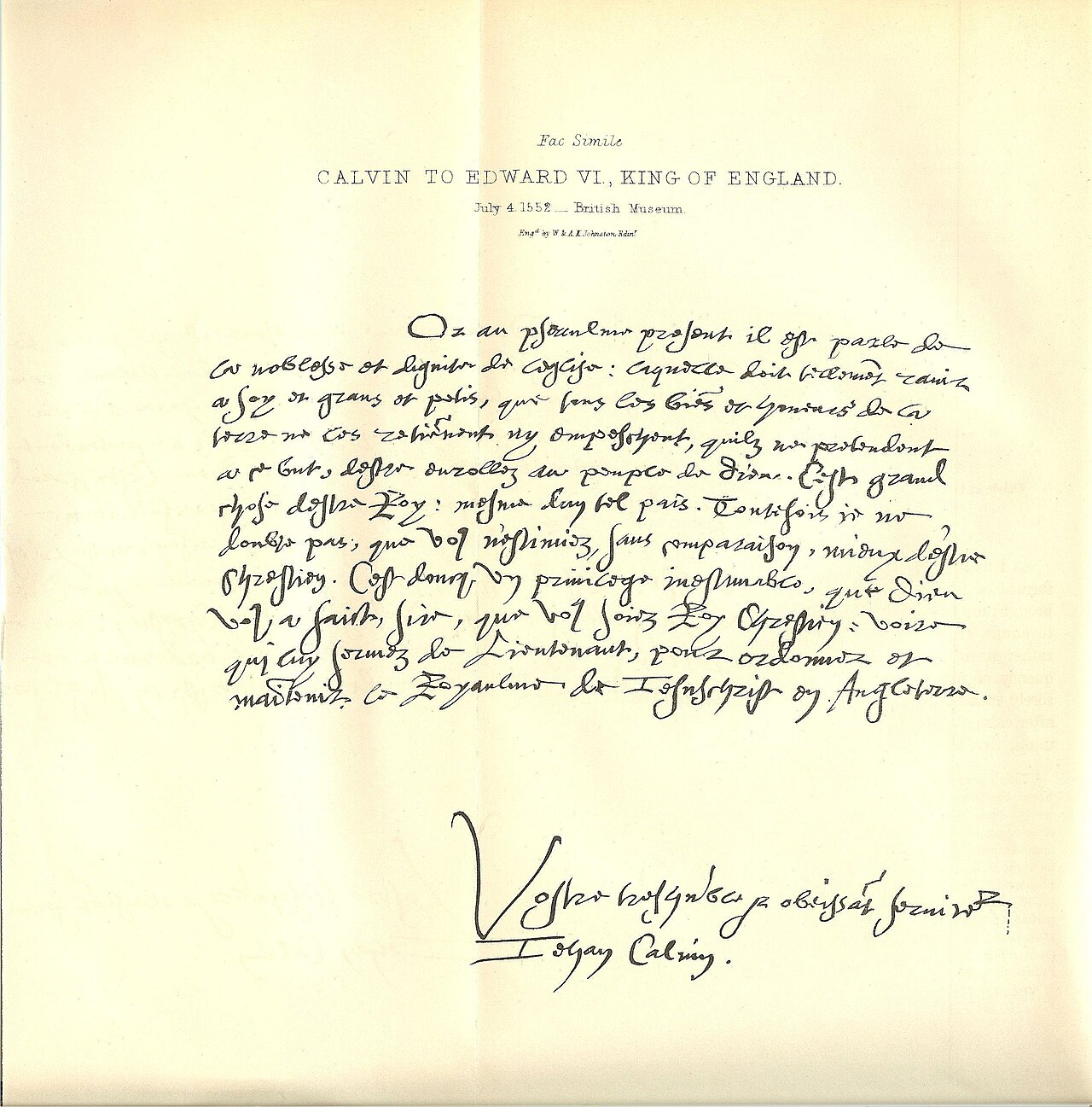
Letter to Edward VI of England
John Calvin · 4 July 1552
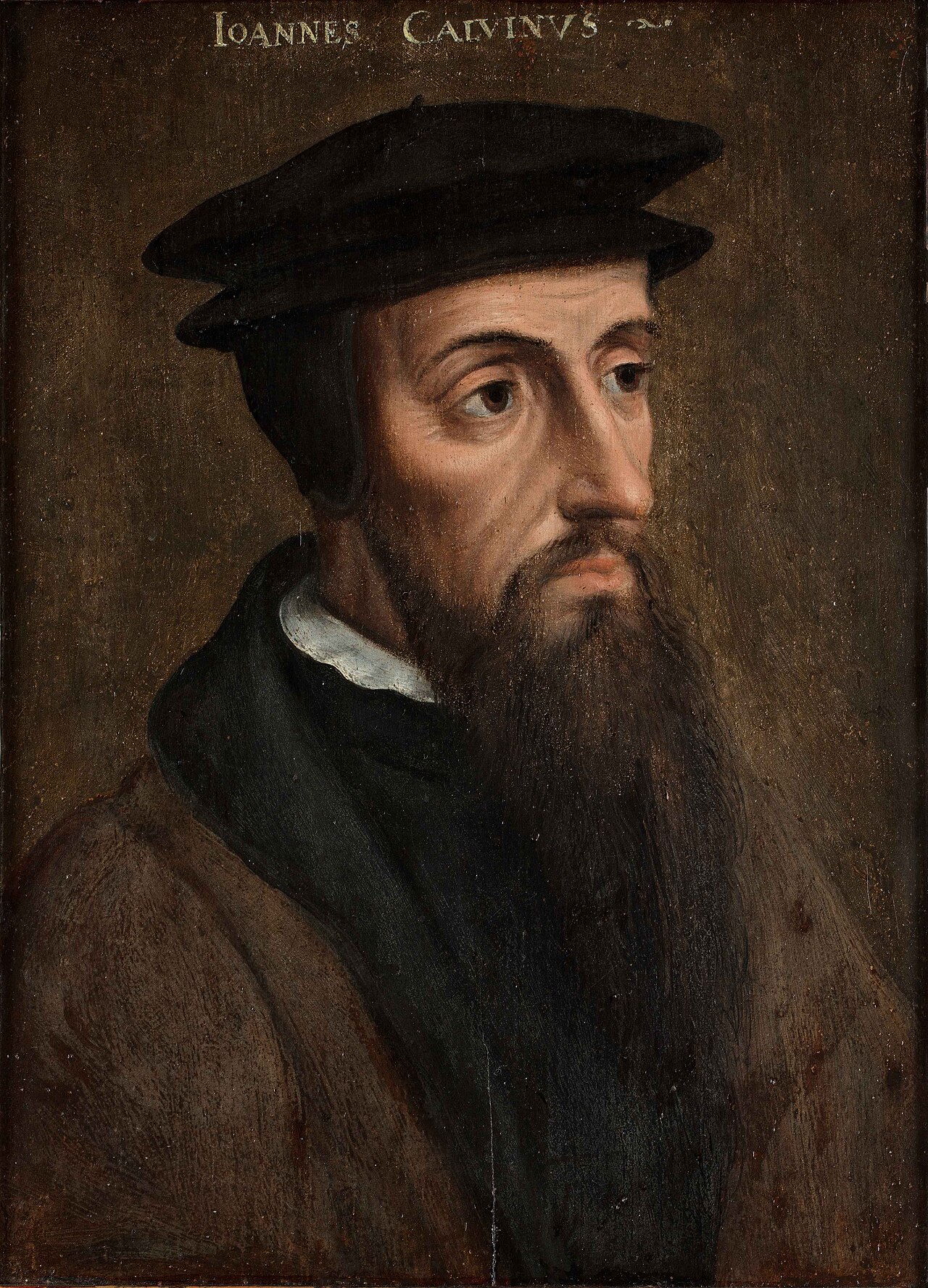 Painting
Primary source
Portrait of John Calvin
Unknown · 1550
Ready when you are
Start chatting with John Calvin now.
20 messages free · No credit card · Available in 50+ languages.