


Secondary sourceSculpture
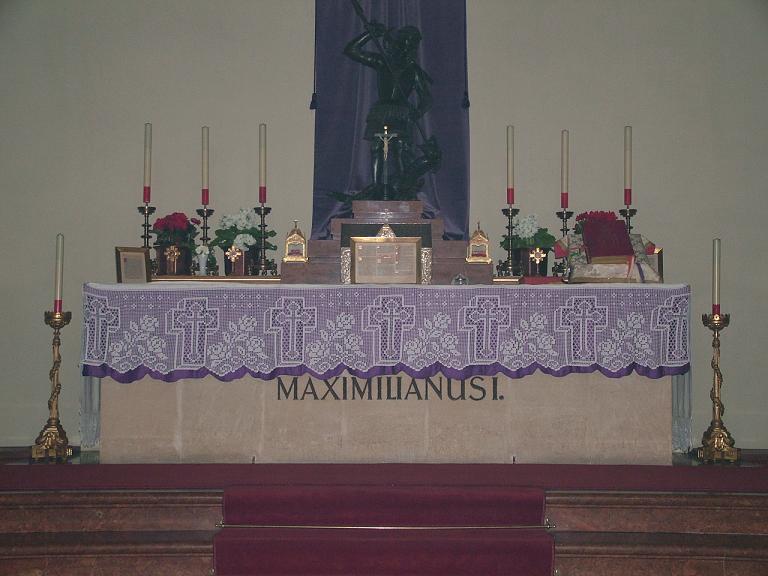
Grave of Maximilian I
The cenotaph of Maximilian I in the Innsbruck Hofkirche, surrounded by bronze ancestor statues, planned by the emperor himself as a dynastic monument.
This is Maximilian's own planned grave monument, designed to project his dynasty's power and legacy.
About this source
What it is
This is the grave monument of Emperor Maximilian I, a cenotaph located in the Hofkirche in Innsbruck, surrounded by large bronze statues of his ancestors, known as the 'Schwarze Mander' (black men). Maximilian himself planned this monument during his lifetime.
Why it matters
The tomb reflects Maximilian's lifelong concern with shaping how he and his dynasty would be remembered. Like his huge printed propaganda projects, the grave was designed to present an image of imperial grandeur and ancestral legitimacy, surrounding his memory with statues of real and legendary forebears. It shows how far rulers of his era went to control their historical image, even after death.
Look closer
- Why might an emperor plan his own grave monument so elaborately during his lifetime?
- What do the surrounding ancestor statues suggest about how Maximilian wanted to connect himself to the past?
- How does this monument compare with the huge prints Maximilian commissioned while alive?
This sculpture is part of the curated material that grounds the AI version of Maximilian I, Holy Roman Emperor on Humy.ai — when students ask about related events, the AI can quote it and cite it.
More Maximilian I, Holy Roman Emperor sources
Browse all 87 →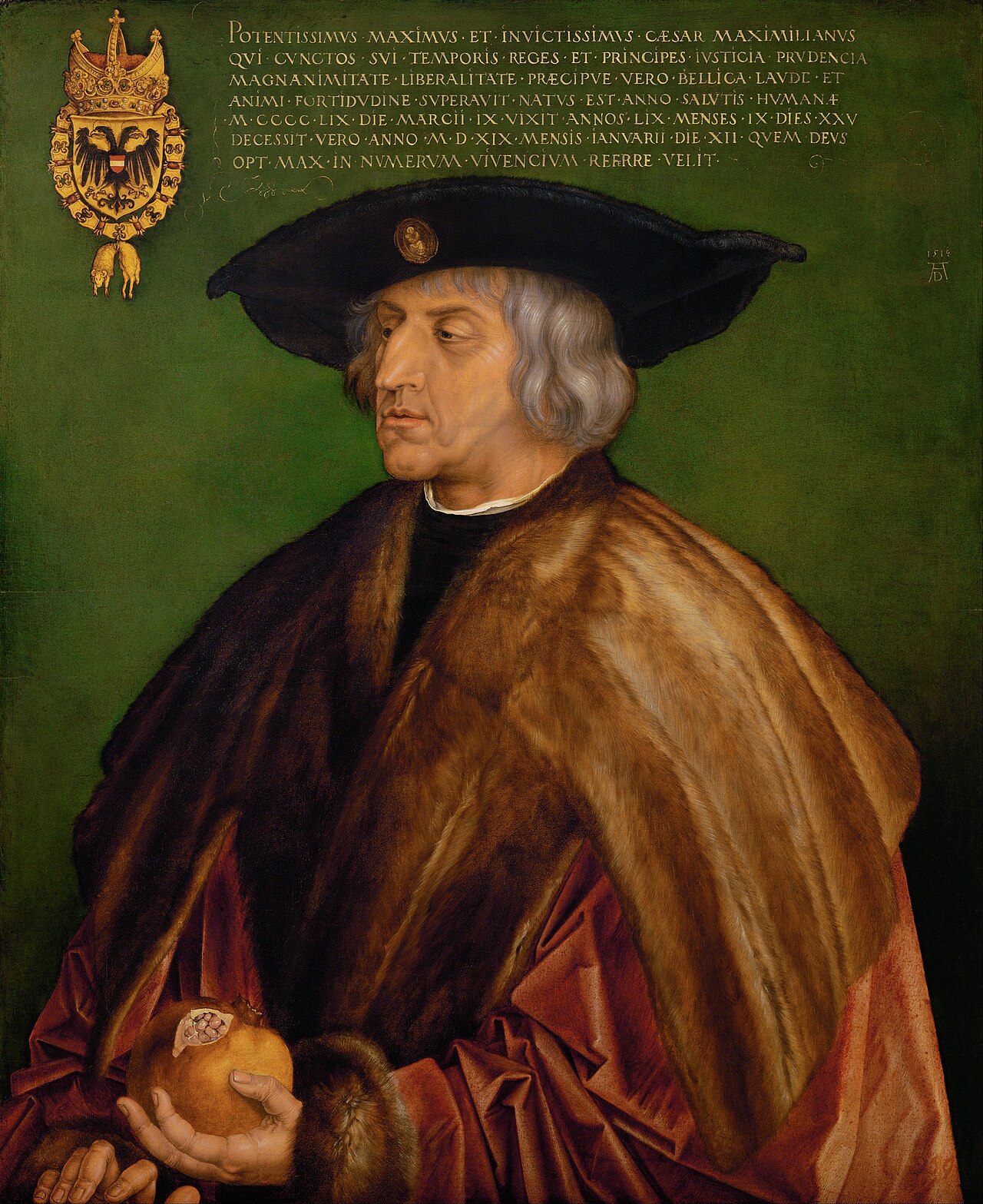 Painting
Primary source
Portrait of Emperor Maximilian I
Albrecht Dürer · 1519
 Artifact
Primary source
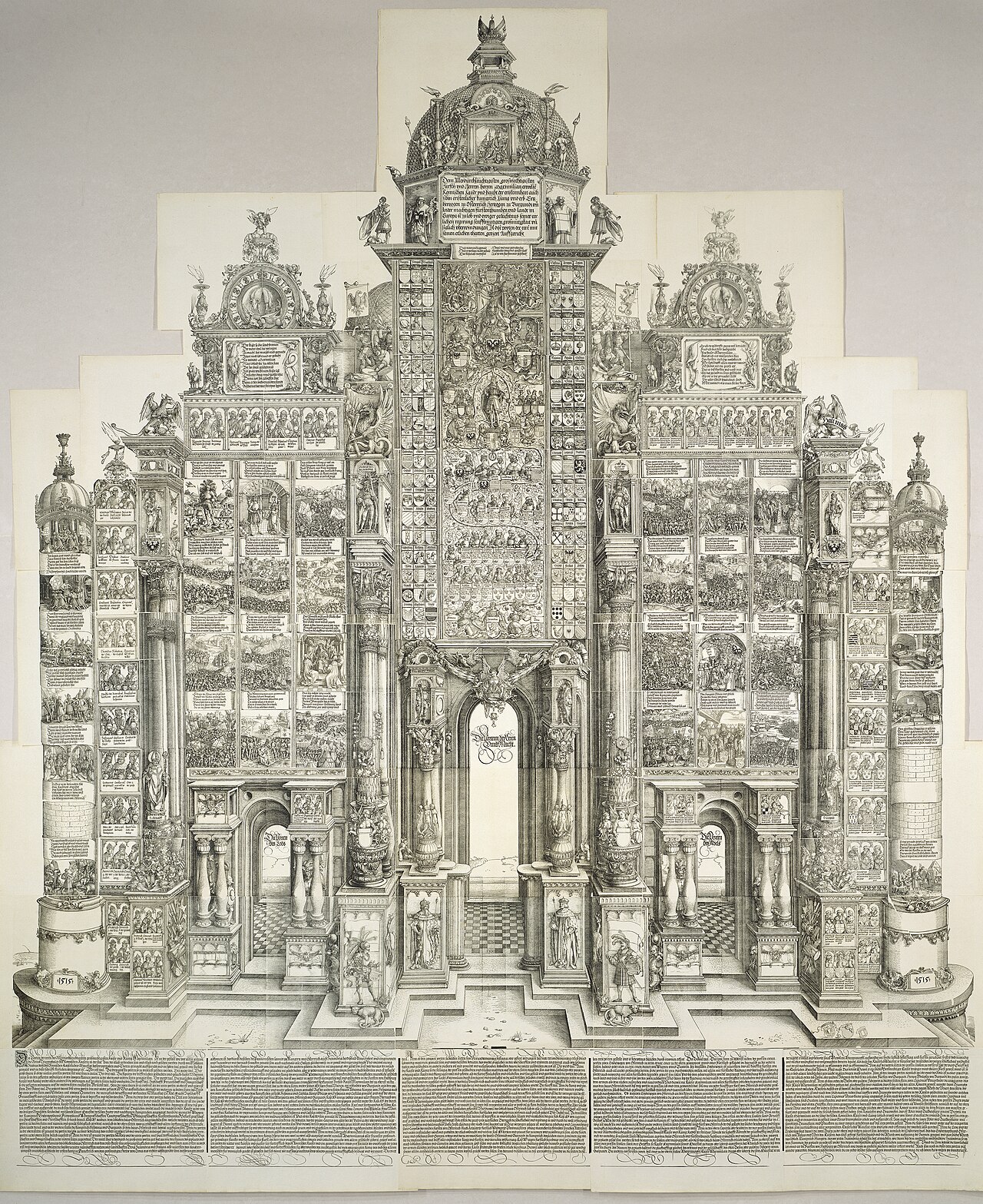
Triumphal Arch
Wolf Traut · 1512-1515
 Artifact
Primary source
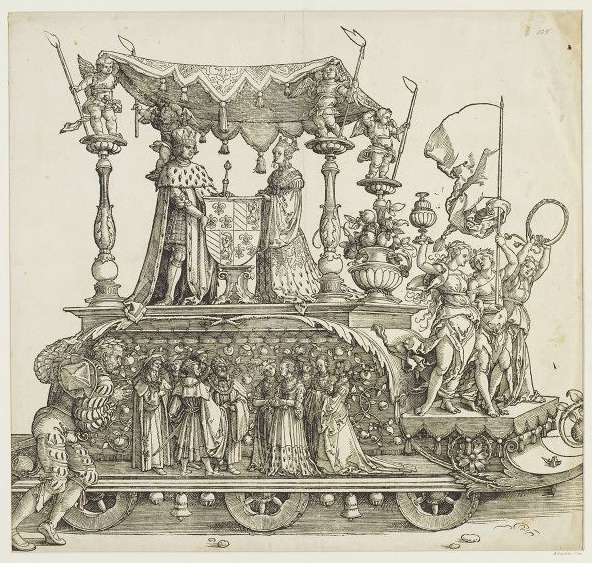
Triumphal Procession
Maximilian I · 1512-1519
 Painting
Primary source
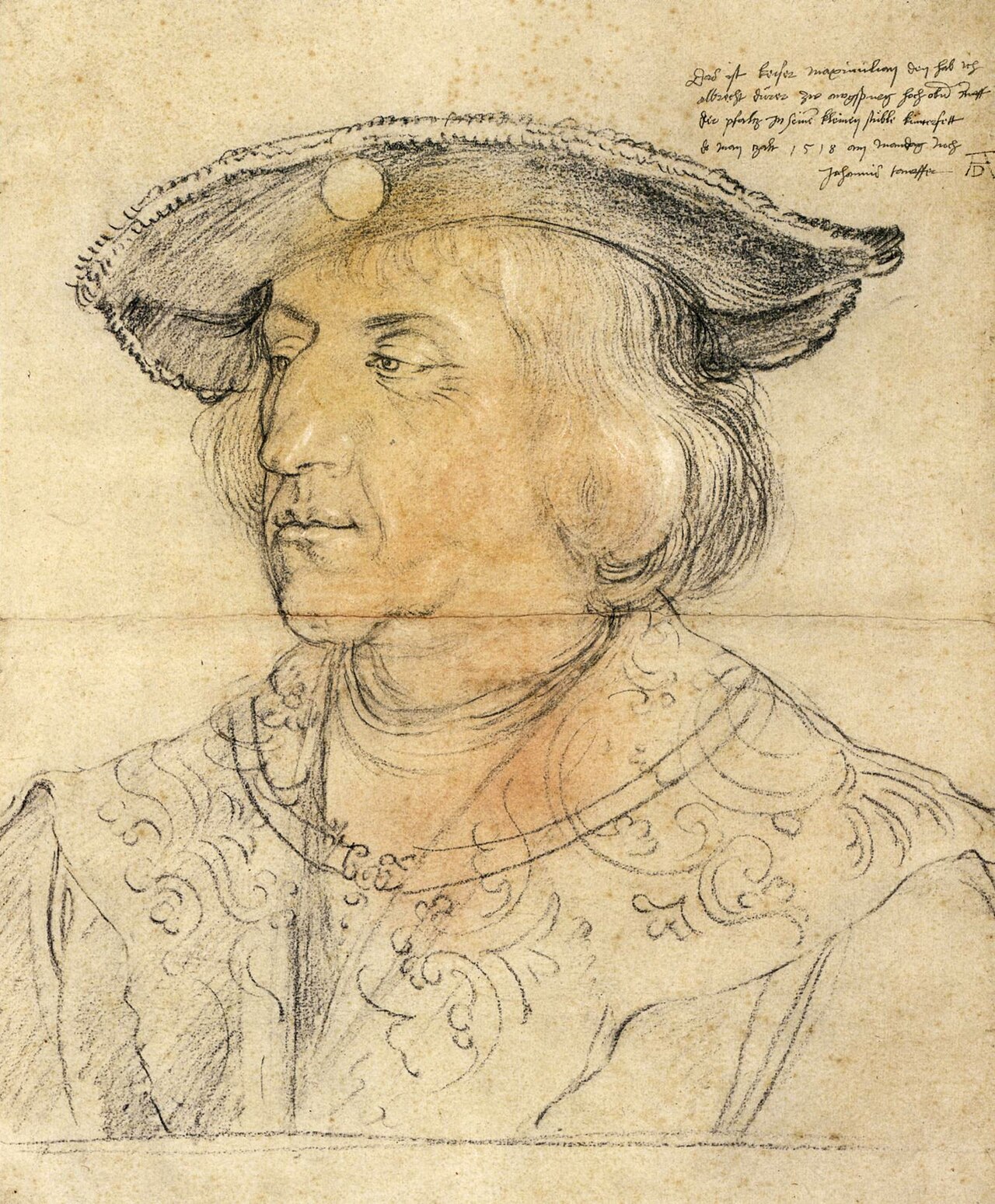
Albrecht Dürer's portrait drawing of Maximilian I
Albrecht Dürer · 1518
Free account
Read every Maximilian I, Holy Roman Emperor source
Sign up free →
Ready when you are
Start chatting with Maximilian I, Holy Roman Emperor now.
20 messages free · No credit card · Available in 50+ languages.