


Secondary sourceArtifact
Grave of Otto von Bismarck
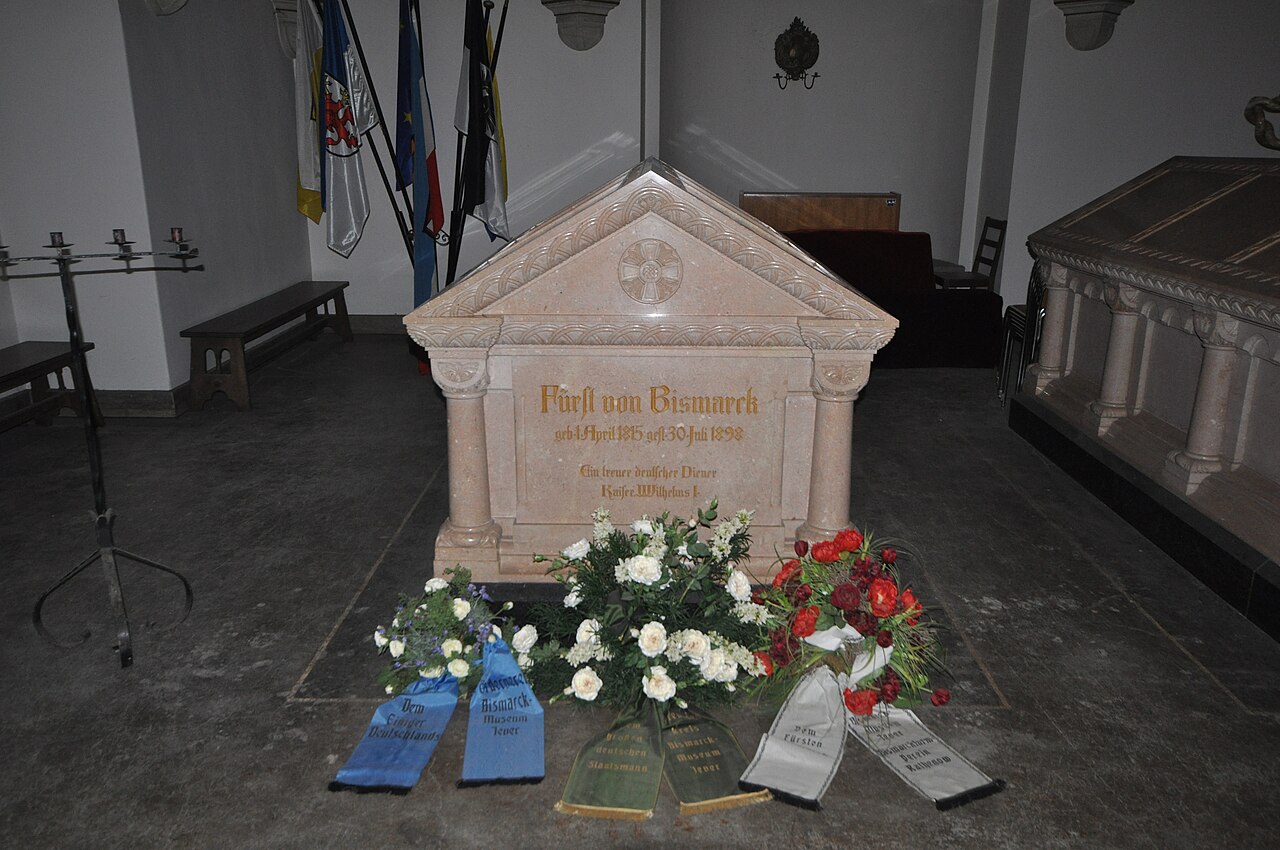
The sarcophagus of Otto von Bismarck in the Friedrichsruh mausoleum, bearing the epitaph he chose for himself.
His chosen epitaph, carved on his own tomb, reveals how Bismarck wished to be remembered in relation to his emperor.
About this source
What it is
This is the sarcophagus of Otto von Bismarck in the mausoleum at Friedrichsruh. It is carved from light stone with a gabled top and a circular emblem, inscribed with his name and dates and the epitaph he chose: "a loyal German servant of Emperor Wilhelm I."
Why it matters
The epitaph Bismarck selected for his own tomb reveals how he wanted to be remembered: not as the architect of German unification in his own right, but as a devoted servant of his emperor. This is a striking statement from a man widely seen as the most powerful political figure of his age, and historians often discuss what it says about his relationship to the monarchy he served.
Look closer
- Why might Bismarck have chosen to describe himself as a "servant" rather than claim credit for his achievements?
- What do the wreaths at the base of the tomb suggest about how later generations viewed him?
- How does a person's chosen epitaph differ from how historians might describe them?
This artifact is part of the curated material that grounds the AI version of Otto von Bismarck on Humy.ai — when students ask about related events, the AI can quote it and cite it.
More Otto von Bismarck sources
Meet the AI Otto von Bismarck →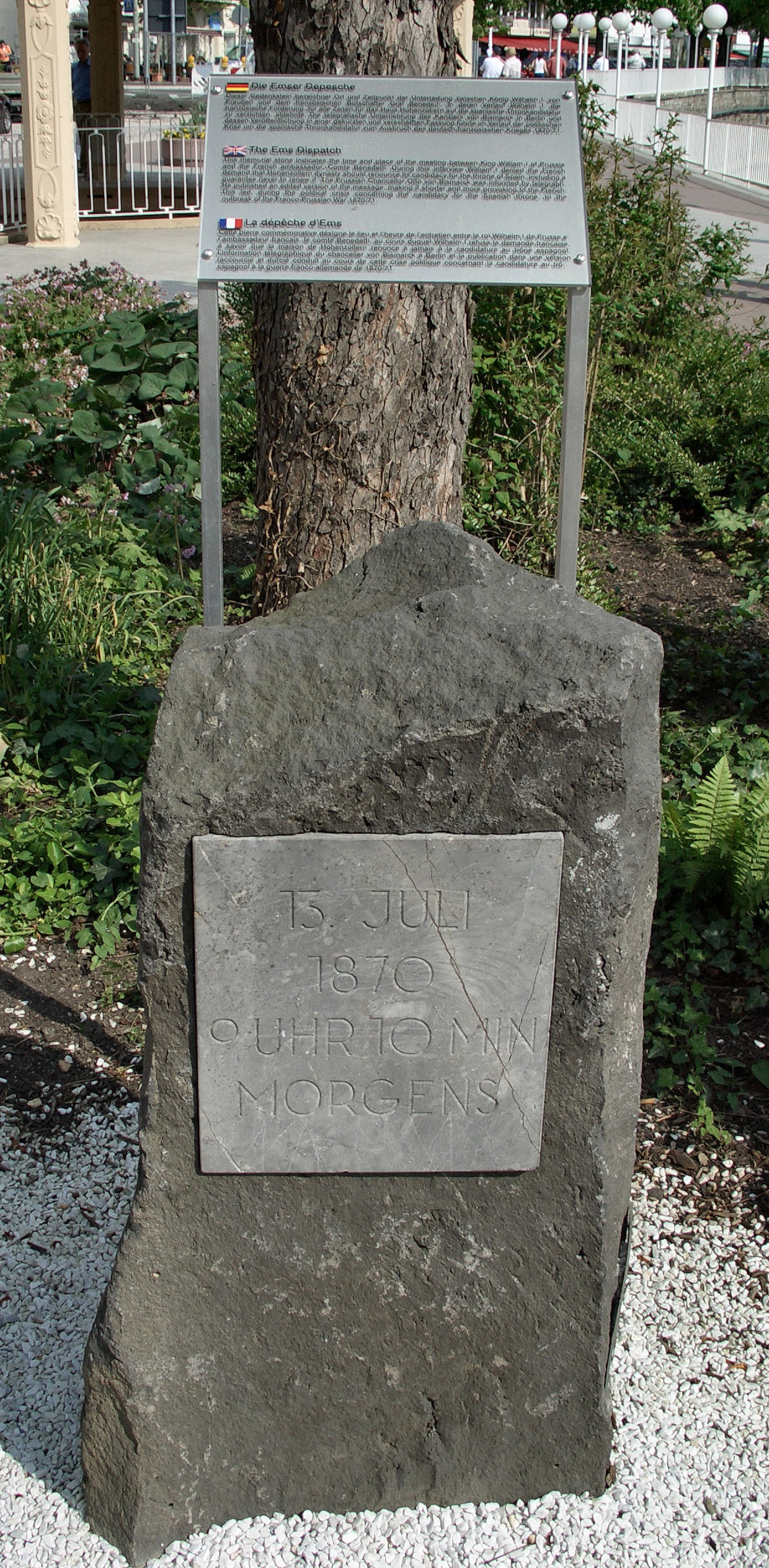 Document
Primary source
Ems Dispatch
Otto von Bismarck · 13 July 1870
 Painting
Secondary source
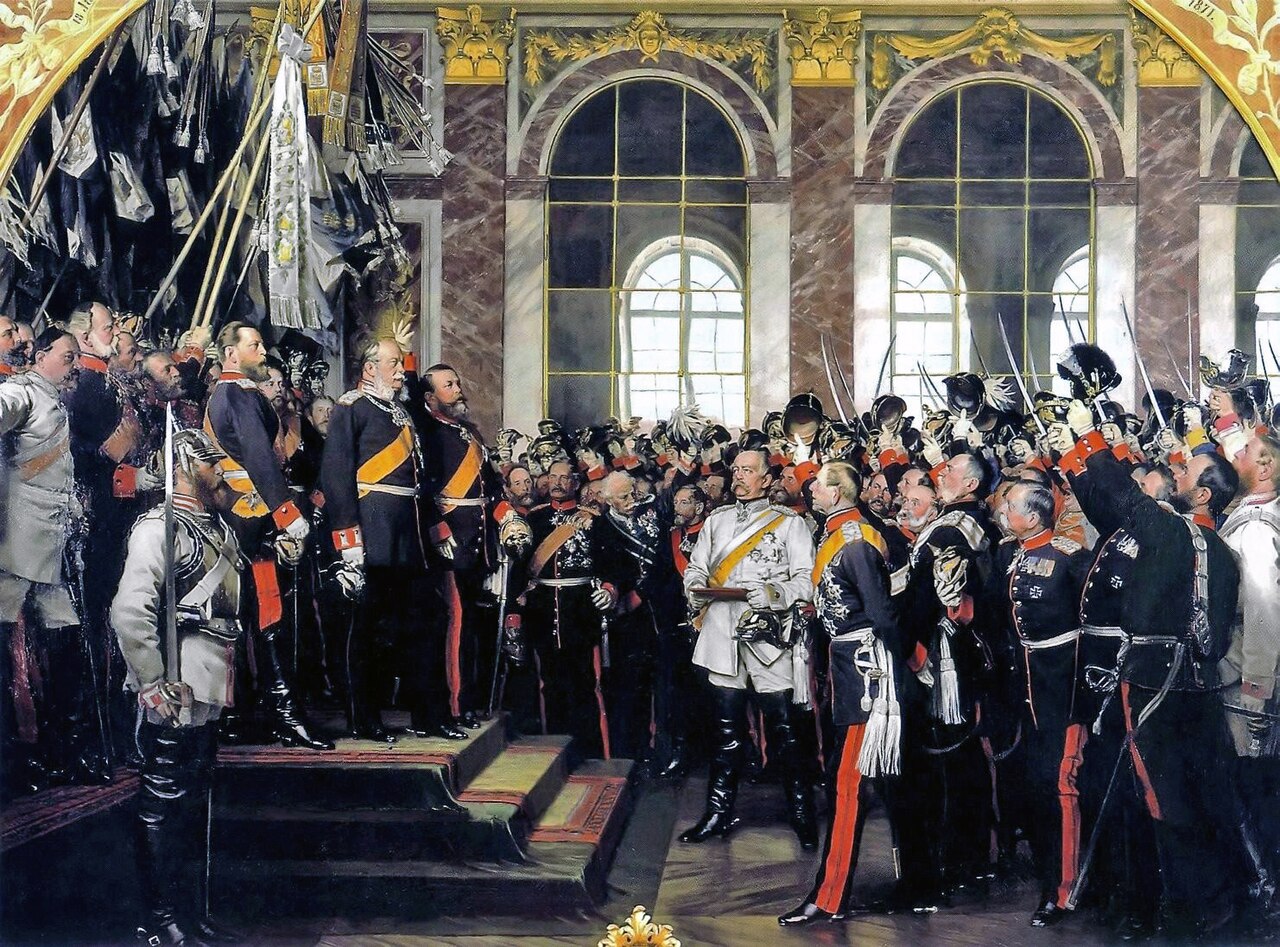
Proclamation of the German Empire at Versailles
Anton von Werner · 1885
 Document
Primary source
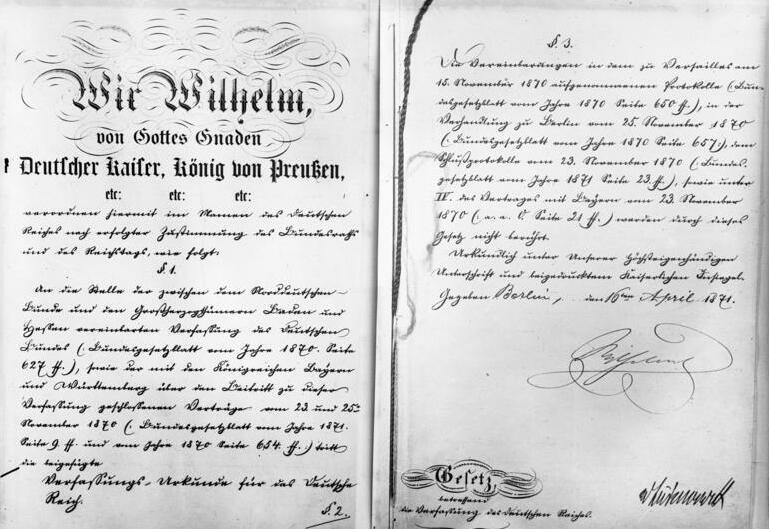
Constitution of the German Empire
4 May 1871
 Painting
Secondary source
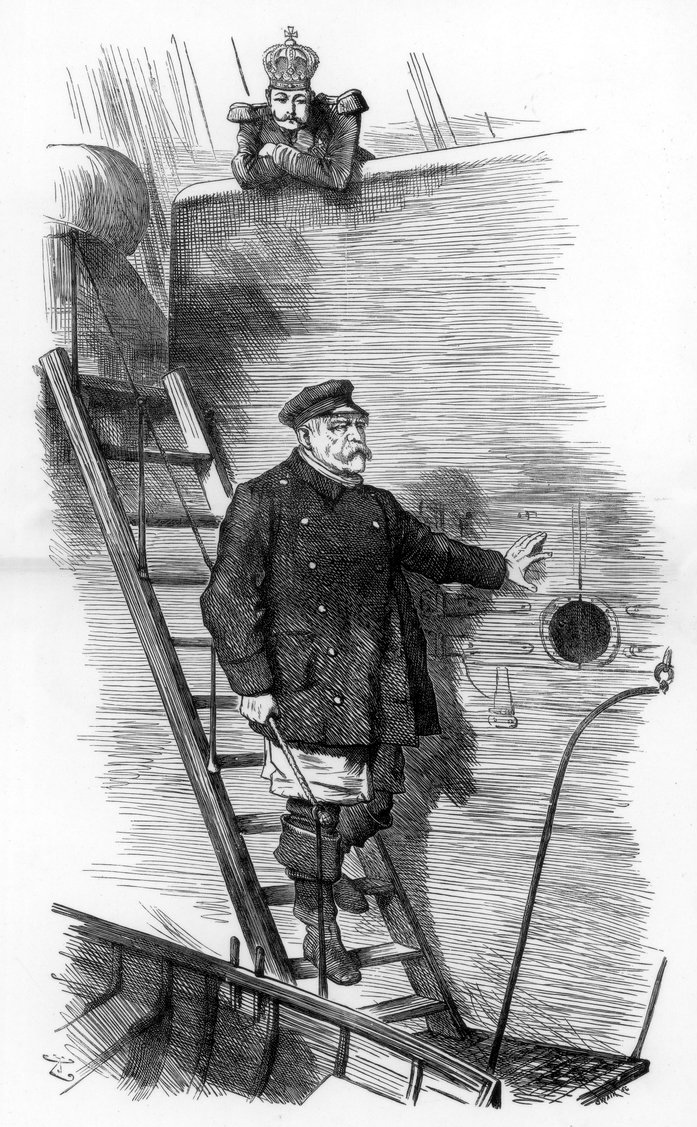
Dropping the Pilot
John Tenniel · 29 March 1890
 Document
Primary source
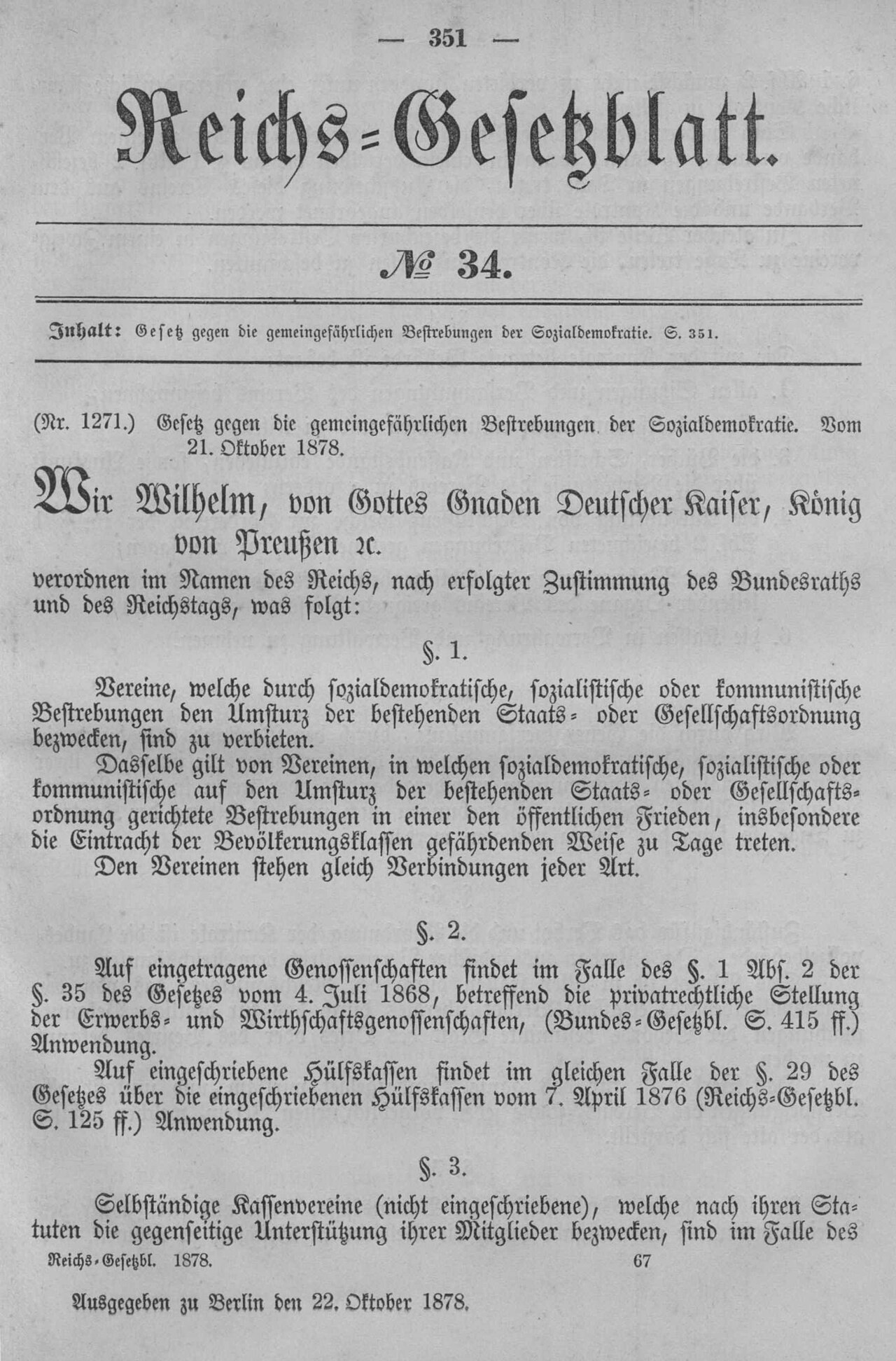
Anti-Socialist Law
21 October 1878
Ready when you are
Start chatting with Otto von Bismarck now.
20 messages free · No credit card · Available in 50+ languages.