


Secondary sourceSculpture
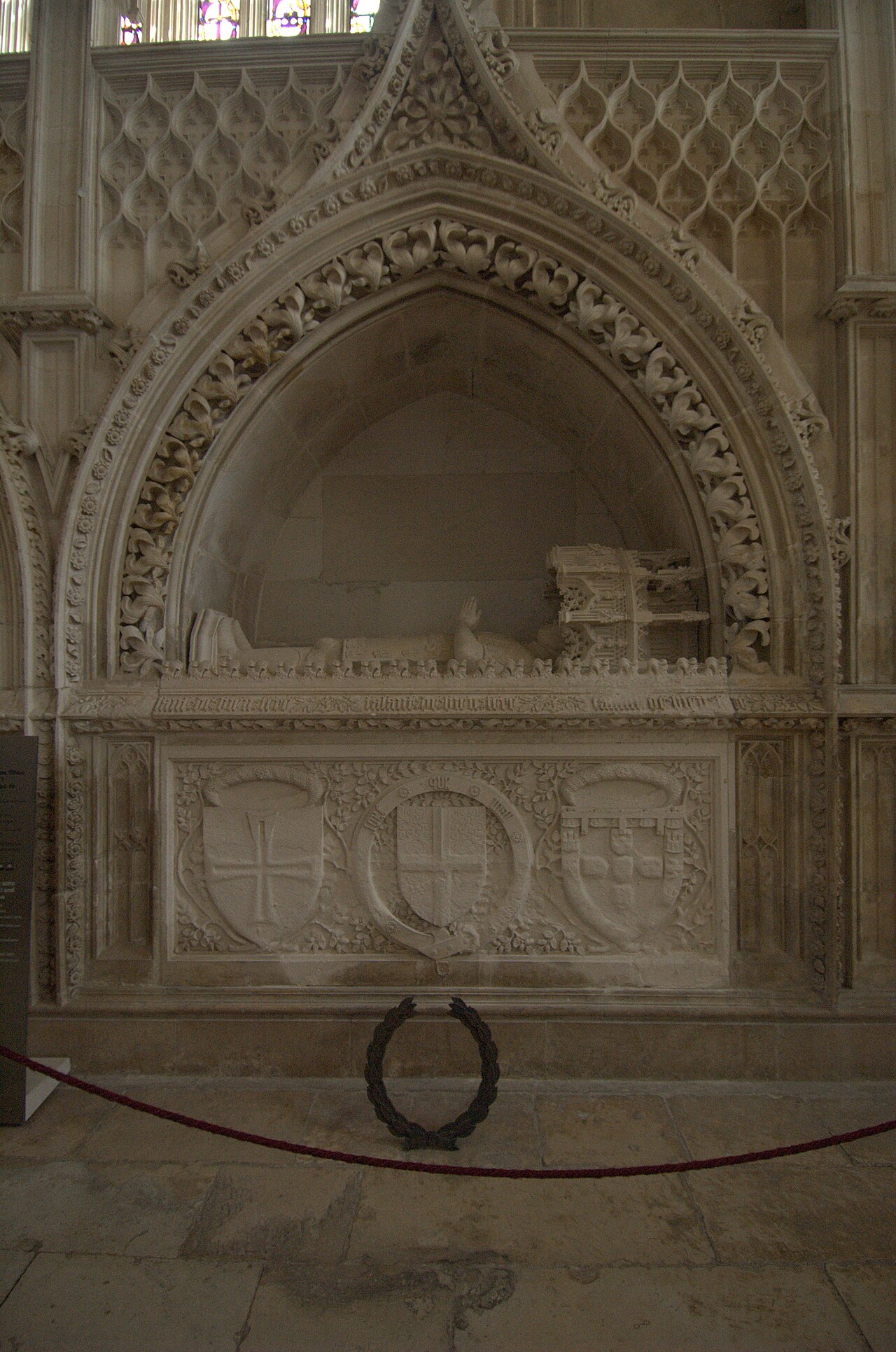
Grave of Prince Henry the Navigator
The Gothic tomb effigy of Prince Henry the Navigator at Batalha Monastery, bearing his motto and coat of arms.
Henry's tomb and effigy, built by his family, show how he was memorialised as a crusading prince after his death.
About this source
What it is
This is the tomb of Prince Henry the Navigator in the Founder's Chapel of the Batalha Monastery in Portugal. It consists of a recumbent stone effigy set beneath a Gothic arch, with his coat of arms carved below.
Why it matters
The tomb carries Henry's personal motto, 'Talant de bien faire' ('Desire to do well'), alongside his heraldic arms. Built by his family after his death, it shows how later generations wanted him remembered — as a noble, crusading prince rather than as the sponsor of slave-trading voyages. Comparing this memorial with other evidence about Henry helps students see the gap between commemoration and historical record.
Look closer
- Why might a family choose a motto and coat of arms to represent someone, rather than a written account of their life?
- What image of Henry does this tomb want visitors to remember?
- What parts of Henry's life and actions does a monument like this leave out?
This sculpture is part of the curated material that grounds the AI version of Prince Henry the Navigator on Humy.ai — when students ask about related events, the AI can quote it and cite it.
More Prince Henry the Navigator sources
Meet the AI Prince Henry the Navigator →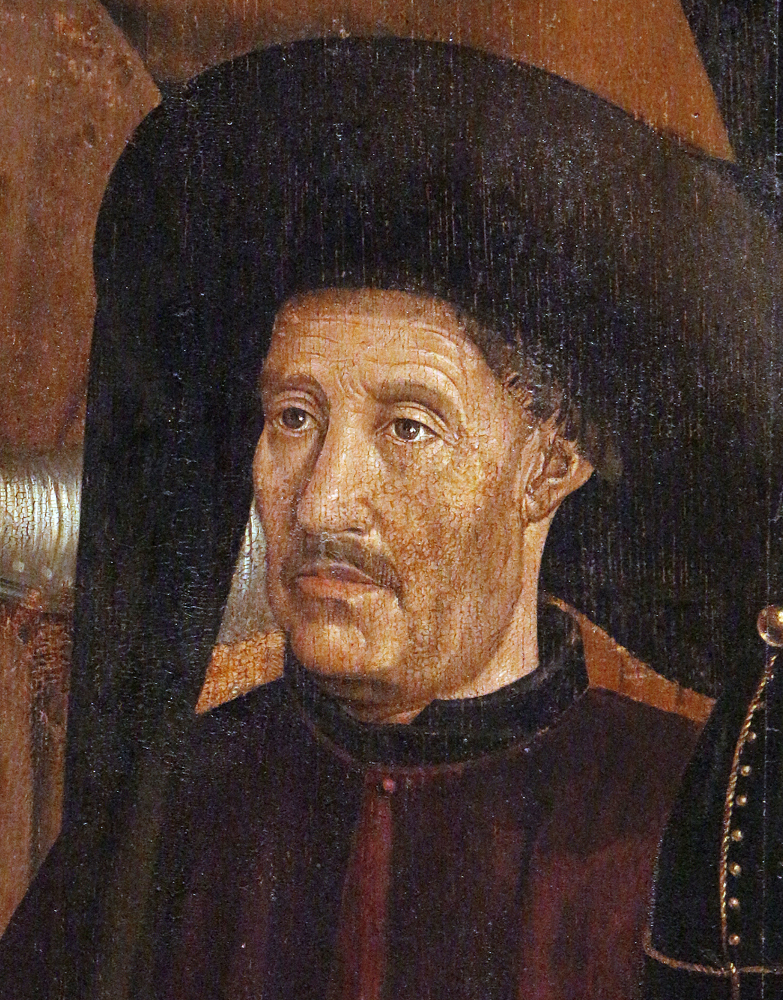 Painting
Secondary source
Panel of the Prince (Detail)
Nuno Gonçalves · c. 1470
 Artifact
Secondary source
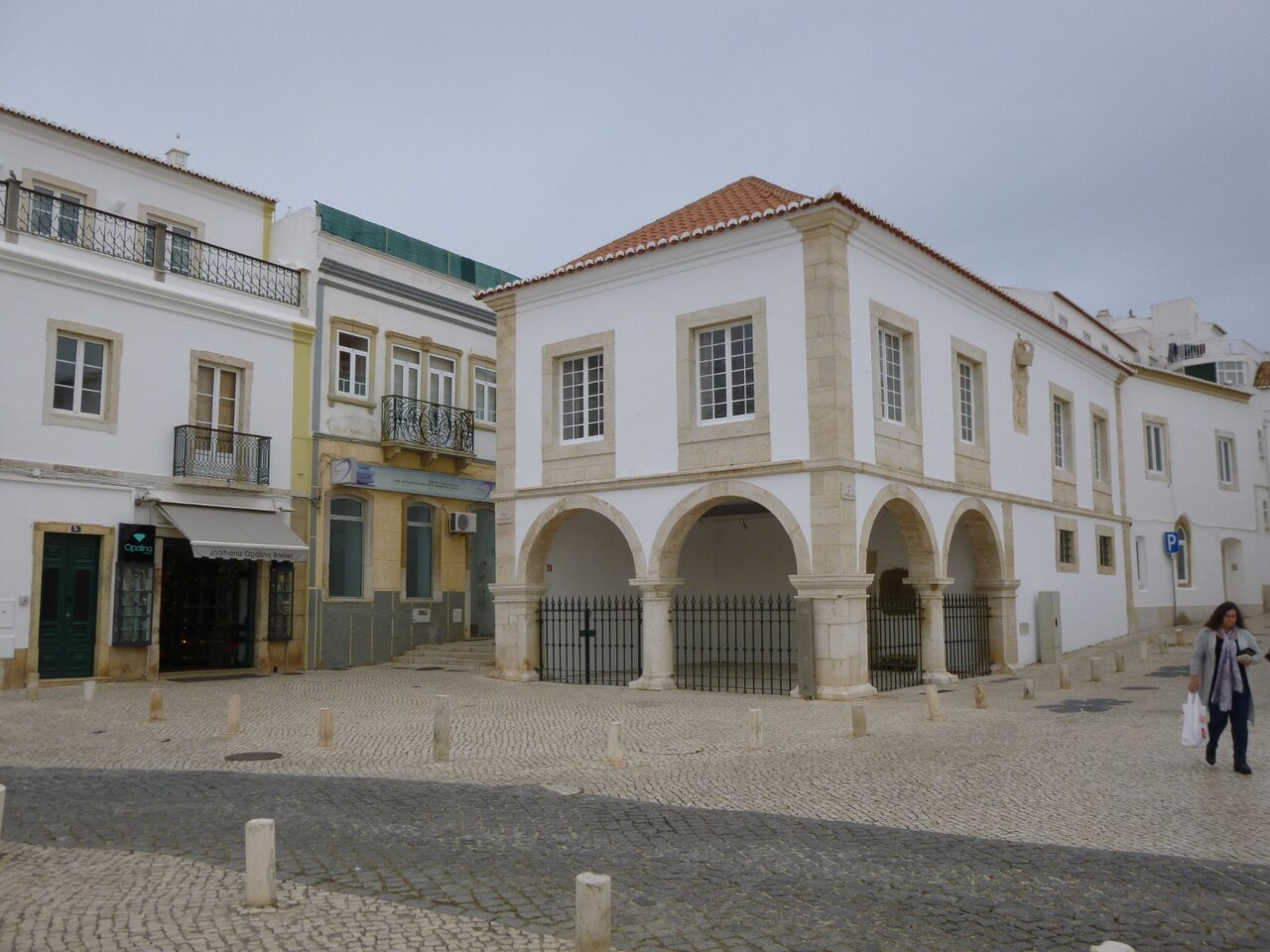
Mercado de Escravos
Built 1691; site of 1444 slave sale
 Book
Secondary source
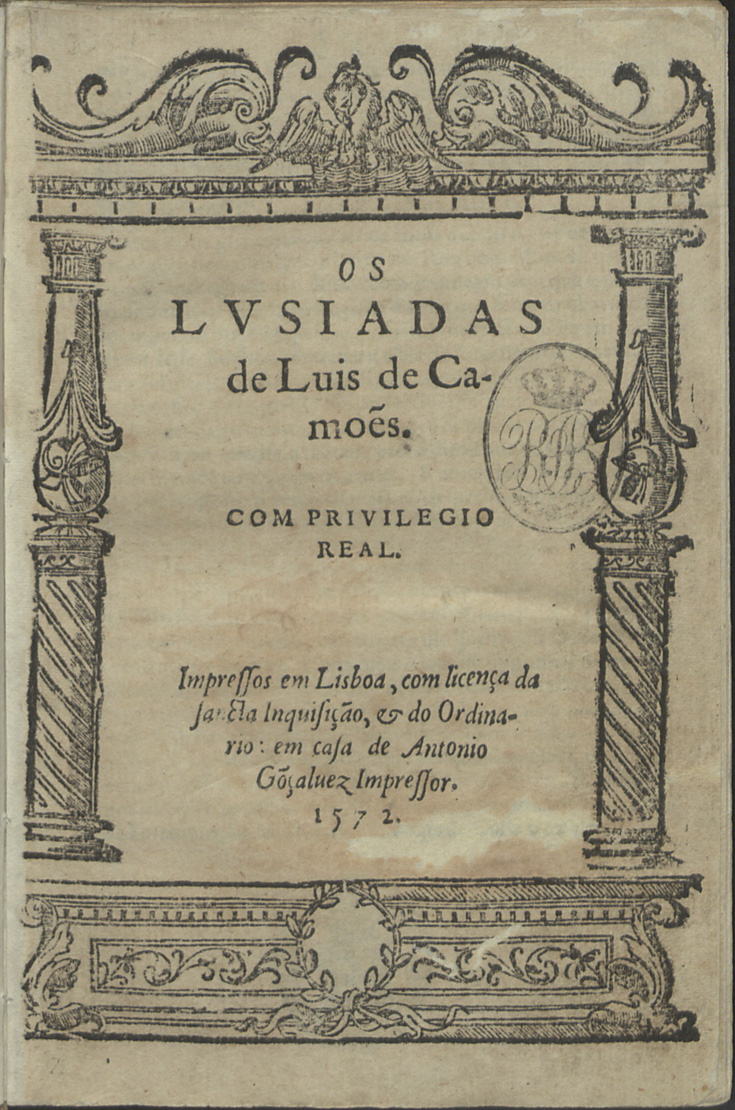
Os Lusíadas
Luís de Camões · 1572
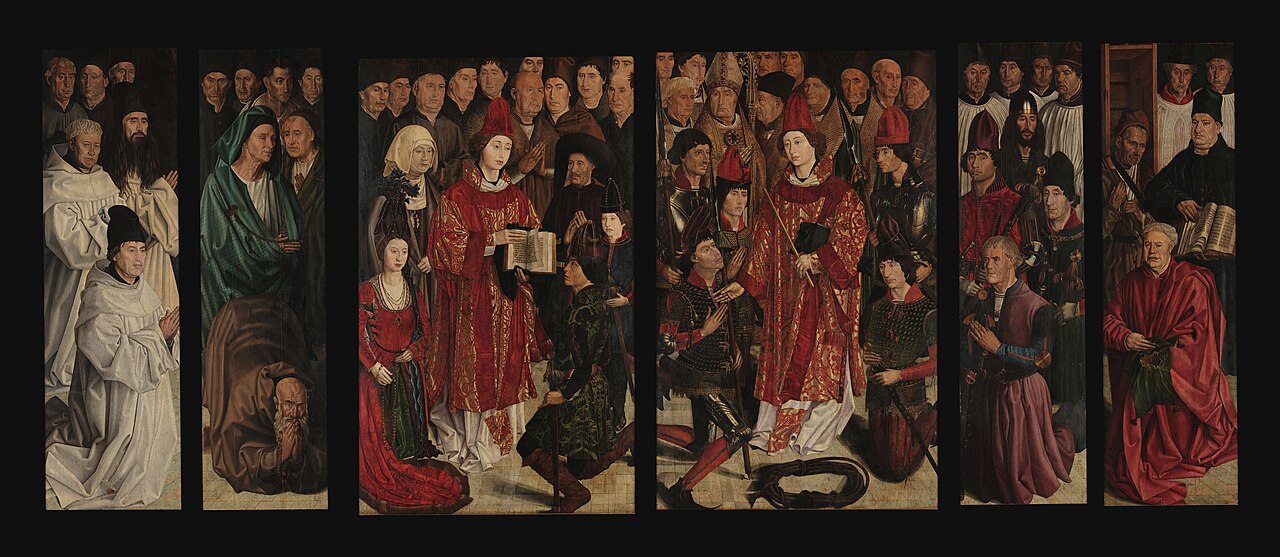 Painting
Secondary source
Saint Vincent Panels
Nuno Gonçalves · c. 1450-1480
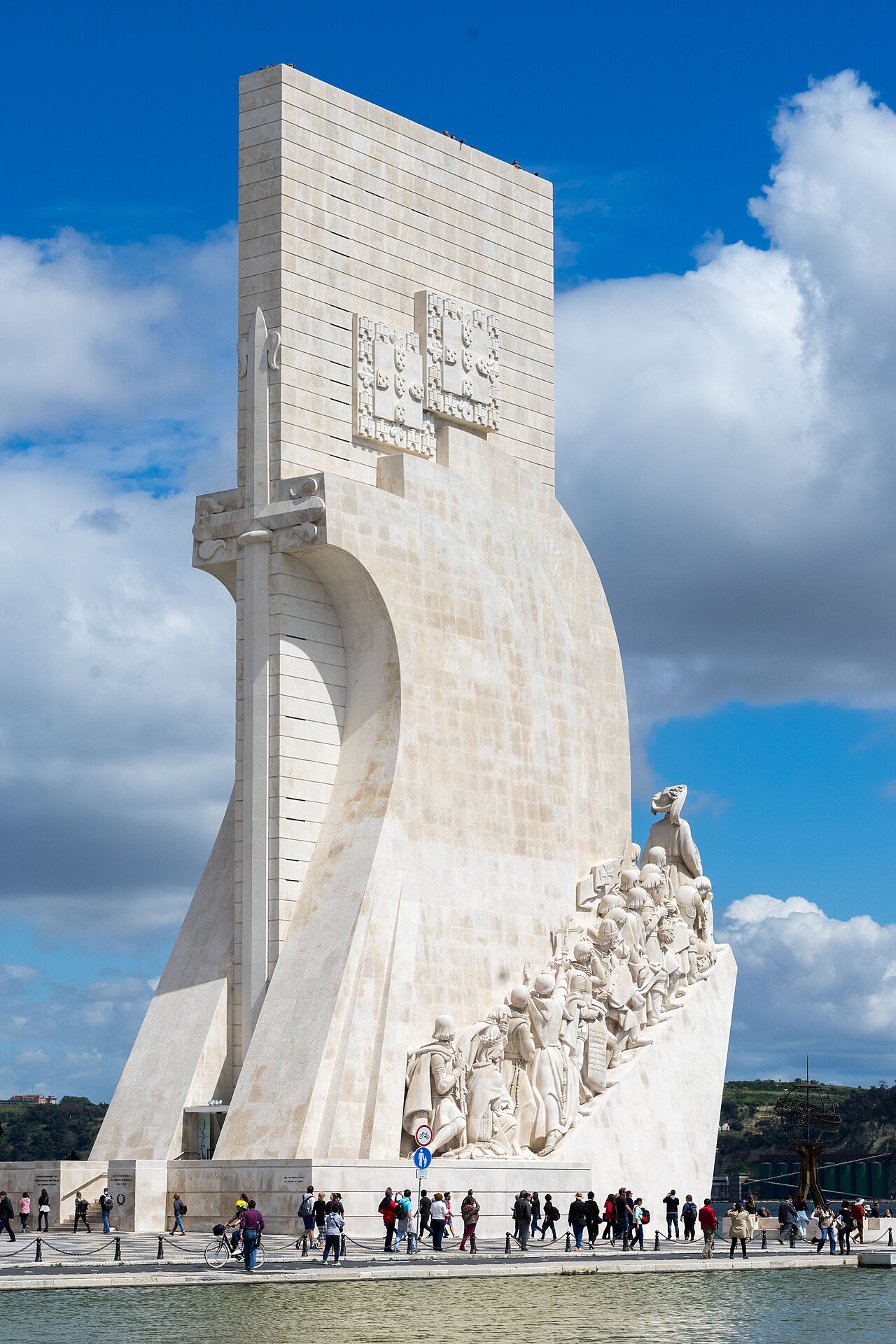 Sculpture
Secondary source
Padrão dos Descobrimentos
Leopoldo de Almeida · 1960 (inaugurated 9 August 1960)
Ready when you are
Start chatting with Prince Henry the Navigator now.
20 messages free · No credit card · Available in 50+ languages.