


Secondary sourceSculpture
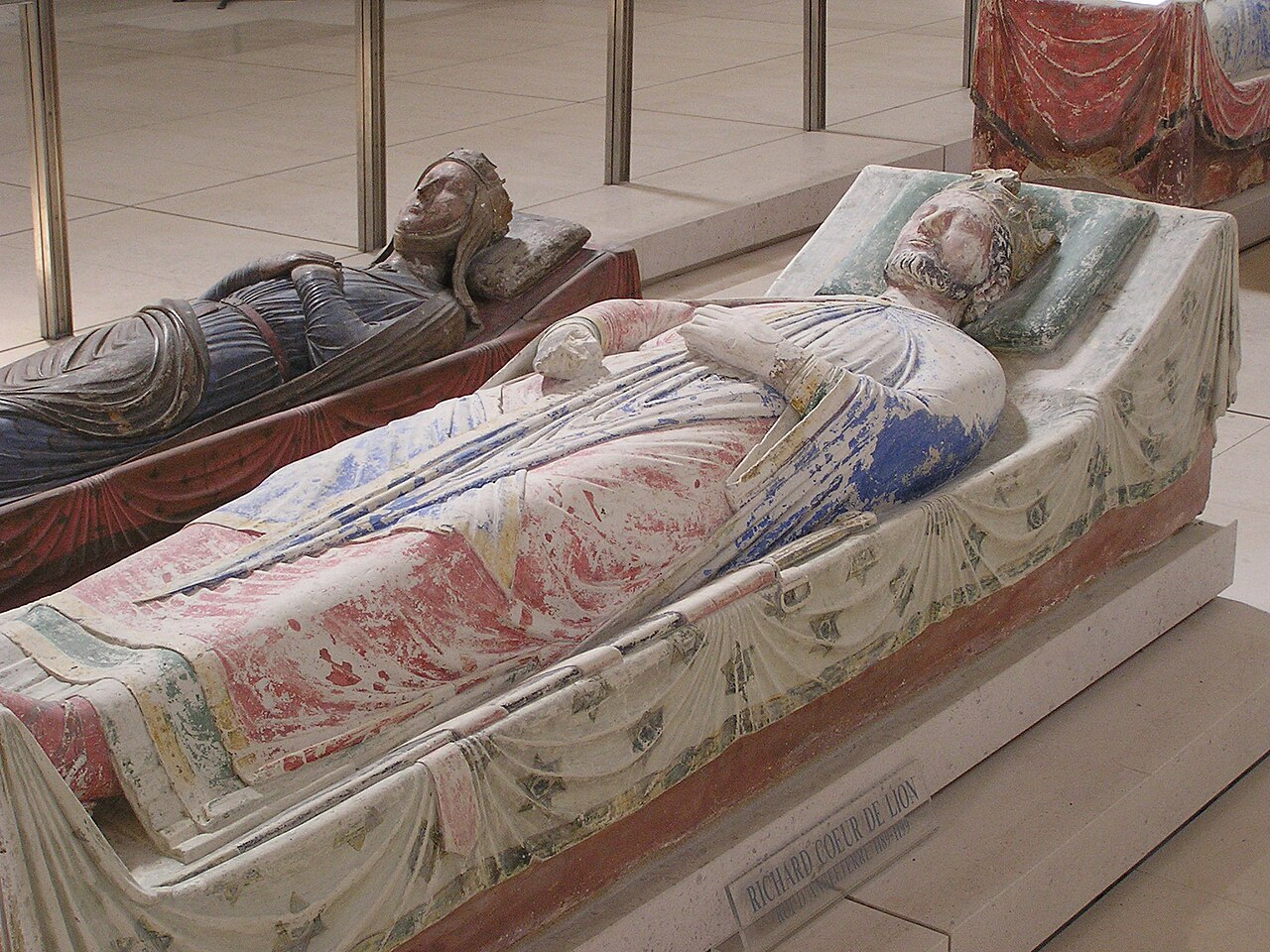
Grave of Richard I of England
A painted stone tomb effigy of Richard I at Fontevraud Abbey, made soon after his death, lying beside those of his parents.
This tomb effigy commemorates Richard and places him within his family's continental Angevin power base.
About this source
What it is
This is a painted stone effigy marking the grave of Richard I at Fontevraud Abbey in France, made not long after his death in 1199. It shows a crowned king lying with his hands clasped on his chest.
Why it matters
The tomb lies alongside the effigies of his parents, Henry II and Eleanor of Aquitaine, showing the strength of the Angevin family's power across both England and continental France. Tomb effigies like this were a common way for medieval royal families to present an idealised image of their rulers after death.
Look closer
- What does the pose and crown of the effigy suggest about how Richard wanted (or his family wanted) him to be remembered?
- Why might he be buried in France rather than England?
- What is missing from this image that a true likeness might include?
This sculpture is part of the curated material that grounds the AI version of Richard the Lionheart on Humy.ai — when students ask about related events, the AI can quote it and cite it.
More Richard the Lionheart sources
Browse all 94 →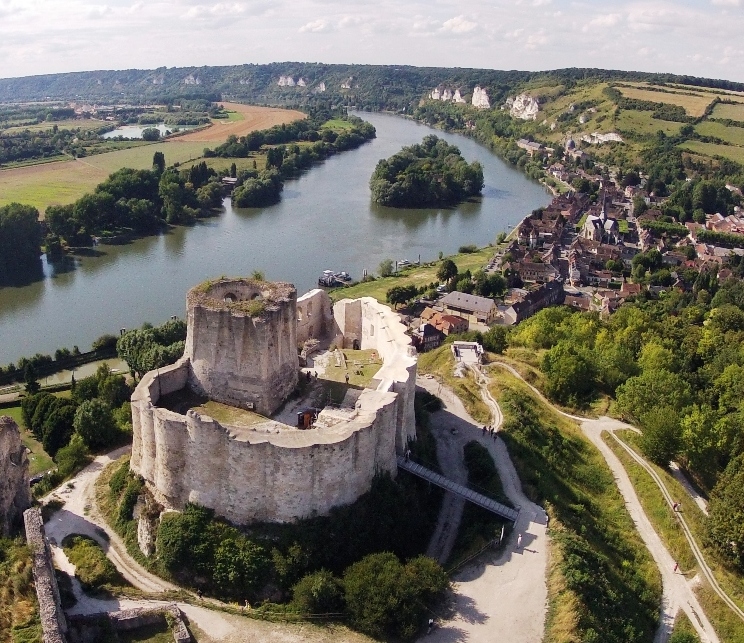 Artifact
Primary source
Château Gaillard
1196-1198
 Painting
Primary source
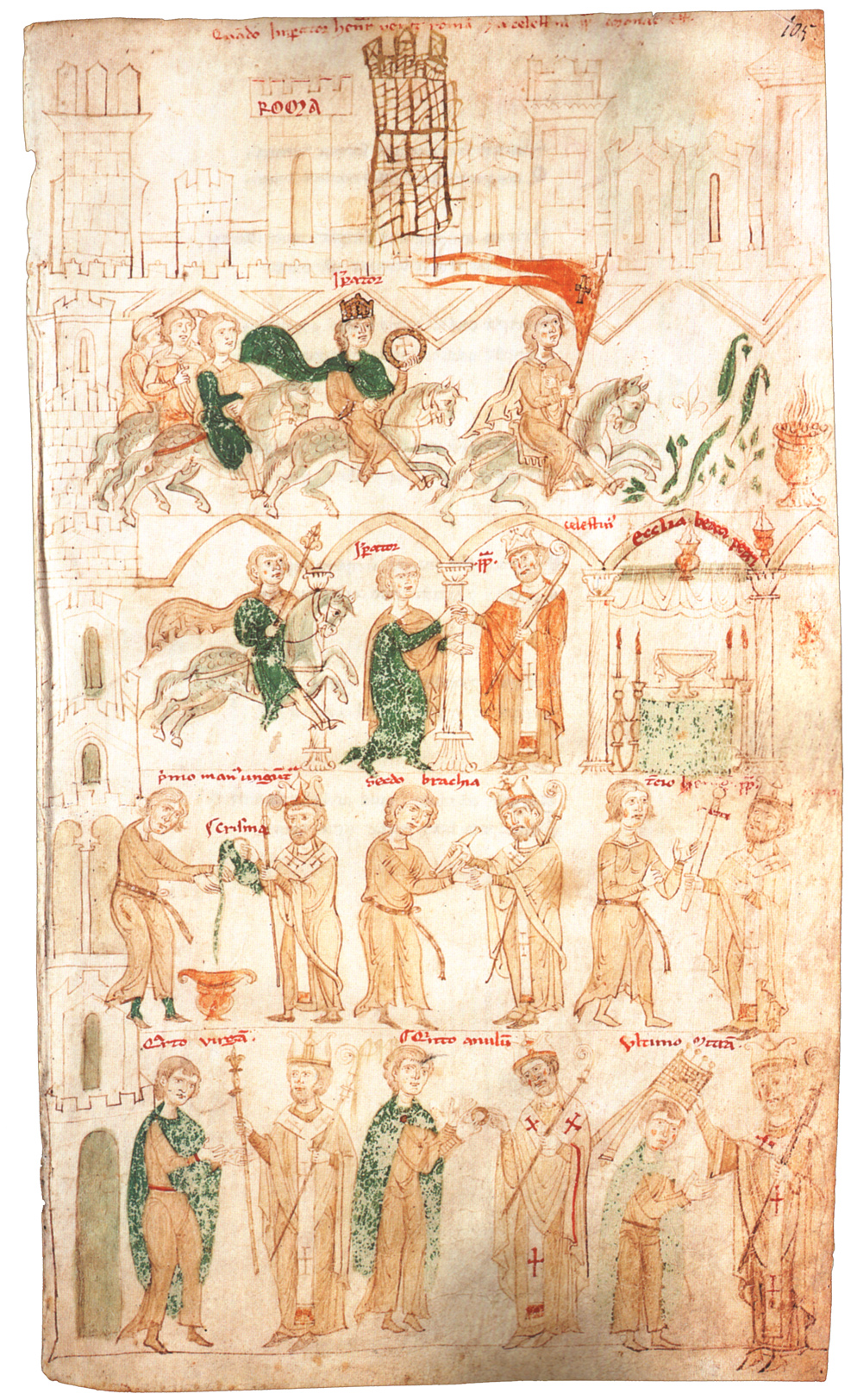
Liber ad honorem Augusti
Peter of Eboli · 1196
 Artifact
Primary source
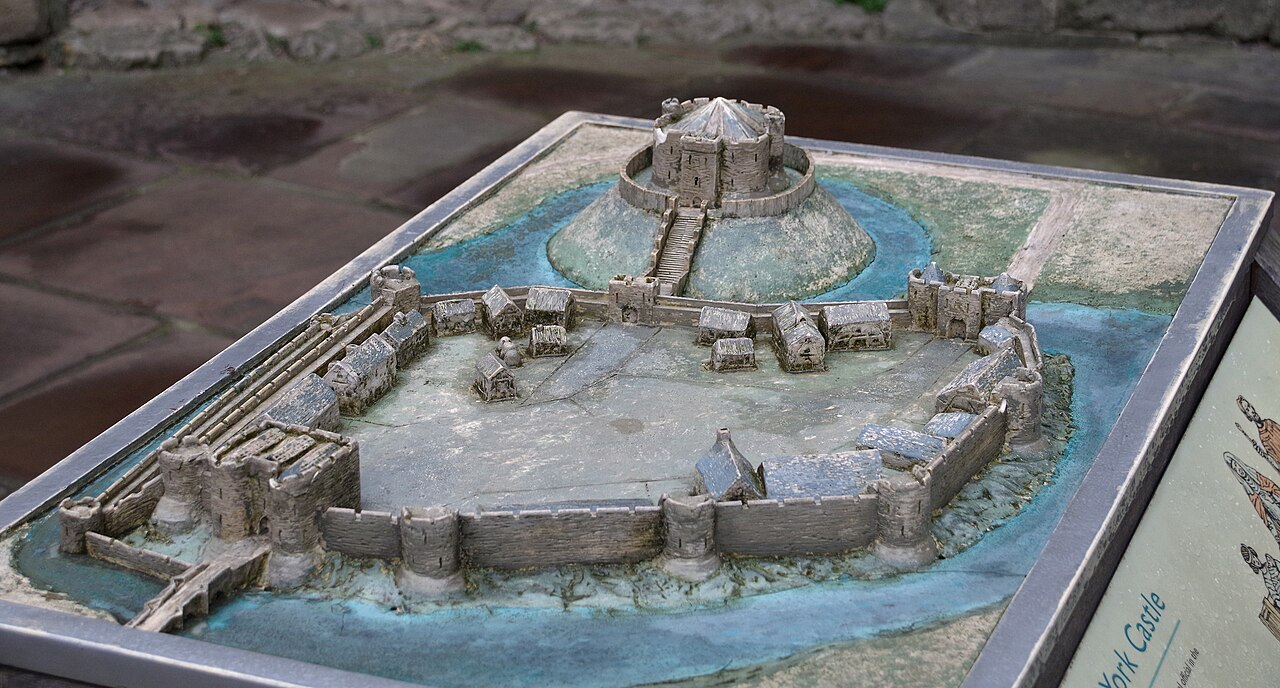
York Castle
1068
Primary source
Chronicon de rebus gestis Ricardi Primi
Richard of Devizes · late 12th century
Free account
Read every Richard the Lionheart source
Sign up free →
Ready when you are
Start chatting with Richard the Lionheart now.
20 messages free · No credit card · Available in 50+ languages.