


Secondary sourceArtifact1679
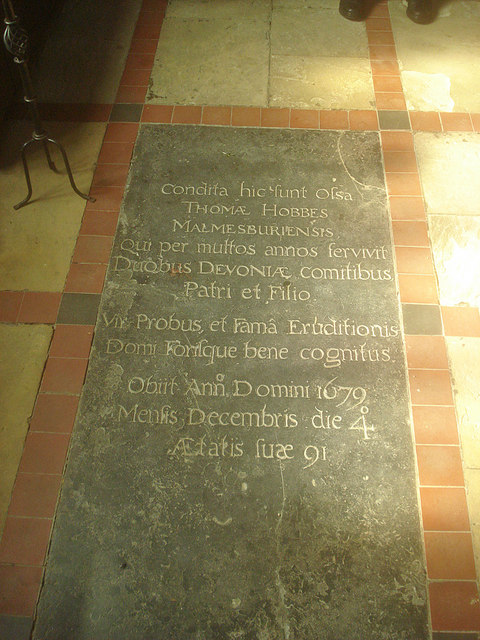
Grave of Thomas Hobbes
1679
The ledger stone marking Thomas Hobbes's grave at Ault Hucknall church, inscribed with a Latin epitaph.
This ledger stone marks Hobbes's grave and death in 1679, reflecting his long connection to the Cavendish family.
About this source
What it is
This is the grave of Thomas Hobbes, a flat stone set into the floor of St John the Baptist church at Ault Hucknall, near Hardwick Hall. It is carved with a Latin inscription naming him and recording his death in 1679 at the age of 91.
Why it matters
Hobbes spent his later years connected to the Cavendish family, and his burial near Hardwick Hall reflects that relationship. The grave is a physical reminder of his long life and lasting influence as one of England's most important philosophers, known especially for Leviathan and his ideas about government and the social contract.
Look closer
- What does the choice of a simple stone slab, rather than a grand monument, suggest about how Hobbes was remembered?
- Why might Hobbes have been buried near Hardwick Hall rather than elsewhere?
- What does the Latin inscription tell us about the way educated people of the time commemorated the dead?
This artifact is part of the curated material that grounds the AI version of Thomas Hobbes on Humy.ai — when students ask about related events, the AI can quote it and cite it.
More Thomas Hobbes sources
Meet the AI Thomas Hobbes →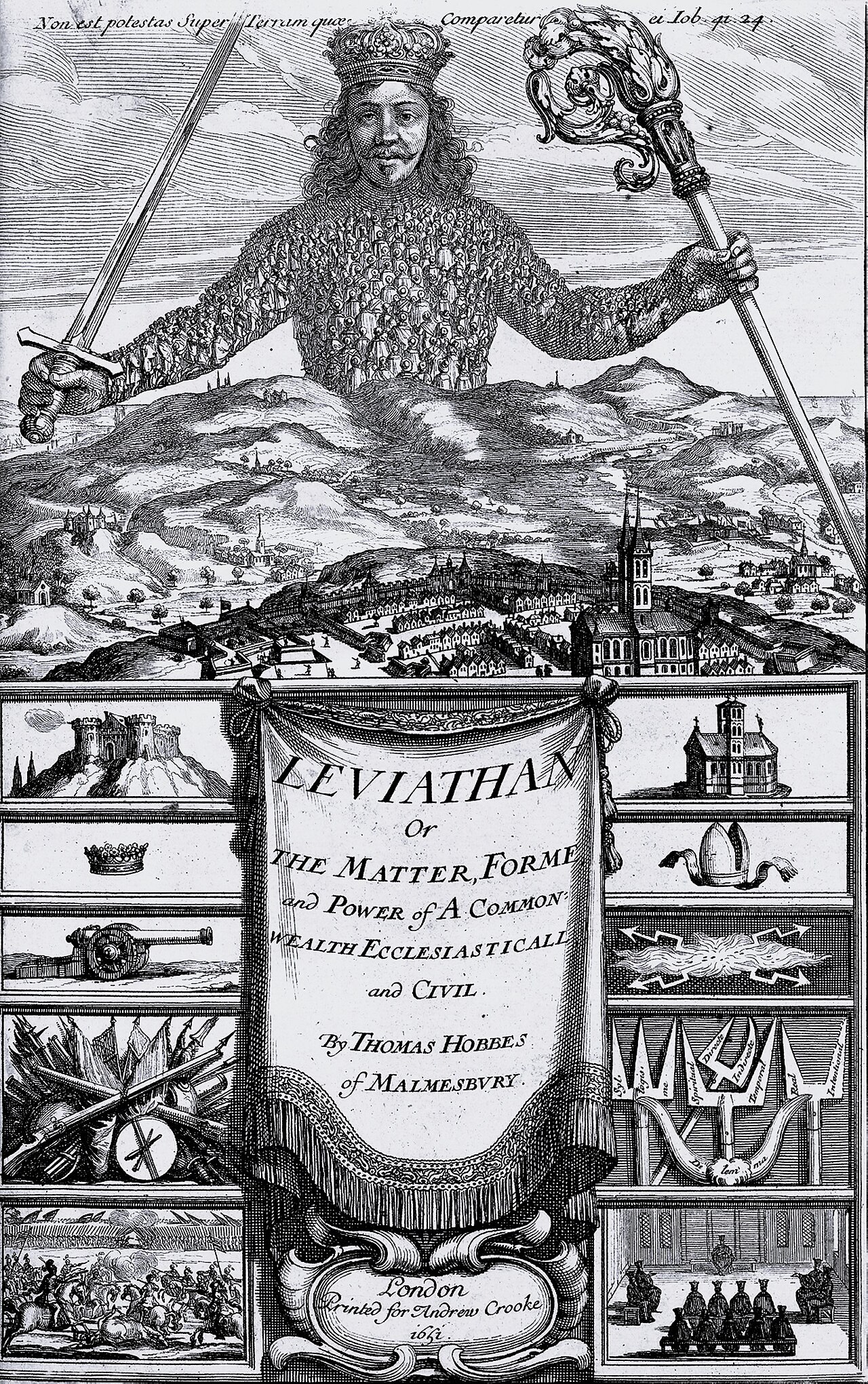 Book
Primary source
Leviathan
Thomas Hobbes · 1651
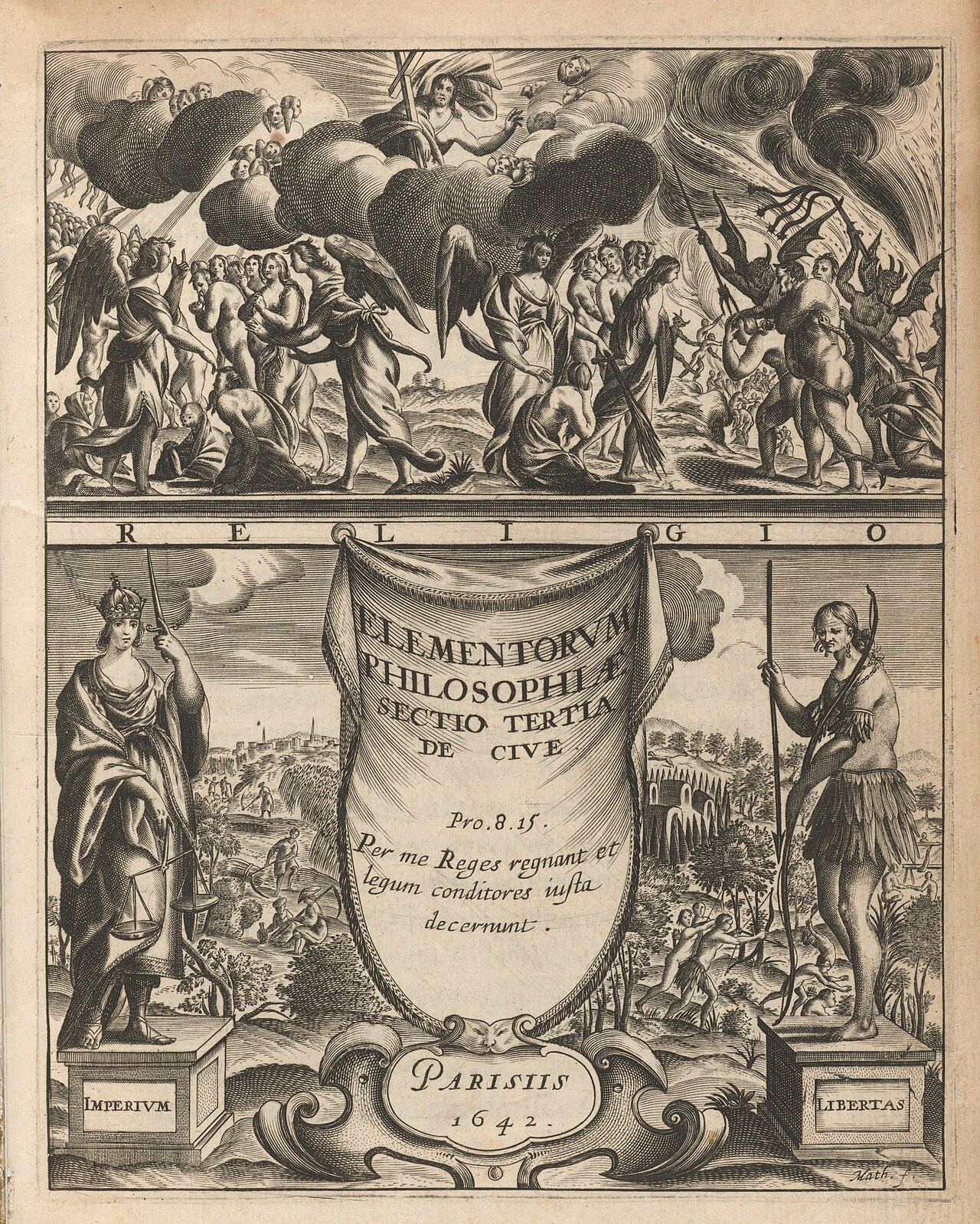 Book
Primary source
De Cive
Thomas Hobbes · 1642
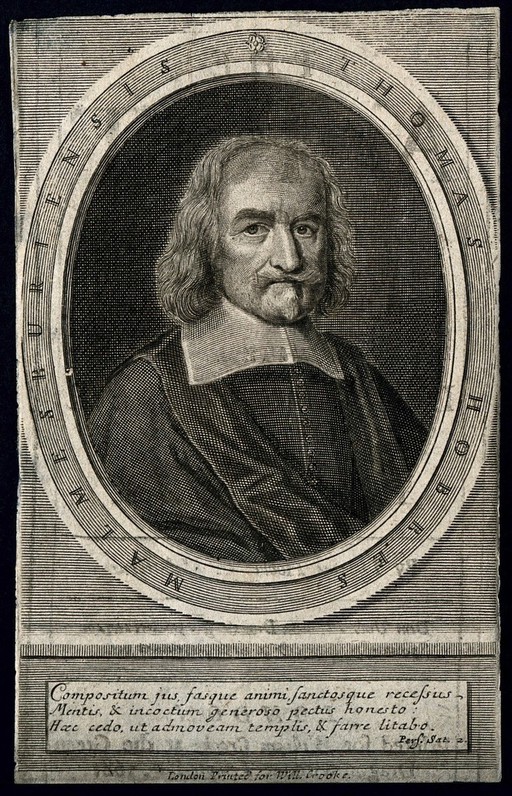 Painting
Secondary source
Portrait of Thomas Hobbes, Line Engraving
Primary source
The Elements of Law
Thomas Hobbes · 1640
 Artifact
Secondary source
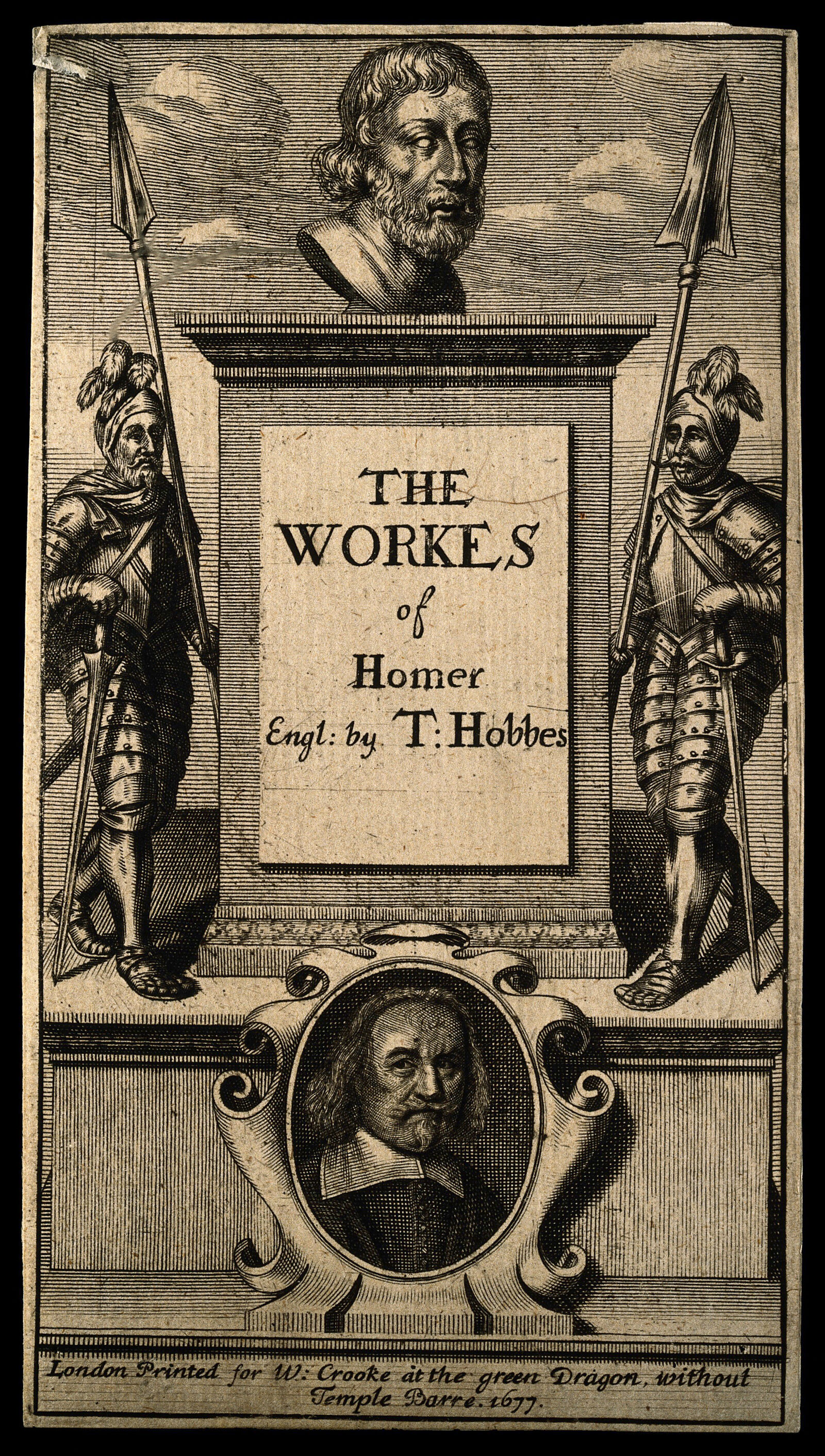
Title Page of The Workes of Homer, Translated by Thomas Hobbes
1677
Ready when you are
Start chatting with Thomas Hobbes now.
20 messages free · No credit card · Available in 50+ languages.