


Primary sourceDocumentMarch 1922
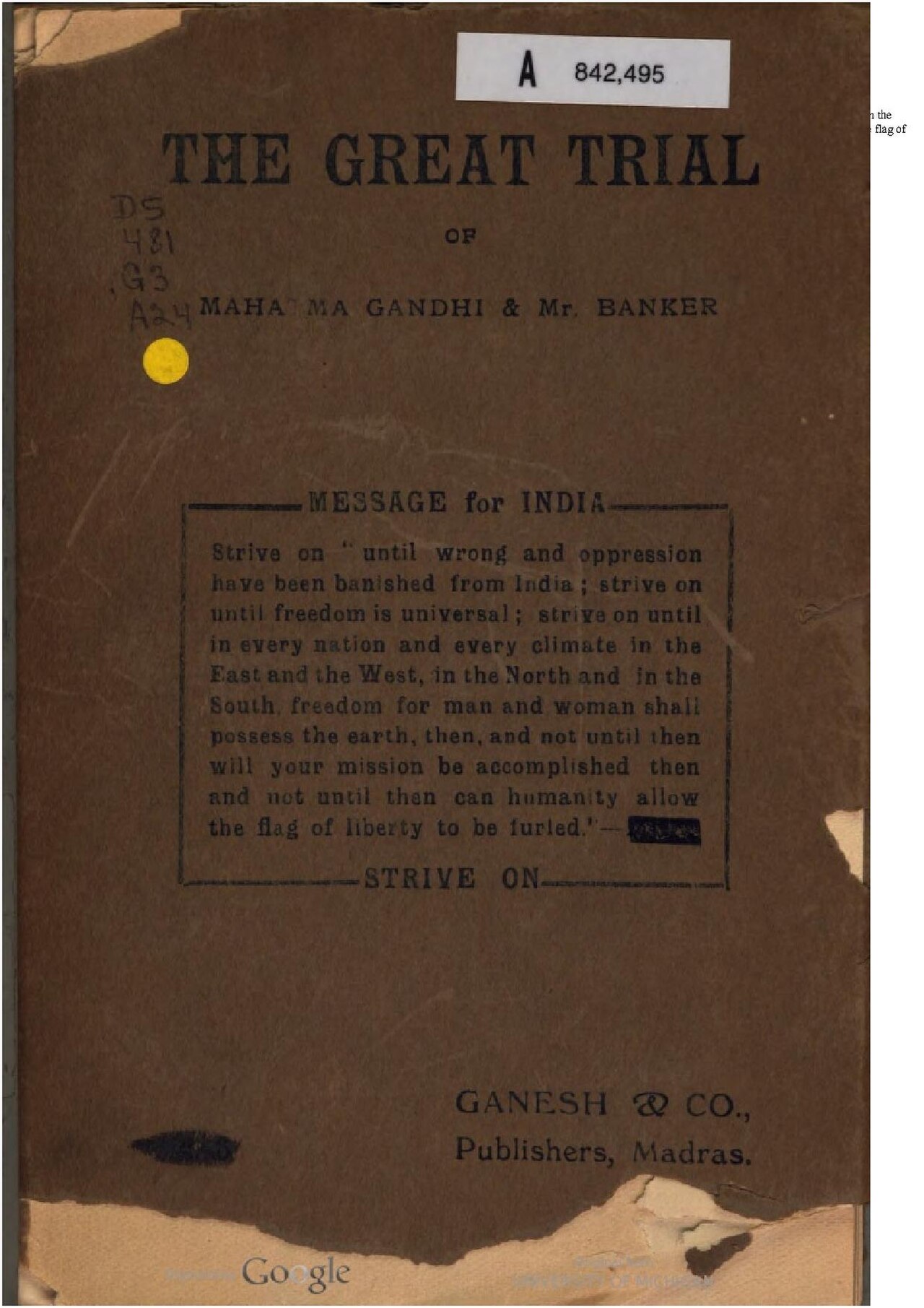
Great Trial of 1922
March 1922
Gandhi's courtroom statement at Ahmedabad in March 1922, pleading guilty to sedition and asking for the harshest punishment.
Gandhi's own courtroom statement explains his shift from loyalism to active resistance against British rule.
About this source
What it is
In March 1922, Mahatma Gandhi was tried for sedition at Ahmedabad alongside Shankarlal Banker, charged over articles published in his paper Young India. He appeared without a lawyer, pleaded guilty, and asked for the maximum penalty.
Why it matters
The trial record shows Gandhi using the courtroom itself as a platform, openly explaining why he had turned from loyalty to the British Empire to active non-cooperation. Figures such as Sarojini Naidu and Kasturba Gandhi were present, showing the wide public attention the trial drew.
Look closer
- Why might Gandhi have chosen to defend himself rather than use a lawyer?
- What does asking for the maximum penalty tell you about his strategy of nonviolent protest?
- Who else is named as present, and what might that tell you about the trial's importance?
This document is part of the curated material that grounds the AI version of Mahatma Gandhi on Humy.ai — when students ask about related events, the AI can quote it and cite it.
More Mahatma Gandhi sources
Meet the AI Mahatma Gandhi →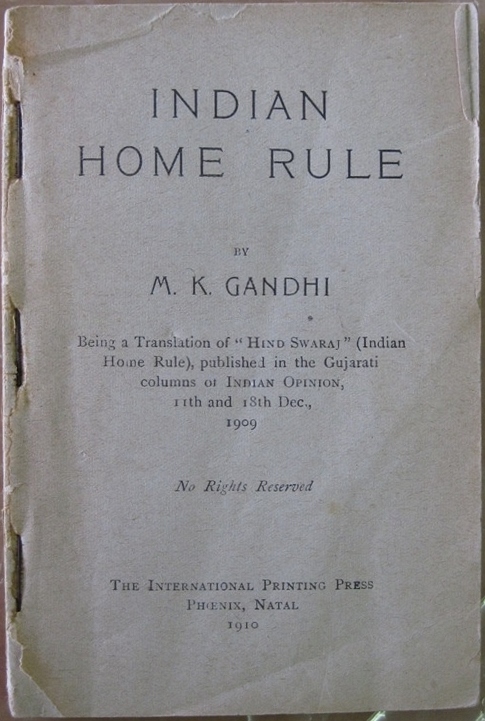 Book
Primary source
Hind Swaraj
Mahatma Gandhi · 1909
 Speech
Primary source
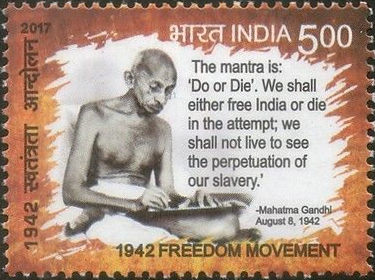
Quit India speech
Mahatma Gandhi · 8 August 1942
 Photograph
Primary source
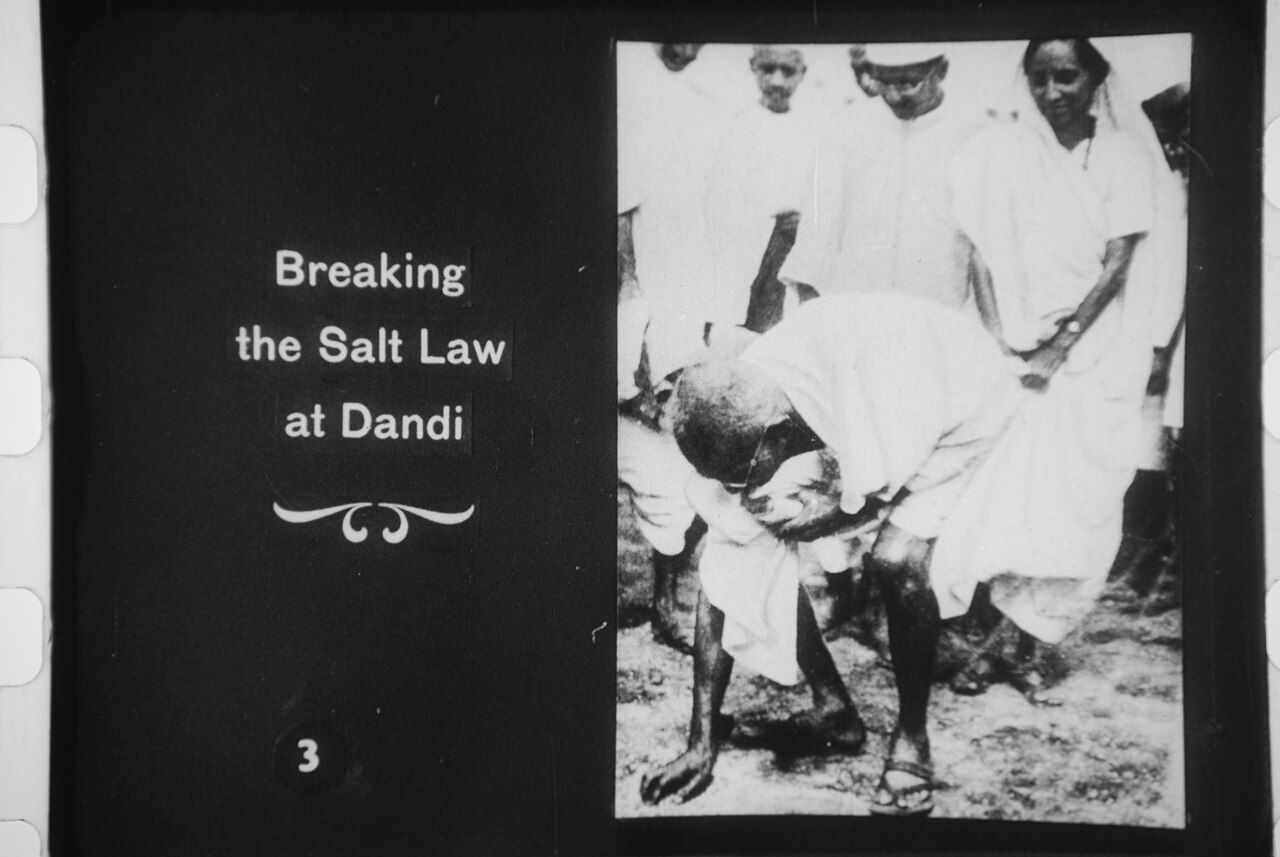
Photograph of Gandhi picking up salt at Dandi
Unknown press photographer · 6 April 1930
Primary source
Spiritual Message to the World
Mohandas K. Gandhi · 17 October 1931
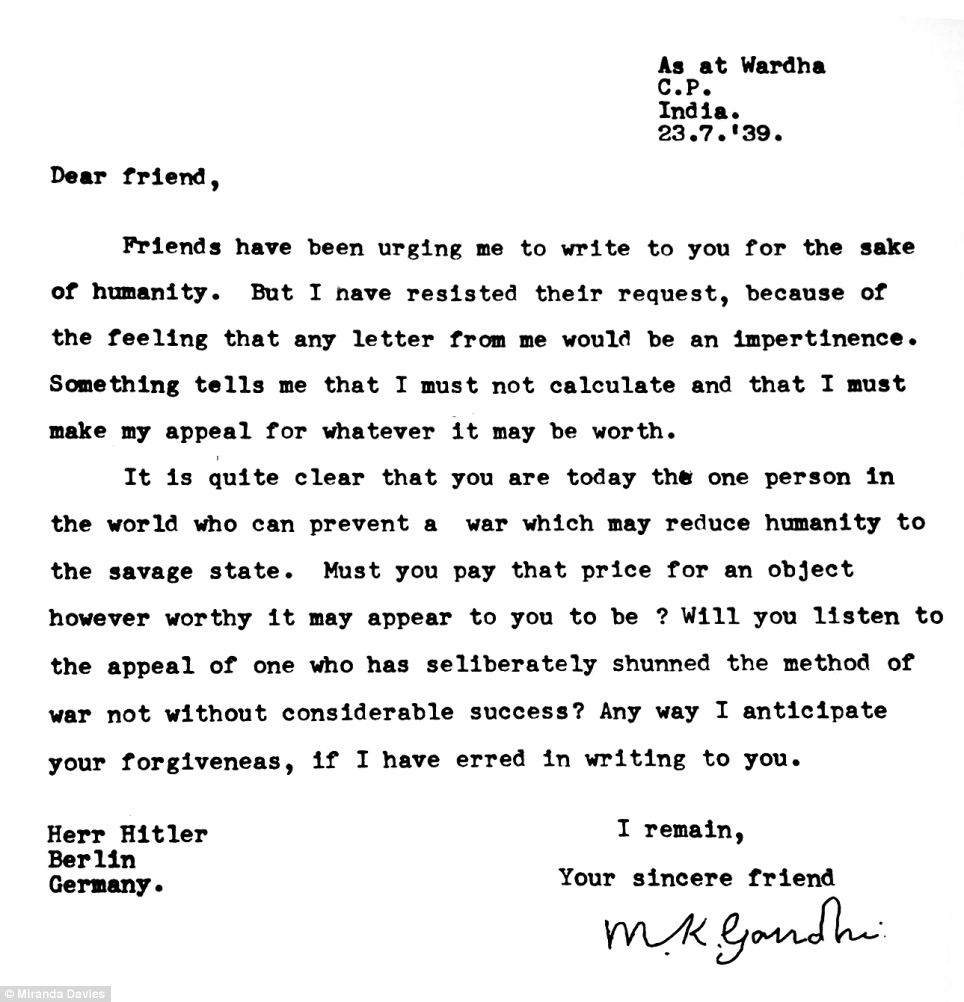 Letter
Primary source
Gandhi to Hitler
Mohandas K. Gandhi · 23 July 1939
Ready when you are
Start chatting with Mahatma Gandhi now.
20 messages free · No credit card · Available in 50+ languages.