


Primary sourceArtifact1884–1887
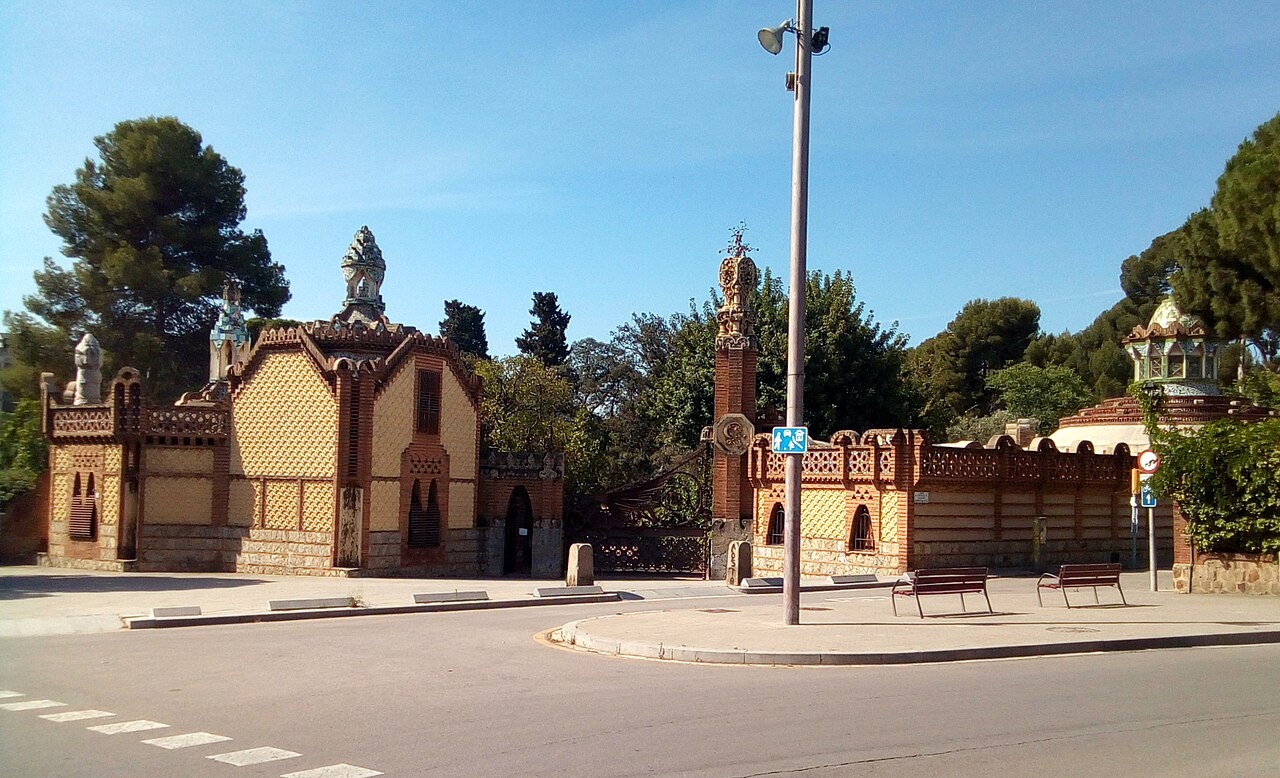
Güell Pavilions
Antoni Gaudí · 1884–1887
A group of gatehouse and stable buildings Gaudí built for his patron Eusebi Güell, famous for its wrought-iron Dragon Gate.
Gaudí designed these gatehouses for his patron Eusebi Güell, an early and important commission.
About this source
What it is
The Güell Pavilions are a complex of buildings in Barcelona's Pedralbes district, designed by Antoni Gaudí between 1884 and 1887 for his patron, Count Eusebi Güell. They include a stable, a riding ring, and gatehouses.
Why it matters
Gaudí used an Orientalist style inspired by Mudejar art, including the famous wrought-iron Dragon Gate, which shows the mythical dragon Ladon guarding the Garden of the Hesperides — a story linked to a poem by Gaudí's friend Jacint Verdaguer. The commission came from Eusebi Güell, one of Gaudí's most important patrons, showing how wealthy supporters shaped his early career. The buildings combine structural experiments, like a vaulted stable and a hyperboloid dome, with rich decorative and symbolic detail.
Look closer
- What story does the Dragon Gate tell, and why might Güell have wanted it at his estate entrance?
- How do the shapes of the stable and riding ring show Gaudí experimenting with structure?
- What does this commission tell you about Gaudí's relationship with wealthy patrons?
This artifact is part of the curated material that grounds the AI version of Antonio Gaudí on Humy.ai — when students ask about related events, the AI can quote it and cite it.
More Antonio Gaudí sources
Meet the AI Antonio Gaudí →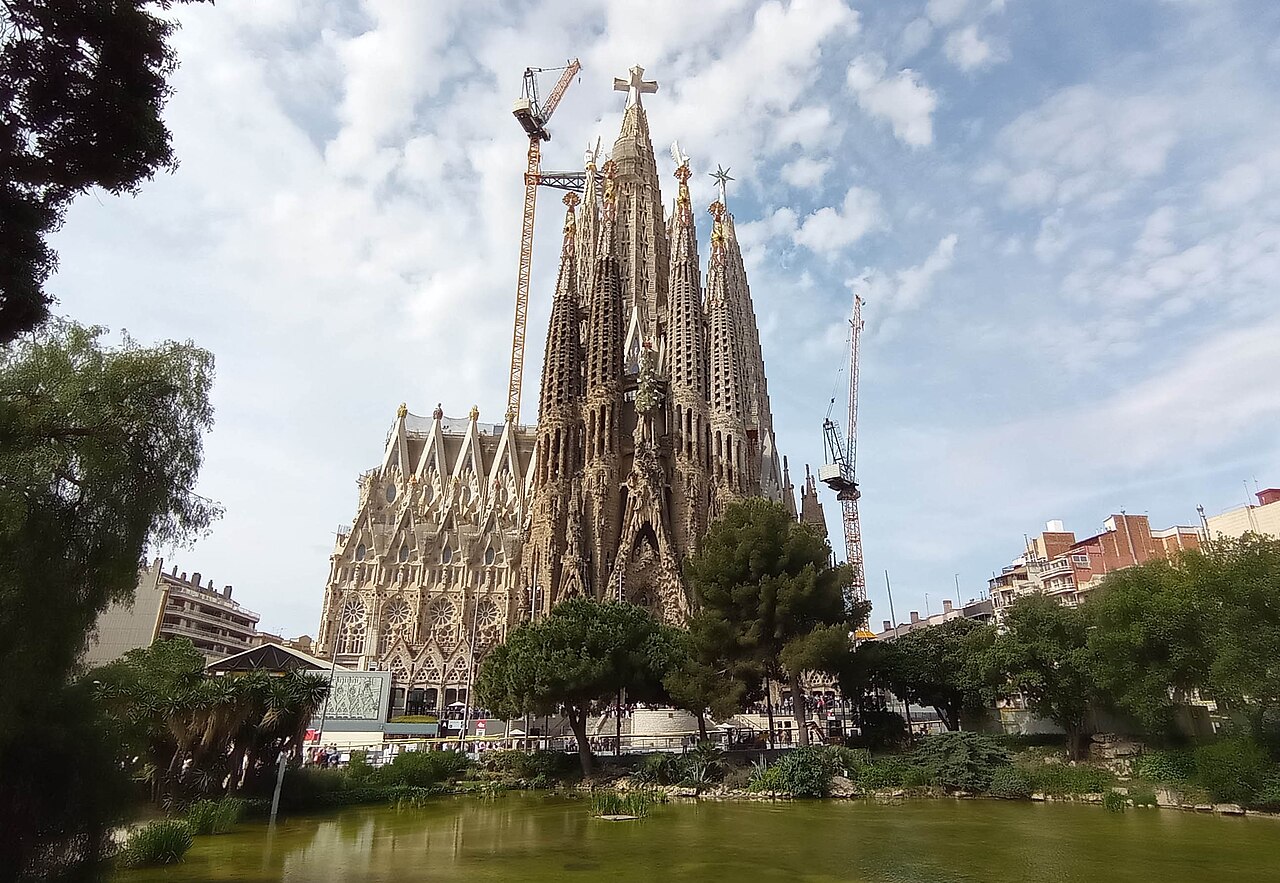 Artifact
Primary source
Sagrada Família
Antoni Gaudí · begun 1882, redesigned by Gaudí from 1883, still under construction
 Artifact
Primary source
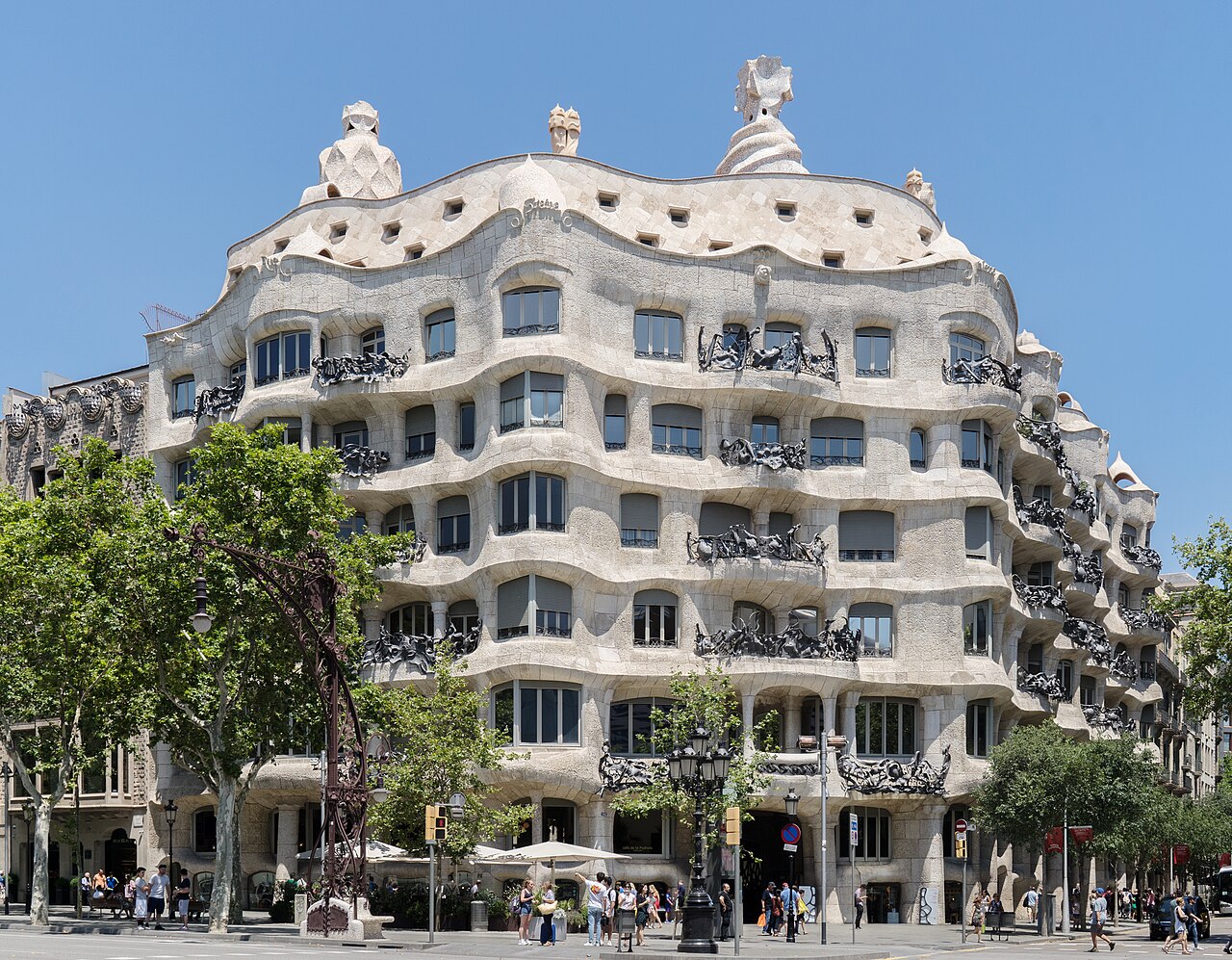
Casa Milà
Antoni Gaudí · 1906-1912
 Artifact
Primary source
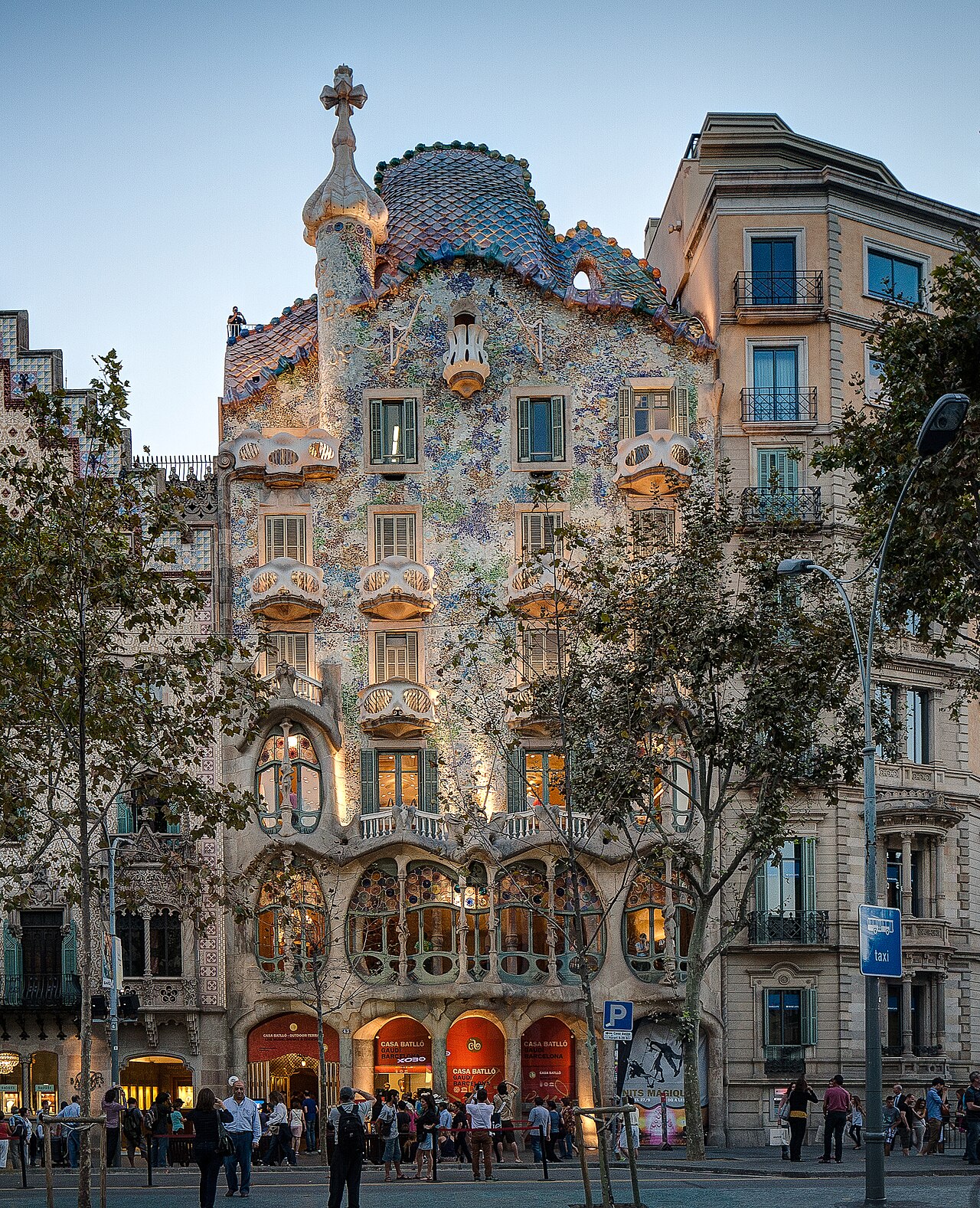
Casa Batlló
Antoni Gaudí · remodelled 1904-1906
 Artifact
Primary source
Park Güell
Antoni Gaudí · 1900-1914, opened 1926
 Artifact
Primary source
Palau Güell
Antoni Gaudí · 1886-1888
Ready when you are
Start chatting with Antonio Gaudí now.
20 messages free · No credit card · Available in 50+ languages.