


Primary sourceArtifact1759
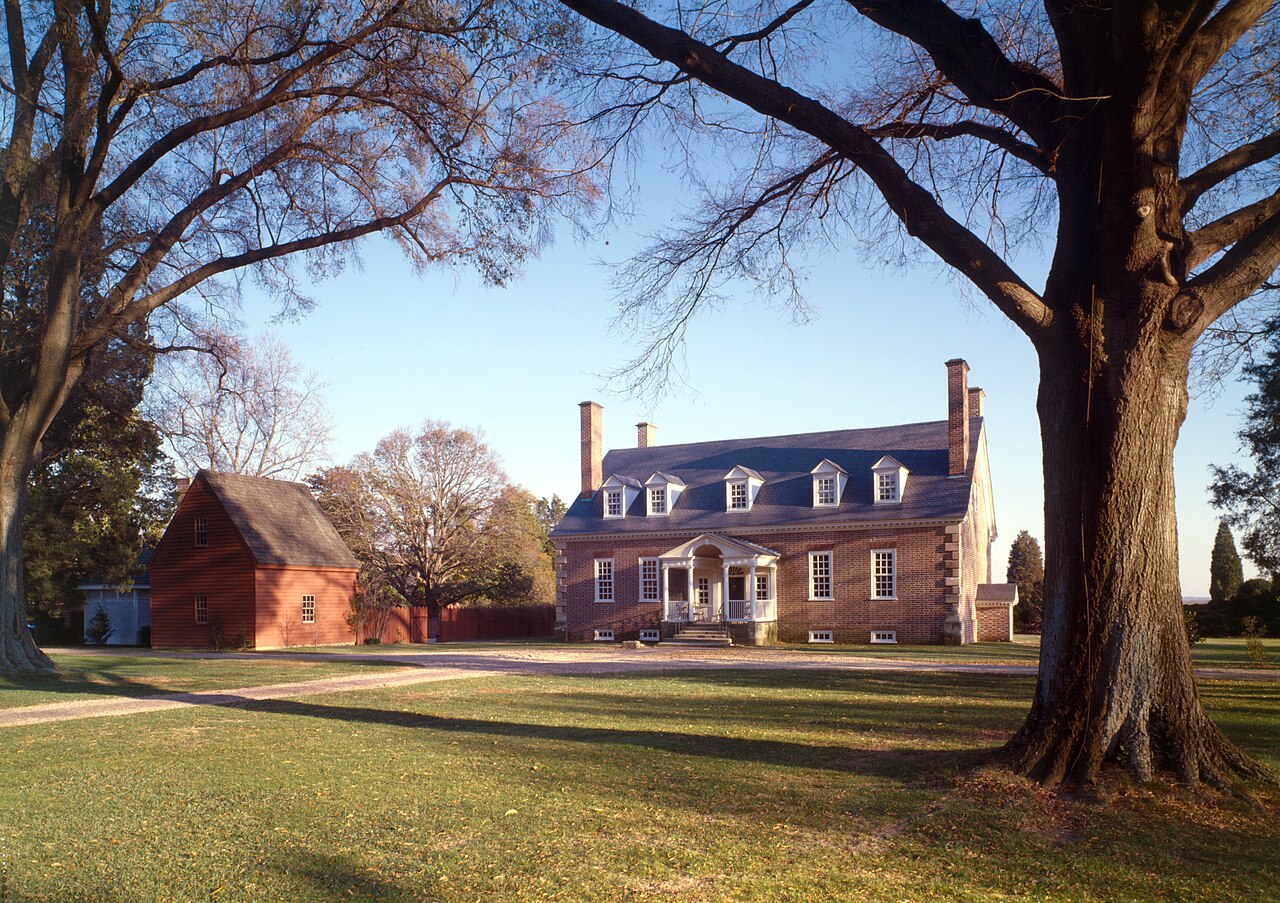
Gunston Hall
1759
George Mason's Georgian plantation house in Virginia, built and worked by enslaved people, showing his wealth as a planter.
Mason commissioned and lived in this plantation house, which reveals the contradiction between his rights rhetoric and his slaveholding.
About this source
What it is
Gunston Hall is an 18th-century Georgian mansion near the Potomac River in Virginia, built between 1755 and 1759 as the main house of George Mason's plantation. Its interior design was largely the work of William Buckland, an English indentured servant, with carving likely done together with William Bernard Sears, another indentured servant. It is now a museum.
Why it matters
The house shows Mason's standing as a wealthy Virginia planter whose estate depended on enslaved labor, a stark contrast with his writings on natural rights. It also connects him to other Founders: Thomas Jefferson visited Gunston Hall at Mason's deathbed in 1792.
Look closer
- What does the scale and decoration of the house tell you about Mason's wealth and status?
- Whose labor actually built and ran this house, and whose names are remembered for its design?
- How does this building complicate the picture of Mason as a champion of rights?
This artifact is part of the curated material that grounds the AI version of George Mason on Humy.ai — when students ask about related events, the AI can quote it and cite it.
More George Mason sources
Meet the AI George Mason →Primary source
Virginia Declaration of Rights
George Mason · 12 June 1776
Primary source
Objections to This Constitution of Government
George Mason · 1787
 Document
Primary source
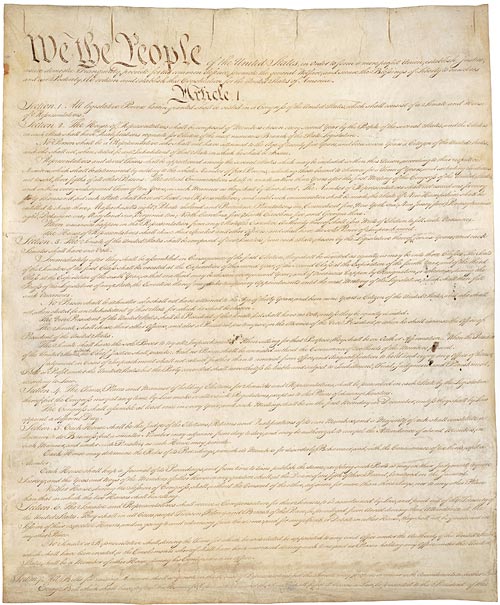
United States Constitution
Constitutional Convention · 17 September 1787
 Document
Primary source
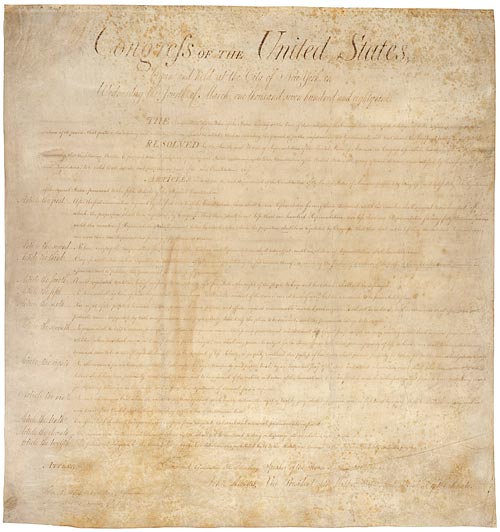
Bill of Rights
25 September 1789
Primary source
Fairfax Resolves
George Mason and George Washington · 18 July 1774
Ready when you are
Start chatting with George Mason now.
20 messages free · No credit card · Available in 50+ languages.