


Primary sourcePainting1853
Harriet Beecher Stowe
Alanson Fisher · 1853
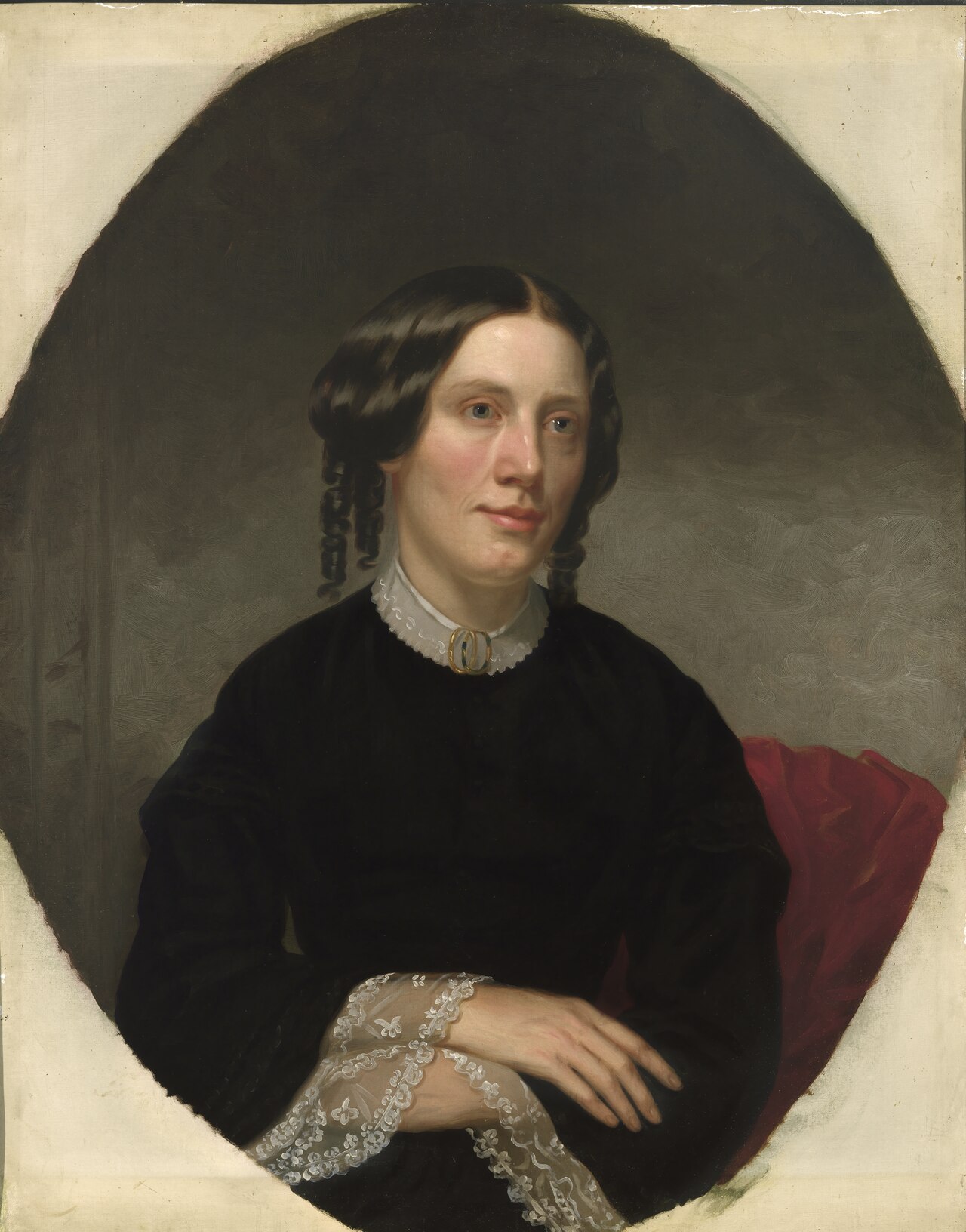
An 1853 oil portrait of Harriet Beecher Stowe, painted at the height of her fame following Uncle Tom's Cabin.
This formal portrait of Stowe was painted in 1853, at the height of her fame after Uncle Tom's Cabin.
About this source
What it is
This oval oil portrait of Harriet Beecher Stowe was painted in 1853 by Alanson Fisher. It is held by the National Portrait Gallery.
Why it matters
Painted just after Stowe became internationally famous for Uncle Tom's Cabin, this portrait shows how she was presented to the public: as a respectable, dignified Christian woman author, rather than as a radical agitator, even though her book had a revolutionary political impact.
- What does Stowe's clothing, posture, and expression suggest about the image the painter wanted to create?
- Why might a famous author's portrait look calm and modest rather than dramatic?
- What is left out of a formal portrait like this that a photograph or letter might reveal instead?
This painting is part of the curated material that grounds the AI version of Harriet Beecher Stowe on Humy.ai — when students ask about related events, the AI can quote it and cite it.
More Harriet Beecher Stowe sources
Meet the AI Harriet Beecher Stowe →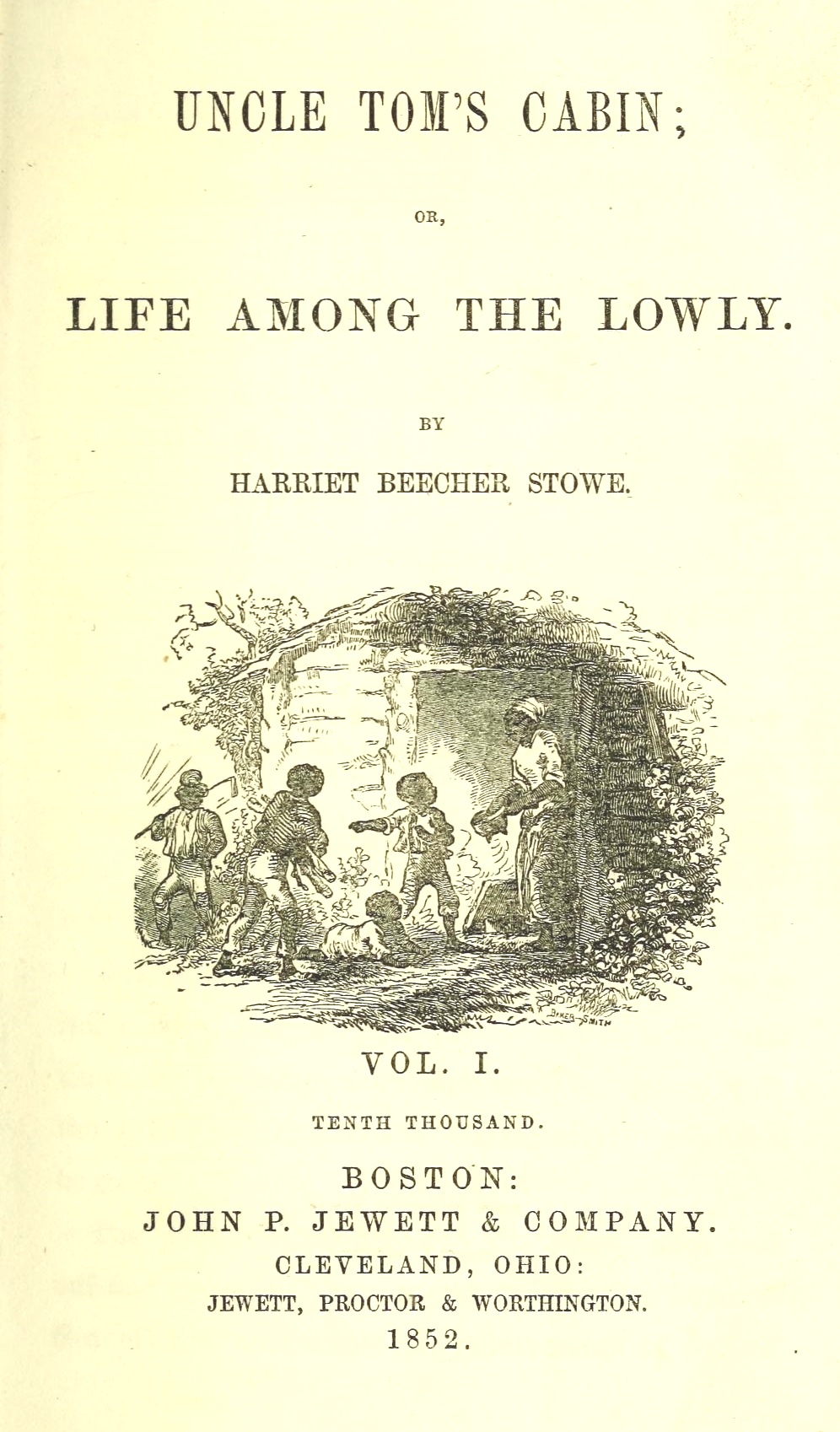 Book
Primary source
Uncle Tom's Cabin
Harriet Beecher Stowe · 1852
 Document
Primary source
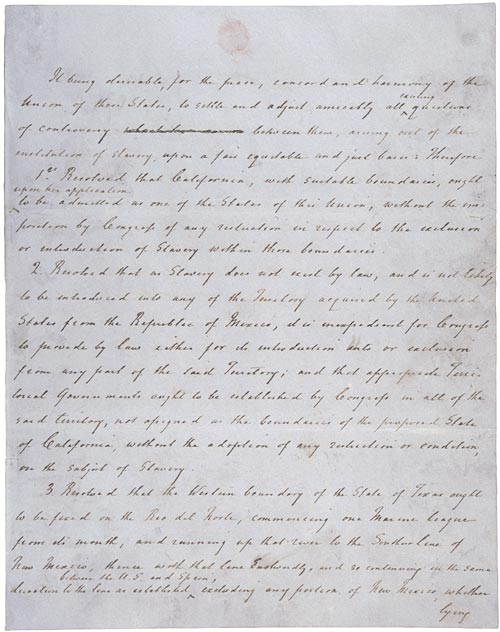
Compromise of 1850
Henry Clay · 29 January 1850 (resolutions); statutes enacted September 1850
 Photograph
Primary source
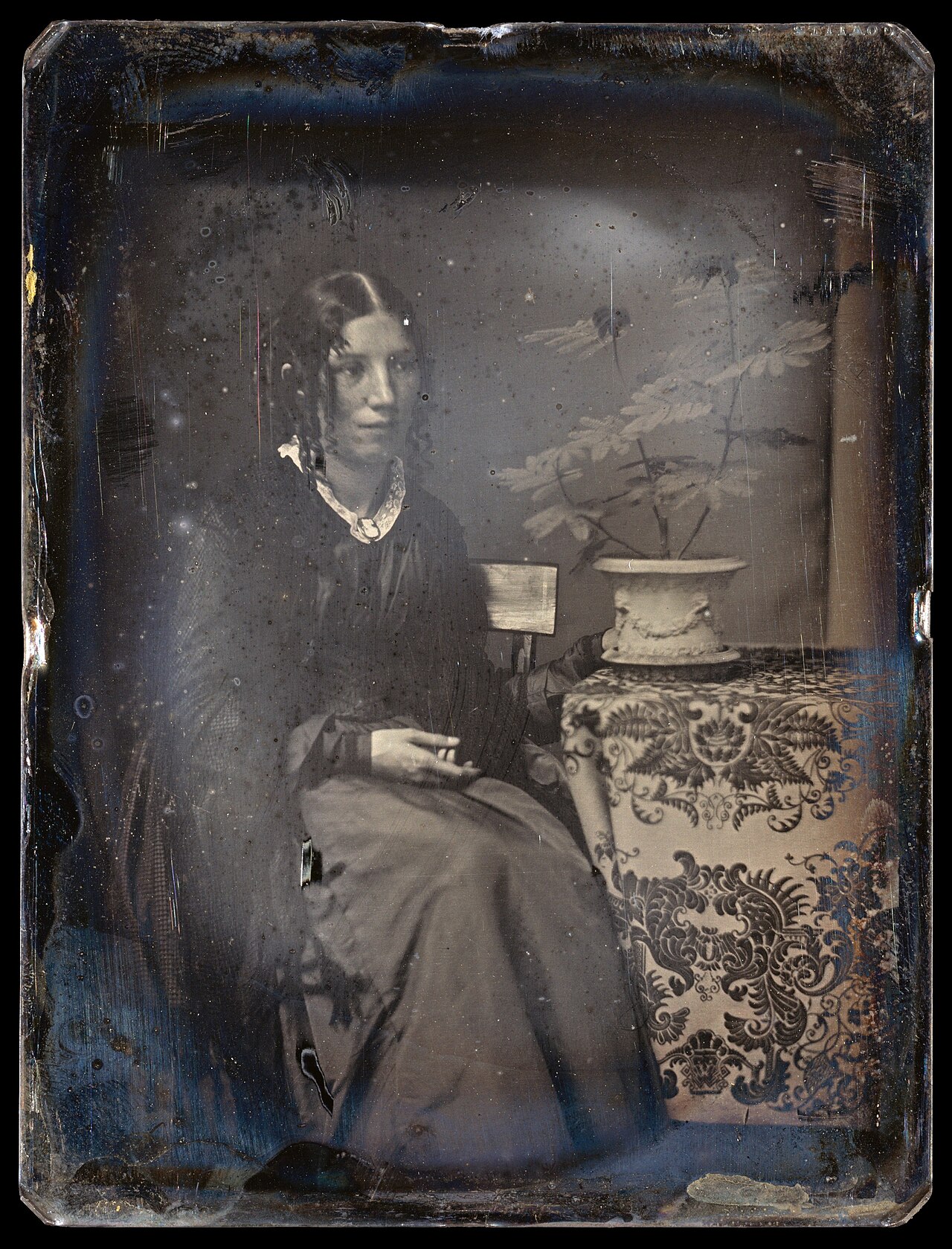
Harriet Beecher Stowe
Southworth and Hawes · c. 1850
 Document
Primary source
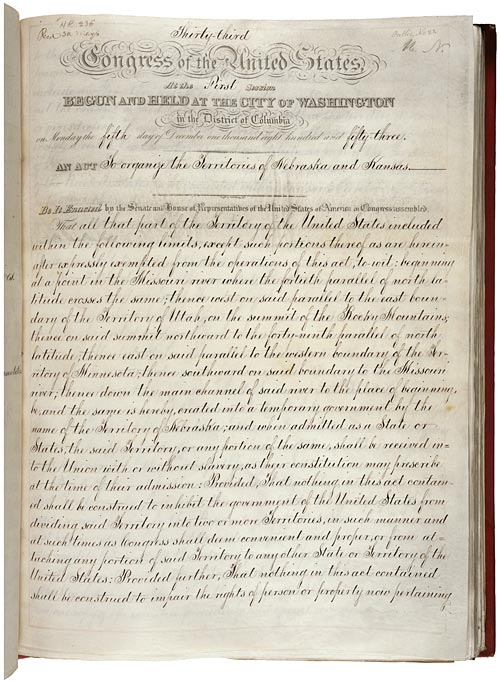
Kansas-Nebraska Act
United States Congress · 1854
Primary source
A Reply to 'The Affectionate and Christian Address of Many Thousands of Women of Great Britain and Ireland'
Harriet Beecher Stowe · 1863
Ready when you are
Start chatting with Harriet Beecher Stowe now.
20 messages free · No credit card · Available in 50+ languages.