


Primary sourceBook1852
Uncle Tom's Cabin
Harriet Beecher Stowe · 1852
Harriet Beecher Stowe's 1852 anti-slavery novel, written as a reaction to the Fugitive Slave Act that Fillmore signed into law.
This novel was written against the Fugitive Slave Act Fillmore signed, showing the backlash his presidency provoked.
About this source
What it is
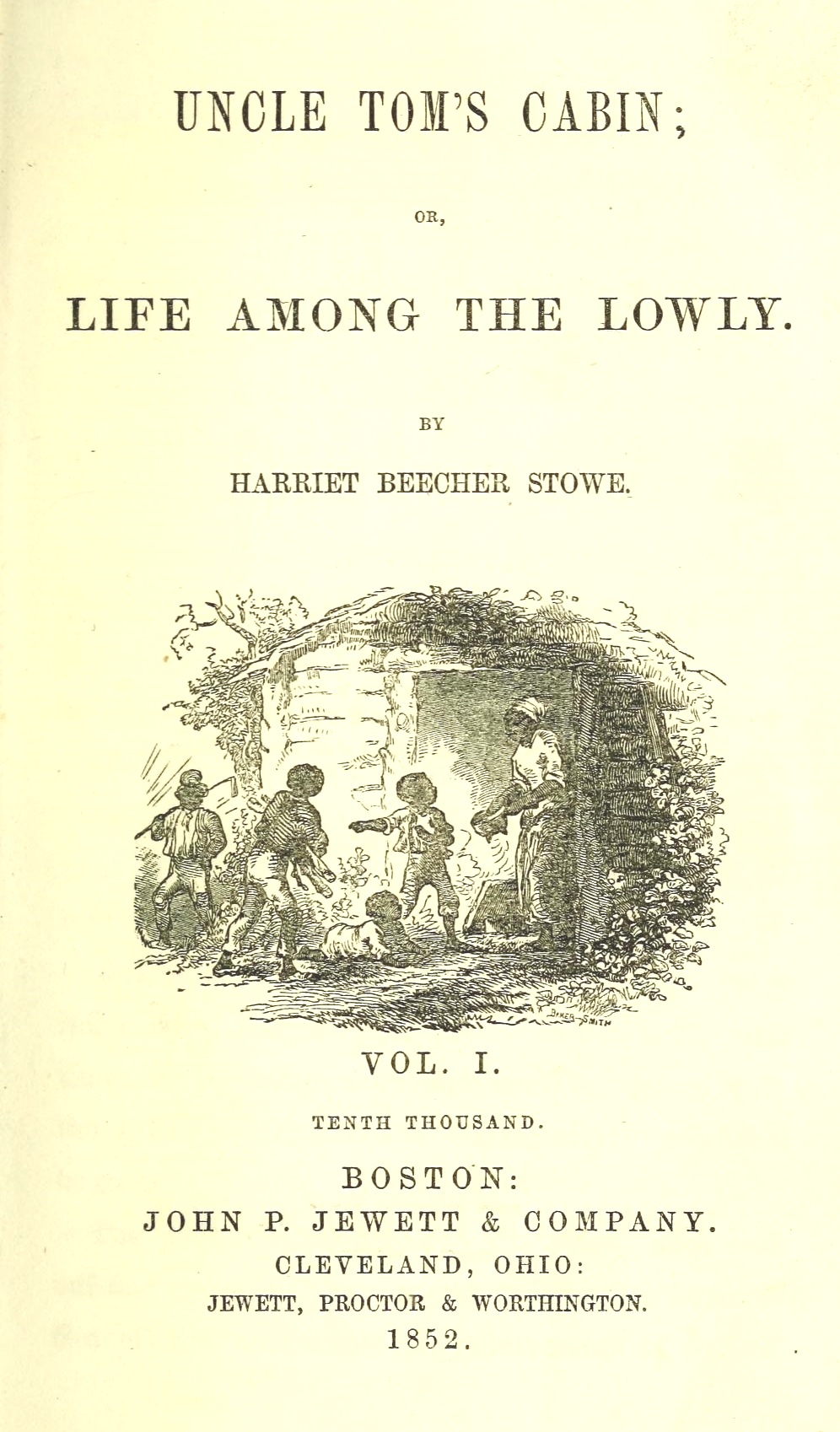
This is the title page of the first volume of Uncle Tom's Cabin; or, Life Among the Lowly, a novel by Harriet Beecher Stowe published in Boston in 1852.
Why it matters
The book depicted the suffering caused by slavery and became the best-selling American novel of the 19th century. It fueled the Northern abolitionist movement, which was angered by the Fugitive Slave Act signed by President Fillmore. The novel's enormous popularity, and the backlash it caused, shows how deeply divided the country was over Fillmore's policies on slavery.
Look closer
- Why might a novel have more influence on public opinion than a law or speech?
- What does the illustration on the title page choose to show, and what might it leave out?
- How might Fillmore's supporters and opponents have reacted differently to this book?
This book is part of the curated material that grounds the AI version of Millard Fillmore and Harriet Beecher Stowe on Humy.ai — when students ask about related events, the AI can quote it and cite it.
More Millard Fillmore sources
Meet the AI Millard Fillmore →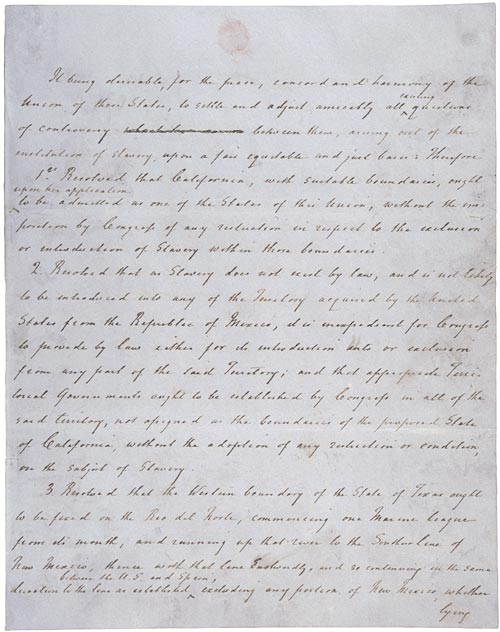 Document
Primary source
Compromise of 1850
Henry Clay · 29 January 1850 (resolutions); statutes enacted September 1850
Primary source
Fugitive Slave Act of 1850
United States Congress · 1850
 Photograph
Primary source
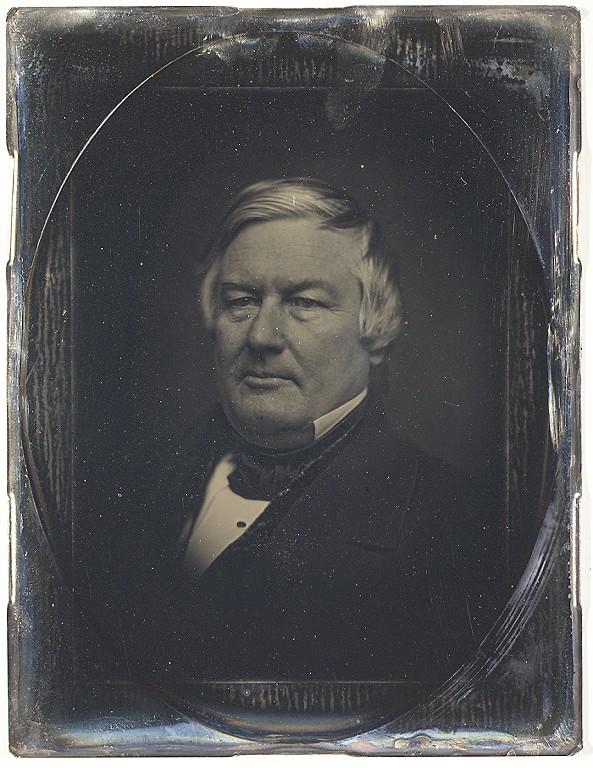
Millard Fillmore
Southworth and Hawes · 1850
Primary source
Millard Fillmore's First Annual Message to Congress
Millard Fillmore · December 2, 1850
Primary source
Millard Fillmore's Second State of the Union Address
Millard Fillmore · December 2, 1851
Ready when you are
Start chatting with Millard Fillmore now.
20 messages free · No credit card · Available in 50+ languages.