


Primary sourcePainting1840
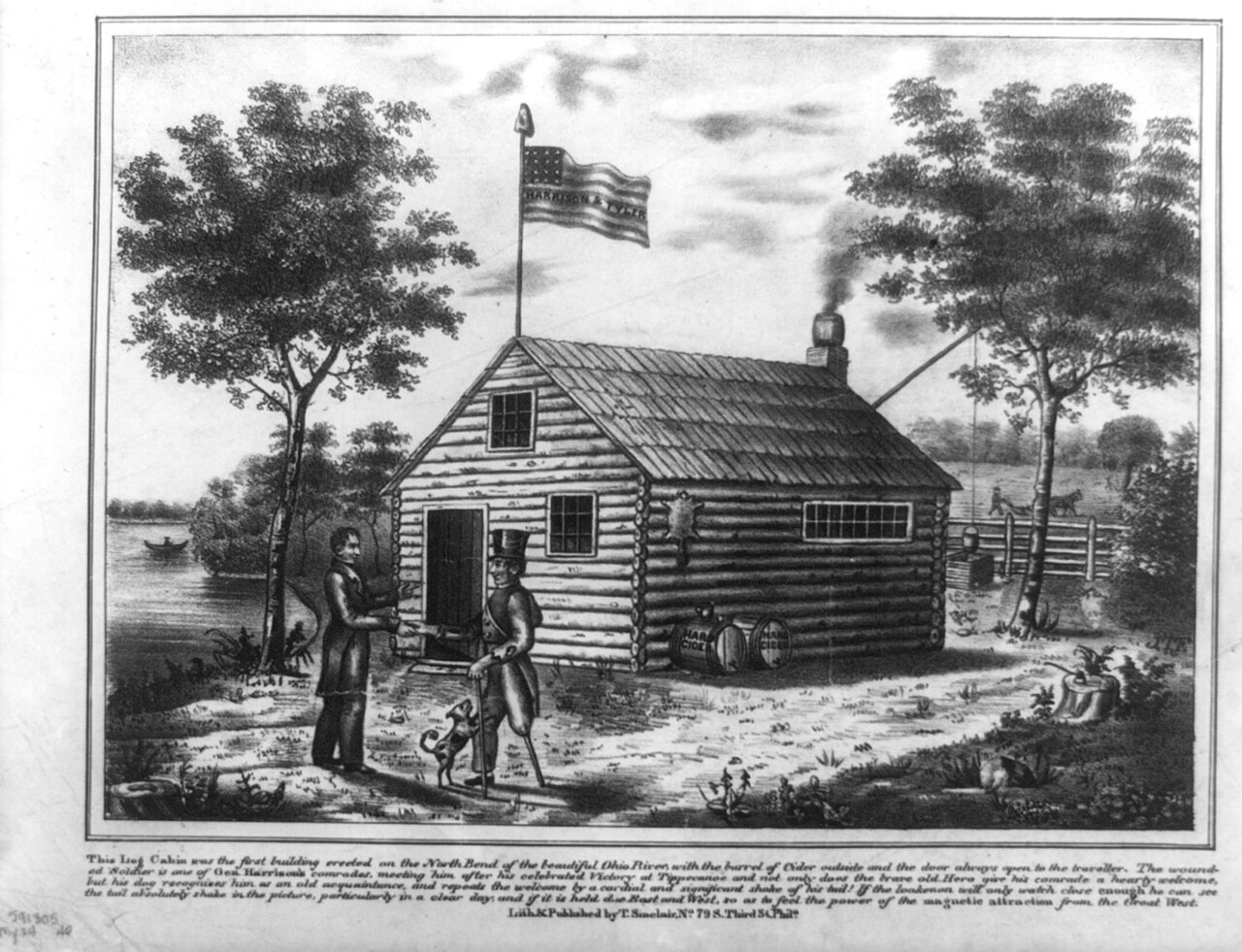
Harrison at cabin on North Bend of Ohio
Thomas Sinclair · 1840
An 1840 Whig campaign lithograph portraying Harrison as a humble log-cabin farmer greeting a wounded war veteran.
This campaign print shaped the public image of Harrison as a humble frontier figure during his successful 1840 presidential run.
About this source
What it is
This is a lithograph printed by Thomas Sinclair of Philadelphia in 1840 for the Whig presidential campaign of William Henry Harrison and running mate John Tyler. It shows Harrison greeting a wounded veteran outside a log cabin.
Why it matters
The image was central to the 1840 'Log Cabin Campaign,' which presented the wealthy Virginian-born Harrison as a humble frontier farmer rather than an elite politician. Details like the cider barrels, coonskin, and liberty cap flag were deliberate symbols meant to connect Harrison to ordinary voters and his military fame from the Battle of Tippecanoe.
Look closer
- Why would Harrison's campaign want to show him as a simple farmer rather than emphasize his wealth?
- What symbols in the picture are meant to appeal to voters, and what do they suggest about the campaign's goals?
- What does the caption's joking tone about the dog's tail tell you about how political images could use humor?
This painting is part of the curated material that grounds the AI version of William Henry Harrison on Humy.ai — when students ask about related events, the AI can quote it and cite it.
More William Henry Harrison sources
Meet the AI William Henry Harrison →Primary source
Inaugural Address of William Henry Harrison
William Henry Harrison · 4 March 1841
 Document
Primary source
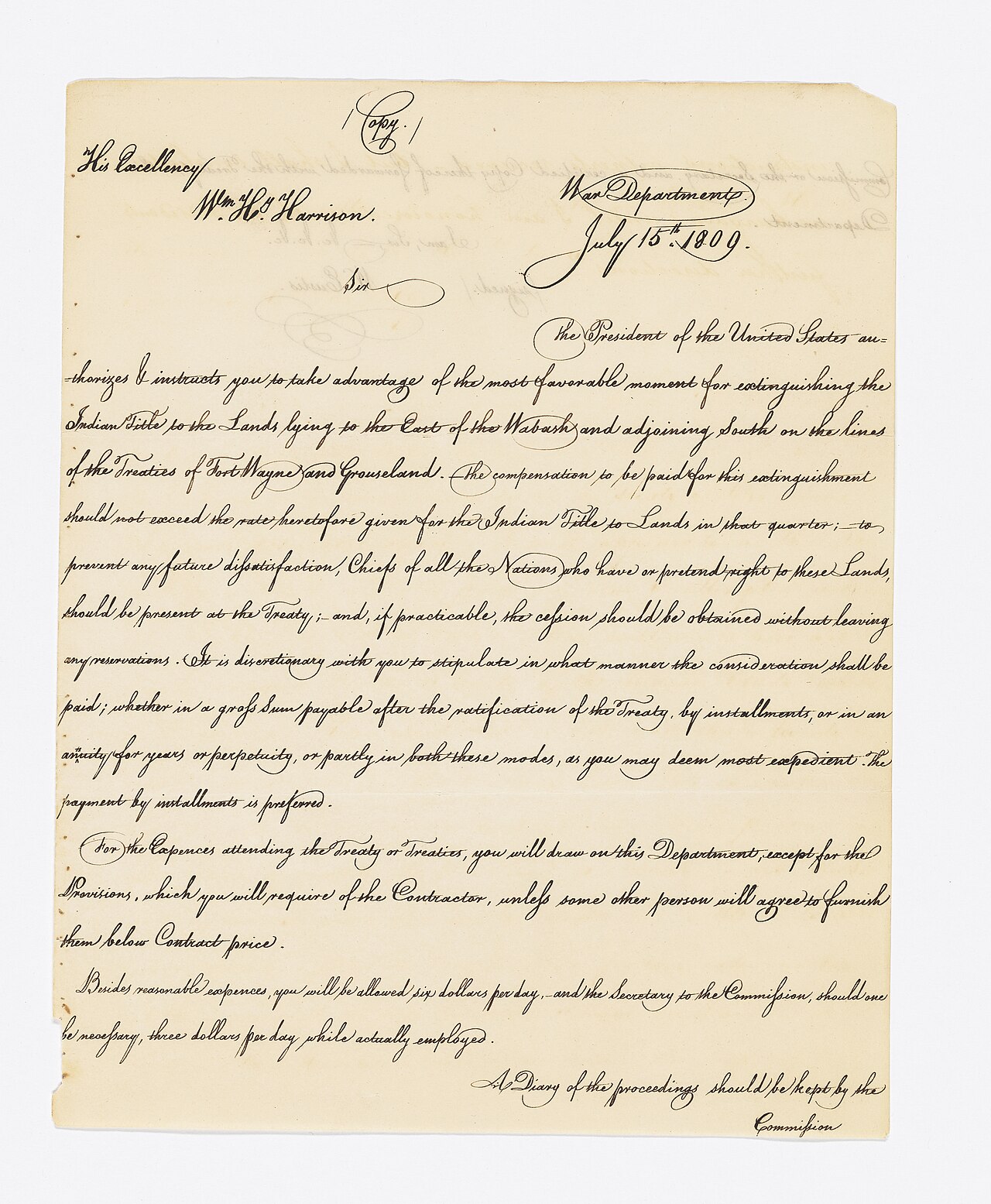
Treaty of Fort Wayne
1809
 Document
Primary source
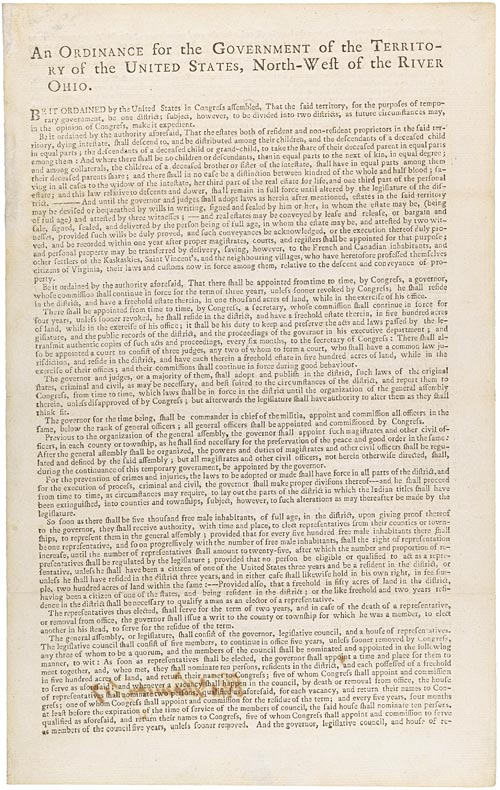
Northwest Ordinance
Confederation Congress · 13 July 1787
 Painting
Primary source
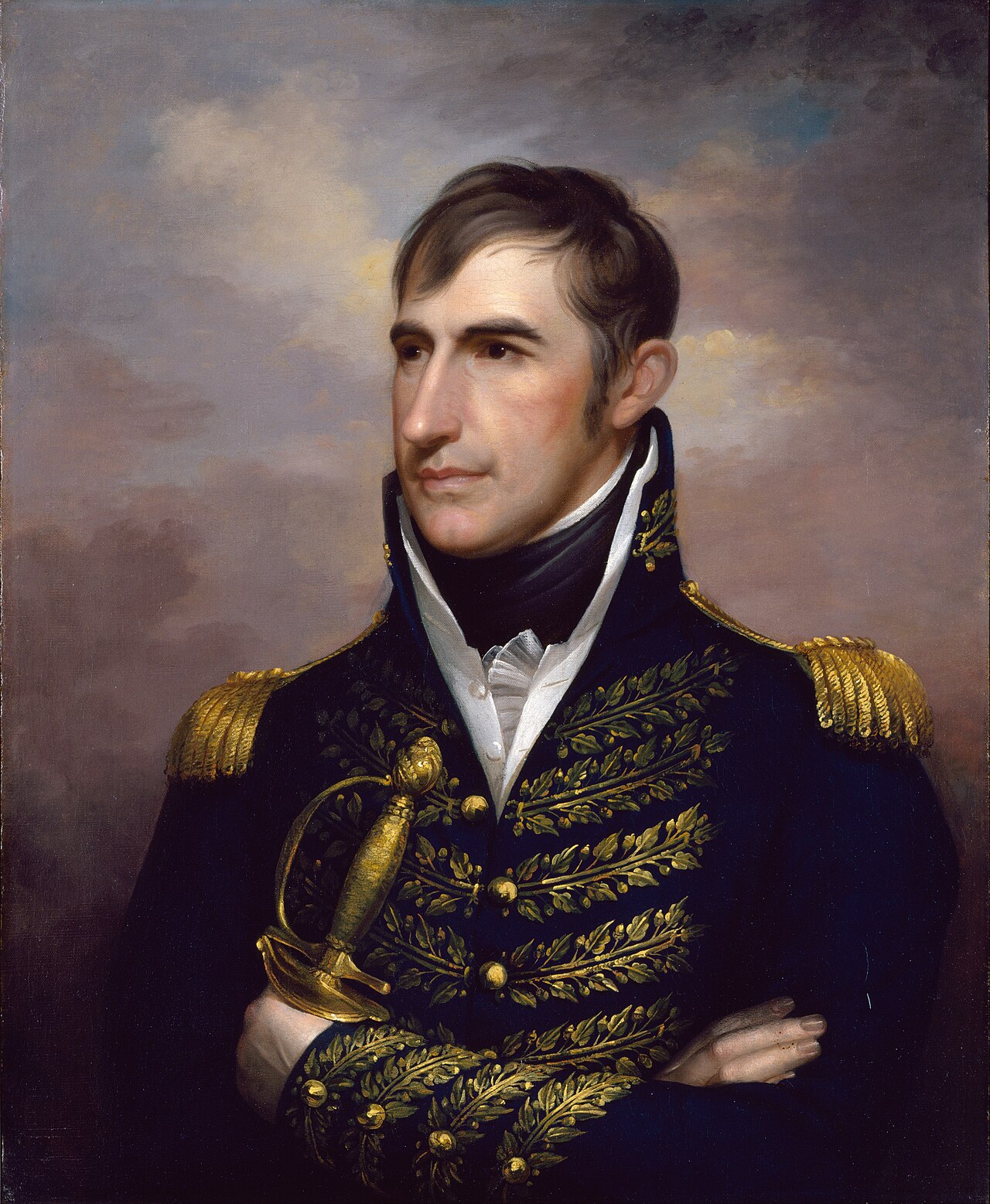
William Henry Harrison
Rembrandt Peale · 1813
 Painting
Primary source
William Henry Harrison
Albert Gallatin Hoit · 1840
Ready when you are
Start chatting with William Henry Harrison now.
20 messages free · No credit card · Available in 50+ languages.