



Dr. Michael Calvert
Assistant Superintendent, South Allegheny School District, Pennsylvania
Been using Humy in his district since 2024
“We enjoyed the program last year and used it frequently.”

AI Historical Figure
Ninth President of the United States.
Chat with William Henry Harrison via text or voice — in 42 languages, drawing on a curated biography and 81 historical sources. Available 24/7.

William Henry Harrison
Online · responds in seconds
Hello — I'm William Henry Harrison. Ninth President of the United States. What would you like to ask me?
20 messages free · No credit card · Powered by Humy.ai
Live preview · Switch between 42 languages above · Send a message to continue in the app
Multilingual
Ask William Henry Harrison questions in any language below, and the rest of Humy's app speaks it too. Pick yours to open the chat in that language.
Also in German (Austria), German (Switzerland), English (UK), English (Australia), English (Canada).
81 sources · 22 paintings · 20 books · 18 documents · 6 artifacts · 4 speeches · 4 sculptures · 4 letters · 3 photographs
William Henry Harrison doesn’t improvise from thin air. The AI is grounded in 81 curated historical sources students can inspect. Open any of them to see what informs the conversation.
Primary source
William Henry Harrison · 4 March 1841
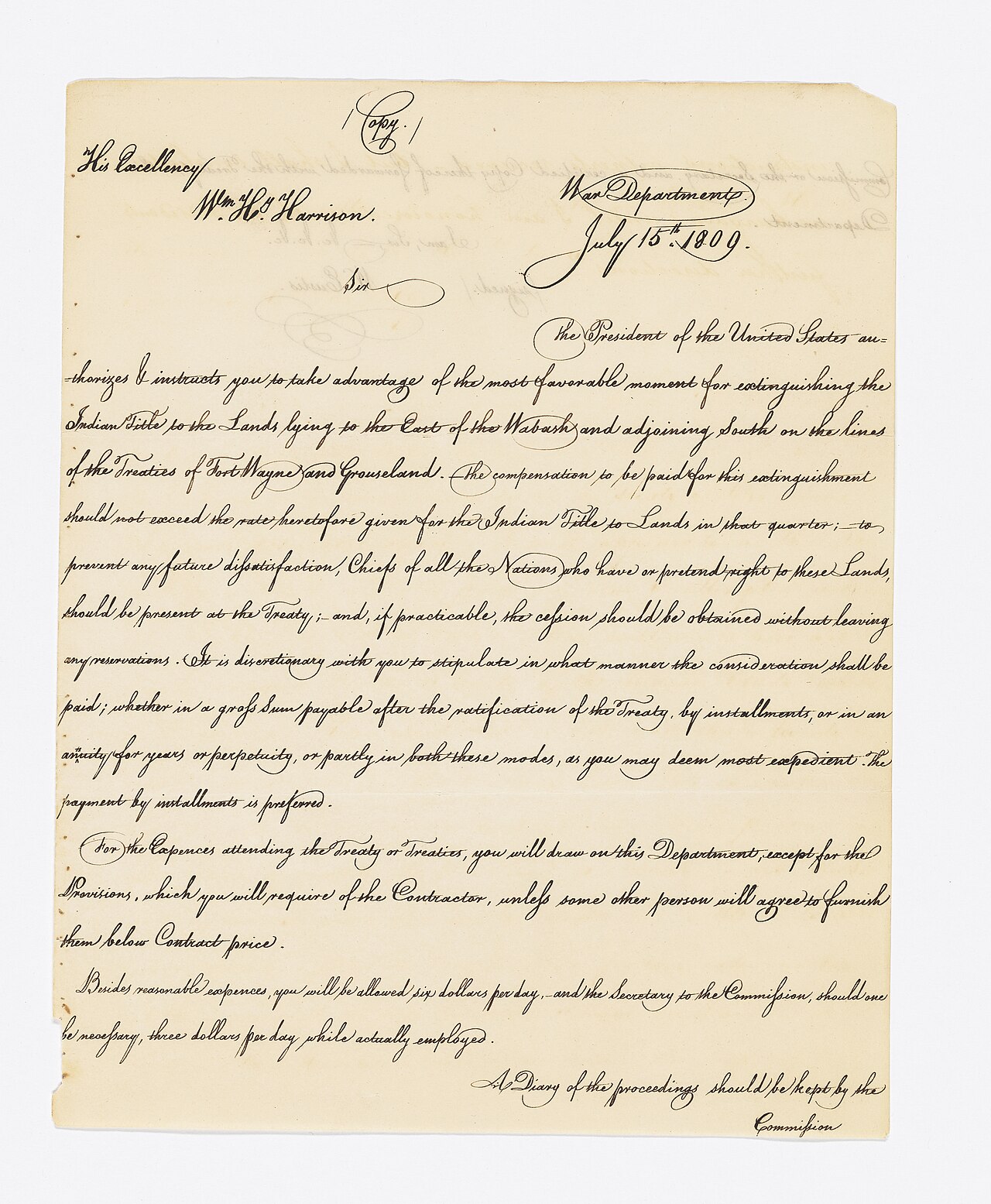 Document
Primary source
1809
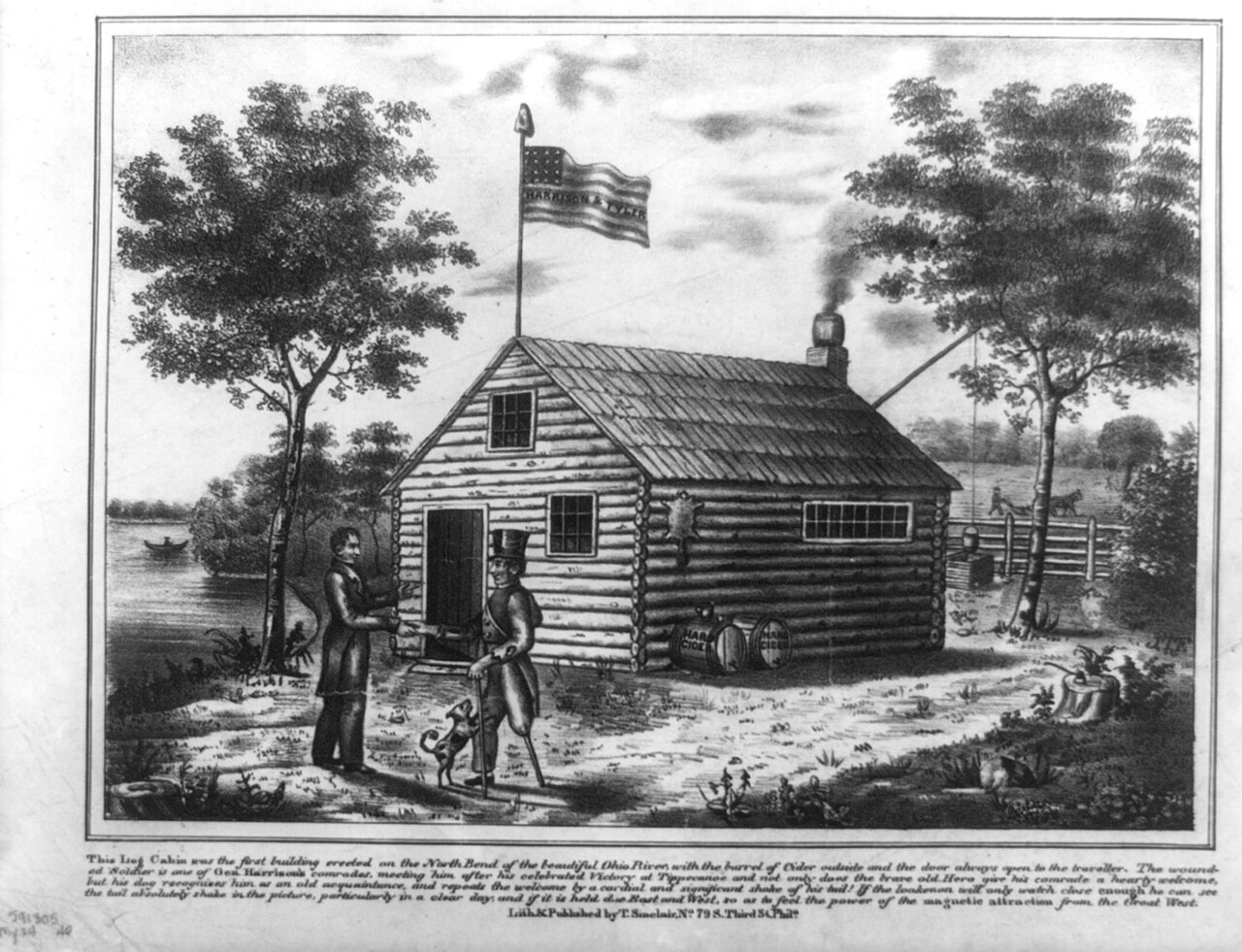 Painting
Primary source
Thomas Sinclair · 1840
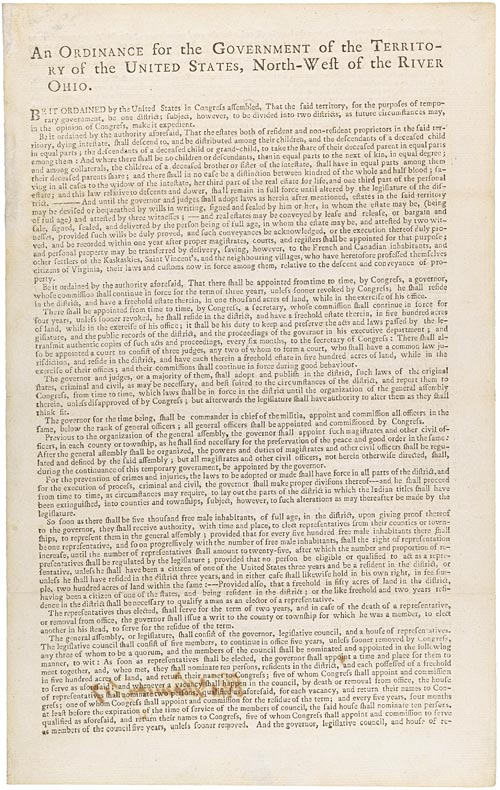 Document
Primary source
Confederation Congress · 13 July 1787
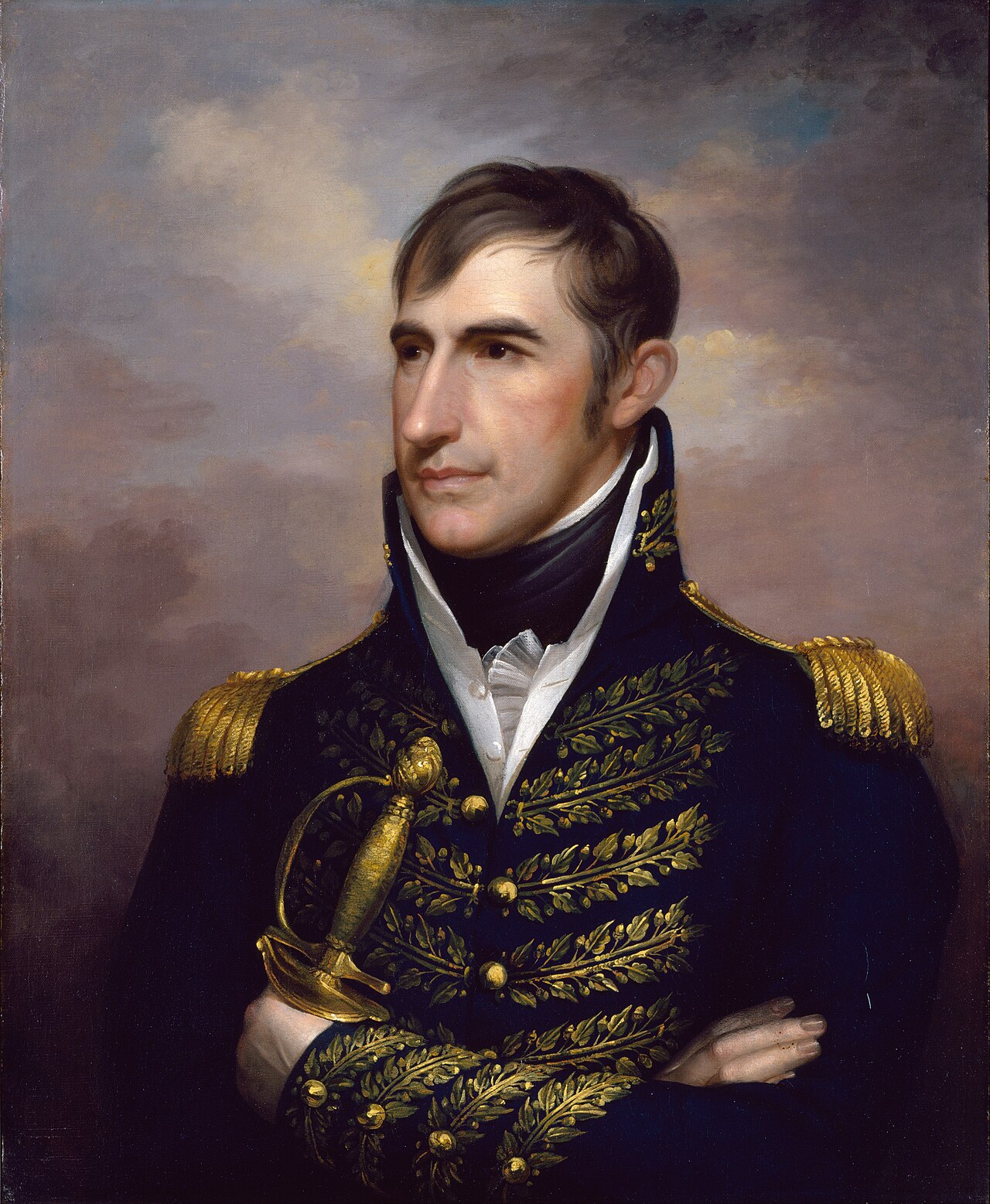 Painting
Primary source
Rembrandt Peale · 1813
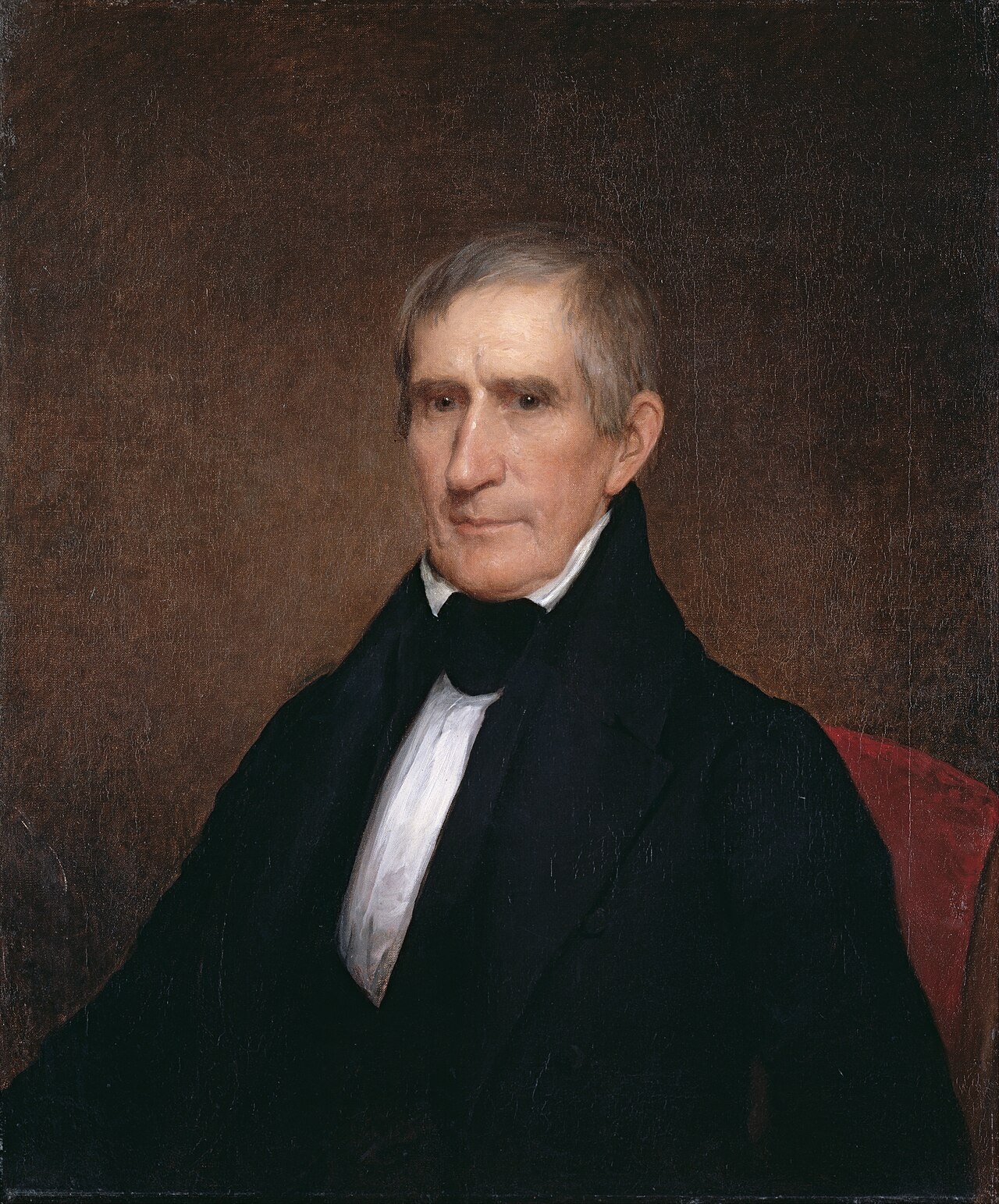 Painting
Primary source
Albert Gallatin Hoit · 1840
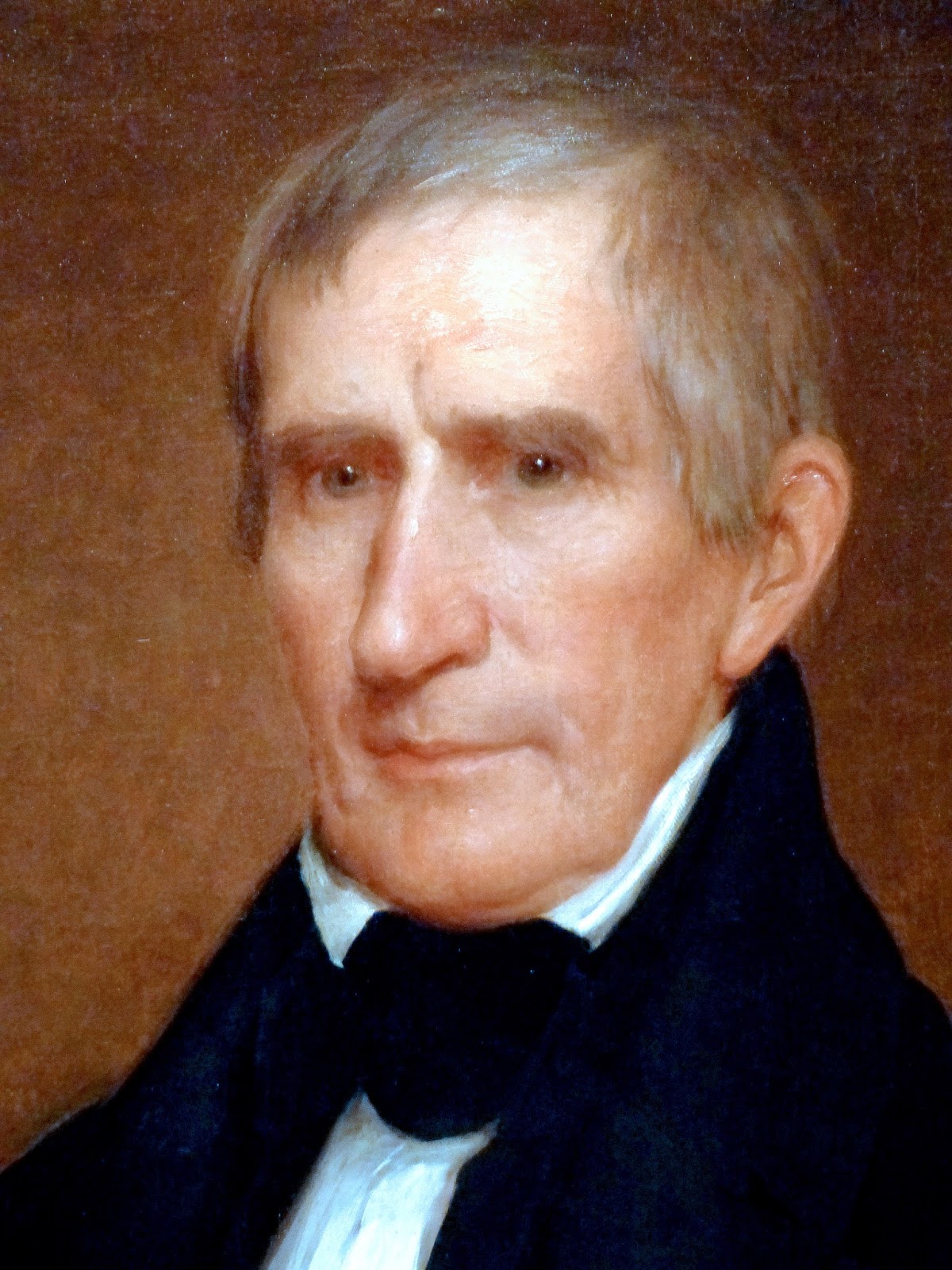 Painting
Primary source
Albert Gallatin Hoit · 1840
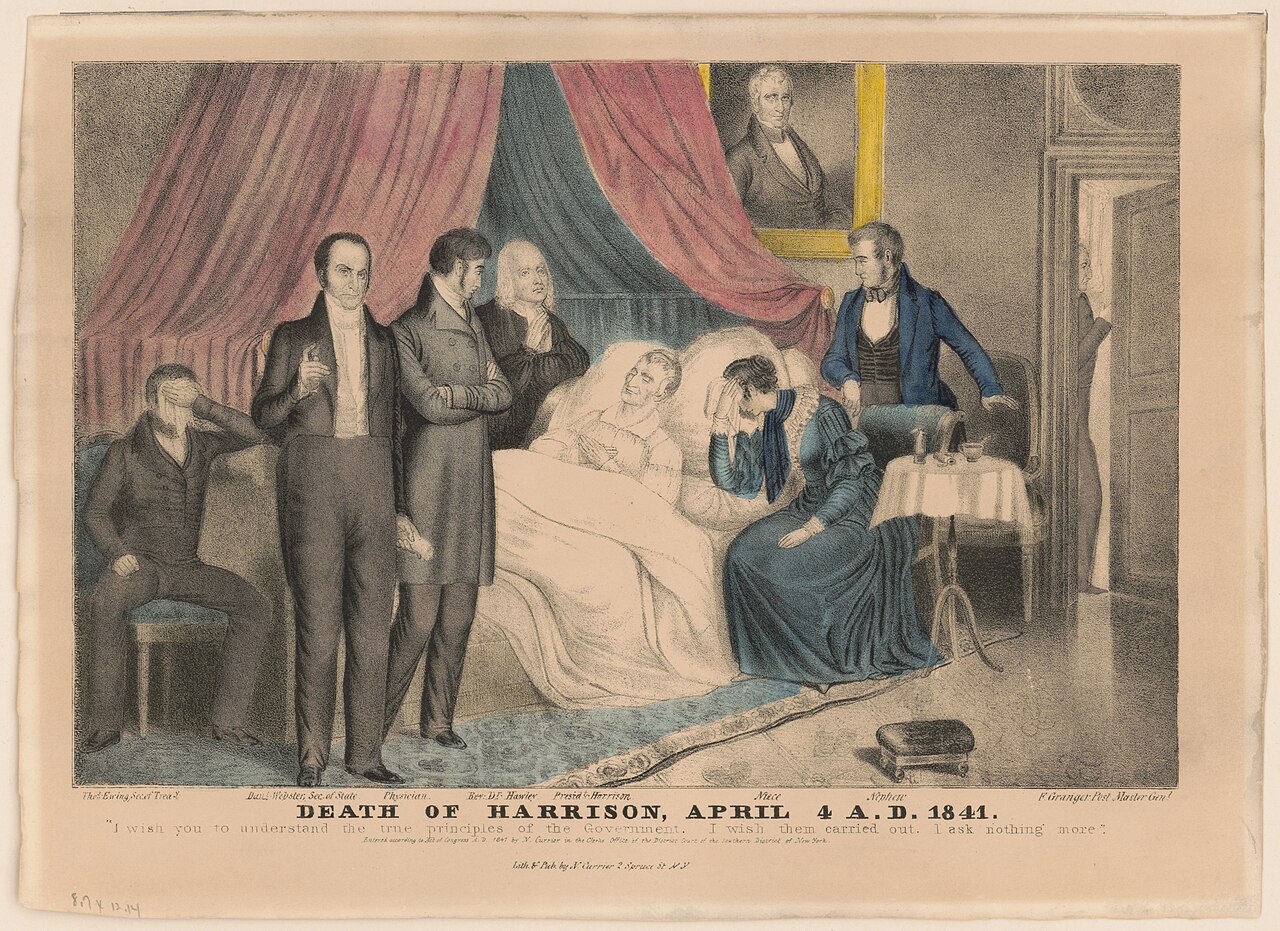 Painting
Primary source
Nathaniel Currier · 1841
PaintingPrimary source
Rembrandt Peale · c. 1813
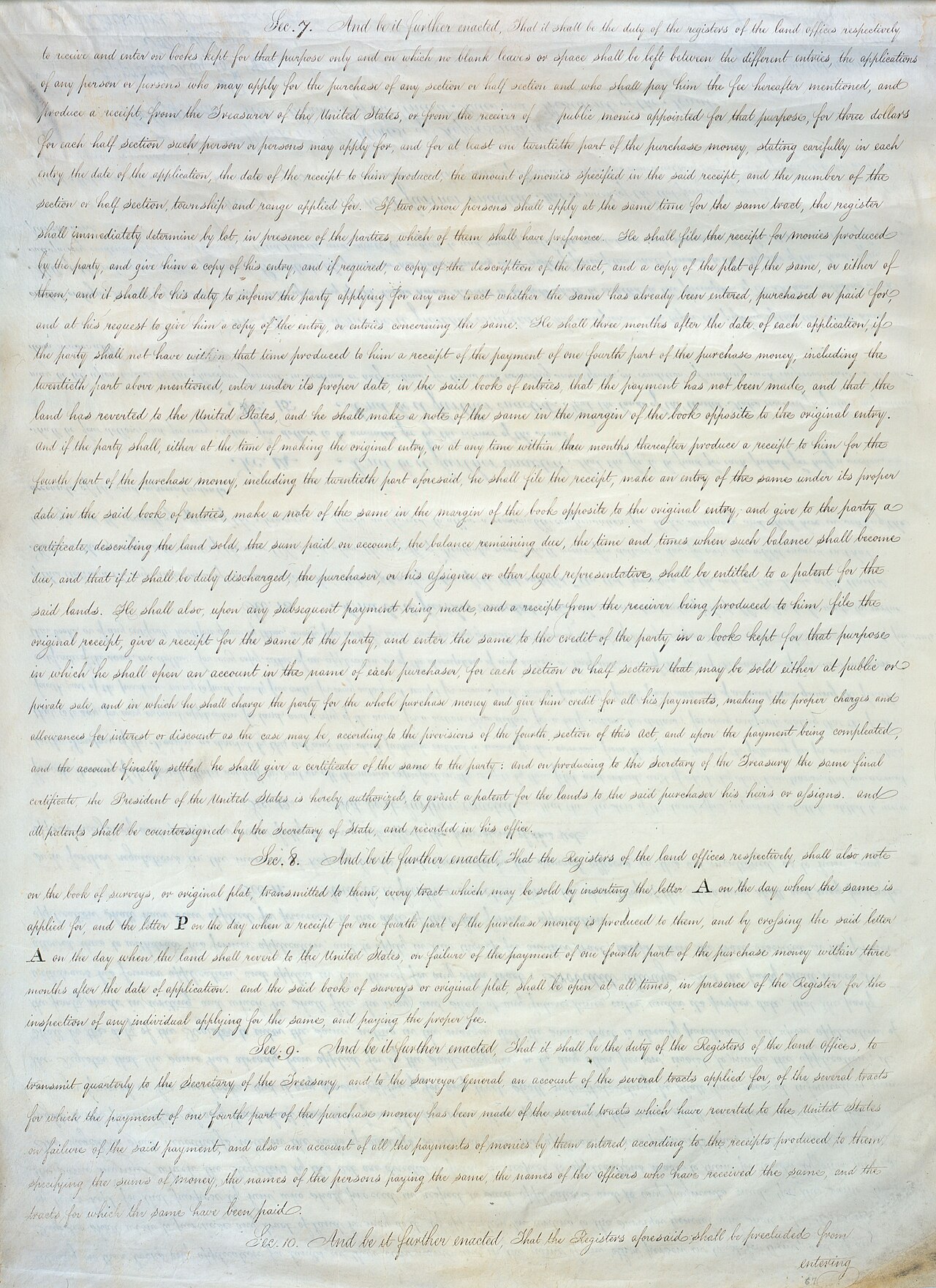 Document
Primary source
U.S. Congress · 10 May 1800
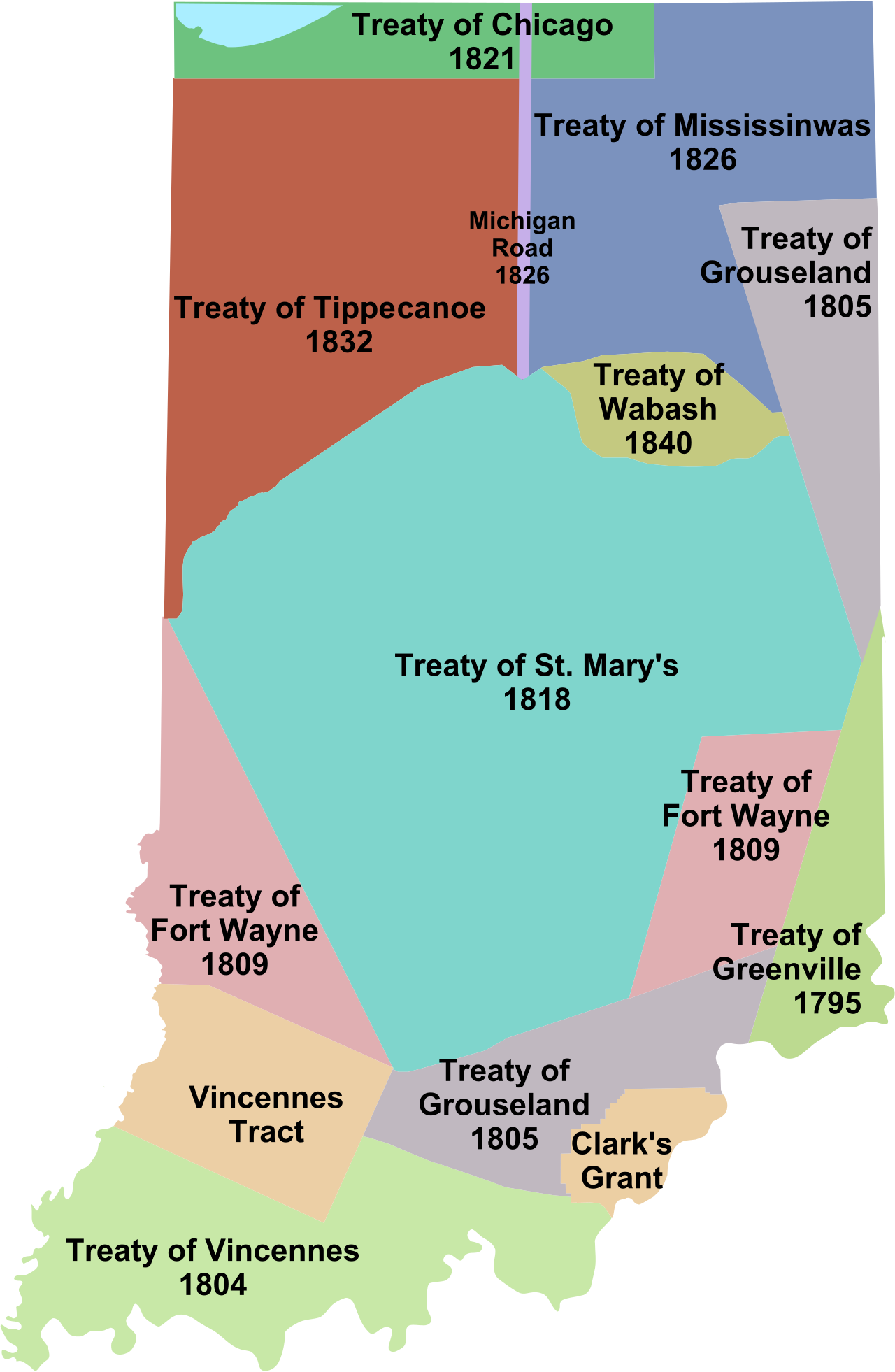 Document
Primary source
21 August 1805
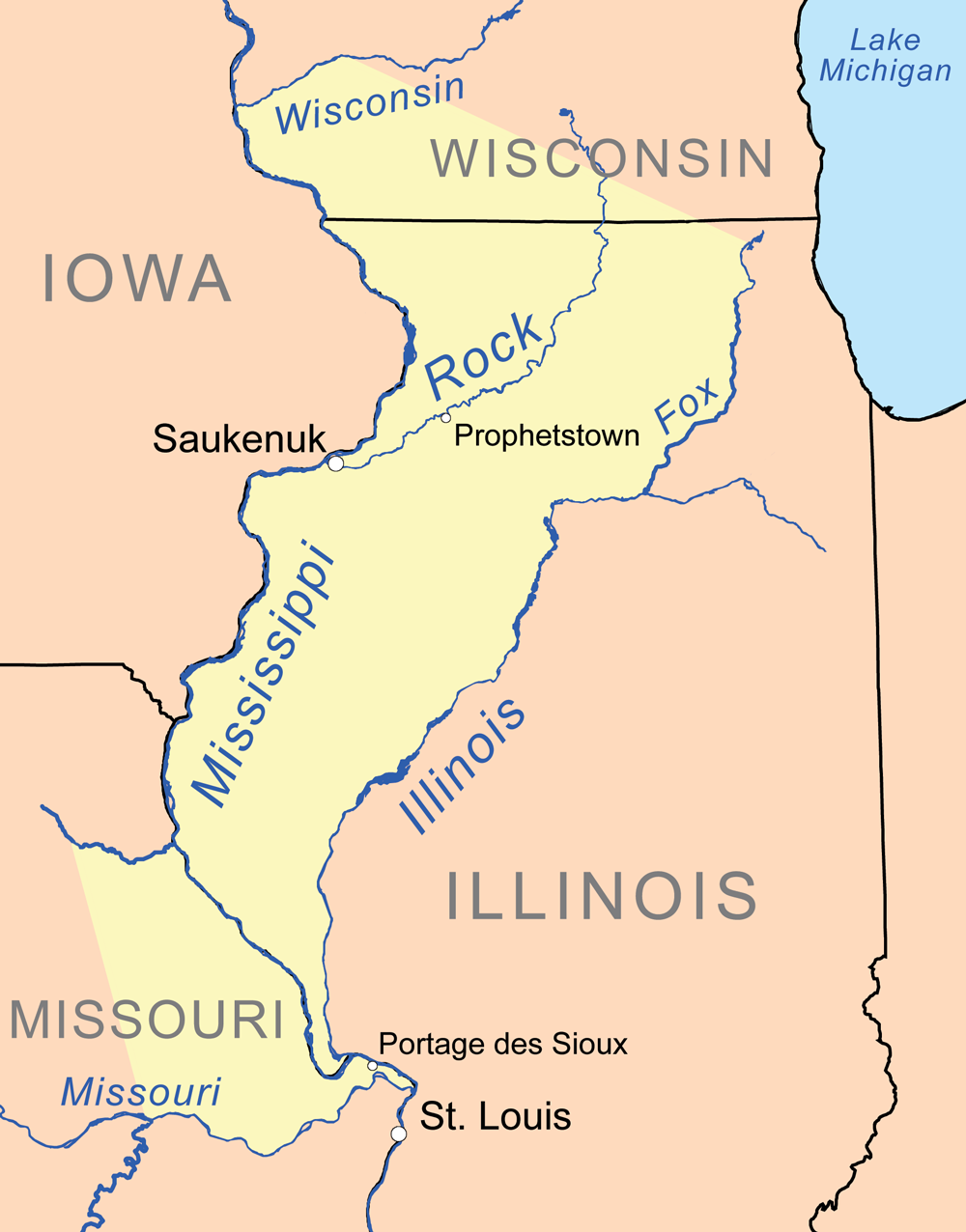 Document
Primary source
William Henry Harrison · 1804
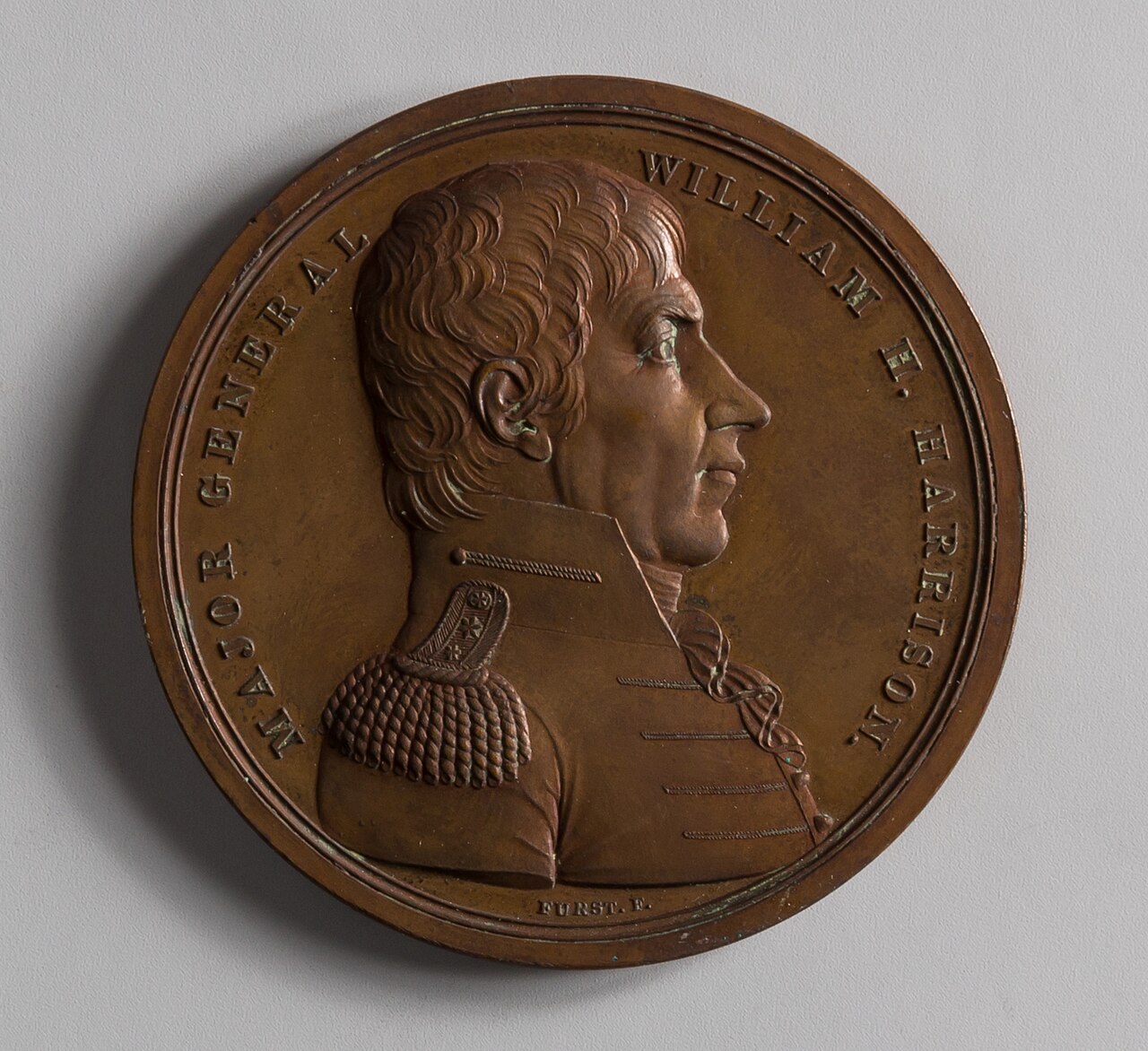 Sculpture
Primary source
Moritz Fürst · 1818
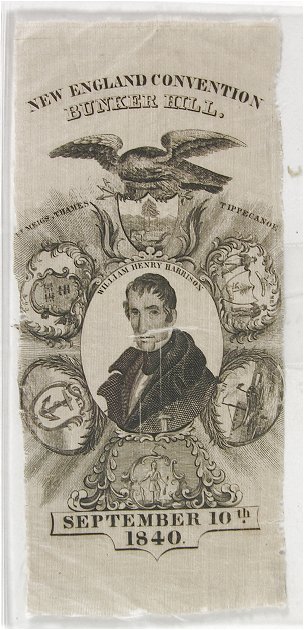 Artifact
Primary source
10 September 1840
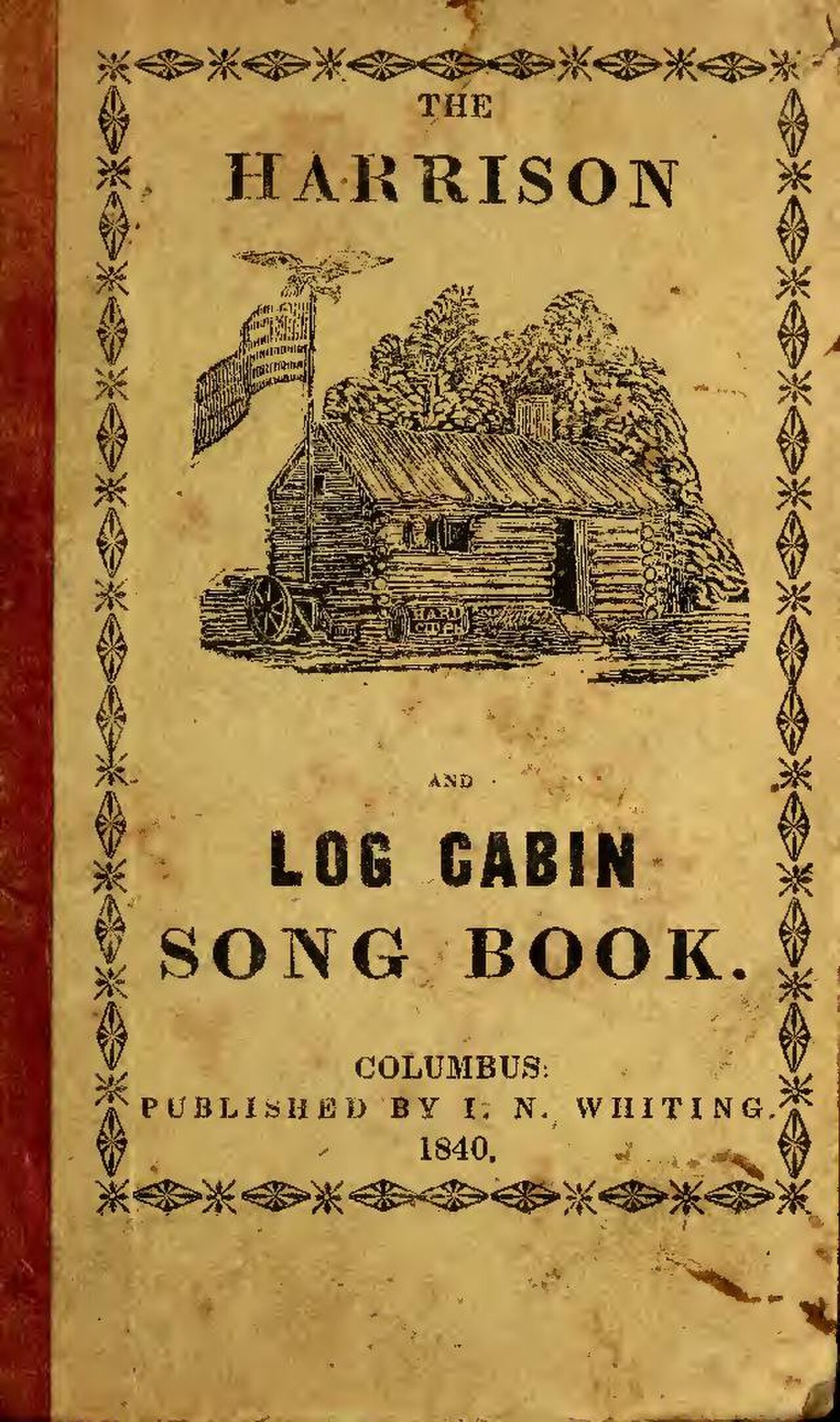 Book
Primary source
O. C. Hartley and R. Ruby · 1840
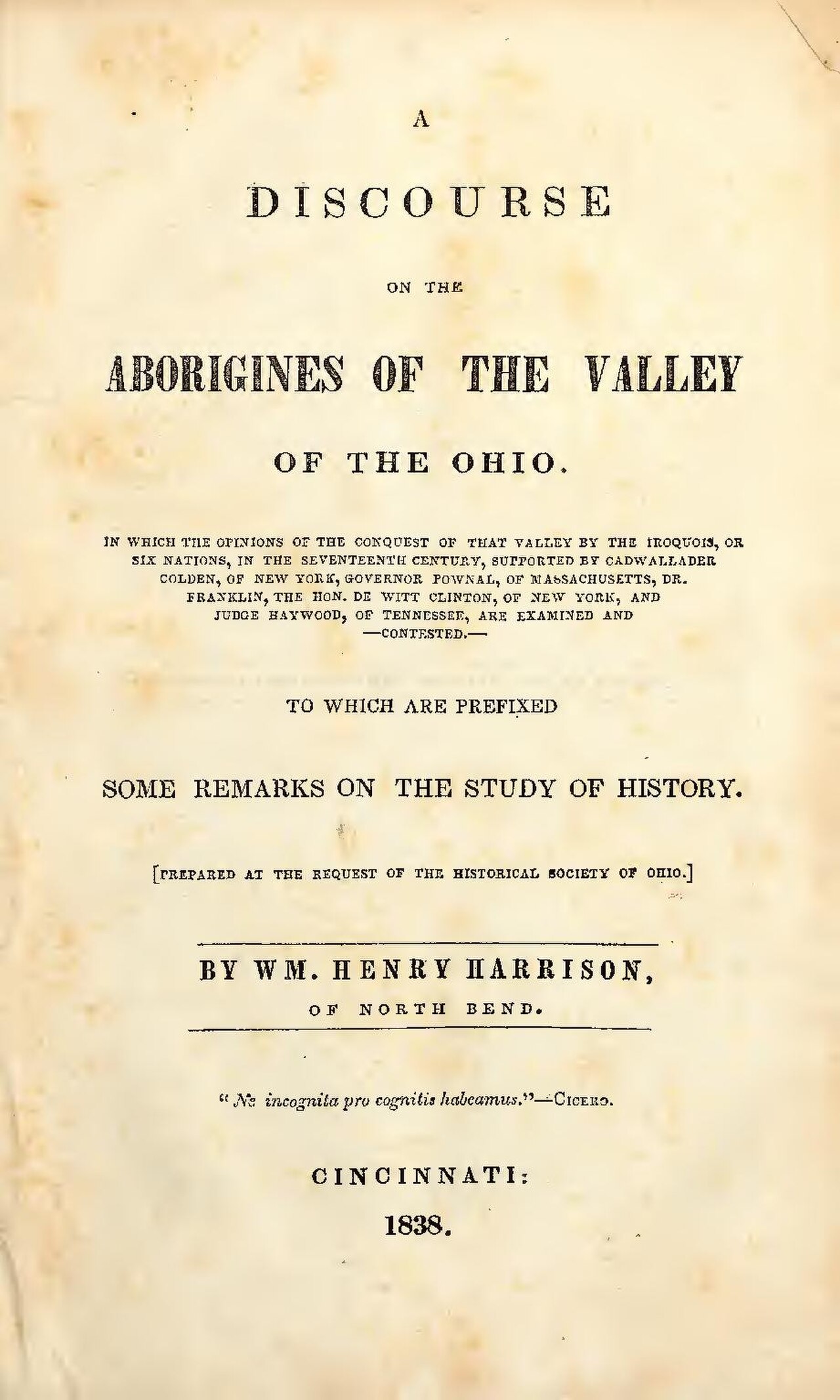 Book
Primary source
William Henry Harrison · 1838
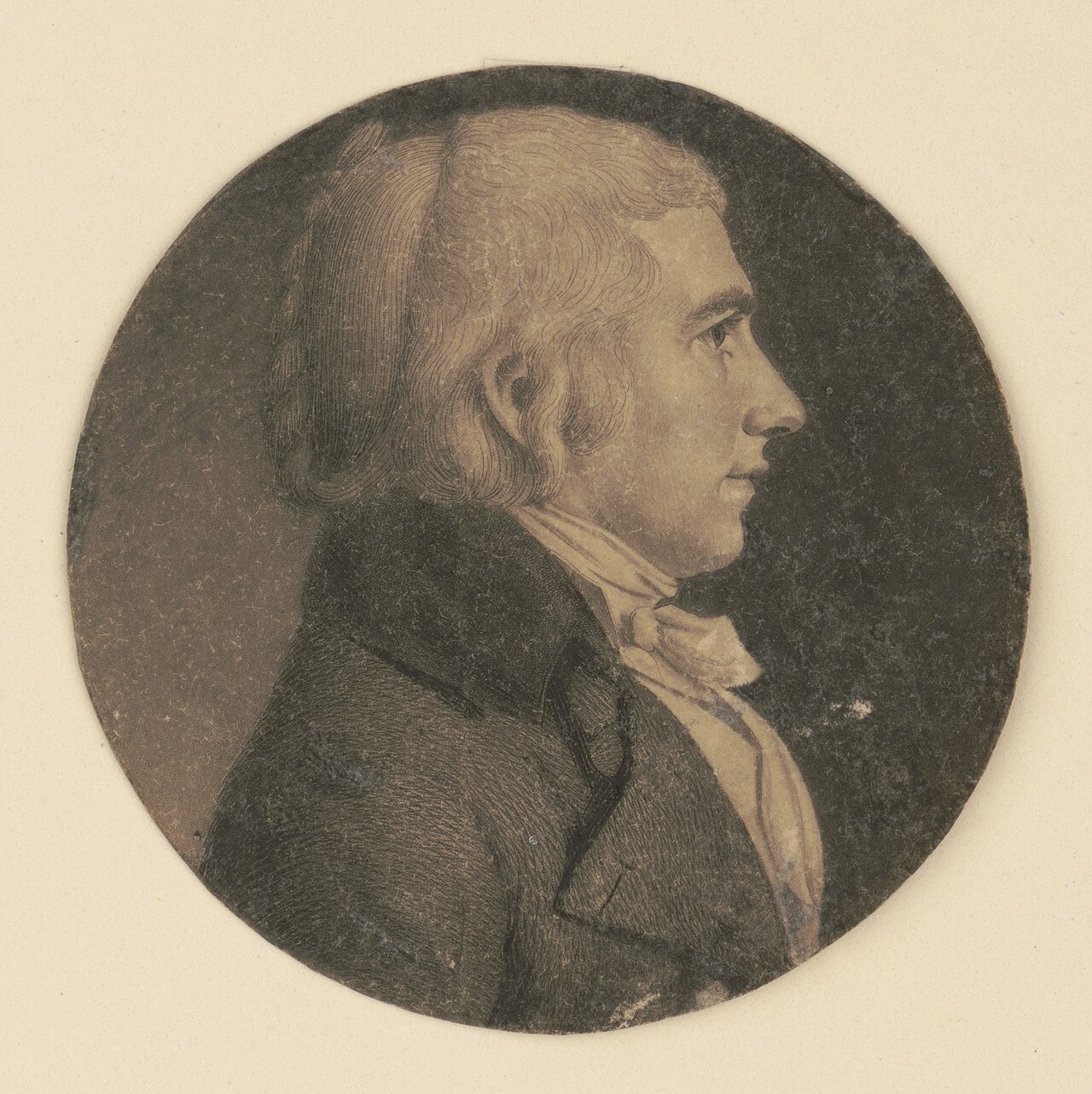 Painting
Primary source
Charles Balthazar Julien Févret de Saint-Mémin · c. 1800
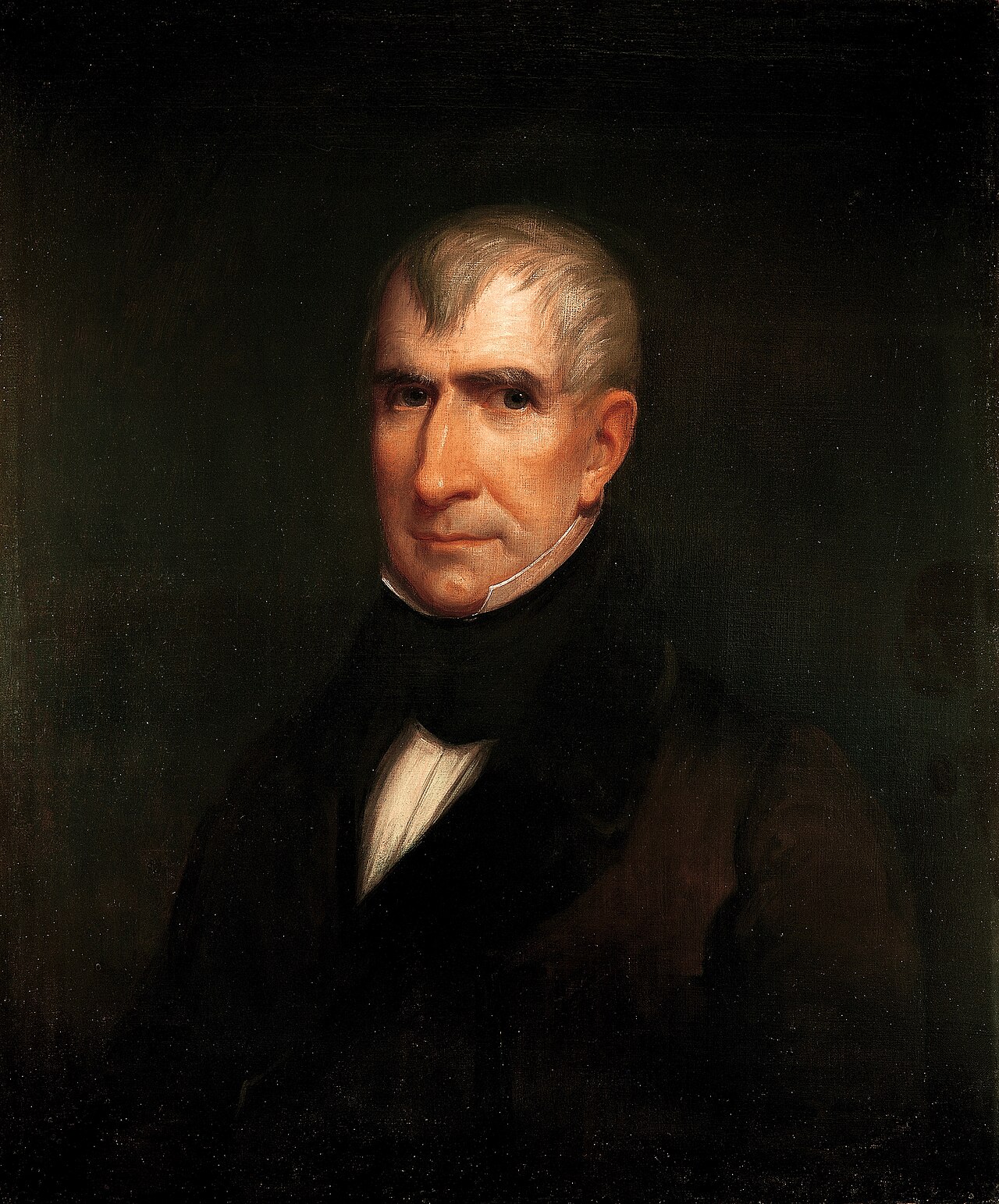 Painting
Primary source
James Reid Lambdin · 1835
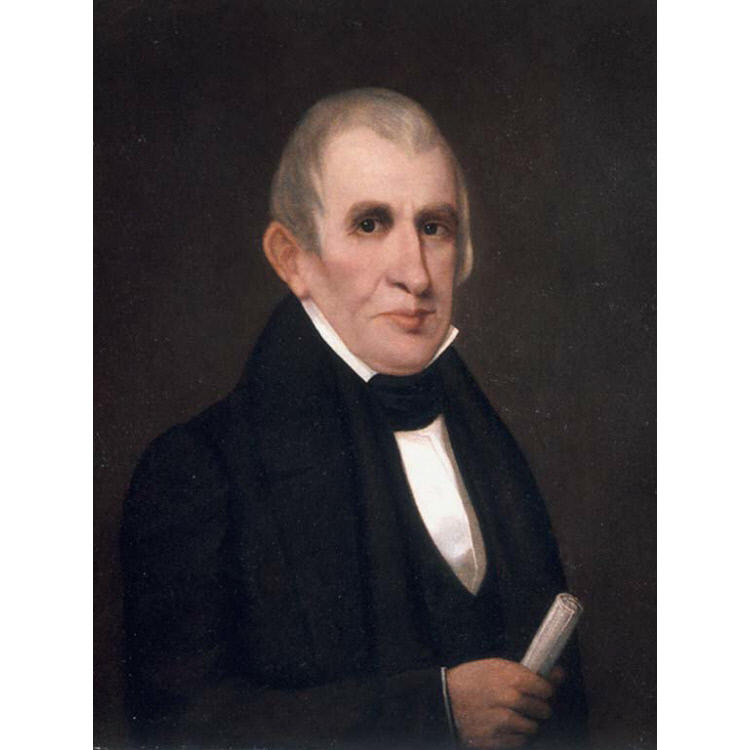 Painting
Primary source
James Henry Beard · 1840
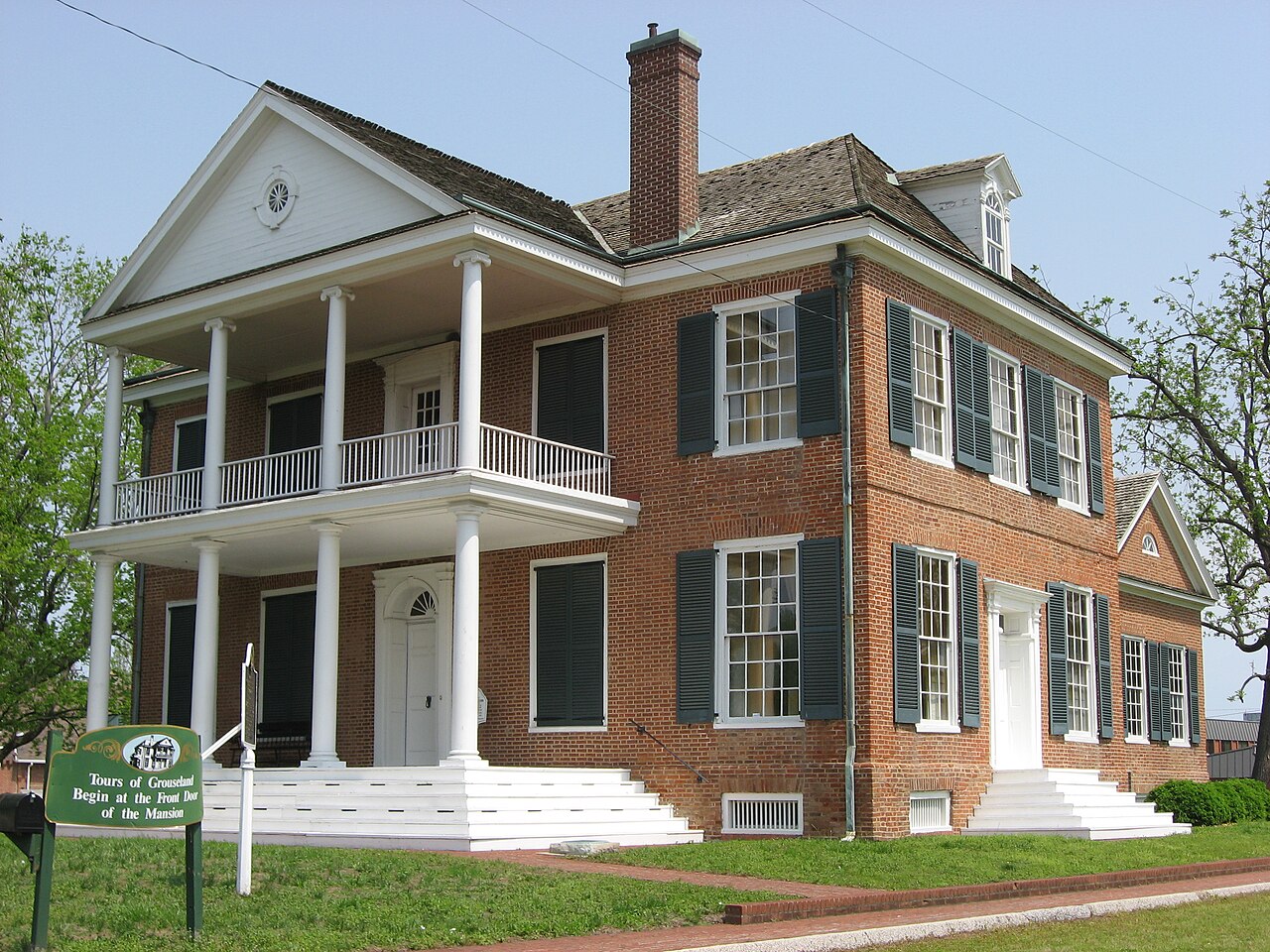 Artifact
Primary source
William Lindsay · 1804
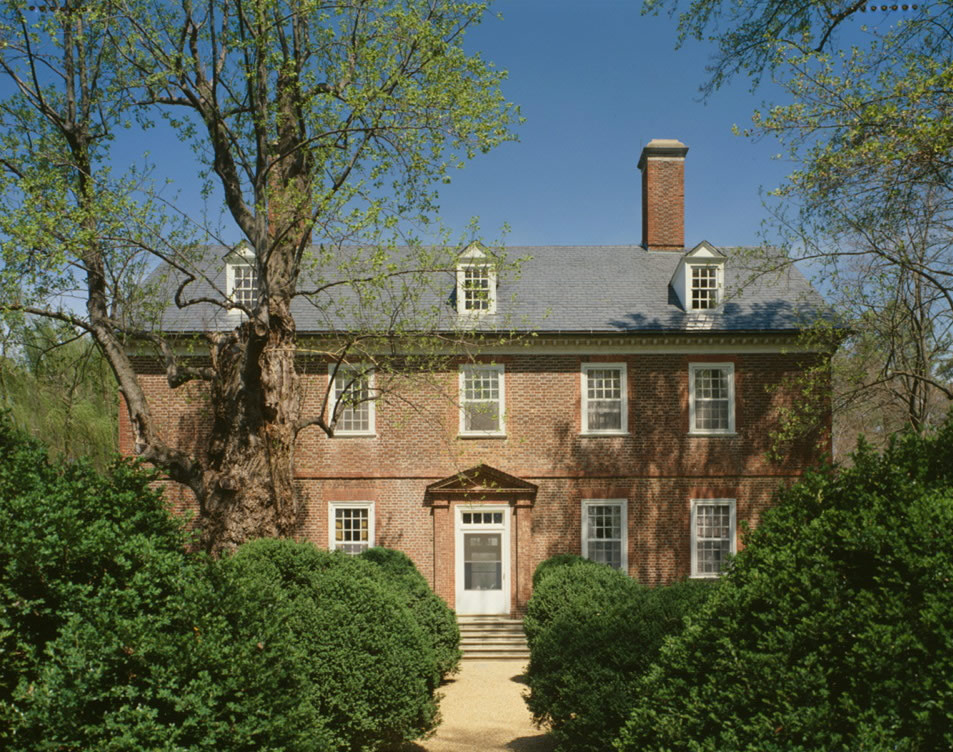 Artifact
Primary source
Benjamin Harrison IV · 1726
 Book
Secondary source
Logan Esarey · 1922
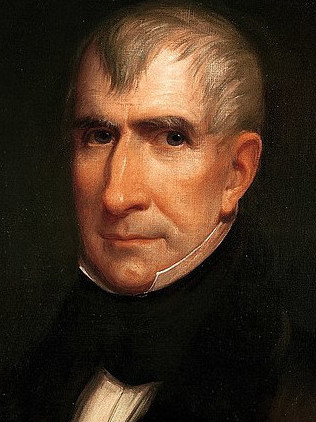 Painting
Primary source
James Lambdin · 1835
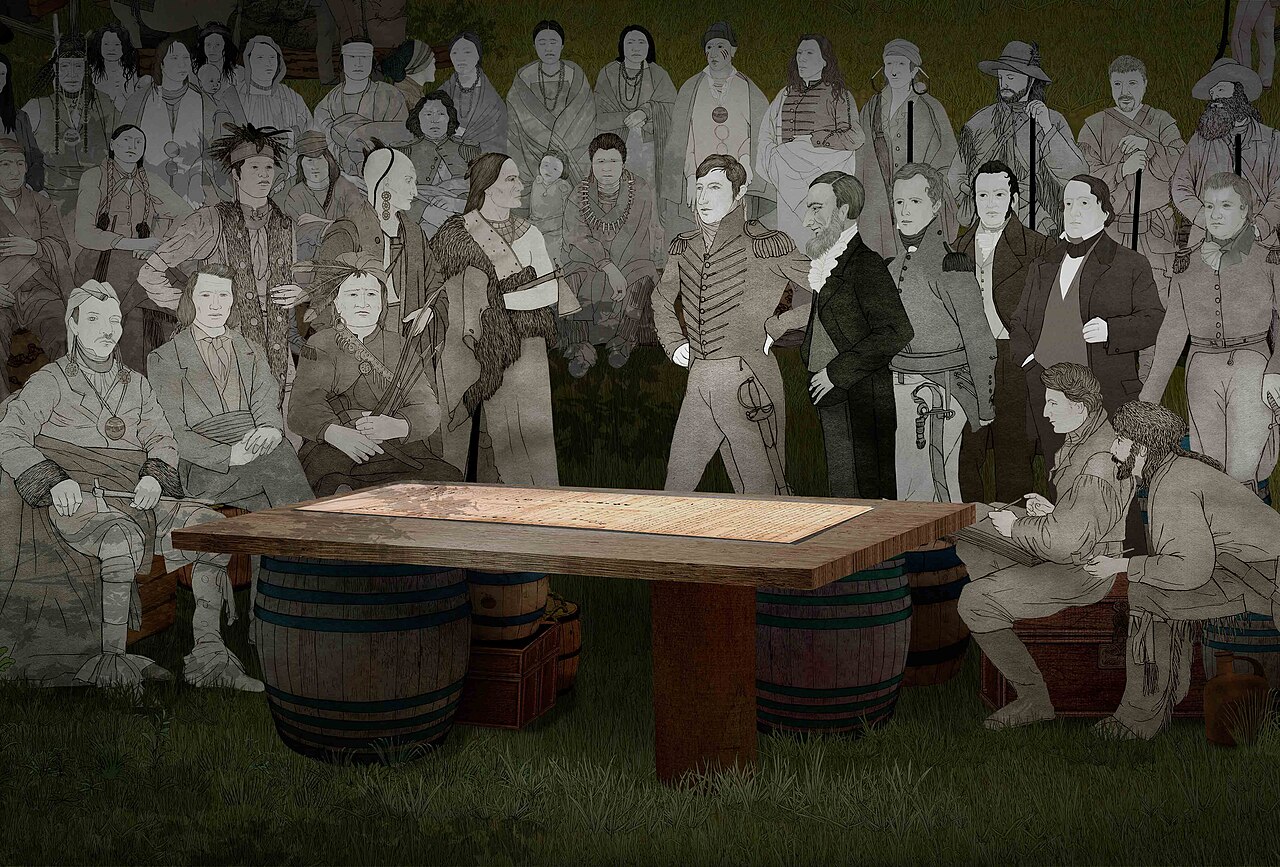 Document
Primary source
8 September 1815
Secondary source
Moses Dawson · 1824
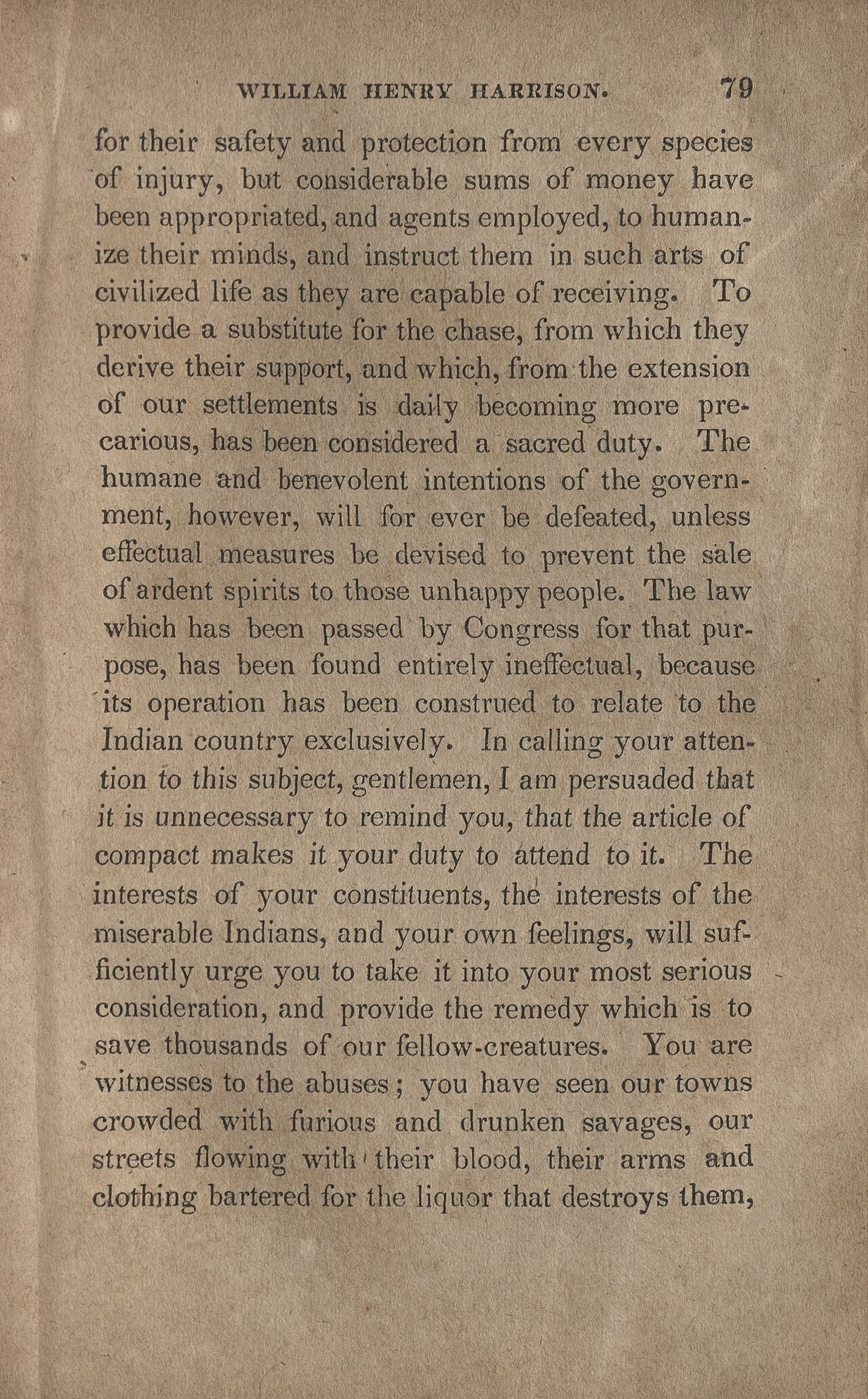 Book
Secondary source
James Hall · 1836
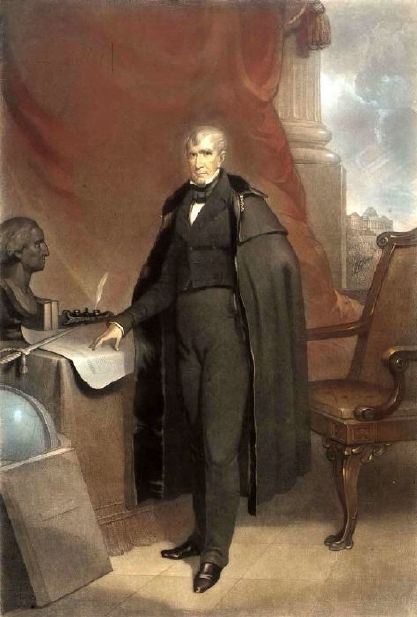 Painting
Secondary source
John Sartain
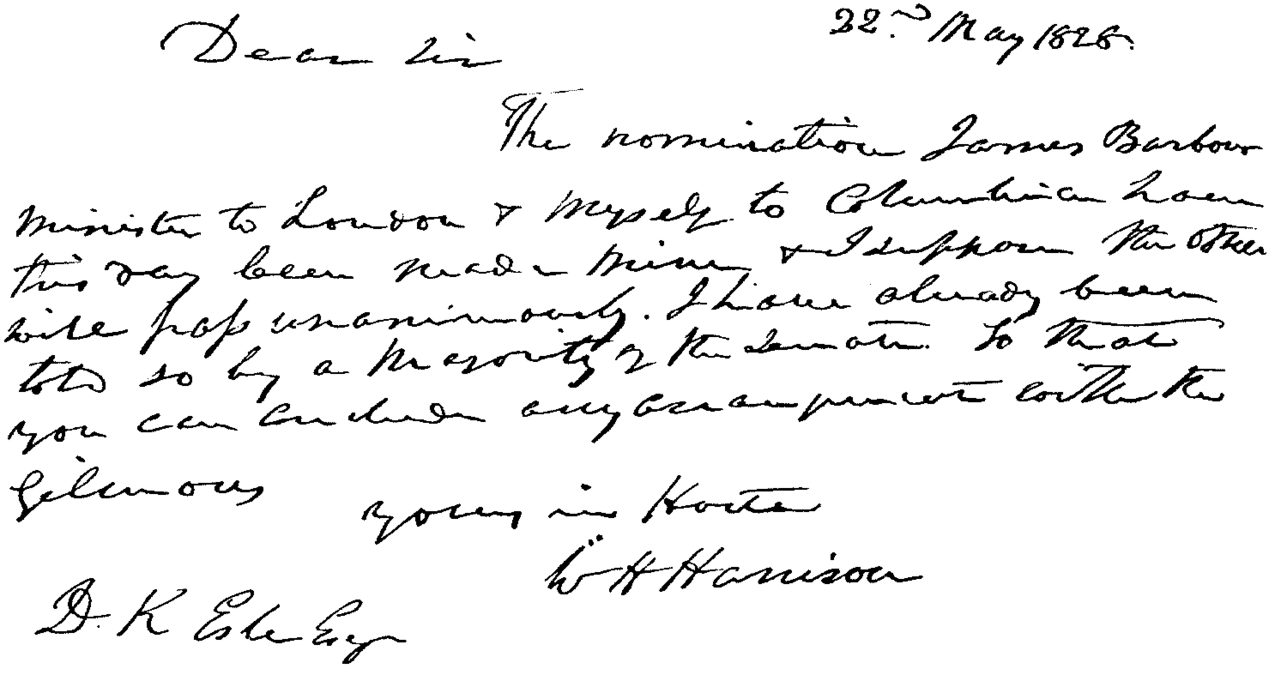 Letter
Primary source
William Henry Harrison · 22 May 1826
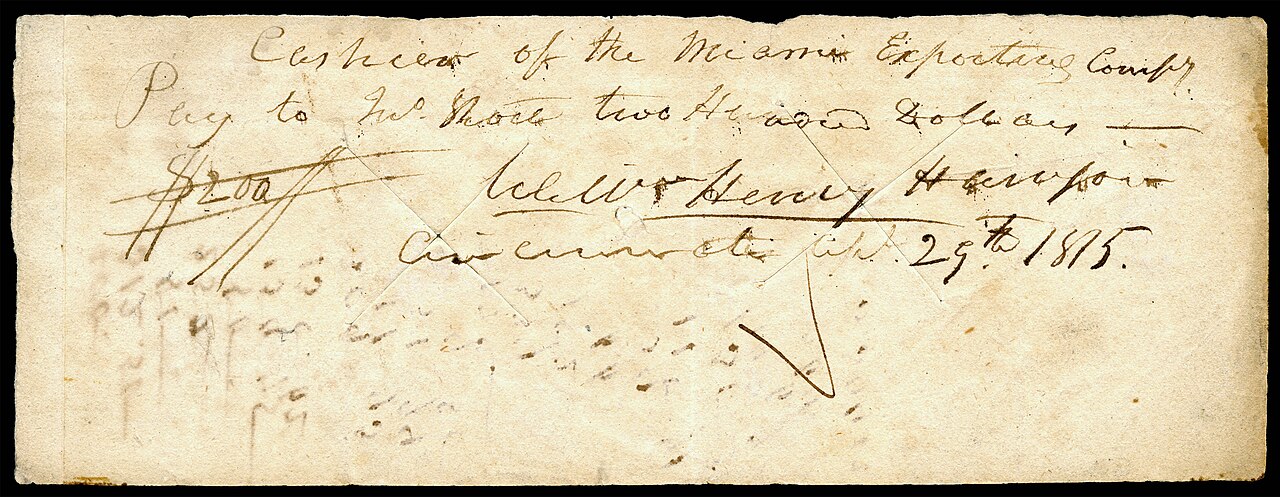 Document
Primary source
William Henry Harrison · 1815
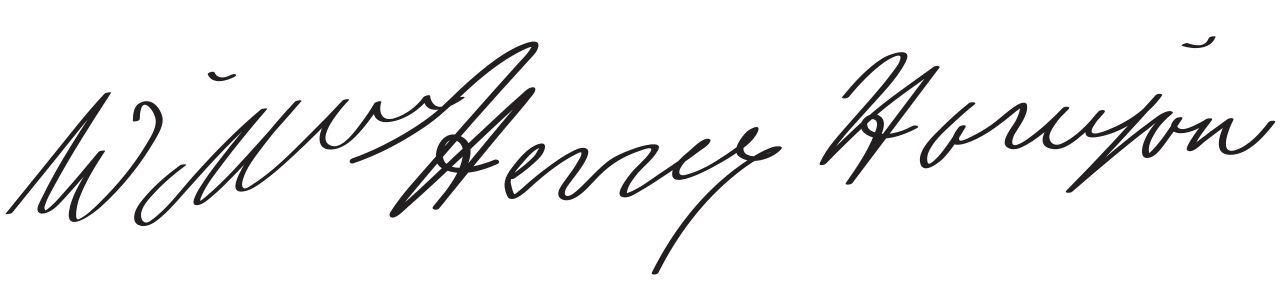 Artifact
Primary source
William Henry Harrison
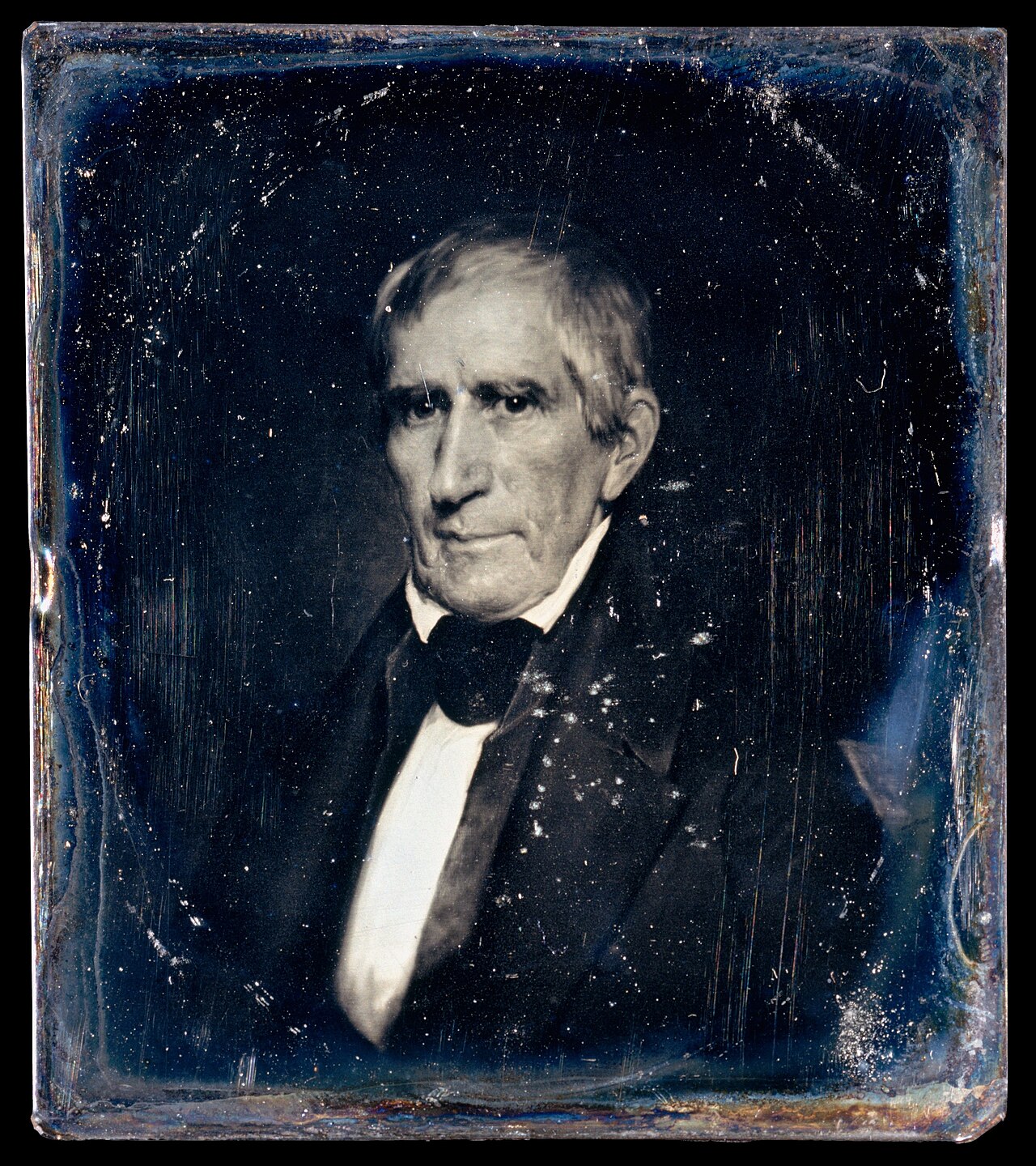 Photograph
Secondary source
Southworth and Hawes · 1850
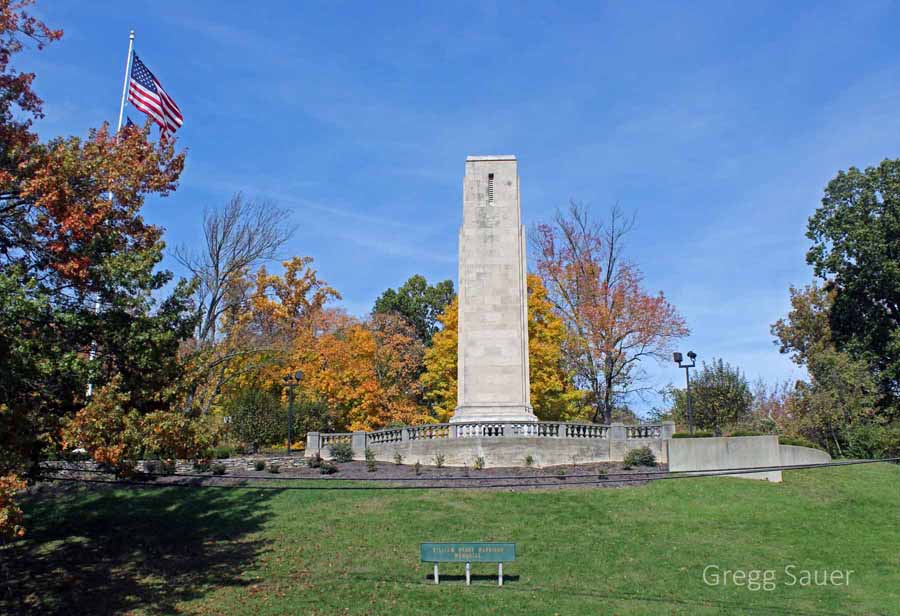 Artifact
Secondary source
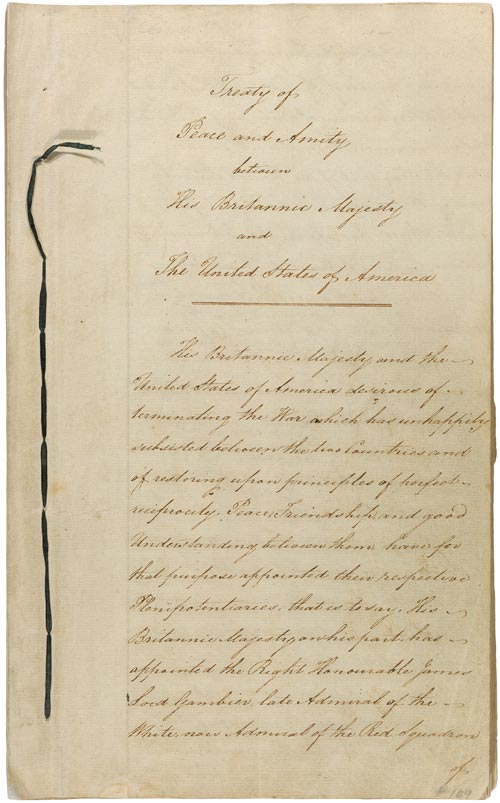 Document
Primary source
24 December 1814
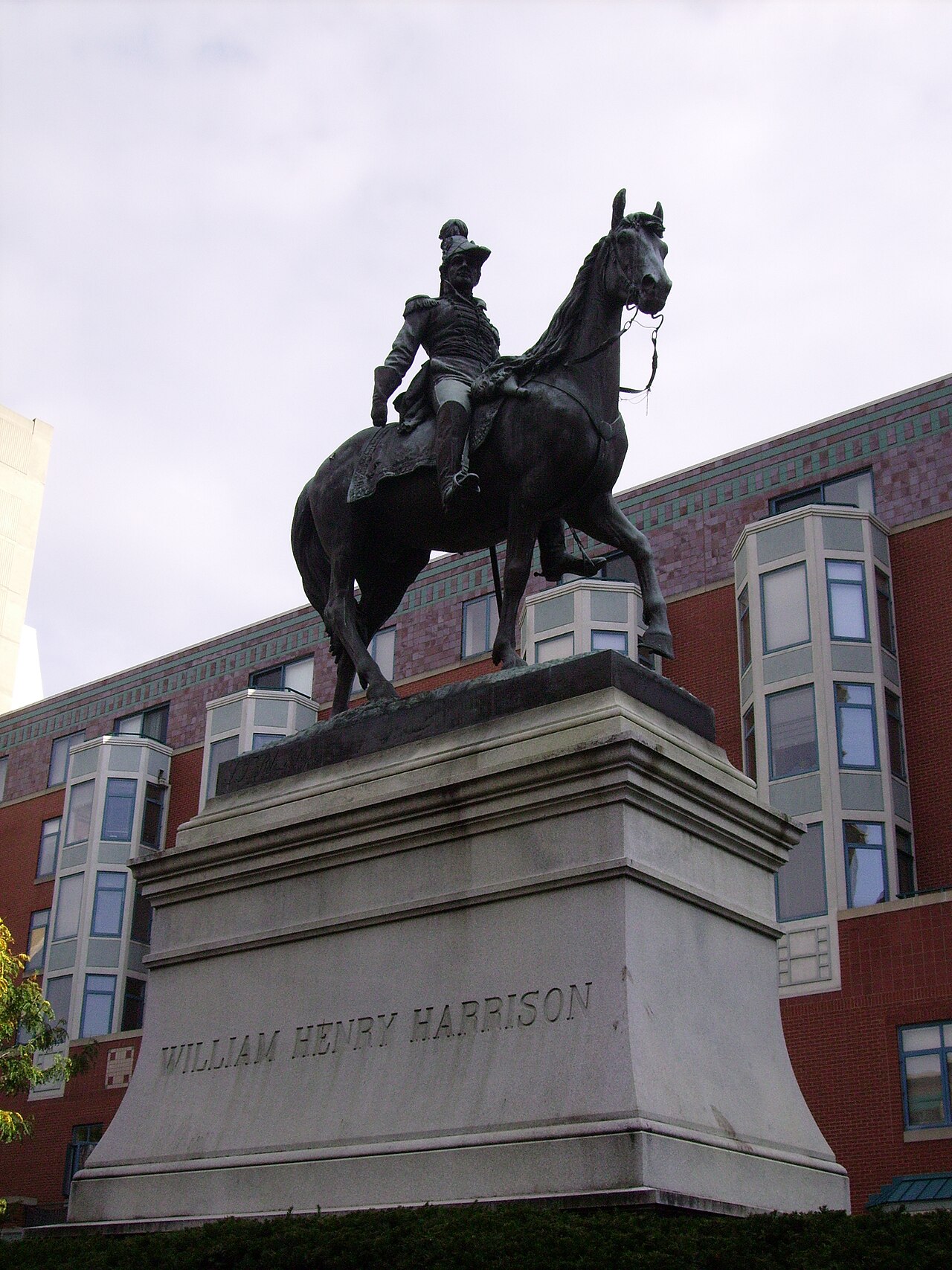 Sculpture
Secondary source
Louis Rebisso · 1896
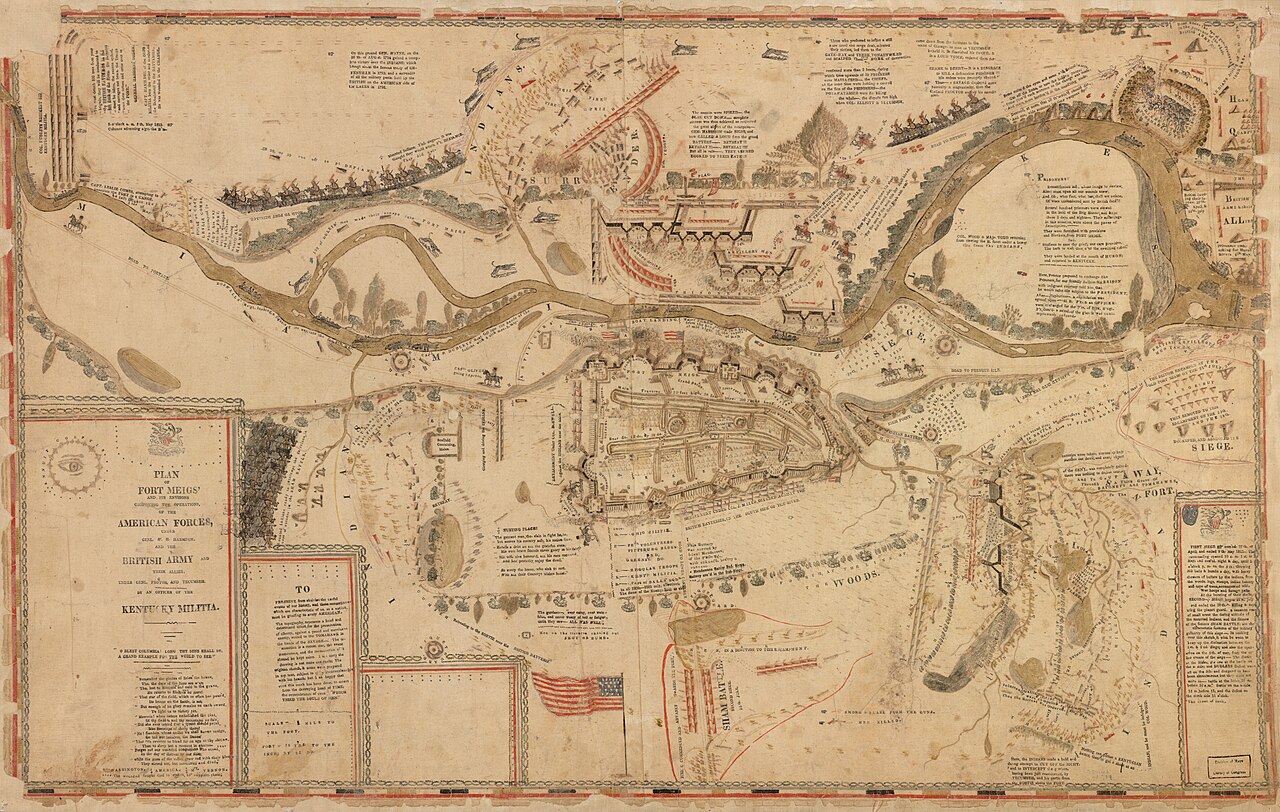 Document
Primary source
Eleazer D. Wood · 1813
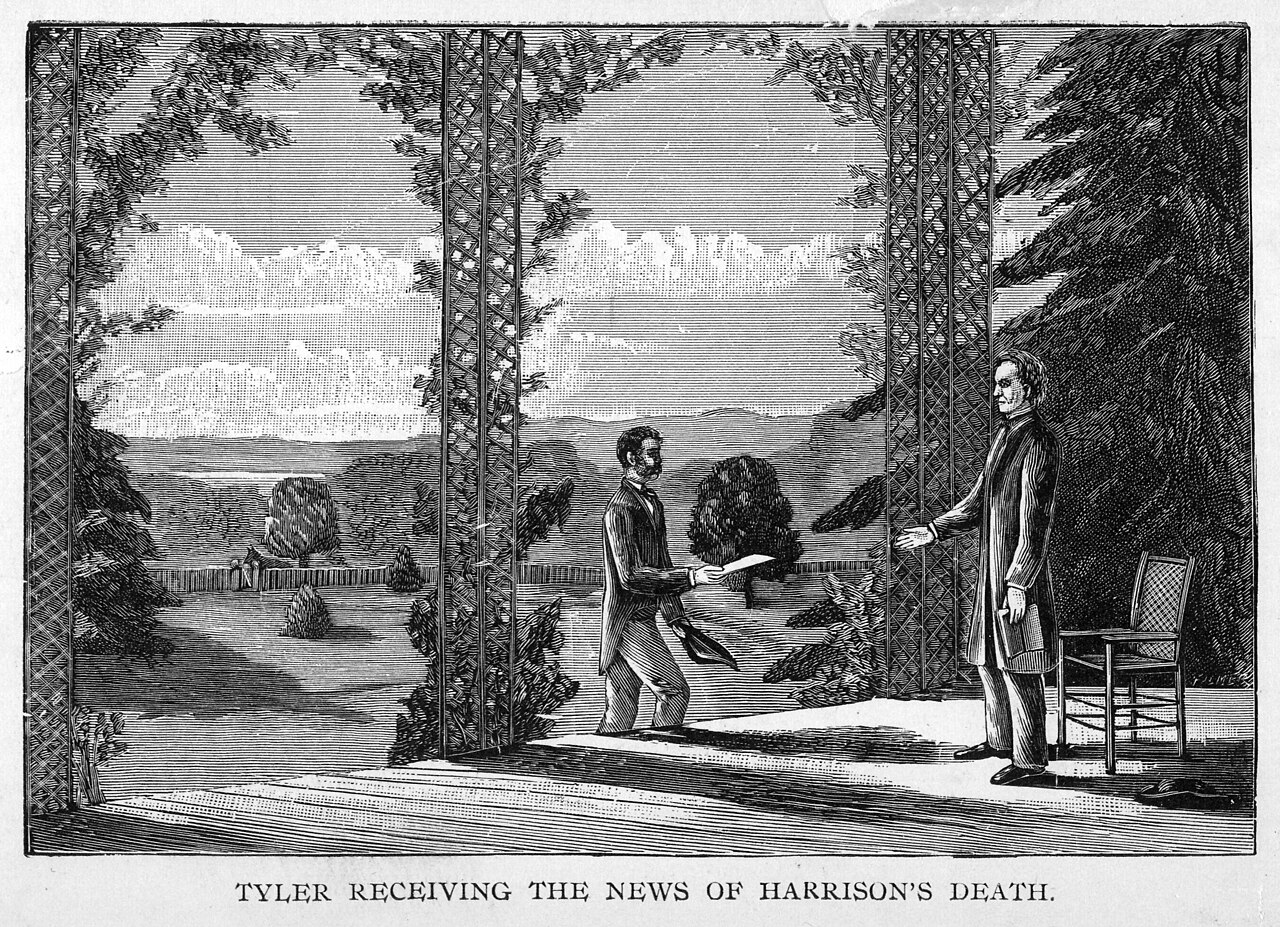 Painting
Secondary source
William Osborn Stoddard
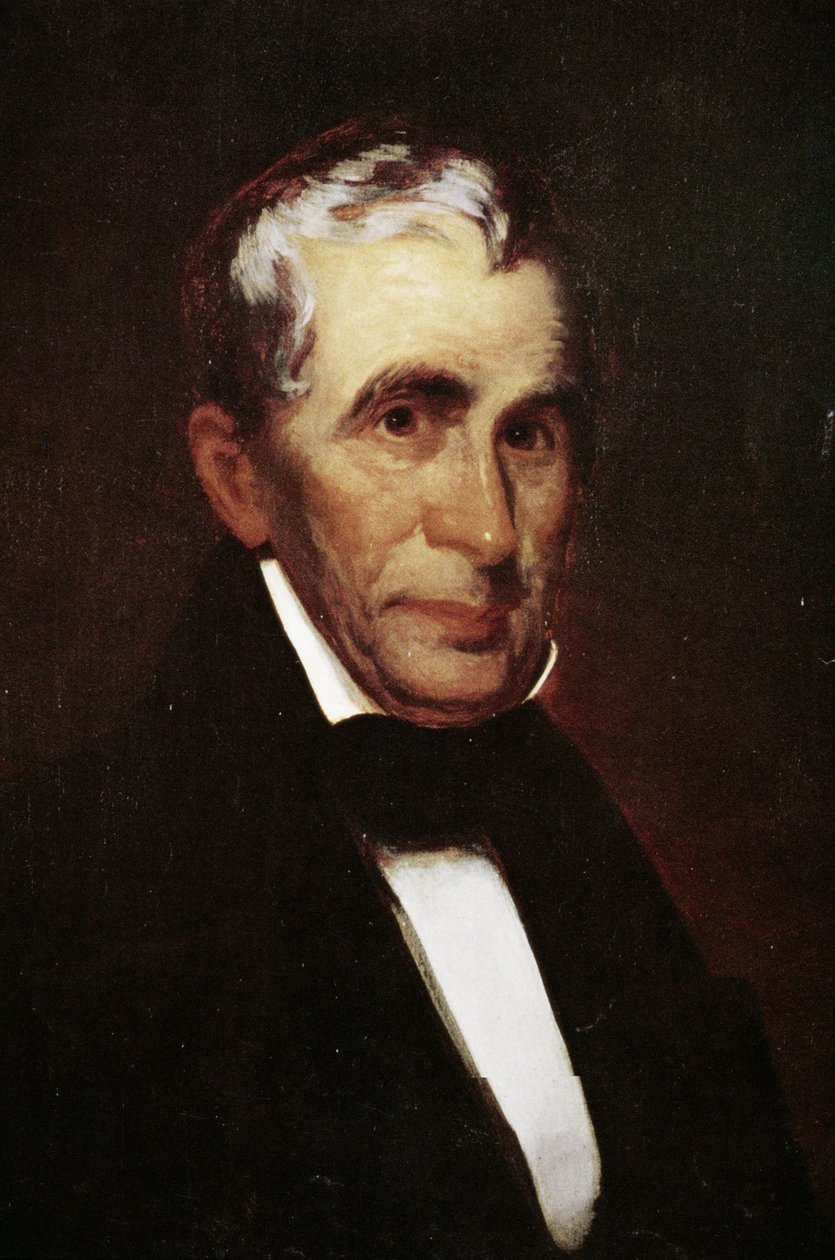 Painting
Secondary source
Eliphalet Frazer Andrews · 1879
 Document
Primary source
New York (N.Y.). Common Council · 1841
 Book
Primary source
Samuel Jones Burr · 1840
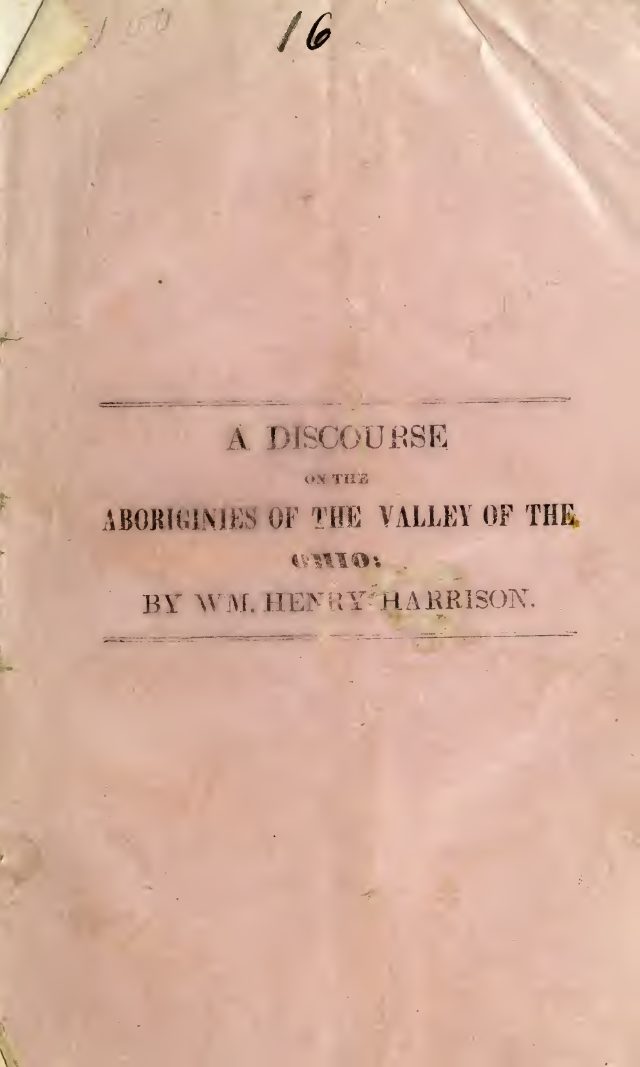 Book
Primary source
William Henry Harrison · 1838
Primary source
William Henry Harrison · 1804
Primary source
Thomas Jefferson · 1803
 Speech
Primary source
John Prentiss Kewley Henshaw · 25 April 1841
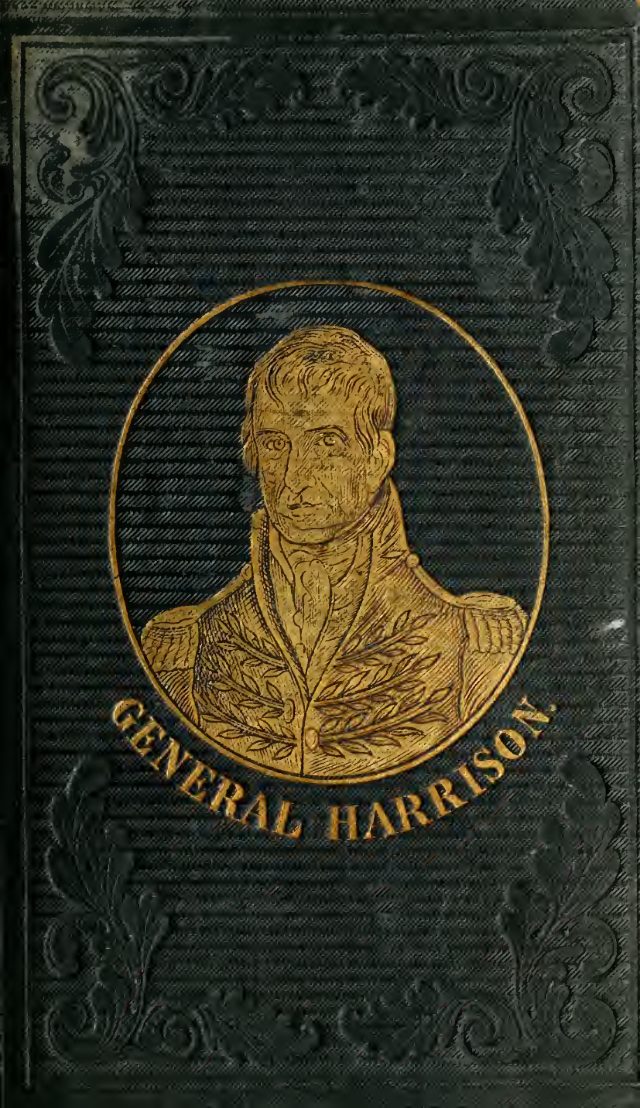 Book
Primary source
Isaac R. Jackson · 1840
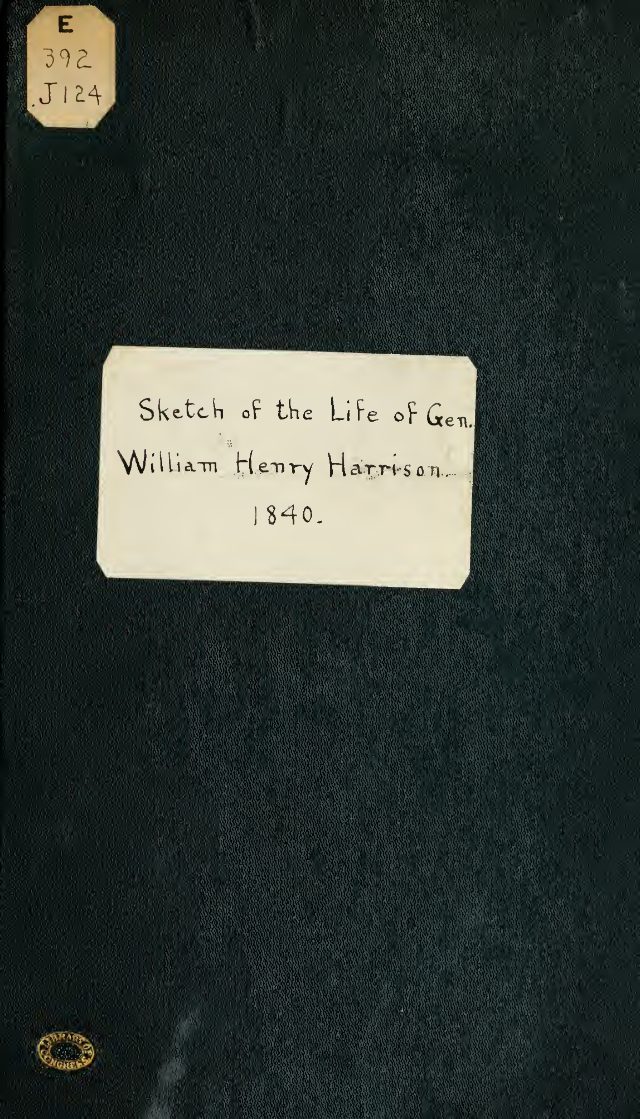 Document
Primary source
Isaac R. Jackson · 1840
 Book
Primary source
James P. Giffing · 1840
 Book
Primary source
William Ogden Niles · 1840
 Speech
Primary source
George Washington Doane · 13 April 1841
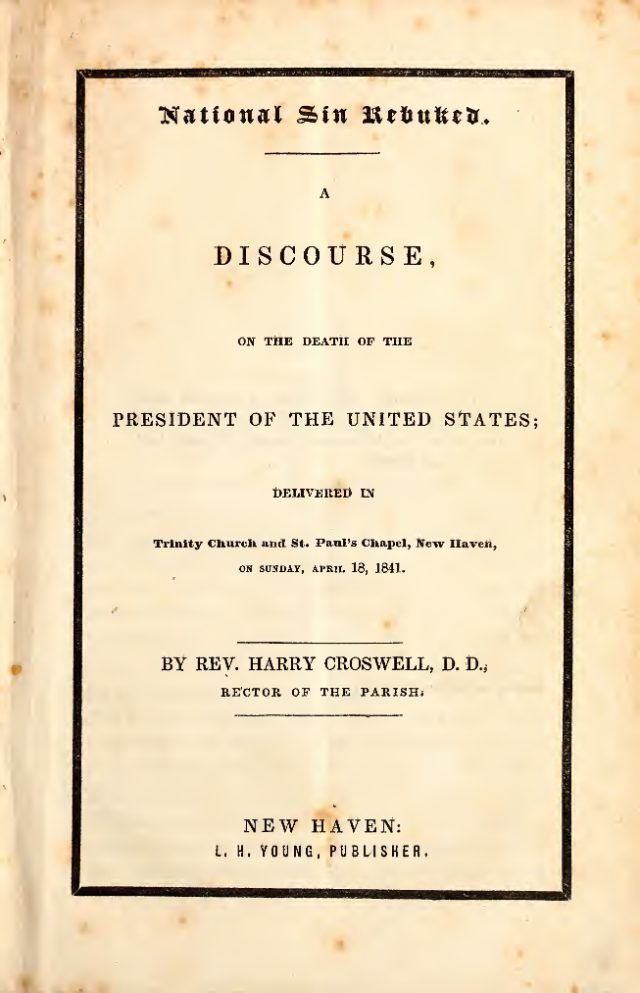 Speech
Primary source
Harry Croswell · 18 April 1841
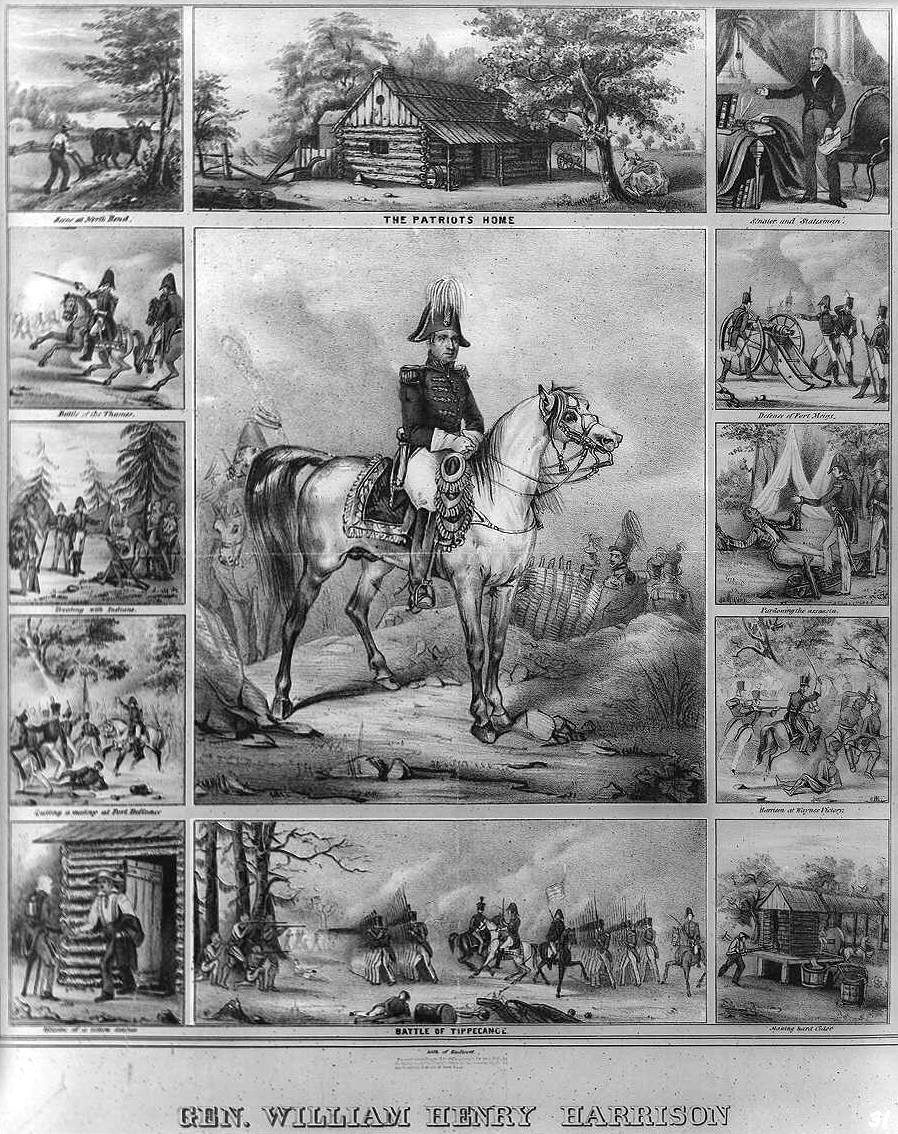 Painting
Primary source
George Endicott · c. 1840
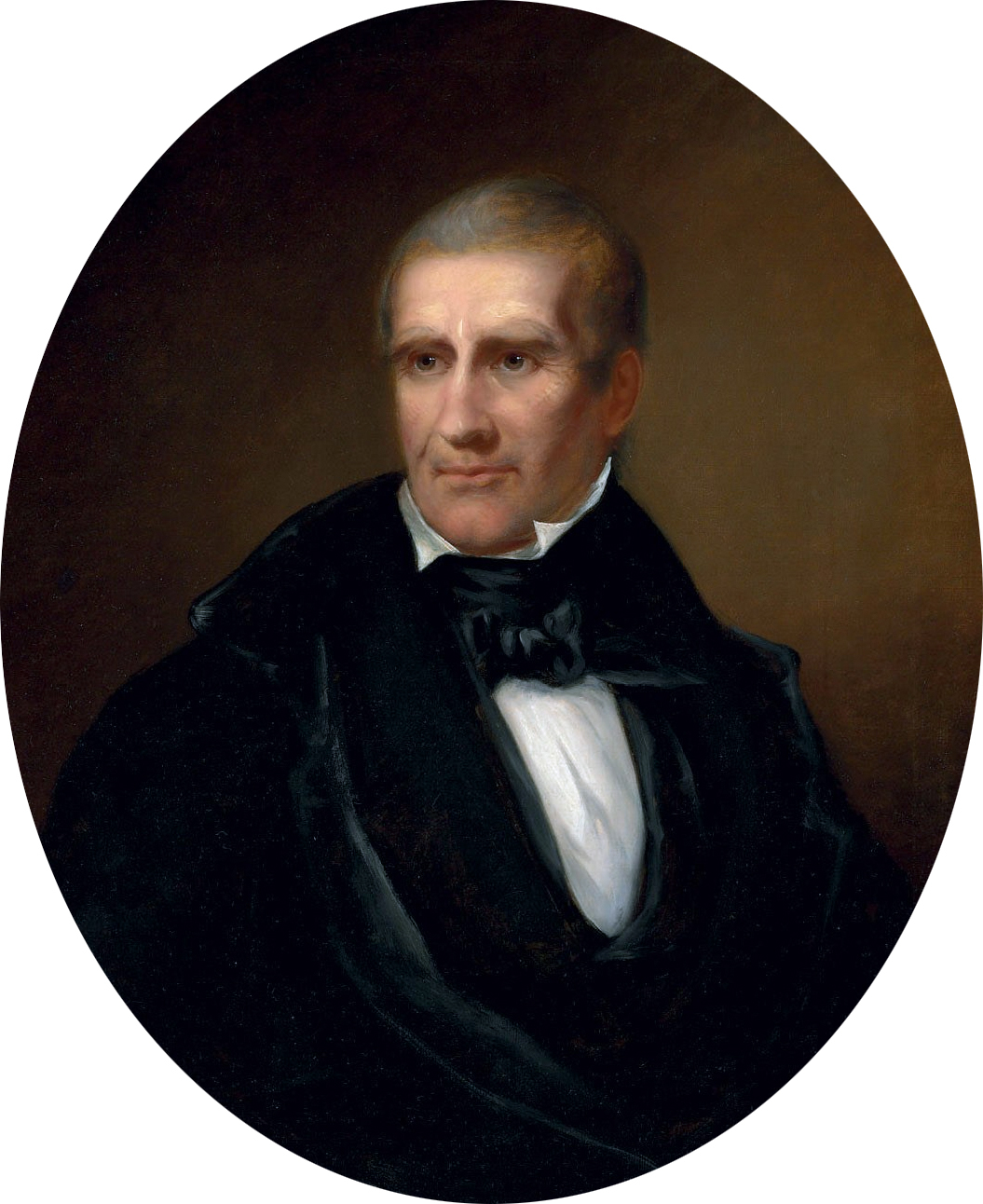 Painting
Primary source
Bass Otis · 1841
 Book
Secondary source
A. B. Norton · 1888
 Letter
Primary source
William Henry Harrison · 1856
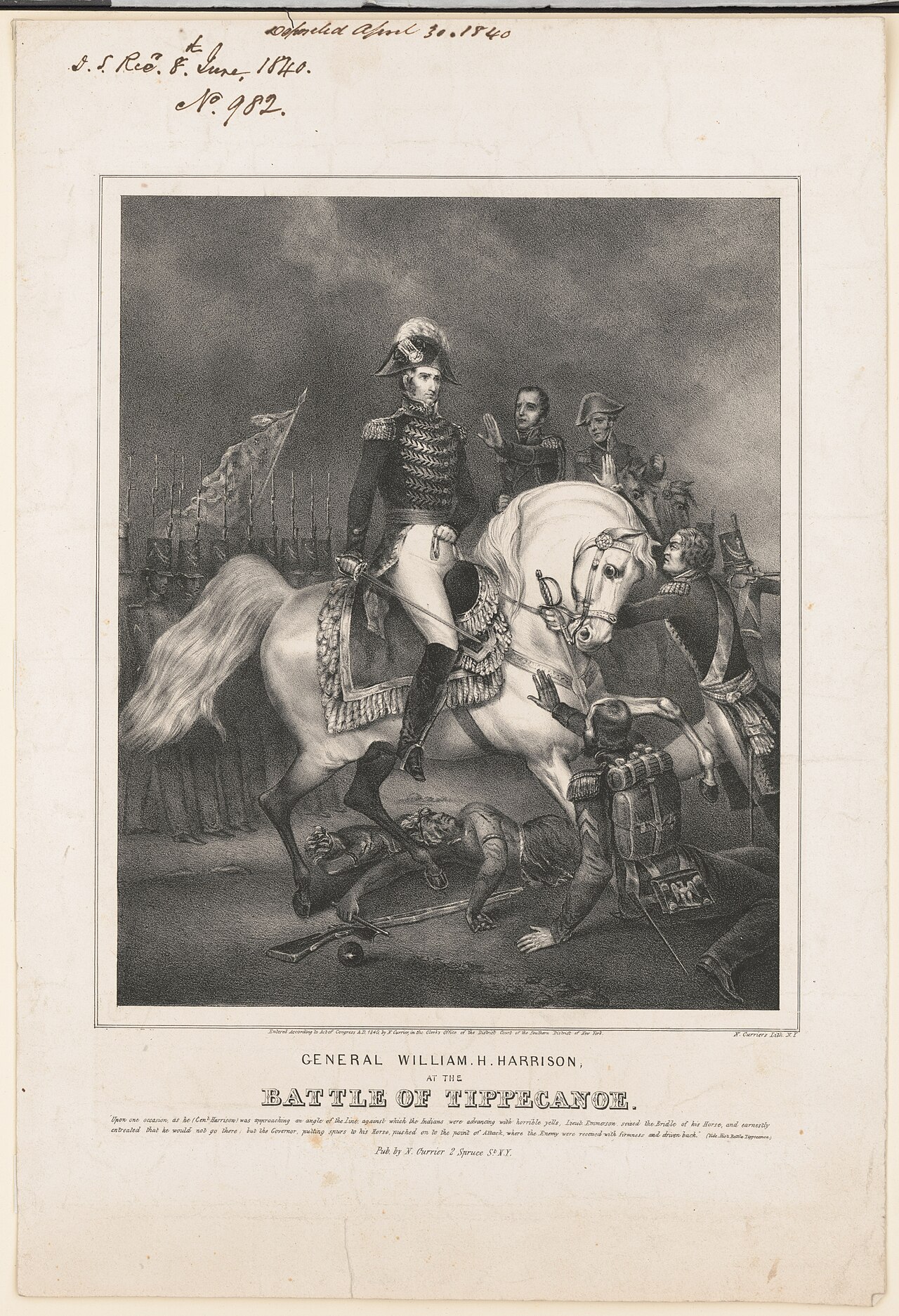 Painting
Primary source
Popular Graphic Arts · 1840
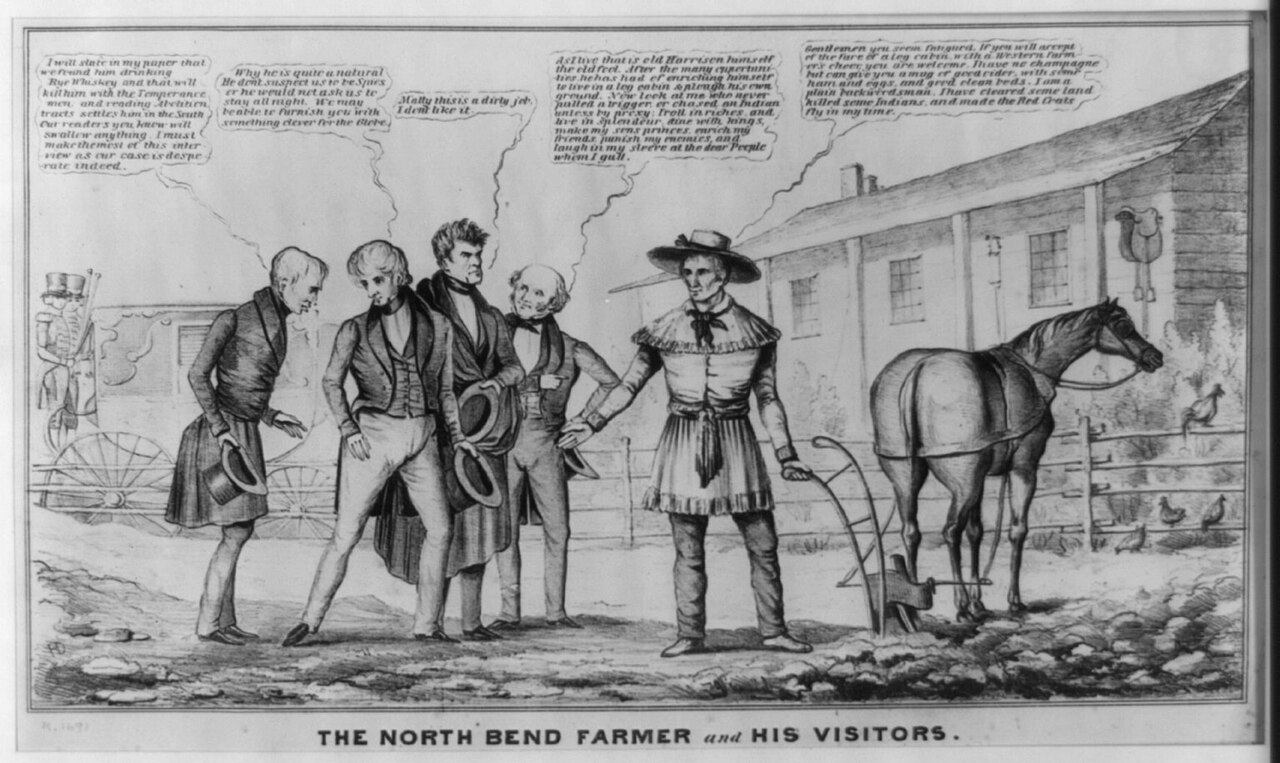 Painting
Primary source
Henry Dacre · 1840
 Book
Secondary source
Charles Stewart Todd · 1847
Primary source
William Henry Harrison · 1841 (published 1902)
Tertiary source
1879
Secondary source
Arthur Elmore Bostwick · 1914
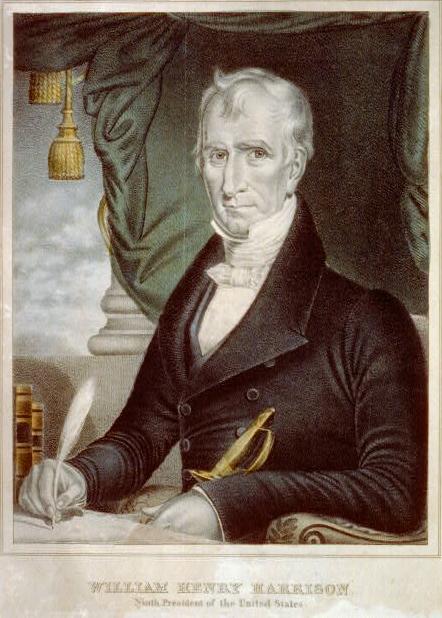 Painting
Primary source
N. Currier · between 1835 and 1856
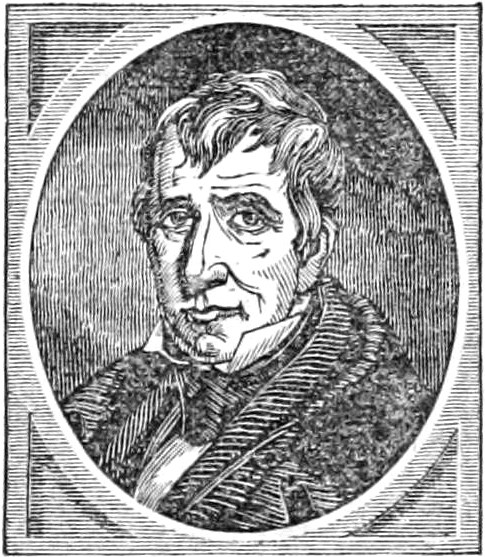 Painting
Primary source
Thomas Curtis Clarke · 1841
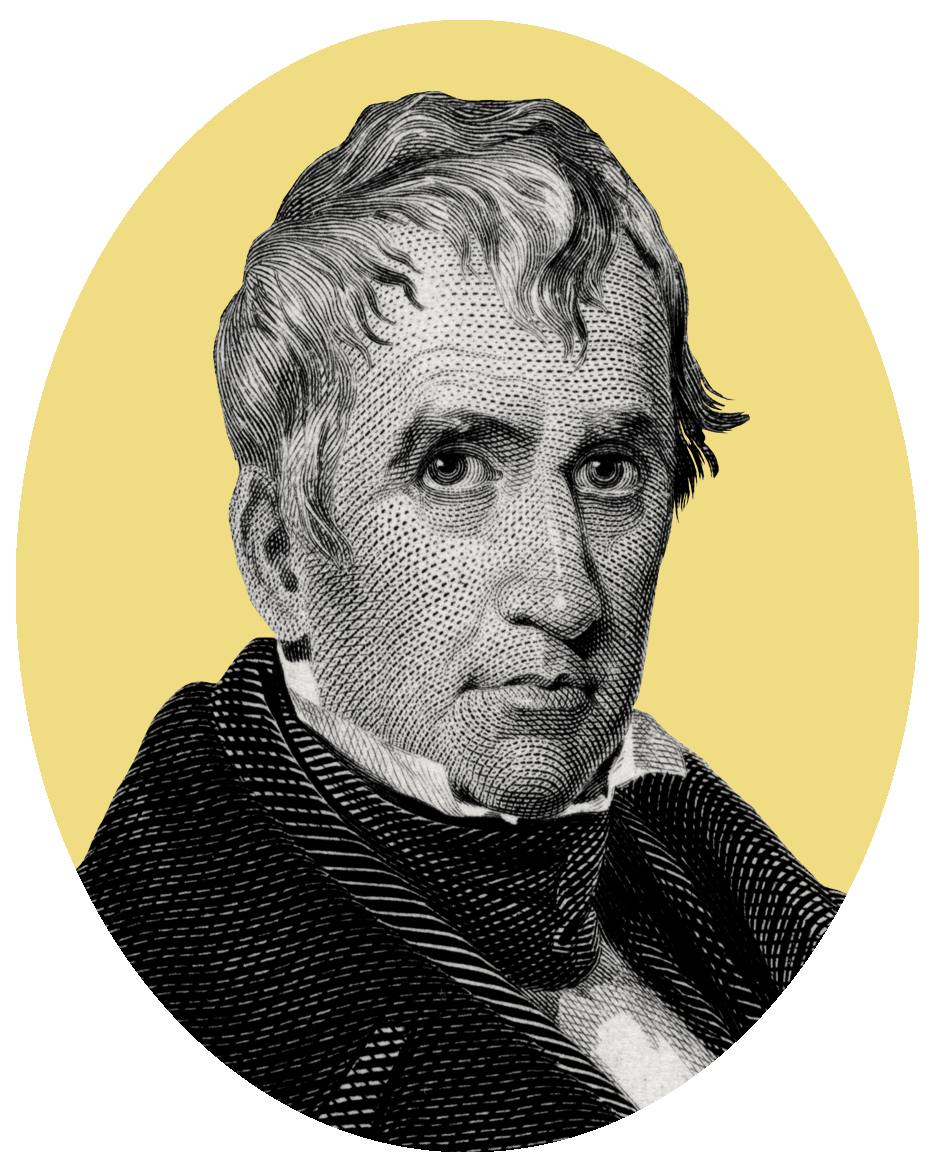 Painting
Primary source
Bureau of Engraving and Printing
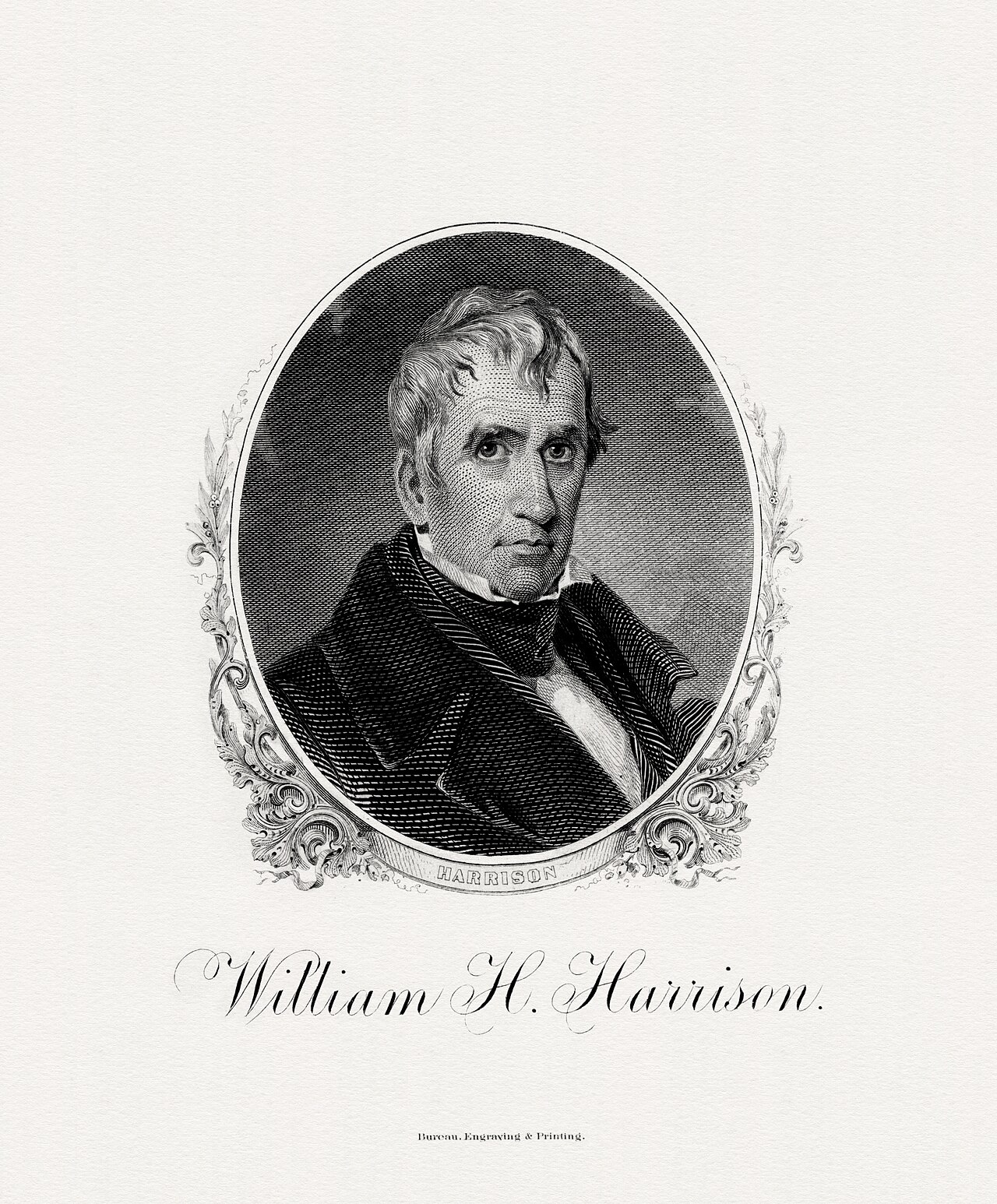 Painting
Secondary source
Bureau of Engraving and Printing · 2014-06-19
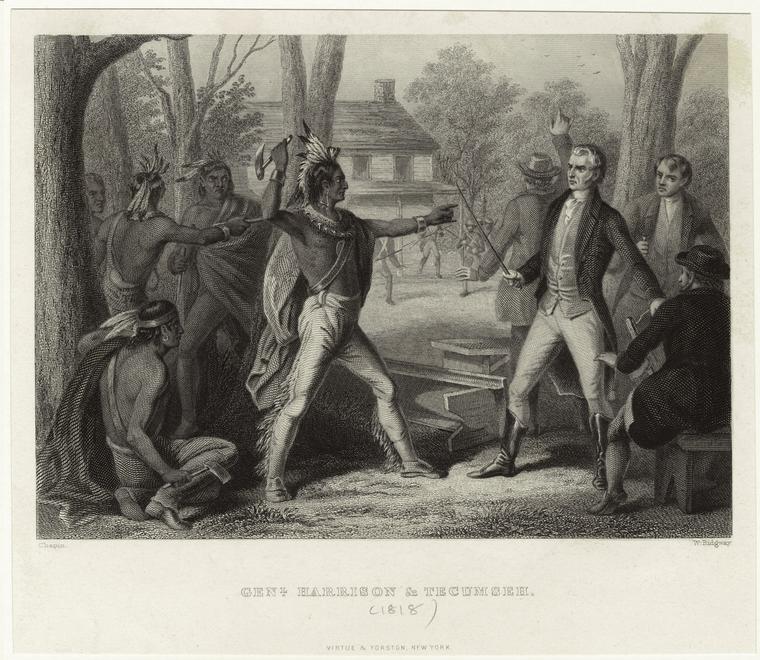 Painting
Secondary source
John R. Chapin · circa 1810
 Document
Secondary source
William Henry Harrison · published 1892
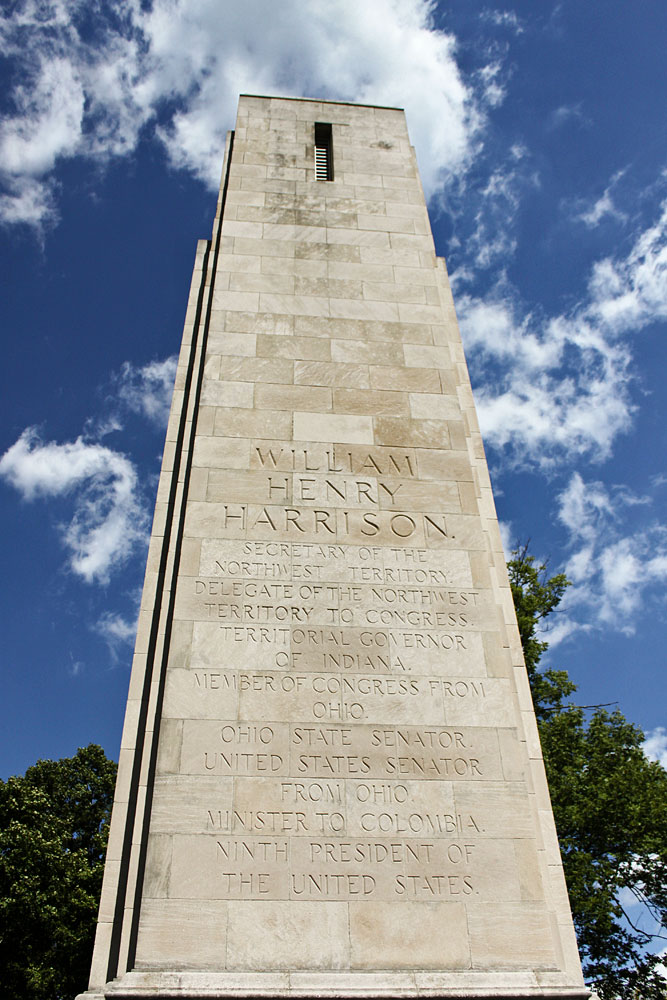 Photograph
Secondary source
Sweet kate
Secondary source
1905
Secondary source
1914
Secondary source
George Edwin Rines · 1920
Secondary source
1921
 Book
Secondary source
A. B. Norton · 1888
 Book
Secondary source
Bennett Henderson Young · 1903
 Document
Primary source
U.S. Government · 1804
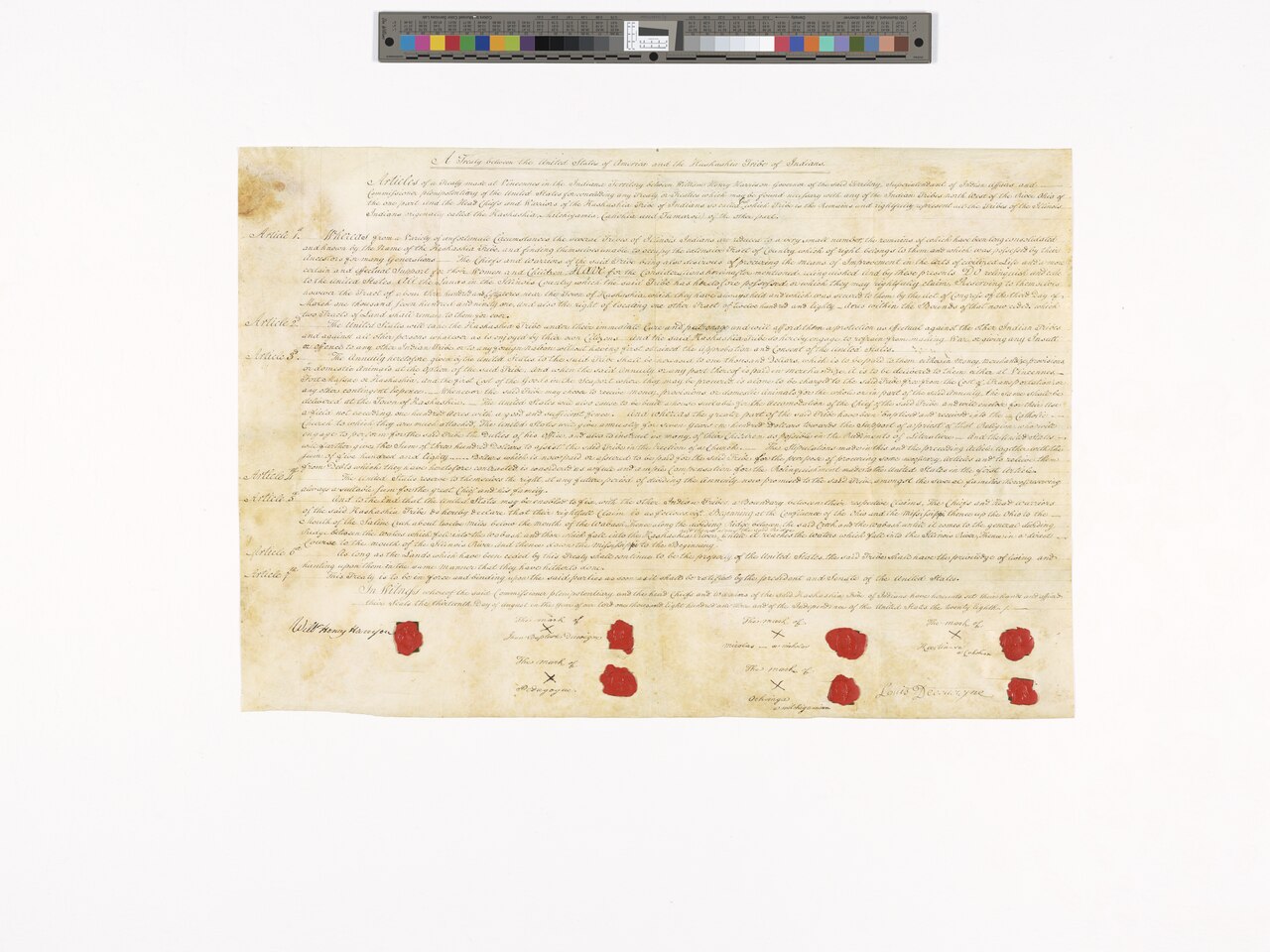 Document
Primary source
U.S. Government · 13 August 1803
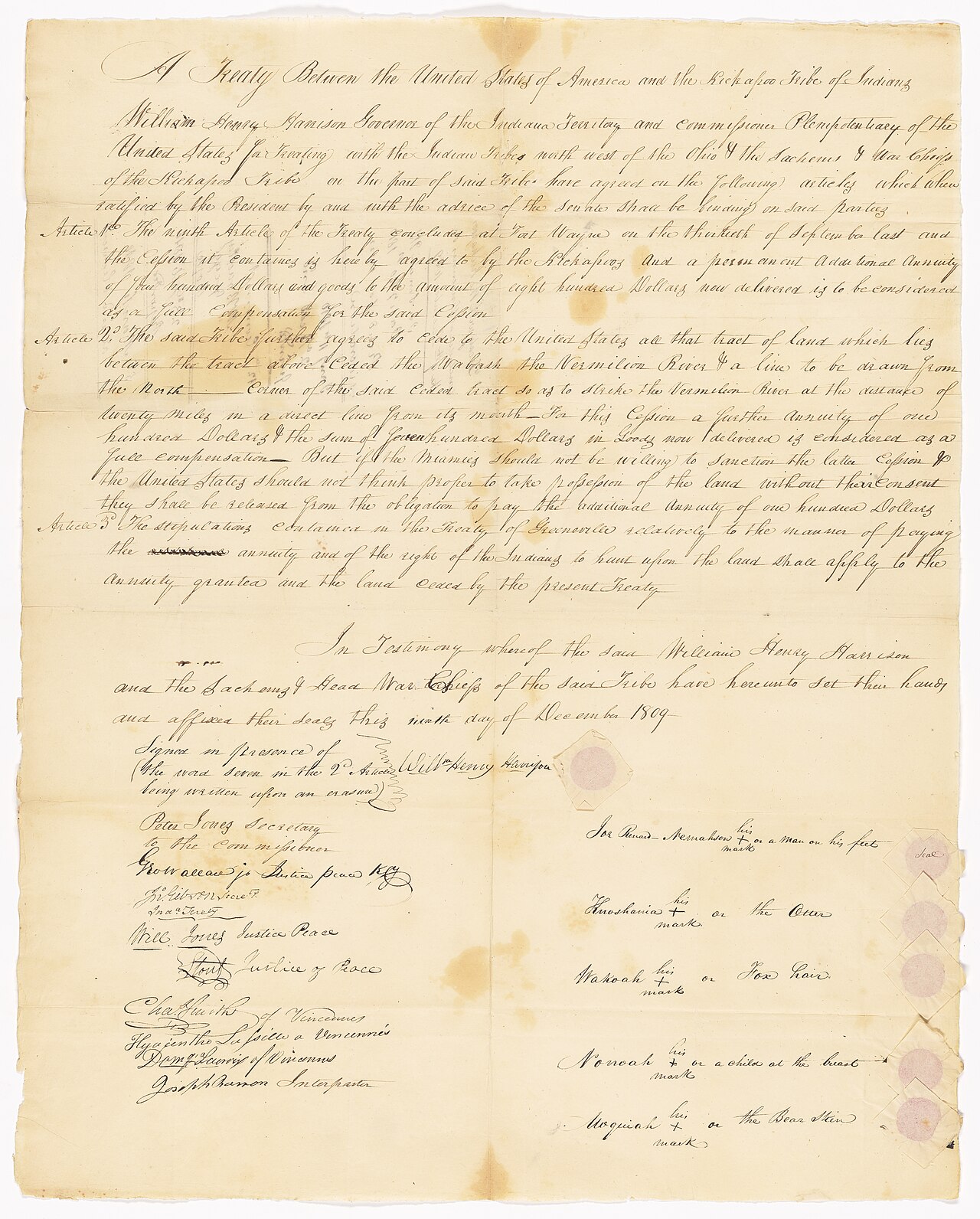 Document
Primary source
U.S. Government · 9 December 1809
 Book
Primary source
Thomas Jefferson Sutherland · 1840
Secondary source
Alexander Coffman Ross · 1840
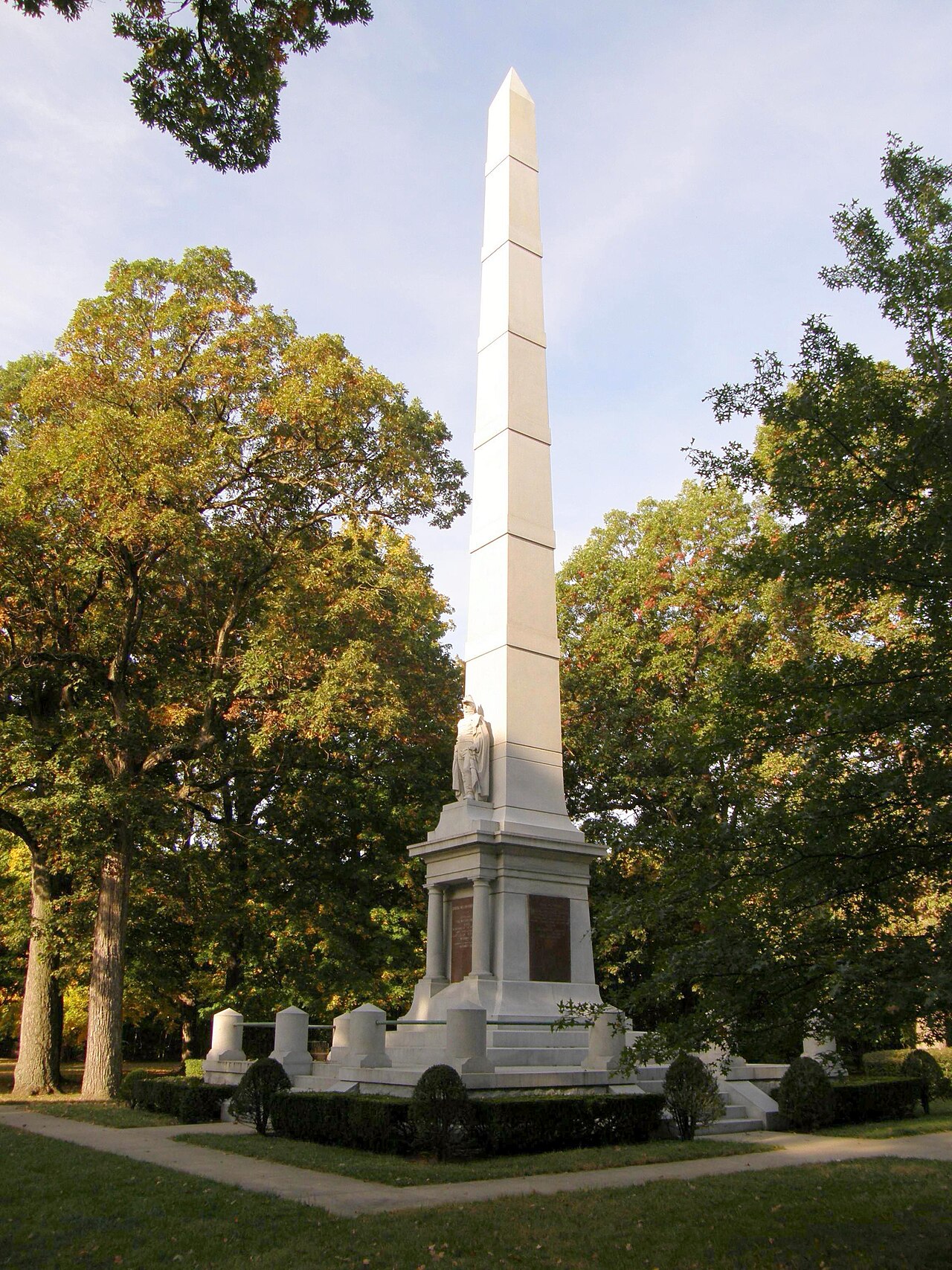 Photograph
Secondary source
Jim Hammer · 13 October 2008
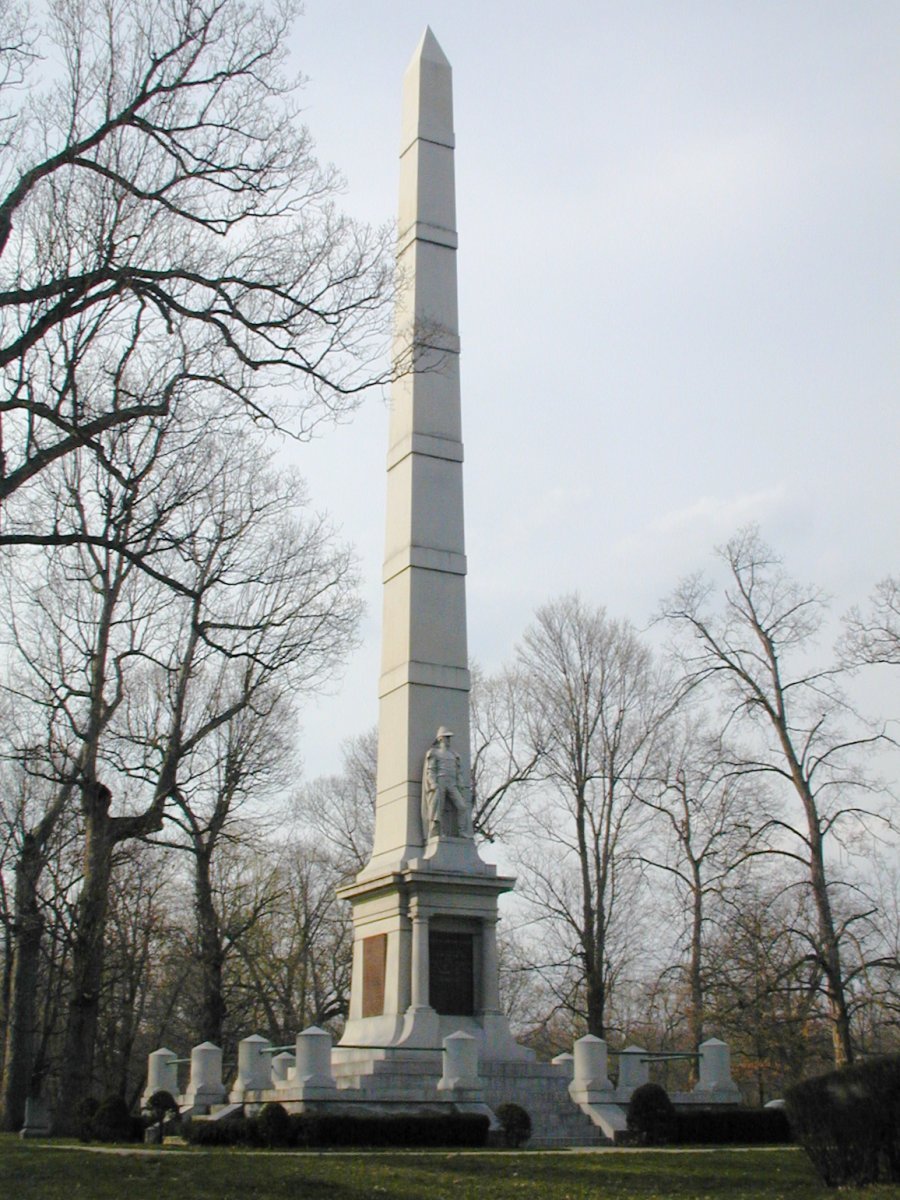 Sculpture
Secondary source
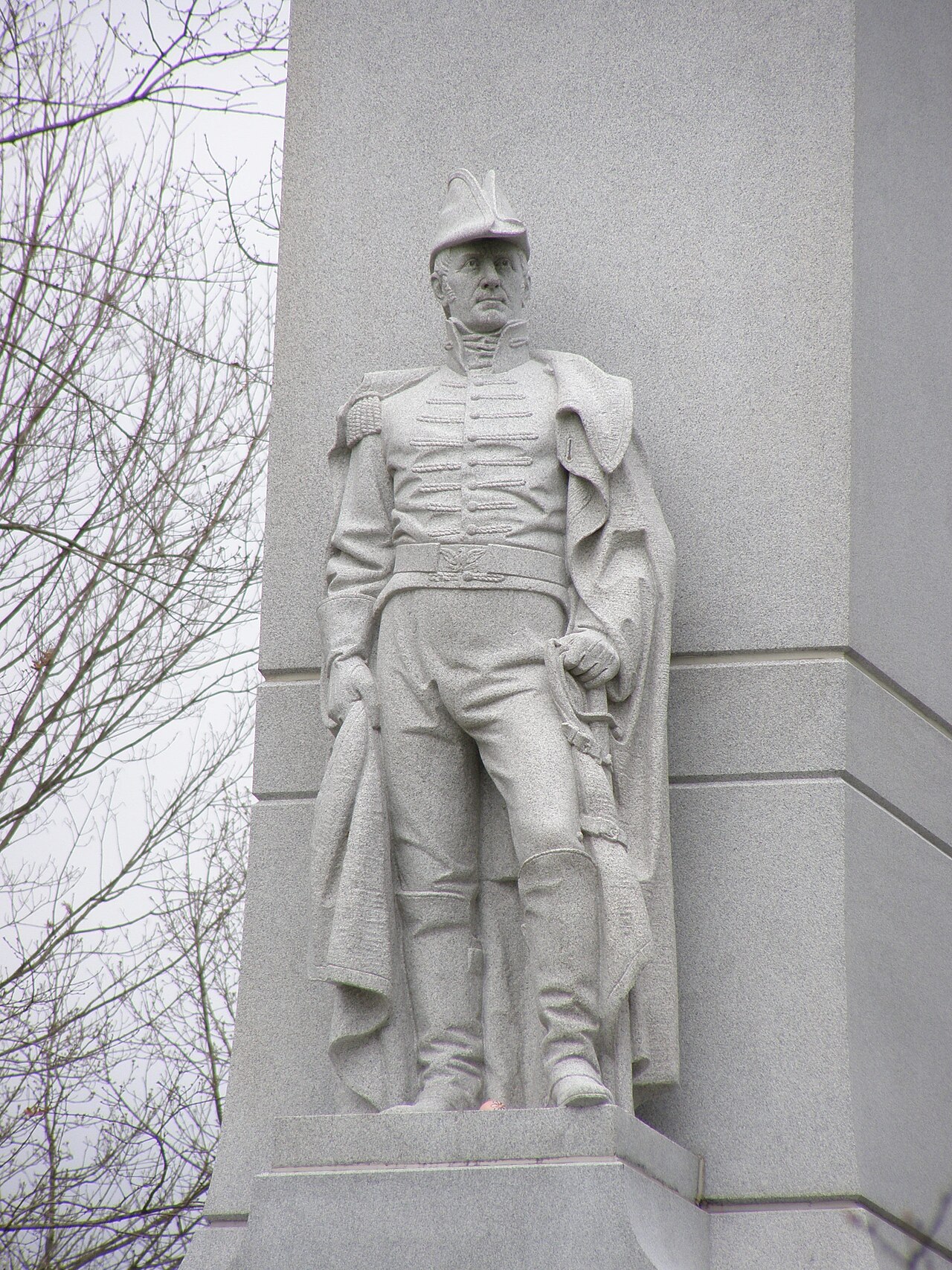 Sculpture
Secondary source
John H. Mahoney · 2005-04-19
Primary source
Thomas Jefferson · 1803
Want the full shelf? Chat with William Henry Harrison in the app and open the Sources panel — every quote links back to the original.
1 collection
A ready-made collection from the Humy team that features William Henry Harrison. Preview it, then try it free.
Paying customers



























Dr. Michael Calvert
Assistant Superintendent, South Allegheny School District, Pennsylvania
Been using Humy in his district since 2024
“We enjoyed the program last year and used it frequently.”

Jacob Chisom
World and American History, Monticello High School, Arkansas
Been using Humy in his classroom since 2024
“My students say it’s a welcome change of pace. I’m not a fan of the “sage on the stage” model, so I try to incorporate research-oriented and self-paced activities. With Humy, students have to take charge of their learning. They’ve become more adept at critical thinking, forming better questions, and improving their reading comprehension. The interview feature has been my go-to tool. I create assignments where students must ask historical figures a set number of questions, then summarize the responses to ensure they’re truly absorbing the material. This approach lets them actively explore the past rather than passively consuming information.”
Roger Campbell
7th-grade World History, Lancaster County, Pennsylvania
Been using Humy in his classroom since 2024
“Humy has helped me bring historical figures, sometimes long past, to life. When my students interact with these figures in real-time, it eliminates some of the perceived “ancient” characteristics of my curriculum. This has shifted my students’ thinking away from viewing history as abstract or irrelevant. Real-time interactions make historical figures relatable, even allowing students to ask off-topic questions that help put historical lives in a more relevant context for 13-year-olds. The feature I use the most is the interview feature. After teaching a topic, most recently Gandhi and Joan of Arc, I have the students ask pointed, focused questions. We practice good conversation techniques beforehand, teaching them to listen (or read) carefully and formulate thoughtful follow-up questions rather than just interrogating. It helps students practice effective conversation skills.”
Dr. Michael Calvert
Assistant Superintendent, South Allegheny School District, Pennsylvania
Been using Humy in his district since 2024
“We enjoyed the program last year and used it frequently.”
Jacob Chisom
World and American History, Monticello High School, Arkansas
Been using Humy in his classroom since 2024
“My students say it’s a welcome change of pace. I’m not a fan of the “sage on the stage” model, so I try to incorporate research-oriented and self-paced activities. With Humy, students have to take charge of their learning. They’ve become more adept at critical thinking, forming better questions, and improving their reading comprehension. The interview feature has been my go-to tool. I create assignments where students must ask historical figures a set number of questions, then summarize the responses to ensure they’re truly absorbing the material. This approach lets them actively explore the past rather than passively consuming information.”
Roger Campbell
7th-grade World History, Lancaster County, Pennsylvania
Been using Humy in his classroom since 2024
“Humy has helped me bring historical figures, sometimes long past, to life. When my students interact with these figures in real-time, it eliminates some of the perceived “ancient” characteristics of my curriculum. This has shifted my students’ thinking away from viewing history as abstract or irrelevant. Real-time interactions make historical figures relatable, even allowing students to ask off-topic questions that help put historical lives in a more relevant context for 13-year-olds. The feature I use the most is the interview feature. After teaching a topic, most recently Gandhi and Joan of Arc, I have the students ask pointed, focused questions. We practice good conversation techniques beforehand, teaching them to listen (or read) carefully and formulate thoughtful follow-up questions rather than just interrogating. It helps students practice effective conversation skills.”
FAQ
Like any LLM, the AI version of William Henry Harrison can get details wrong. Open one of these sources in a new tab to verify what you’ve read.

12th President of the United States and a career military officer.

16th President of the United States and leader during the American Civil War.

Seventh President of the United States.

17th President of the United States.

Five-star general during World War II and 34th President of the United States.

41st President of the United States and former Vice President.
Ready when you are
20 messages free · No credit card · Available in 50+ languages.