


Primary sourceDocument8 September 1815
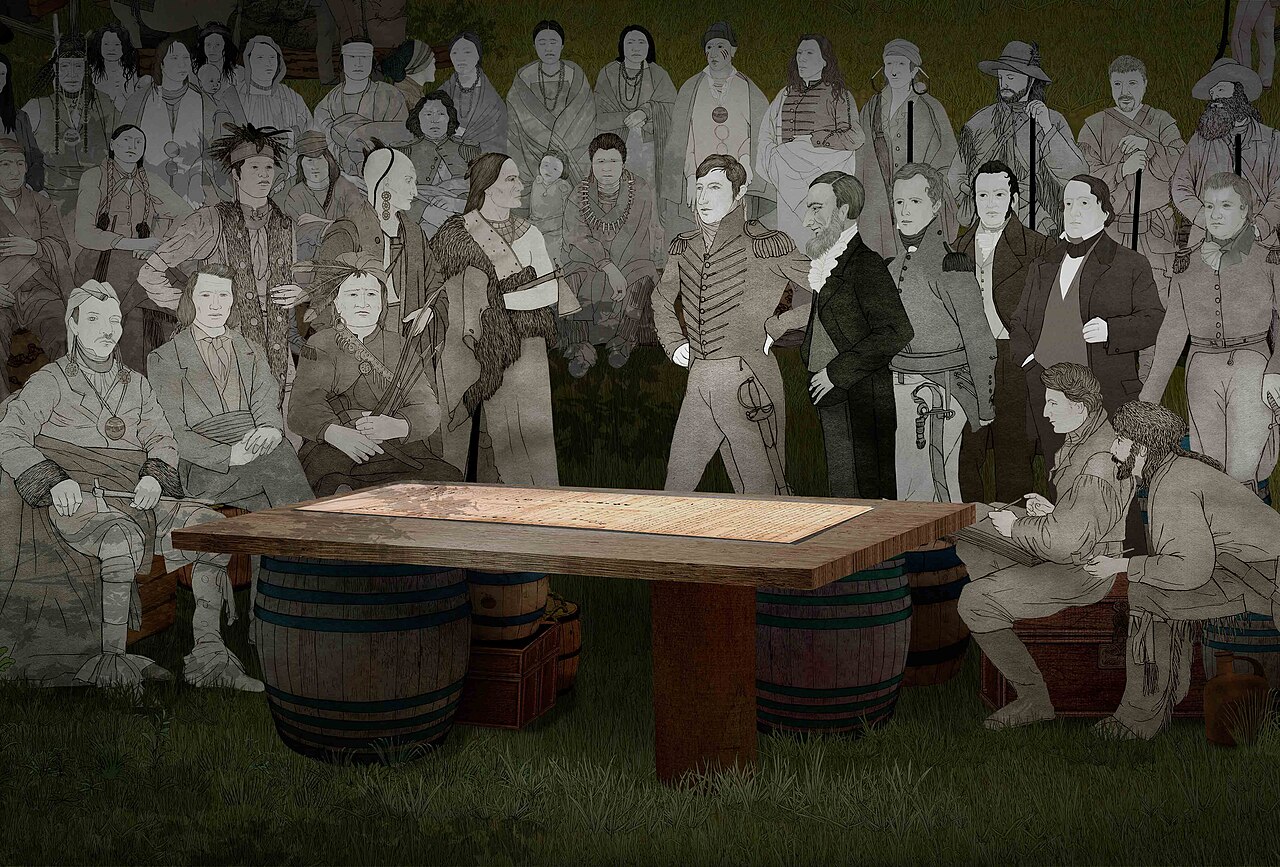
Treaty of Springwells
8 September 1815
An 1815 peace treaty between the United States and several Native American nations, co-negotiated by Harrison, ending War of 1812 hostilities.
Harrison was one of the U.S. commissioners who negotiated this treaty, closing out his War of 1812 service.
About this source
What it is
The Treaty of Springwells was signed on September 8, 1815, near present-day Detroit, Michigan, between the United States and the Wyandot, Lenape, Seneca, Shawnee, Miami, Ojibwe, Odawa, and Potawatomi nations. It ended their conflict with the U.S. during the War of 1812. The U.S. commissioners were William Henry Harrison, Duncan McArthur, and John Graham; Native leaders who signed included Tarhe, Pacanne, and Black Hoof.
Why it matters
The treaty restored prewar possessions and rights to the Native nations in exchange for their loyalty solely to the United States, rejecting any ties to Britain. It also reaffirmed an earlier treaty from 1795. For Harrison, it marked the end of his military role in the war and his continuing involvement in American relations with Native nations.
Look closer
- Who benefited most from the terms of this treaty, and who had less power in the negotiation?
- Why would the U.S. want to secure the loyalty of these nations after the war?
- What does the treaty's language about pardoning 'chiefs and warriors' suggest about how the U.S. viewed the conflict?
This document is part of the curated material that grounds the AI version of William Henry Harrison on Humy.ai — when students ask about related events, the AI can quote it and cite it.
More William Henry Harrison sources
Meet the AI William Henry Harrison →Primary source
Inaugural Address of William Henry Harrison
William Henry Harrison · 4 March 1841
 Document
Primary source
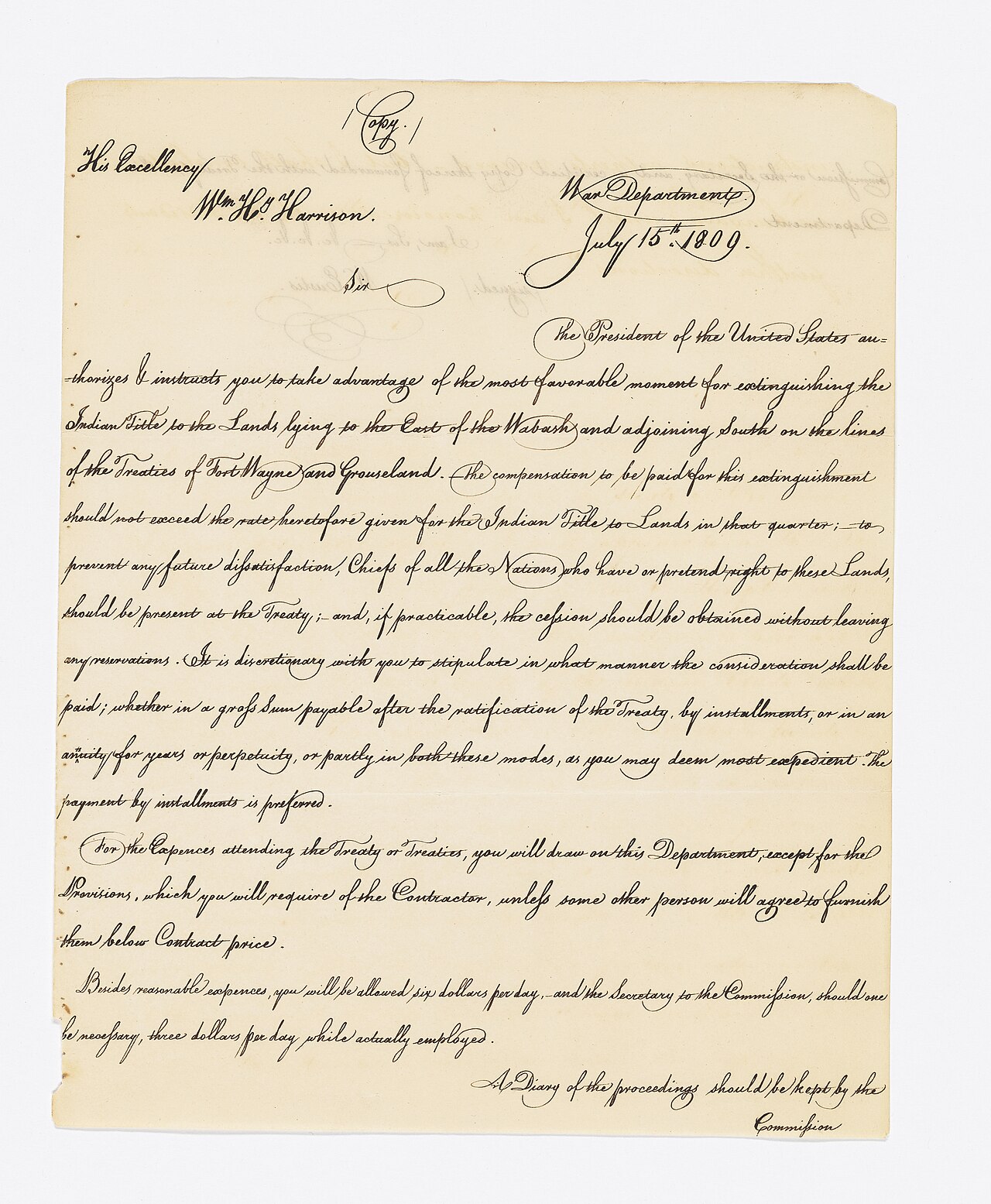
Treaty of Fort Wayne
1809
 Painting
Primary source
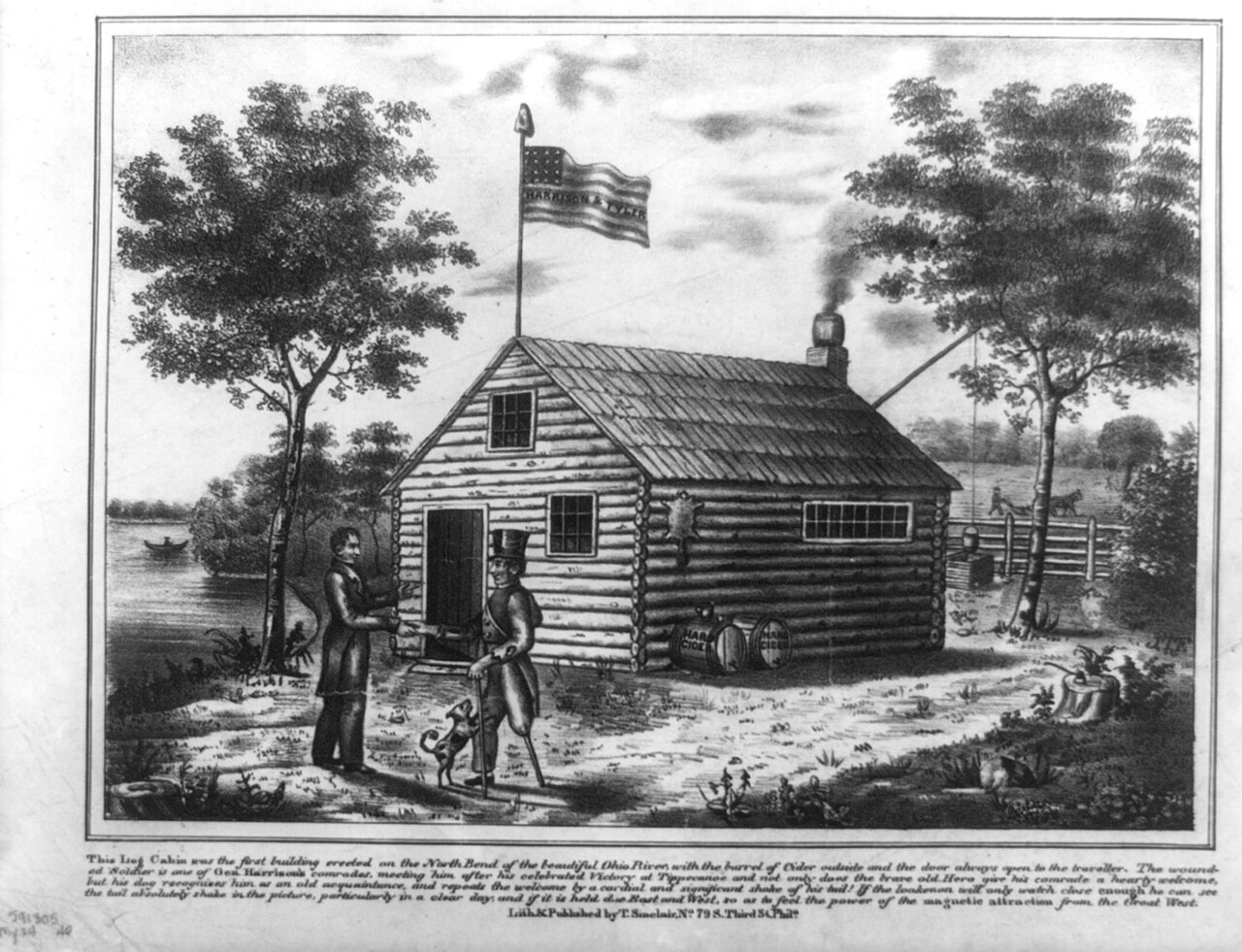
Harrison at cabin on North Bend of Ohio
Thomas Sinclair · 1840
 Document
Primary source
Northwest Ordinance
Confederation Congress · 13 July 1787
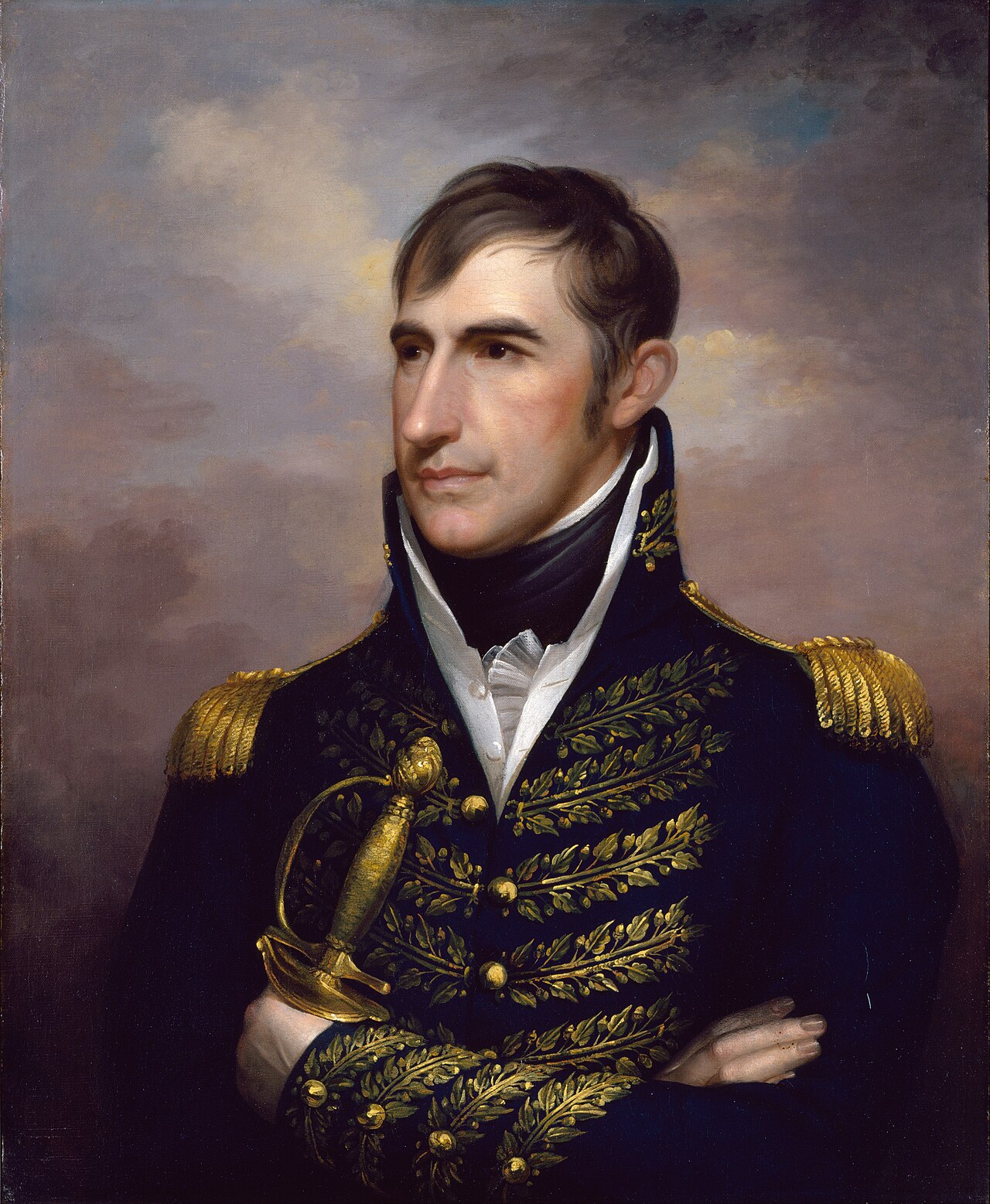 Painting
Primary source
William Henry Harrison
Rembrandt Peale · 1813
Ready when you are
Start chatting with William Henry Harrison now.
20 messages free · No credit card · Available in 50+ languages.