


Secondary sourcePhotograph10 August 2018
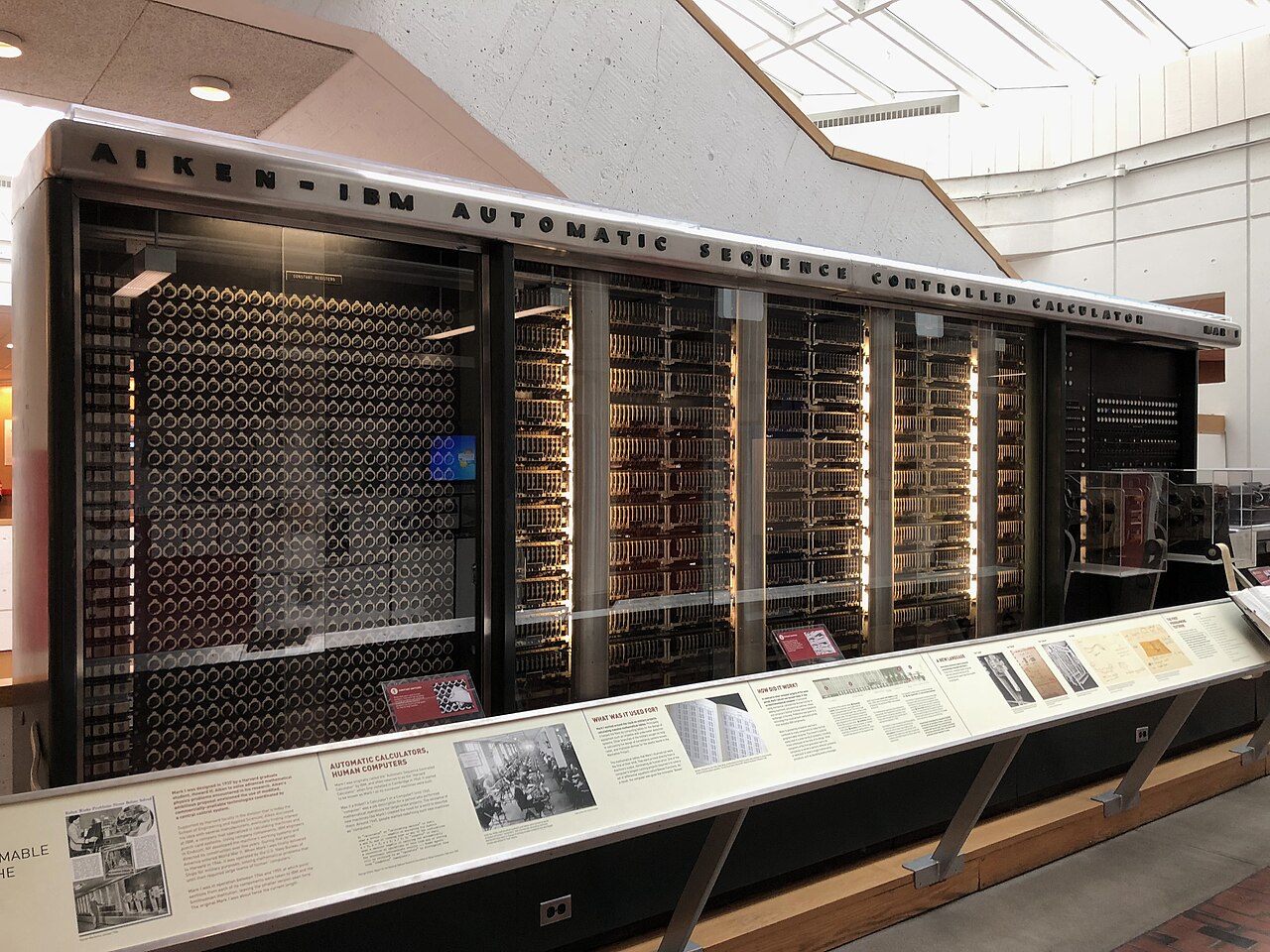
Harvard Mark I
Capvideo · 10 August 2018
A modern photo of the Harvard Mark I computer, the machine Grace Hopper helped program during World War II, now on display at Harvard University.
Hopper worked on programming the Harvard Mark I during World War II, an early step in her computing career.
About this source
What it is
This is a 2018 photograph of the Harvard Mark I, also called the Aiken-IBM Automatic Sequence Controlled Calculator, now on display in the Science Center at Harvard University. It is a large cabinet-sized electromechanical calculator built with rows of counters and wiring.
Why it matters
Grace Hopper was assigned to the Bureau of Ships Computation Project at Harvard, where she worked on the Mark I, an early precursor to the modern computer, during World War II. Seeing a surviving piece of this machine helps students picture the physical scale and complexity of early computing, which filled whole rooms rather than fitting on a desk.
Look closer
- How does the size and look of this machine compare with computers you use today?
- What might it have been like to program a machine like this using switches and wiring?
- Why do museums preserve machines like this instead of only photographs of them?
This photograph is part of the curated material that grounds the AI version of Grace Hopper on Humy.ai — when students ask about related events, the AI can quote it and cite it.
More Grace Hopper sources
Meet the AI Grace Hopper →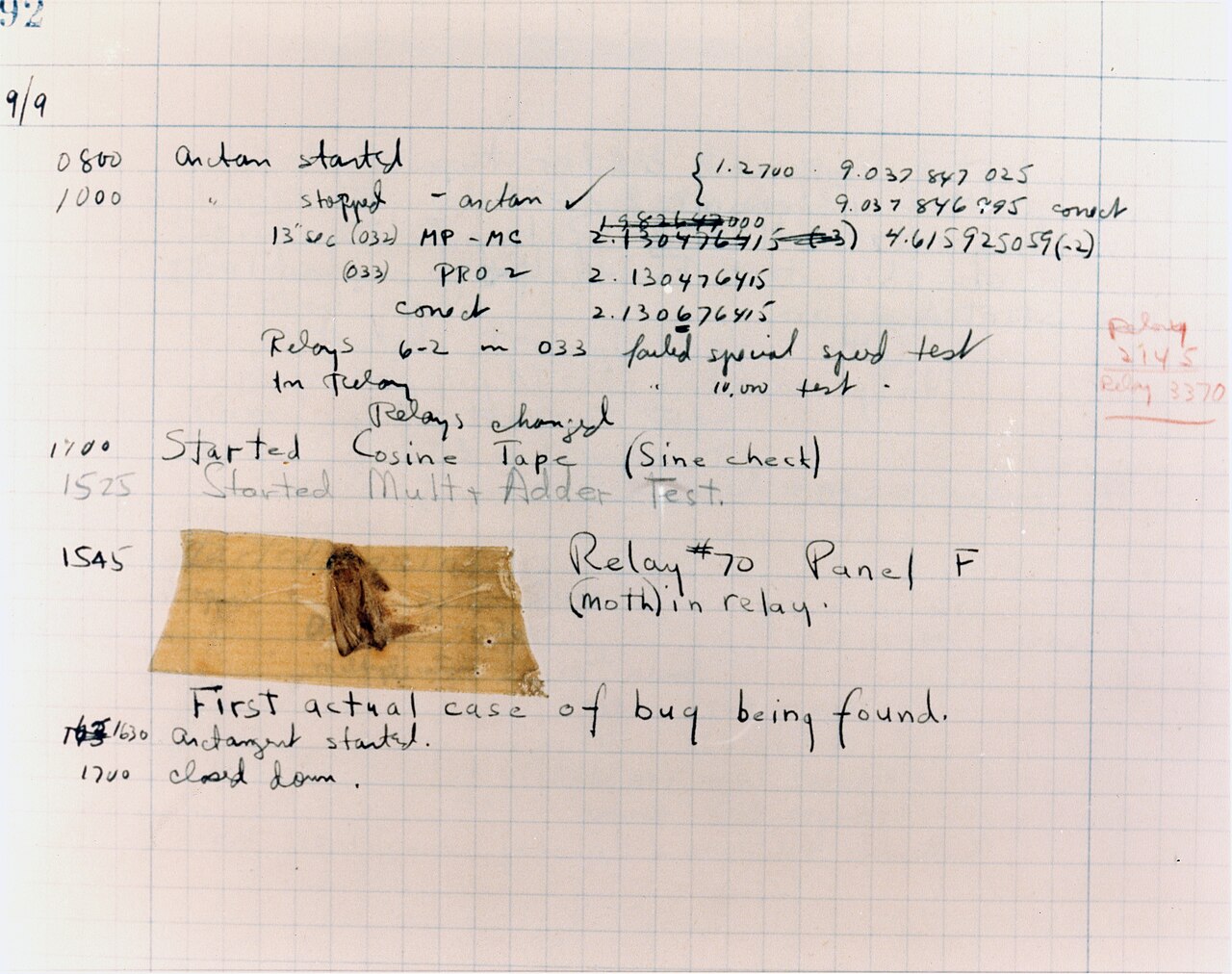 Document
Primary source
First Computer Bug
9 September 1947
 Photograph
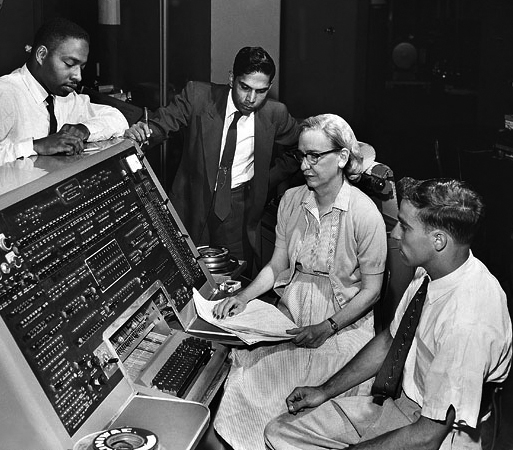
Primary source
Grace Hopper and UNIVAC
Unknown · June 1957
 Photograph
Primary source
Grace Hopper
James S. Davis · 1984
Primary source
Future Possibilities - Data, Hardware, Software, and People
Grace Hopper · 1982
 Artifact
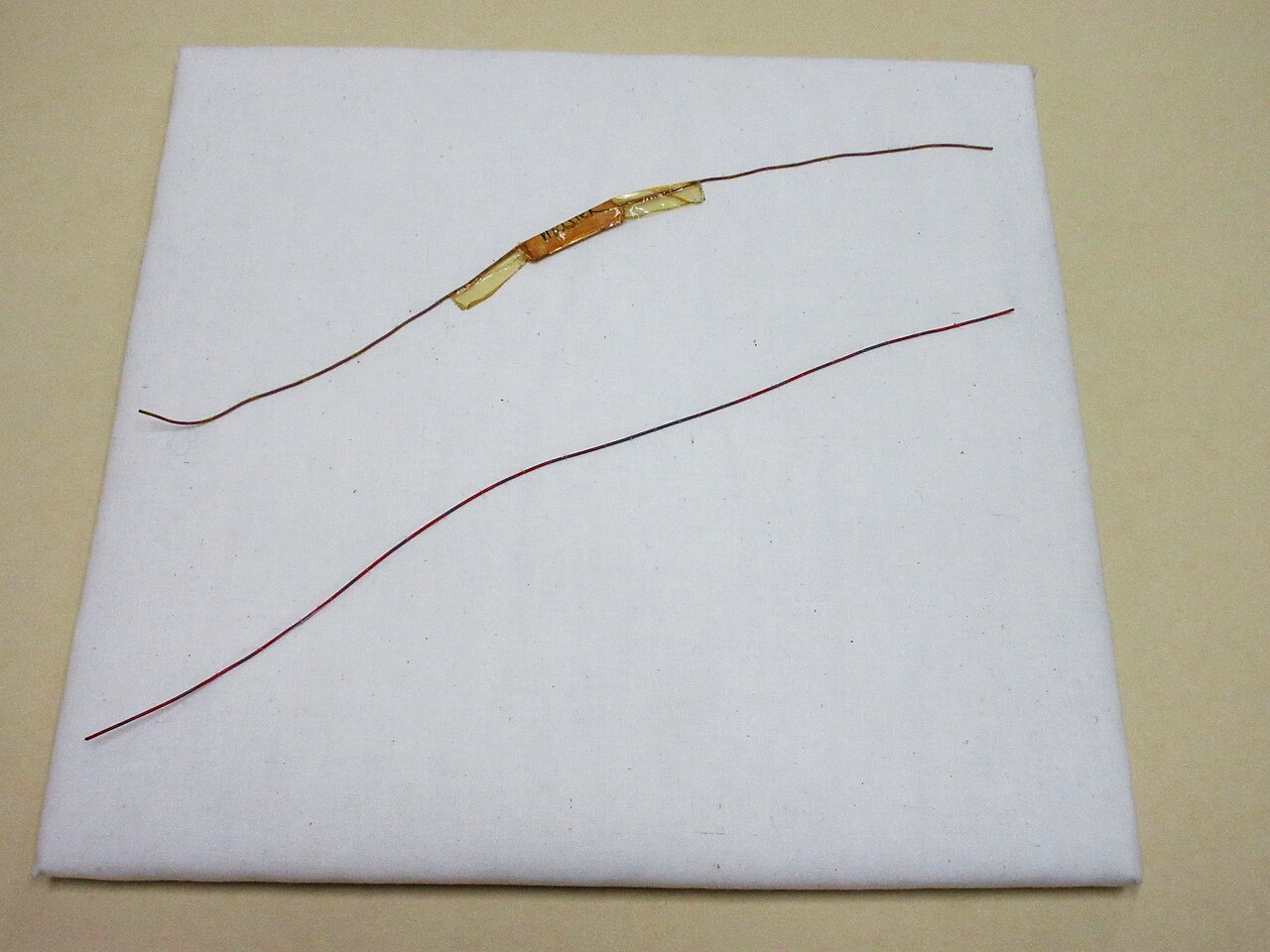
Primary source
Wire Nanosecond
Ready when you are
Start chatting with Grace Hopper now.
20 messages free · No credit card · Available in 50+ languages.