


Secondary sourceSculpture14th century
Haughmond Abbey Saints: Becket
14th century
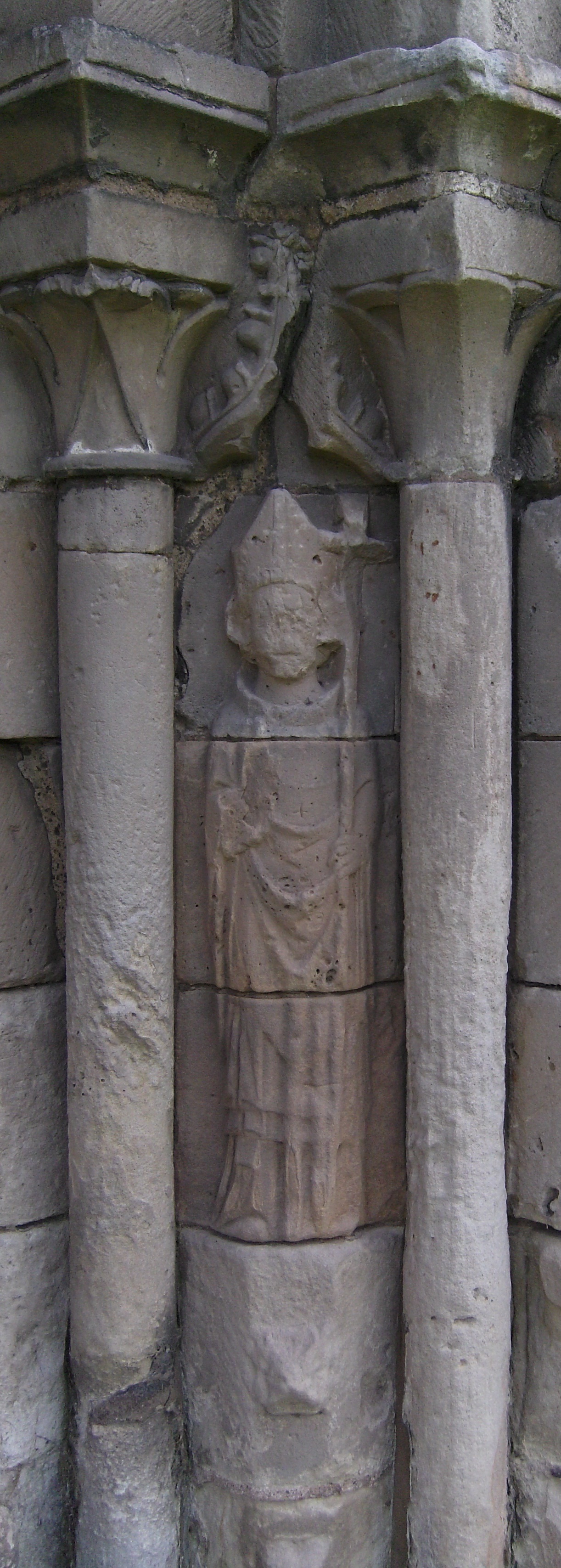
A 14th-century stone sculpture of Thomas Becket on an English abbey doorway, showing local devotion to the saint.
A carved image of Becket as a bishop saint, showing continuing devotion to him in an English monastic community.
About this source
What it is
This is a weathered stone relief carved in the fourteenth century, set on the chapter house doorway of Haughmond Abbey in Shropshire, England.
It shows a bishop wearing a mitre and holding a crosier, set in a niche between carved columns.
Why it matters
This sculpture shows that devotion to Thomas Becket as a saint continued in English religious communities long after his death, with his image carved permanently into the architecture of an abbey. It reflects how local churches and monasteries incorporated his cult into their buildings.
Look closer
- Why do you think the sculptors chose to represent Becket with a mitre and crosier rather than show the scene of his death?
- What does the worn condition of the carving tell you about the passage of time?
- What might this placement, on a chapter house doorway, tell you about how monks encountered his image daily?
This sculpture is part of the curated material that grounds the AI version of Thomas Becket on Humy.ai — when students ask about related events, the AI can quote it and cite it.
More Thomas Becket sources
Meet the AI Thomas Becket →Primary source
Constitutions of Clarendon
Henry II of England · 1164
 Artifact
Primary source
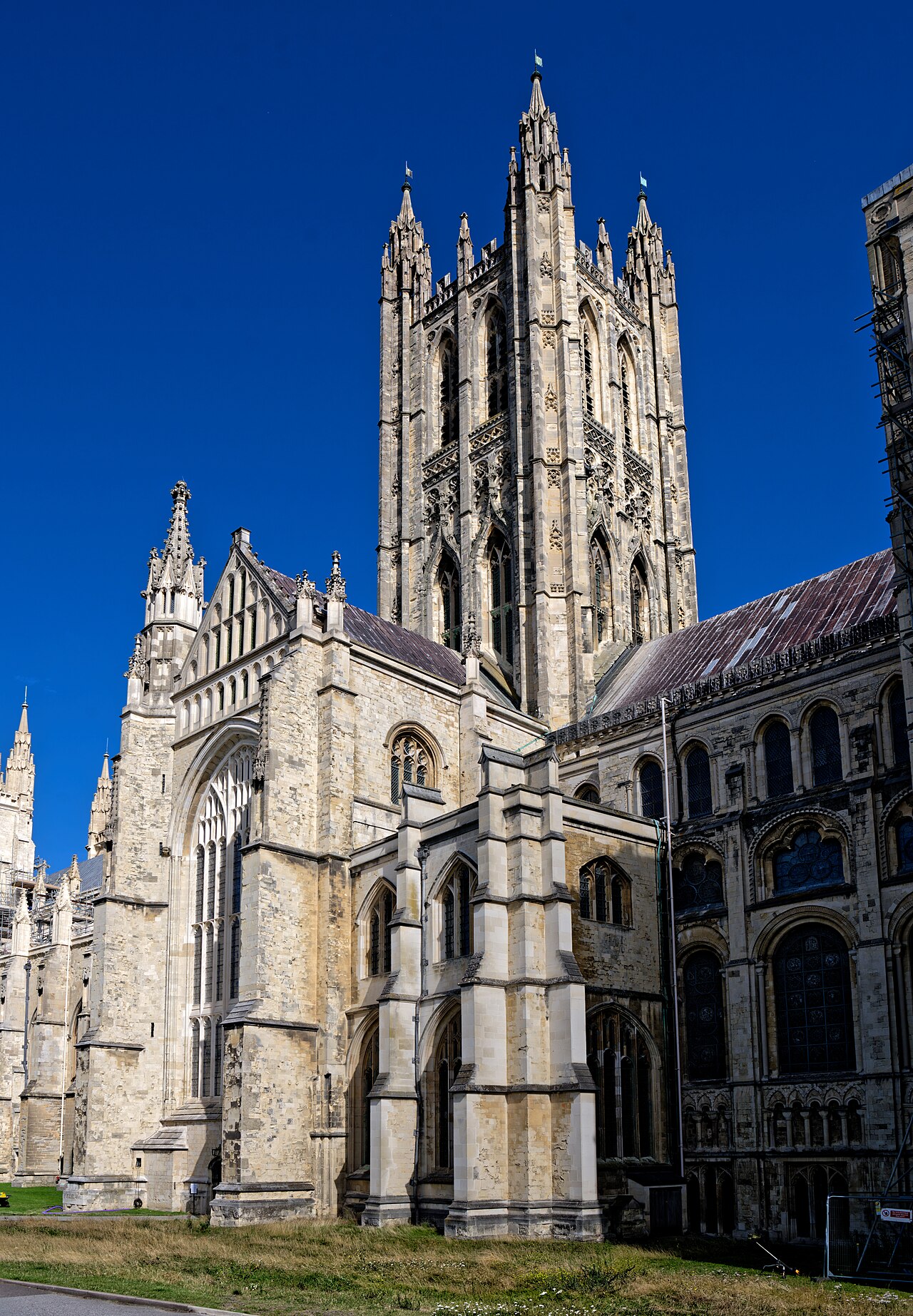
Canterbury Cathedral
founded 597
 Artifact
Secondary source
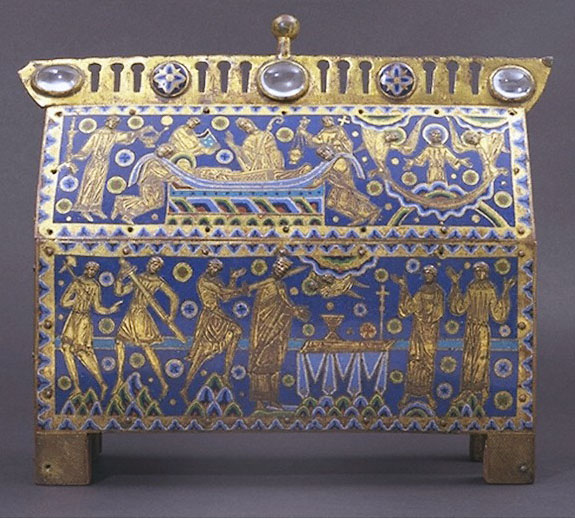
Becket Casket
c. 1180-1190
 Artifact
Secondary source
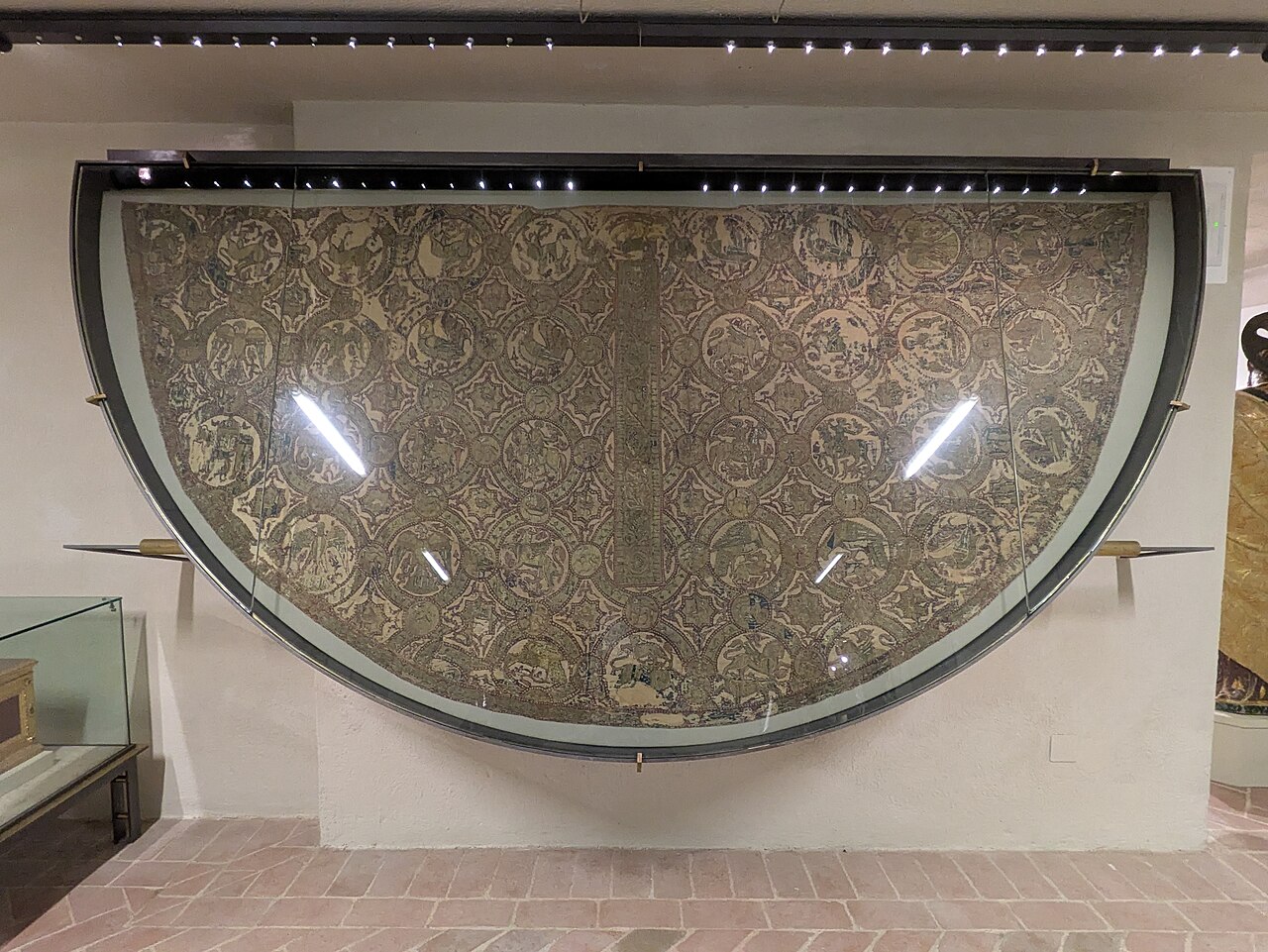
Fermo Chasuble of St. Thomas Becket
12th century
 Artifact
Secondary source
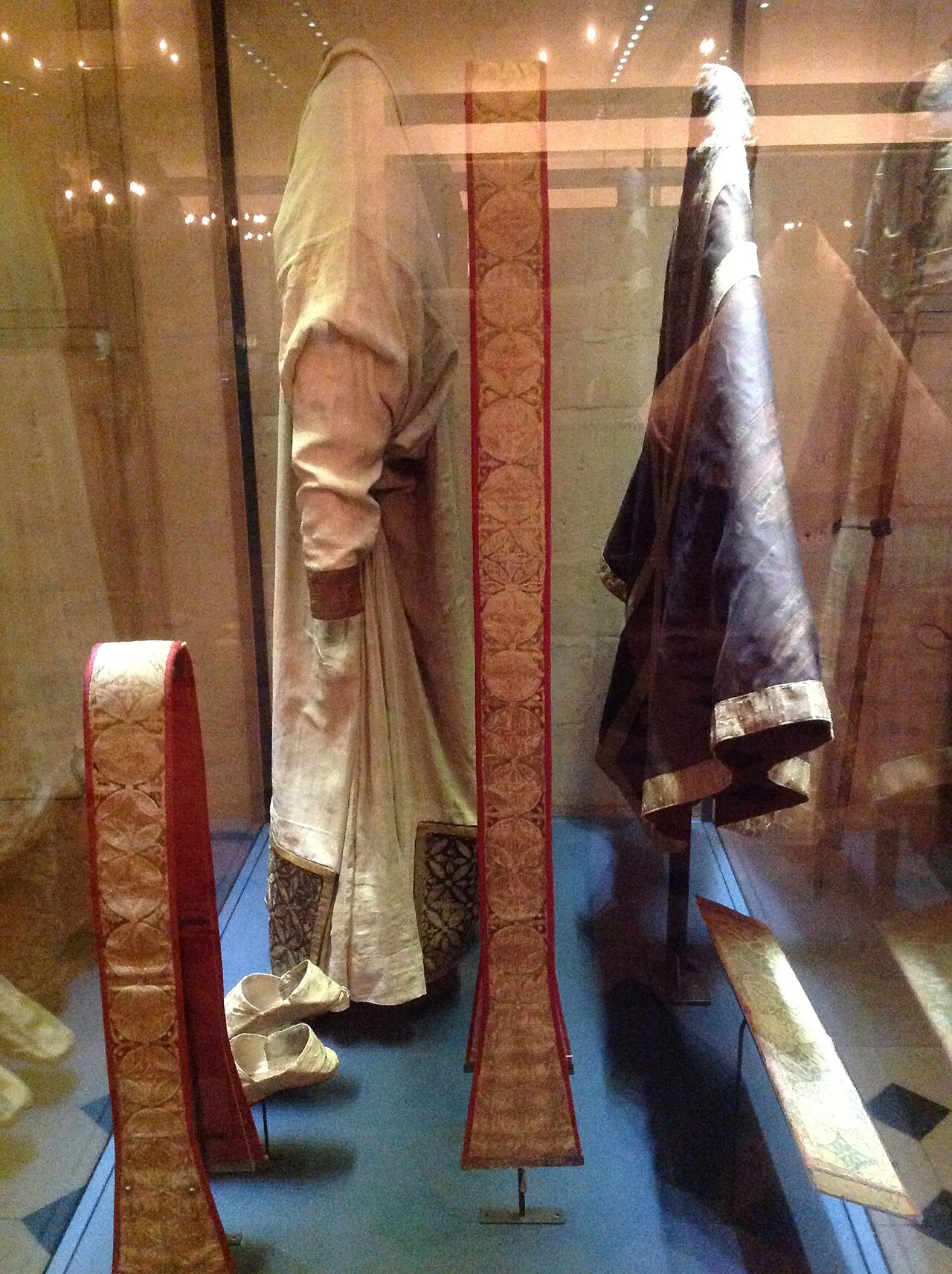
Becket Liturgical Garments, Sens Cathedral
12th century
Ready when you are
Start chatting with Thomas Becket now.
20 messages free · No credit card · Available in 50+ languages.