


Primary sourceDocument18 November 1903
Hay–Bunau-Varilla Treaty
18 November 1903
The 1903 treaty between the United States and Panama that established the Panama Canal Zone, signed during Roosevelt's presidency.
Roosevelt's administration negotiated and signed this treaty, securing U.S. control of the Panama Canal Zone.
About this source
What it is
This treaty was signed on November 18, 1903, by U.S. Secretary of State John Hay and Panamanian representative Philippe-Jean Bunau-Varilla. It established the Panama Canal Zone and allowed for the construction of the Panama Canal. The agreement was negotiated in Washington, D.C., and New York.
Why it matters
The treaty followed Panama's separation from Colombia in 1903, which the United States, under President Theodore Roosevelt, tacitly supported. Roosevelt's administration was eager to secure control over a canal route after an earlier treaty with Colombia had failed. The treaty gave the United States governing control of the Canal Zone and remained a source of conflict between Panama and the United States for decades, eventually leading to later treaties that returned control of the canal to Panama.
Look closer
- Who negotiated this treaty, and did they actually represent the people living in the territory affected?
- Why might the timing of Panama's independence and this treaty raise questions about U.S. involvement?
- What does the treaty's long-term controversy tell you about how people in Panama viewed its terms?
This document is part of the curated material that grounds the AI version of Theodore Roosevelt on Humy.ai — when students ask about related events, the AI can quote it and cite it.
More Theodore Roosevelt sources
Meet the AI Theodore Roosevelt →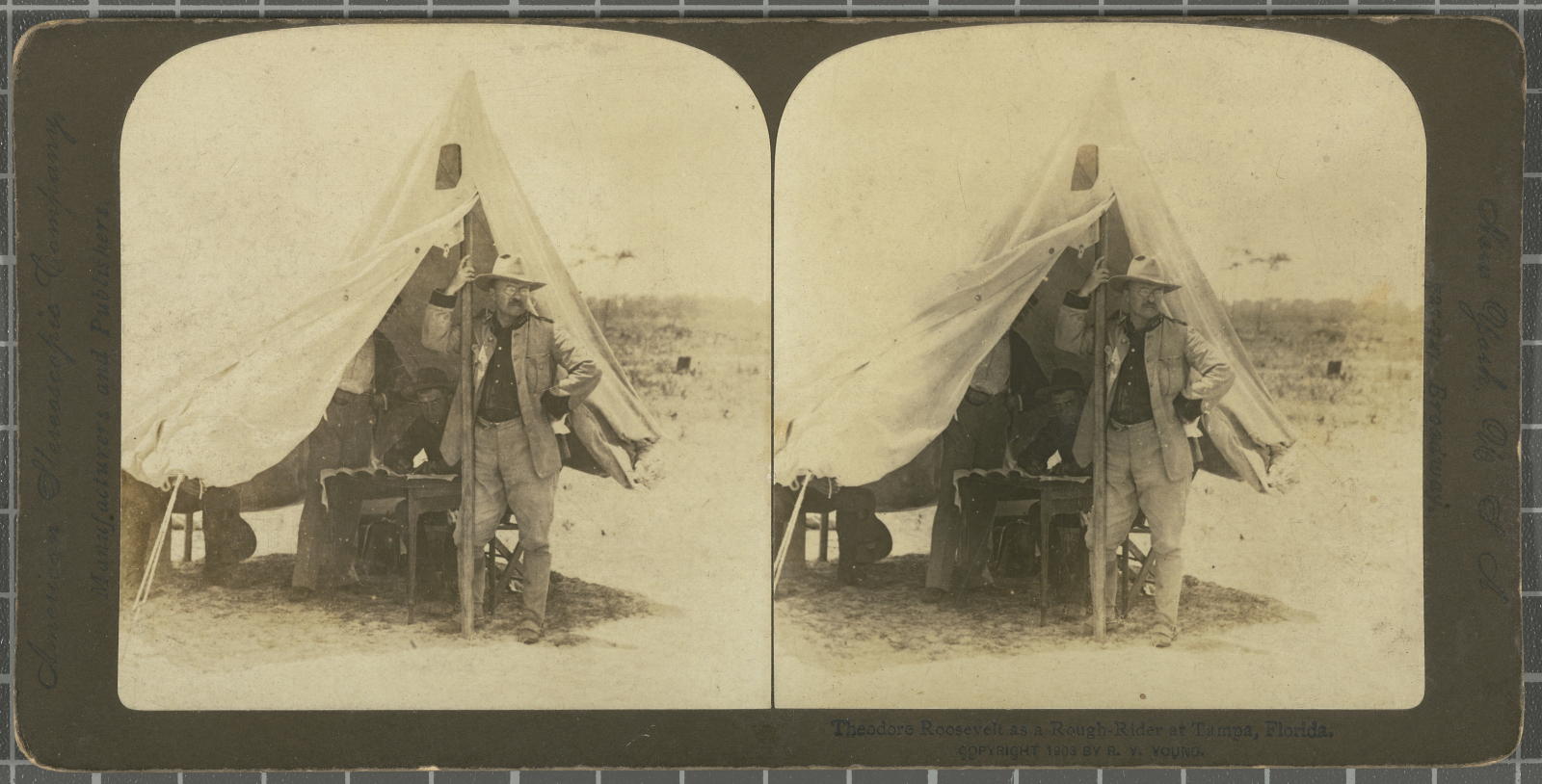 Photograph
Primary source
Theodore Roosevelt as a Rough Rider at Tampa, Florida
American Stereoscopic Company · c. 1898-1903
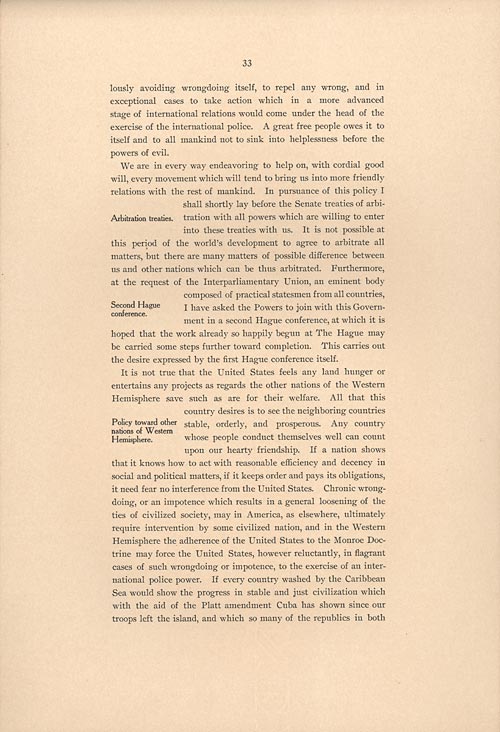 Speech
Primary source
Theodore Roosevelt's Corollary to the Monroe Doctrine
Theodore Roosevelt · 6 December 1904
Primary source
Pure Food and Drug Act
1906
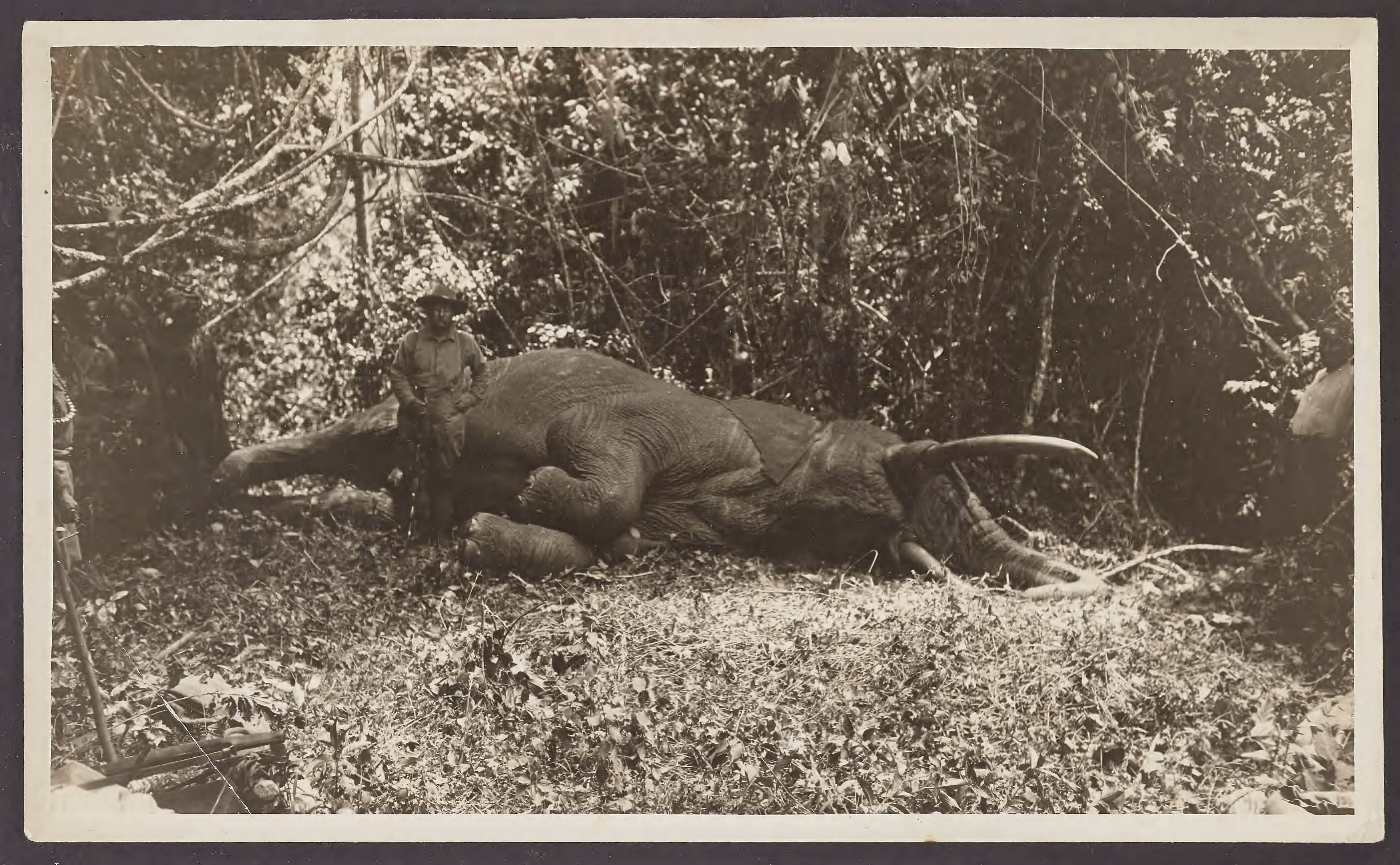 Photograph
Primary source
Theodore Roosevelt with the Bull Elephant He Killed
Edmund Heller
Primary source
The Man with the Muck Rake
Theodore Roosevelt · 1906
Ready when you are
Start chatting with Theodore Roosevelt now.
20 messages free · No credit card · Available in 50+ languages.