


Primary sourcePainting1890-1891
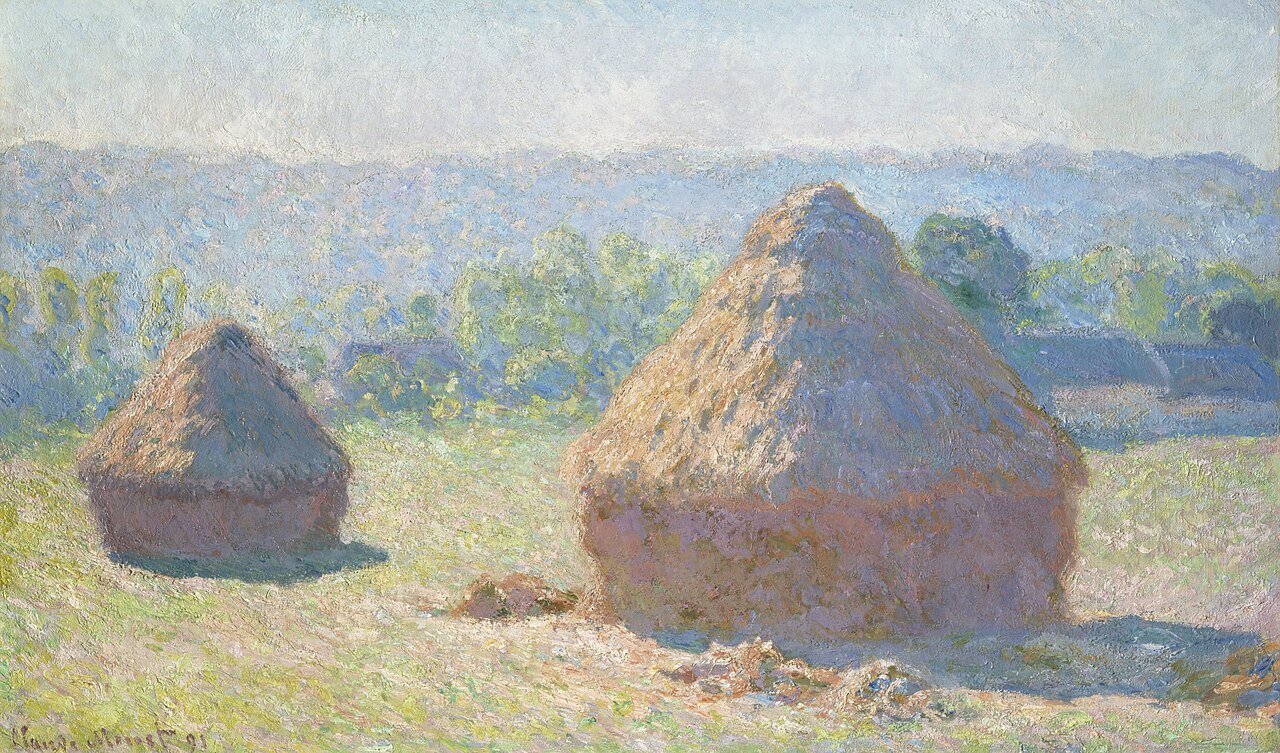
Haystacks
Claude Monet · 1890-1891
A series of around twenty-five paintings by Monet of grain stacks near his home at Giverny, which made his commercial reputation.
Monet painted this series, which became his first commercial success and shaped his later serial method.
About this source
What it is
Haystacks is a series of paintings by Claude Monet begun near the end of summer 1890 and continued into the following spring, showing stacks of harvested grain near his home in Giverny. Major groups are held by the Musée d'Orsay, Musée Marmottan Monet and the Art Institute of Chicago, with others spread across museums worldwide.
Why it matters
This was Monet's first systematic series, and its successful sale at Paul Durand-Ruel's gallery helped establish his reputation and financial success. The stacks, which belonged to a farmer neighbour, became a vehicle for Monet to study how light and atmosphere transform an ordinary, everyday object across seasons and weather, with his stepdaughter Blanche Hoschedé helping him carry his many canvases.
Look closer
- Why might a simple farm object like a grain stack be considered an unusual or even unimaginative subject for a painting at the time?
- What differences in light and color can you spot between versions of this subject?
- What does the method of working on many canvases at once tell you about how fast light changes?
This painting is part of the curated material that grounds the AI version of Claude Monet on Humy.ai — when students ask about related events, the AI can quote it and cite it.
More Claude Monet sources
Meet the AI Claude Monet →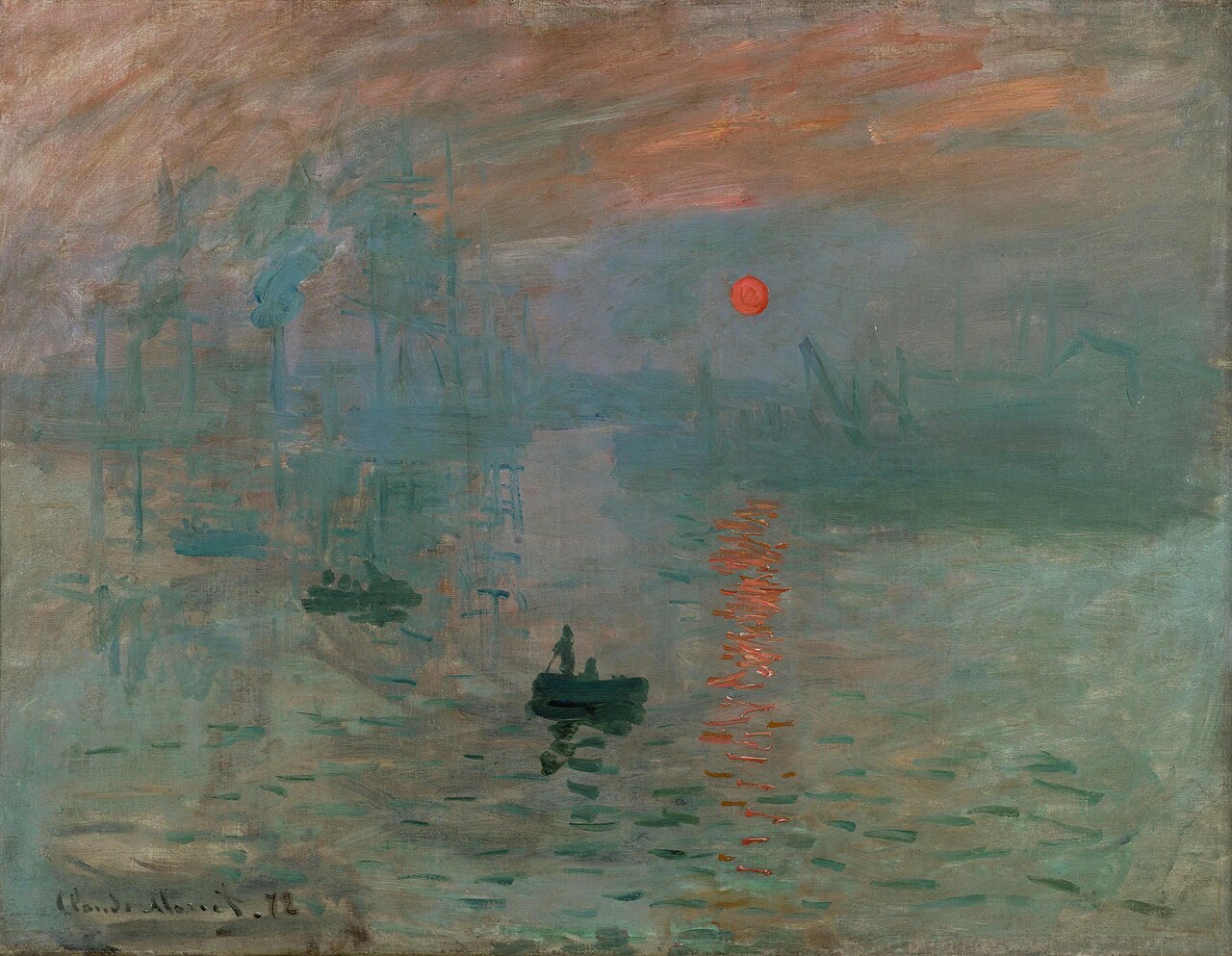 Painting
Primary source
Impression, Sunrise
Claude Monet · 1872
 Painting
Primary source
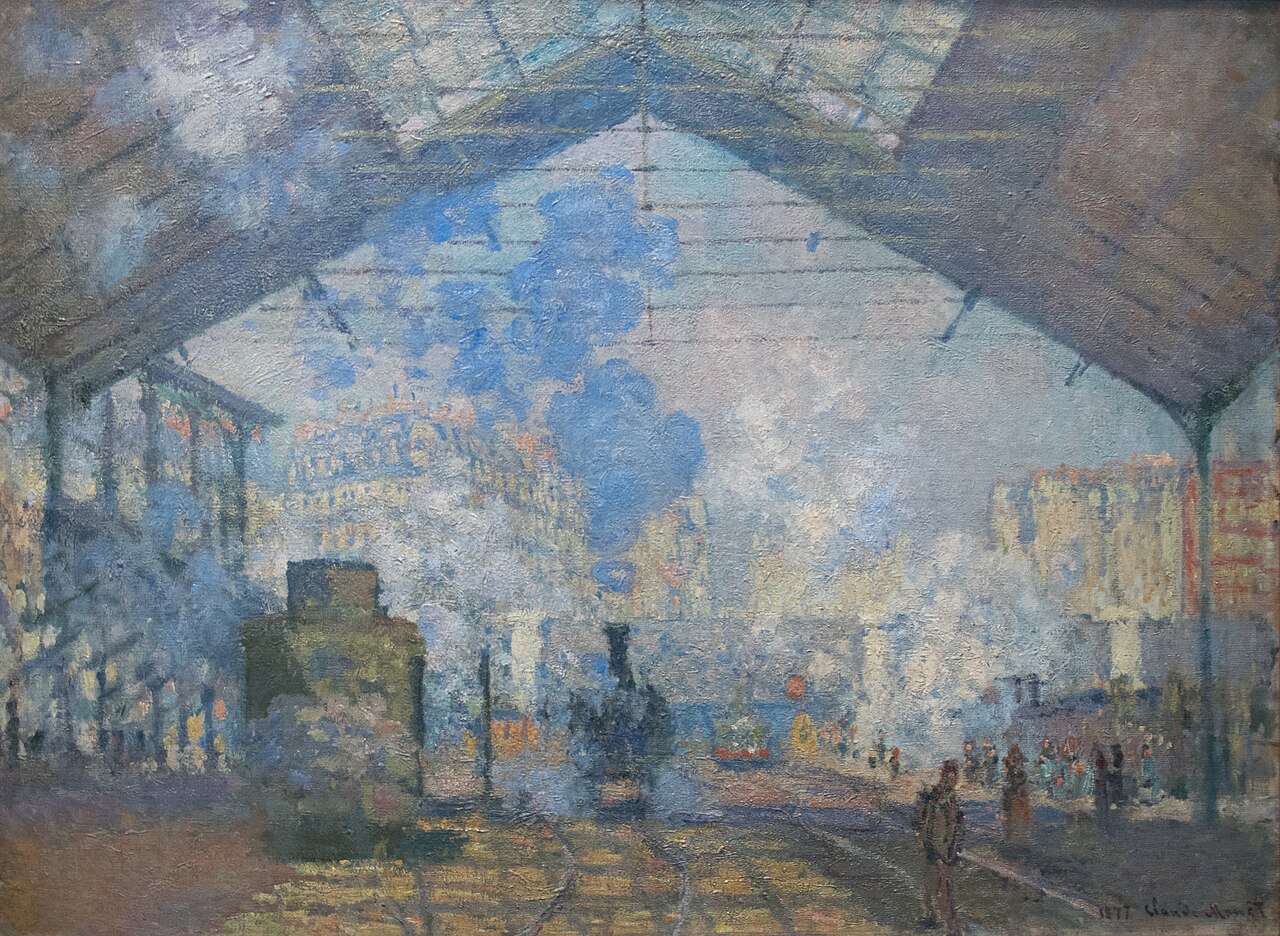
La Gare Saint-Lazare
Claude Monet · 1877
 Painting
Primary source
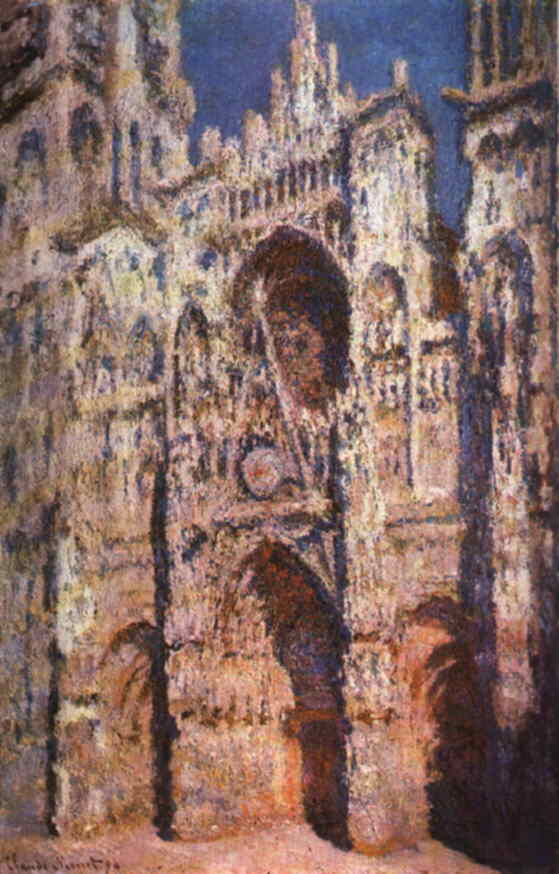
Rouen Cathedral Series
Claude Monet · 1892-1894
 Painting
Primary source
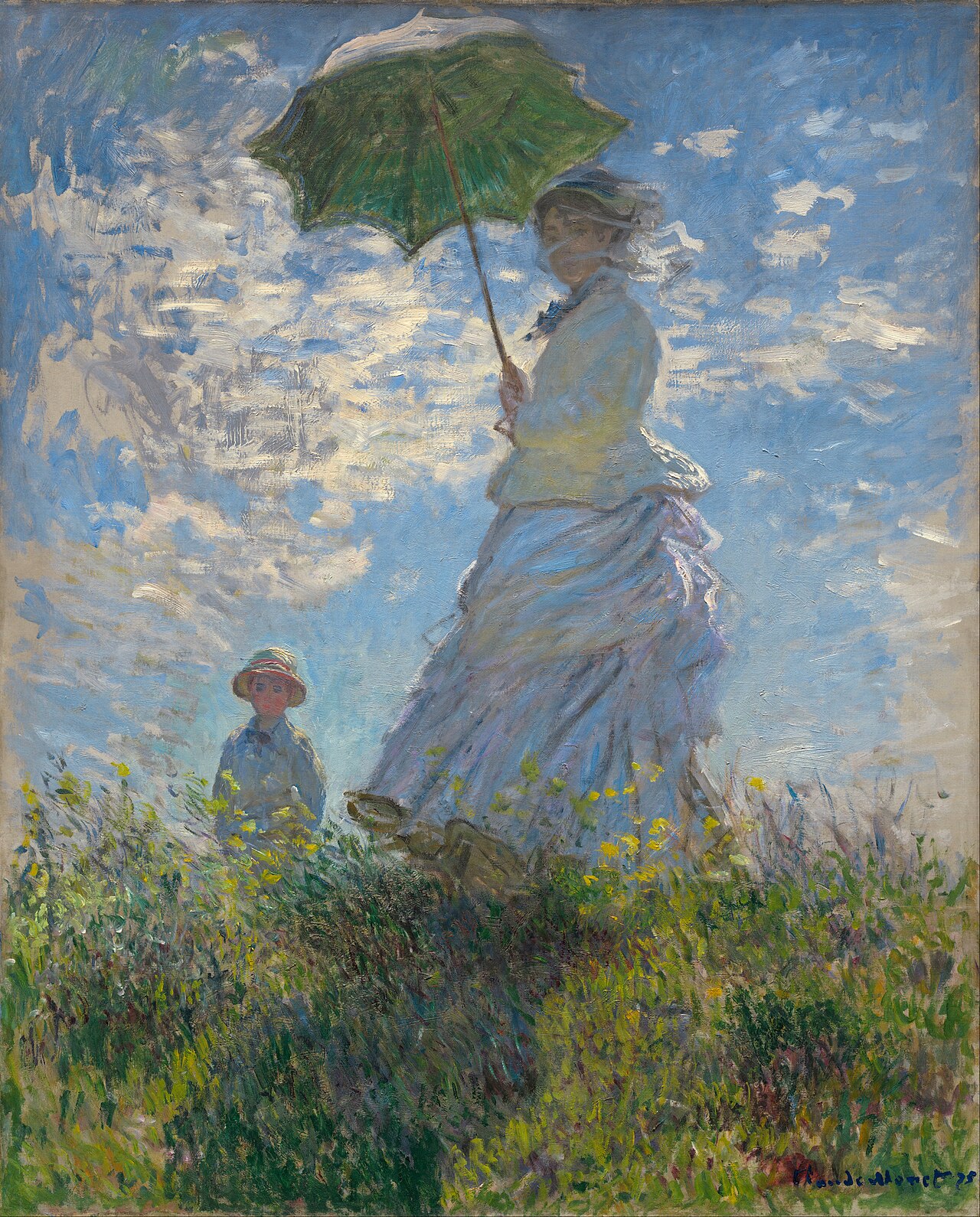
Woman with a Parasol – Madame Monet and Her Son
Claude Monet · 1875
 Painting
Primary source
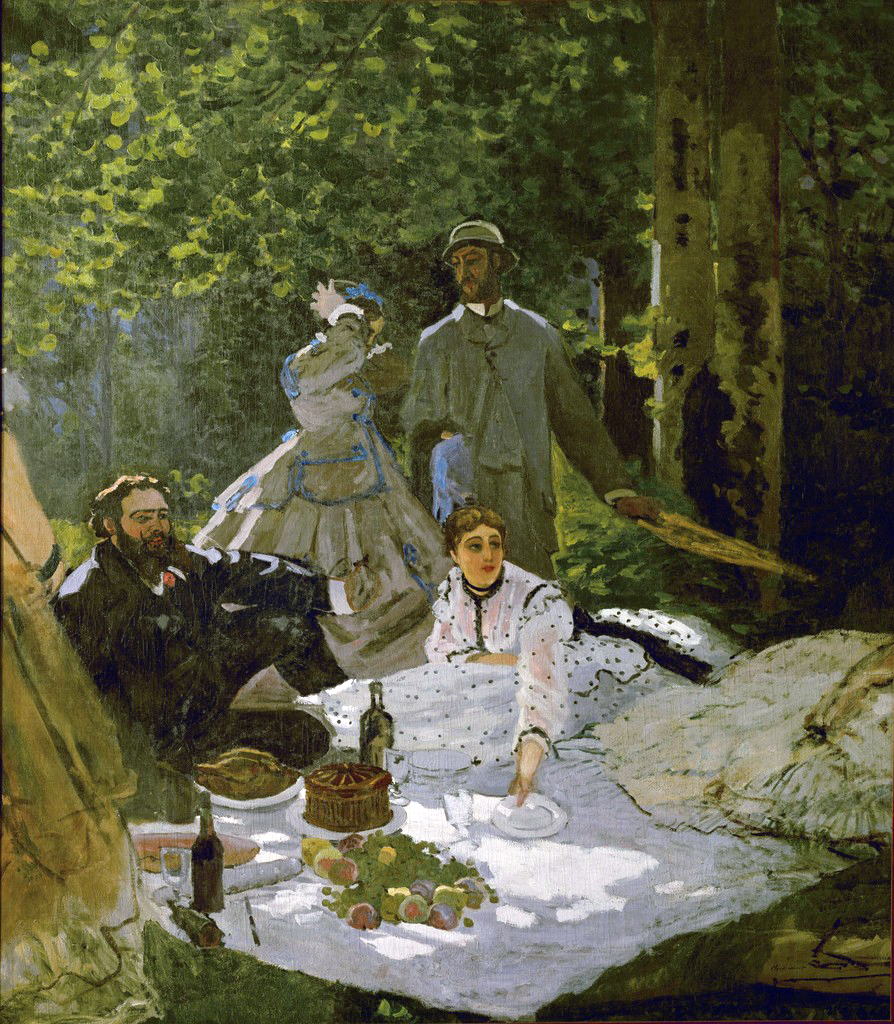
Luncheon on the Grass
Claude Monet · 1865–1866
Ready when you are
Start chatting with Claude Monet now.
20 messages free · No credit card · Available in 50+ languages.