


Primary sourcePainting1872
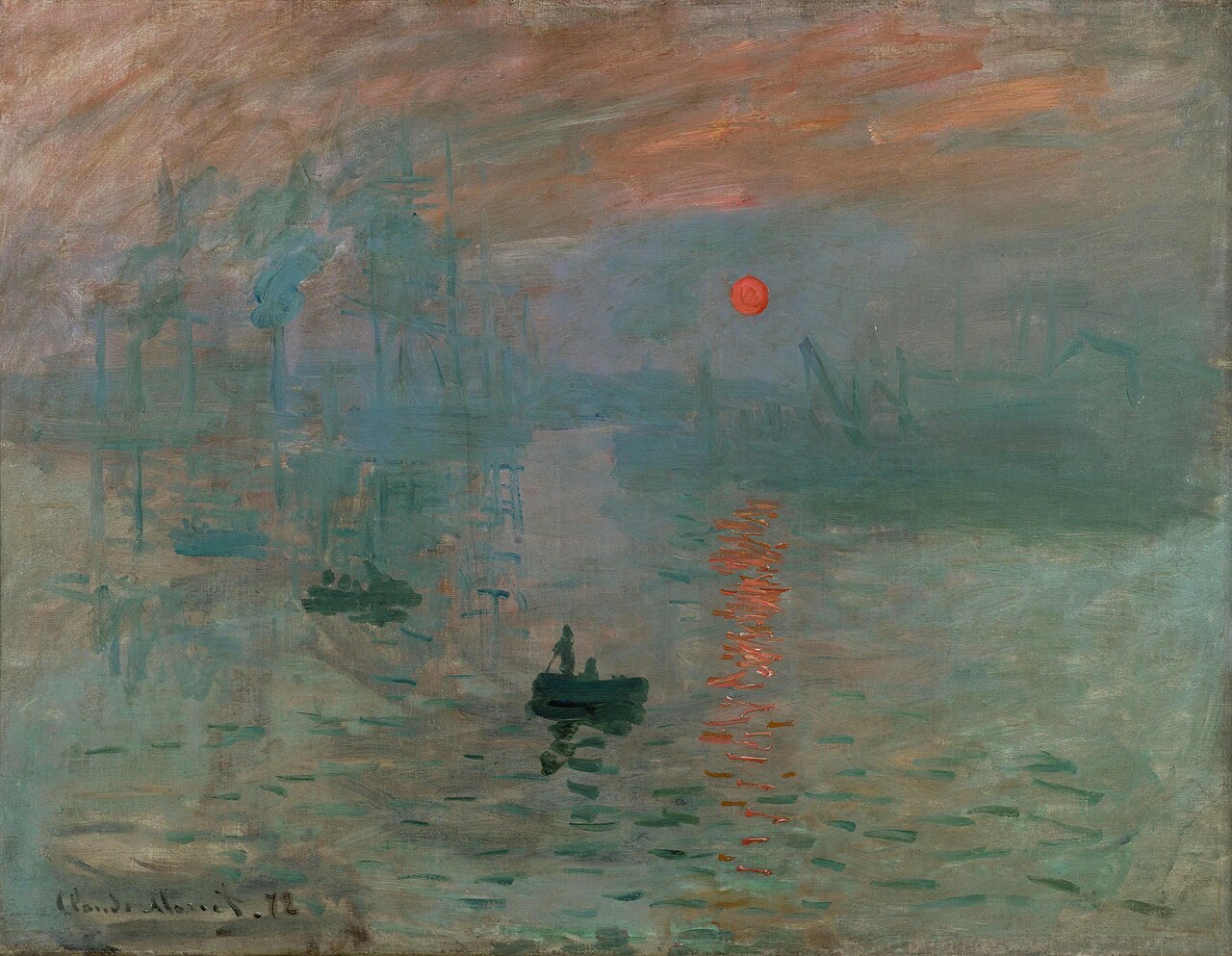
Impression, Sunrise
Claude Monet · 1872
A quick harbour sketch of Le Havre painted by Monet, whose title gave the Impressionist movement its name.
Monet painted and signed this work, which gave the Impressionist movement its name.
About this source
What it is
This is an 1872 oil painting by Claude Monet showing the port of Le Havre at sunrise, with small boats, misty industrial shapes and a glowing red sun. It is held by the Musée Marmottan Monet in Paris.
Why it matters
Shown at the 1874 independent exhibition organised by Monet and fellow painters such as Degas, Pissarro, Renoir and Sisley, this loose, quick sketch gave a critic the word he used to mock the new style - "Impressionism" - a name the painters then kept for themselves. It shows Monet recording a fleeting moment of light and atmosphere rather than a detailed, finished view, which is exactly what made it controversial.
Look closer
- What has Monet left vague or unfinished, and what has he painted sharply?
- Why might painting quickly, outdoors, have mattered to Monet's idea of truth in art?
- How does the harbour scene suggest a busy, modern, industrial port rather than an old-fashioned fishing village?
This painting is part of the curated material that grounds the AI version of Claude Monet on Humy.ai — when students ask about related events, the AI can quote it and cite it.
More Claude Monet sources
Meet the AI Claude Monet →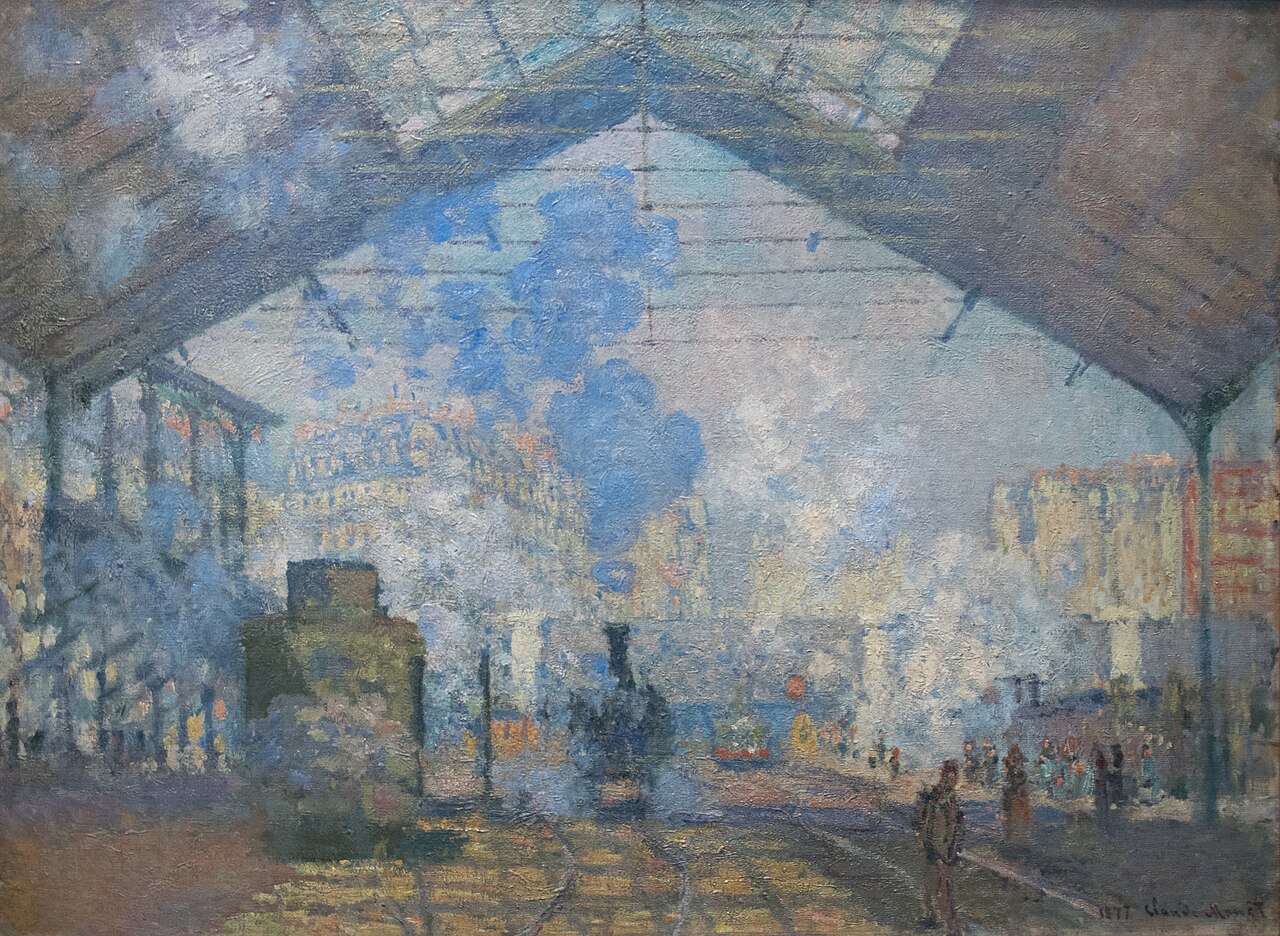 Painting
Primary source
La Gare Saint-Lazare
Claude Monet · 1877
 Painting
Primary source
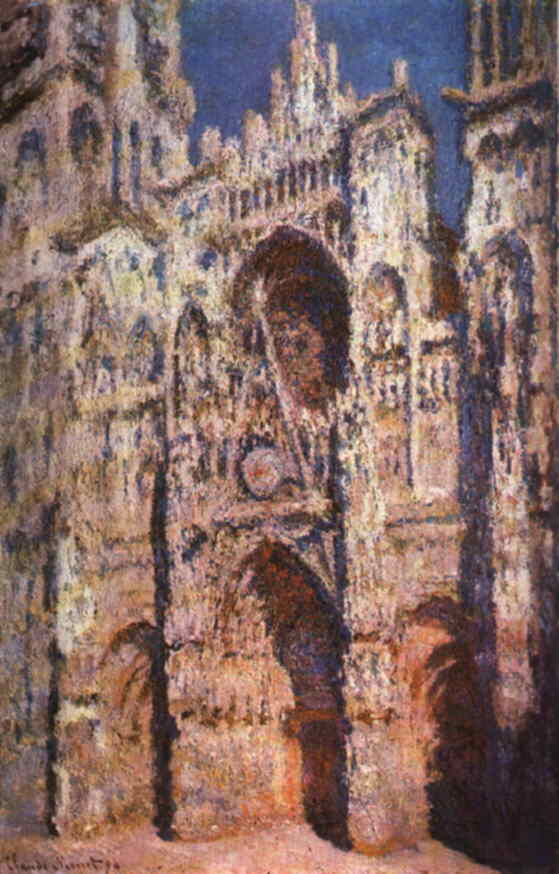
Rouen Cathedral Series
Claude Monet · 1892-1894
 Painting
Primary source
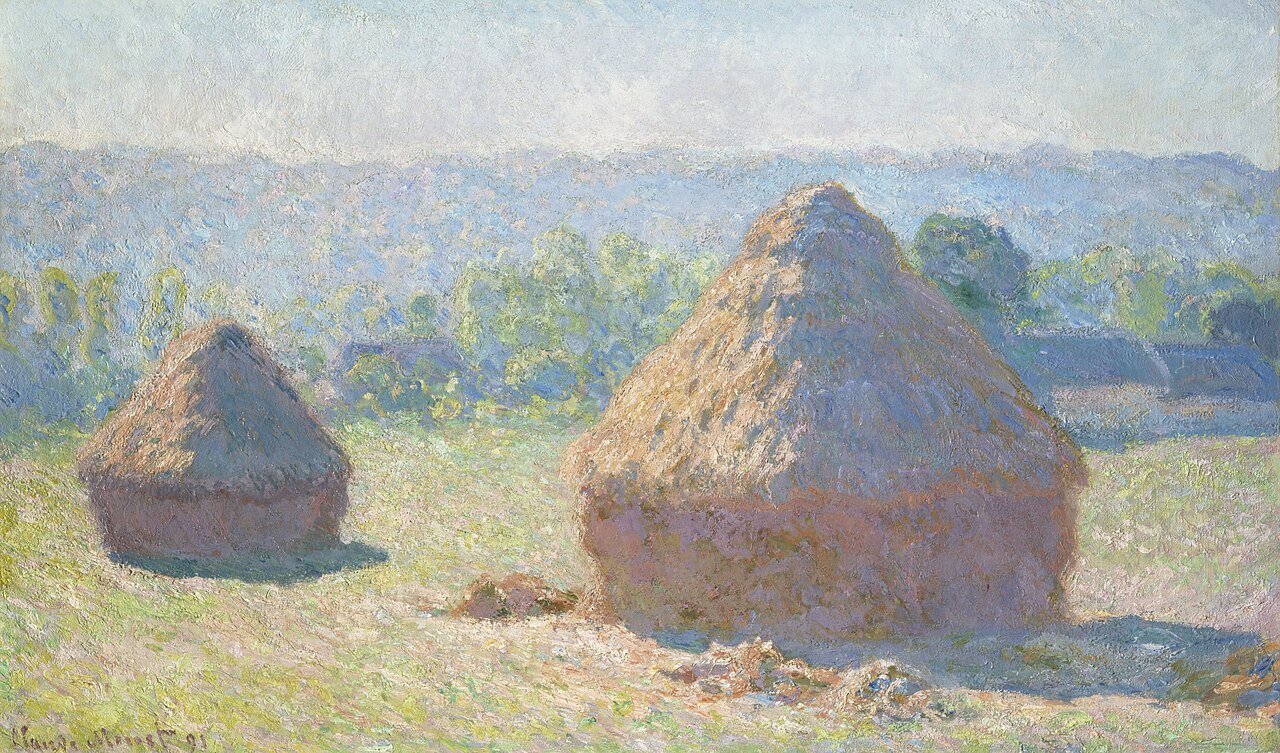
Haystacks
Claude Monet · 1890-1891
 Painting
Primary source
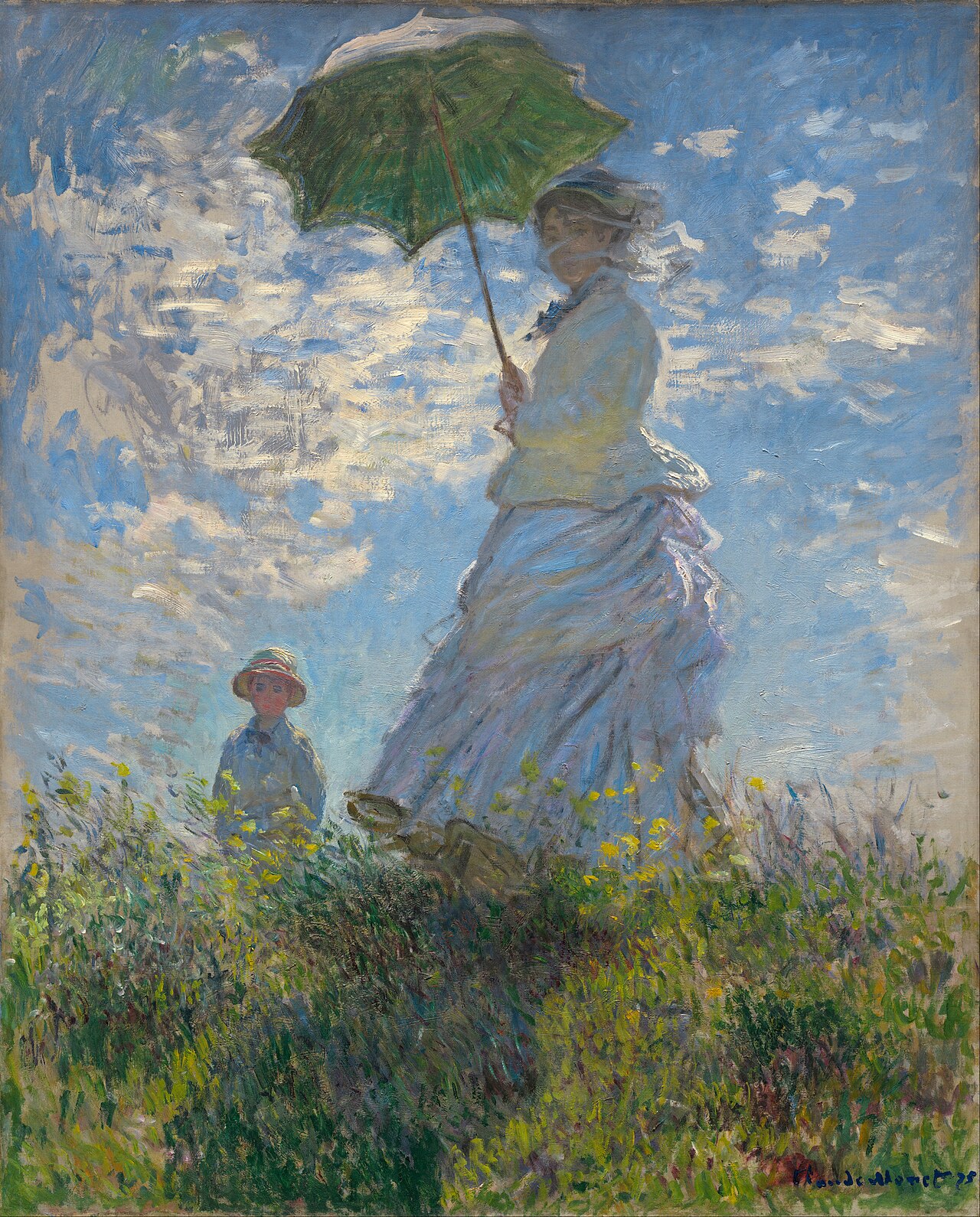
Woman with a Parasol – Madame Monet and Her Son
Claude Monet · 1875
 Painting
Primary source
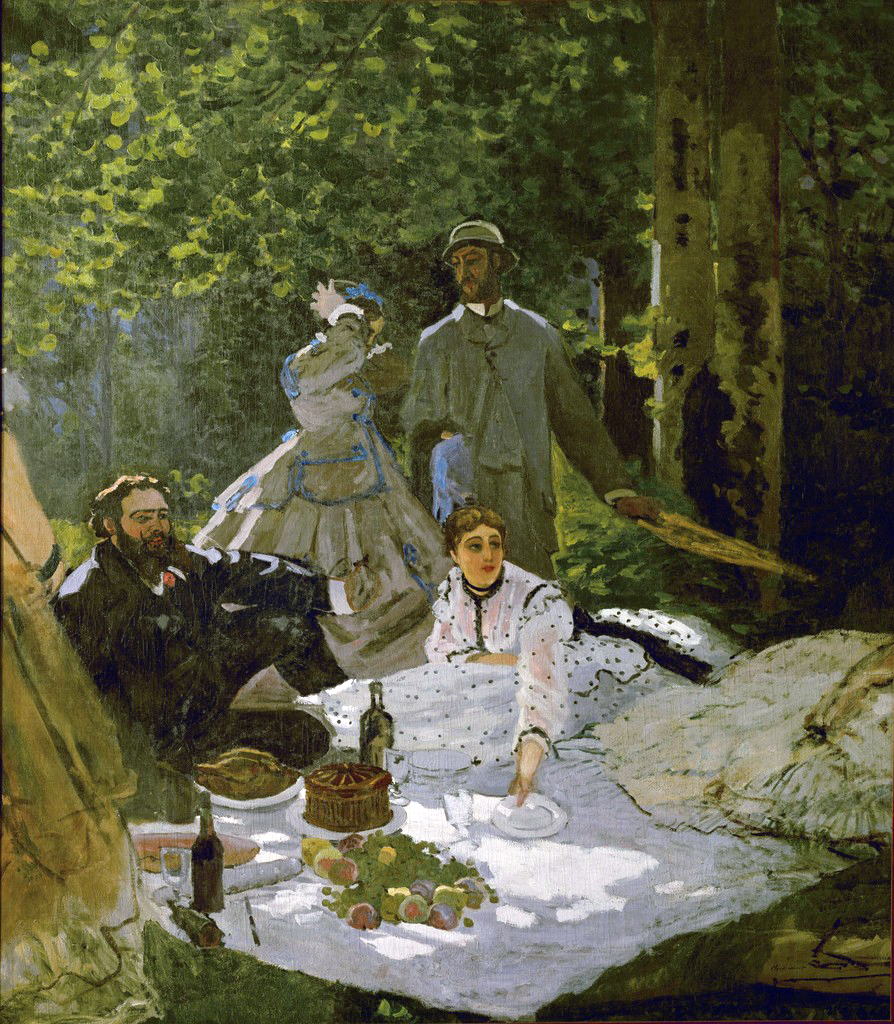
Luncheon on the Grass
Claude Monet · 1865–1866
Ready when you are
Start chatting with Claude Monet now.
20 messages free · No credit card · Available in 50+ languages.