


Secondary sourceSculpturec. 300–200 BCE
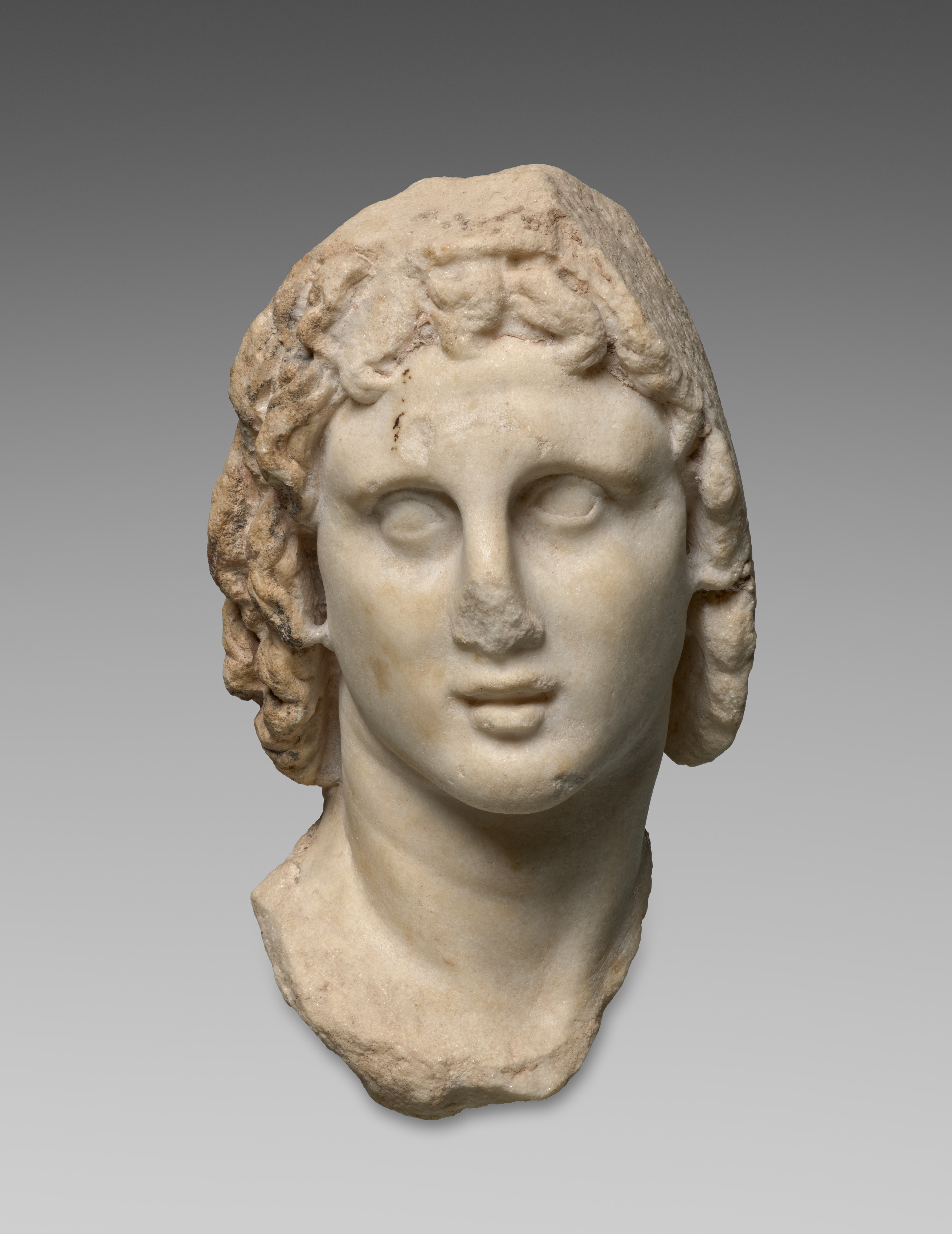
Head of Alexander the Great
c. 300–200 BCE
A small marble head of Alexander, carved after his death, showing him with the youthful, idealized features used in his cult image.
A posthumous marble portrait created to preserve and idealize Alexander's image after his death.
About this source
What it is
This is a slightly smaller than life-size marble head of Alexander the Great, likely carved in Ptolemaic Egypt around 300–200 BCE. It is now in the Cleveland Museum of Art.
Why it matters
Alexander died young, but his image lived on. After his death he was worshipped almost like a god, and sculptors across the Greek world kept making idealized portraits of him with long wavy hair, a slight tilt of the head, and an upward gaze meant to recall his look in life. This head shows how later generations shaped Alexander's legend rather than his exact appearance.
Look closer
- Why might rulers after Alexander want to keep using his image?
- What features make this head look youthful and idealized rather than realistic?
- What does the unfinished neck tell you about how the sculpture was made or displayed?
This sculpture is part of the curated material that grounds the AI version of Alexander the Great on Humy.ai — when students ask about related events, the AI can quote it and cite it.
More Alexander the Great sources
Meet the AI Alexander the Great →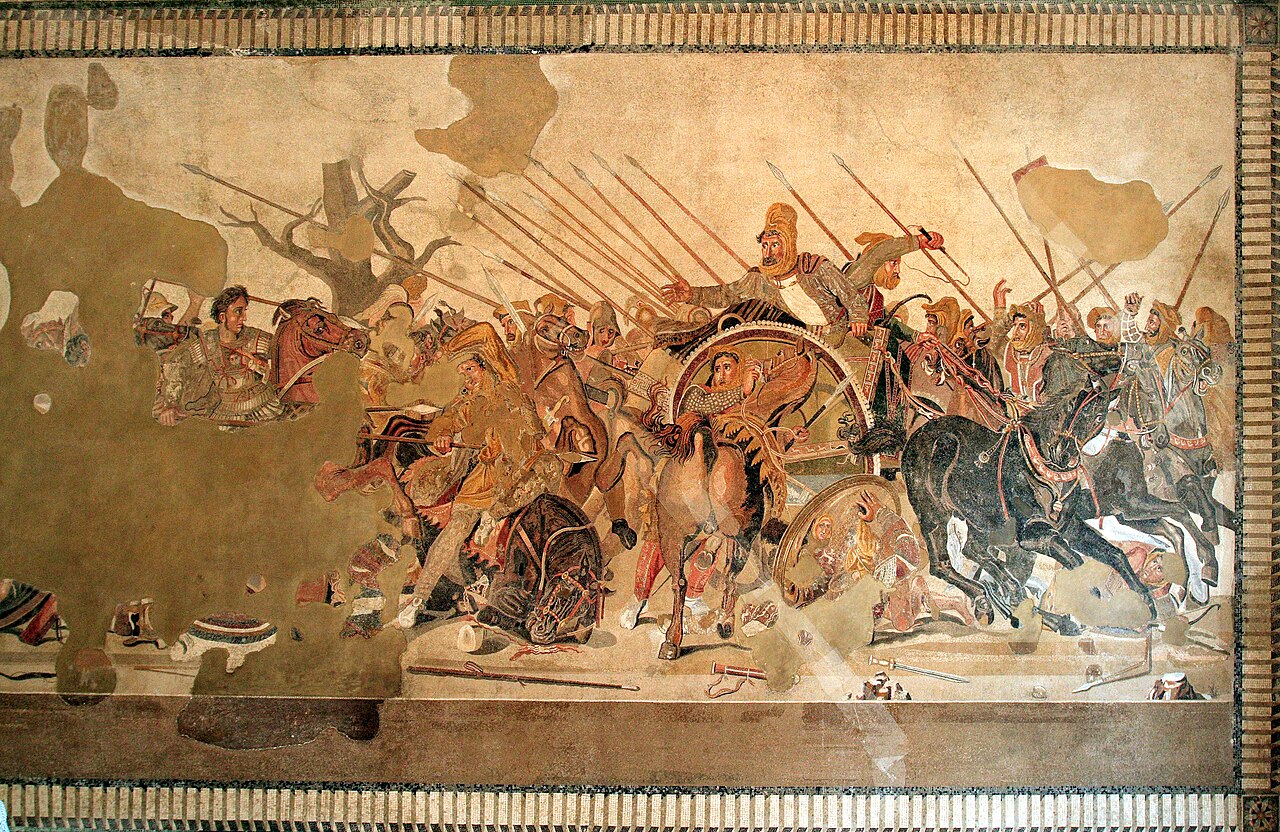 Artifact
Secondary source
Alexander Mosaic
Philoxenus of Eretria · c. 120-100 BCE (copy of an earlier Hellenistic painting)
 Painting
Secondary source
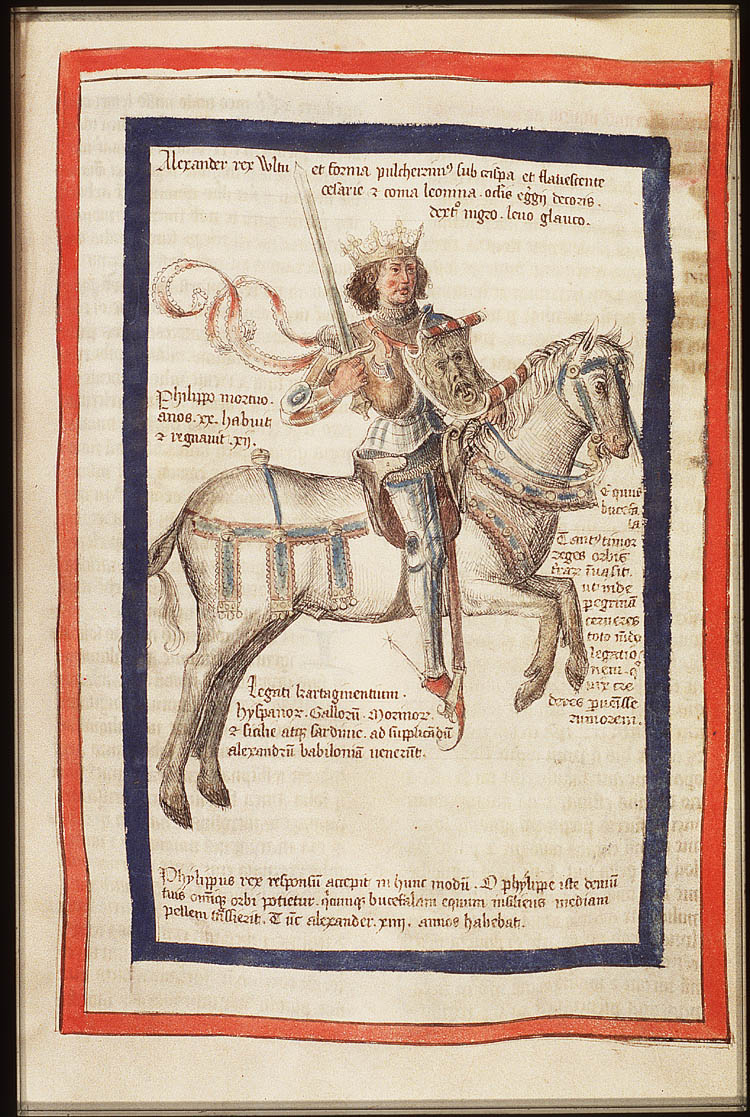
Alexander the Great riding Bucephalus
1460
 Artifact
Primary source
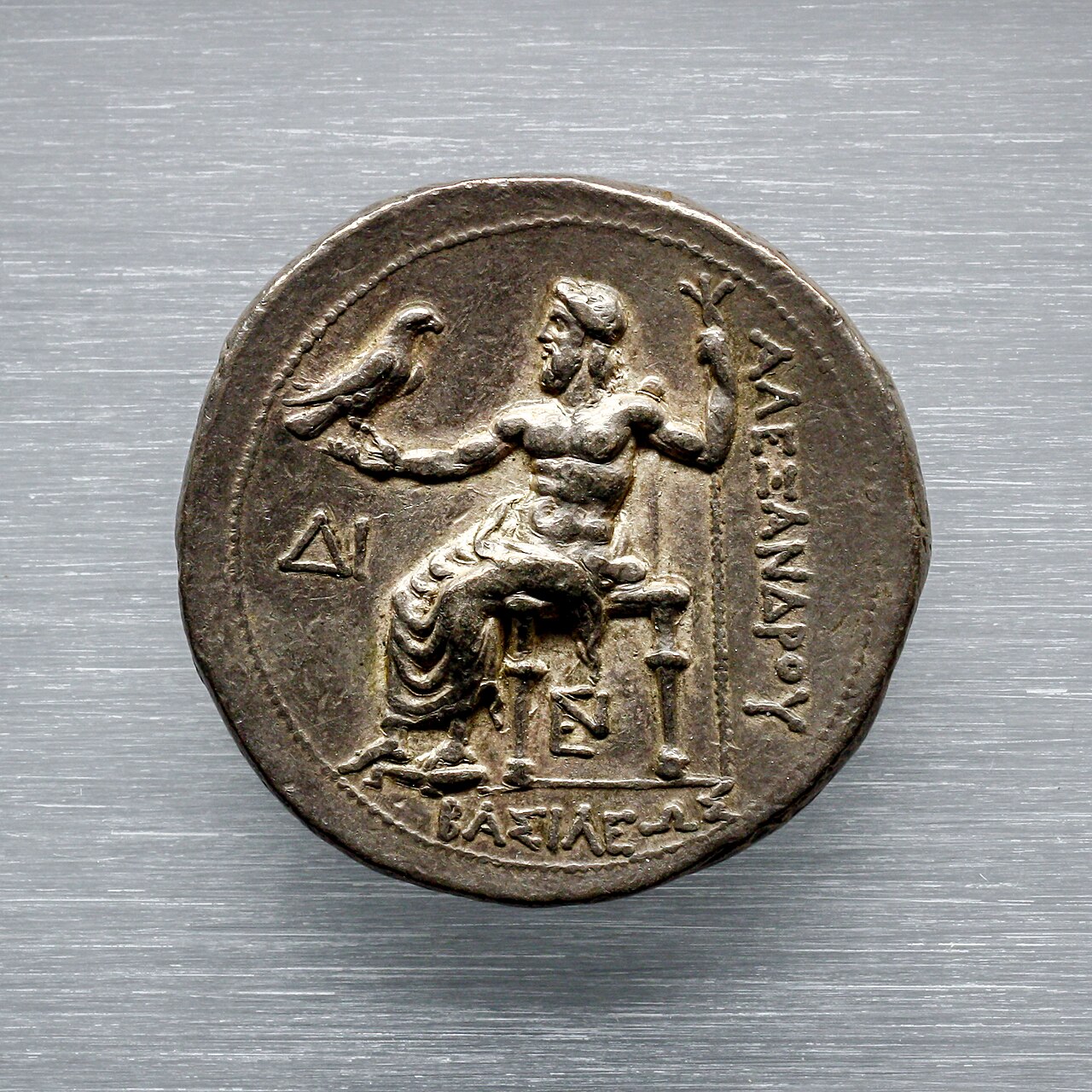
Silver Tetradrachm of Alexander the Great
Royal mints of Alexander III · c. 336-323 BCE
 Painting
Secondary source
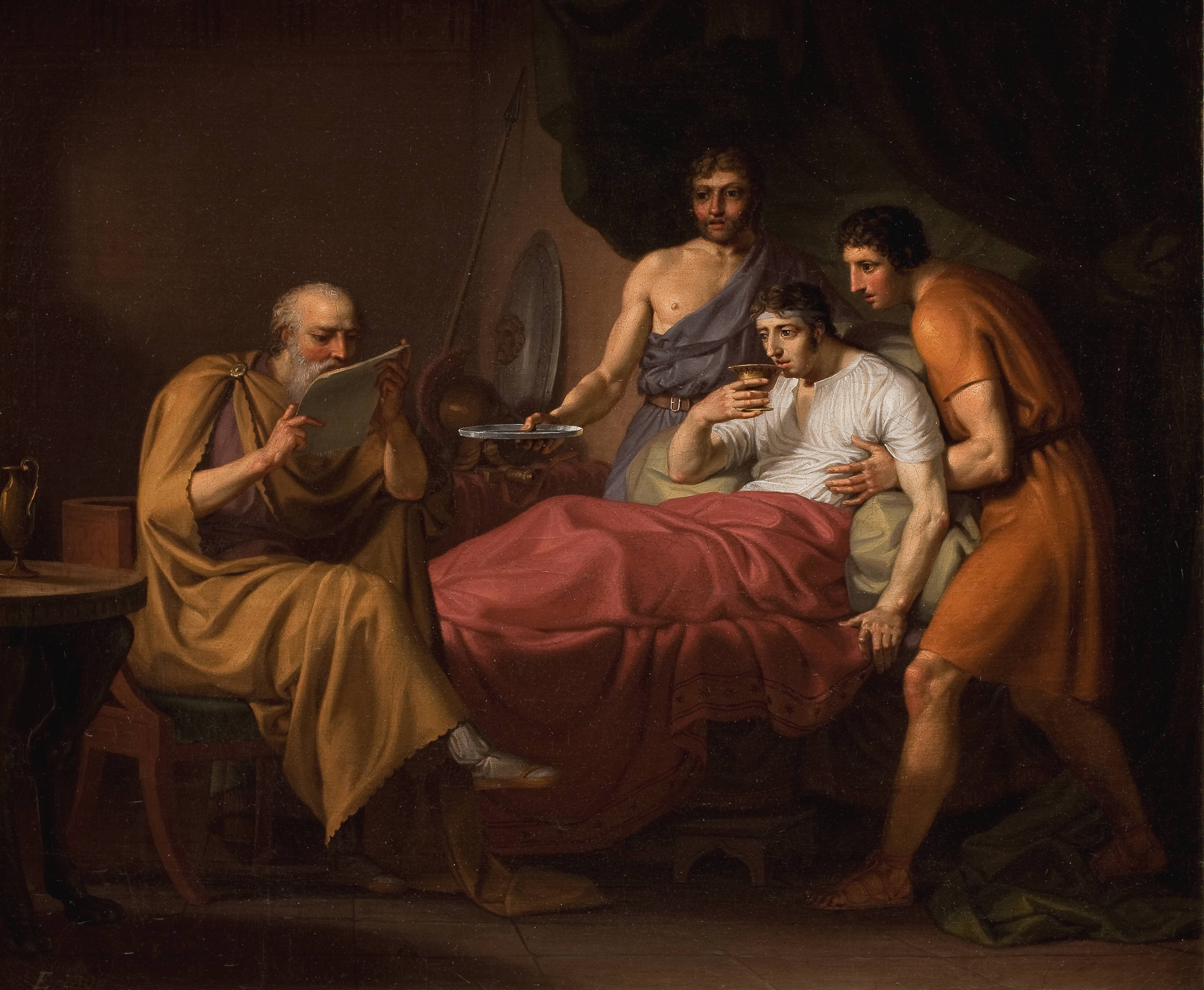
Alexander the Great on his Sickbed
1806
 Book
Secondary source
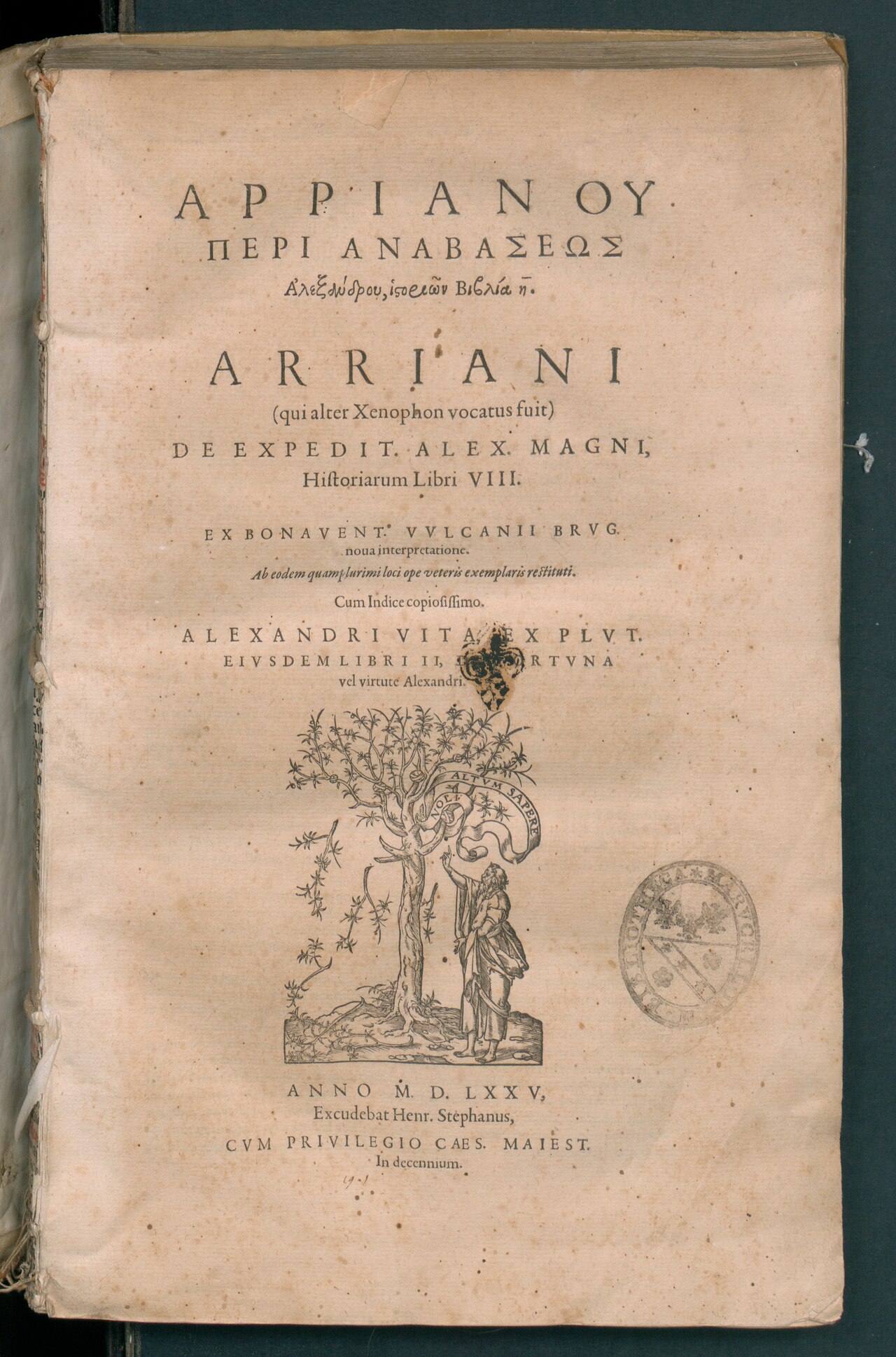
Anabasis of Alexander
Arrian · c. 150 AD
Ready when you are
Start chatting with Alexander the Great now.
20 messages free · No credit card · Available in 50+ languages.