


Tertiary sourceBook1921
Hegel entry, Collier's New Encyclopedia (1921)
1921
A short 1921 encyclopedia entry describing Hegel as a German metaphysician and his shift away from Schelling. It is a reference summary written long after his death.
Shows how a 1921 reference work described Hegel's career and his break with Schelling, as read by English-language students.
About this source
What it is
This is a reference entry on Hegel in Collier's New Encyclopedia, published in New York in 1921. It calls Hegel a German metaphysician born in Stuttgart in 1770. It describes his studies at Tübingen, his work as a private tutor in Berne and Frankfort, and his time at Jena, where he became close to Schelling. It mentions his later posts at Jena, Heidelberg and Berlin, and his work on a newspaper at Bamberg after the battle of Jena.
Why it matters
The entry explains that Hegel began as a follower of Schelling but developed different opinions. It says he rejected Schelling's intellectual intuition while keeping the idea of the unity of the subjective and the objective. The entry also claims that Hegel did not perfect his system and lacked a clear way of expressing his thoughts. Such judgements show how one generation of readers assessed a philosopher whose work was then still debated.
Look closer
- Which claims in the entry are facts about Hegel's life, and which are opinions of the writer?
- Why might an encyclopedia describe Hegel's relationship with Schelling in such detail?
- What would you compare this entry with to check its judgement of Hegel's writing?
This book is part of the curated material that grounds the AI version of Georg Wilhelm Friedrich Hegel on Humy.ai — when students ask about related events, the AI can quote it and cite it.
More Georg Wilhelm Friedrich Hegel sources
Meet the AI Georg Wilhelm Friedrich Hegel →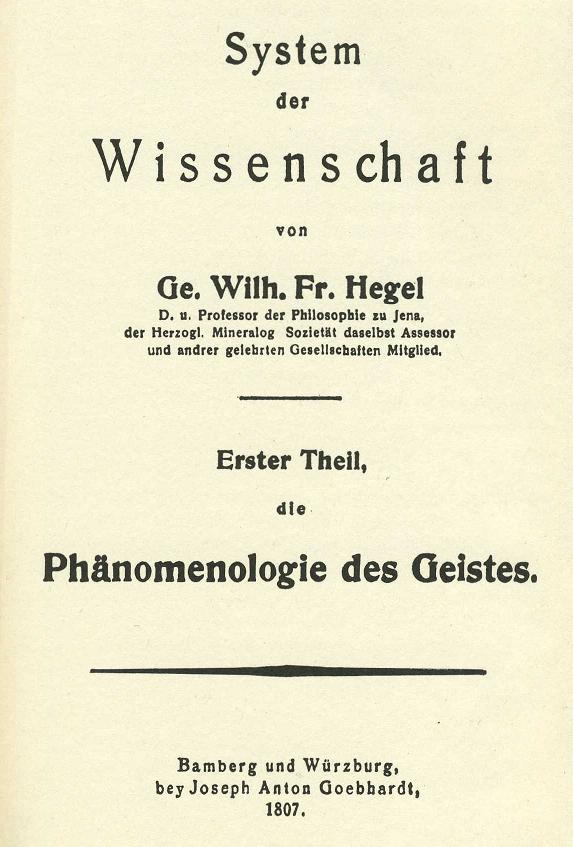 Book
Primary source
The Phenomenology of Spirit
Georg Wilhelm Friedrich Hegel · 1807
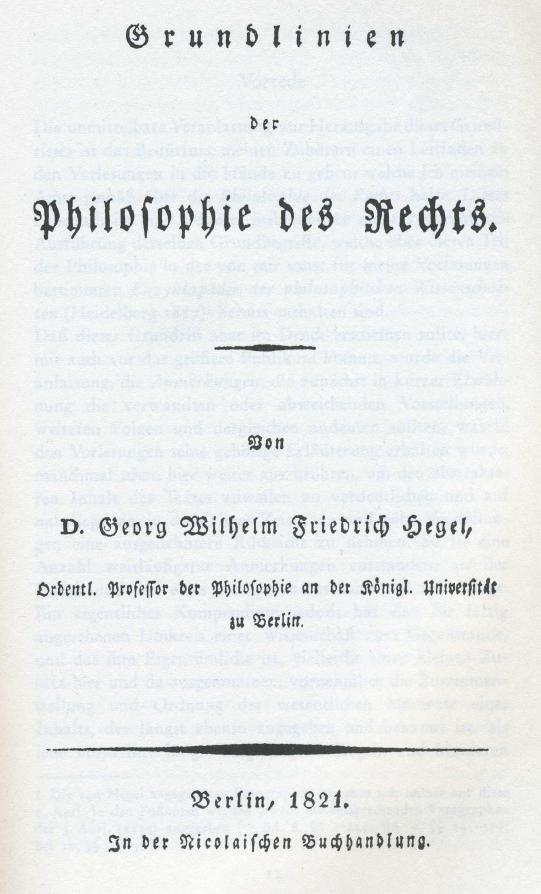 Book
Primary source
Elements of the Philosophy of Right
Georg Wilhelm Friedrich Hegel · 1821
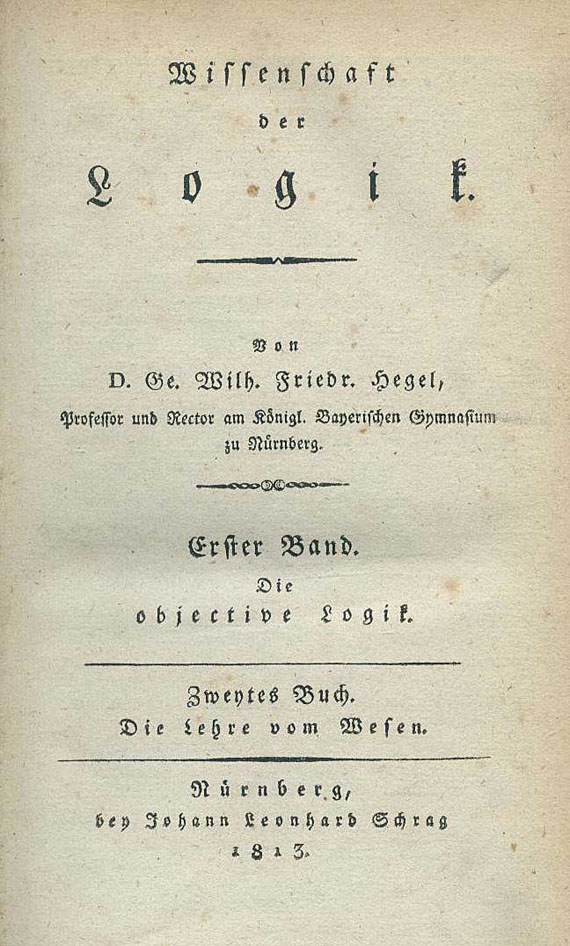 Book
Primary source
Science of Logic
Georg Wilhelm Friedrich Hegel · 1812-1816
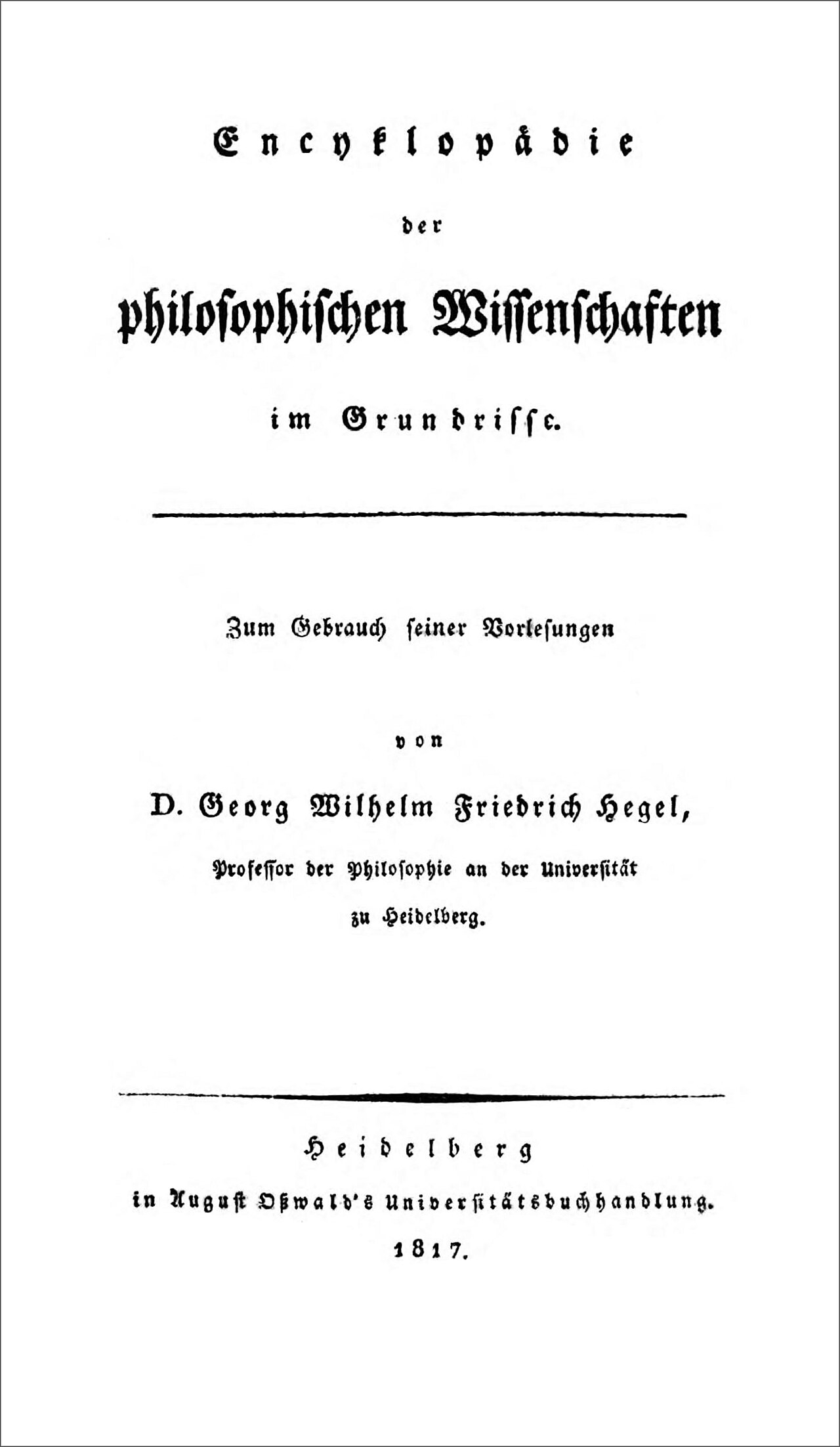 Book
Primary source
Encyclopedia of the Philosophical Sciences
Georg Wilhelm Friedrich Hegel · 1817
 Painting
Primary source
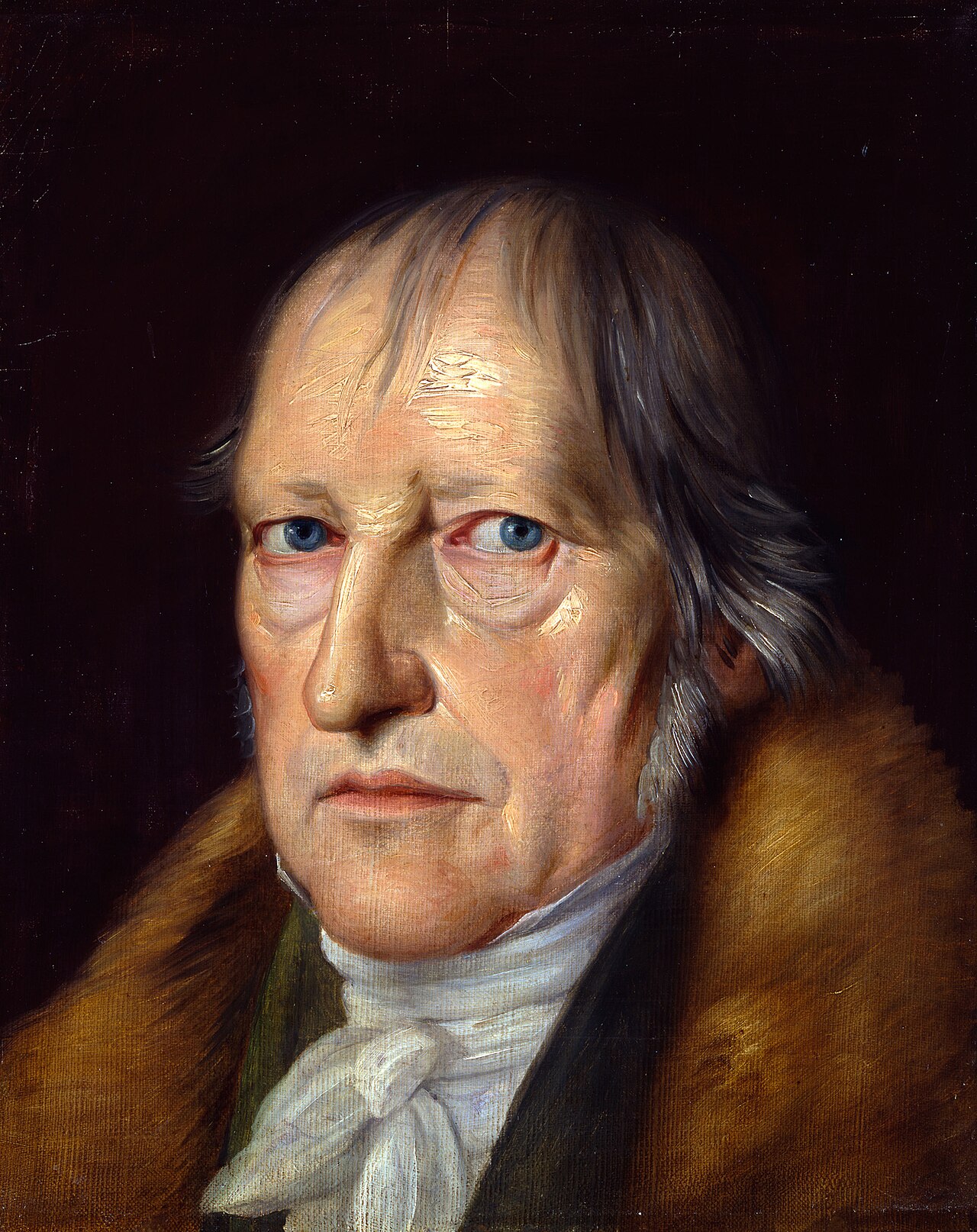
The Philosopher Georg Friedrich Wilhelm Hegel
Jakob Schlesinger · 1831
Ready when you are
Start chatting with Georg Wilhelm Friedrich Hegel now.
20 messages free · No credit card · Available in 50+ languages.