


Primary sourcePainting1912
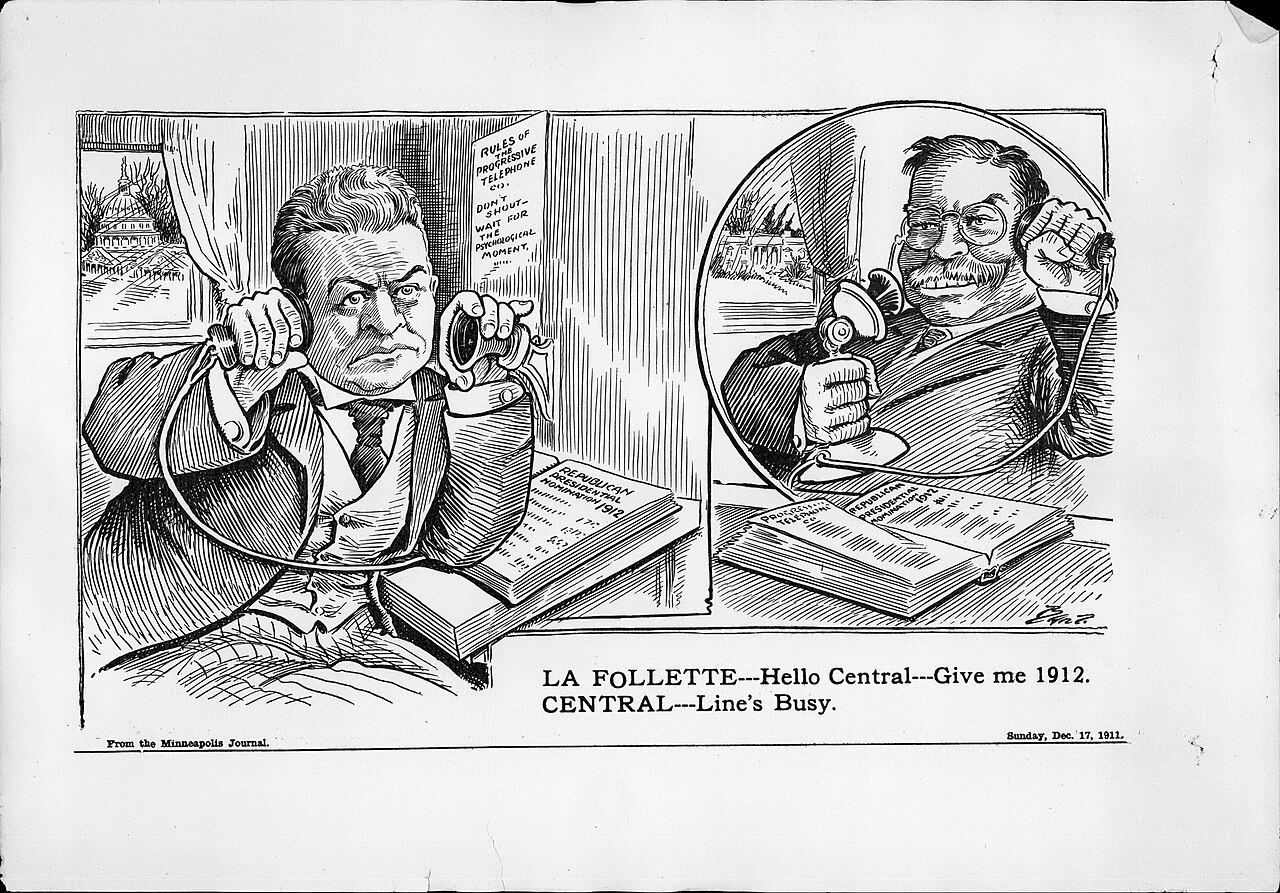
Hello Central, Give Me 1912
Charles Lewis 'Bart' Bartholomew · 1912
A two-panel political cartoon by Bart showing La Follette trying to use a telephone line that is blocked by Roosevelt, a picture of his push out of the 1912 Progressive candidacy.
Shows La Follette as a Progressive candidate losing ground to Roosevelt during the 1912 nomination fight, which is why he is in his archive.
About this source
What it is
This two-panel political cartoon by Charles Lewis 'Bart' Bartholomew shows a stern man with a pointed mustache holding a telephone at a desk stacked with books labeled Progressive Party Rules and Progressive Telephone Co. A sign reads 'Don't Push, Wait For Your Turn.' In the right panel, a bespectacled, mustached man in a circular inset holds a telephone beside a book labeled Progressive Party Convention 1912. The caption reads 'Hello Central, Give me 1912. Central, Line's Busy.' The collection record says the image is a print from 1912.
Why it matters
The cartoon turns a busy telephone line into a picture of politics. According to the collection record, La Follette is trying to get through, but Roosevelt is using up the available lines, so La Follette is slowly pushed out in favor of Roosevelt as the Progressive Party presidential candidate. It shows how supporters and rivals in the same party were seen by a cartoonist of the day. It is a satirical view, not a record of what either man said.
Look closer
- Which figure seems to control the telephone lines, and what visual clues does the artist use?
- Why might a cartoonist use a telephone to stand for a party nomination?
- What does the cartoon leave out about La Follette's own side of the story?
This painting is part of the curated material that grounds the AI version of Robert M. La Follette Sr. on Humy.ai — when students ask about related events, the AI can quote it and cite it.
More Robert M. La Follette Sr. sources
Meet the AI Robert M. La Follette Sr. → Book
Primary source
La Follette's Autobiography: A Personal Narrative of Political Experiences
Robert M. La Follette · 1913
 Photograph
Primary source
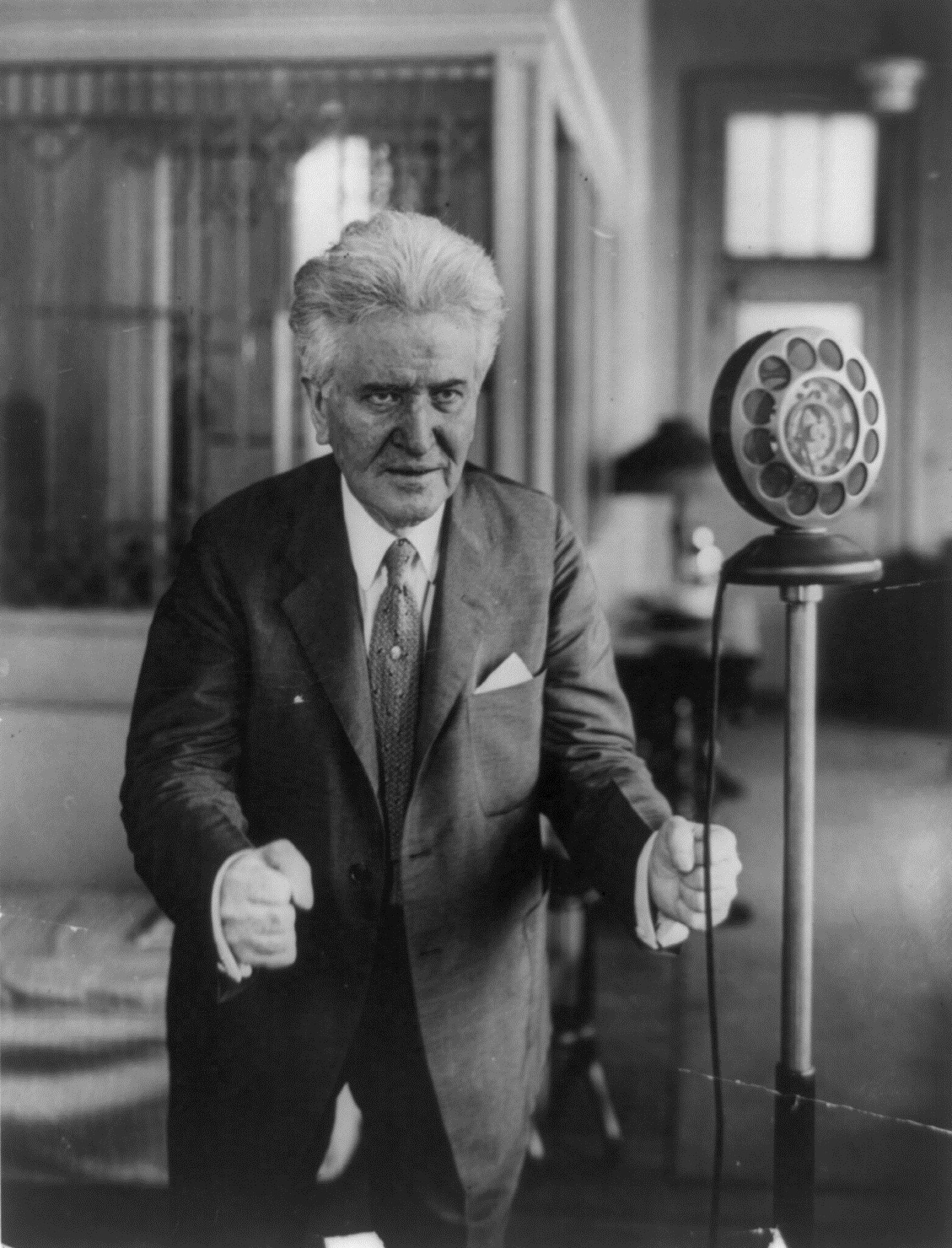
Portrait of Robert M. La Follette
 Photograph
Primary source
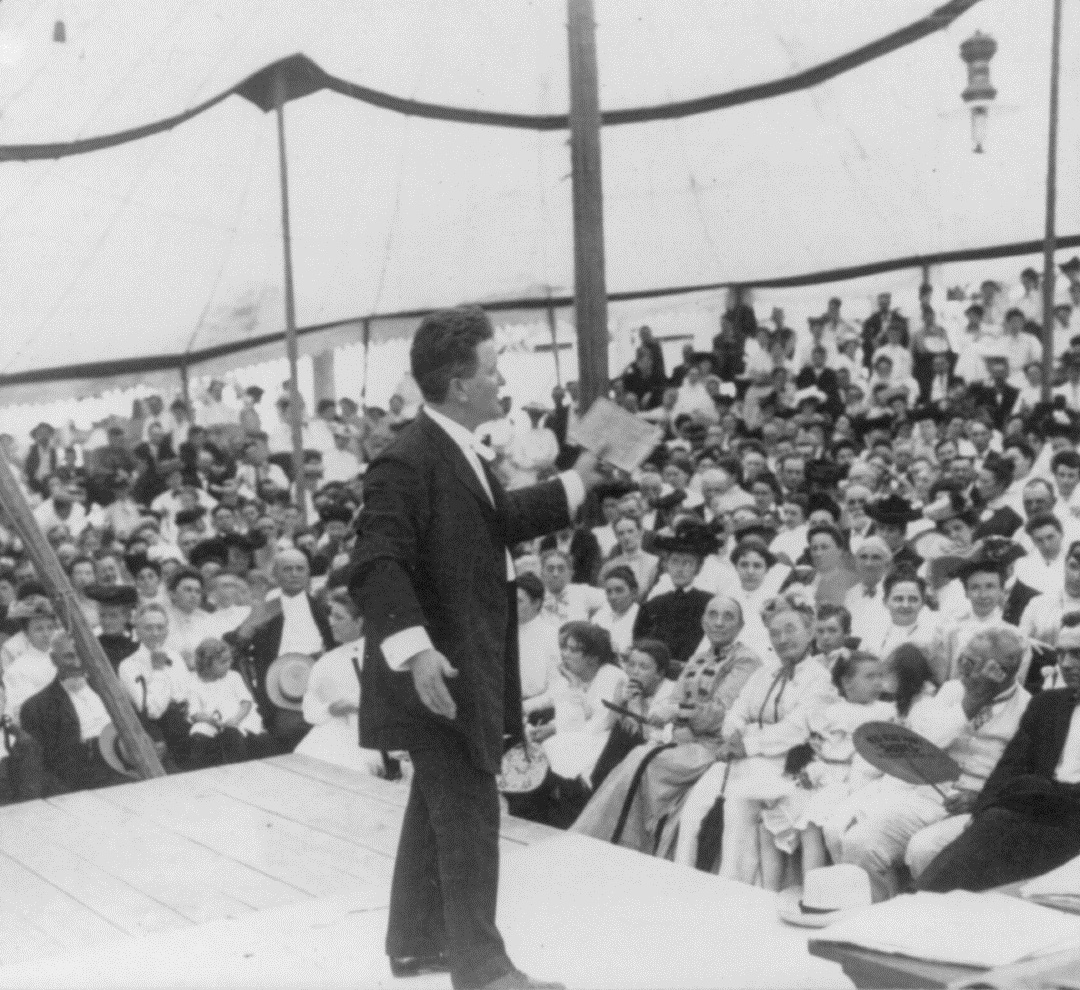
Robert M. La Follette, Sr. as Senator Addressing a Chautauqua Assembly
International View Co., copyright by C.L. Wasson
 Speech
Primary source
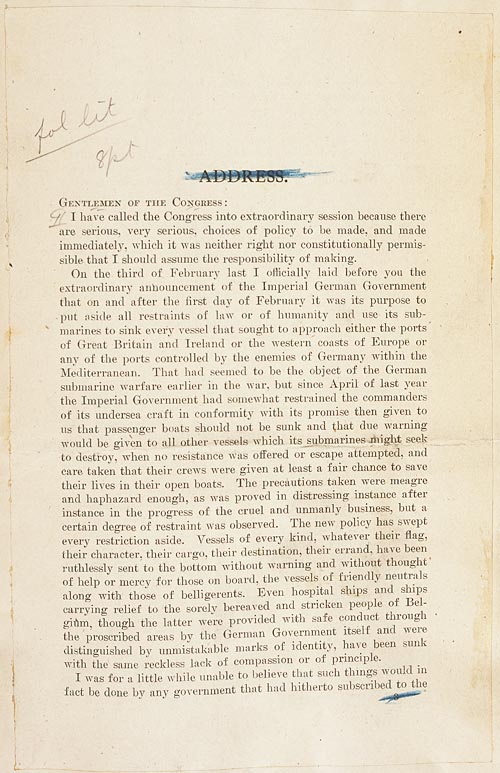
Joint Address to Congress Leading to a Declaration of War Against Germany
Woodrow Wilson · 2 April 1917
 Photograph
Primary source
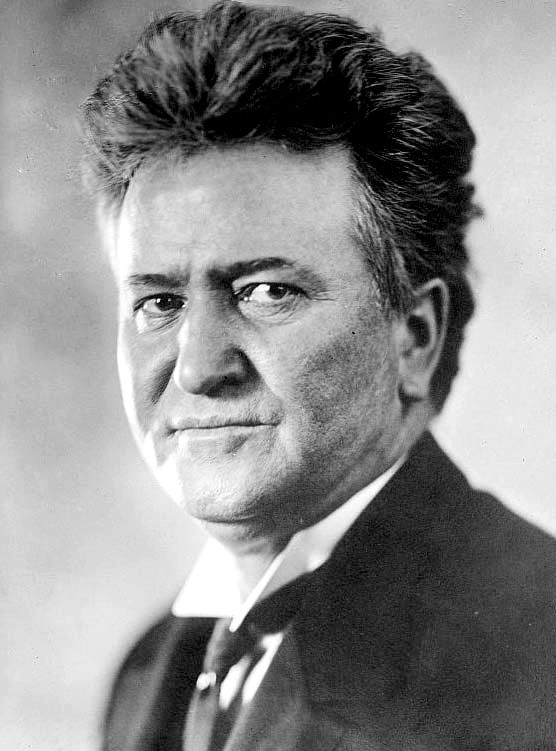
Robert M. La Follette, Sr.
Unknown author
Ready when you are
Start chatting with Robert M. La Follette Sr. now.
20 messages free · No credit card · Available in 50+ languages.