


Primary sourceSpeech2 April 1917
Joint Address to Congress Leading to a Declaration of War Against Germany
Woodrow Wilson · 2 April 1917
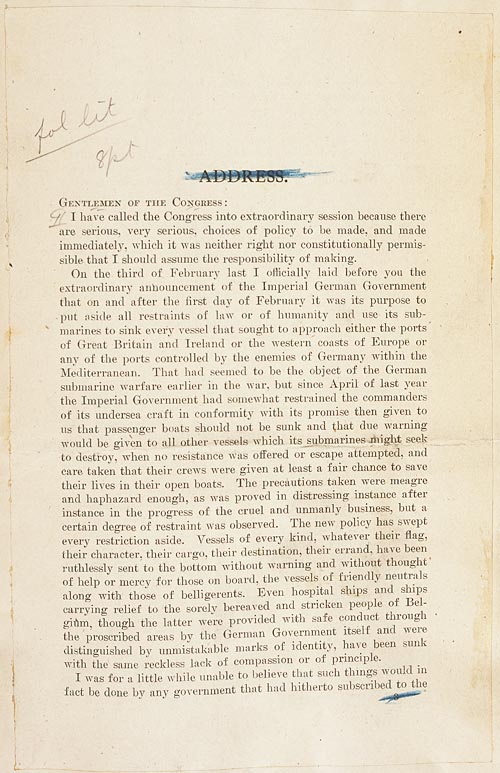
Wilson's April 1917 speech asking Congress to declare war on Germany, declaring that 'the world must be made safe for democracy.'
Wilson's war message led to the creation of the AEF, the army Pershing was chosen to command.
About this source
What it is
This is the typed text of the address President Woodrow Wilson gave to a joint session of Congress on April 2, 1917, asking for a declaration of war against Germany. It is held by the U.S. National Archives among Senate records.
Why it matters
After years of trying to keep the United States neutral, Wilson changed course following German submarine attacks and the revealed Zimmermann Telegram proposing a German-Mexican alliance. His speech argued America must fight for democracy and the rights of small nations. Congress voted for war days later, bringing the United States into World War I. The document reveals how a leader who had campaigned on keeping the country out of war justified reversing that stance.
Look closer
- What reasons does Wilson give for abandoning neutrality?
- How does he try to make the war seem moral rather than just strategic?
- What handwritten marks appear on the page, and what might they tell us about how this document was used?
This speech is part of the curated material that grounds the AI version of General John J. Pershing on Humy.ai — when students ask about related events, the AI can quote it and cite it.
More General John J. Pershing sources
Meet the AI General John J. Pershing →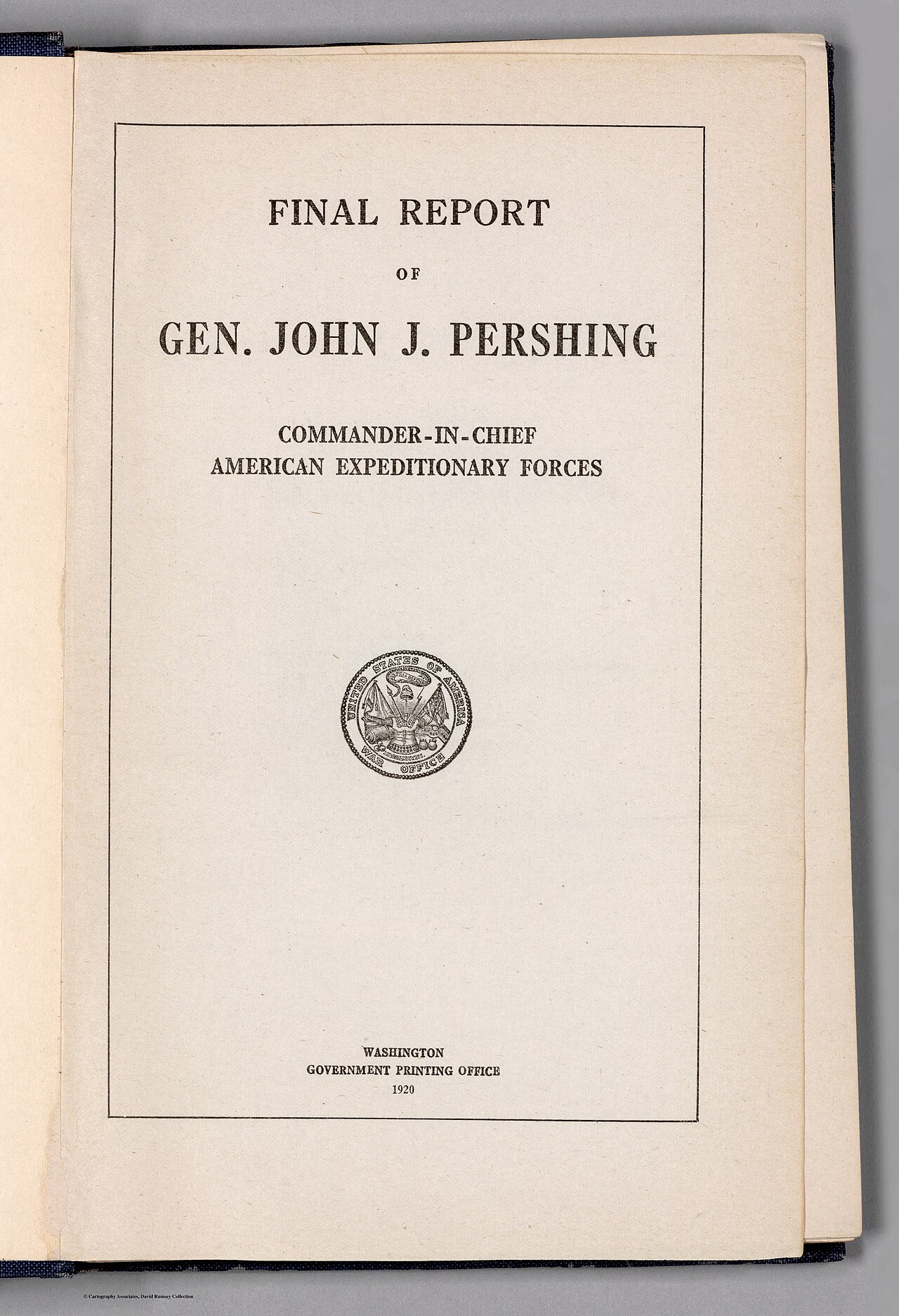 Document
Primary source
Final Report of General John J. Pershing
John J. Pershing · 1920
Primary source
Address from France
John J. Pershing
 Document
Primary source
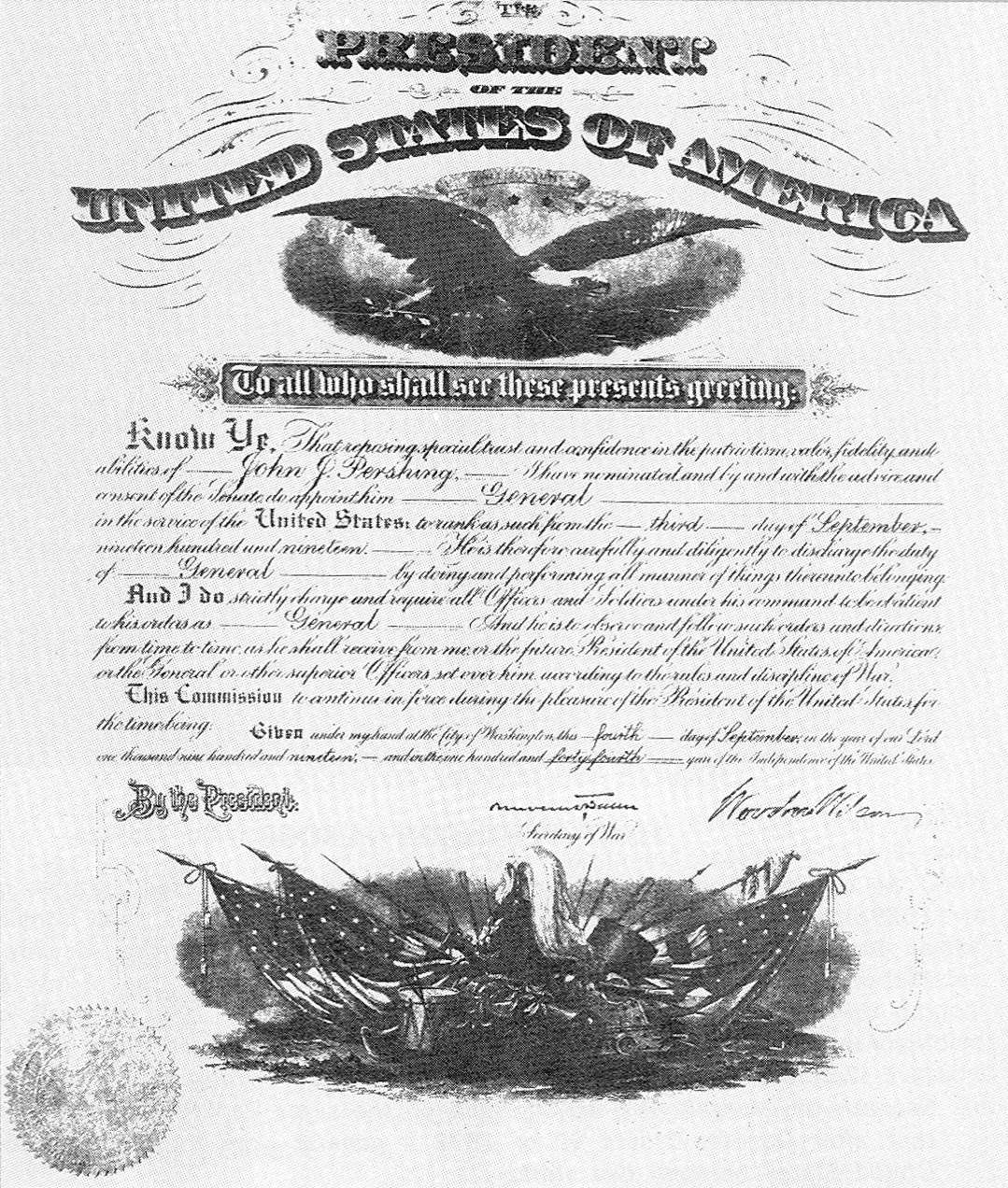
Pershing 1919 Commission as General of the Armies
United States Department of War · 3-4 September 1919
 Document
Primary source
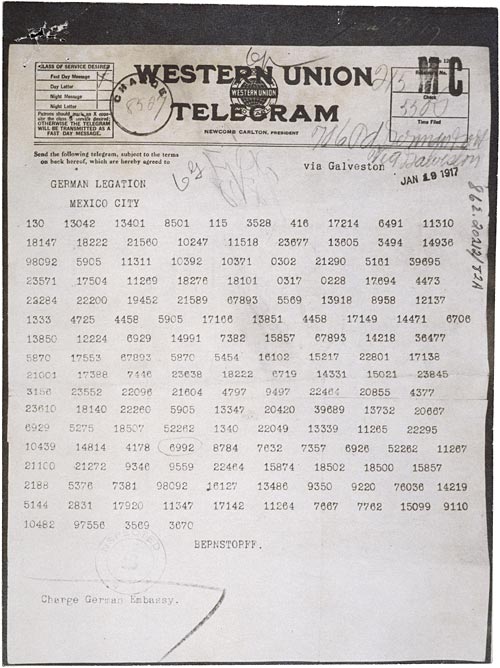
Zimmermann Telegram
Arthur Zimmermann · 1917
 Document
Secondary source
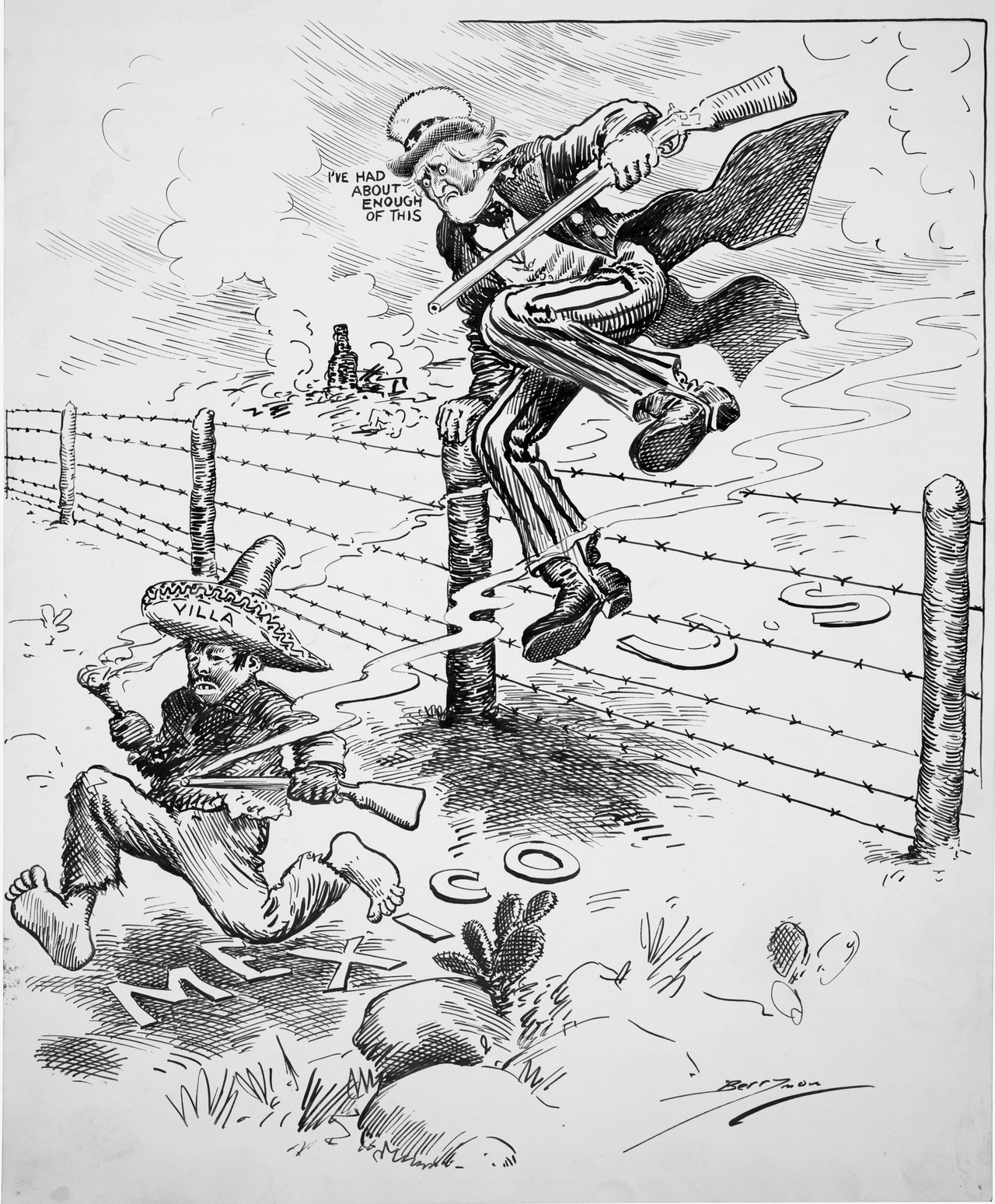
Pancho Villa Expedition
1916-1917
Ready when you are
Start chatting with General John J. Pershing now.
20 messages free · No credit card · Available in 50+ languages.