


Primary sourceArtifact1503–1519
Henry VII Lady Chapel, Westminster Abbey
Robert and William Vertue · 1503–1519
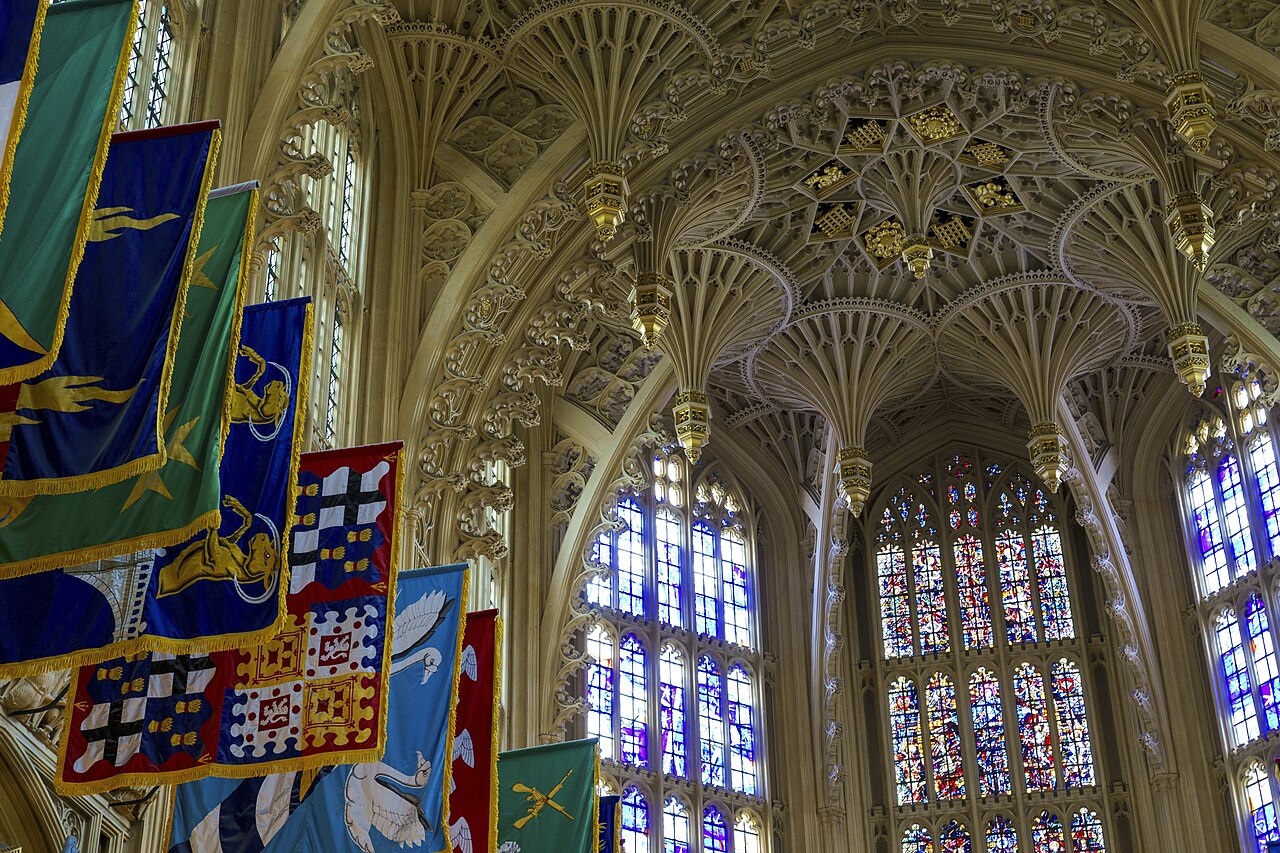
A richly decorated chapel built between 1503 and 1519 on Henry VII's orders as a mausoleum for his new Tudor dynasty.
Henry VII commissioned this chapel as his dynasty's mausoleum, making it a direct expression of his political aims.
Free Humy account · No credit card · 120,912 sources to read
About this source
What it is
This building is the Lady Chapel at Westminster Abbey, built from 1503 to 1519 under the master masons Robert and William Vertue. It was commissioned by King Henry VII as a chapel and dynastic mausoleum.
Why it matters
The chapel's carved decoration, including Tudor roses, portcullises and dragons, was designed to make a visual argument for the legitimacy of the new Tudor dynasty after years of civil war. It shows how Henry used architecture, not just politics and marriage, to secure his family's place in English history.
Look closer
- What symbols can you spot in the carvings, and what might each one have meant to people at the time?
- Why would a king spend money on such an elaborate building rather than something more practical?
- What does the chapel's grandeur suggest about how Henry wanted to be remembered?
This artifact is part of the curated material that grounds the AI version of Henry VII on Humy.ai — when students ask about related events, the AI can quote it and cite it.
More Henry VII sources
Browse all 98 →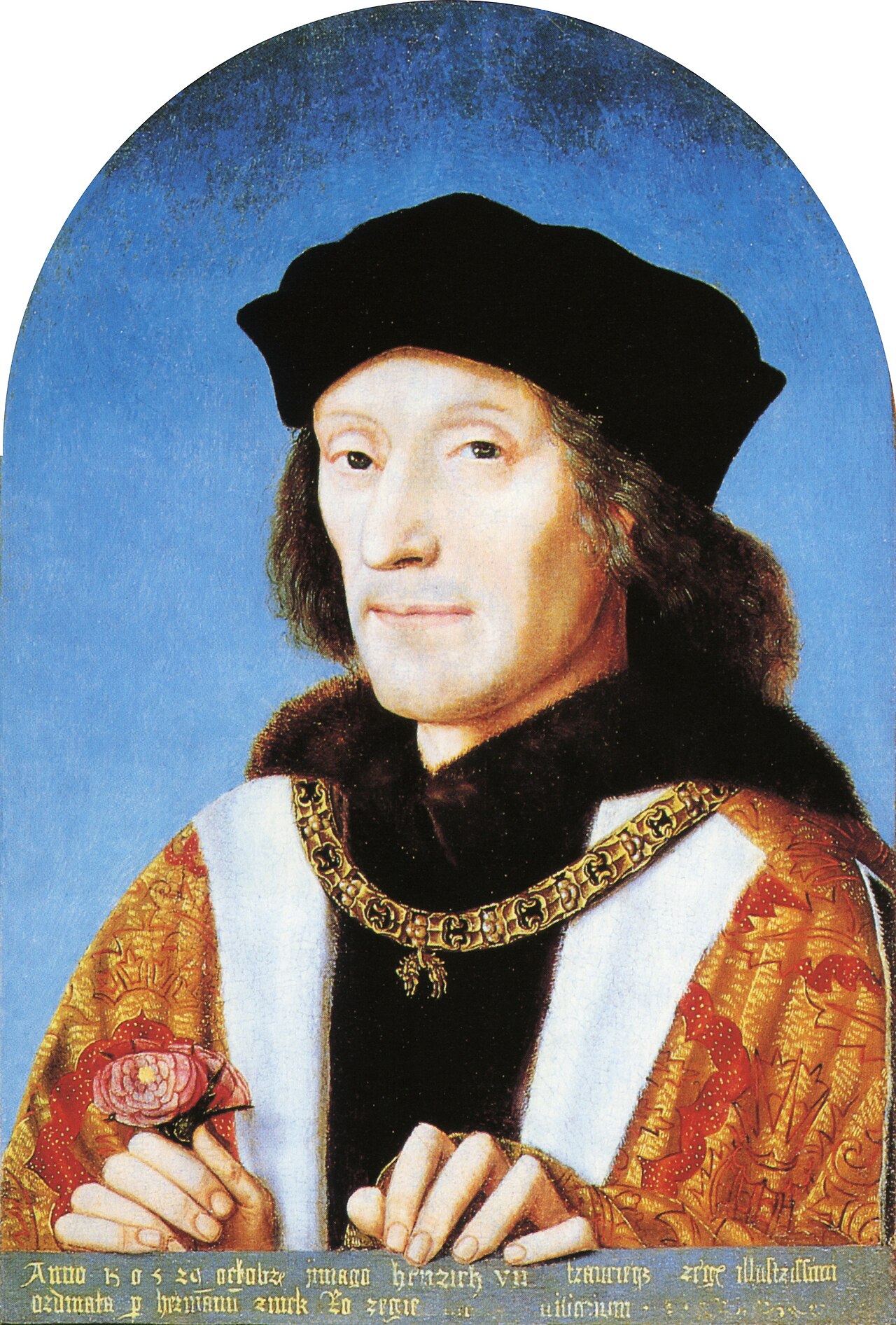 Painting
Primary source
King Henry VII
Unknown Netherlandish artist · 29 October 1505
 Sculpture
Secondary source
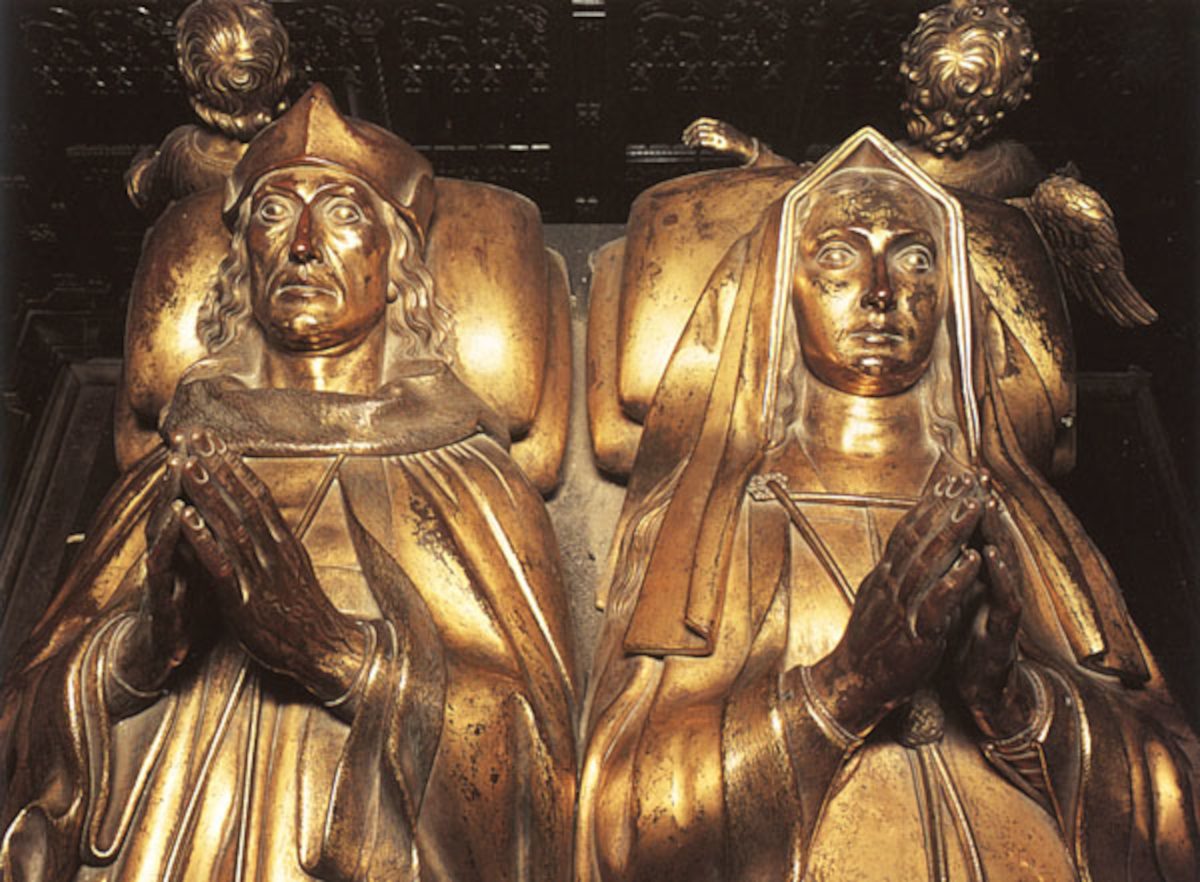
Tomb Effigies of Henry VII and Elizabeth of York
Pietro Torrigiano
 Document
Primary source
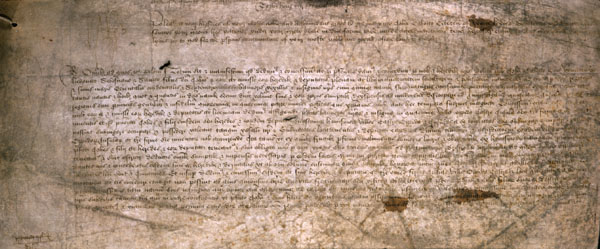
Letters Patent to John Cabot
Henry VII of England · 5 March 1496
Primary source
Anglica Historia
Polydore Vergil · drafted from 1505, printed 1534
Free account
Read every Henry VII source
Sign up free →
Ready when you are
Start chatting with Henry VII now.
20 messages free · No credit card · Available in 50+ languages.