


Primary sourceDocument5 March 1496
Letters Patent to John Cabot
Henry VII of England · 5 March 1496
The 1496 royal document in which Henry VII authorised John Cabot and his sons to sail west under the English crown and claim new lands.
This royal patent authorised Cabot's voyage, making him the named explorer licensed to sail and claim lands for England.
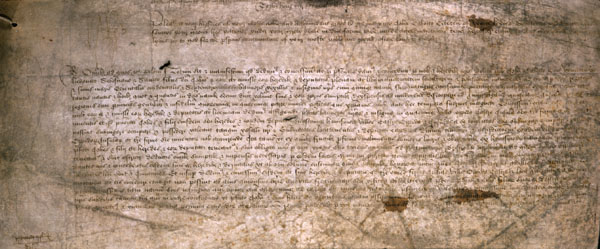
About this source
What it is
This is a parchment document issued by King Henry VII of England on 5 March 1496. It gave John Cabot and his three sons permission to sail under English flags, discover and claim lands unknown to Christians, and trade through the port of Bristol, with a share of profits going to the king.
Why it matters
The patent shows how European monarchs used legal paperwork to authorise and control overseas exploration. It reveals Henry VII's interest in competing with Spain and Portugal for new territory, and it formally launched Cabot's voyage that led to one of the earliest English-sponsored landings in North America.
Look closer
- Who benefits most from this document, the king or Cabot?
- What does the phrase about 'heathen lands' suggest about how Europeans viewed people already living there?
- Why do you think the king wanted a share of any profits?
This document is part of the curated material that grounds the AI version of John Cabot (Giovanni Caboto) on Humy.ai — when students ask about related events, the AI can quote it and cite it.
More John Cabot (Giovanni Caboto) sources
Meet the AI John Cabot (Giovanni Caboto) →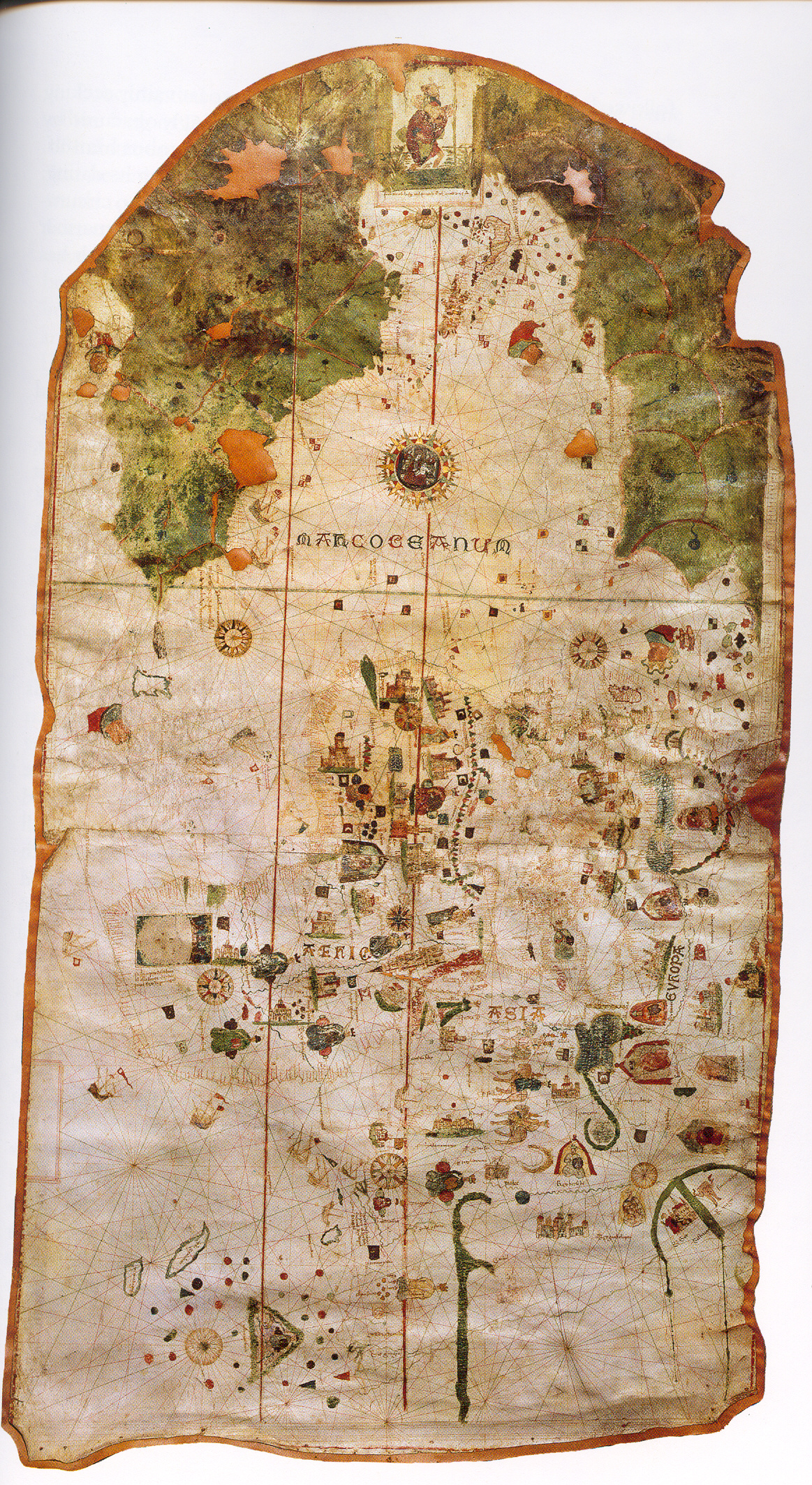 Document
Primary source
Map of Juan de la Cosa
Juan de la Cosa · 1500
 Document
Primary source
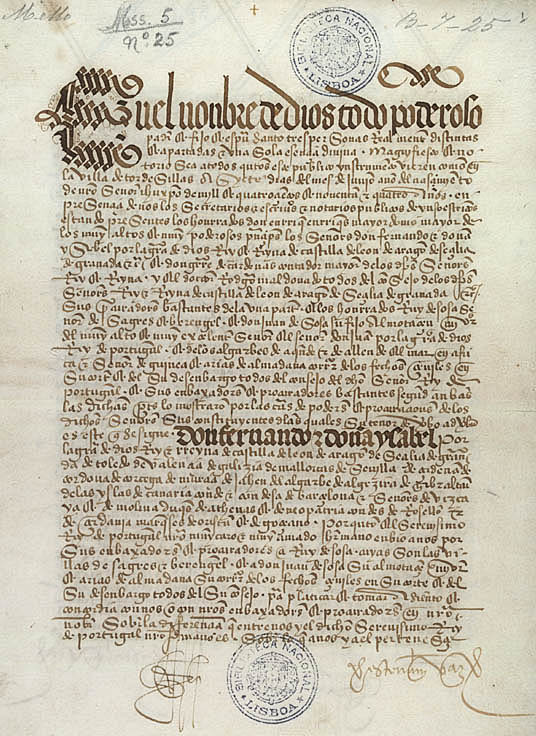
Treaty of Tordesillas
7 June 1494
 Artifact
Secondary source
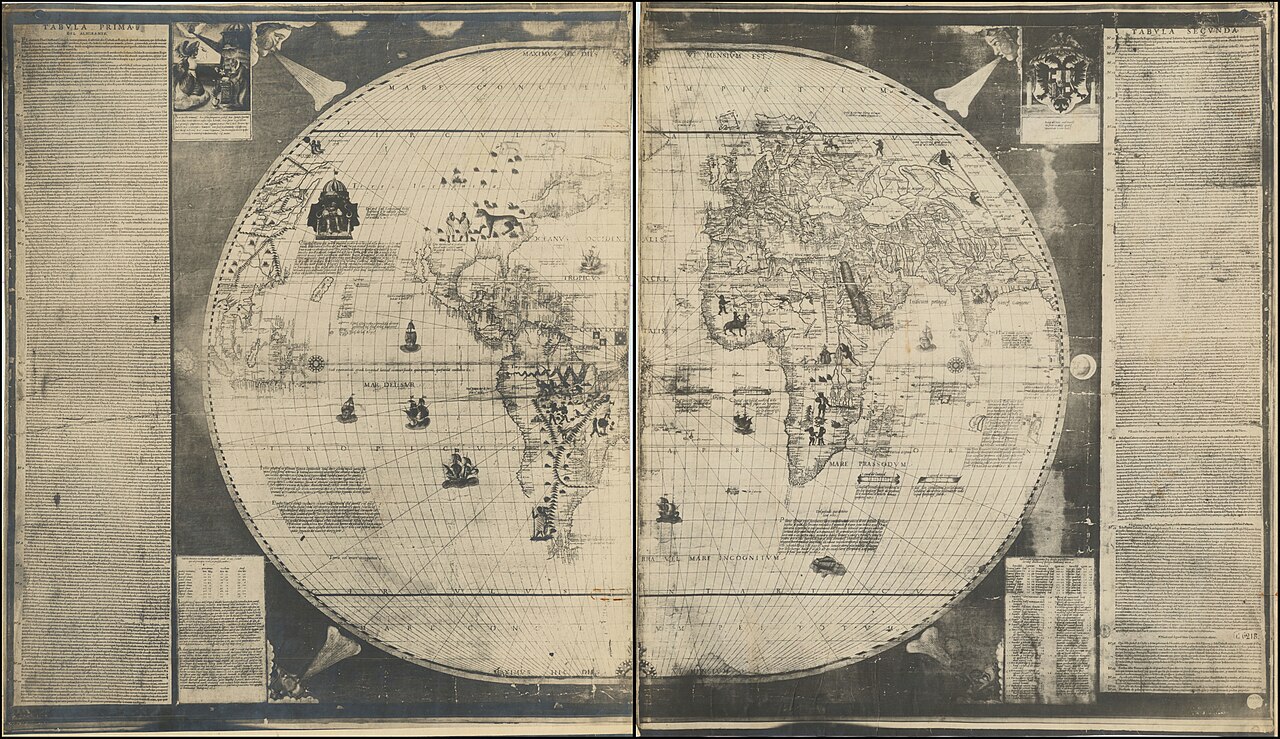
Sebastian Cabot's World Map of 1544
Sebastian Cabot · 1544
 Painting
Secondary source
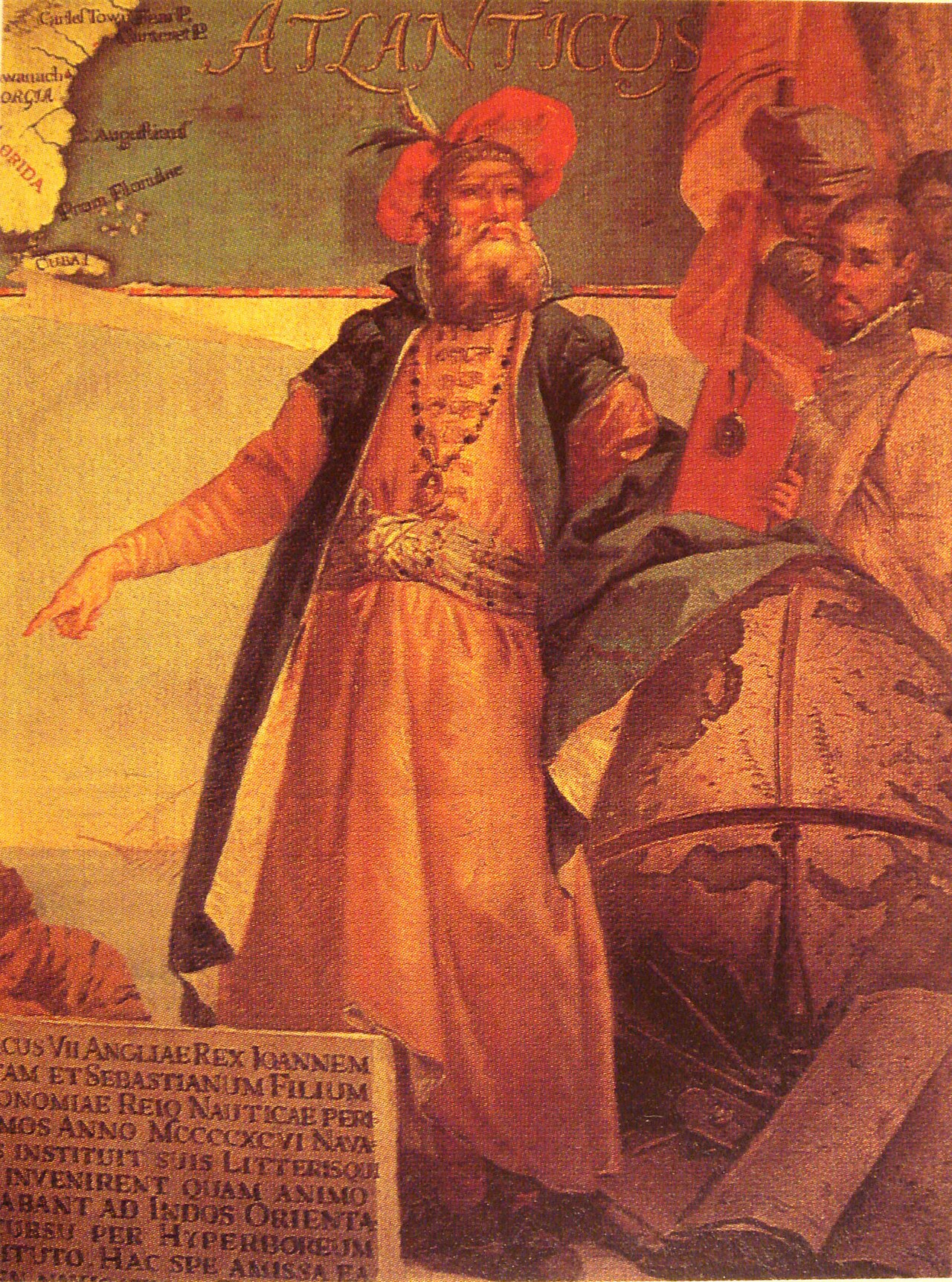
Portrait of John Cabot
 Artifact
Secondary source
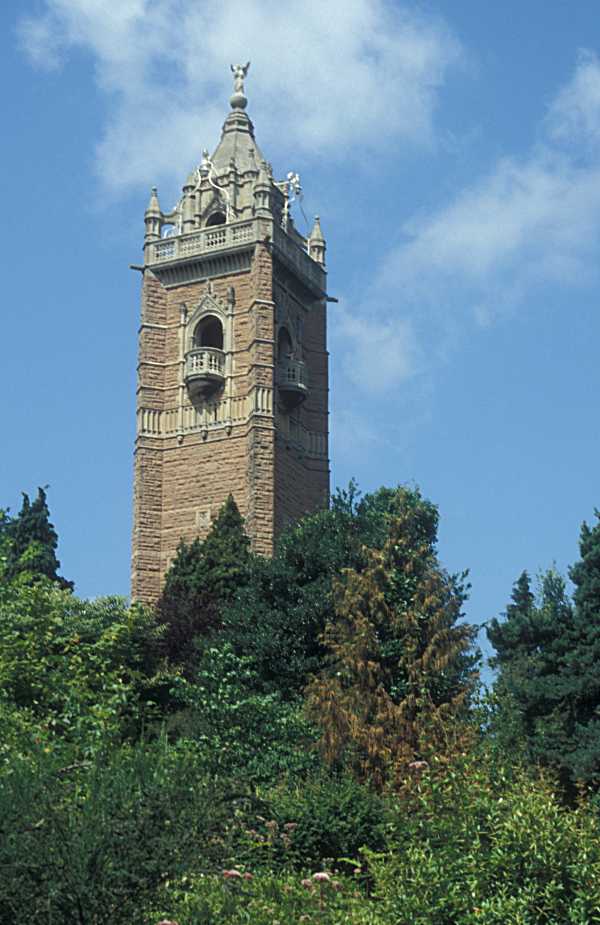
Cabot Tower, Bristol
William Venn Gough · 1898
Ready when you are
Start chatting with John Cabot (Giovanni Caboto) now.
20 messages free · No credit card · Available in 50+ languages.