


Secondary sourcePainting
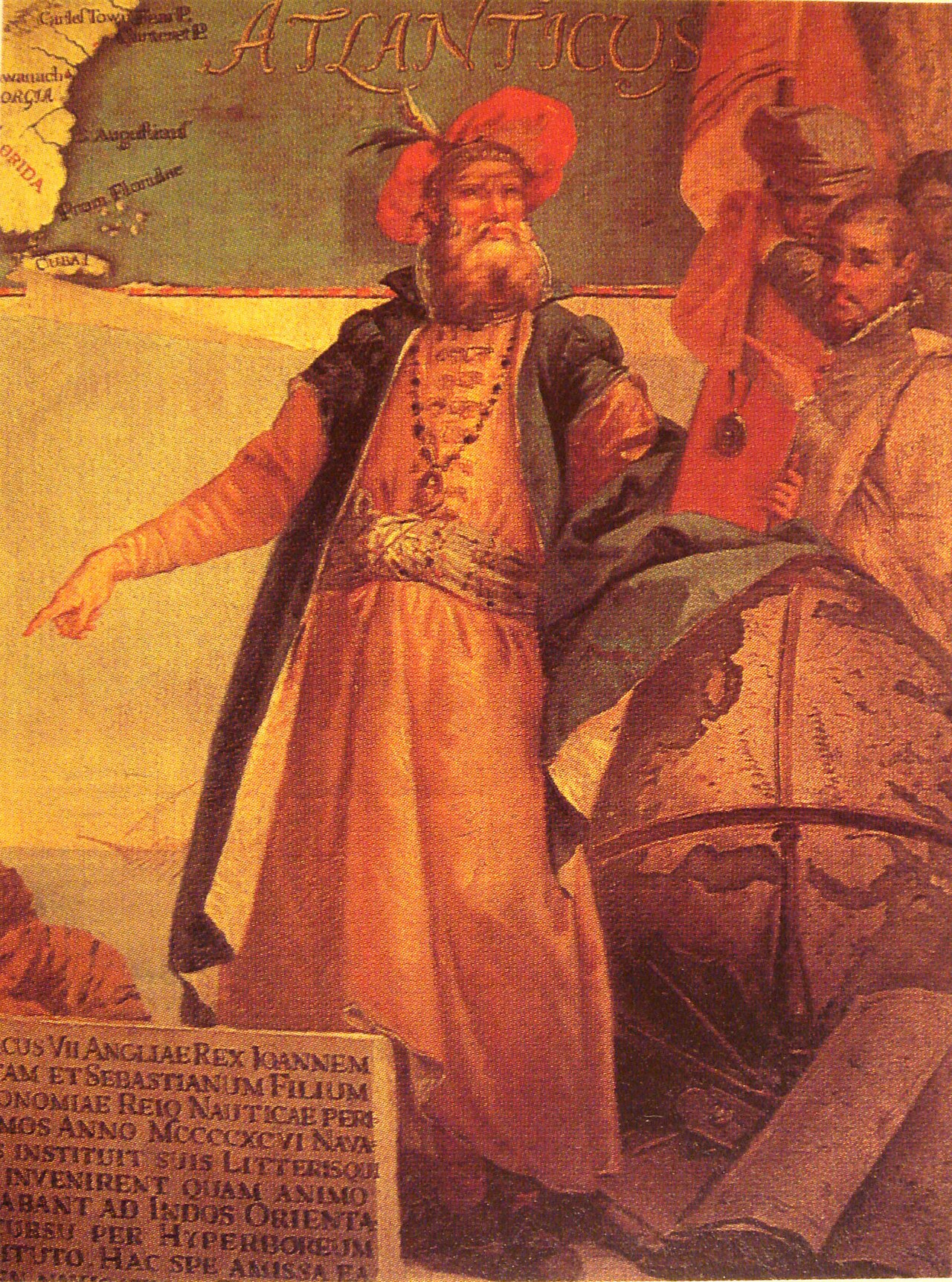
Portrait of John Cabot
An imagined later portrait of John Cabot, since no image of him survives from his own lifetime.
This is a conventional imagined likeness of Cabot, useful for discussing how explorers without real portraits were later visualised.
About this source
What it is
This painting shows a bearded man in a feathered hat and robe, pointing toward a map with place names including Florida and Cuba, along with a globe and a Latin inscription. It is conventionally identified as a portrait of John Cabot, though no likeness made during his lifetime exists.
Why it matters
Because no authentic portrait of Cabot survives, later artists imagined how he might have looked, often surrounding him with maps and globes to signal his identity as an explorer. This painting shows how historical figures without a true likeness get a visual identity constructed long after they lived, shaping how the public remembers them.
Look closer
- What details in the painting tell you this is meant to represent an explorer, even without knowing it is labelled Cabot?
- Why might artists include a map and globe in an imagined portrait like this?
- What problems can arise when we treat an imagined image as if it were a true likeness?
This painting is part of the curated material that grounds the AI version of John Cabot (Giovanni Caboto) on Humy.ai — when students ask about related events, the AI can quote it and cite it.
More John Cabot (Giovanni Caboto) sources
Meet the AI John Cabot (Giovanni Caboto) →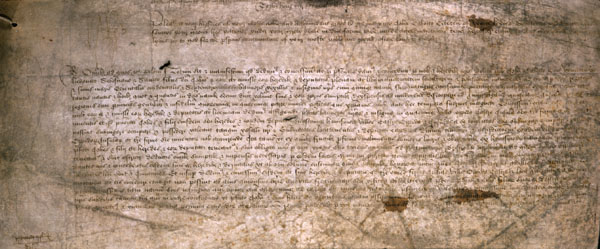 Document
Primary source
Letters Patent to John Cabot
Henry VII of England · 5 March 1496
 Document
Primary source
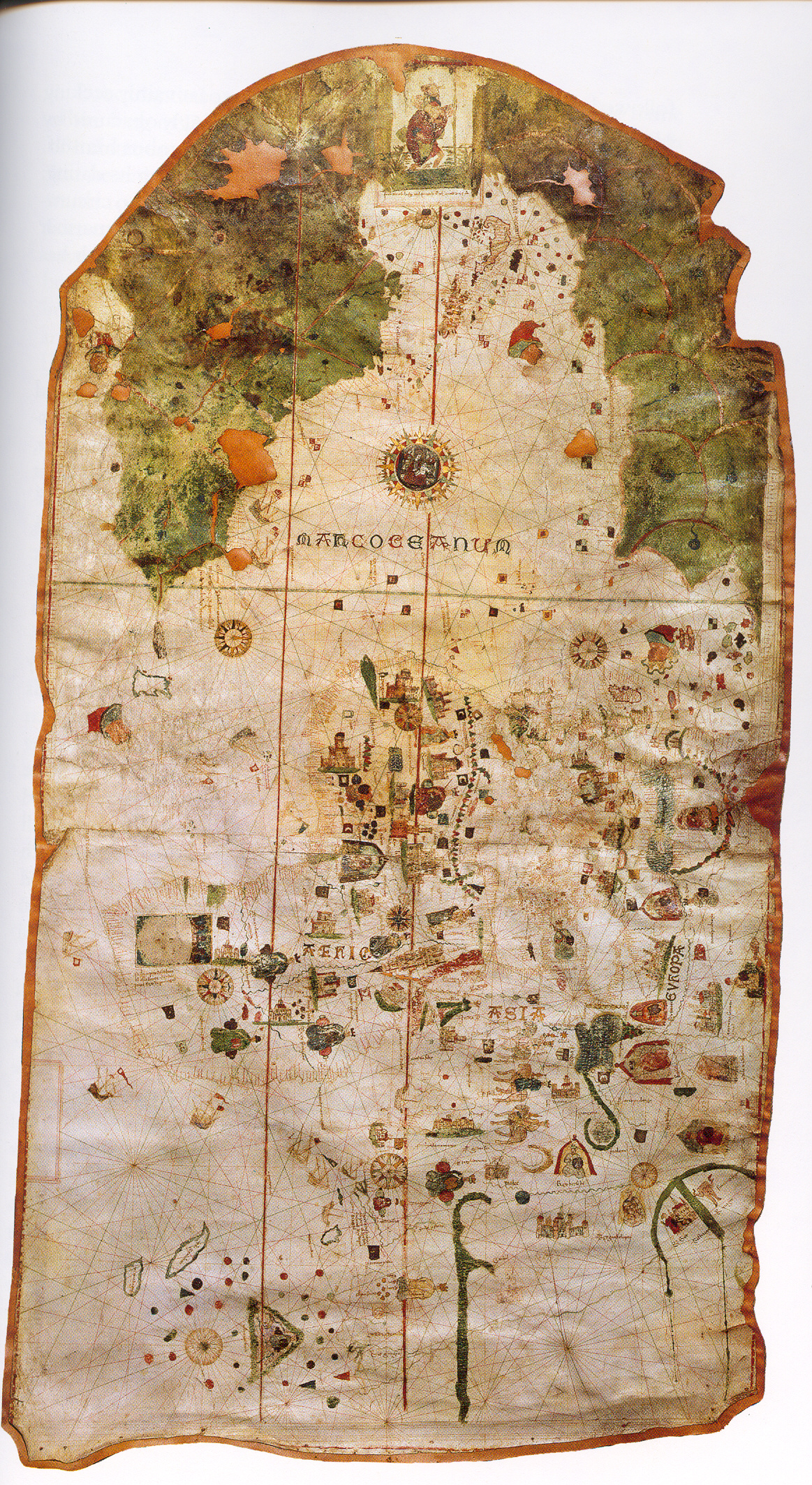
Map of Juan de la Cosa
Juan de la Cosa · 1500
 Document
Primary source
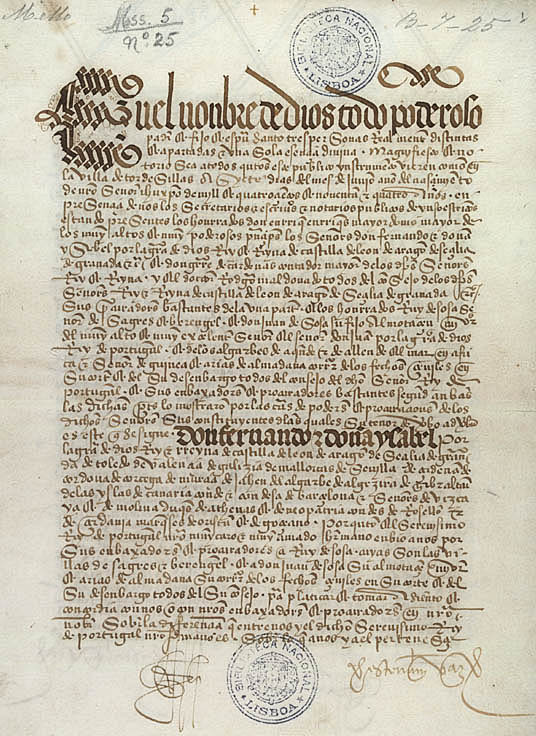
Treaty of Tordesillas
7 June 1494
 Artifact
Secondary source
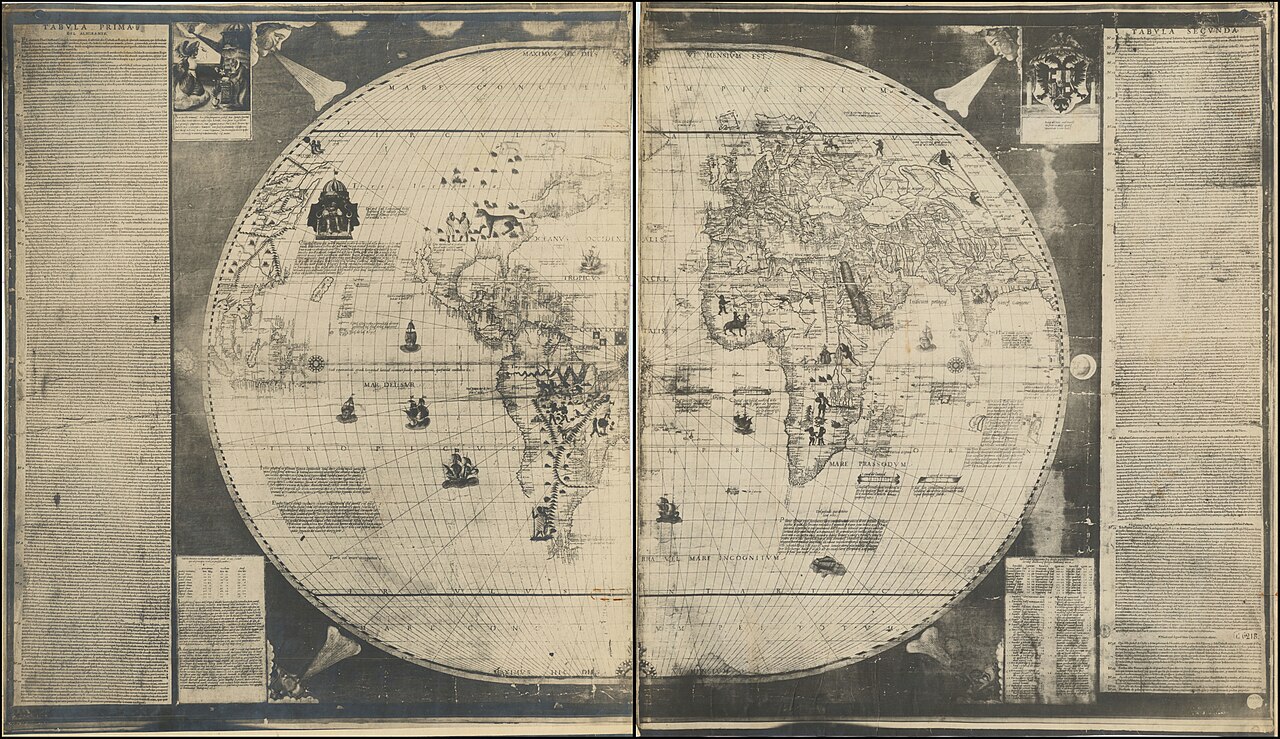
Sebastian Cabot's World Map of 1544
Sebastian Cabot · 1544
 Artifact
Secondary source
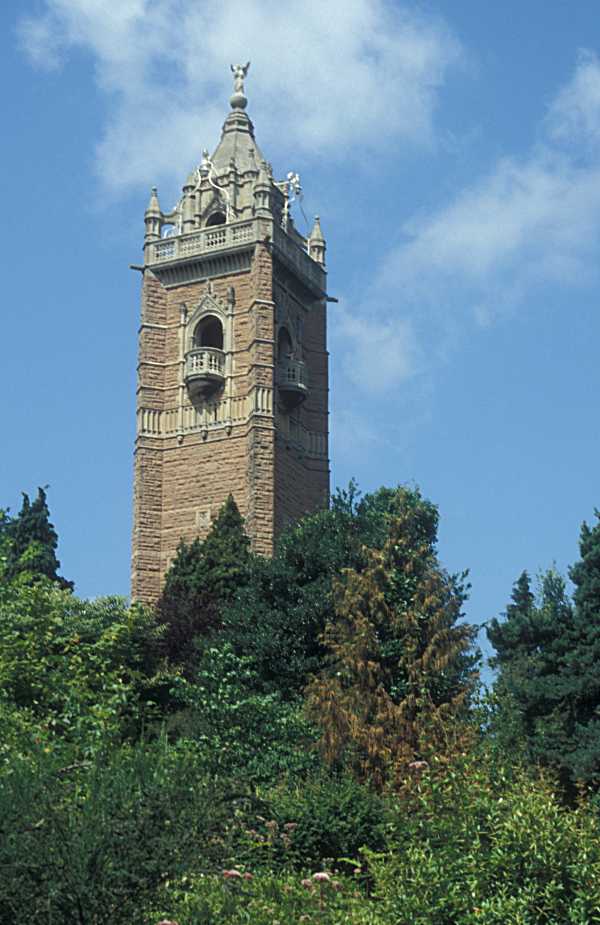
Cabot Tower, Bristol
William Venn Gough · 1898
Ready when you are
Start chatting with John Cabot (Giovanni Caboto) now.
20 messages free · No credit card · Available in 50+ languages.