


Primary sourceDocument1431
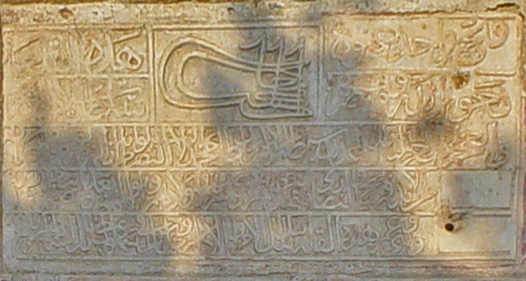
Heptapyrgion Foundation Inscription
1431
A stone inscription from Thessaloniki recording Murad II's rebuilding of the city's fortress after its capture.
Murad II commissioned this inscription to mark his rebuilding of the fortress just after conquering Thessaloniki.
About this source
What it is
This is an Ottoman foundation inscription carved in stone, dated 1431, found at the Heptapyrgion fortress in Thessaloniki. It records the Ottoman reconstruction of a fortress that had originally been Byzantine.
Why it matters
This inscription was commissioned by Murad II shortly after his forces captured Thessaloniki from Venetian control. It shows how Ottoman rulers used building inscriptions to publicly announce their rebuilding and claiming of conquered territory, turning an old Byzantine structure into a visible symbol of new Ottoman rule.
Look closer
- Why would a new ruler want to rebuild and inscribe an old fortress rather than build somewhere new?
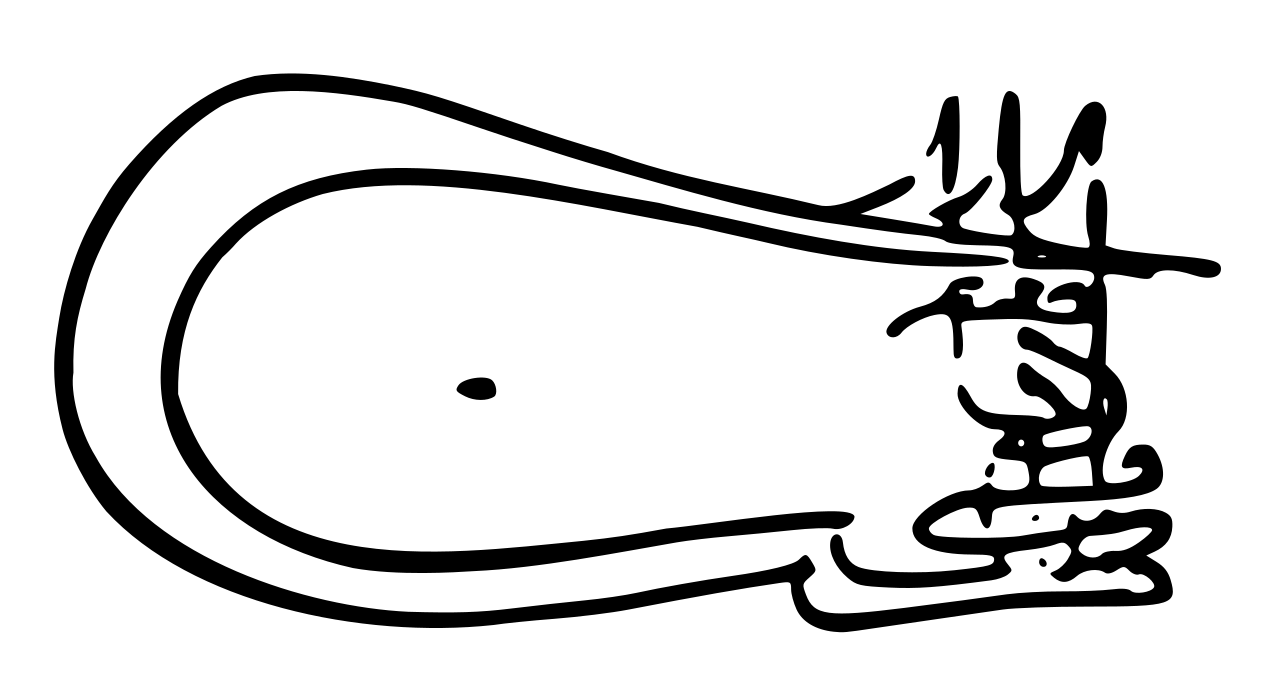
- What does placing a tughra-style emblem on the inscription suggest about how rulers marked their achievements?
- What does this inscription NOT tell us about the people who lived in Thessaloniki at the time?
This document is part of the curated material that grounds the AI version of Murad II on Humy.ai — when students ask about related events, the AI can quote it and cite it.

Ready when you are
Start chatting with Murad II now.
20 messages free · No credit card · Available in 50+ languages.