


Primary sourceDocument1421-1451
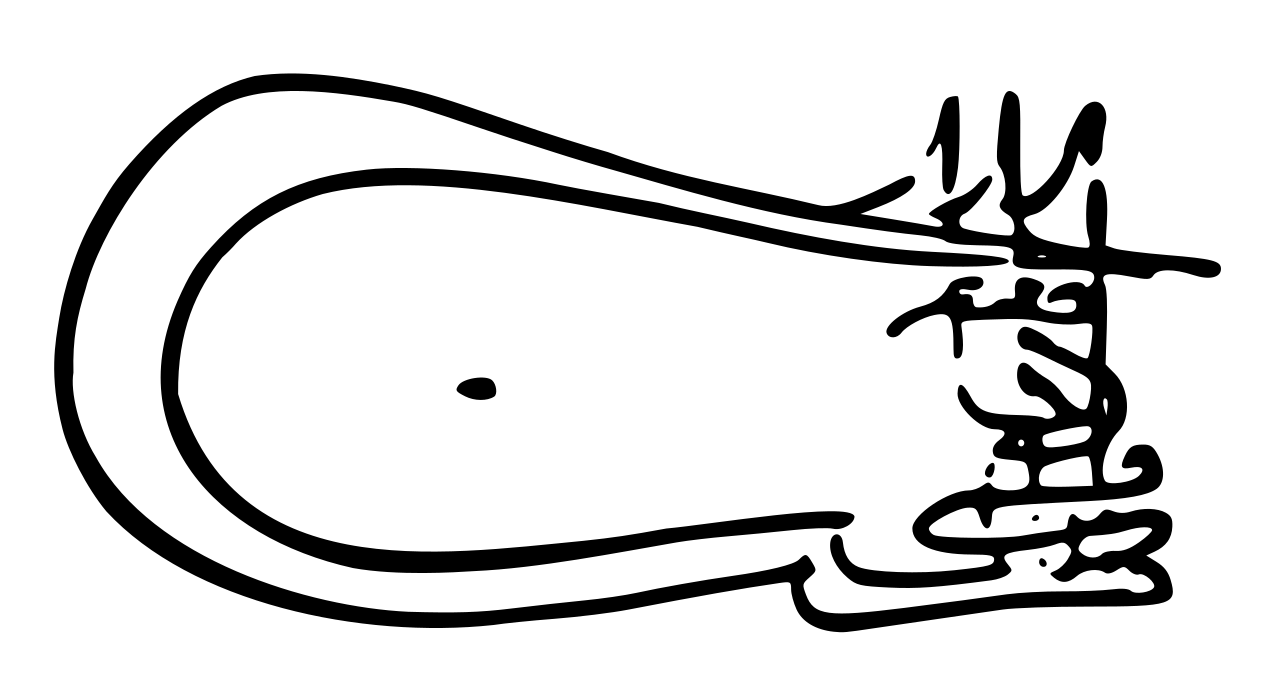
Tughra of Murad II
1421-1451
The calligraphic imperial monogram used by Murad II to authenticate his official decrees.
This tughra is Murad II's personal emblem of sovereign authority, used to authenticate his decrees.
About this source
What it is
This is the tughra, or calligraphic signature, of Sultan Murad II, who ruled the Ottoman Empire from 1421 to 1451. A tughra was a stylized monogram used by Ottoman sultans to mark official documents.
Why it matters
The tughra served as the visible symbol of a sultan's sovereign authority, appearing on decrees and documents to show they carried the ruler's power. Studying it helps us understand how Ottoman rulers communicated authority through art and writing rather than through a simple written name.
Look closer
- What makes this mark different from an ordinary signature?
- Why might rulers want a unique, elaborate symbol rather than just writing their name?
- What might this tell us about the importance placed on official documents in the Ottoman state?
This document is part of the curated material that grounds the AI version of Murad II on Humy.ai — when students ask about related events, the AI can quote it and cite it.
Ready when you are
Start chatting with Murad II now.
20 messages free · No credit card · Available in 50+ languages.