


Primary sourceArtifact1723
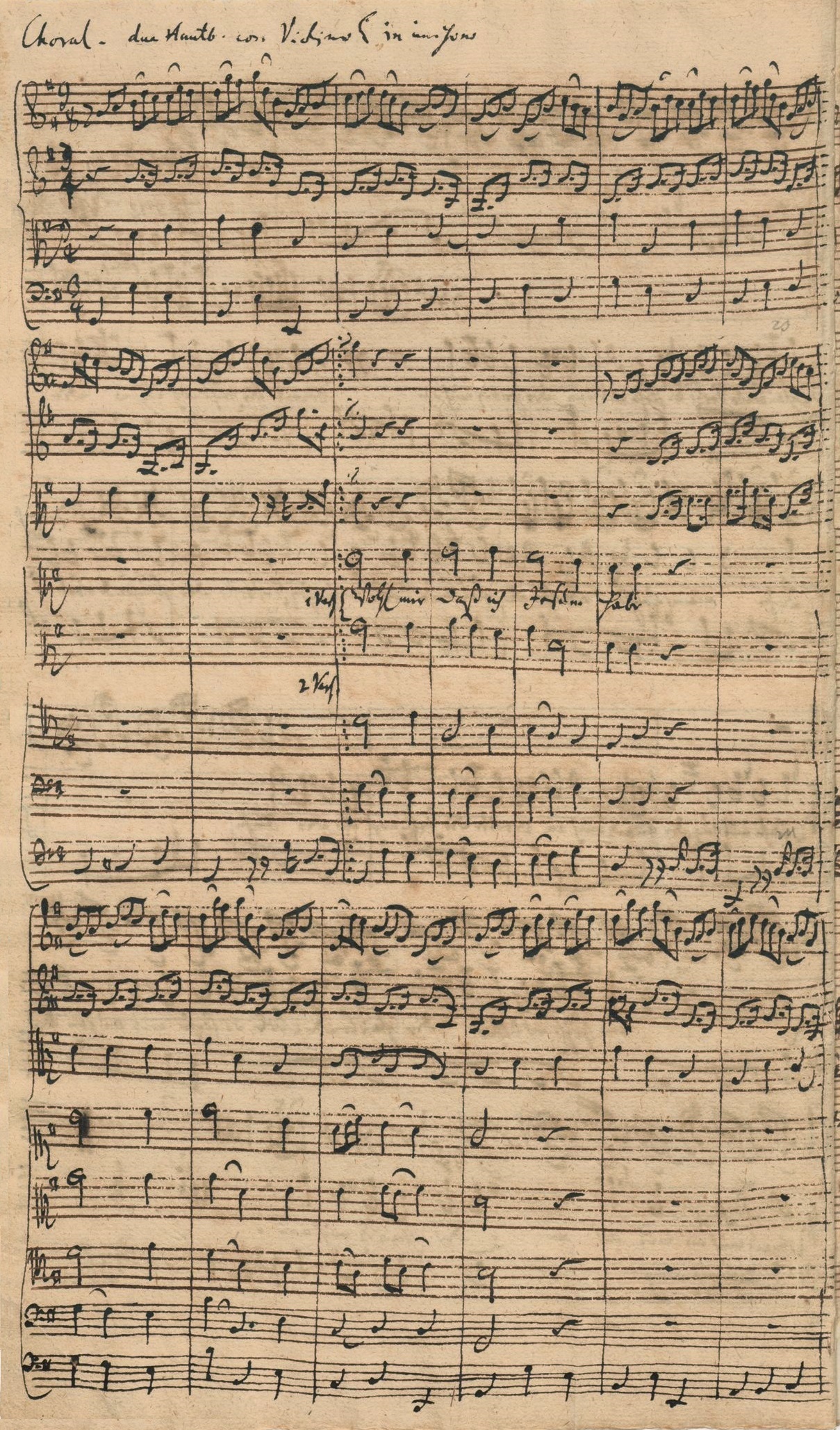
Herz und Mund und Tat und Leben, BWV 147
Johann Sebastian Bach · 1723
A church cantata by Bach, composed for his first year in Leipzig, whose closing chorale became famous as 'Jesu, Joy of Man's Desiring'.
Bach composed this cantata himself for Leipzig, reworking an earlier piece into one of his most famous works.
About this source
What it is
This is a church cantata by Johann Sebastian Bach, written in 1723 for the feast of the Visitation during his first year as Thomaskantor in Leipzig. Bach based it on an earlier cantata he had written in Weimar in 1716, expanding it with new text, likely written by an anonymous librettist, while the original Weimar text was by court poet Salomo Franck.
Why it matters
The cantata shows how Bach reworked earlier music to meet the demands of his new job, where he had to supply music for services throughout the year. Its closing chorale, based on a 1661 hymn, later became known worldwide in a piano transcription as
This artifact is part of the curated material that grounds the AI version of Johann Sebastian Bach on Humy.ai — when students ask about related events, the AI can quote it and cite it.
More Johann Sebastian Bach sources
Meet the AI Johann Sebastian Bach →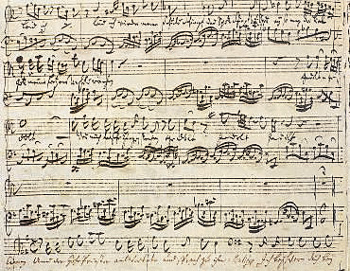 Book
Primary source
St Matthew Passion
Johann Sebastian Bach · 1727
 Book
Primary source
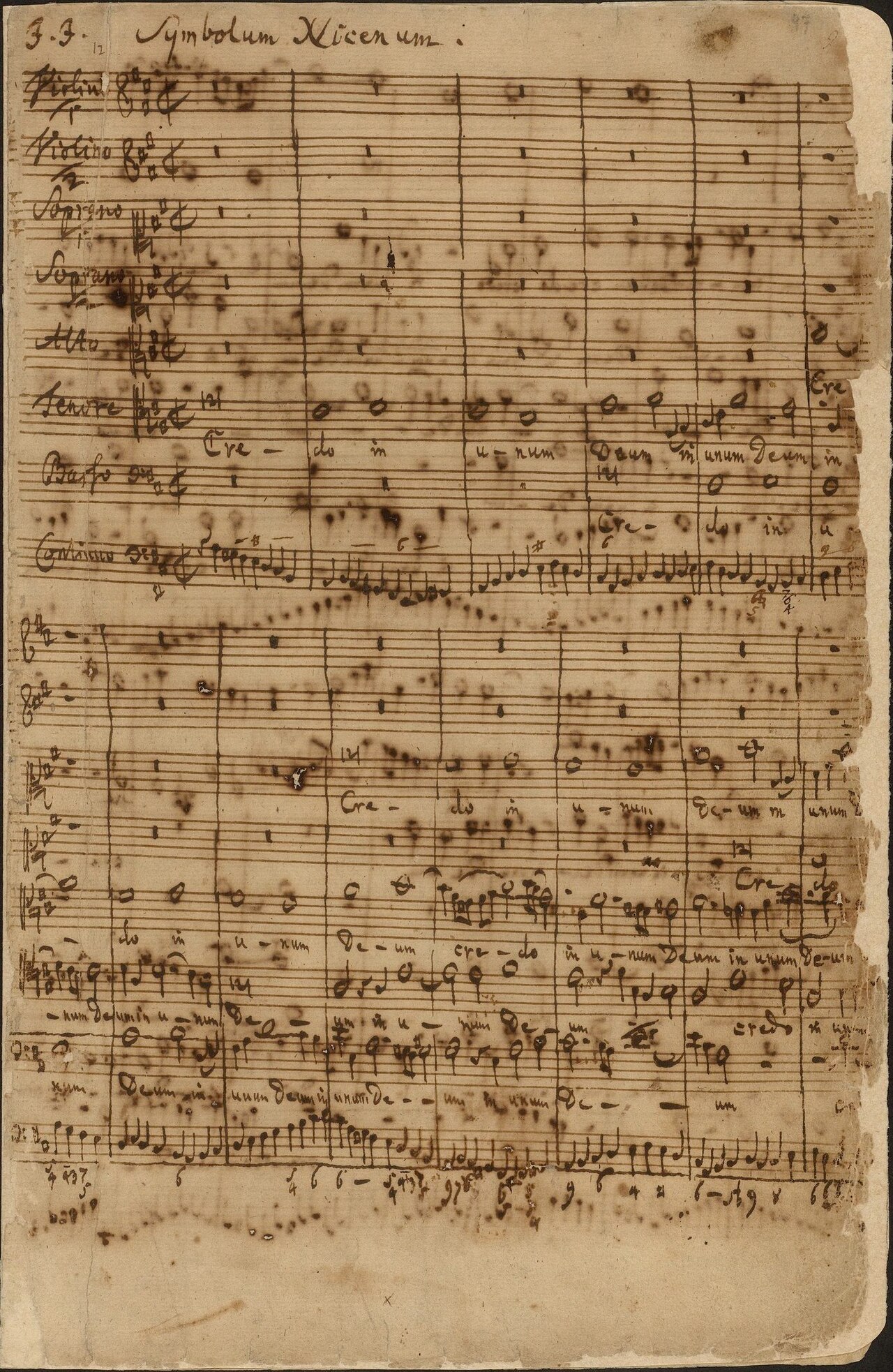
Mass in B minor
Johann Sebastian Bach · completed 1749
 Book
Primary source
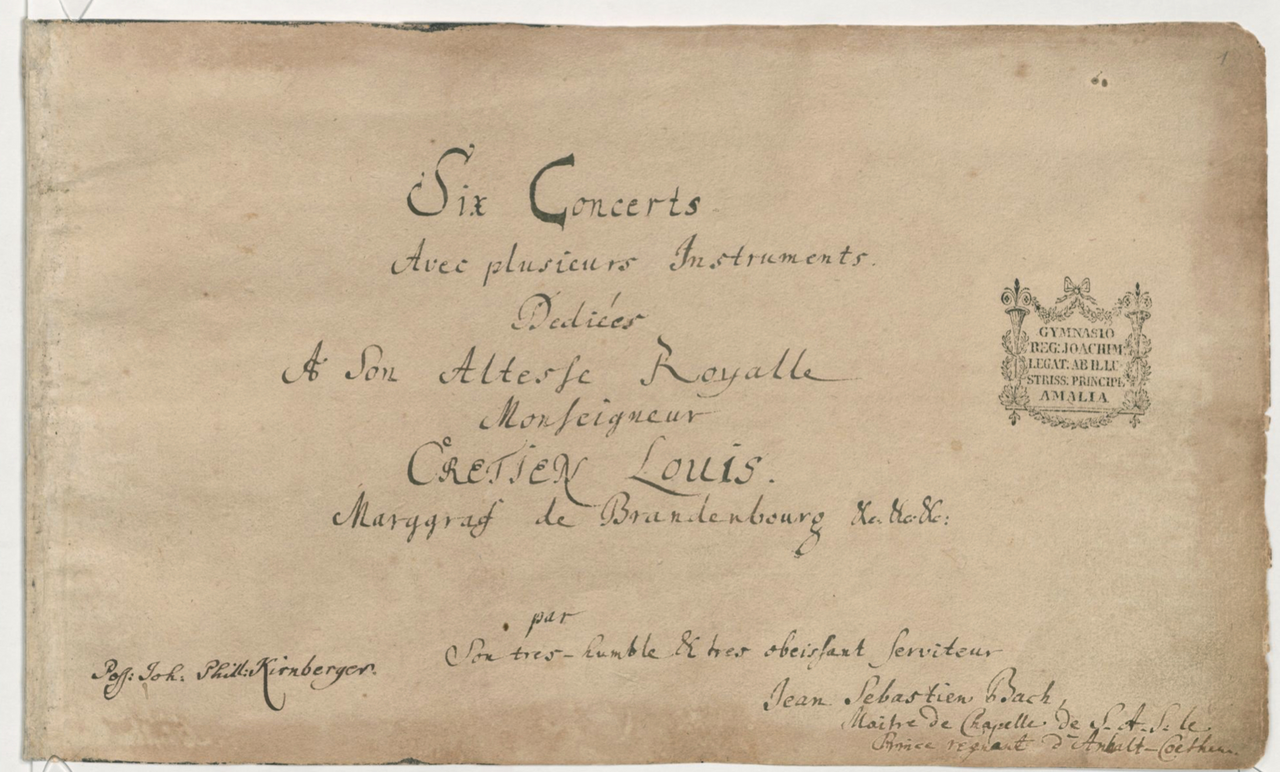
Brandenburg Concertos
Johann Sebastian Bach · 1721
 Book
Primary source
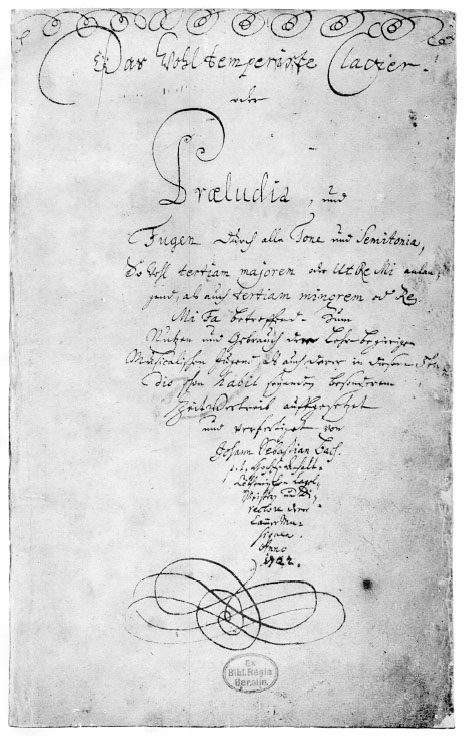
The Well-Tempered Clavier
Johann Sebastian Bach · 1722 (Book 1); 1742 (Book 2)
 Painting
Primary source
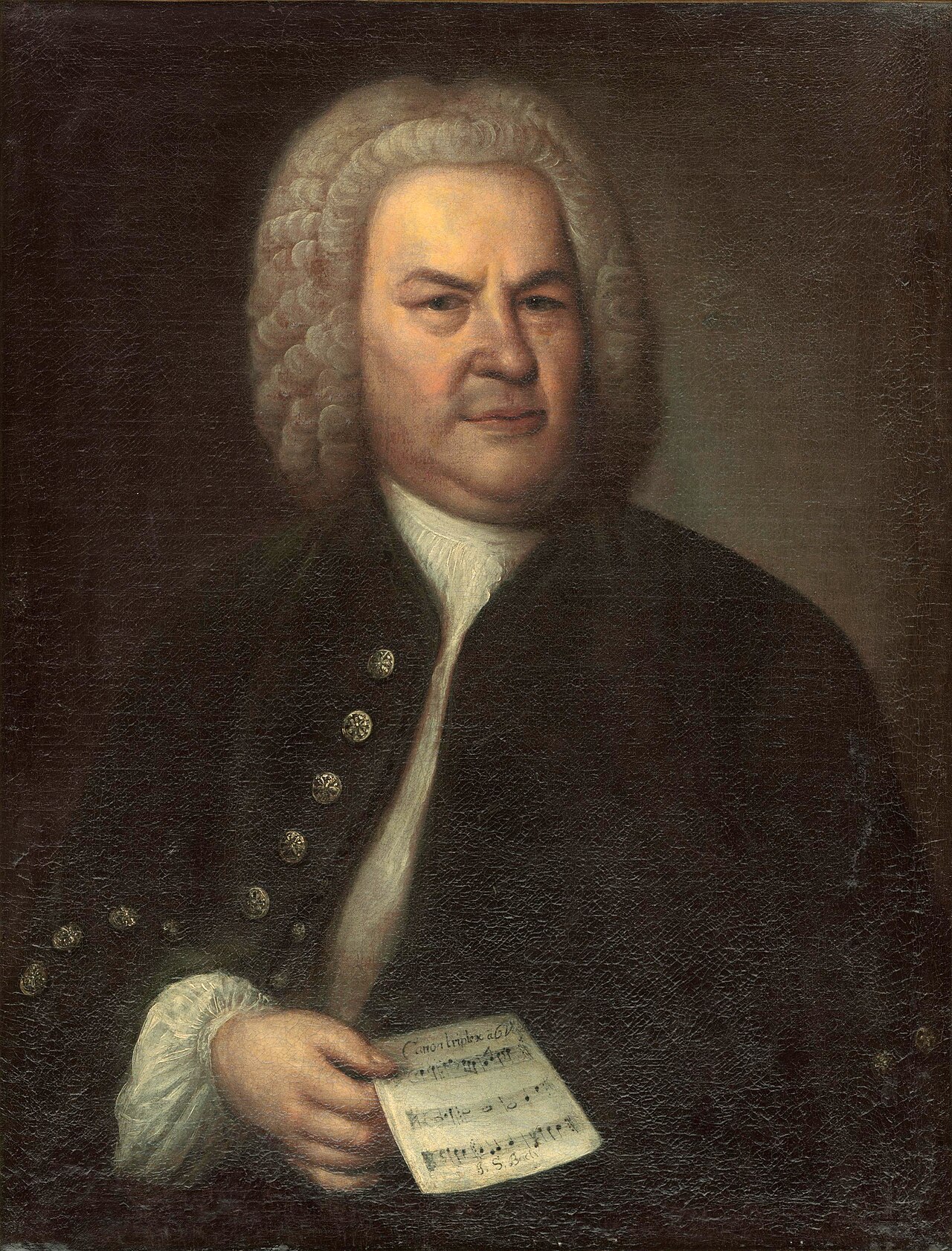
Portrait of Bach
Elias Gottlob Haussmann · 1746
Ready when you are
Start chatting with Johann Sebastian Bach now.
20 messages free · No credit card · Available in 50+ languages.