


Secondary sourcePainting1832
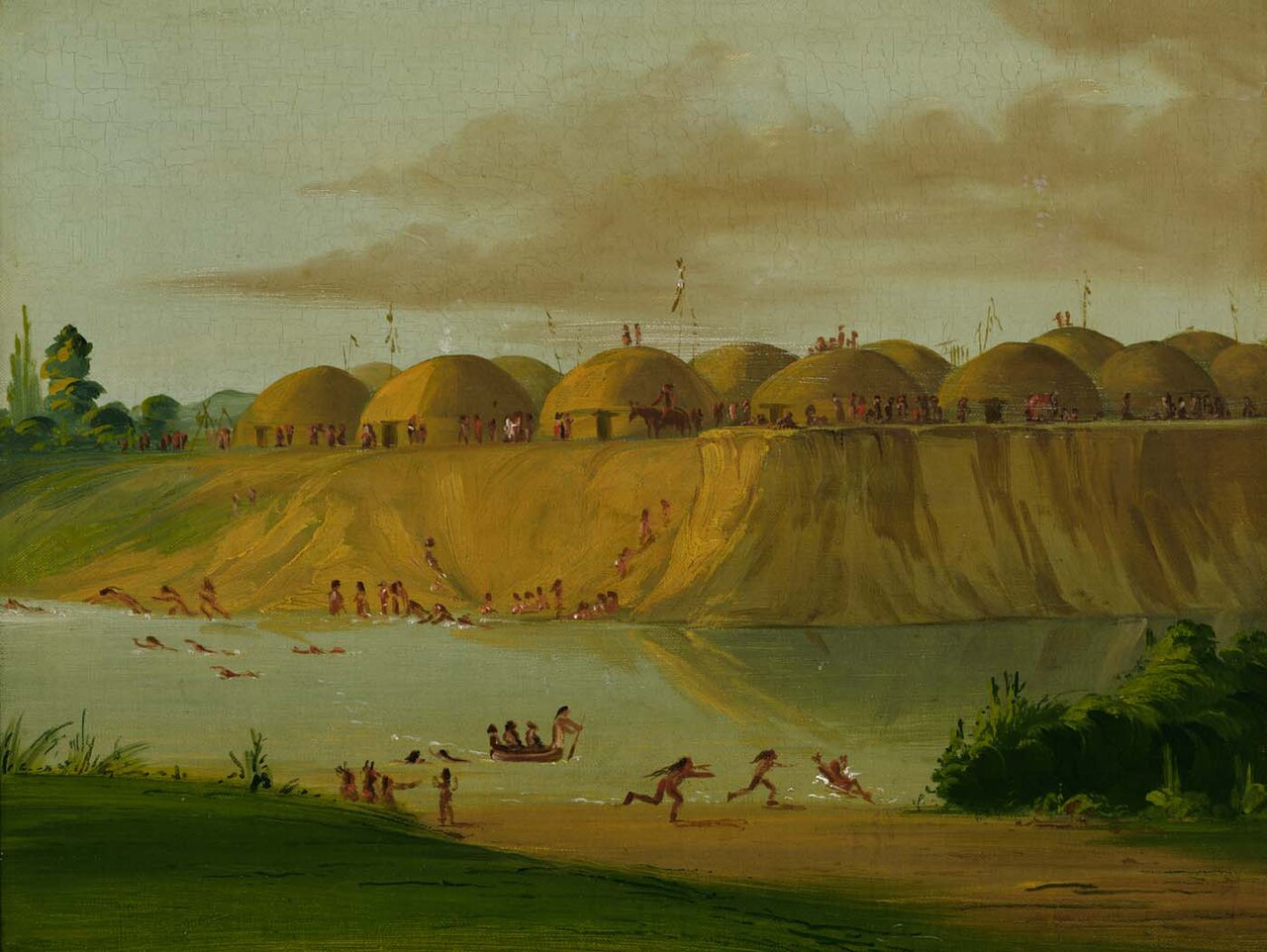
Hidatsa Village, Earth-covered Lodges, on the Knife River
George Catlin · 1832
An 1832 painting by George Catlin of a Hidatsa village, showing the kind of community where Sacagawea lived as a captive and wife.
Shows the type of Hidatsa village where Sacagawea lived as a captive and later as a wife.
About this source
What it is
This is a painting by George Catlin from 1832, now held by the Smithsonian American Art Museum. It shows a Hidatsa village of large domed earth-covered lodges on a bluff above a river, with people walking, swimming, and canoeing nearby.
Why it matters
Catlin painted Hidatsa villages along the Knife River within a generation of the Lewis and Clark expedition. According to the curator's note, this is the kind of community where Sacagawea lived after being taken captive and where she later lived as a wife near Fort Mandan. The painting offers a visual sense of the world she inhabited, though it was made by an outside artist years after she was there.
Look closer
- What does the painting show about how the Hidatsa built and used their village space?
- Catlin was not Hidatsa himself — how might that affect what he chose to paint and how?
- What parts of daily life might a single painted scene leave out?
This painting is part of the curated material that grounds the AI version of Sacajawea and George Catlin on Humy.ai — when students ask about related events, the AI can quote it and cite it.
More Sacajawea sources
Meet the AI Sacajawea →Primary source
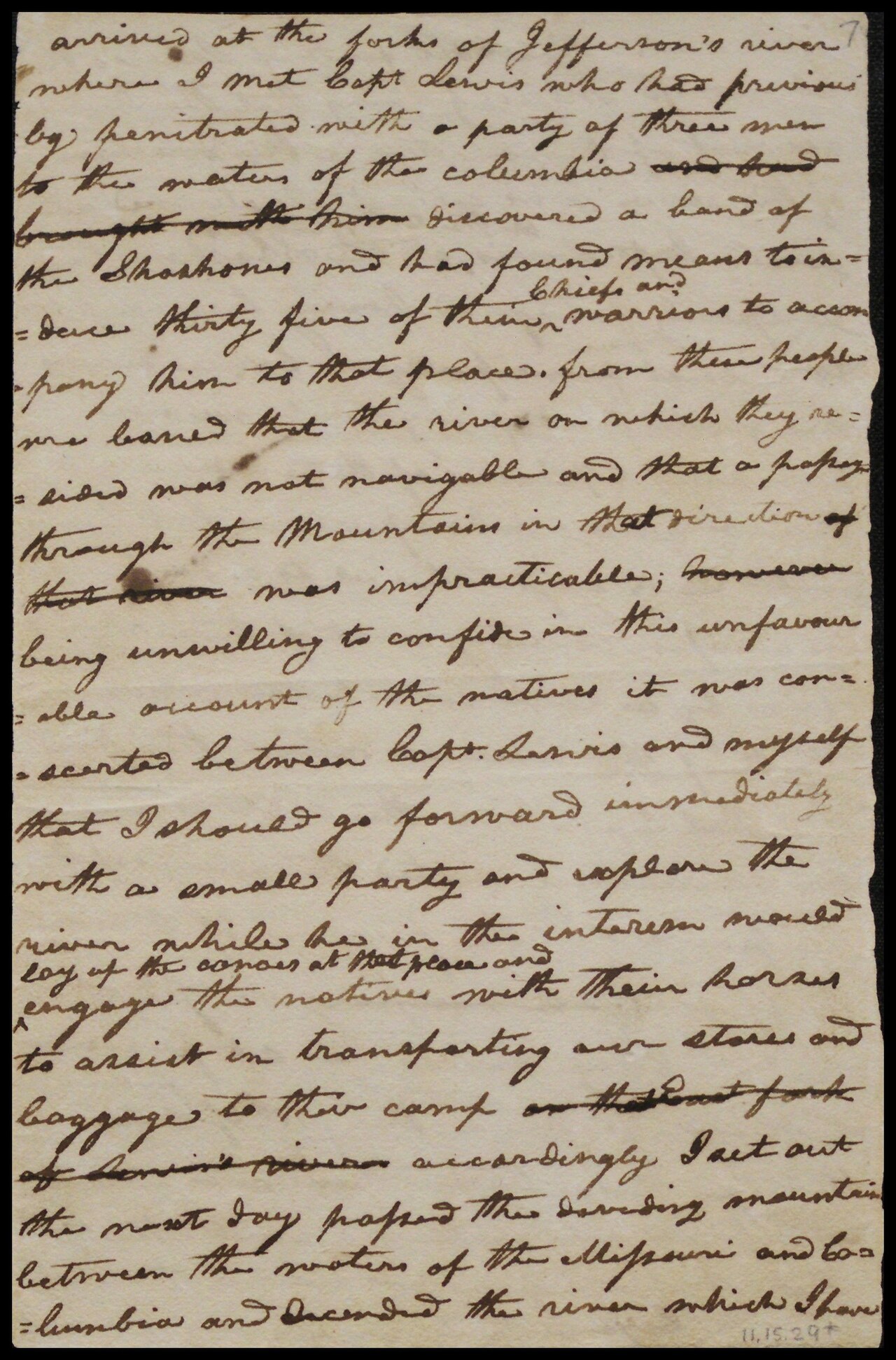
Journals of the Lewis and Clark Expedition
Meriwether Lewis and William Clark · 1804–1806
 Letter
Primary source
William Clark's Letter to Toussaint Charbonneau
William Clark · 20 August 1806
 Document
Primary source
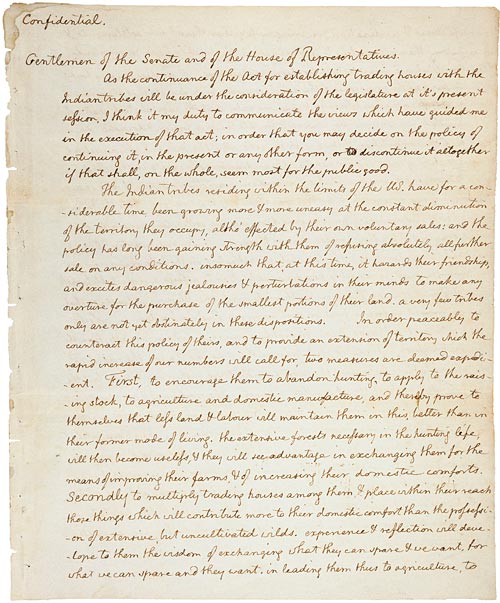
Jefferson's Secret Message to Congress Regarding the Lewis and Clark Expedition
Thomas Jefferson · 18 January 1803
Primary source
Louisiana Purchase Treaty
30 April 1803
 Artifact
Primary source
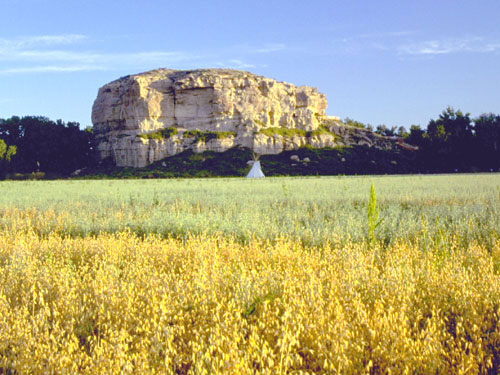
Pompeys Pillar National Monument
William Clark · carved 25 July 1806; designated monument 2001
Ready when you are
Start chatting with Sacajawea now.
20 messages free · No credit card · Available in 50+ languages.