


Primary sourcePhotograph1913
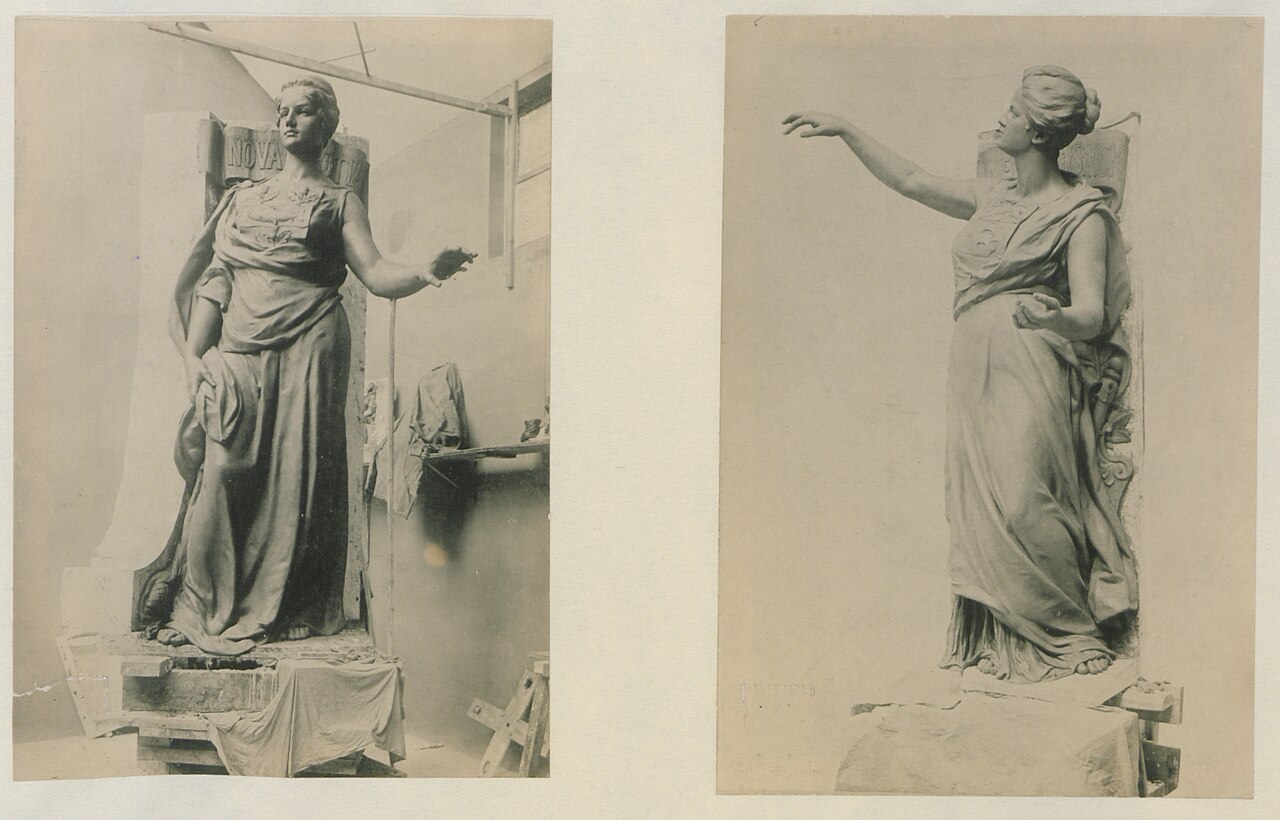
High reliefs of the Cartier Memorial, 1913 photograph
E. W. Villeneuve · 1913
A 1913 photograph pair showing plaster or clay relief figures made for the Cartier Memorial. They show the memorial's artwork in close detail.
Documents the relief sculptures of the memorial to Cartier, showing the artwork created to honour him.
About this source
What it is
This is a pair of sepia photographs, taken in 1913 by E. W. Villeneuve, of relief sculptures made for the Cartier Memorial. The archive record gives the original caption 'Haut reliefs Cartier memorial.' The image shows two standing female figures in draped robes. The left figure stands in a studio with tools behind it, and the right figure raises one arm against a plain background. The description notes that the figures seem to be plaster or clay, and that fragments of inscription are visible on the backing panels.
Why it matters
Photographs like these recorded the artwork of a memorial in detail, before and during its making. They connect the monument to the artists who shaped it. The image does not show Cartier himself. It shows how his memory was given form by the sculptor and the photographer who documented the work. The facts do not say how the reliefs were finally placed on the memorial.
Look closer
- How do the draped robes and raised arm of each figure help express an idea or feeling?
- What clues in the studio and the backing panels tell you about how the sculpture was made?
- What does this pair of photographs leave out, such as the finished stone and the reactions of viewers?
This photograph is part of the curated material that grounds the AI version of George-Étienne Cartier on Humy.ai — when students ask about related events, the AI can quote it and cite it.
More George-Étienne Cartier sources
Browse all 89 →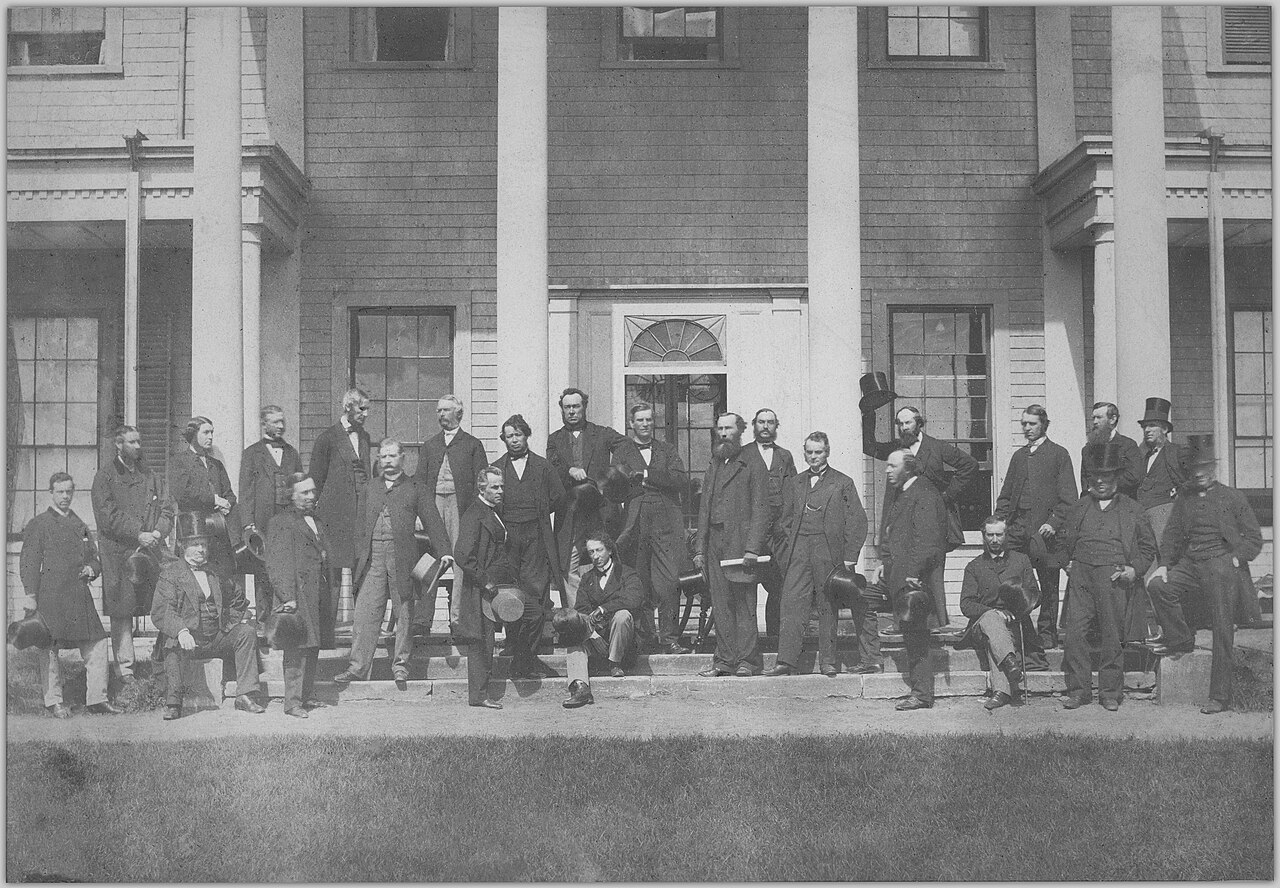 Photograph
Primary source
Charlottetown Conference Delegates, September 1864
George P. Roberts · September 1864
 Painting
Secondary source
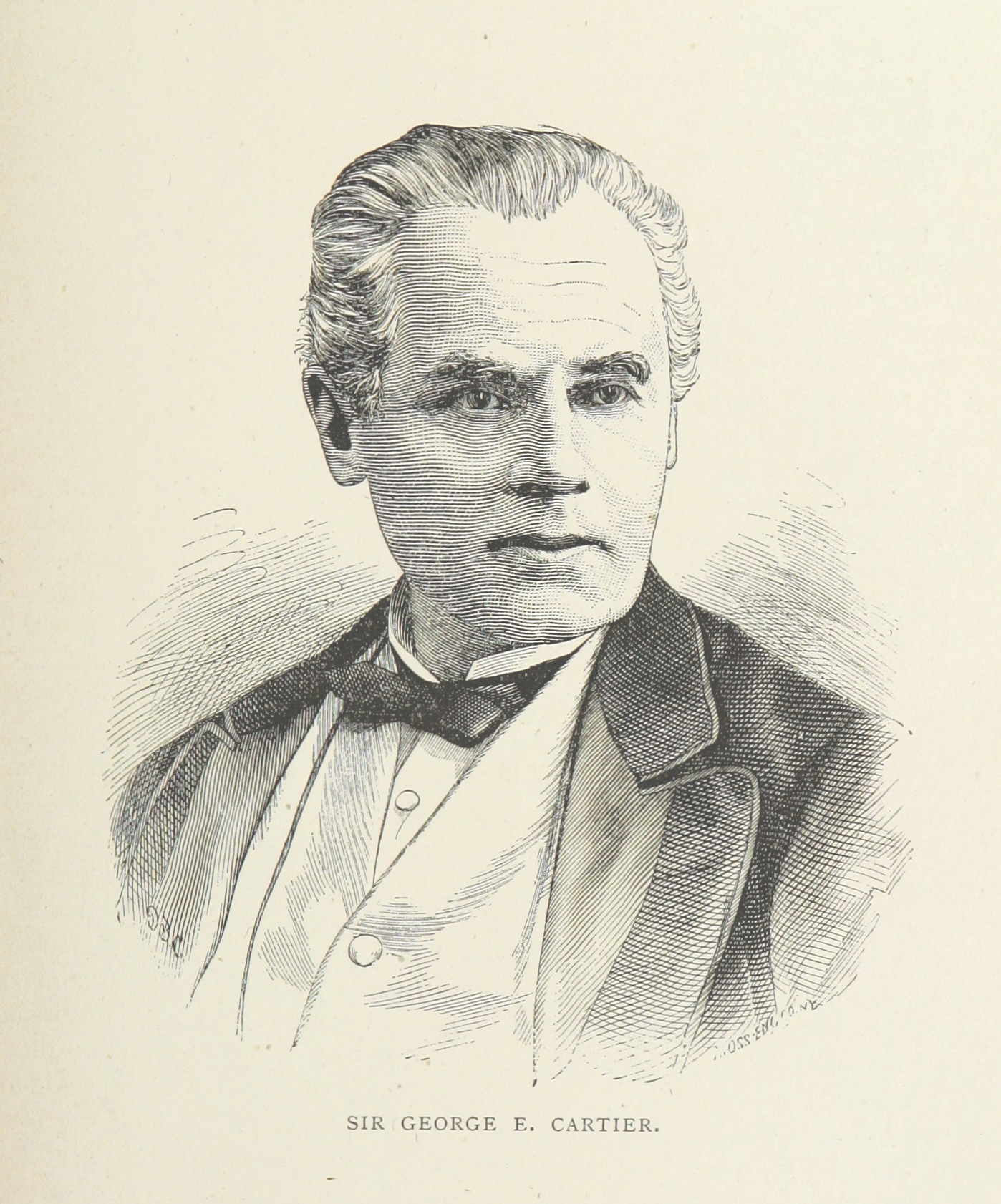
George E. Cartier Engraving
1885
 Document
Primary source
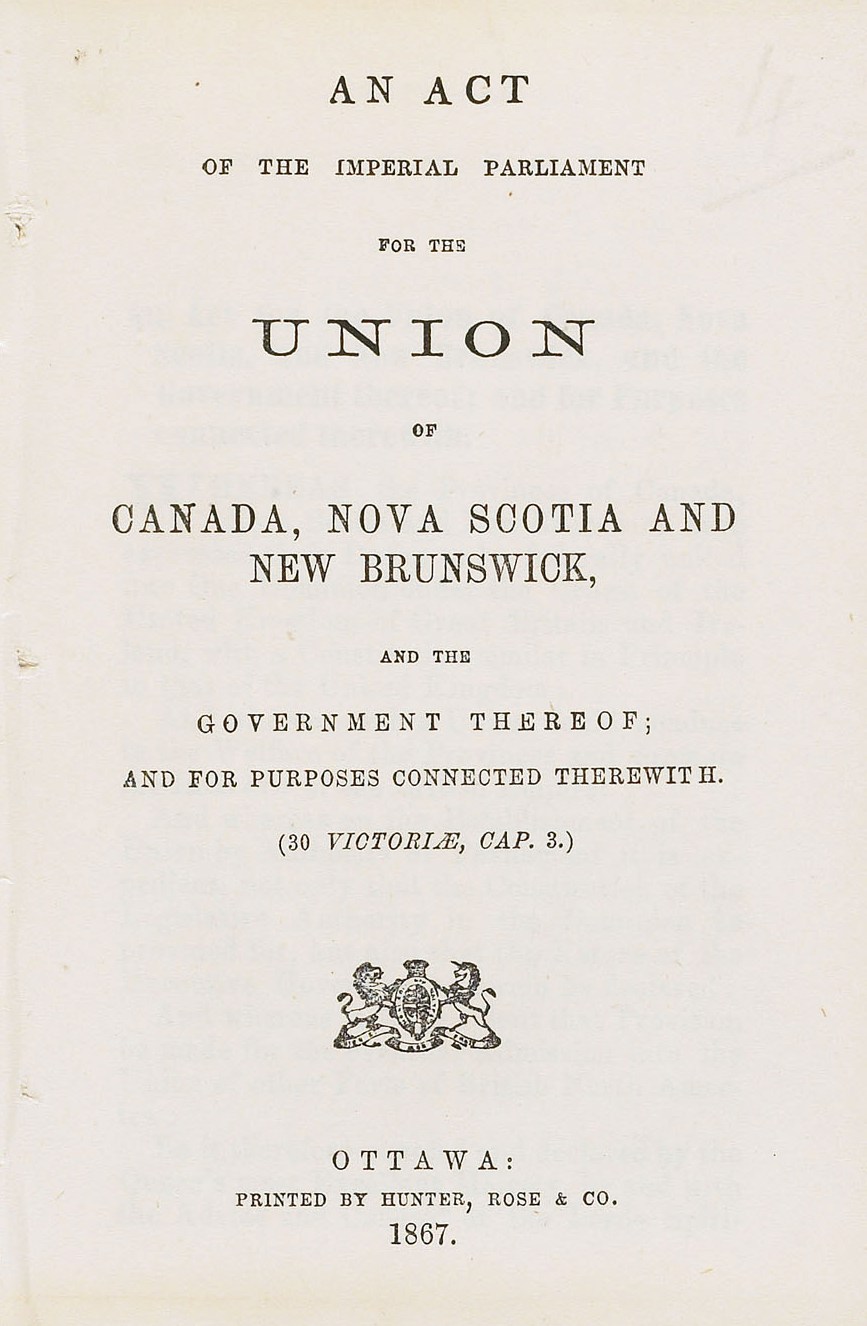
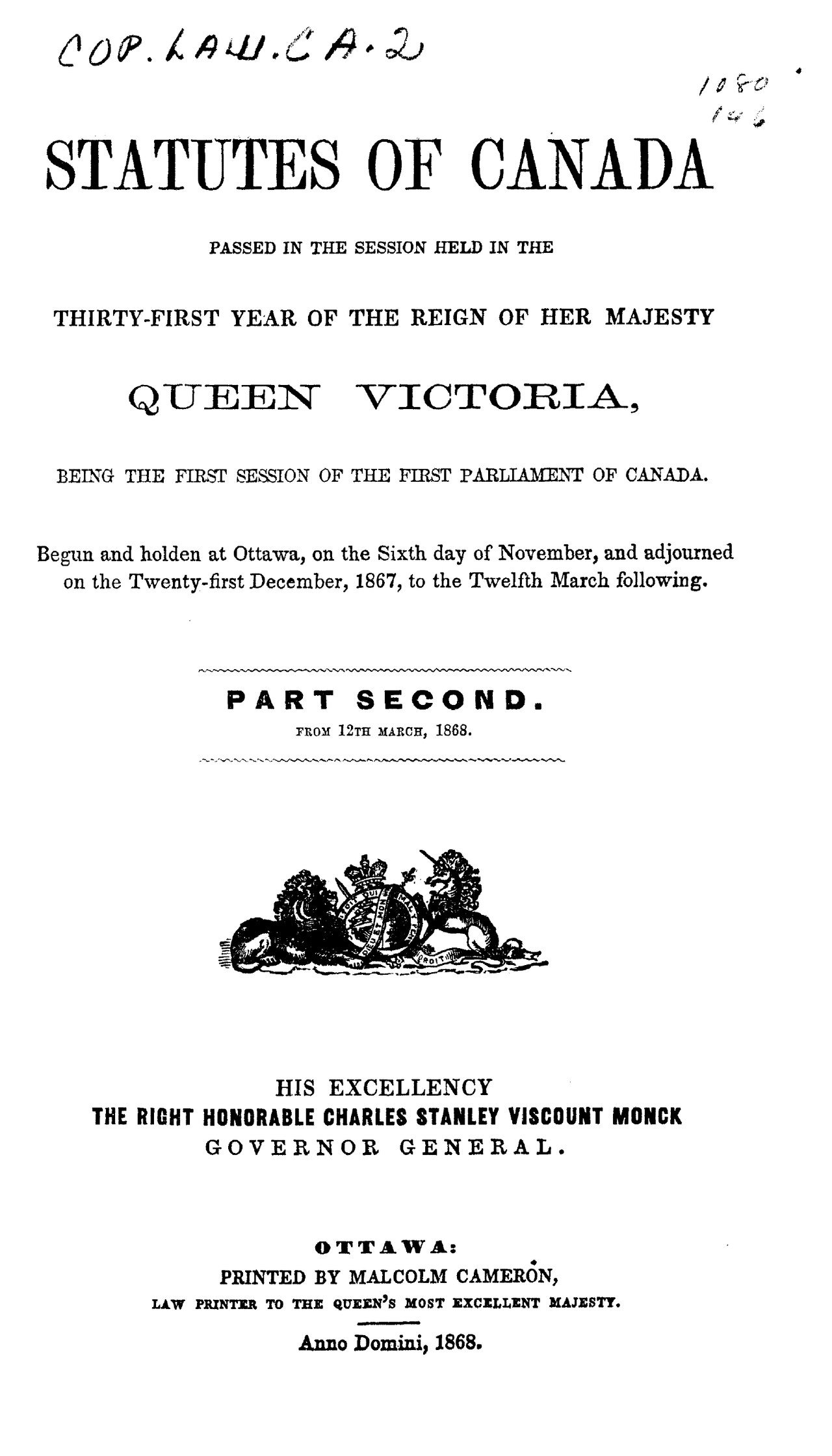
Constitution Act, 1867
1867
 Photograph
Primary source
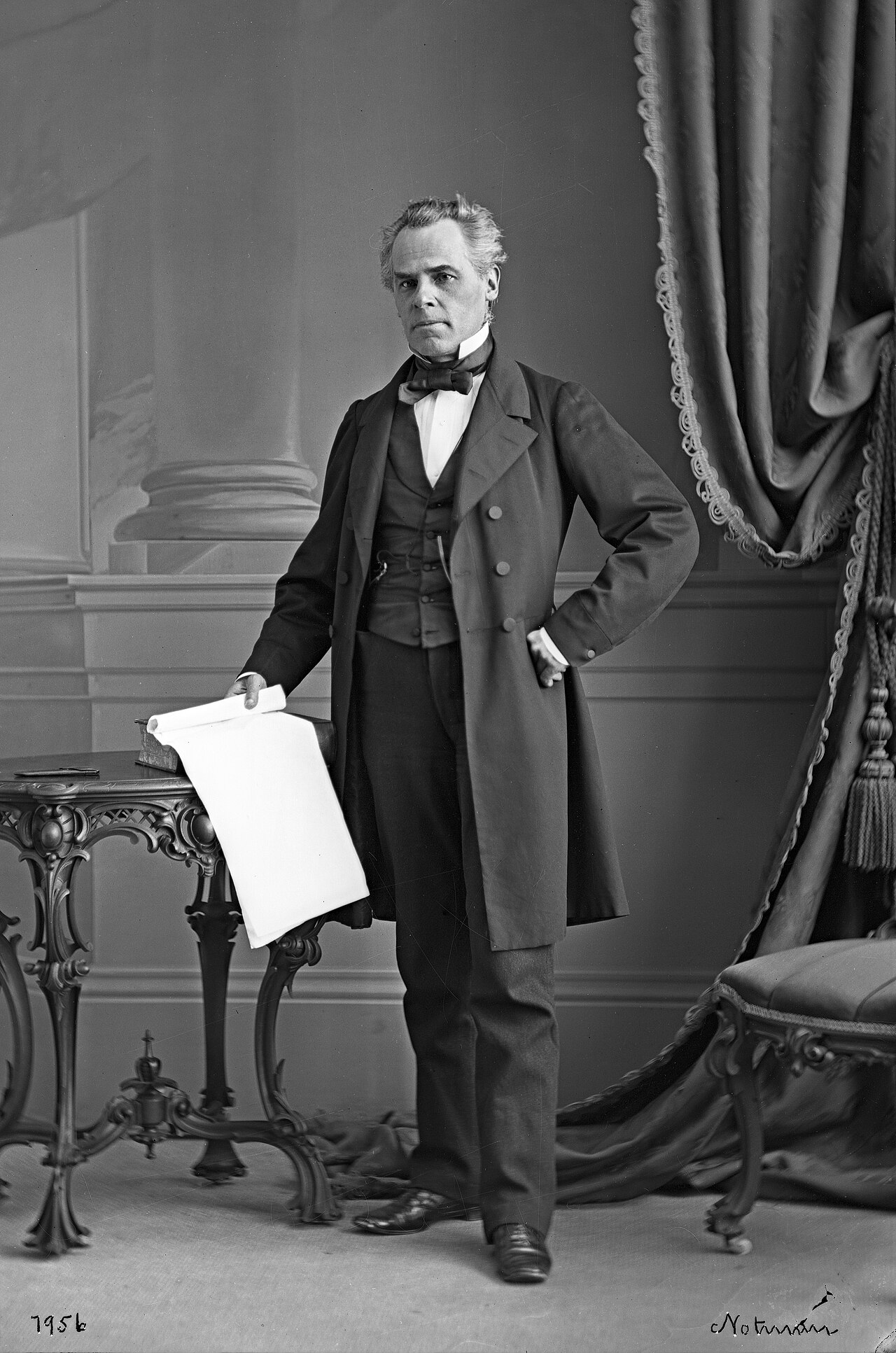
George-Etienne Cartier
William Notman · 1863
Free account
Read every George-Étienne Cartier source
Sign up free →
Ready when you are
Start chatting with George-Étienne Cartier now.
20 messages free · No credit card · Available in 50+ languages.