


Secondary sourceBook1802
Histoire de Toussaint-Louverture, chef des noirs insurgés de Saint-Domingue
Charles-Yves Cousin d'Avallon · 1802
A hostile French pamphlet published in 1802, while Toussaint Louverture was imprisoned, describing his life for a French audience.
This hostile French pamphlet about Toussaint Louverture was published while he was imprisoned by Napoleonic forces.
About this source
What it is
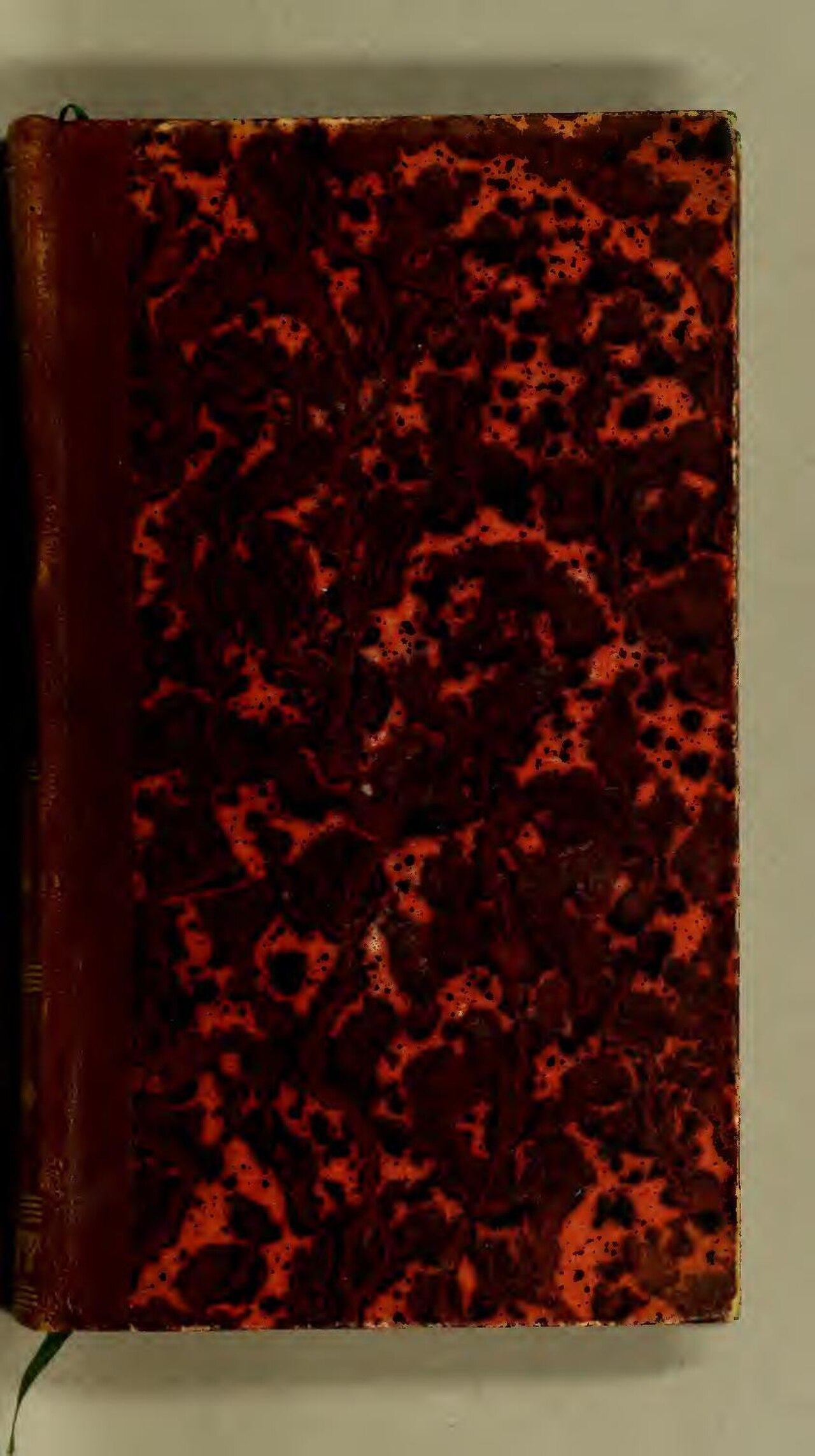
This is a French-language pamphlet titled Histoire de Toussaint-Louverture, chef des noirs insurgés de Saint-Domingue, written by Charles-Yves Cousin d'Avallon and published in 1802. It is held by the Bibliothèque nationale de France and includes an engraved frontispiece portrait of Toussaint. The text opens by describing his birth into slavery on a plantation near Cap-Français.
Why it matters
The pamphlet was published the same year Toussaint Louverture was captured and imprisoned by French forces under Napoleon. Its tone and timing show how Napoleonic France sought to portray him to the French public during the moment of his political defeat, mixing biography with ideas common at the time about race and slavery.
Look closer
- Why might this pamphlet have been published just as Toussaint was captured and imprisoned?
- What attitudes toward literacy and race appear in the opening passage?
- How might a pamphlet written by his enemies differ from one written by his supporters?
This book is part of the curated material that grounds the AI version of Toussaint Louverture on Humy.ai — when students ask about related events, the AI can quote it and cite it.
More Toussaint Louverture sources
Meet the AI Toussaint Louverture → Document
Primary source
Constitution républicaine des colonies française de Saint-Domaingue
Toussaint Louverture · 1801
 Book
Primary source
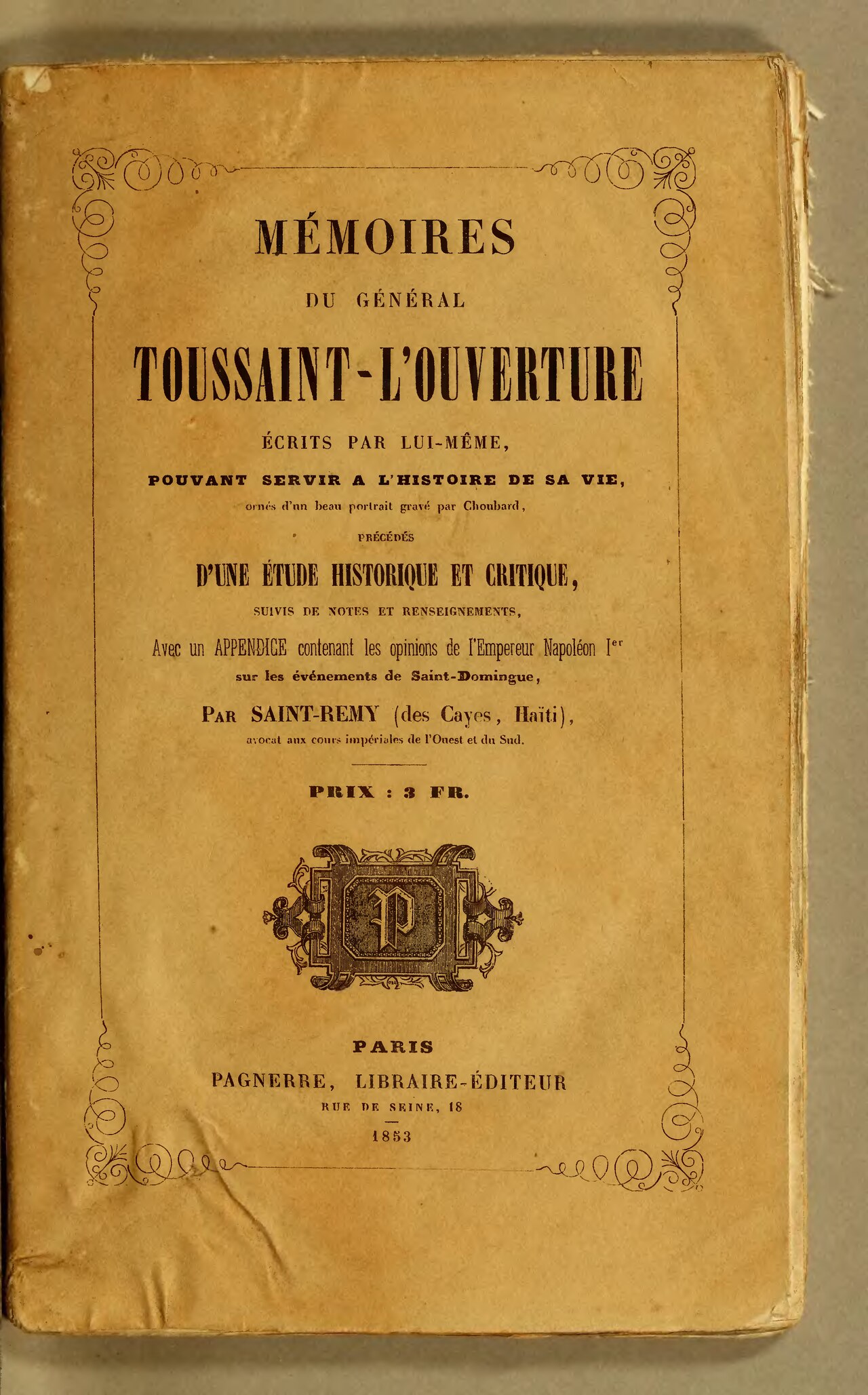
Mémoires du Général Toussaint-L'Ouverture écrits par lui-même
Toussaint Louverture · 1853 (text written 1802)
 Painting
Secondary source
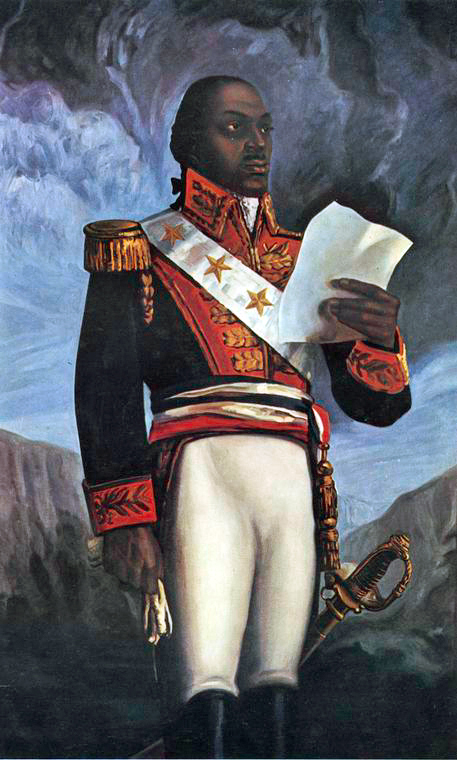
Général Toussaint Louverture
19th century
 Painting
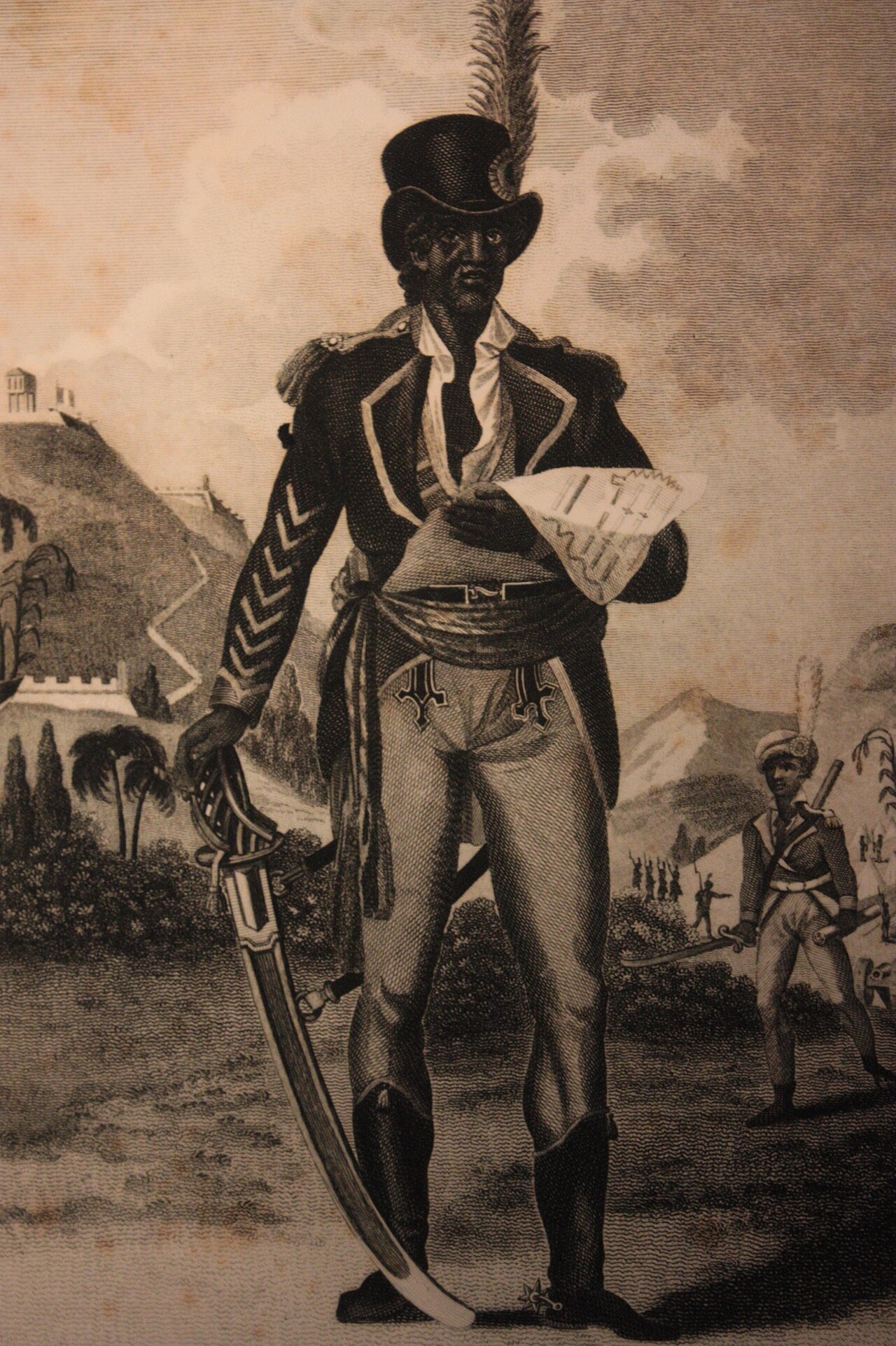
Secondary source
19th century engraving of L'Ouverture
J. Barlow, after a sketch by Marcus Rainsford · 19th century
 Painting
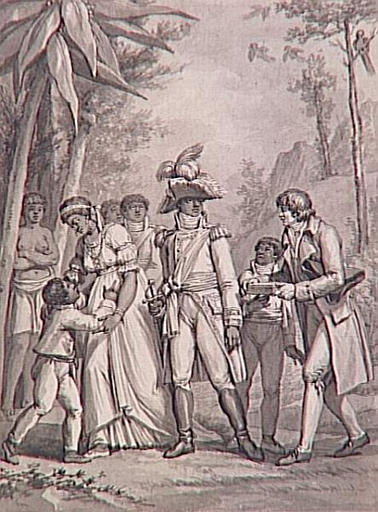
Secondary source
Toussaint Louverture reçoit une lettre du Premier Consul
Charles Monnet · 1802
Ready when you are
Start chatting with Toussaint Louverture now.
20 messages free · No credit card · Available in 50+ languages.