



Dr. Michael Calvert
Assistant Superintendent, South Allegheny School District, Pennsylvania
Been using Humy in his district since 2024
“We enjoyed the program last year and used it frequently.”
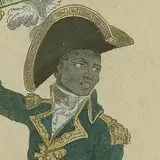
AI Historical Figure
Haitian revolutionary leader and the most prominent leader of the Haitian Revolution.
Chat with Toussaint Louverture via text or voice — in 42 languages, drawing on a curated biography and 79 historical sources. Available 24/7.

Toussaint Louverture
Online · responds in seconds
Hello — I'm Toussaint Louverture. Haitian revolutionary leader and the most prominent leader of the Haitian Revolution. What would you like to ask me?
20 messages free · No credit card · Powered by Humy.ai
Live preview · Switch between 42 languages above · Send a message to continue in the app
Multilingual
Ask Toussaint Louverture questions in any language below, and the rest of Humy's app speaks it too. Pick yours to open the chat in that language.
Also in German (Austria), German (Switzerland), English (UK), English (Australia), English (Canada).
79 sources · 30 paintings · 16 documents · 14 books · 10 sculptures · 3 letters · 3 speeches · 1 artifact · 1 newspaper article · 1 photograph
Toussaint Louverture doesn’t improvise from thin air. The AI is grounded in 79 curated historical sources students can inspect. Open any of them to see what informs the conversation.
 Document
Primary source
Toussaint Louverture · 1801
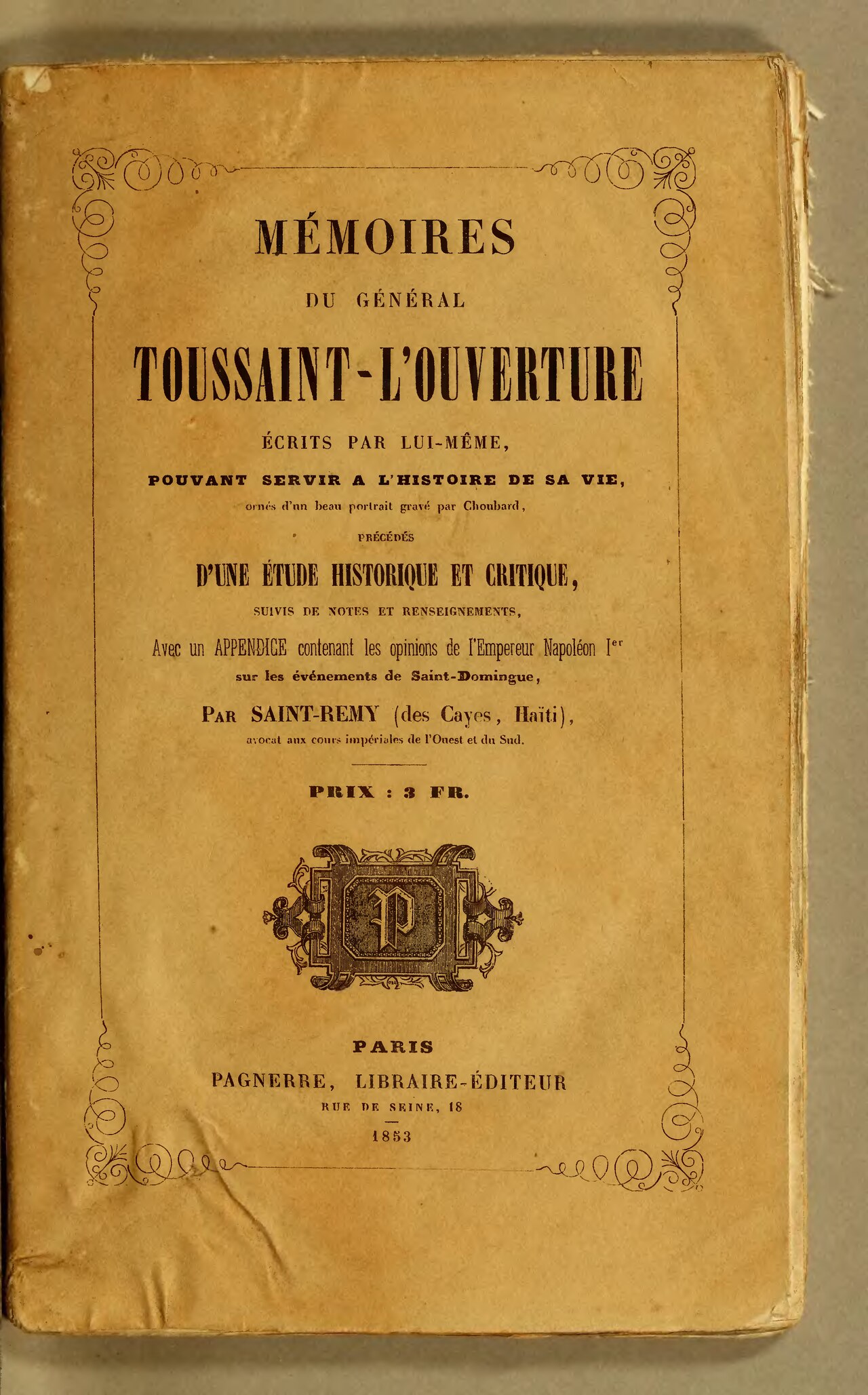 Book
Primary source
Toussaint Louverture · 1853 (text written 1802)
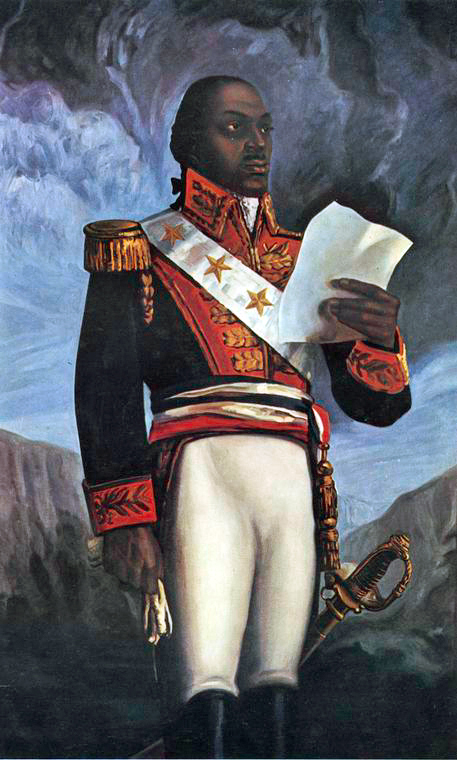 Painting
Secondary source
19th century
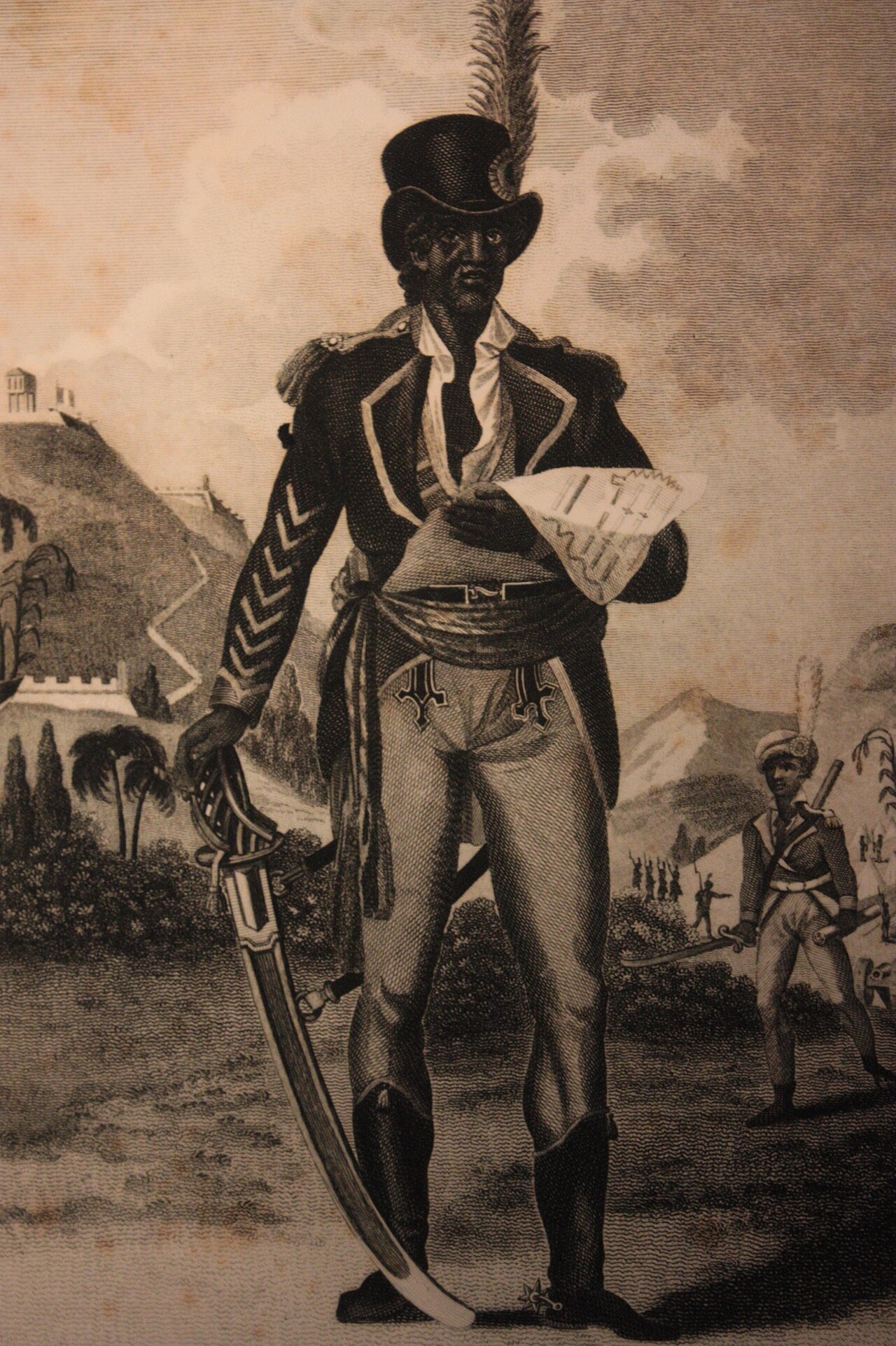 Painting
Secondary source
J. Barlow, after a sketch by Marcus Rainsford · 19th century
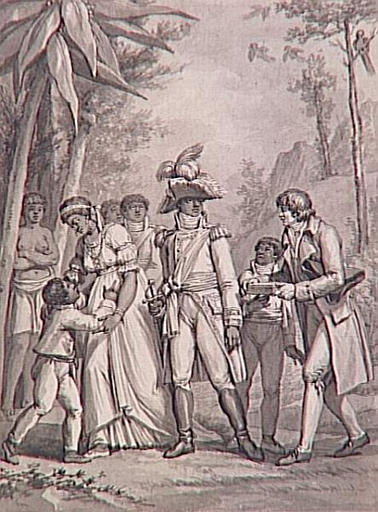 Painting
Secondary source
Charles Monnet · 1802
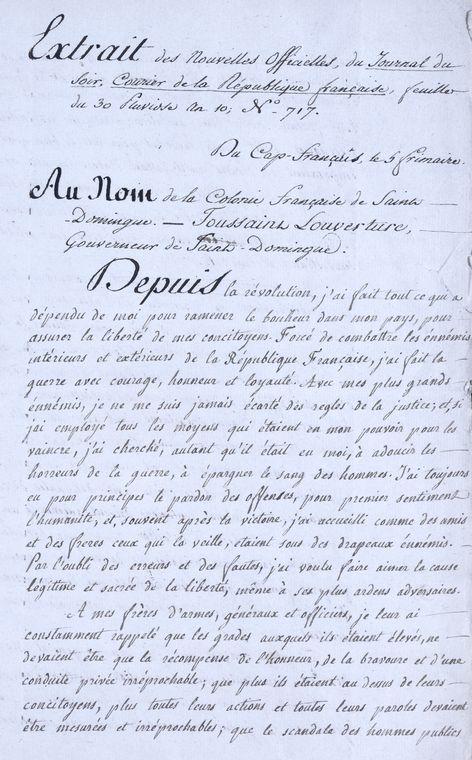 Document
Primary source
Toussaint Louverture · 1801
 Letter
Primary source
Toussaint Louverture · 1796
 Document
Primary source
Toussaint Louverture
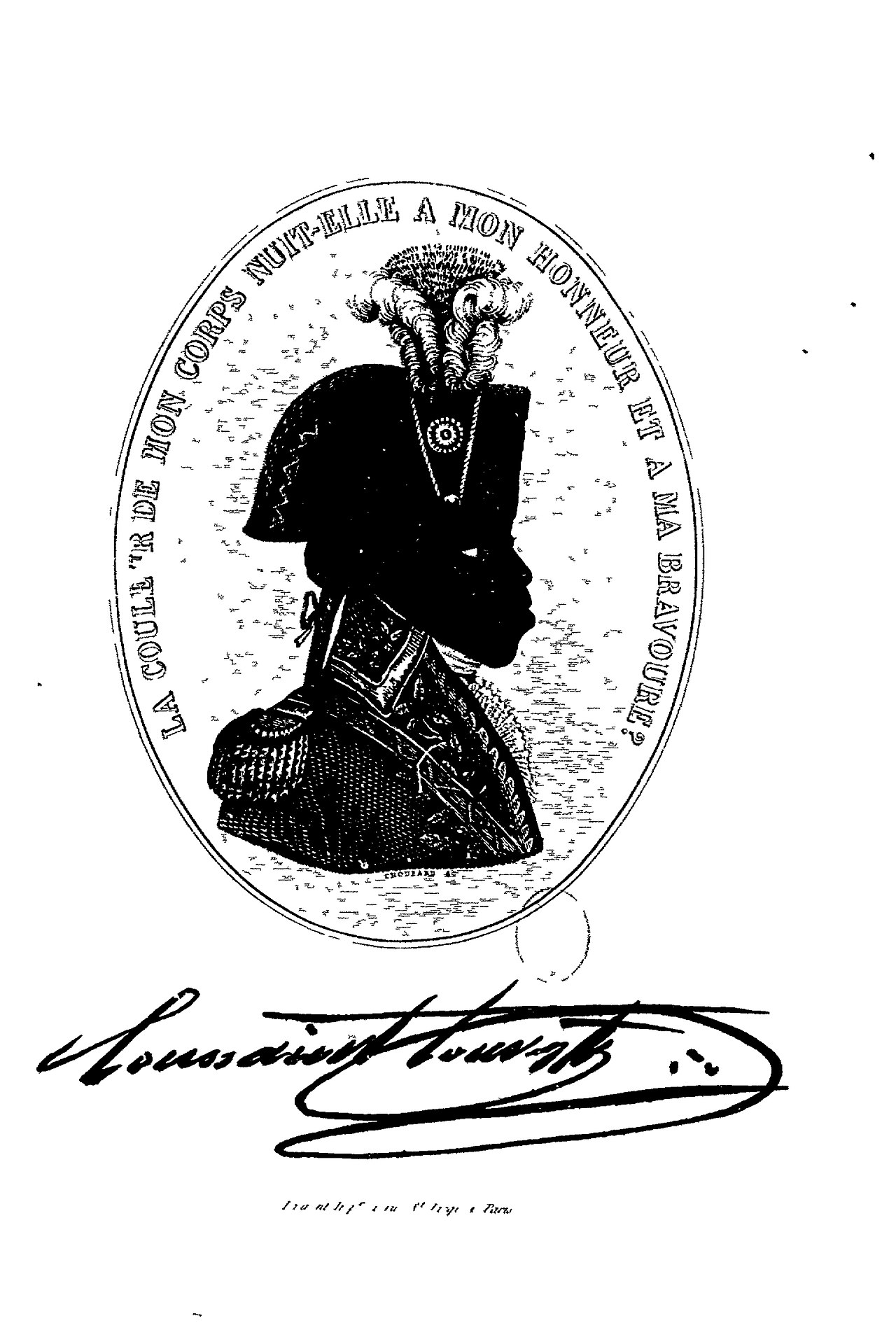 Painting
Secondary source
Choubard · 1853
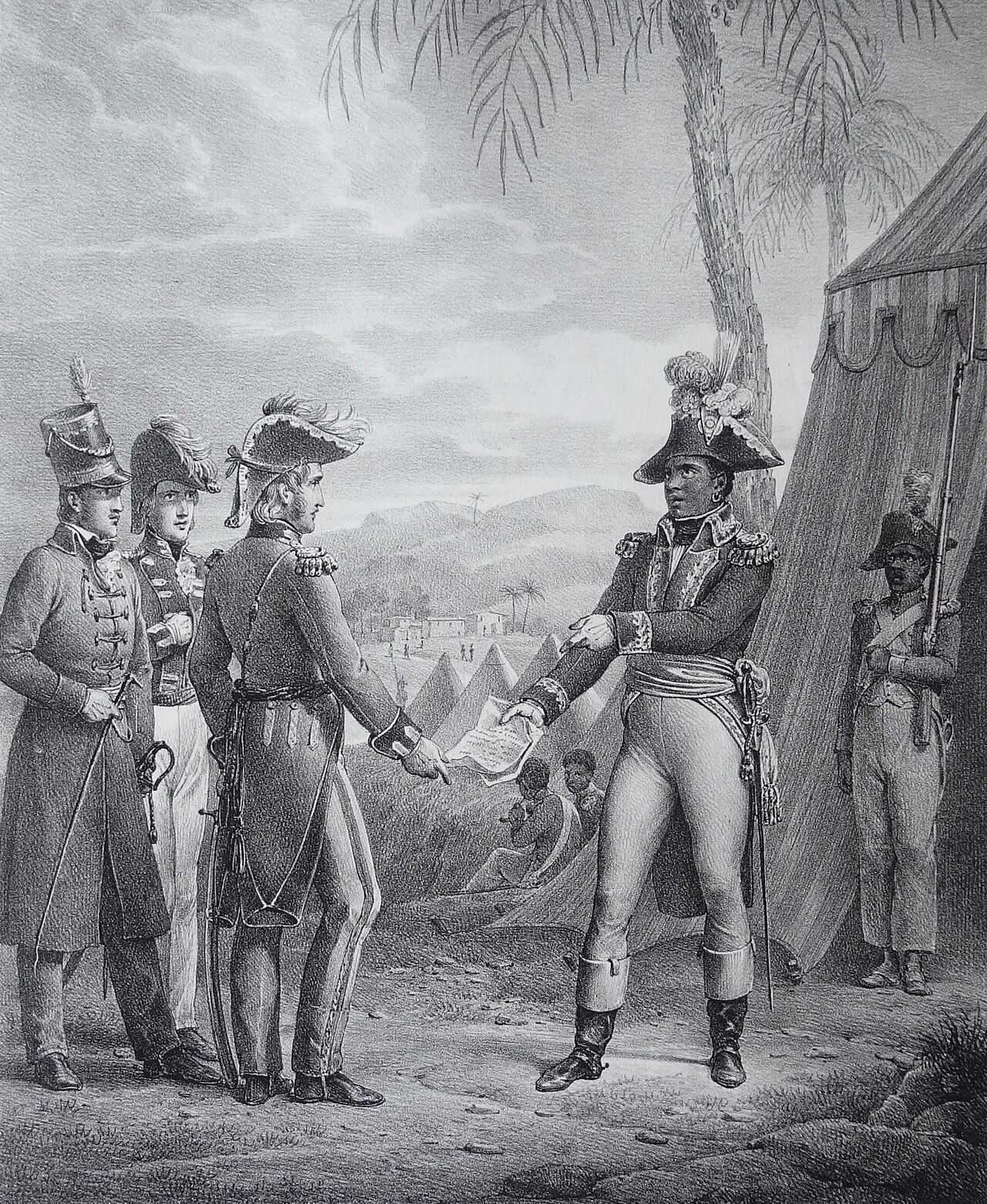 Painting
Secondary source
François Grenier de Saint-Martin / Jean-François Villain · 1821
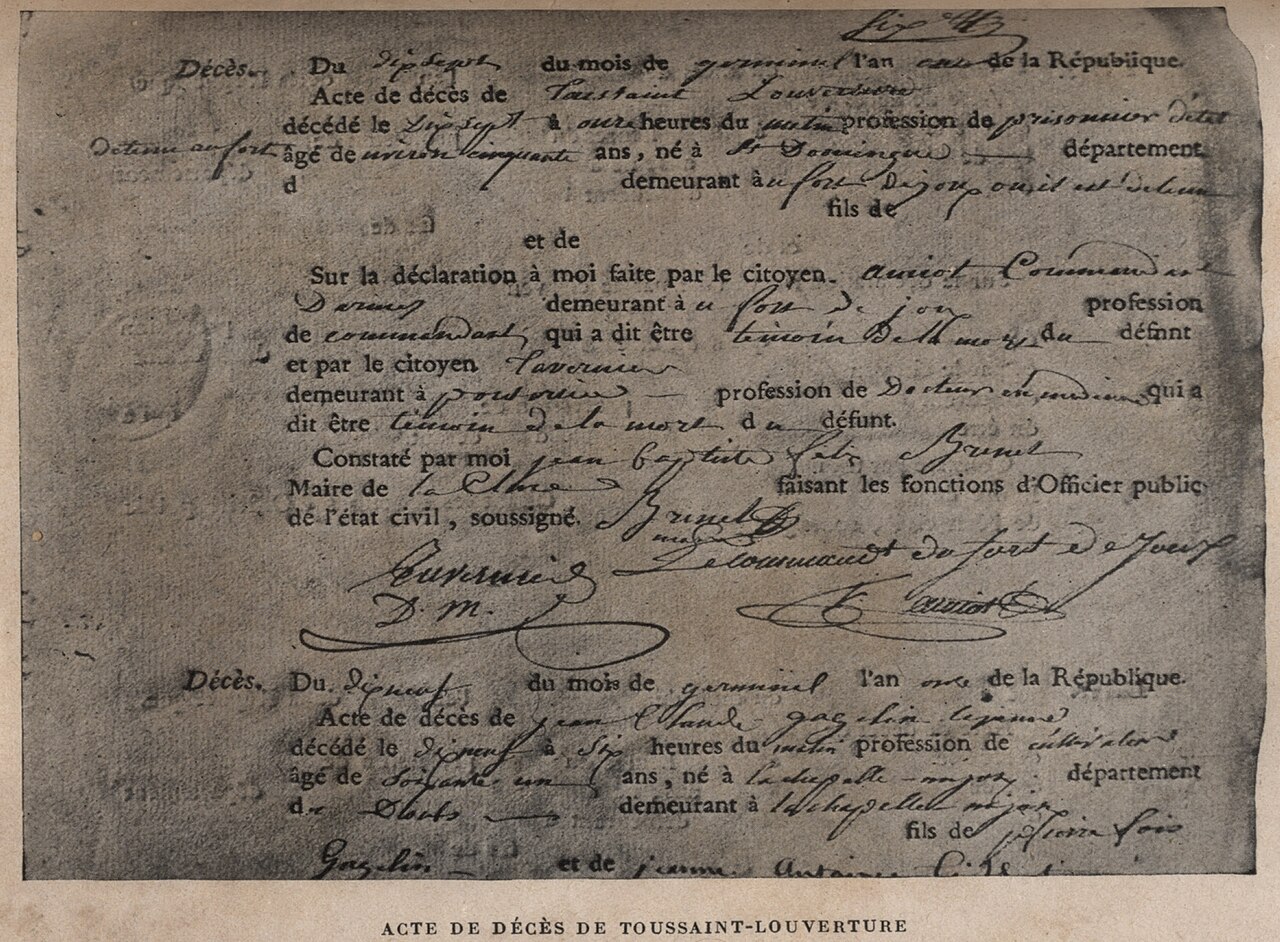 Document
Primary source
1803
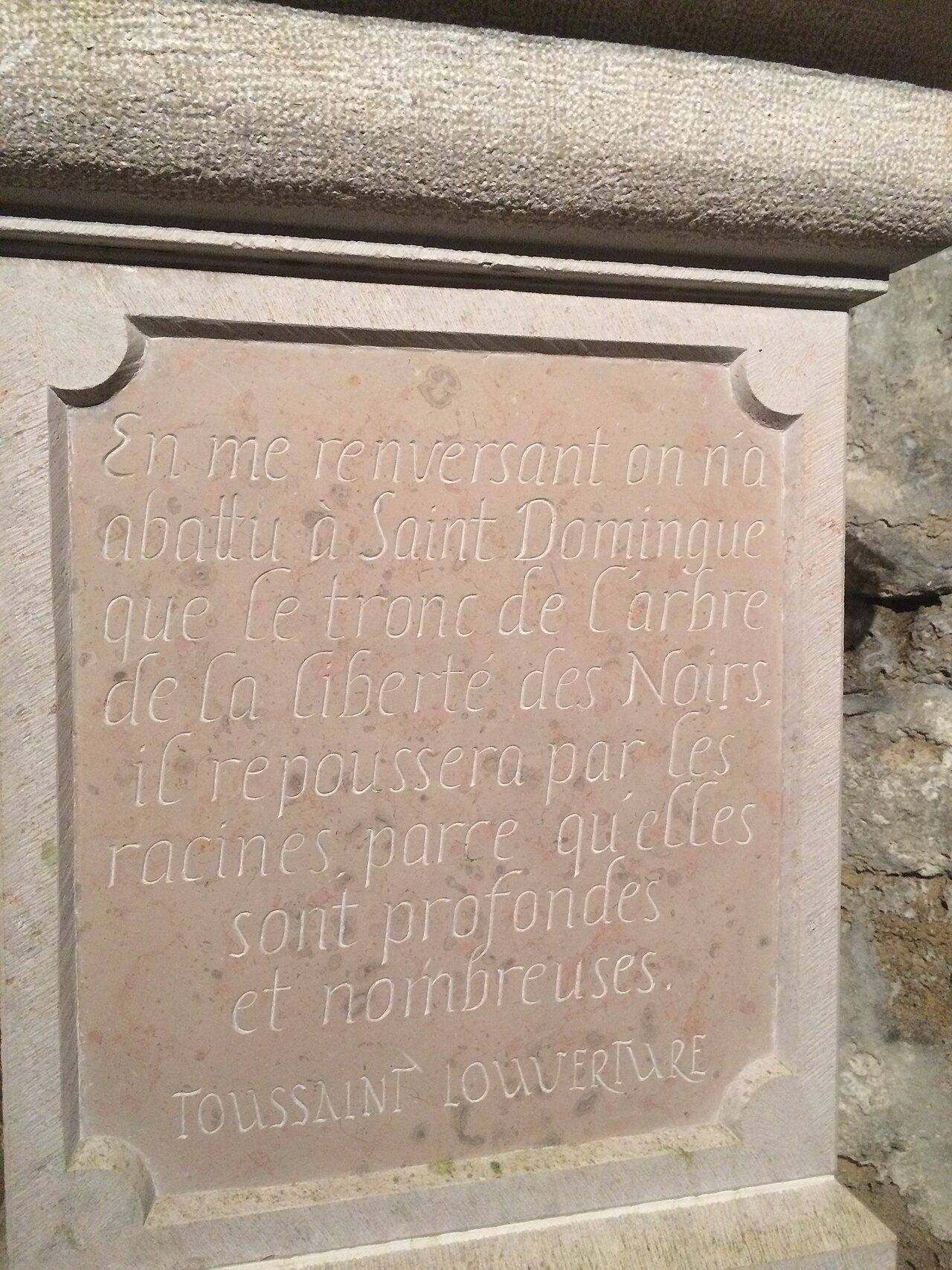 Artifact
Secondary source
11th–19th century
 Book
Secondary source
Marcus Rainsford · 1805
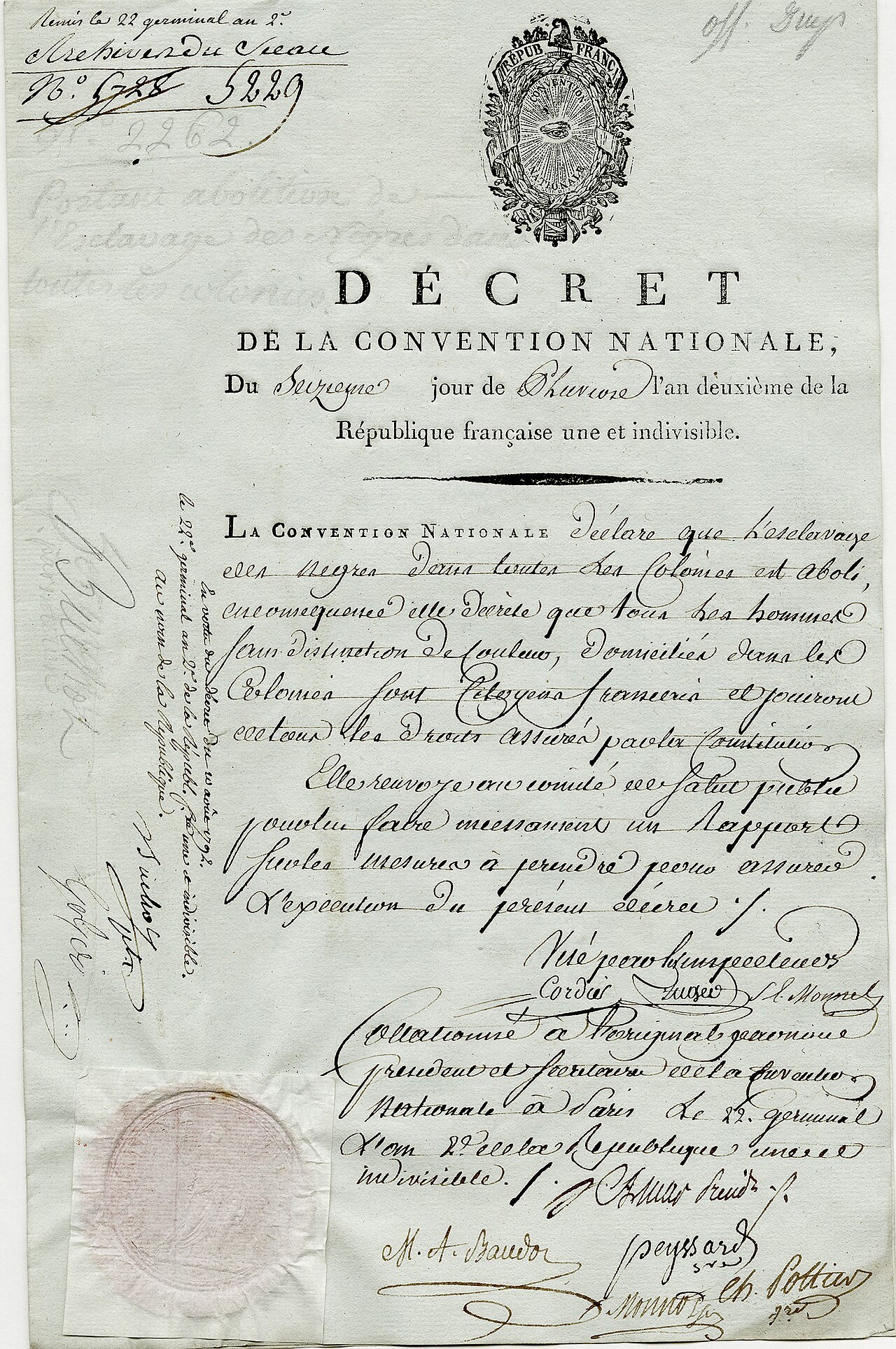 Document
Primary source
National Convention · 4 February 1794
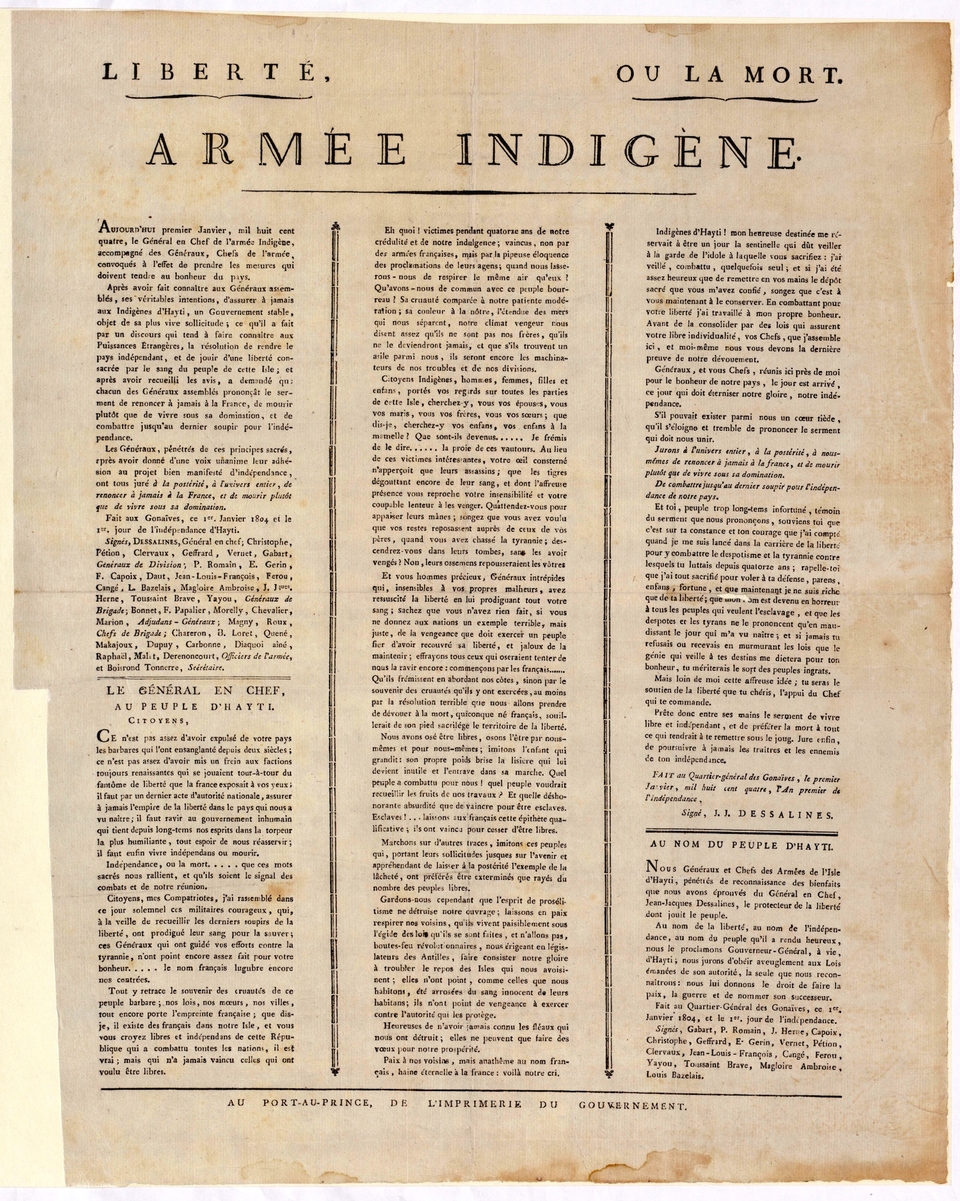 Document
Primary source
Louis Boisrond-Tonnerre · 1 January 1804
 Book
Secondary source
Louis Dubroca · 1802
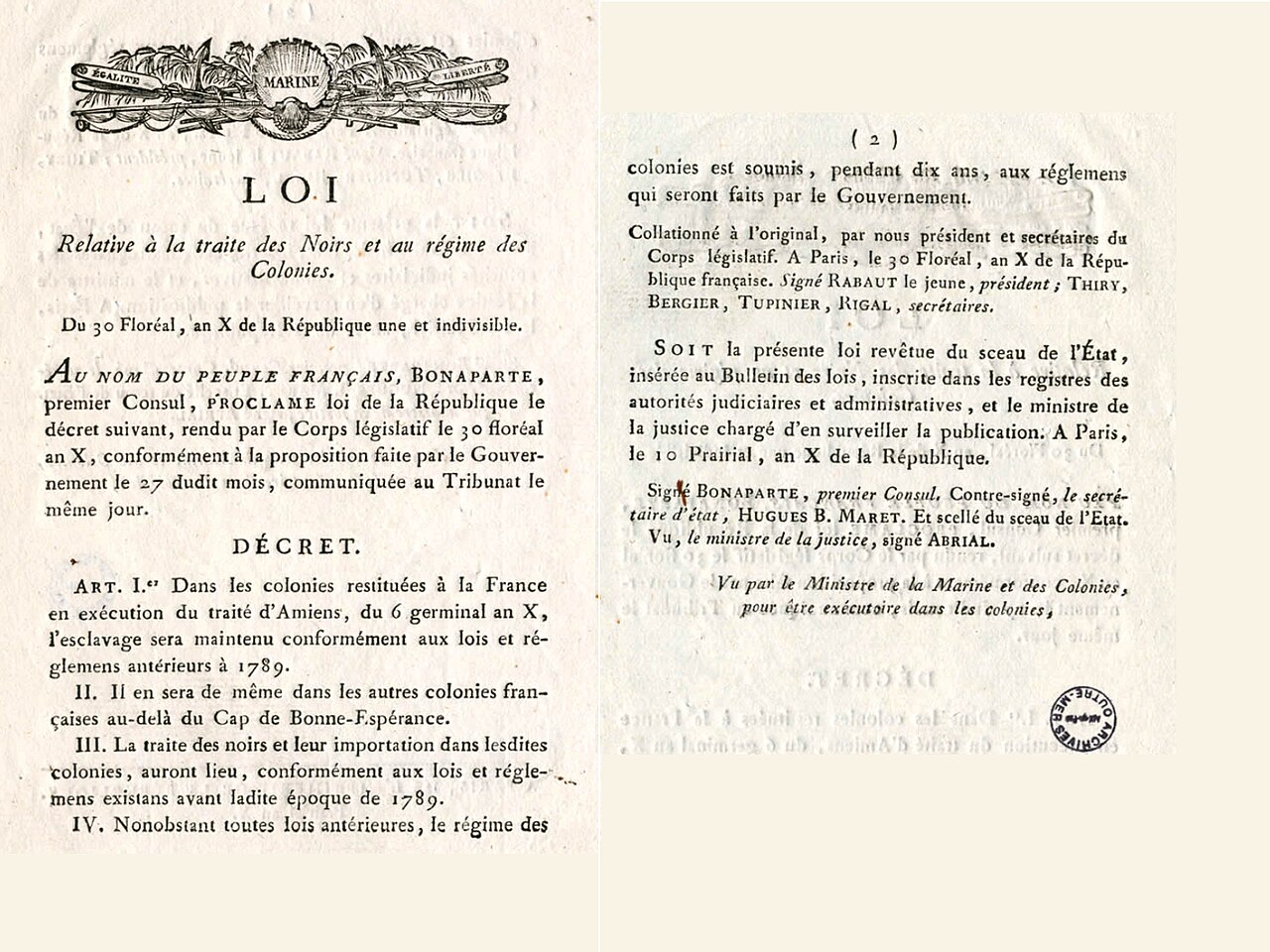 Document
Primary source
French Consulate · 20 May 1802
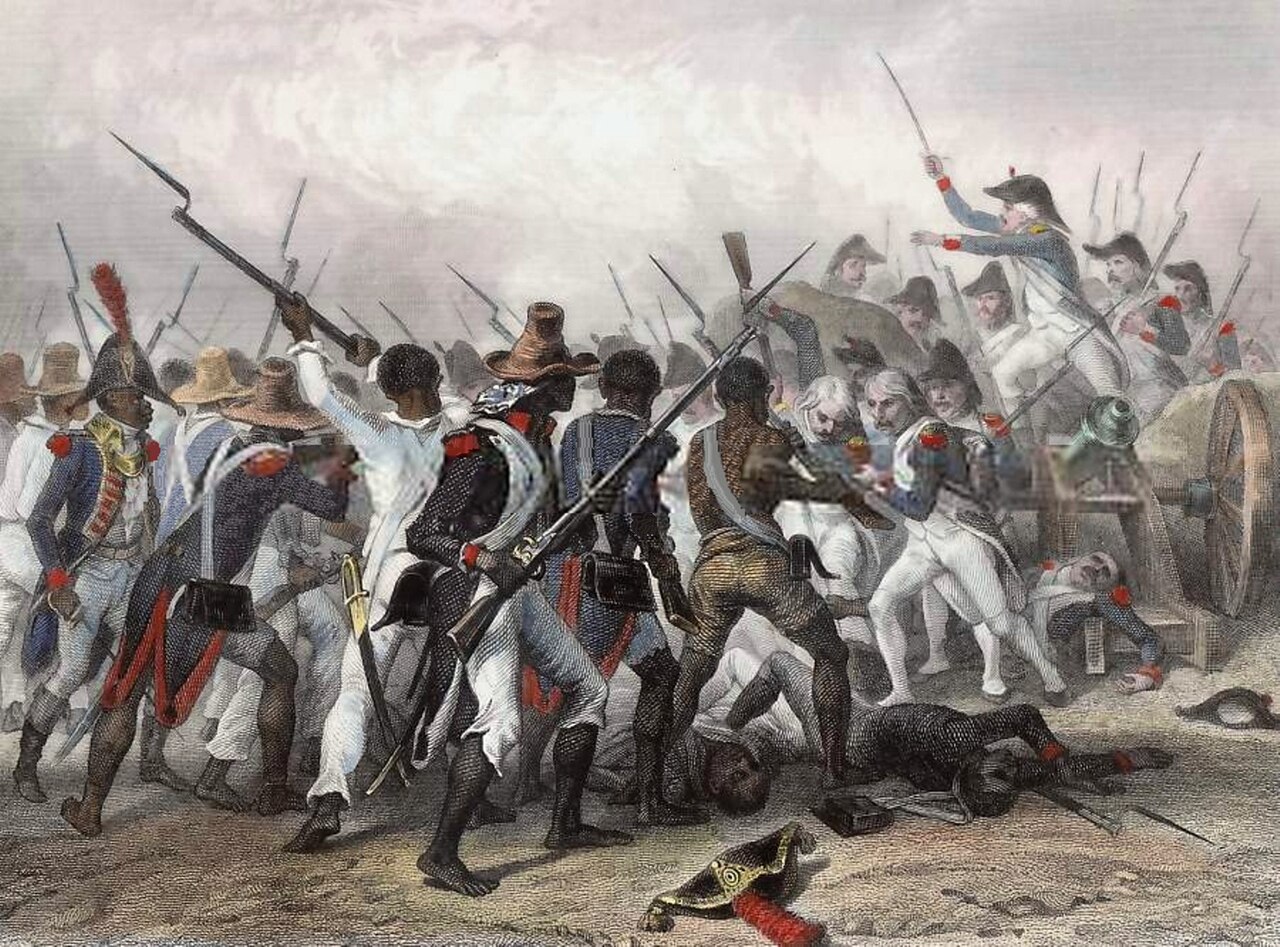 Painting
Secondary source
Auguste Raffet / Ernest Hébert
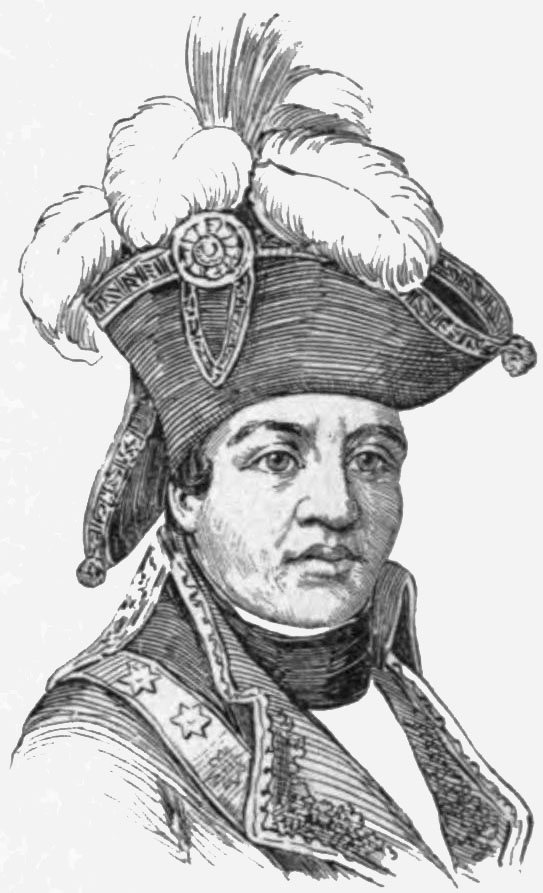 Painting
Secondary source
Jacques Reich
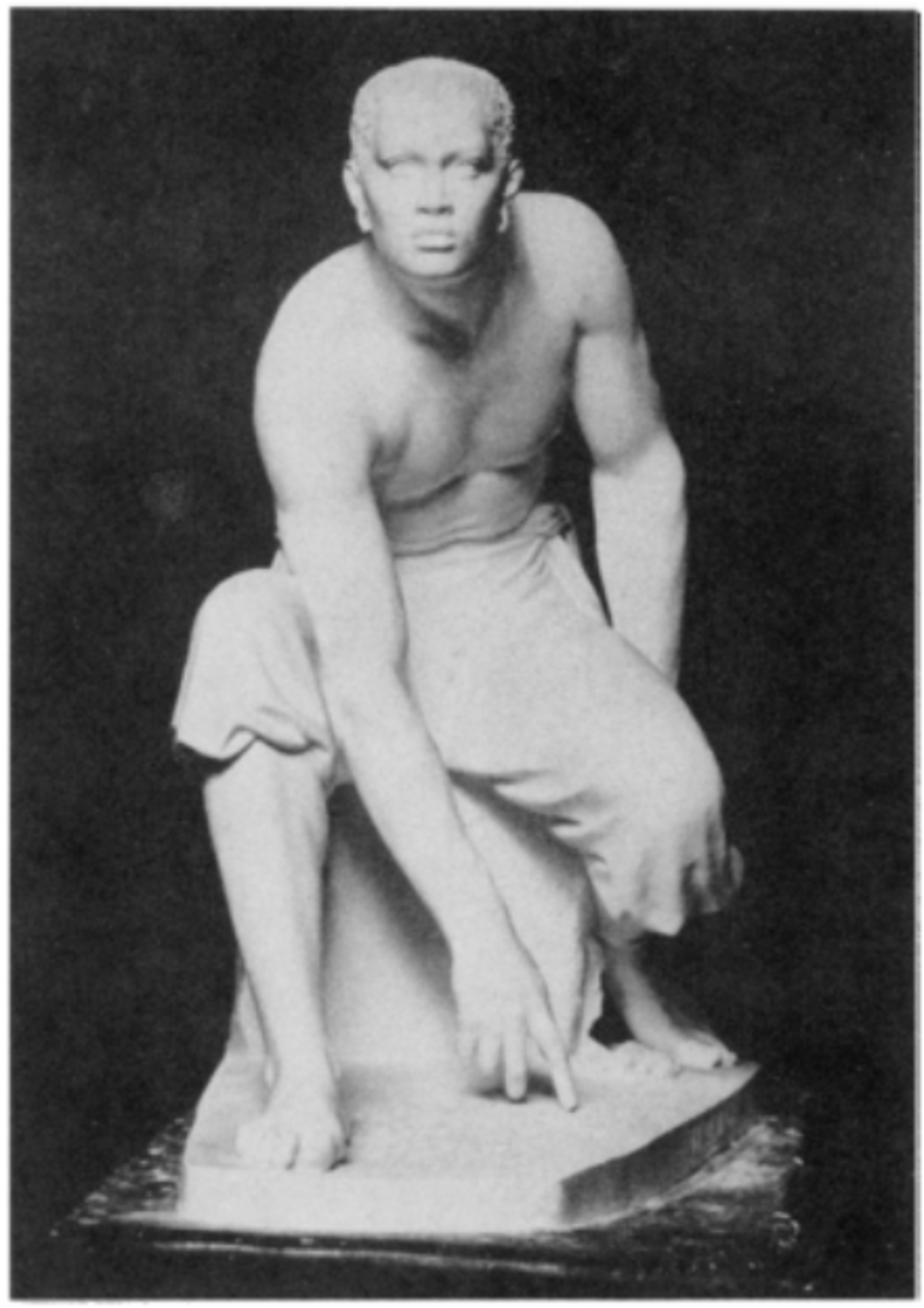 Sculpture
Secondary source
Anne Whitney · 1870
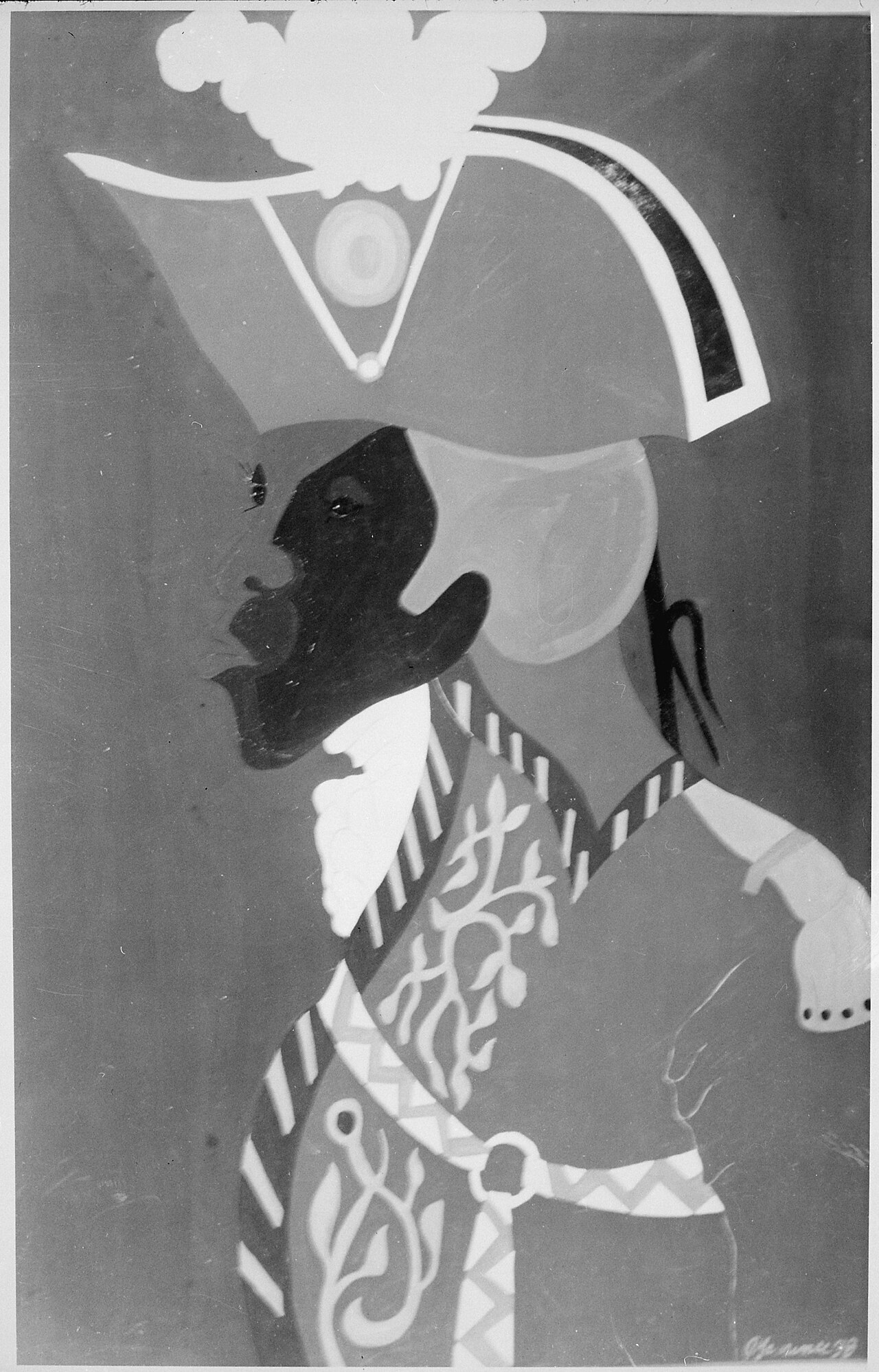 Painting
Secondary source
Jacob Lawrence · 1938
 Book
Secondary source
Charles-Yves Cousin d'Avallon · 1802
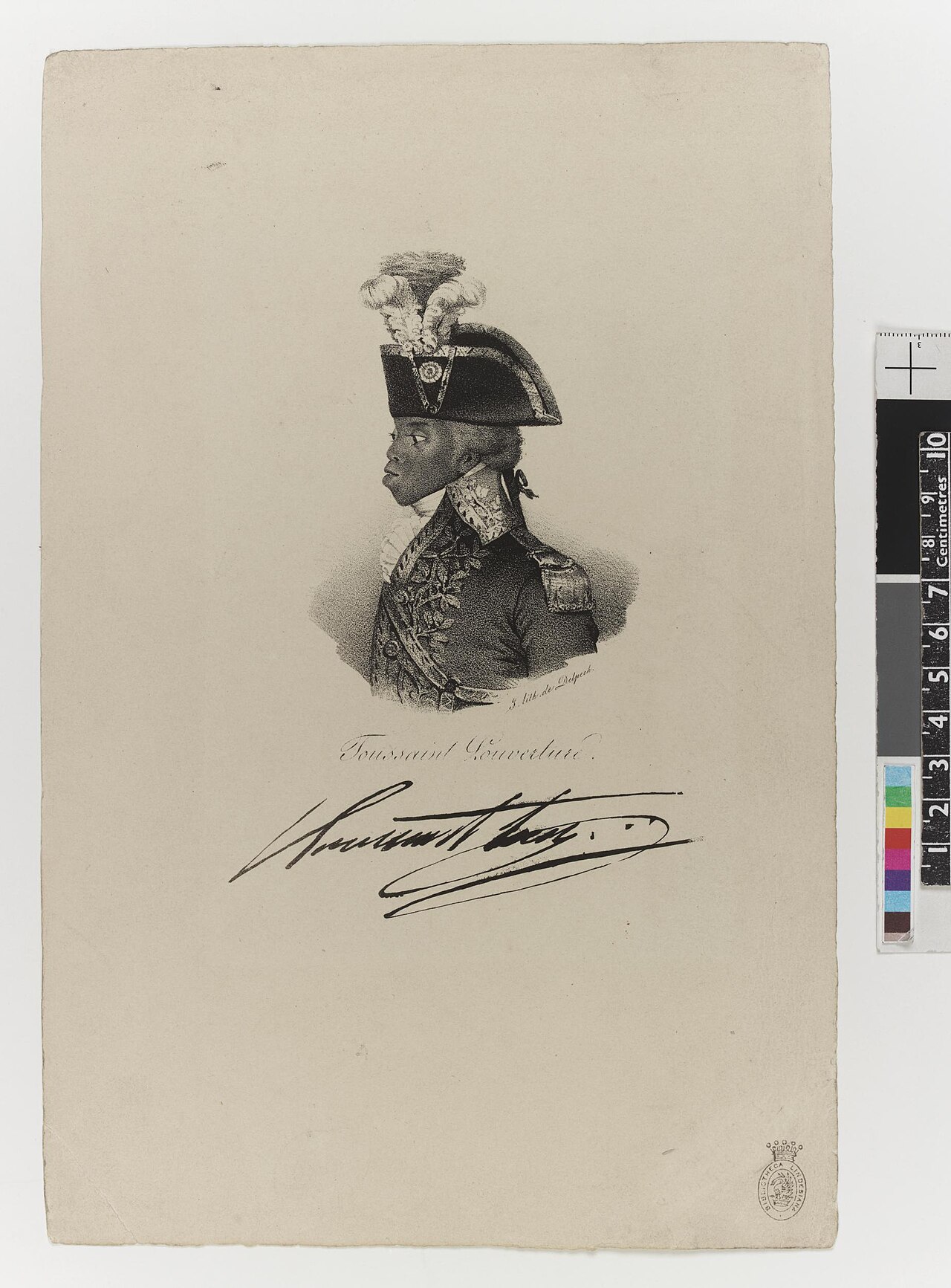 Painting
Secondary source
Nicolas-Eustache Maurin · c. 1832
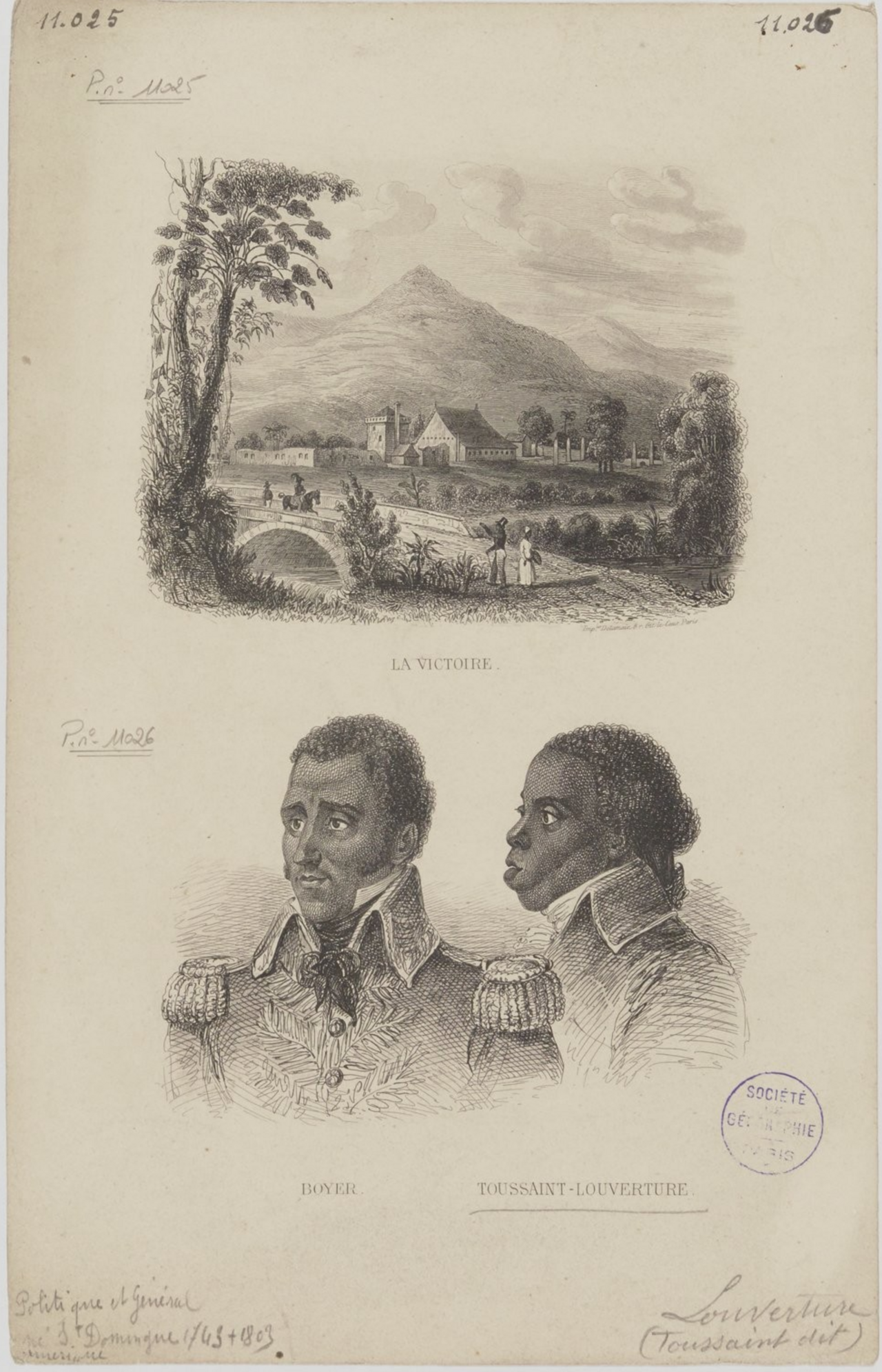 Painting
Secondary source
1800-1899
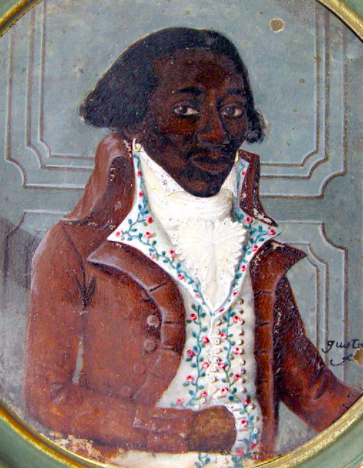 Painting
Secondary source
Riorkak
 Book
Secondary source
Harriet Martineau · 1841
Secondary source
Frederick Douglass · 2 January 1893
 Document
Primary source
Toussaint Louverture · 1798
 Document
Primary source
Toussaint Louverture · 1797
 Book
Primary source
Marcus Rainsford · 1802
 Document
Primary source
Toussaint Louverture · 1799
 Document
Primary source
André Rigaud · 1799
 Book
Secondary source
Thomas Prosper Gragnon-Lacoste · 1877
Secondary source
Joseph Saint-Rémy · 1850
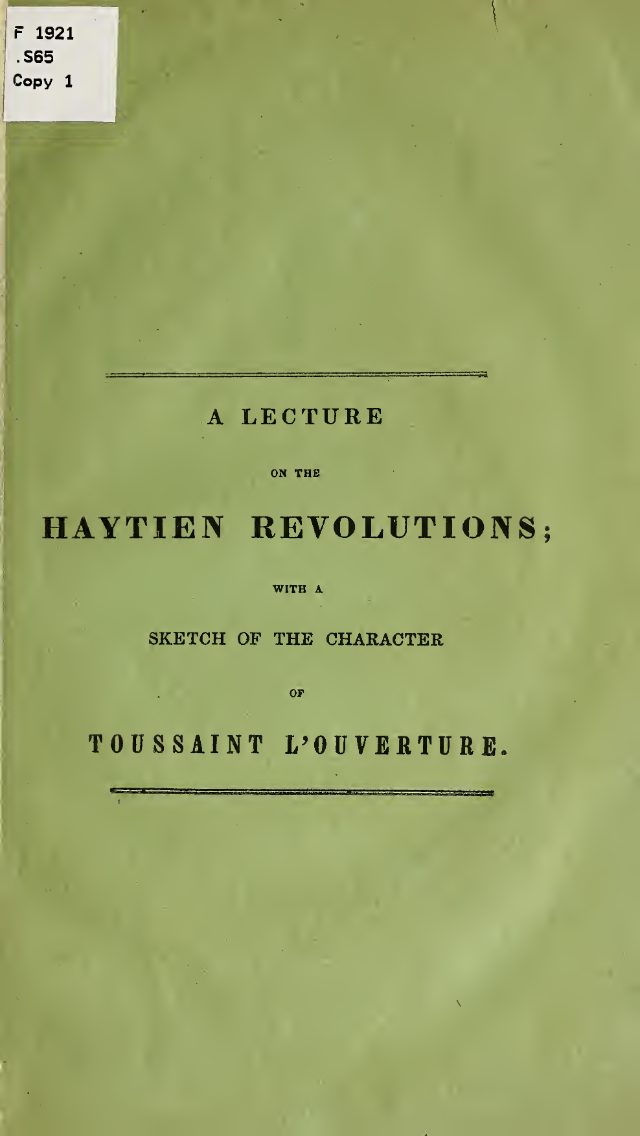 Speech
Secondary source
James McCune Smith · 1841
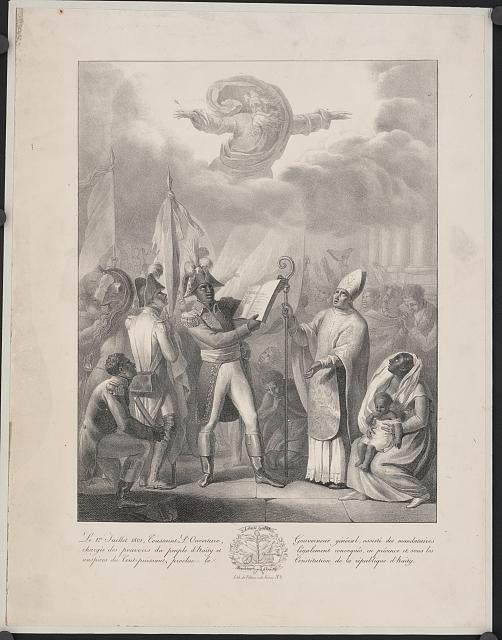 Painting
Primary source
Unknown · 1801
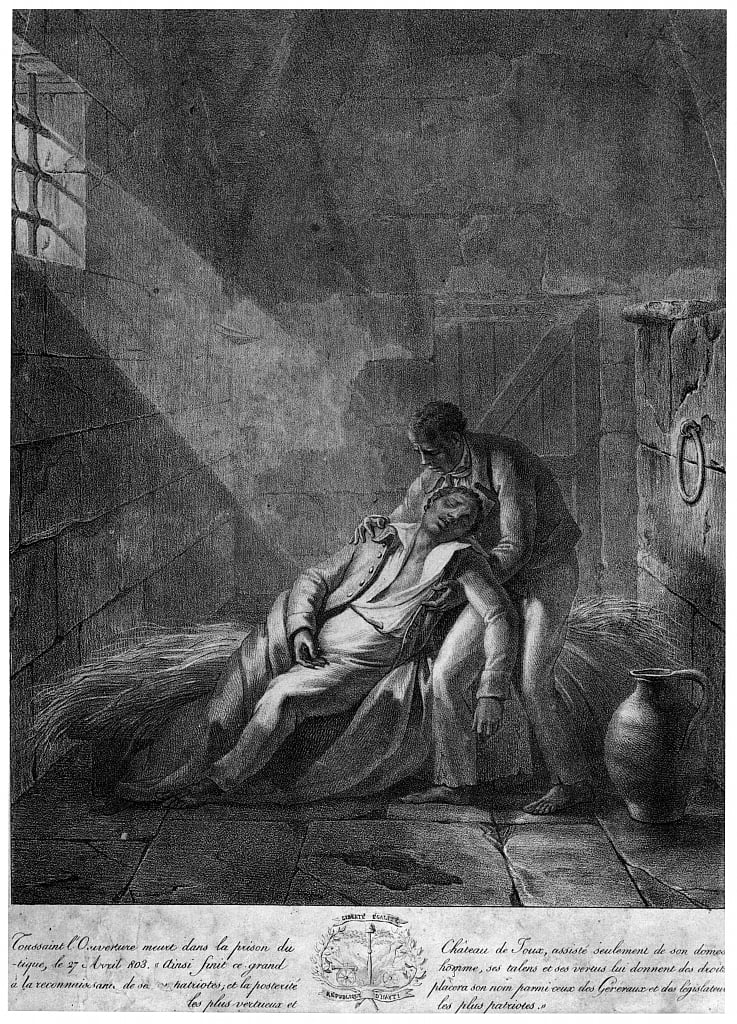 Painting
Secondary source
François Grenier de Saint-Martin and Jean-François Villain · 1821
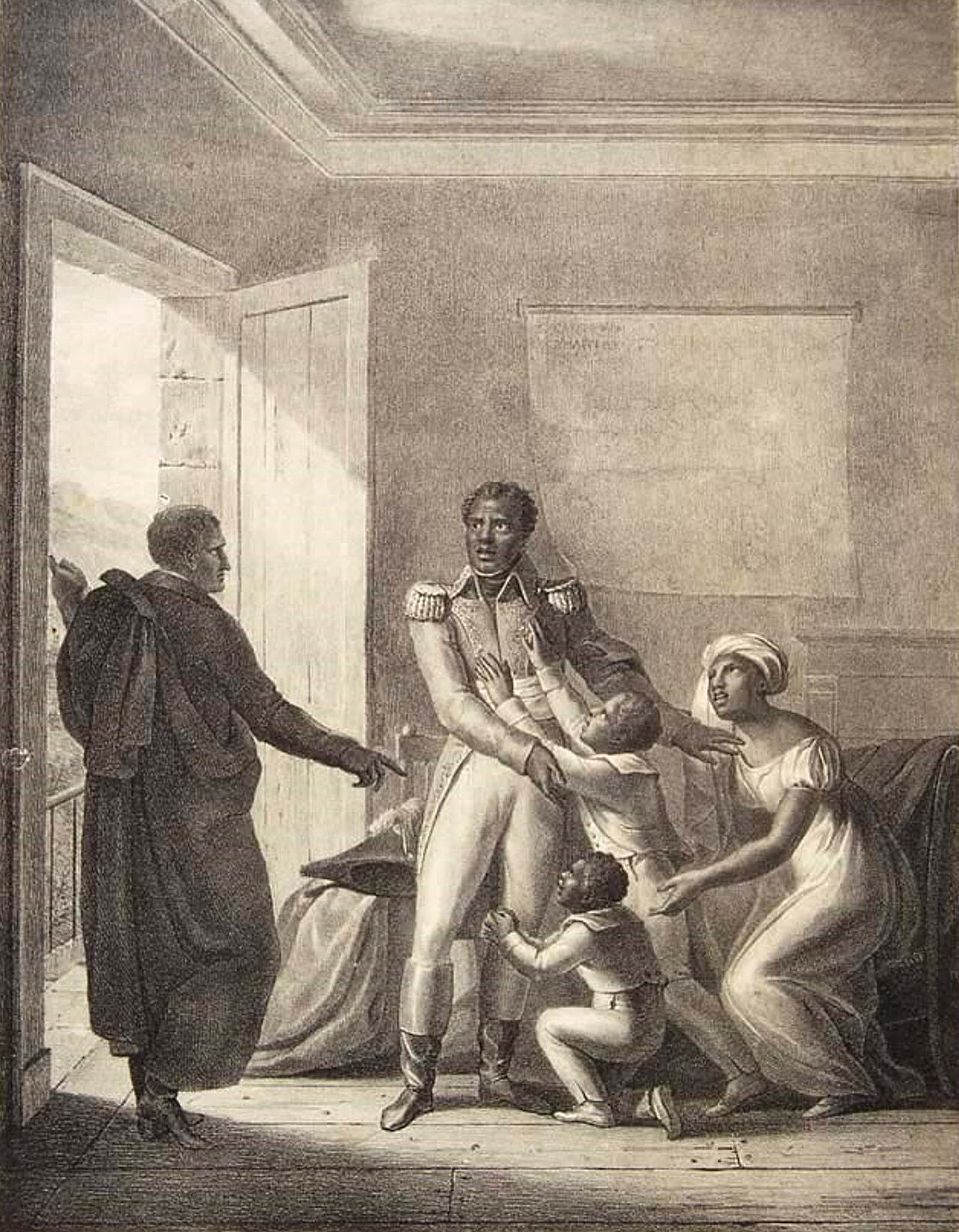 Painting
Secondary source
François Grenier de Saint-Martin and Jean-François Villain · 1821
 Newspaper article
Primary source
Charles Leclerc · 1802
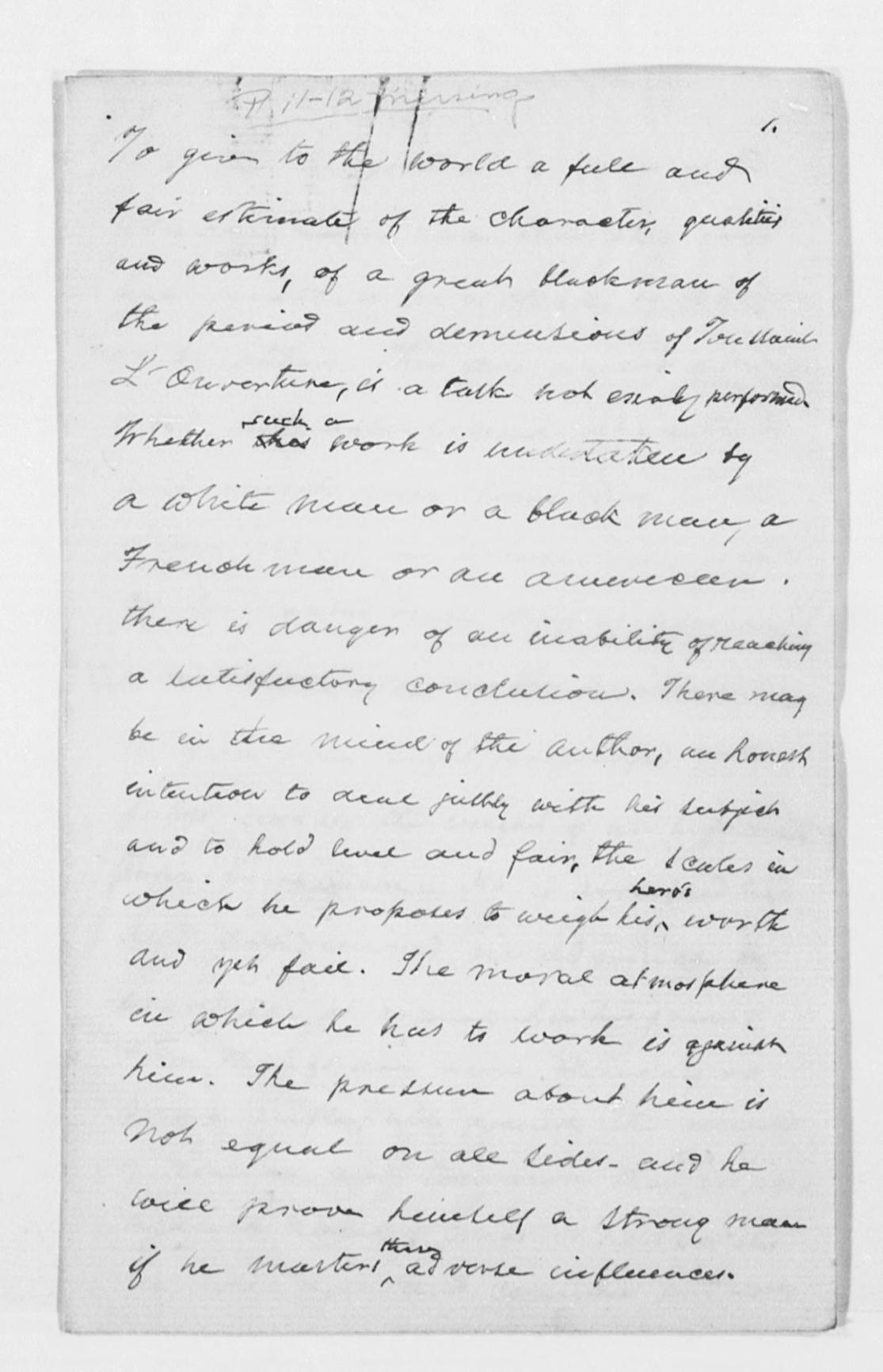 Document
Primary source
Frederick Douglass · 1846 (undated manuscript, catalogued 1846-1894)
Tertiary source
1911
Secondary source
James McCune Smith · 1914 (reprint; essay by James McCune Smith)
Secondary source
William Wells Brown · 1863
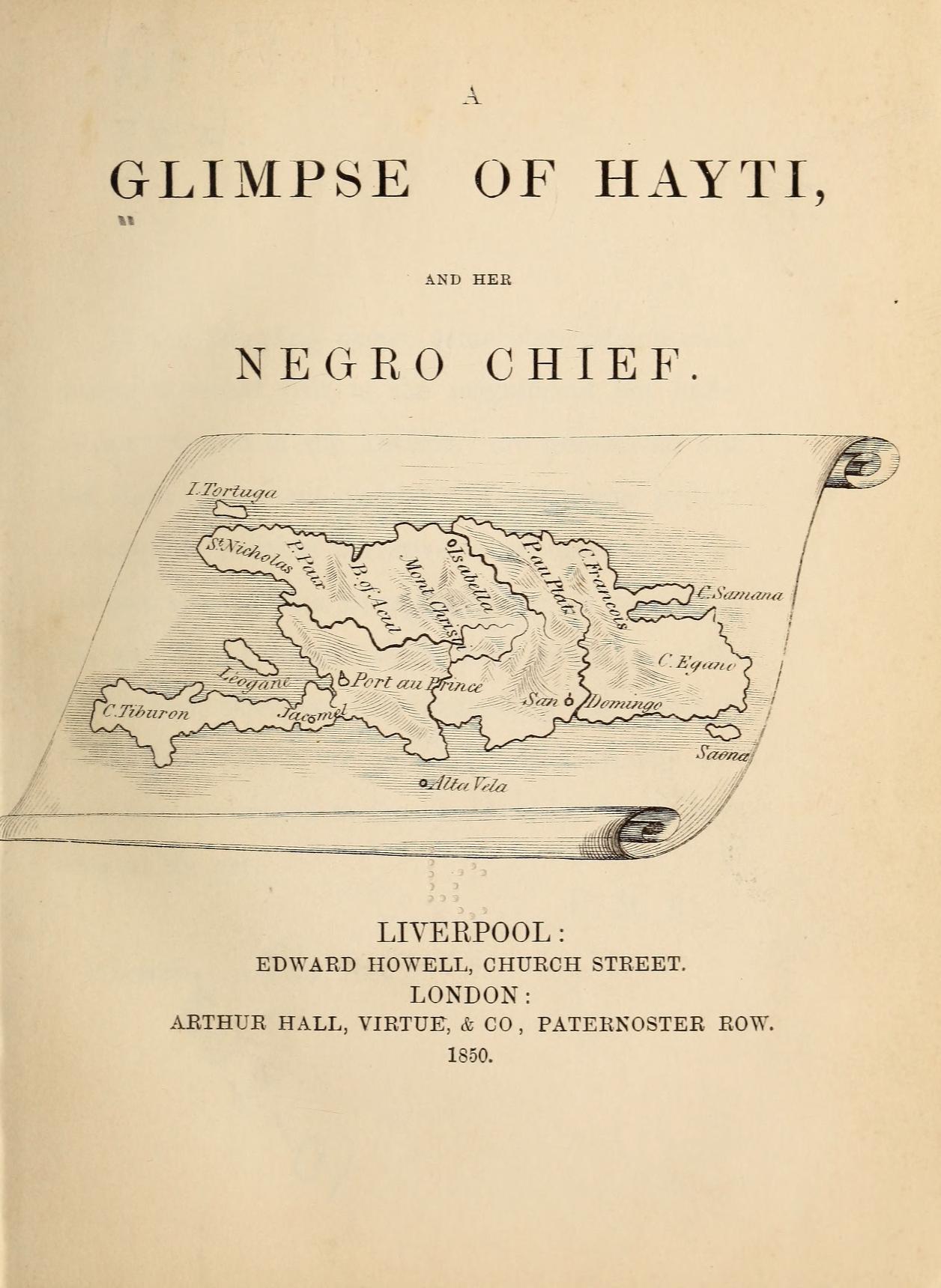 Book
Secondary source
1850
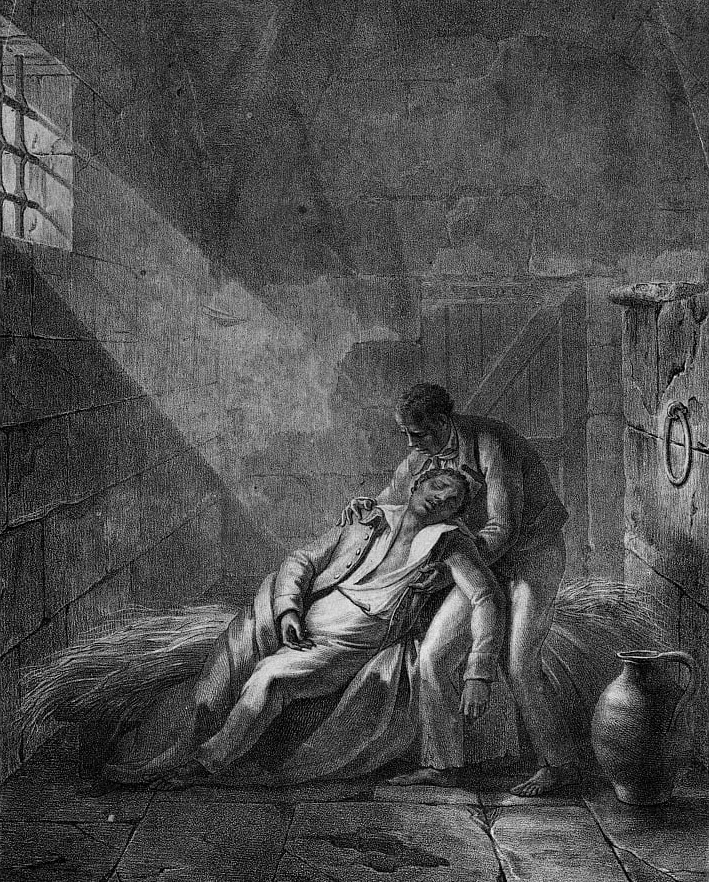 Painting
Secondary source
François Grenier de Saint-Martin (drawing), Jean-François Villain (lithography) · 1821
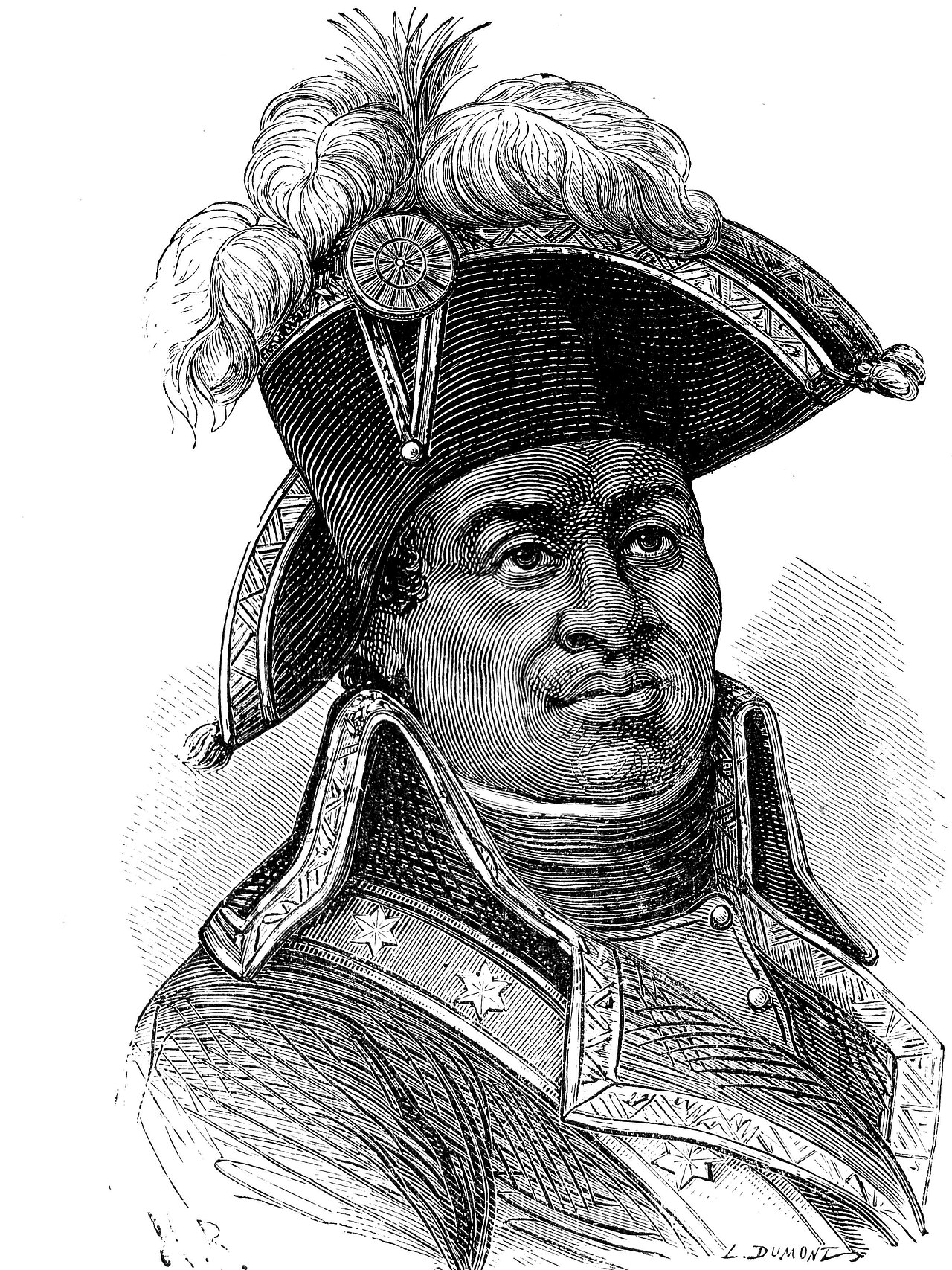 Painting
Secondary source
H. Rousseau (design), L. Dumont (engraving) · 1889
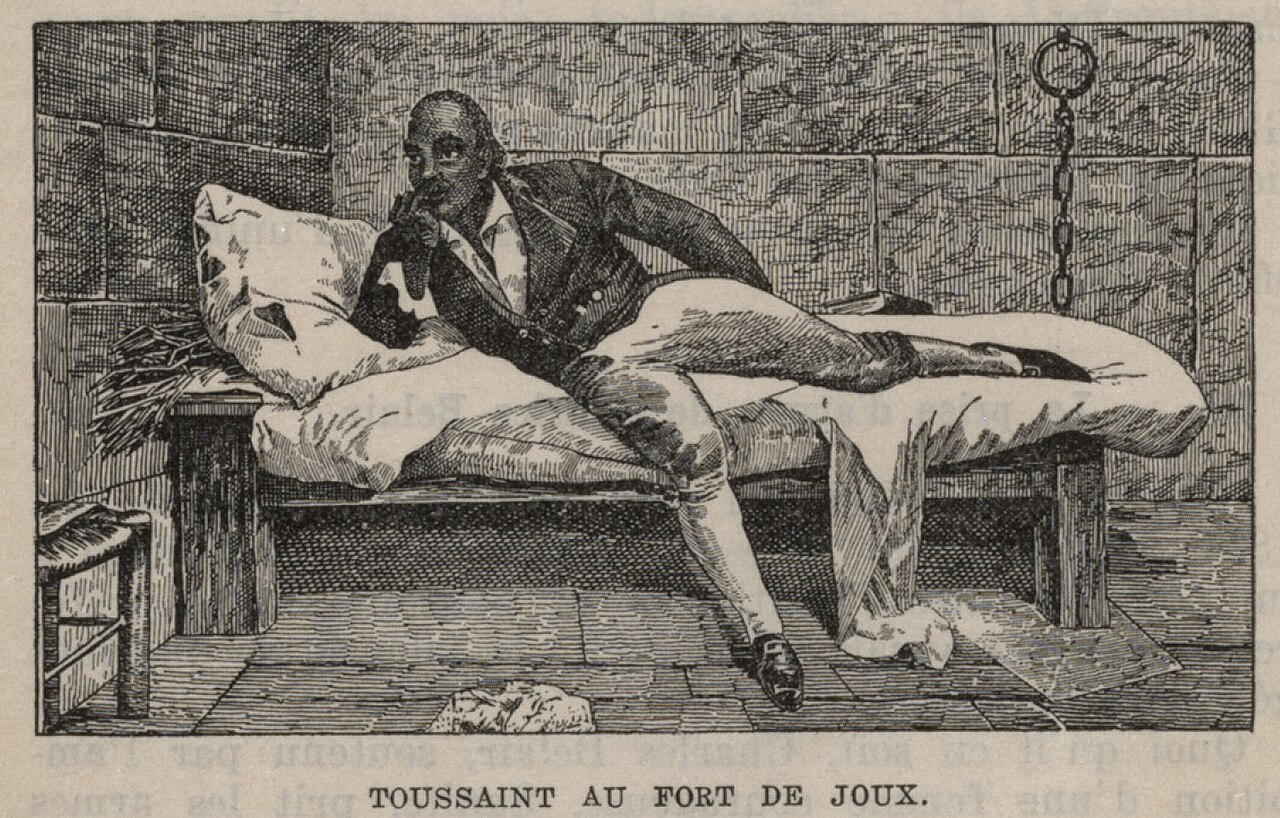 Painting
Secondary source
1934
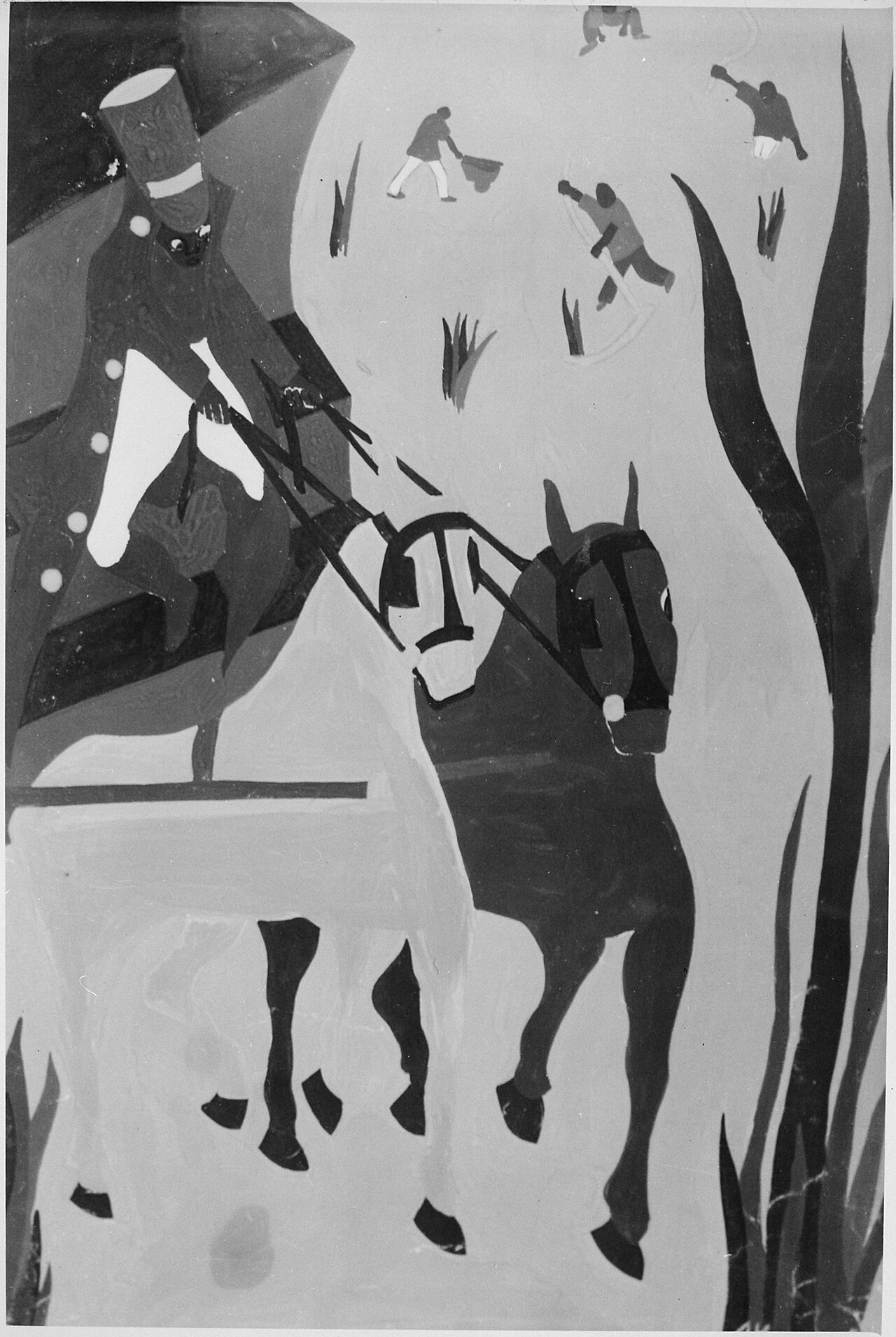 Painting
Secondary source
Jacob Lawrence · 1763 (depicted scene)
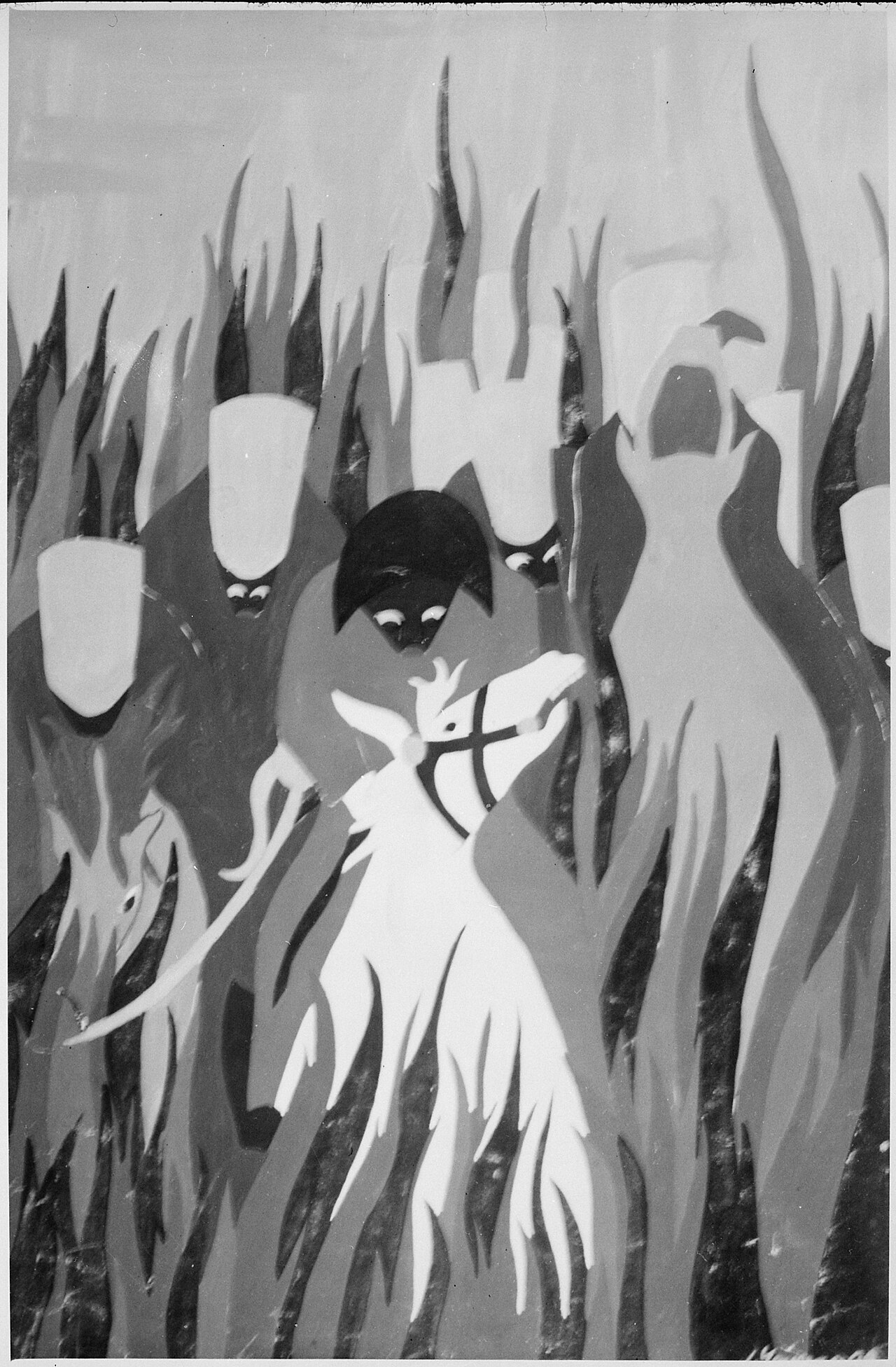 Painting
Secondary source
Jacob Lawrence · 1795 (depicted scene)
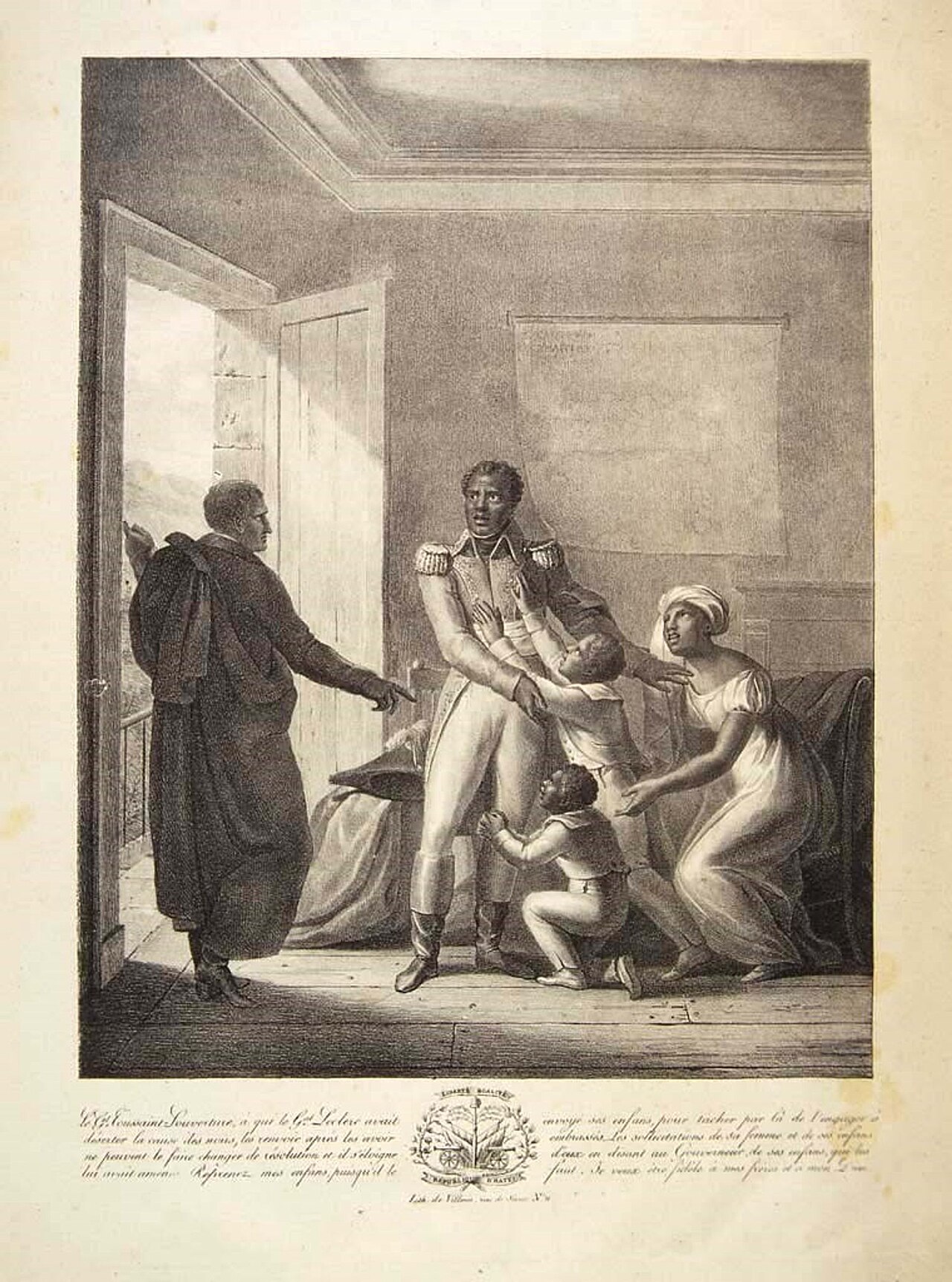 Painting
Secondary source
François Grenier de Saint-Martin (drawing), Jean-François Villain (lithography) · 1821
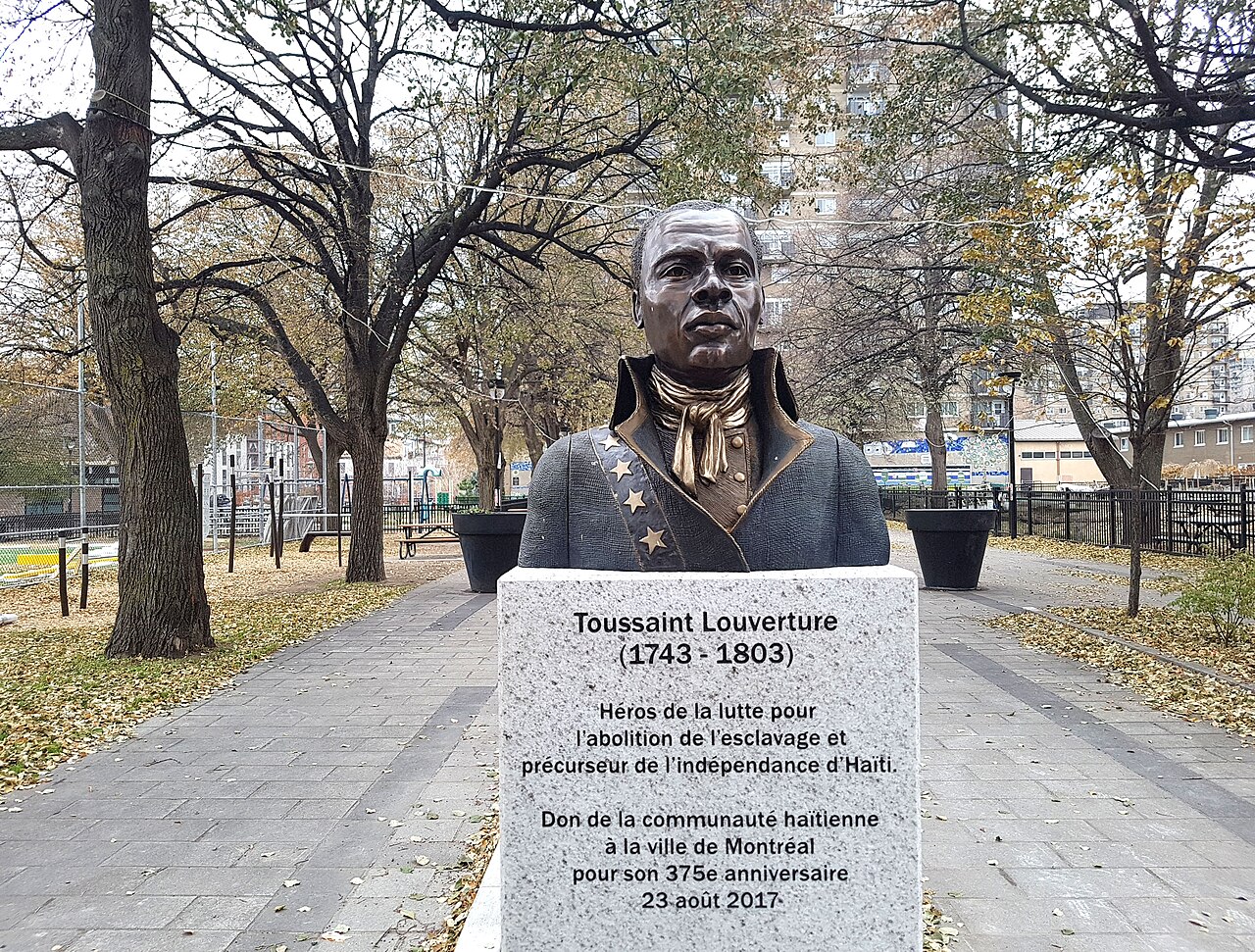 Sculpture
Secondary source
Dominique Dennery · 14 November 2017
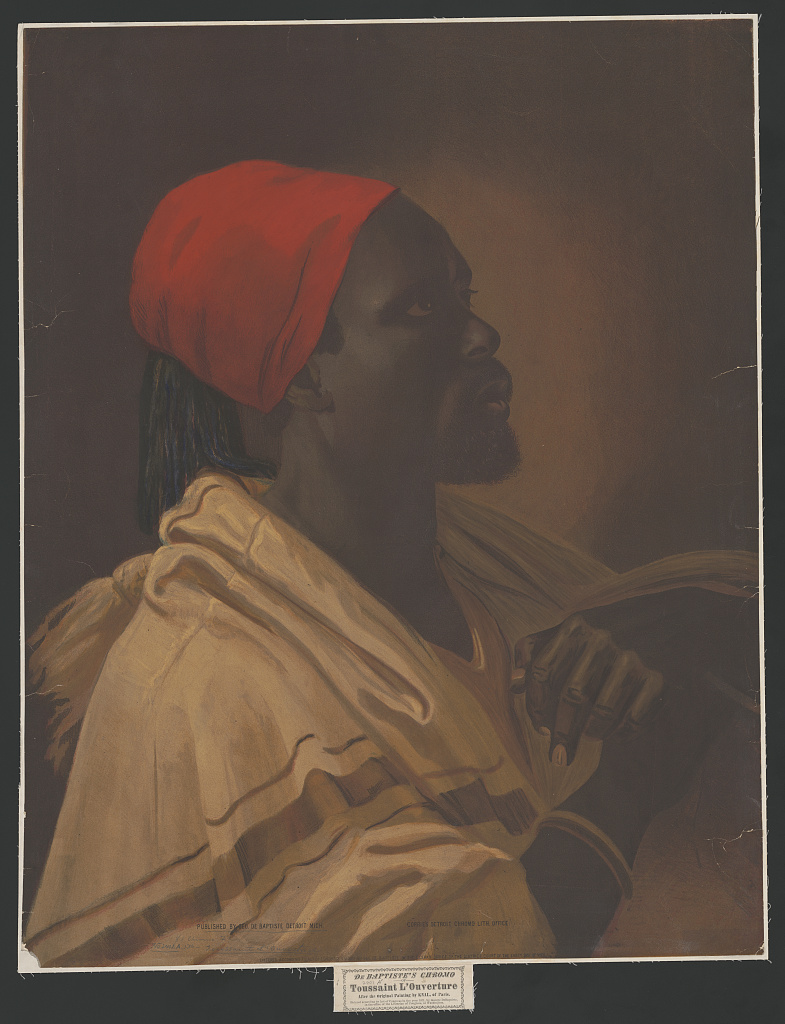 Painting
Secondary source
1870
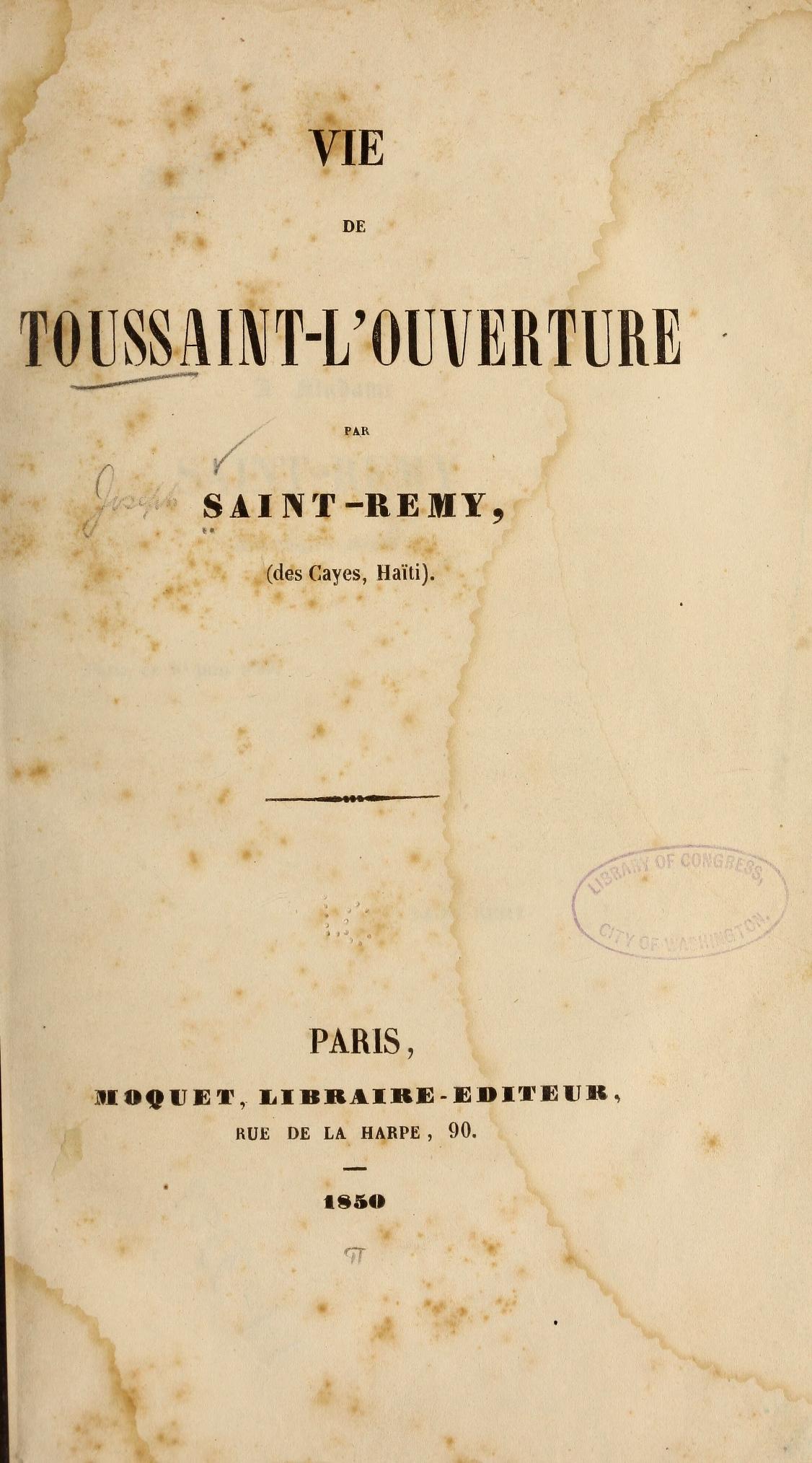 Book
Secondary source
Saint-Remy · 1850
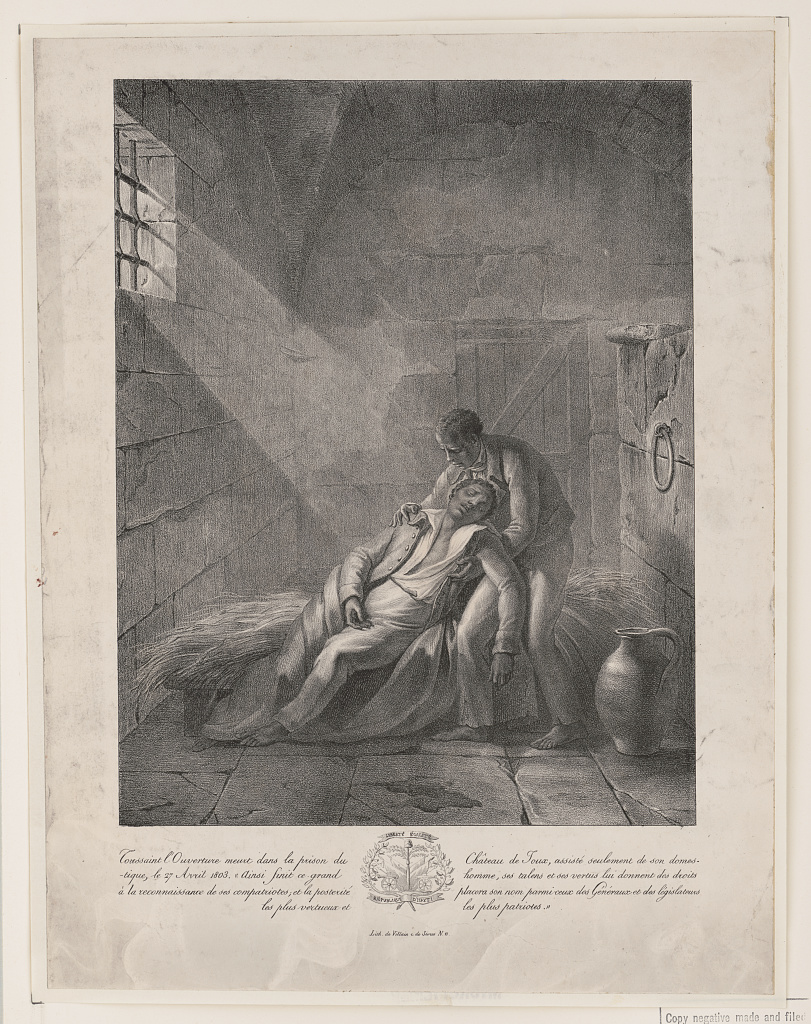 Painting
Secondary source
Villain
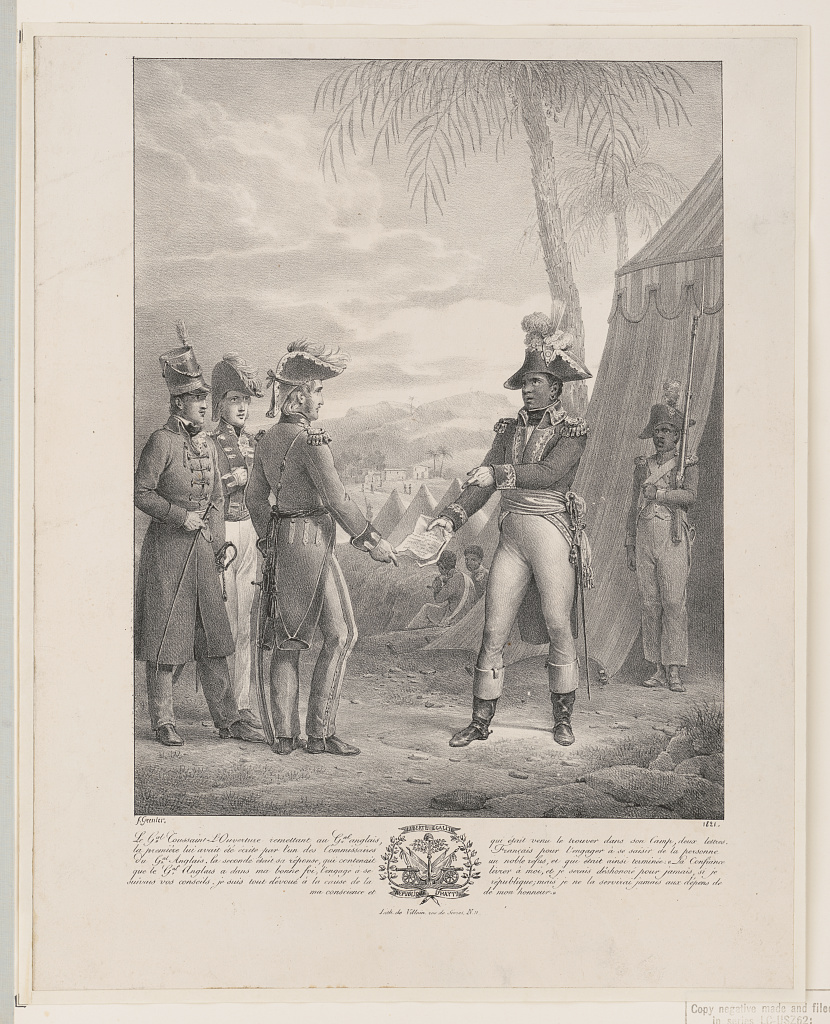 Painting
Secondary source
Villain
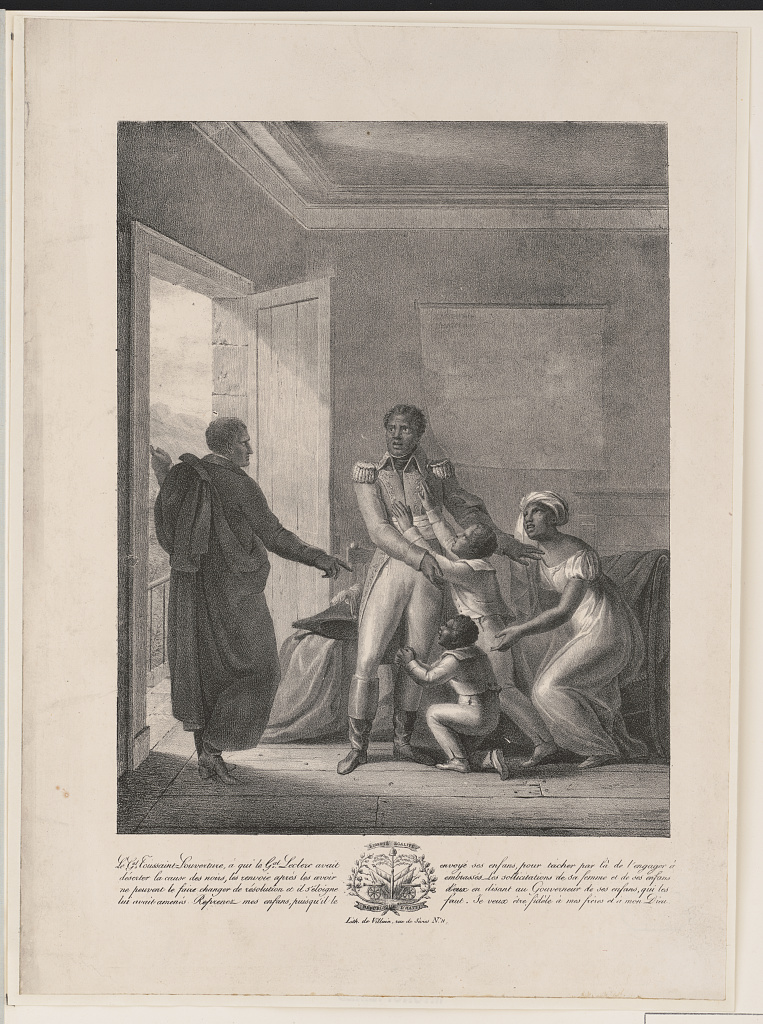 Painting
Secondary source
Villain
 Letter
Primary source
Administration municipale de Saint-Marc · 1800
Secondary source
Antoine Dalmas · 1814
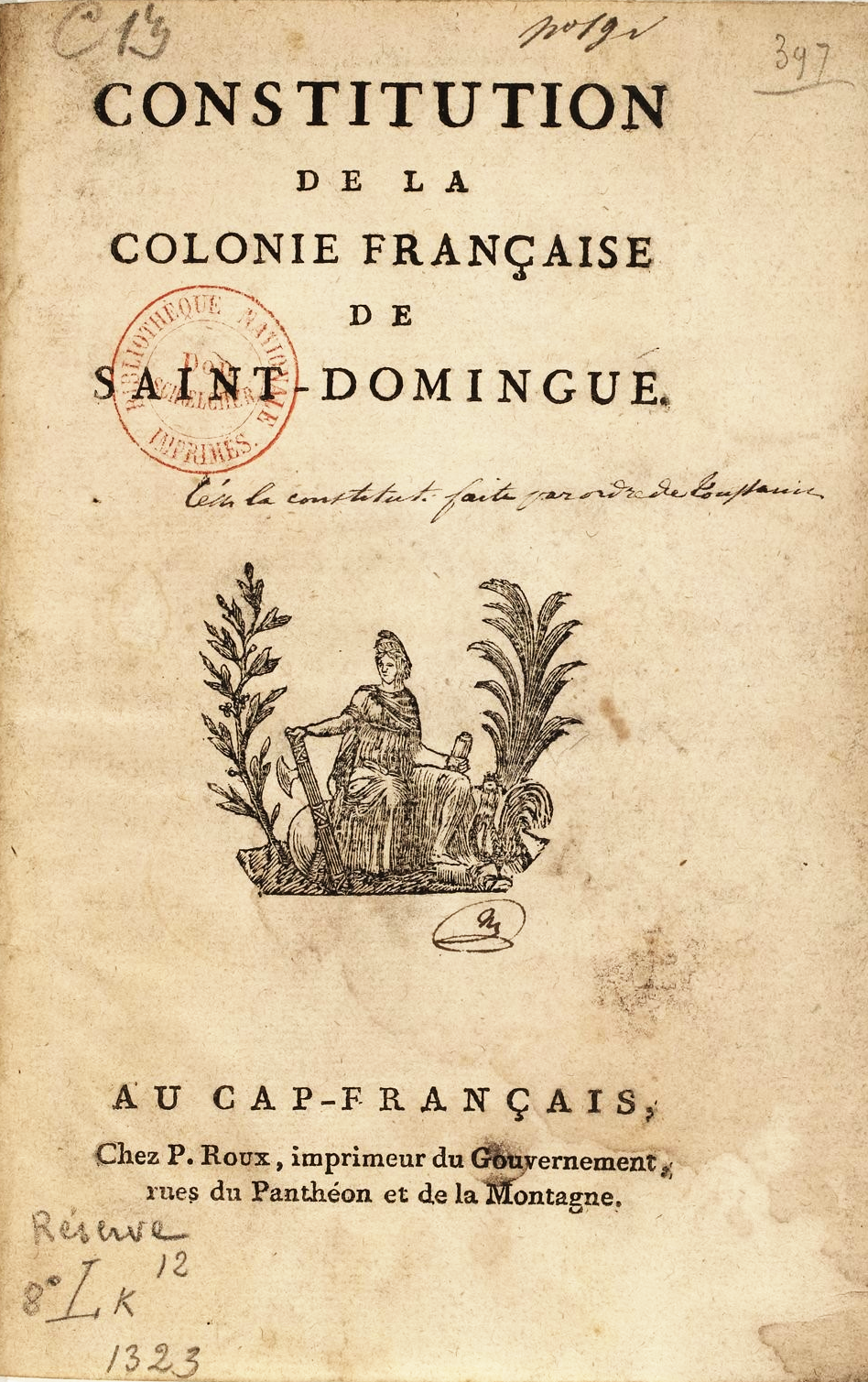 Document
Primary source
8 July 1801
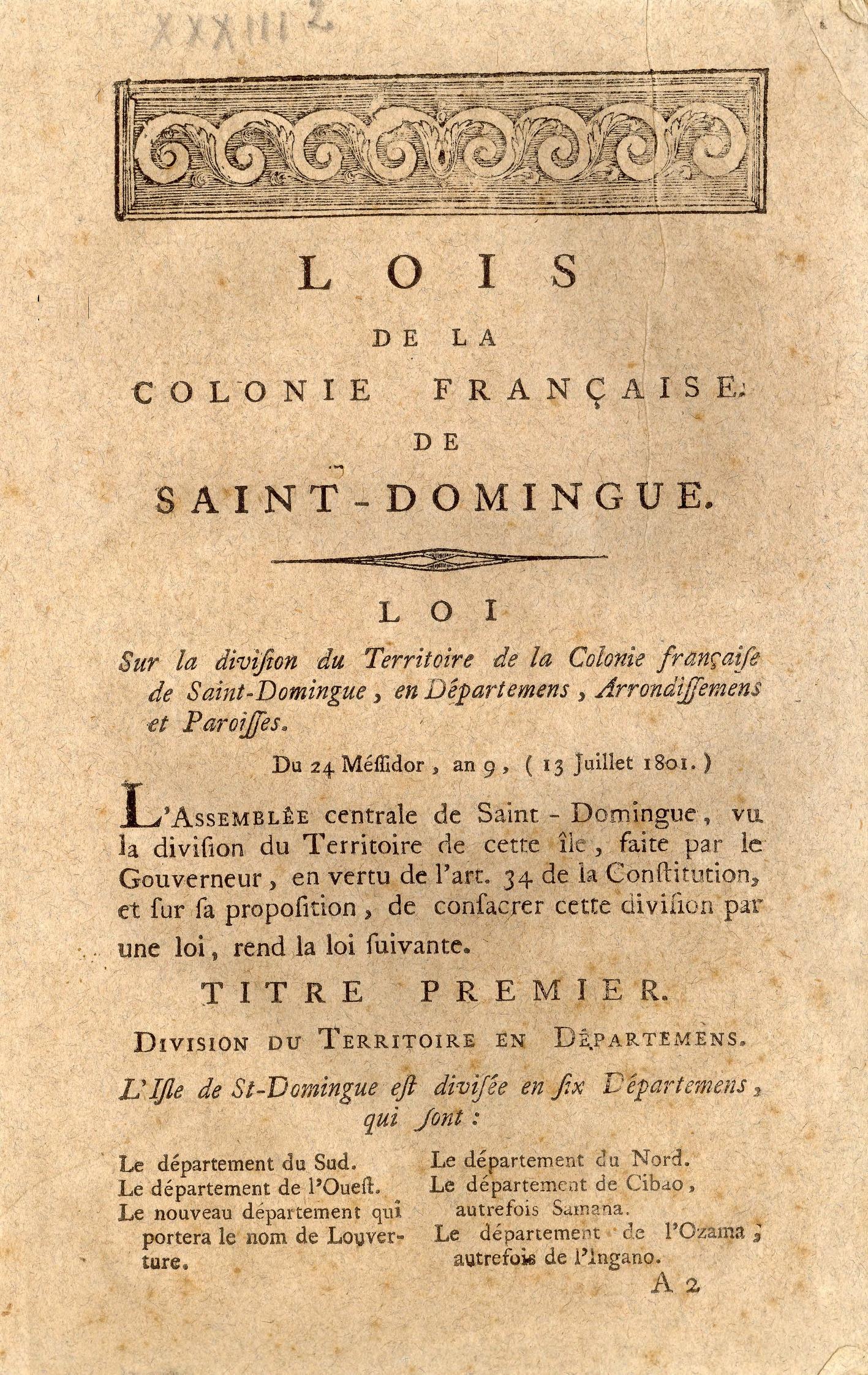 Document
Primary source
Toussaint Louverture · 1801
Secondary source
1907
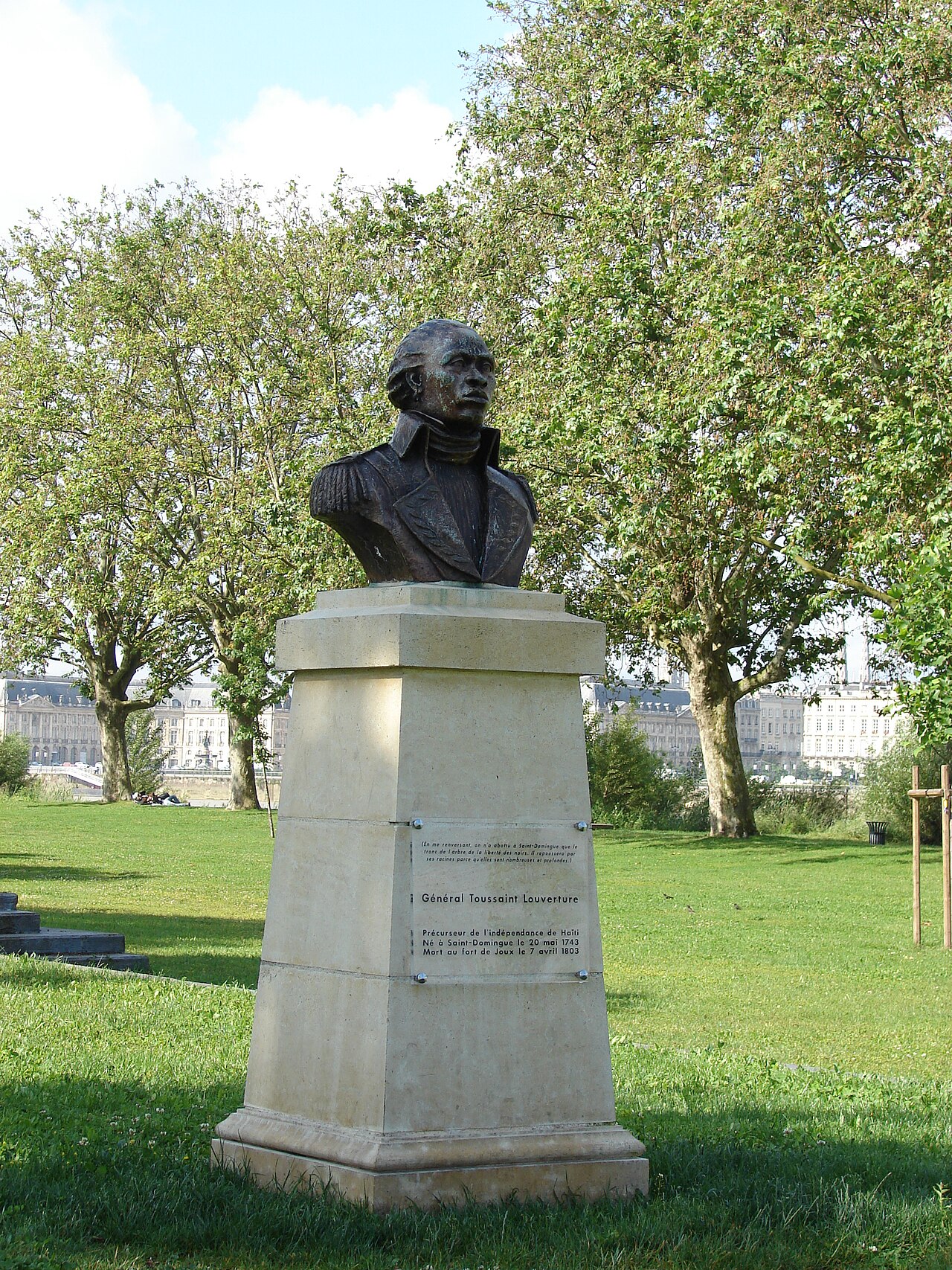 Sculpture
Secondary source
Ludovic Booz · 2004 (bust); photographed 28 May 2008
 Document
Secondary source
Piero d'Hoin dit Triboulet · 2007 (photograph)
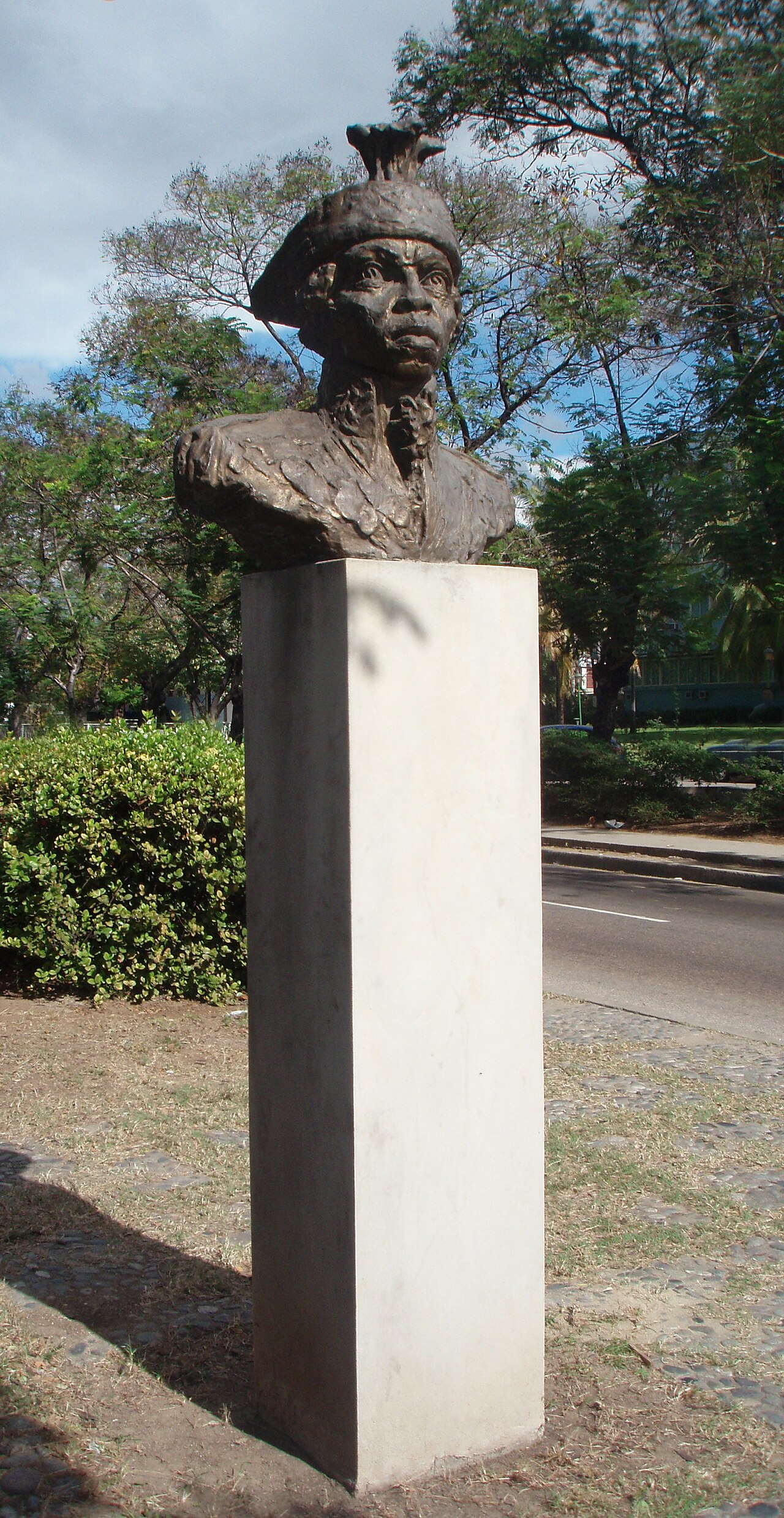 Sculpture
Secondary source
Photographed 6 January 2008
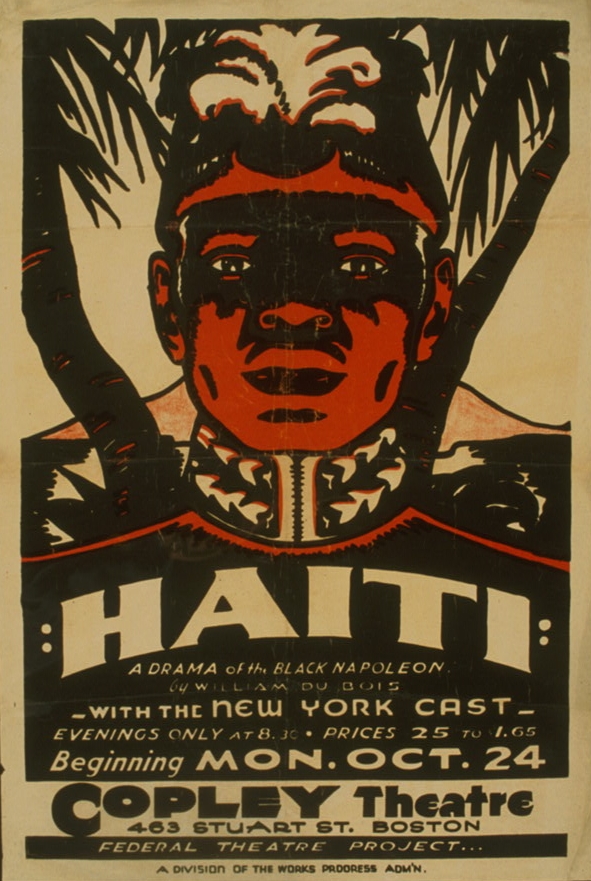 Painting
Secondary source
Unknown, Federal Art Project, Massachusetts · 1938
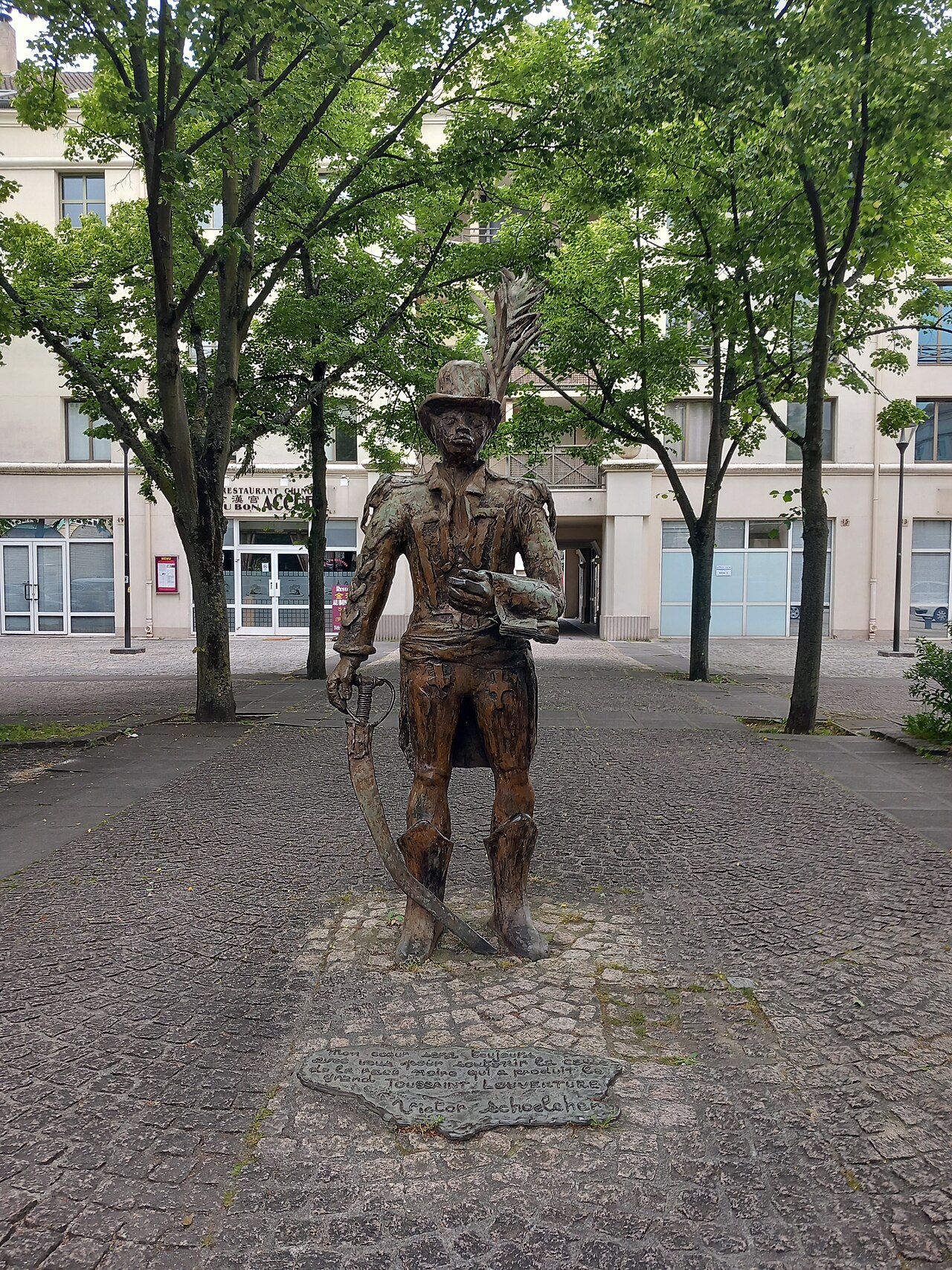 Sculpture
Secondary source
Marianne Casamance · Photographed 23 May 2023
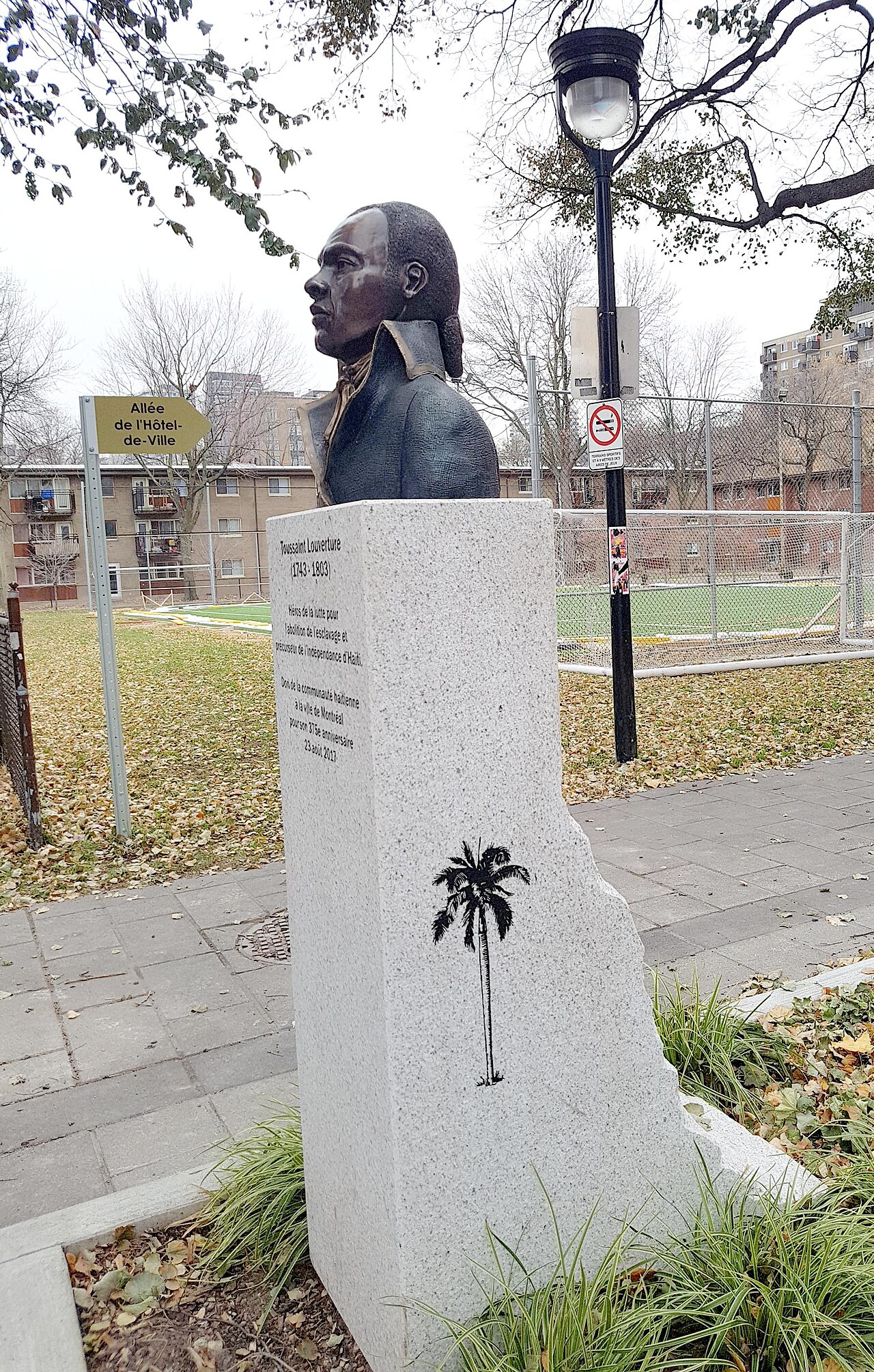 Sculpture
Secondary source
Dominique Dennery · Photographed 14 November 2017
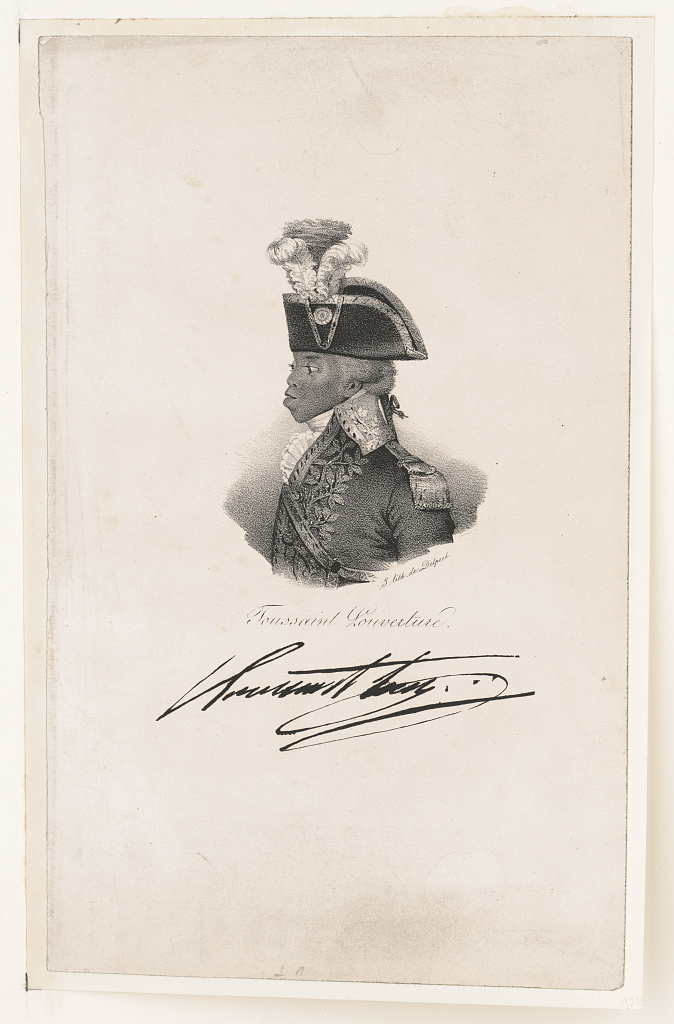 Painting
Secondary source
Delpech (attributed, unverified) · undated
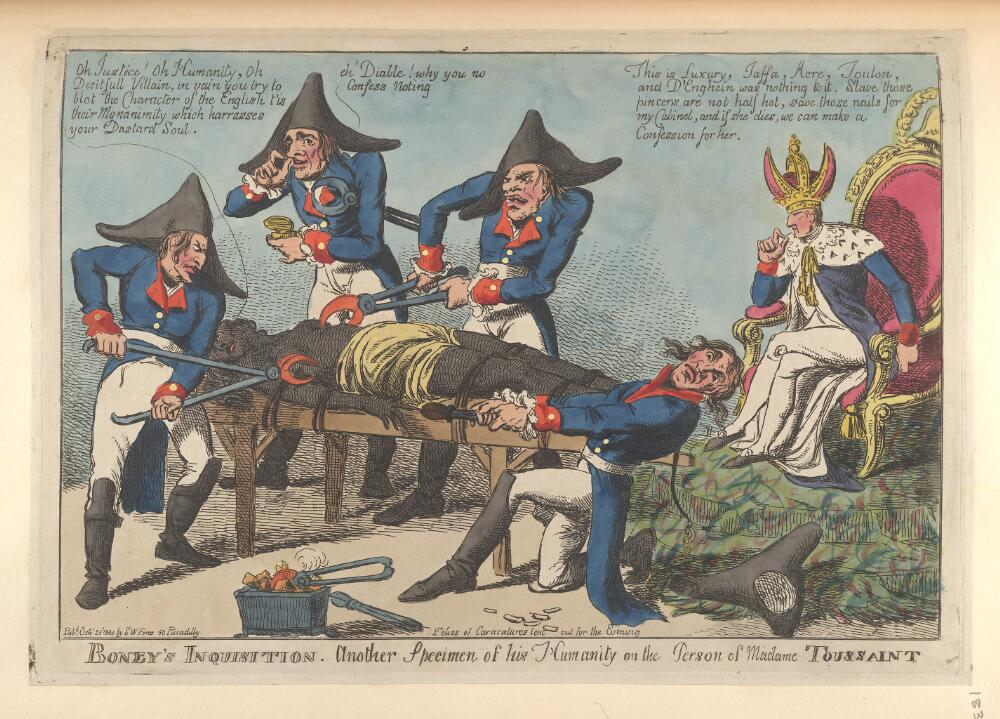 Painting
Primary source
C. Williams (attributed) · June 1797
 Book
Secondary source
Ida A. Taylor · 1904
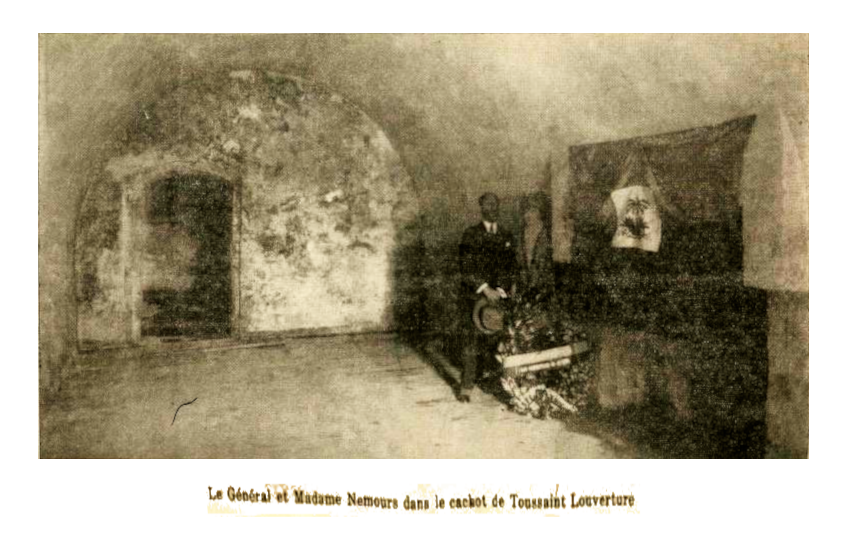 Photograph
Secondary source
Attributed to Toussaint Louverture (unreliable) · 1803 (attributed, unreliable)
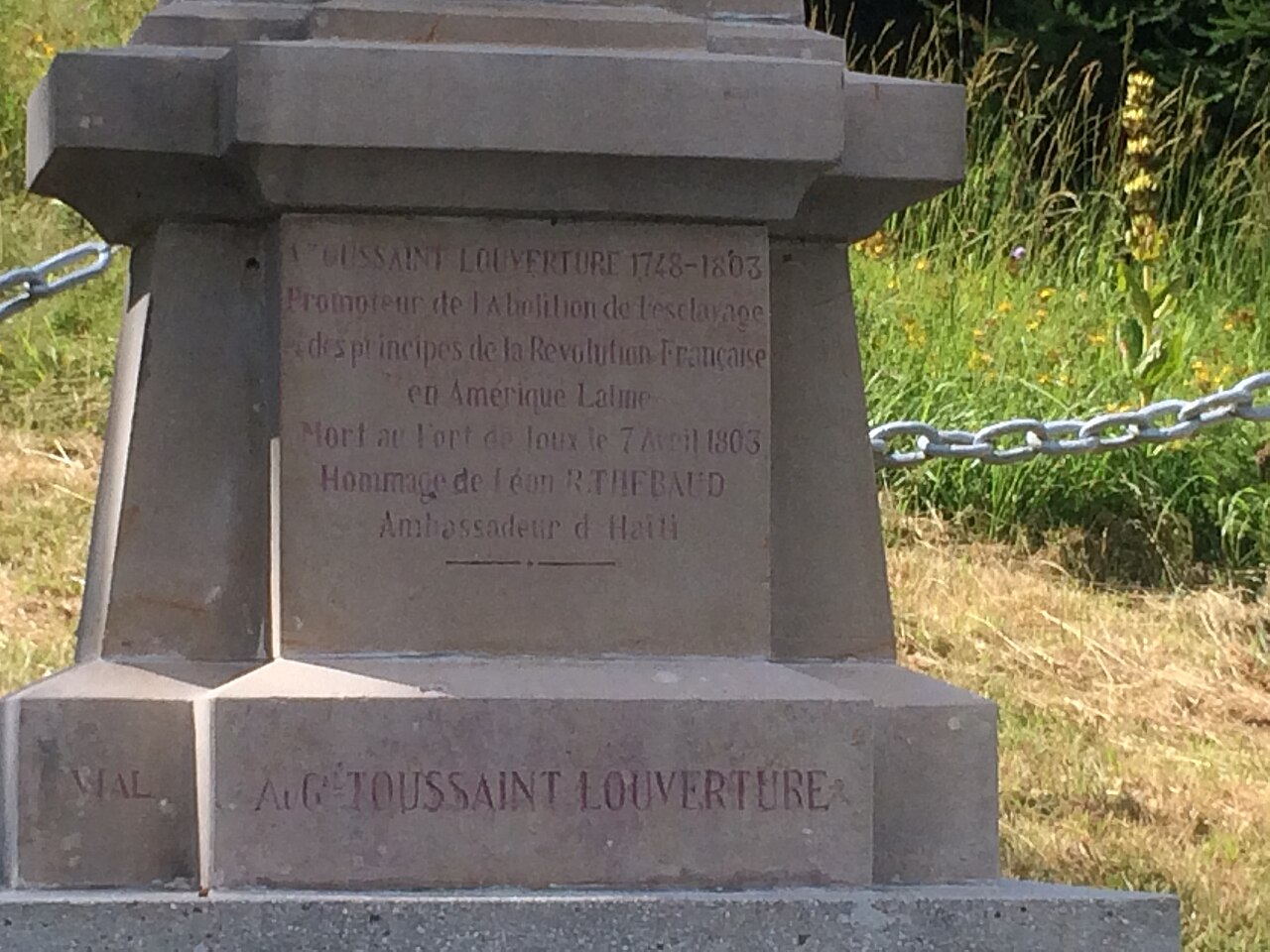 Sculpture
Secondary source
Chris93 (photographer) · photographed 1 August 2016
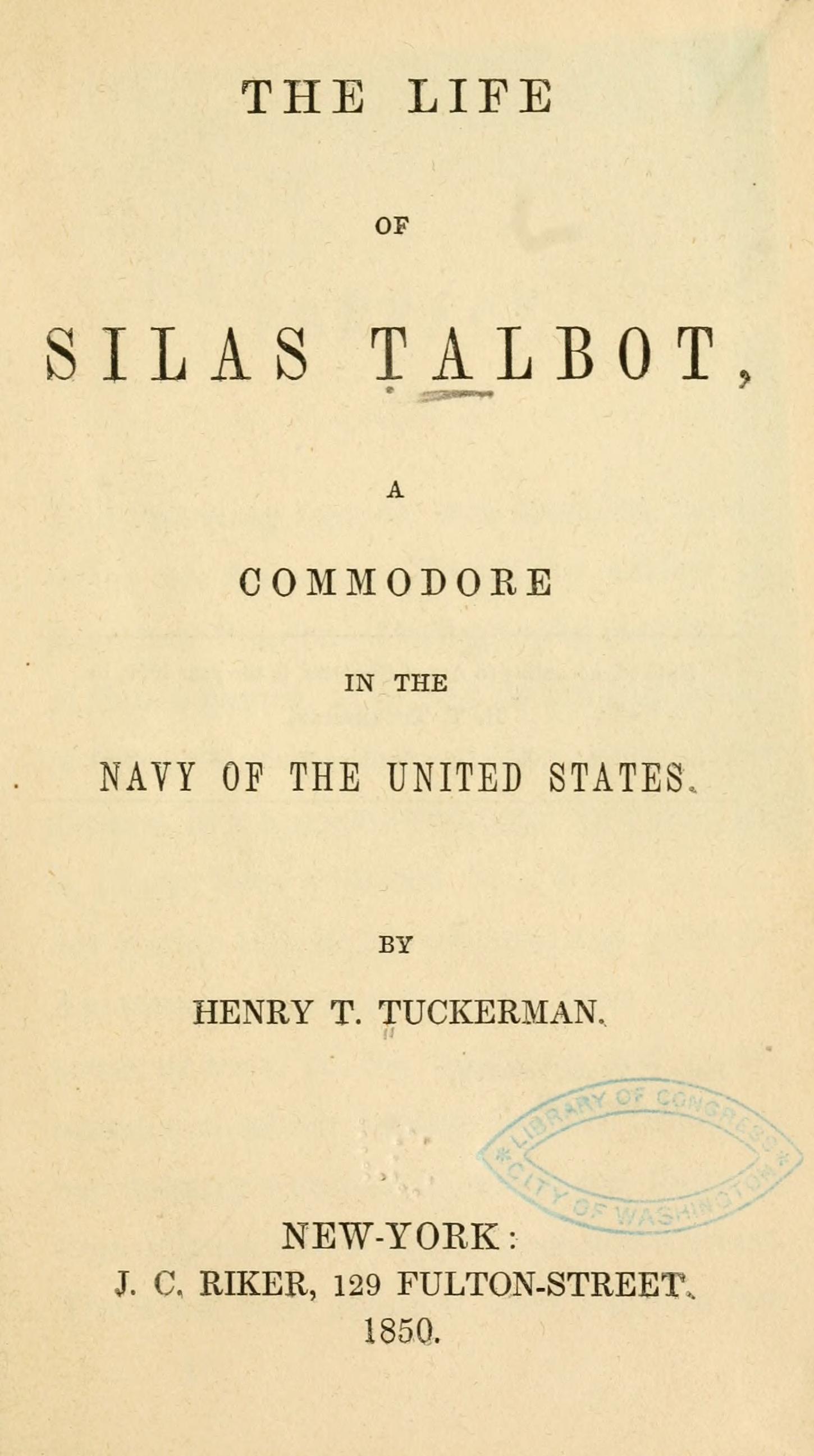 Letter
Primary source
Toussaint Louverture (letter); Henry T. Tuckerman (book) · 1850 (book); letter date unknown
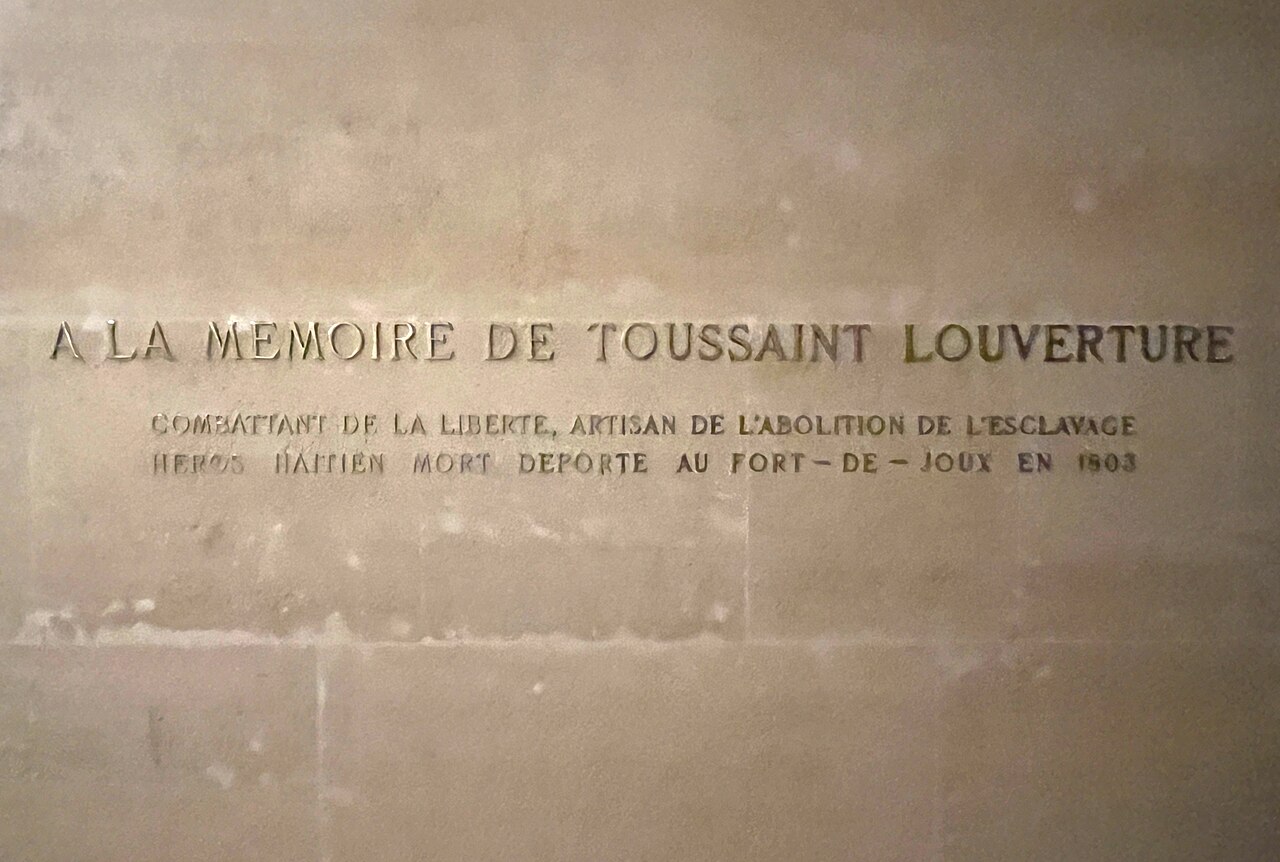 Sculpture
Secondary source
Benoît Prieur · 8 August 2023
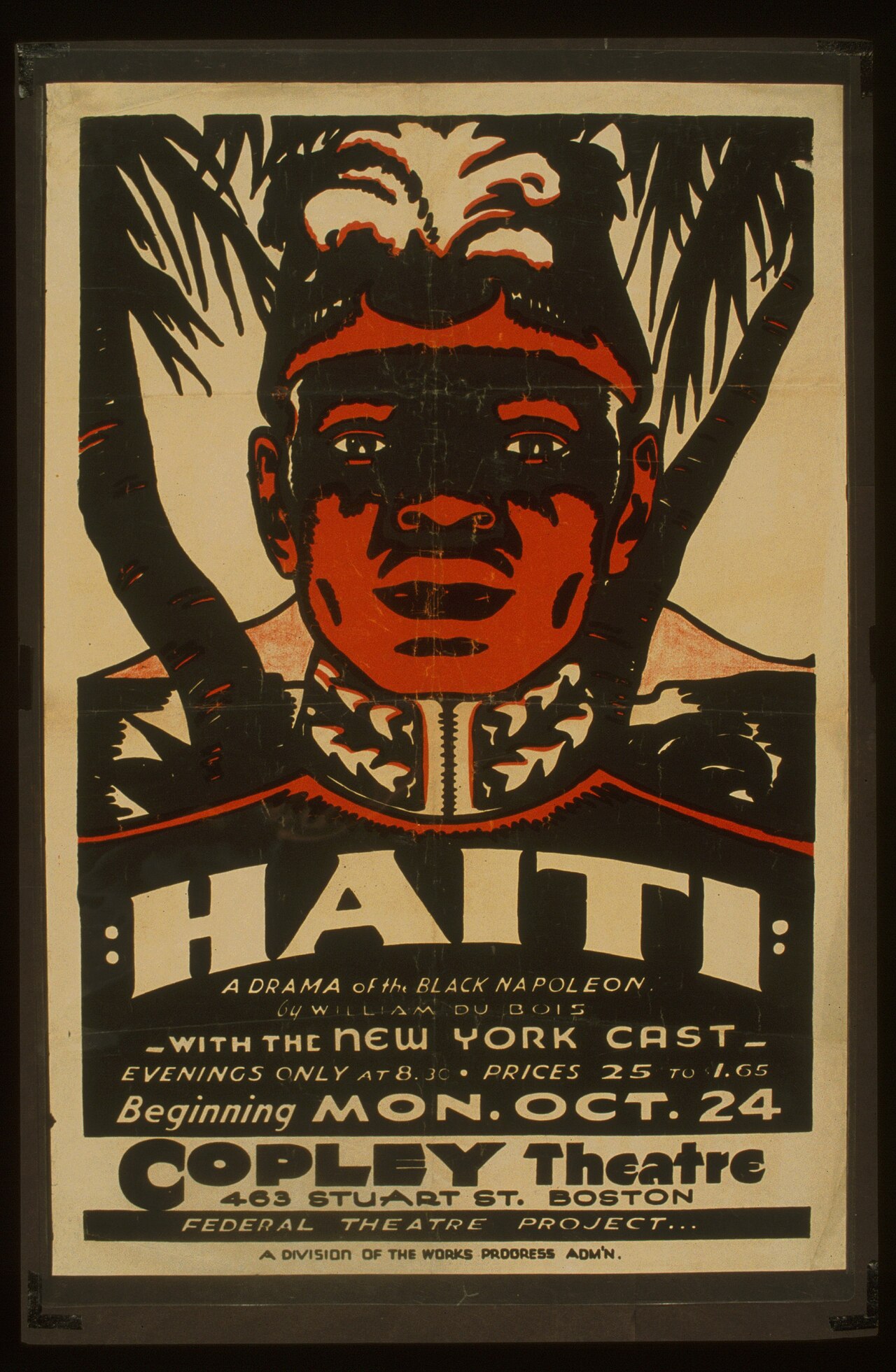 Painting
Secondary source
Work Projects Administration Poster Collection · 1938
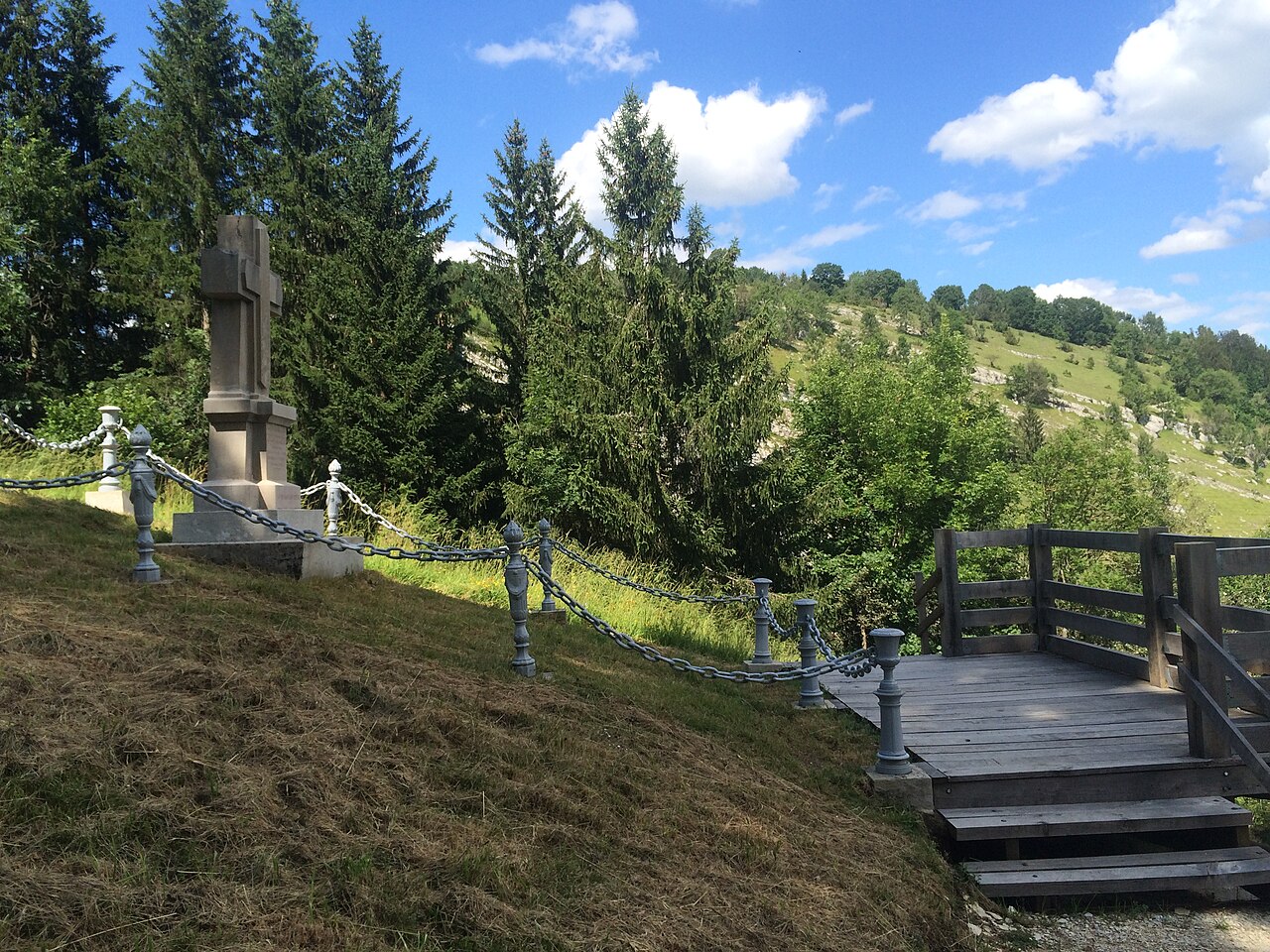 Sculpture
Secondary source
Chris93 · 1 August 2016
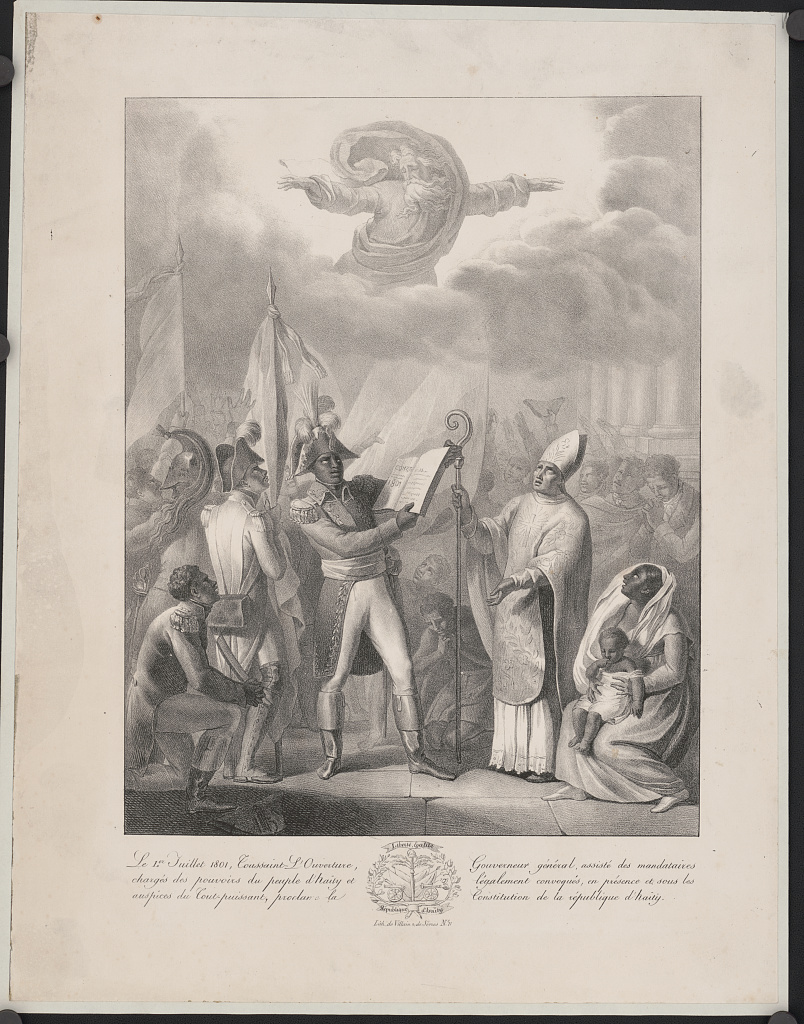 Painting
Secondary source
1801
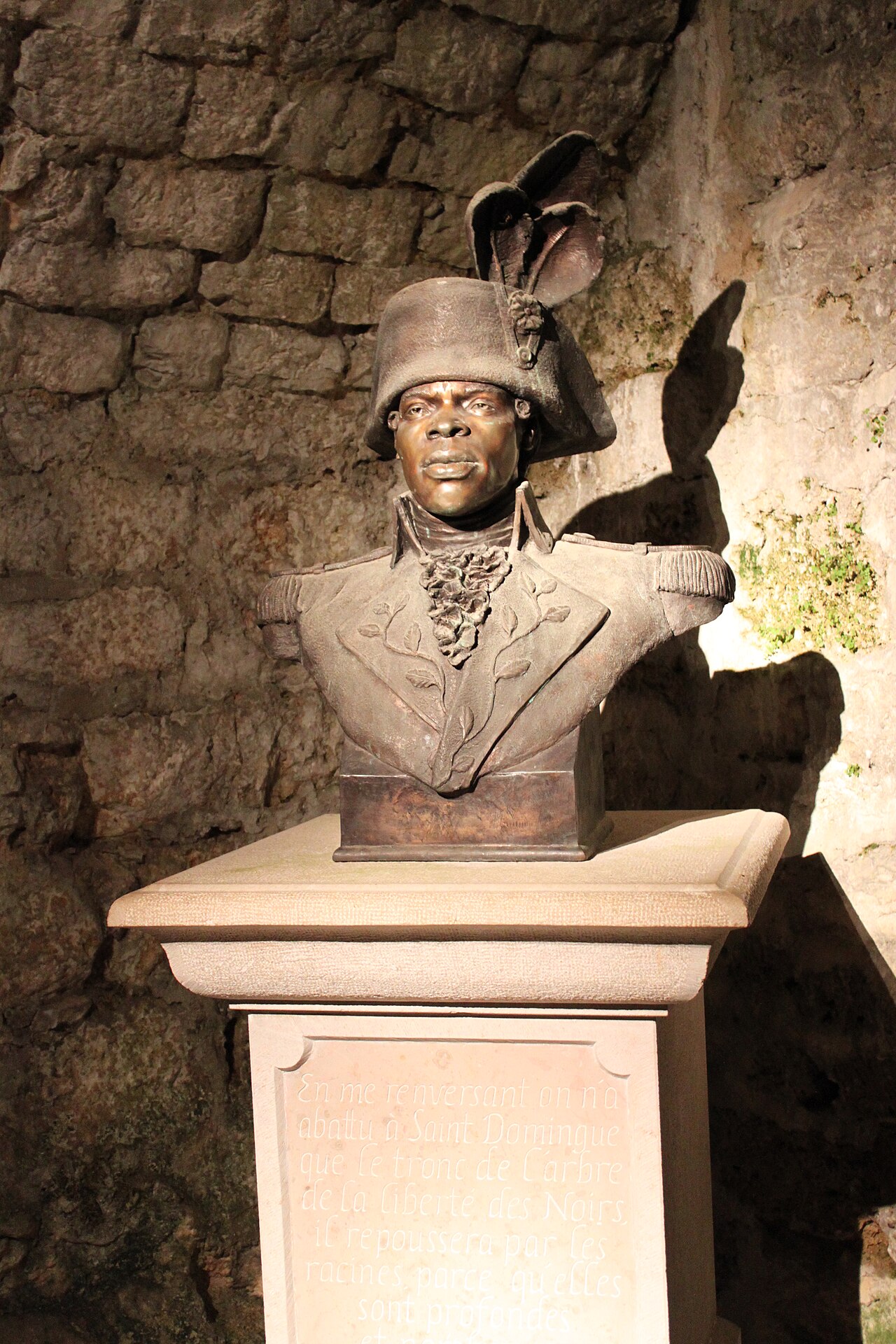 Sculpture
Secondary source
Christophe.Finot · 17 June 2011
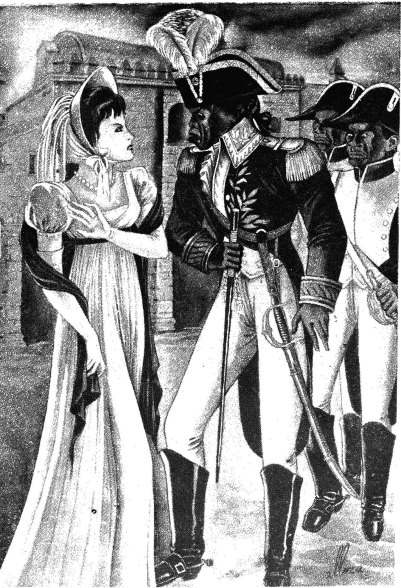 Painting
Secondary source
José Alloza Villagrasa · 1979
Want the full shelf? Chat with Toussaint Louverture in the app and open the Sources panel — every quote links back to the original.
1 collection
A ready-made collection from the Humy team that features Toussaint Louverture. Preview it, then try it free.
Paying customers



























Dr. Michael Calvert
Assistant Superintendent, South Allegheny School District, Pennsylvania
Been using Humy in his district since 2024
“We enjoyed the program last year and used it frequently.”

Jacob Chisom
World and American History, Monticello High School, Arkansas
Been using Humy in his classroom since 2024
“My students say it’s a welcome change of pace. I’m not a fan of the “sage on the stage” model, so I try to incorporate research-oriented and self-paced activities. With Humy, students have to take charge of their learning. They’ve become more adept at critical thinking, forming better questions, and improving their reading comprehension. The interview feature has been my go-to tool. I create assignments where students must ask historical figures a set number of questions, then summarize the responses to ensure they’re truly absorbing the material. This approach lets them actively explore the past rather than passively consuming information.”
Roger Campbell
7th-grade World History, Lancaster County, Pennsylvania
Been using Humy in his classroom since 2024
“Humy has helped me bring historical figures, sometimes long past, to life. When my students interact with these figures in real-time, it eliminates some of the perceived “ancient” characteristics of my curriculum. This has shifted my students’ thinking away from viewing history as abstract or irrelevant. Real-time interactions make historical figures relatable, even allowing students to ask off-topic questions that help put historical lives in a more relevant context for 13-year-olds. The feature I use the most is the interview feature. After teaching a topic, most recently Gandhi and Joan of Arc, I have the students ask pointed, focused questions. We practice good conversation techniques beforehand, teaching them to listen (or read) carefully and formulate thoughtful follow-up questions rather than just interrogating. It helps students practice effective conversation skills.”
Dr. Michael Calvert
Assistant Superintendent, South Allegheny School District, Pennsylvania
Been using Humy in his district since 2024
“We enjoyed the program last year and used it frequently.”
Jacob Chisom
World and American History, Monticello High School, Arkansas
Been using Humy in his classroom since 2024
“My students say it’s a welcome change of pace. I’m not a fan of the “sage on the stage” model, so I try to incorporate research-oriented and self-paced activities. With Humy, students have to take charge of their learning. They’ve become more adept at critical thinking, forming better questions, and improving their reading comprehension. The interview feature has been my go-to tool. I create assignments where students must ask historical figures a set number of questions, then summarize the responses to ensure they’re truly absorbing the material. This approach lets them actively explore the past rather than passively consuming information.”
Roger Campbell
7th-grade World History, Lancaster County, Pennsylvania
Been using Humy in his classroom since 2024
“Humy has helped me bring historical figures, sometimes long past, to life. When my students interact with these figures in real-time, it eliminates some of the perceived “ancient” characteristics of my curriculum. This has shifted my students’ thinking away from viewing history as abstract or irrelevant. Real-time interactions make historical figures relatable, even allowing students to ask off-topic questions that help put historical lives in a more relevant context for 13-year-olds. The feature I use the most is the interview feature. After teaching a topic, most recently Gandhi and Joan of Arc, I have the students ask pointed, focused questions. We practice good conversation techniques beforehand, teaching them to listen (or read) carefully and formulate thoughtful follow-up questions rather than just interrogating. It helps students practice effective conversation skills.”
FAQ
Like any LLM, the AI version of Toussaint Louverture can get details wrong. Open one of these sources in a new tab to verify what you’ve read.

Chilean independence leader.

Haitian revolutionary leader and first ruler of independent Haiti.

Argentine general and independence leader. Led the liberation of Argentina, Chile, and Peru from Spanish rule.

French military officer who supported the American Revolution.

Mexican Roman Catholic priest and revolutionary leader who is regarded as the father of Mexican independence.

French military and political leader who rose to prominence during the French Revolution and its associated wars.
Ready when you are
20 messages free · No credit card · Available in 50+ languages.