



Dr. Michael Calvert
Assistant Superintendent, South Allegheny School District, Pennsylvania
Been using Humy in his district since 2024
“We enjoyed the program last year and used it frequently.”
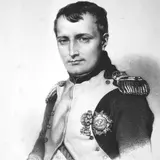
AI Historical Figure
French military and political leader who rose to prominence during the French Revolution and its associated wars.
Chat with Napoleon Bonaparte via text or voice — in 42 languages, drawing on a curated biography and 106 historical sources. Available 24/7.

Napoleon Bonaparte
Online · responds in seconds
Hello — I'm Napoleon Bonaparte. French military and political leader who rose to prominence during the French Revolution and its associated wars. What would you like to ask me?
20 messages free · No credit card · Powered by Humy.ai
Live preview · Switch between 42 languages above · Send a message to continue in the app
Multilingual
Ask Napoleon Bonaparte questions in any language below, and the rest of Humy's app speaks it too. Pick yours to open the chat in that language.
Also in German (Austria), German (Switzerland), English (UK), English (Australia), English (Canada).
106 sources · 34 paintings · 27 books · 17 documents · 9 speeches · 7 letters · 6 artifacts · 3 newspaper articles · 2 sculptures · 1 diary entry
Napoleon Bonaparte doesn’t improvise from thin air. The AI is grounded in 106 curated historical sources students can inspect. Open any of them to see what informs the conversation.
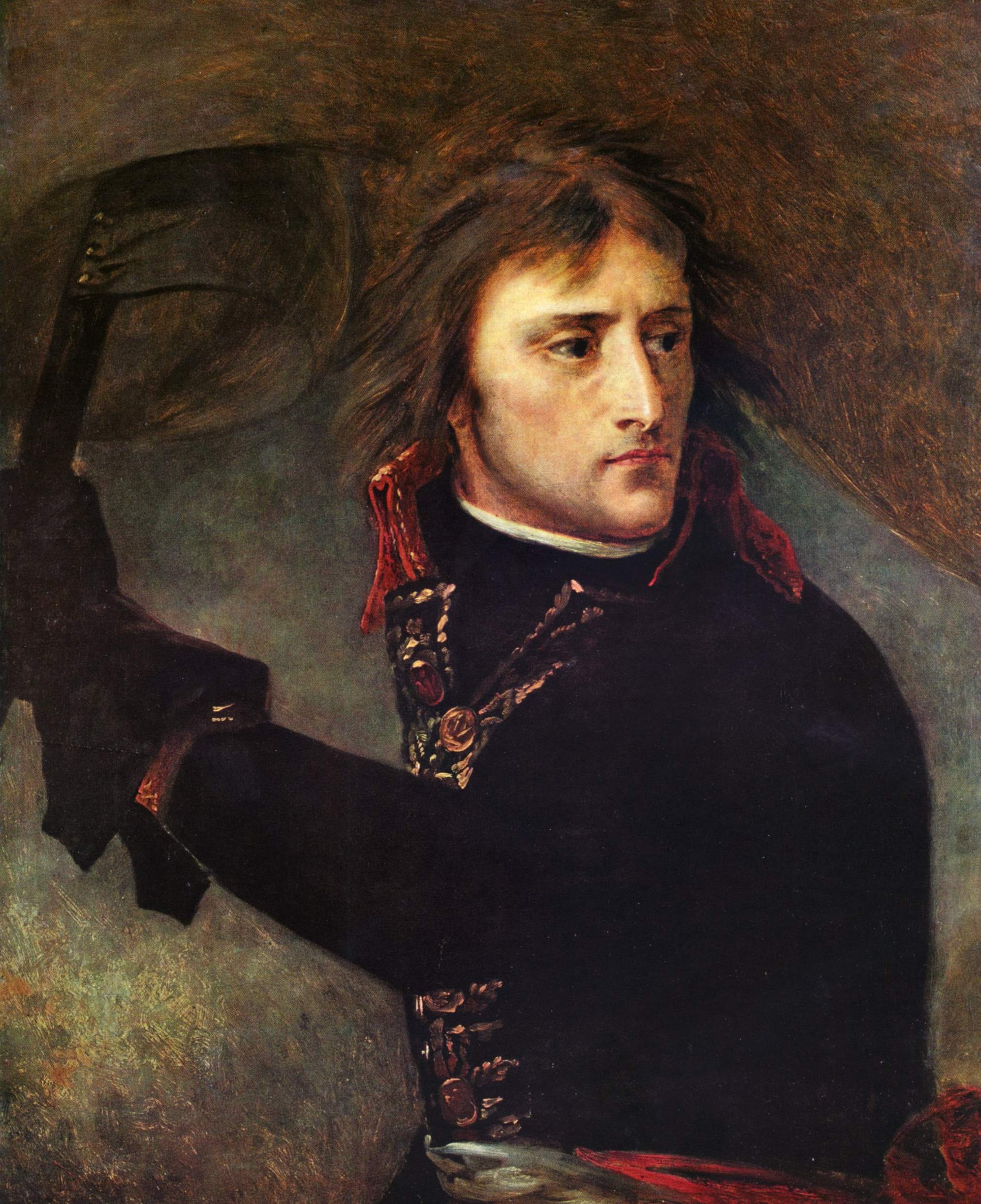 Painting
Primary source
Antoine-Jean Gros · 1796
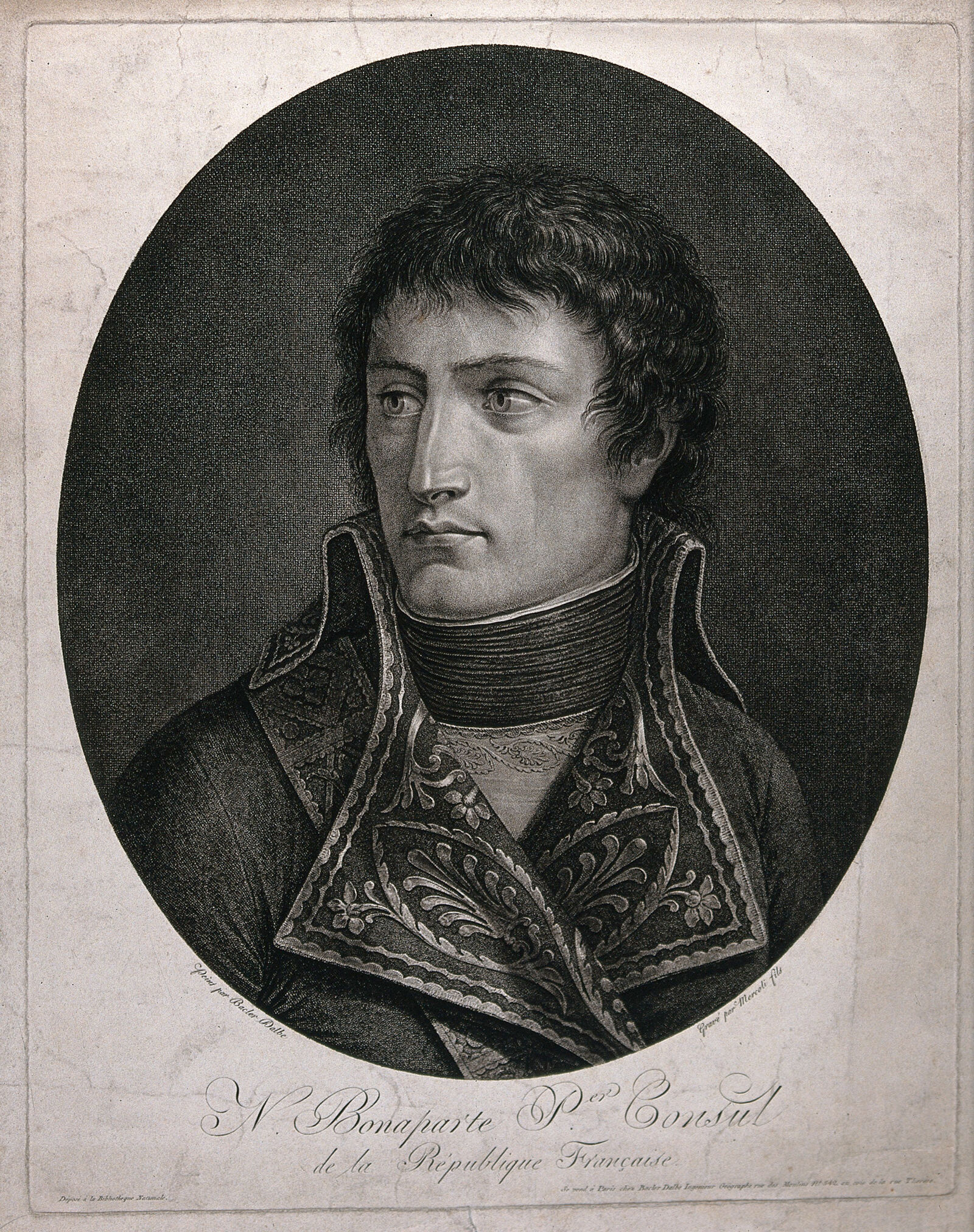 Painting
Primary source
Louis Albert Guislain Bacler d'Albe · c. 1800
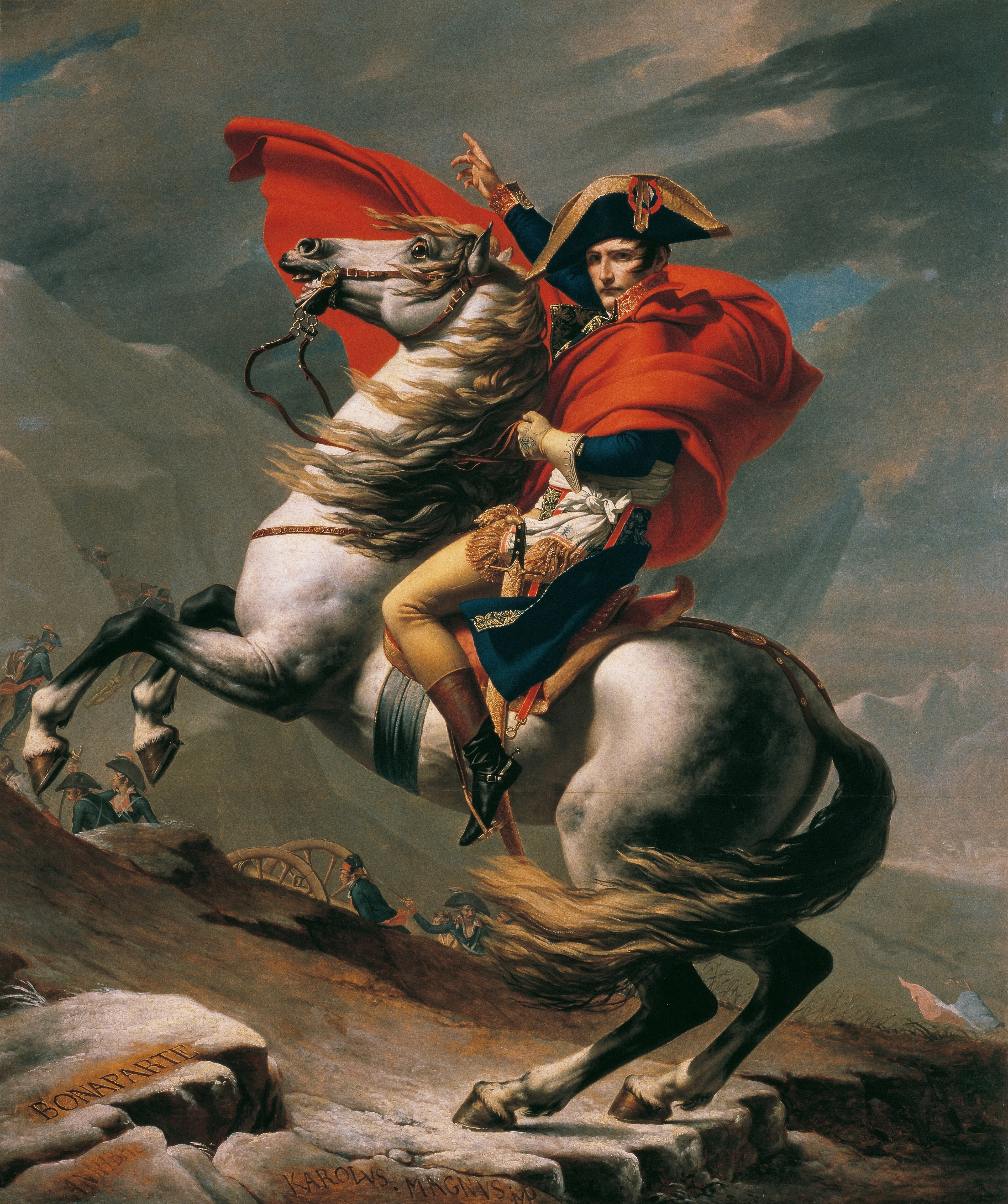 Painting
Primary source
Jacques-Louis David · 1801
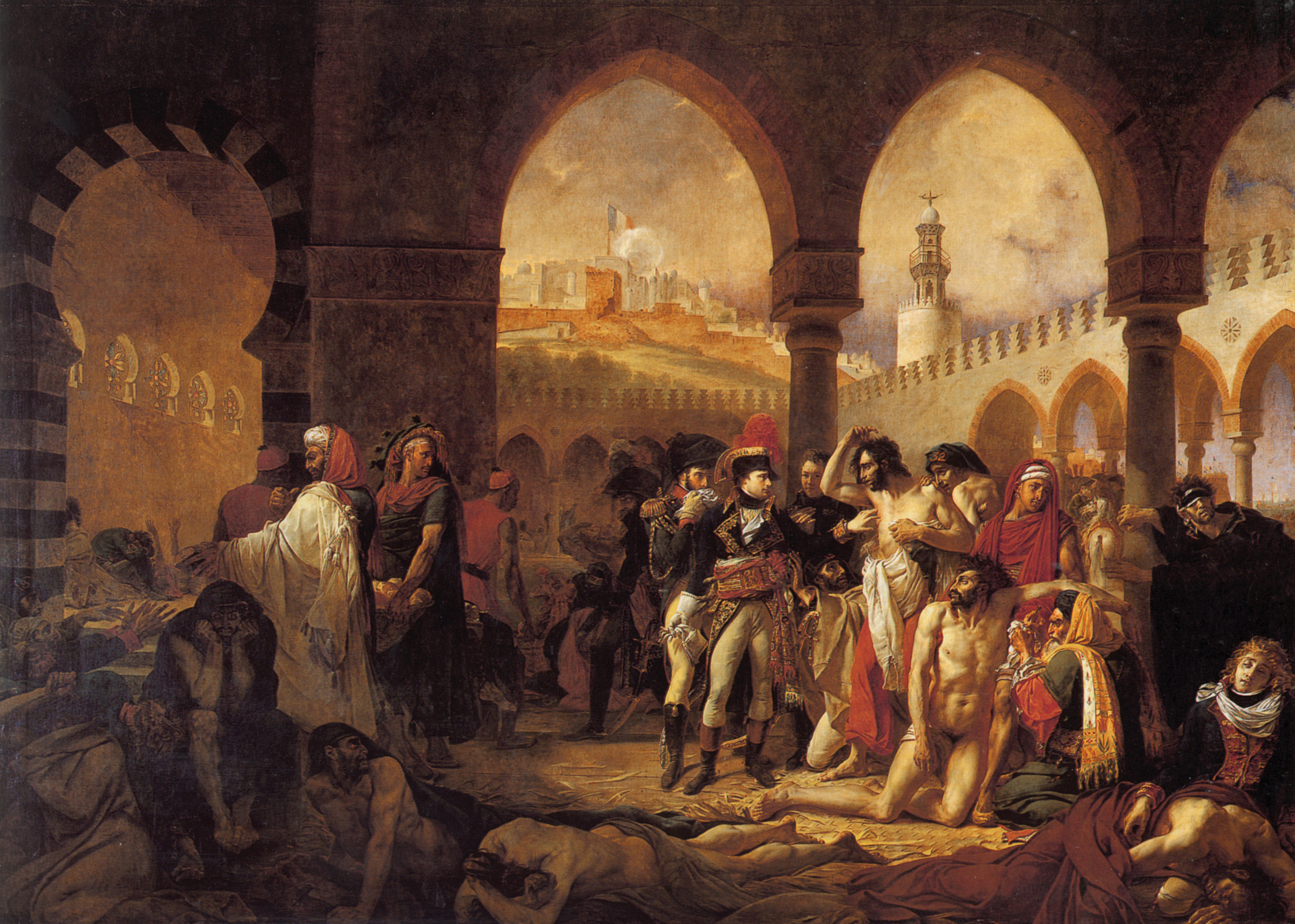 Painting
Primary source
Antoine-Jean Gros · 1804
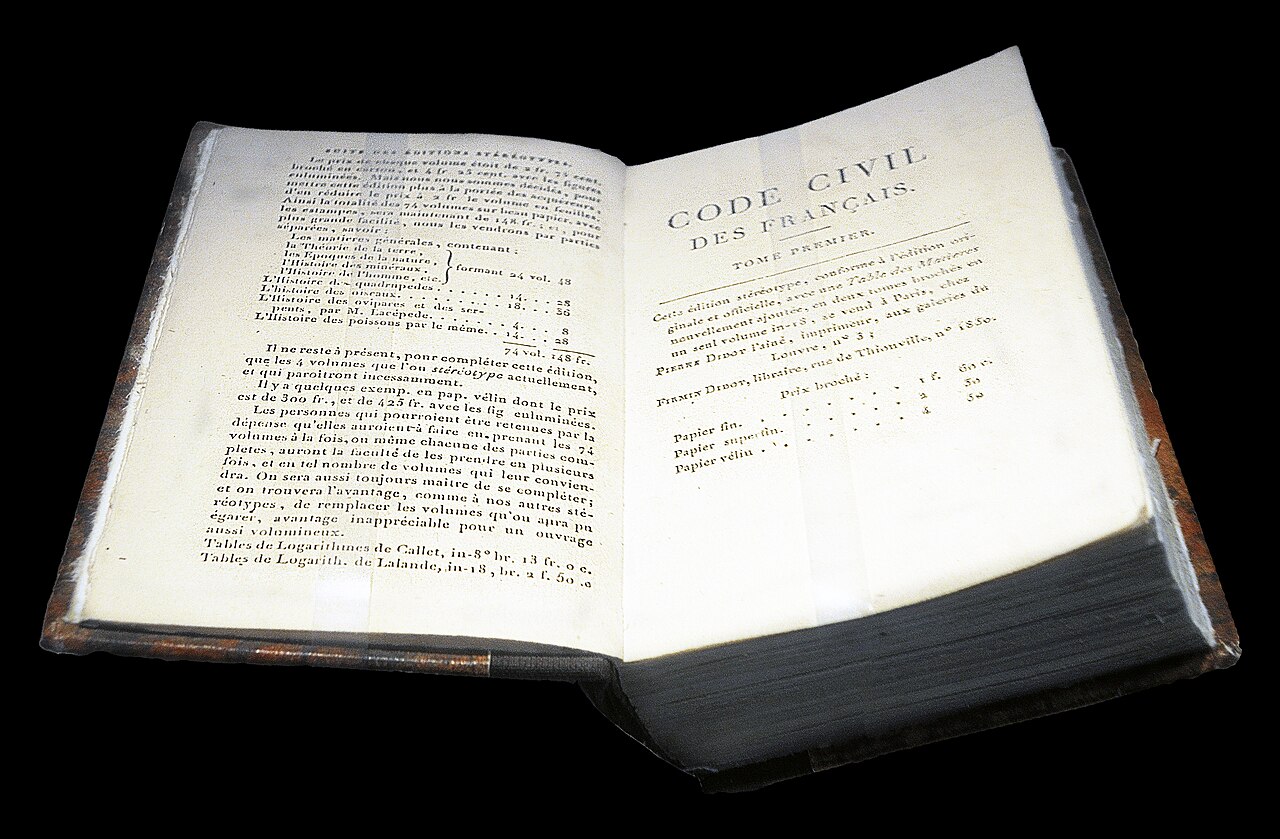 Document
Primary source
1804
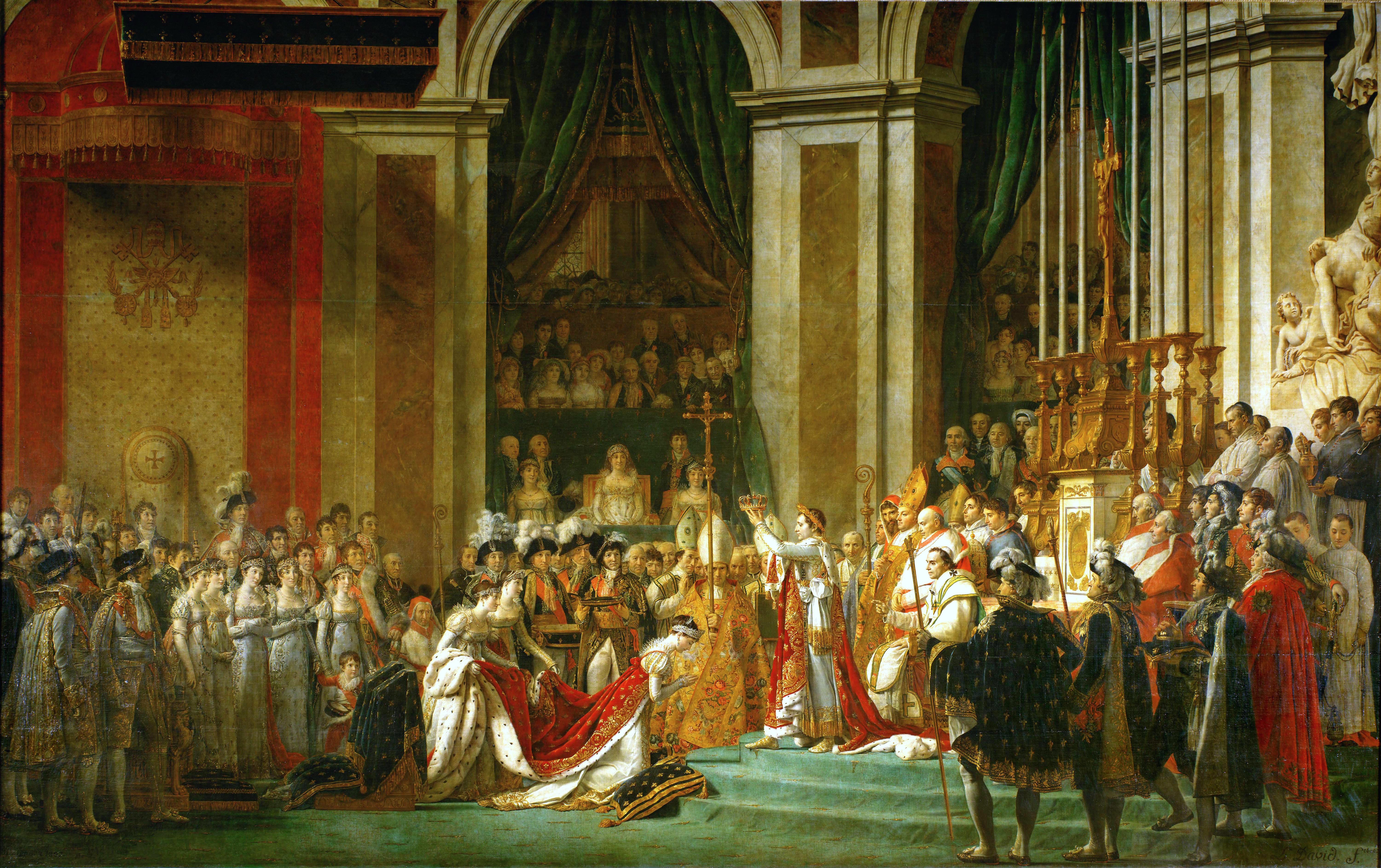 Painting
Primary source
Jacques-Louis David · 1805-1807
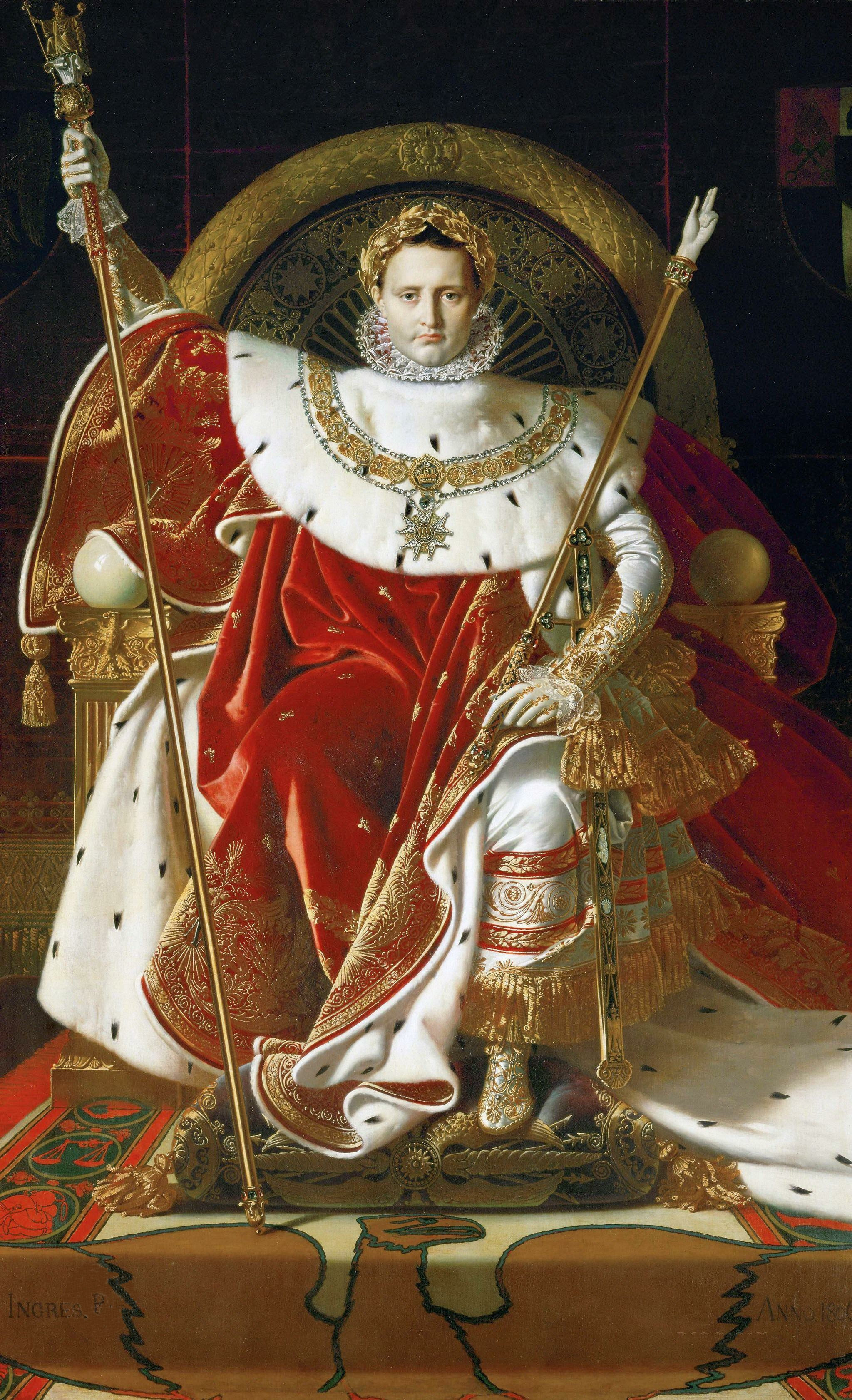 Painting
Primary source
Jean-Auguste-Dominique Ingres · 1806
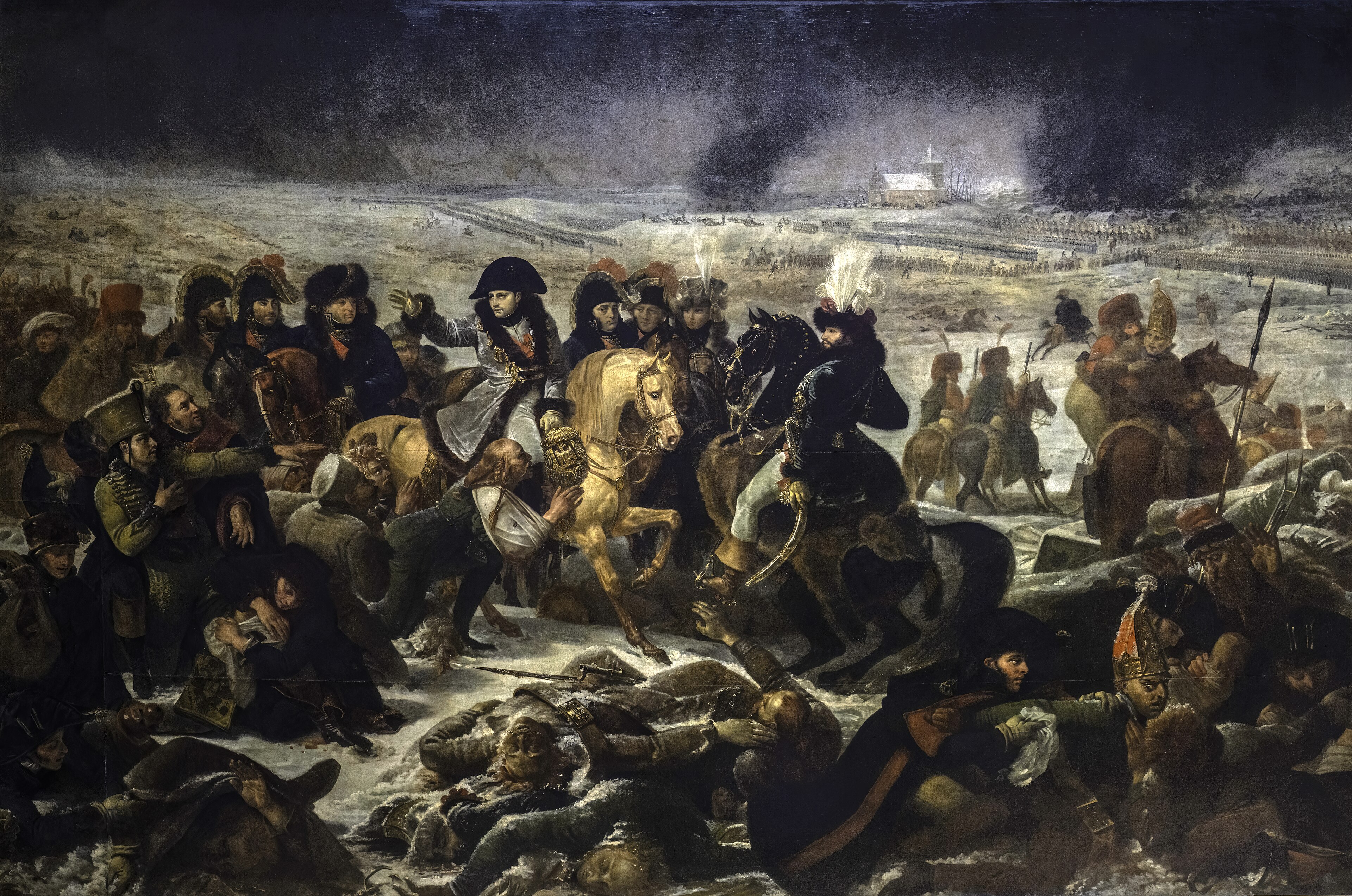 Painting
Primary source
Antoine-Jean Gros · 1808
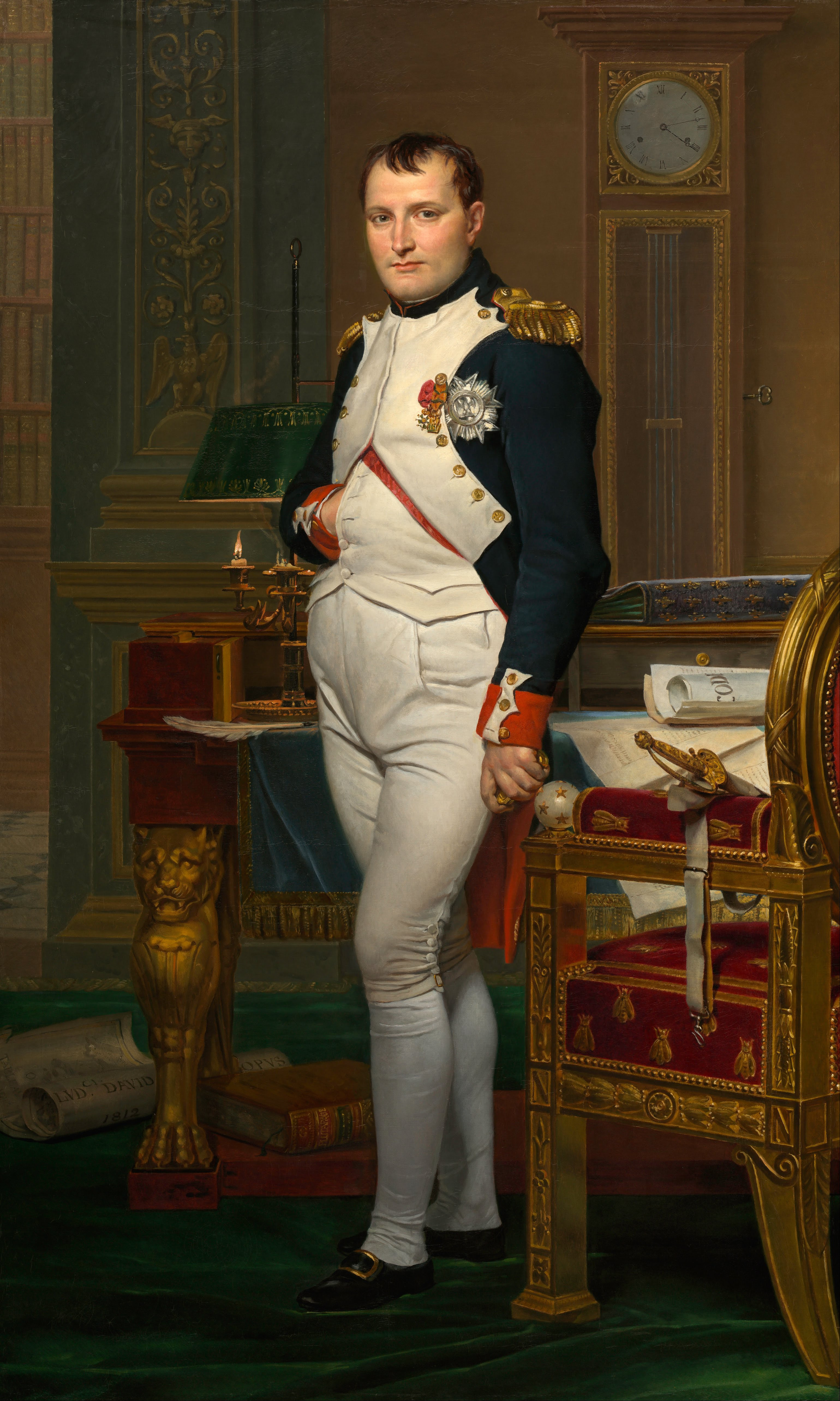 Painting
Primary source
Jacques-Louis David · 1812
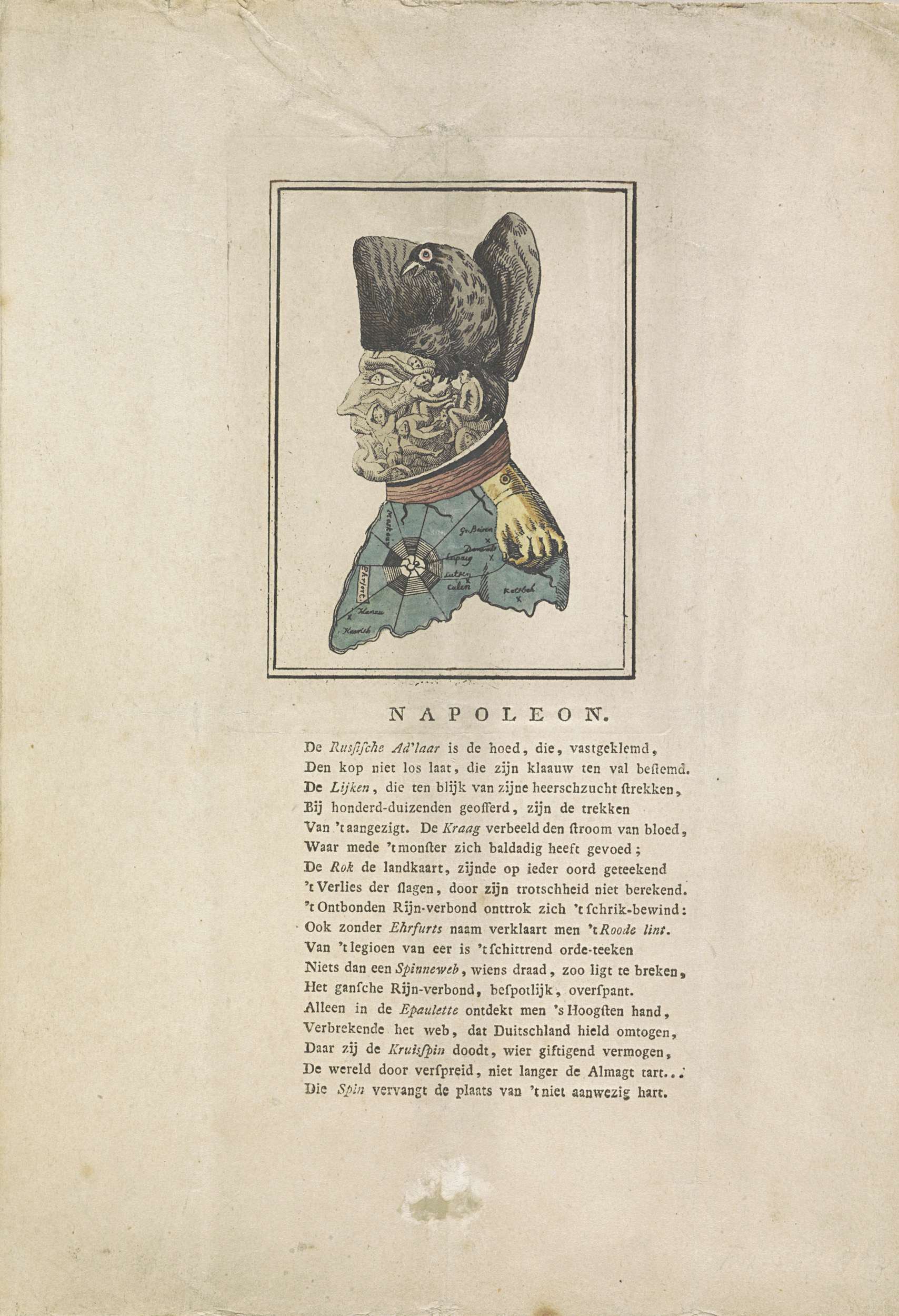 Painting
Primary source
1813
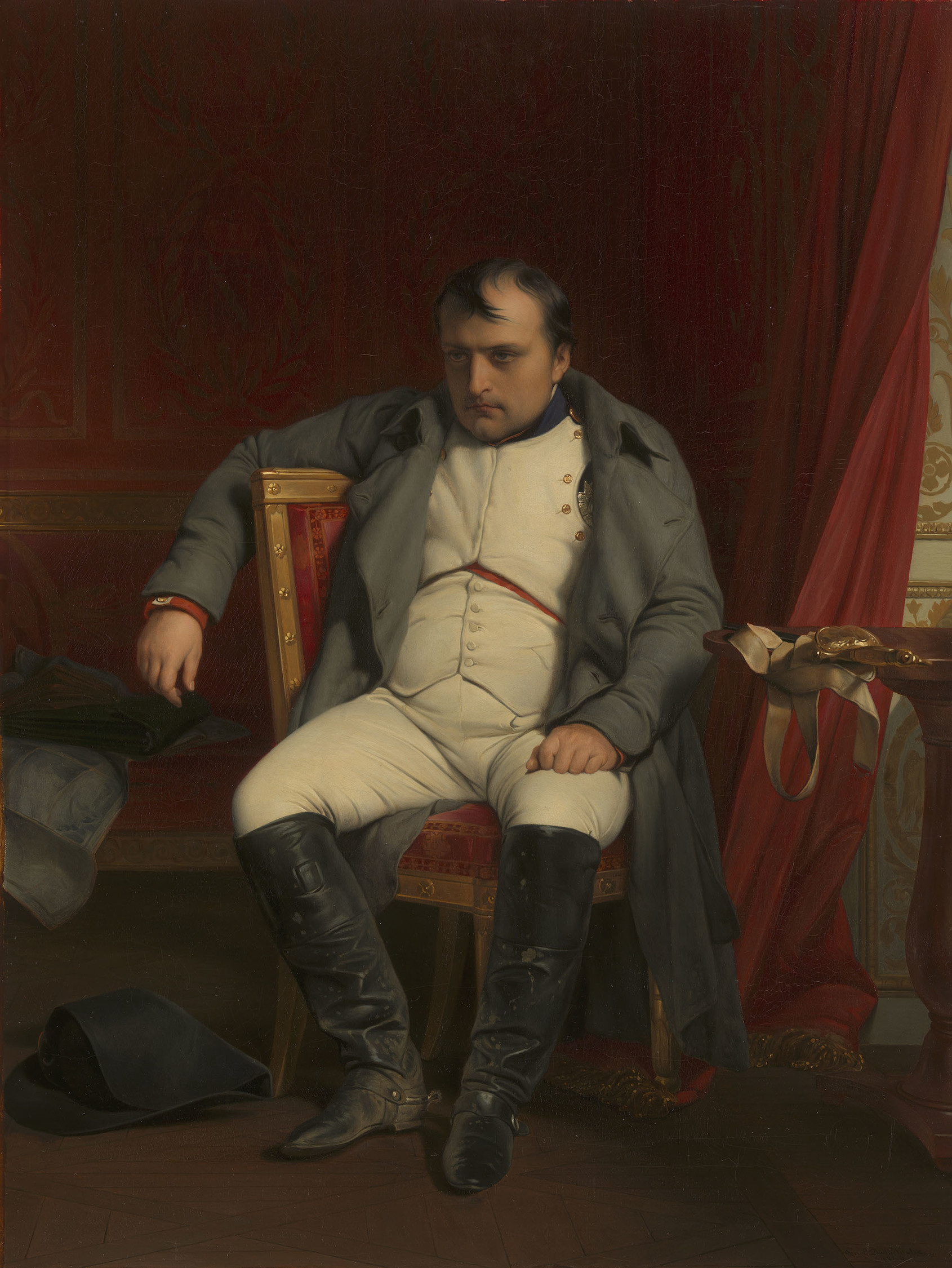 Painting
Secondary source
Paul Delaroche · 1840 (this version 1846)
Primary source
Napoleon I, Emperor of the French · 1858
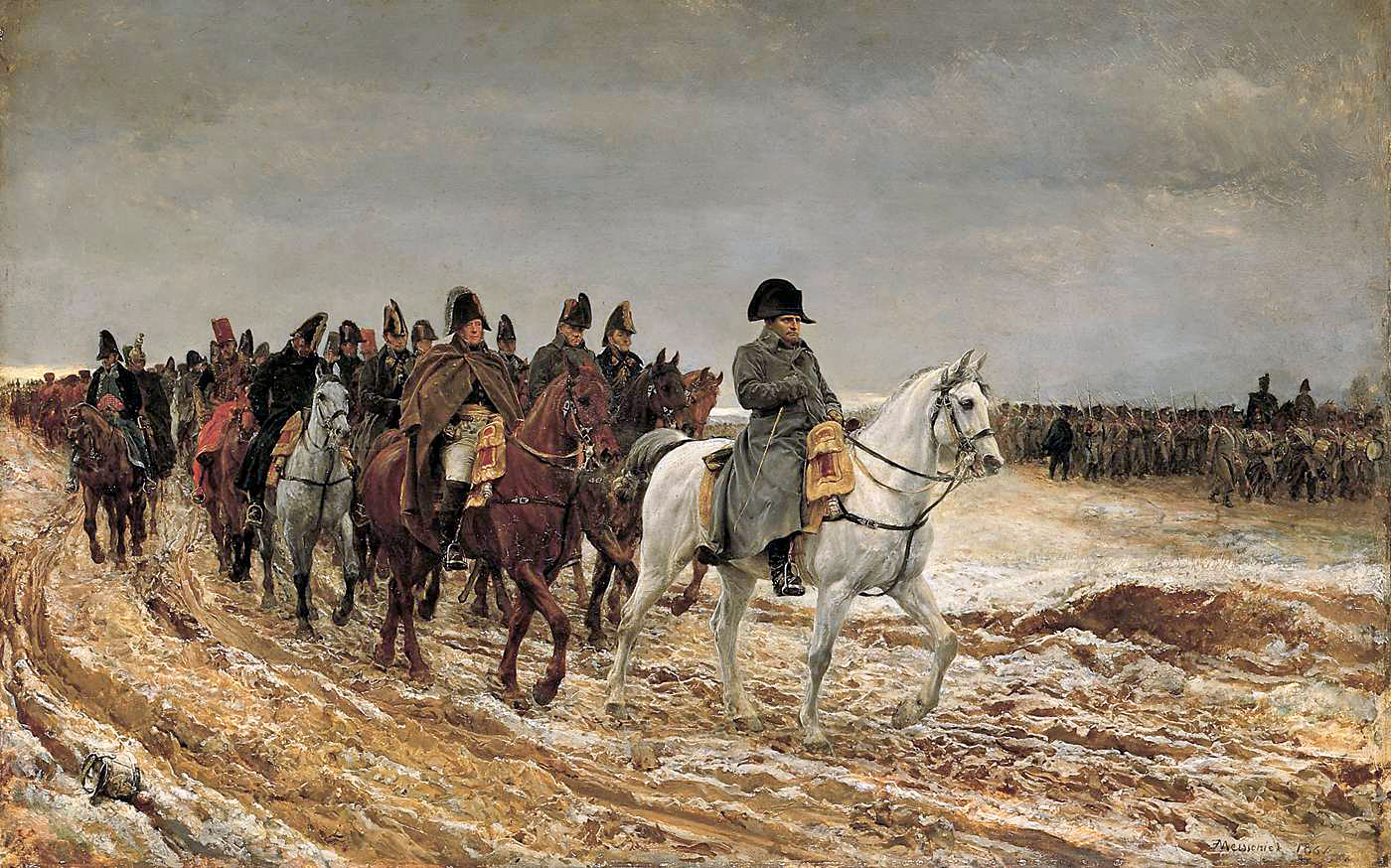 Painting
Secondary source
Ernest Meissonier · 1864
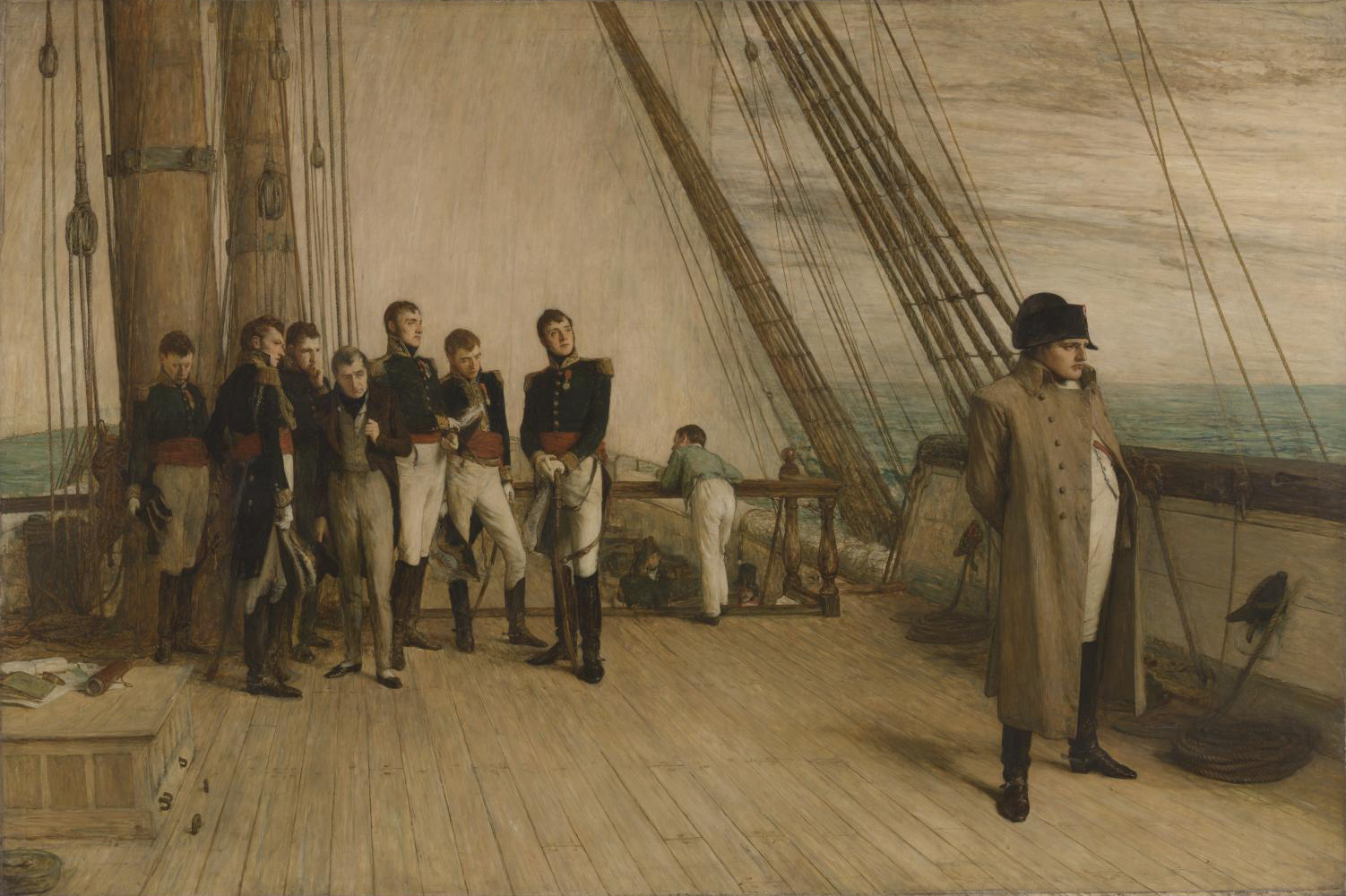 Painting
Secondary source
Sir William Quiller Orchardson · 1880
 Book
Secondary source
William Milligan Sloane · 1896
Primary source
Napoleon I · 1901
Secondary source
John Holland Rose · 1901-02
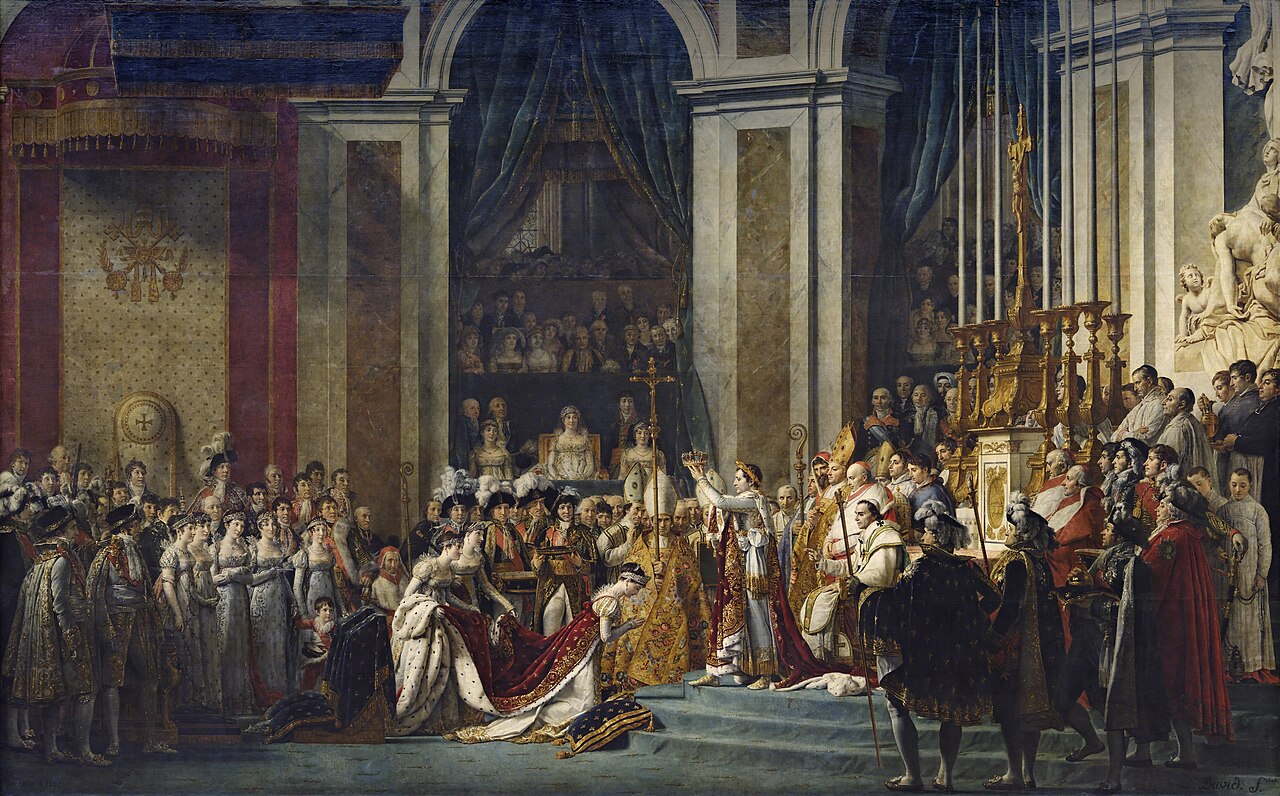 Painting
Primary source
Jacques-Louis David · 1807
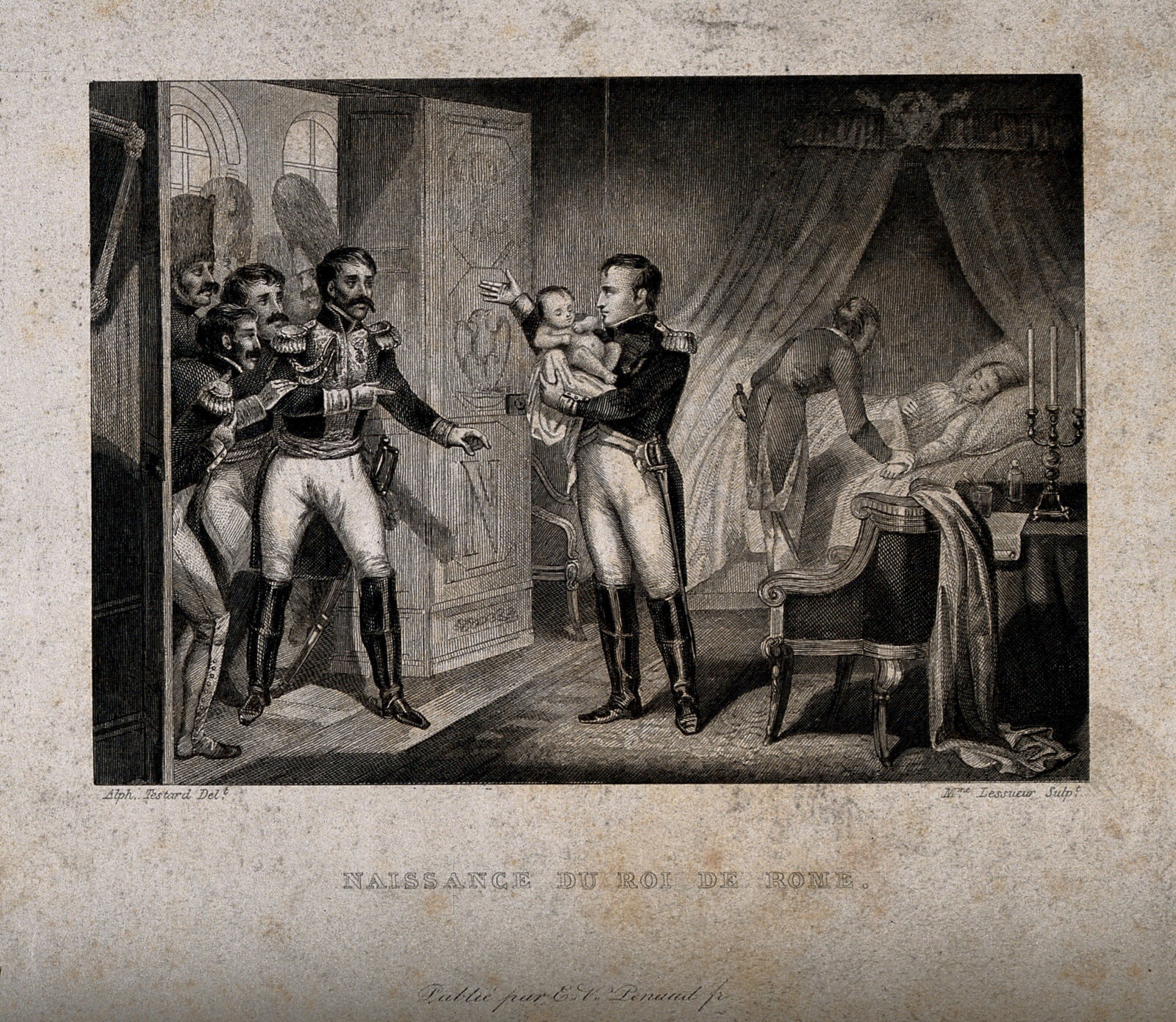 Painting
Primary source
Alphonse Testard · 1811
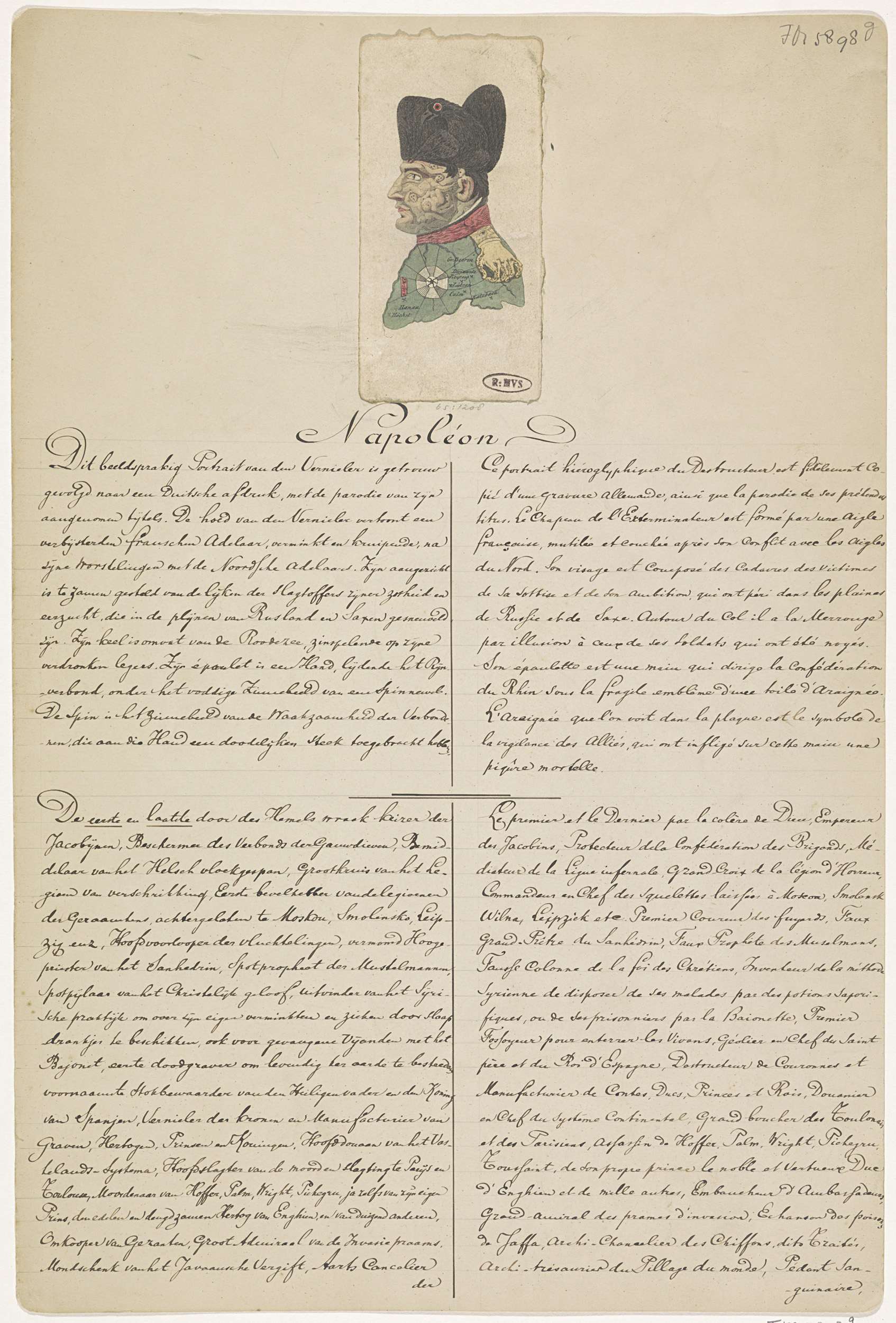 Painting
Primary source
1813
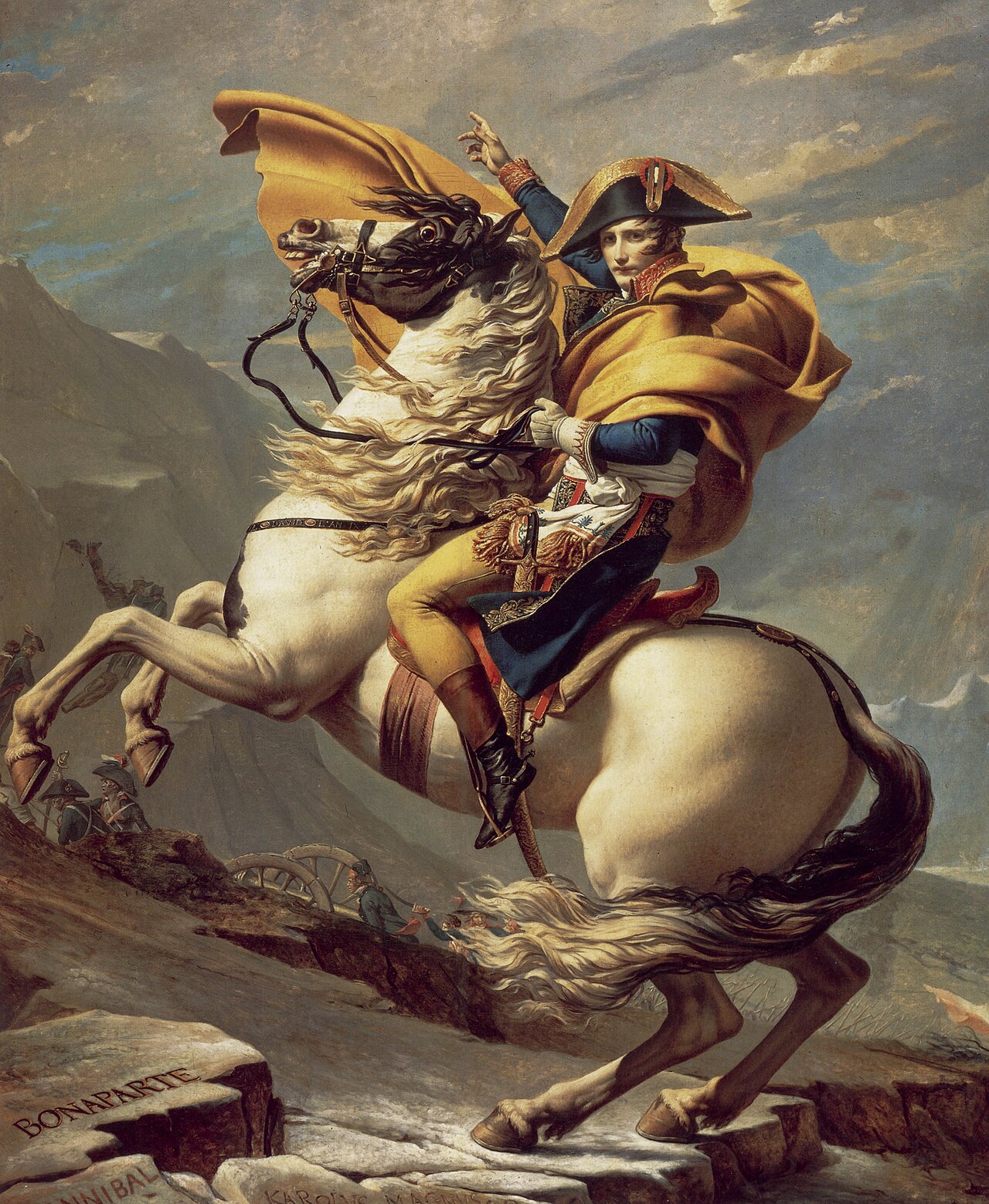 Painting
Primary source
Jacques-Louis David · 1801
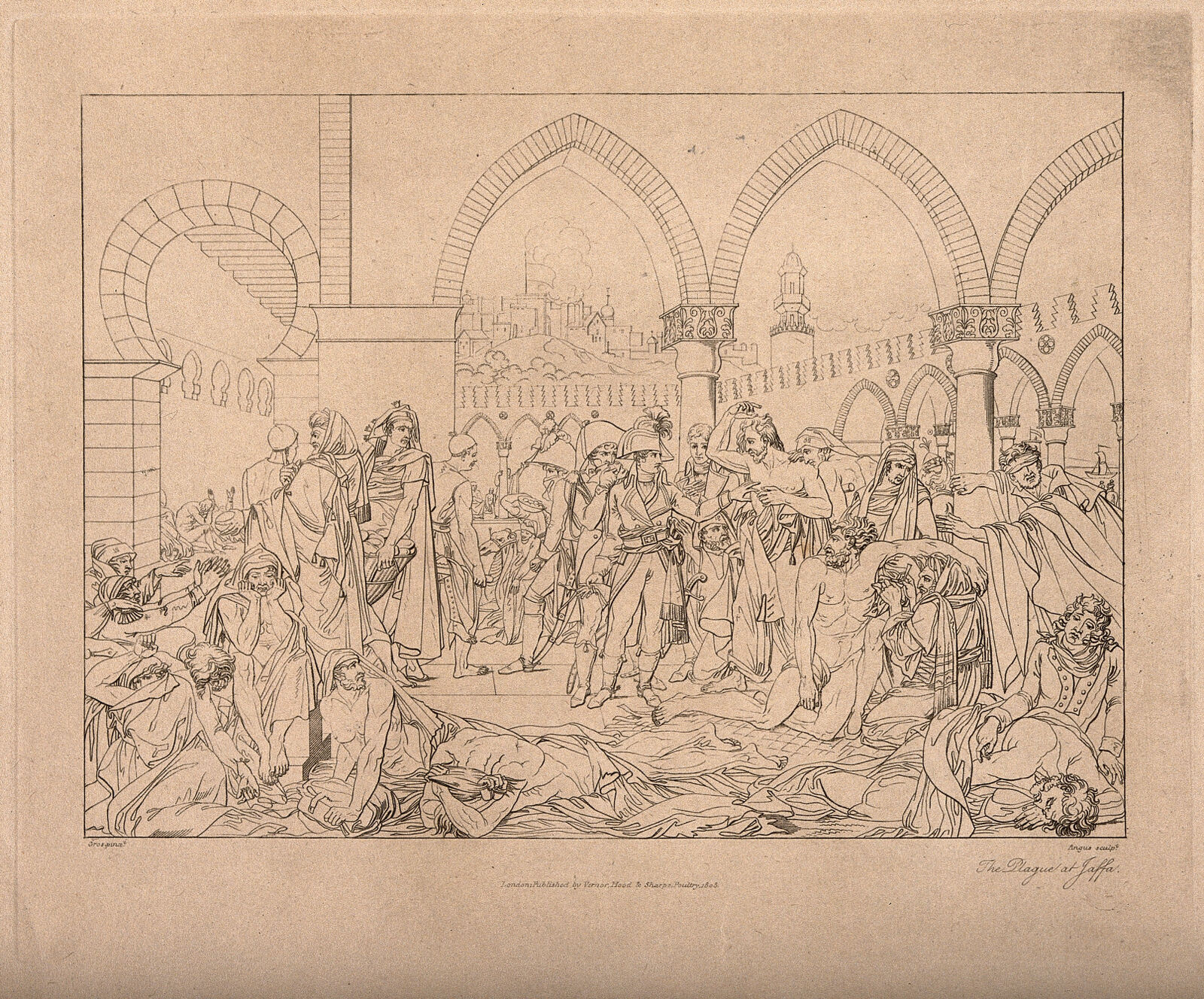 Painting
Primary source
Antoine-Jean Gros · 1805
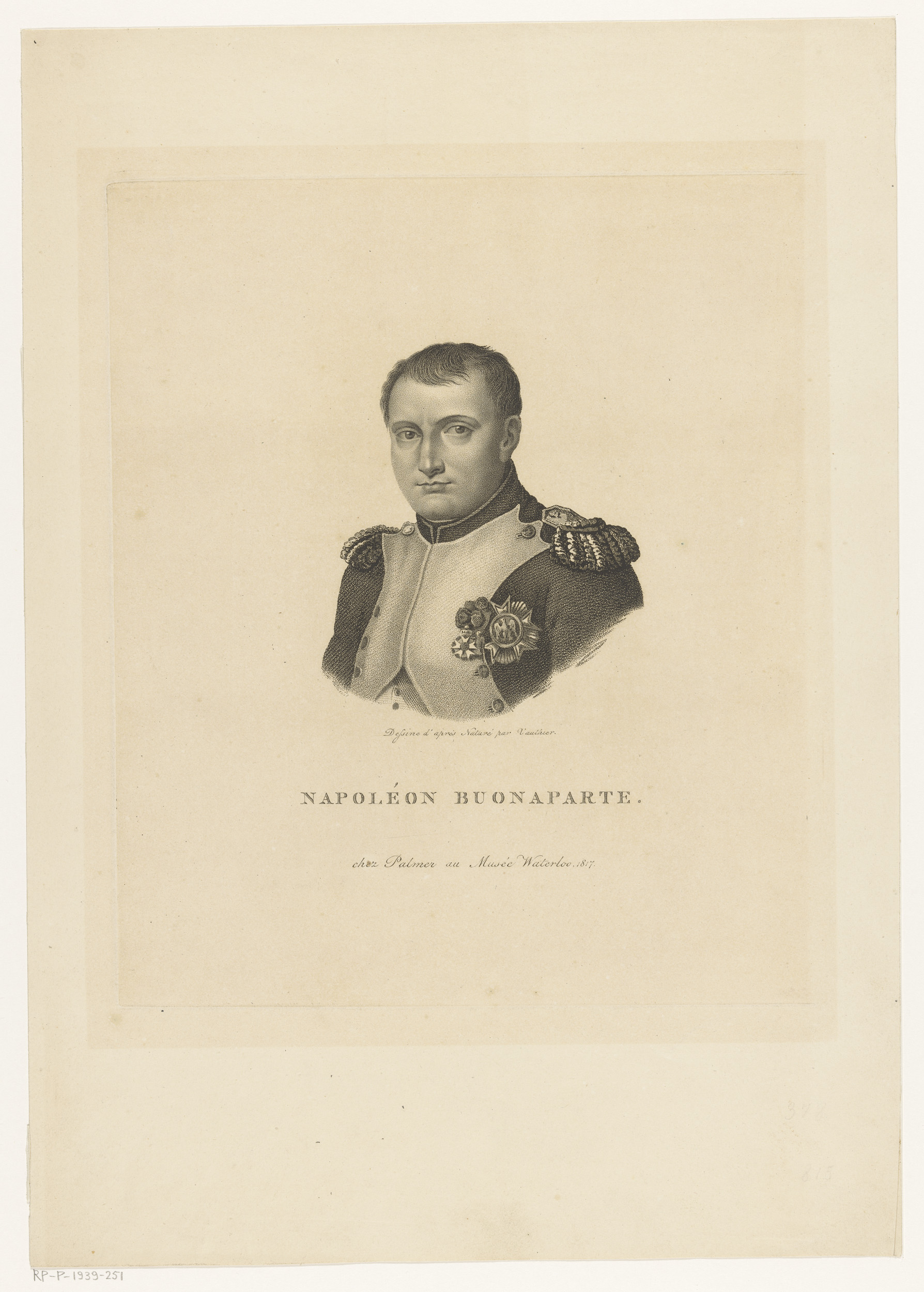 Painting
Primary source
1817
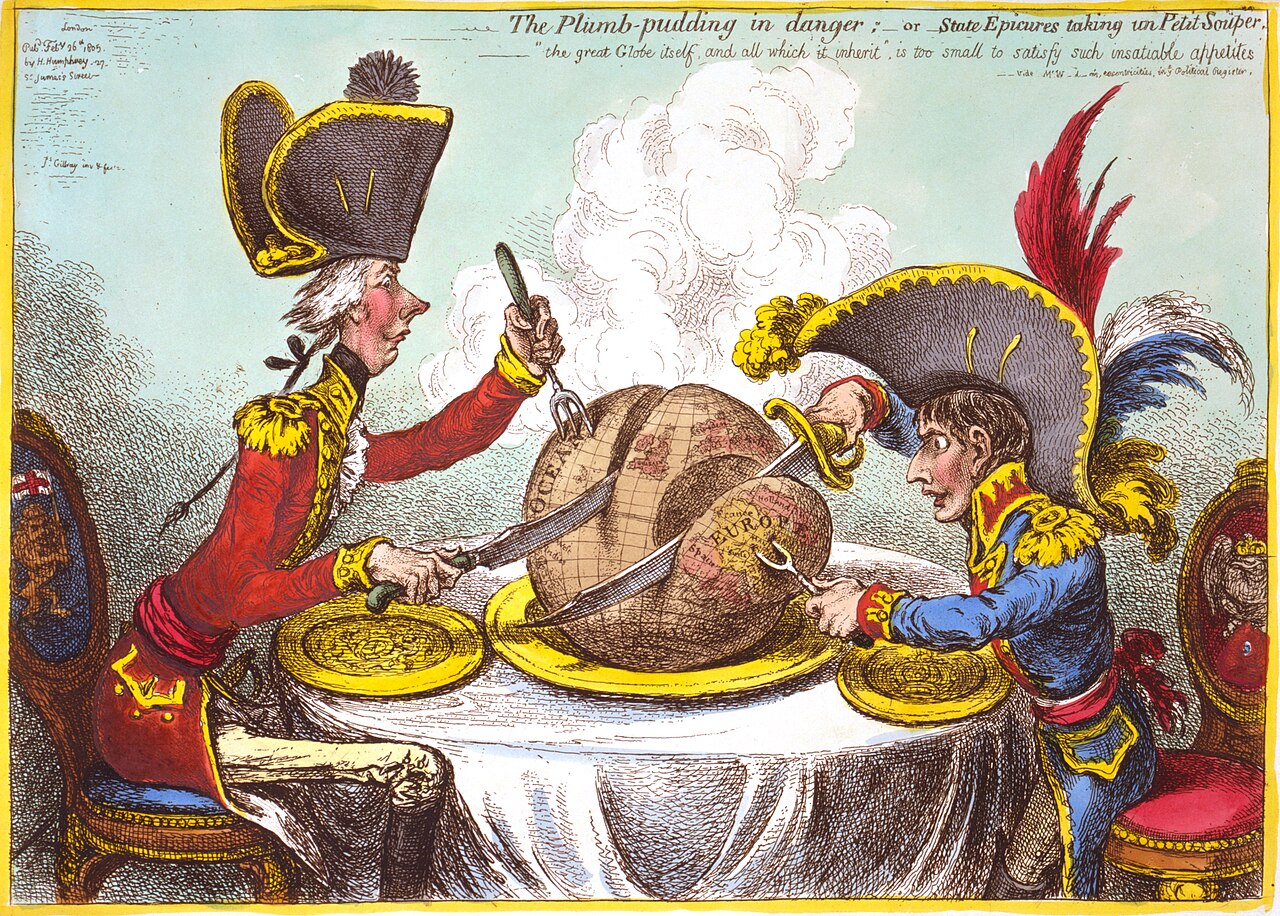 Painting
Primary source
James Gillray · 26 February 1805
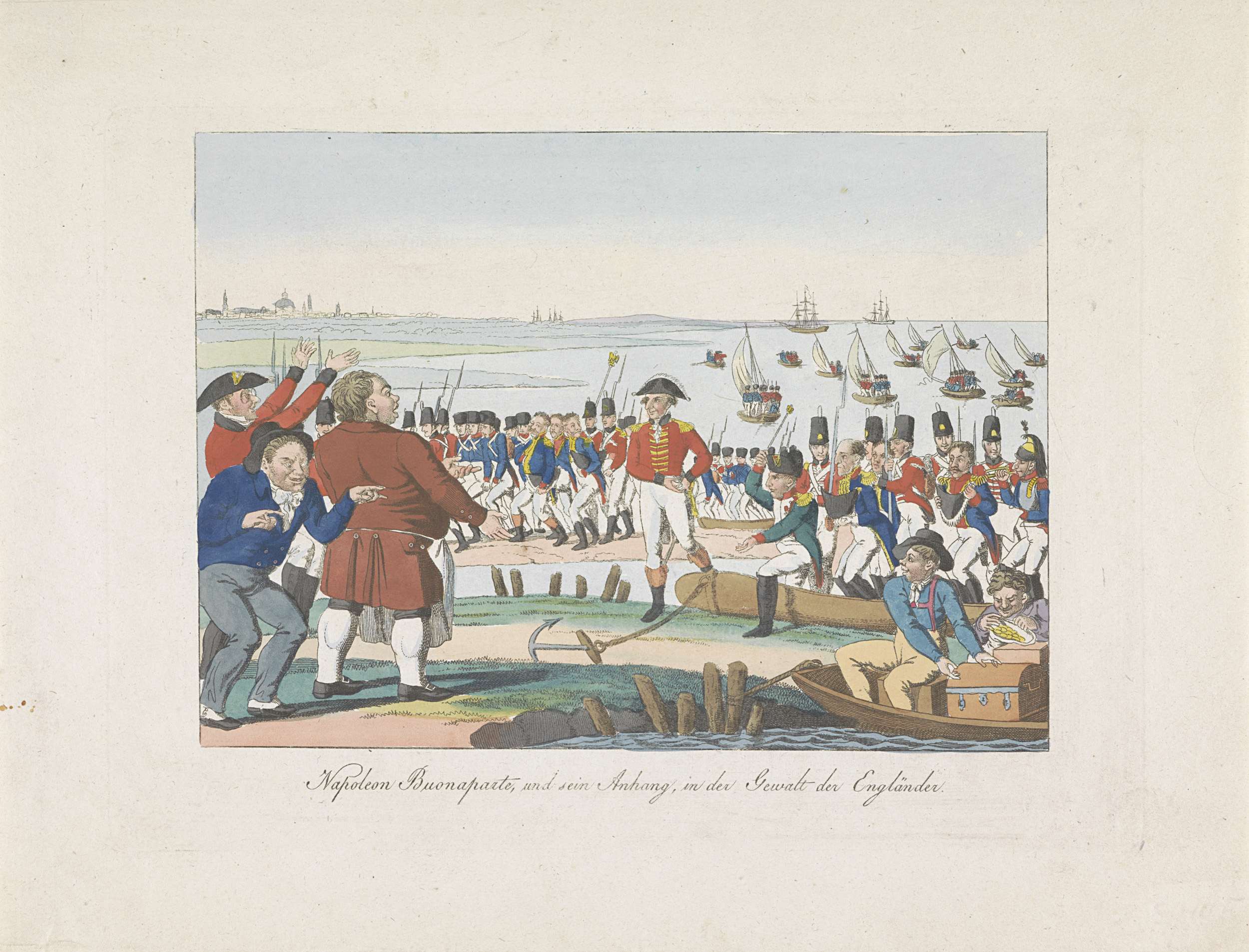 Painting
Primary source
c. 1814-1815
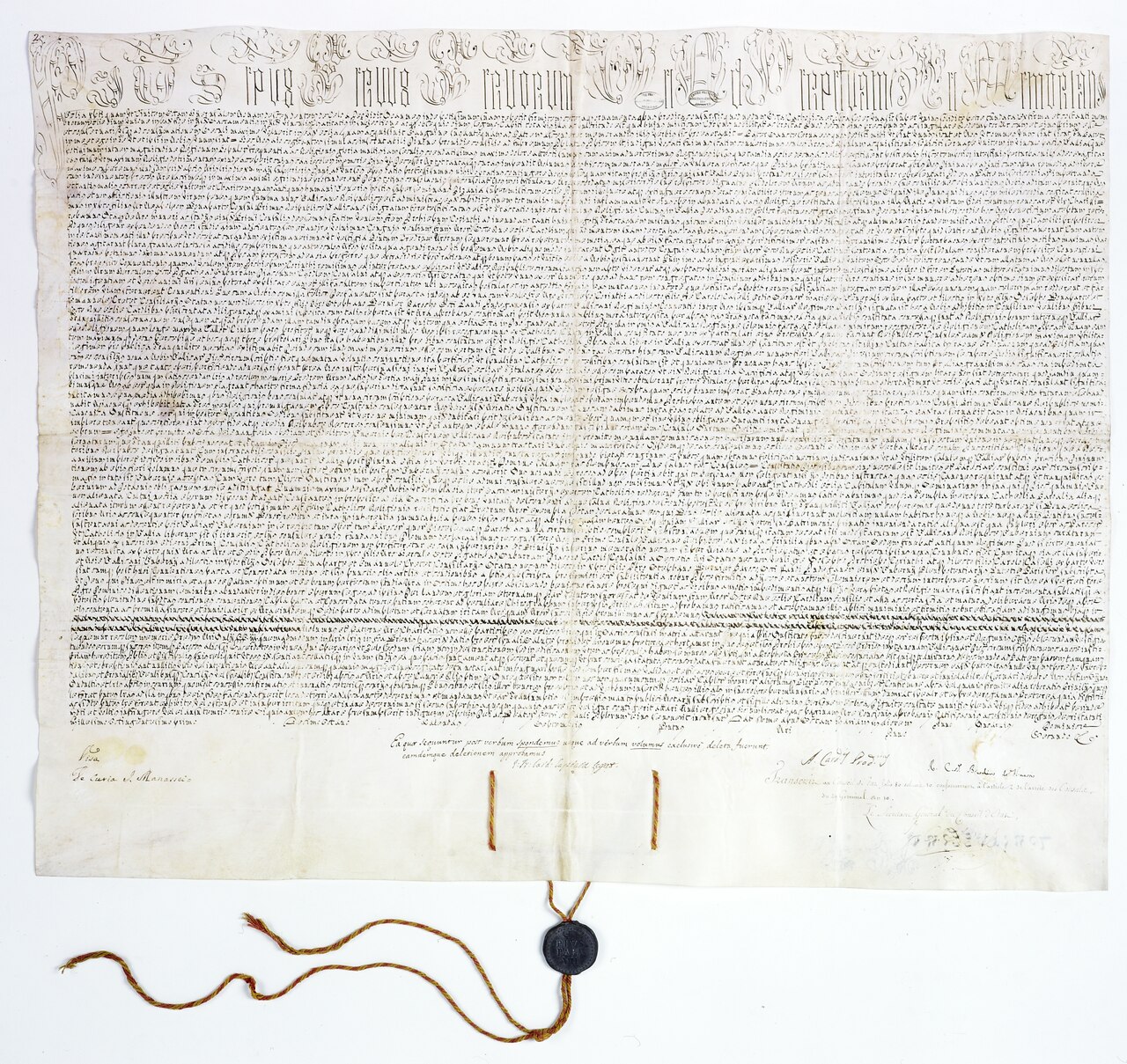 Document
Primary source
15 July 1801
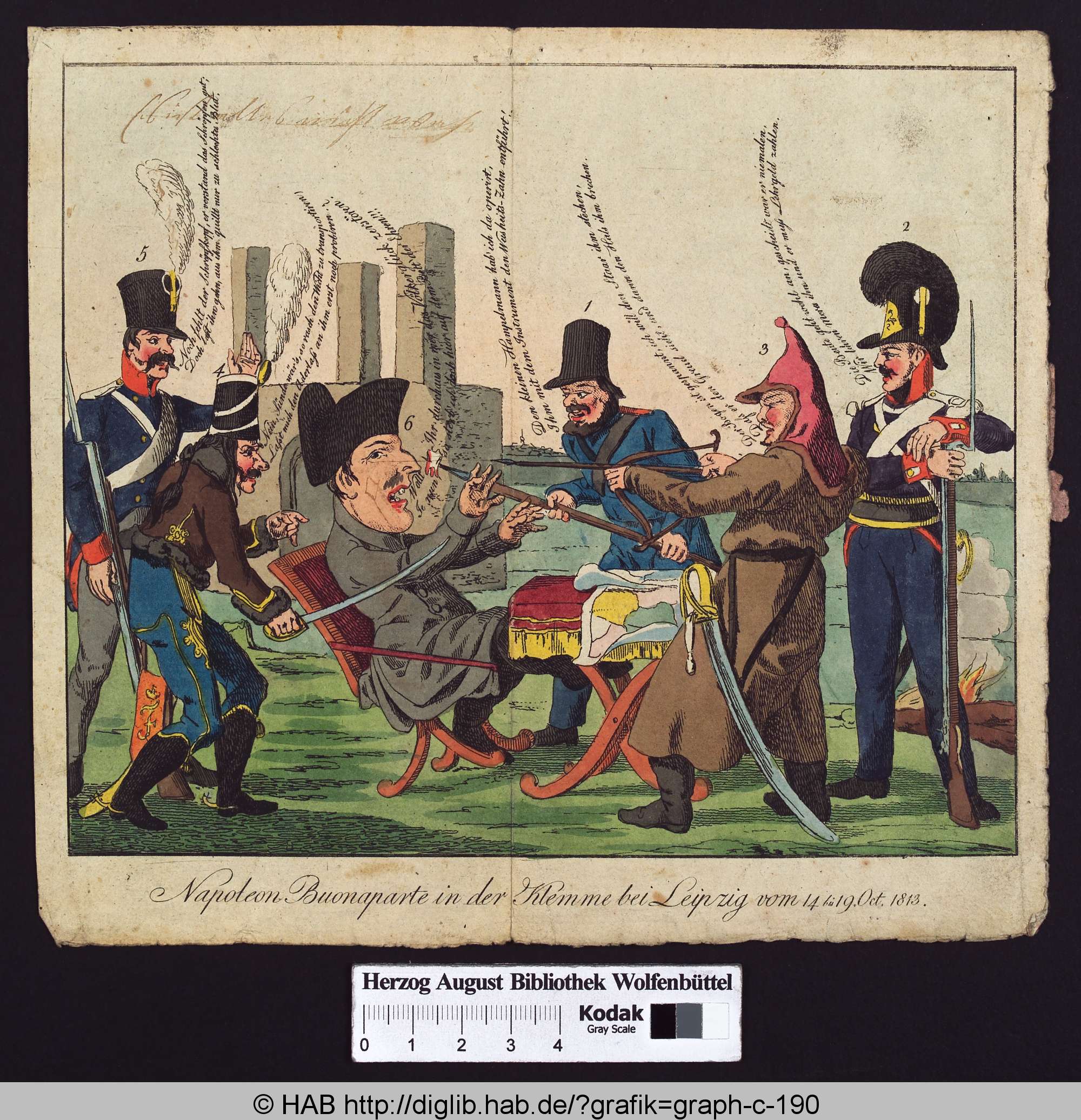 Painting
Primary source
Unknown engraver · 14-19 October 1813
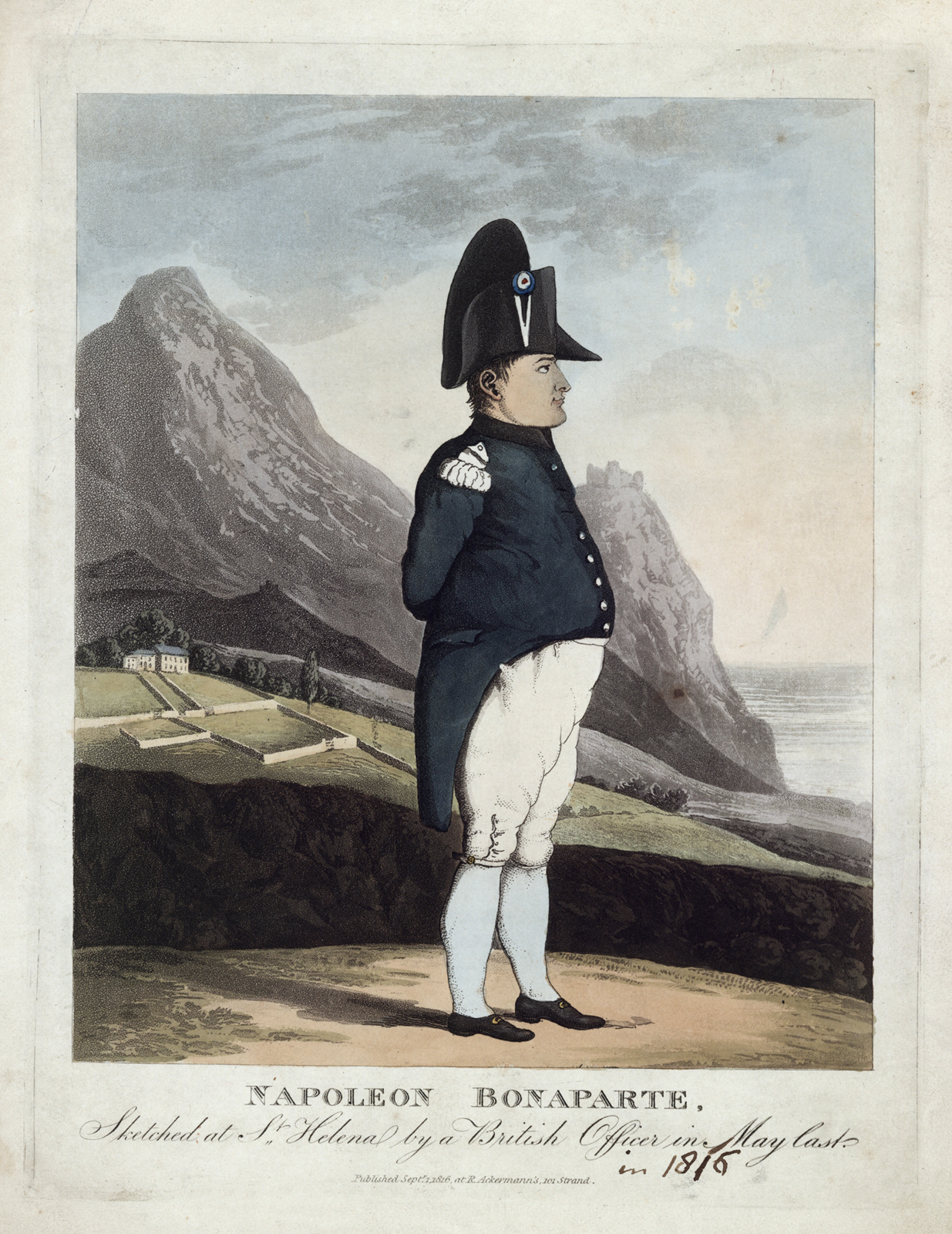 Painting
Primary source
R. Ackermann · 1816
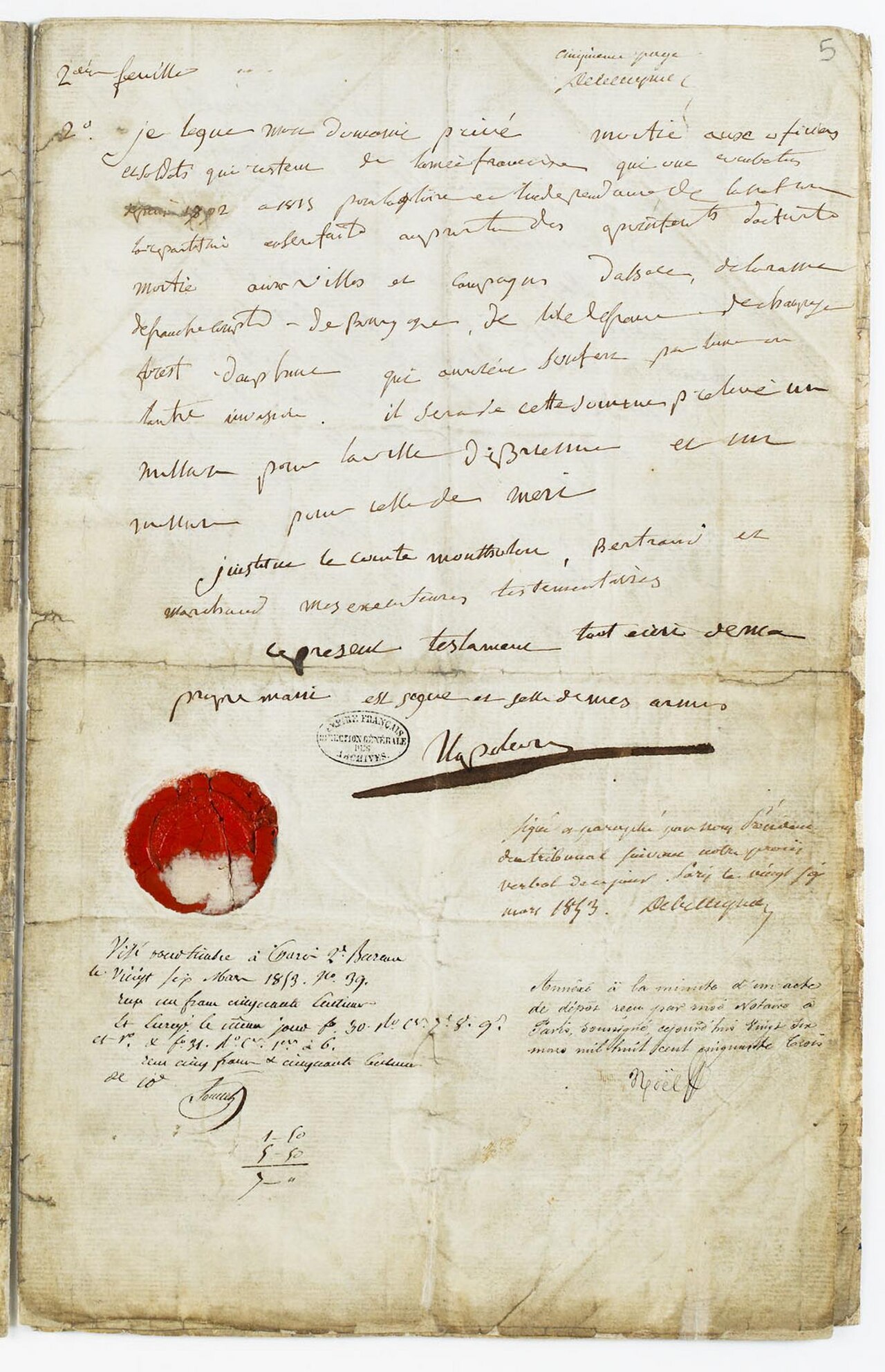 Document
Primary source
Napoleon Bonaparte
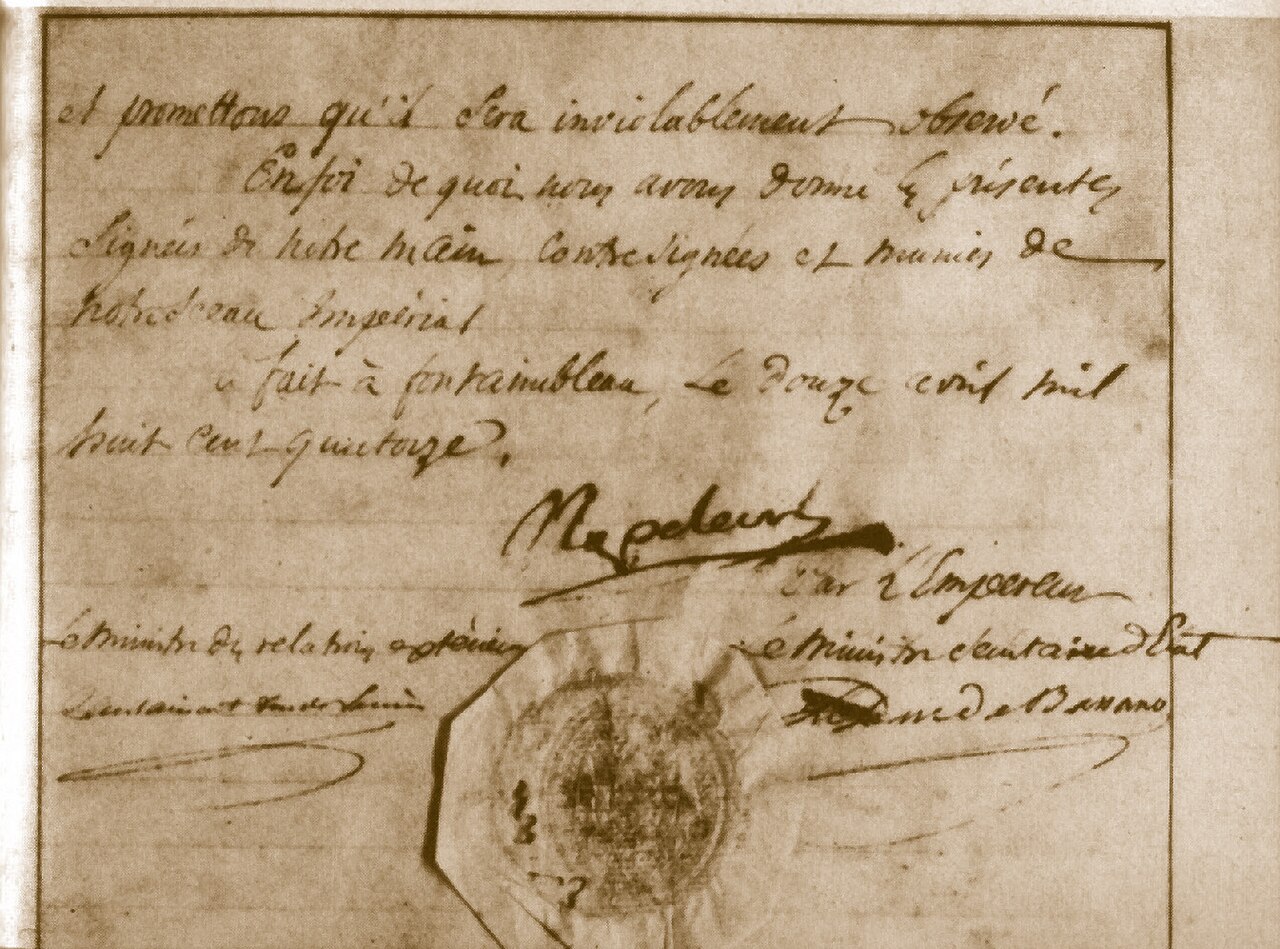 Document
Primary source
Napoleon Bonaparte · 12 April 1814
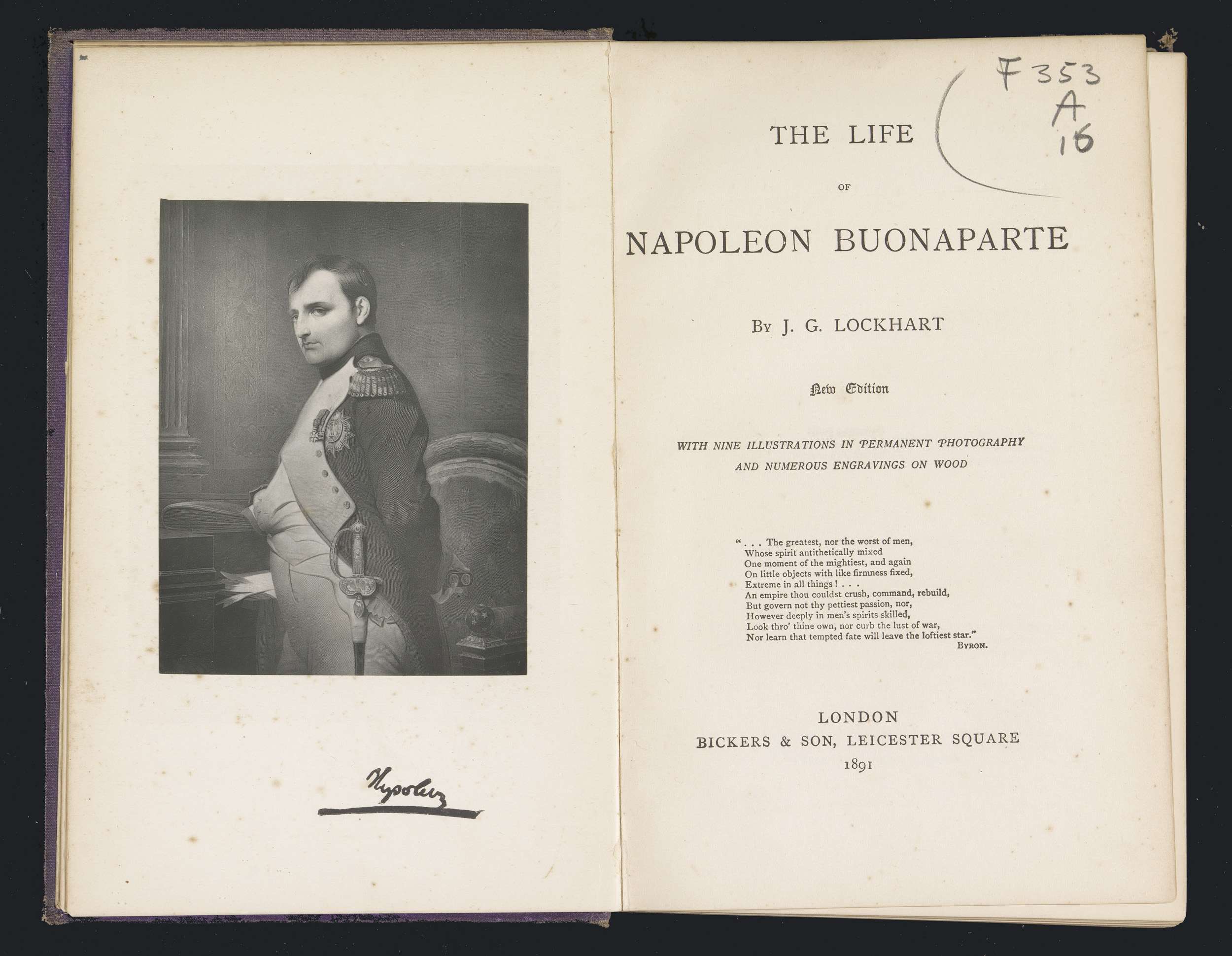 Book
Secondary source
J. G. Lockhart · 1891
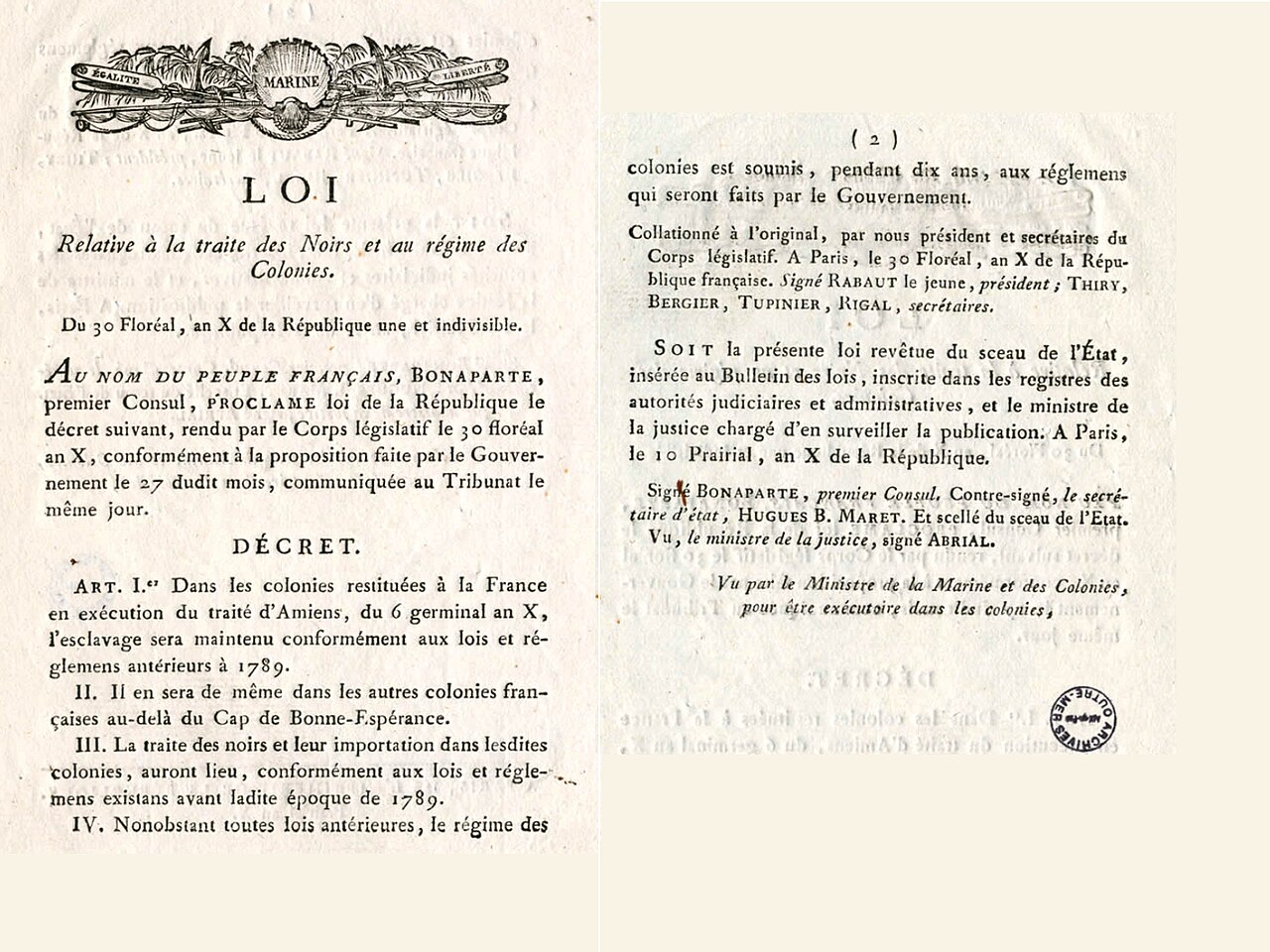 Document
Primary source
French Consulate · 20 May 1802
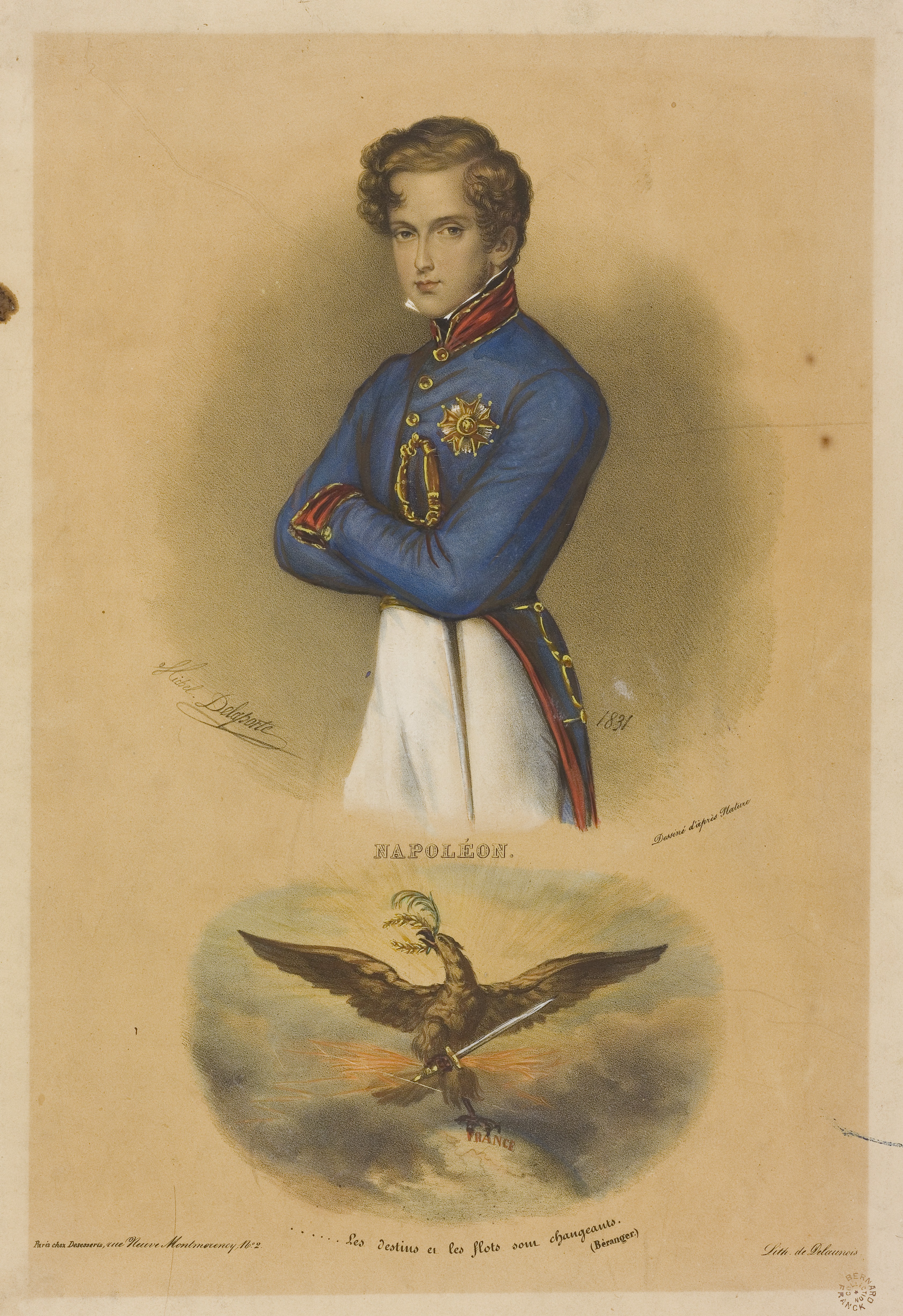 Painting
Secondary source
Michel Delaporte · 1831
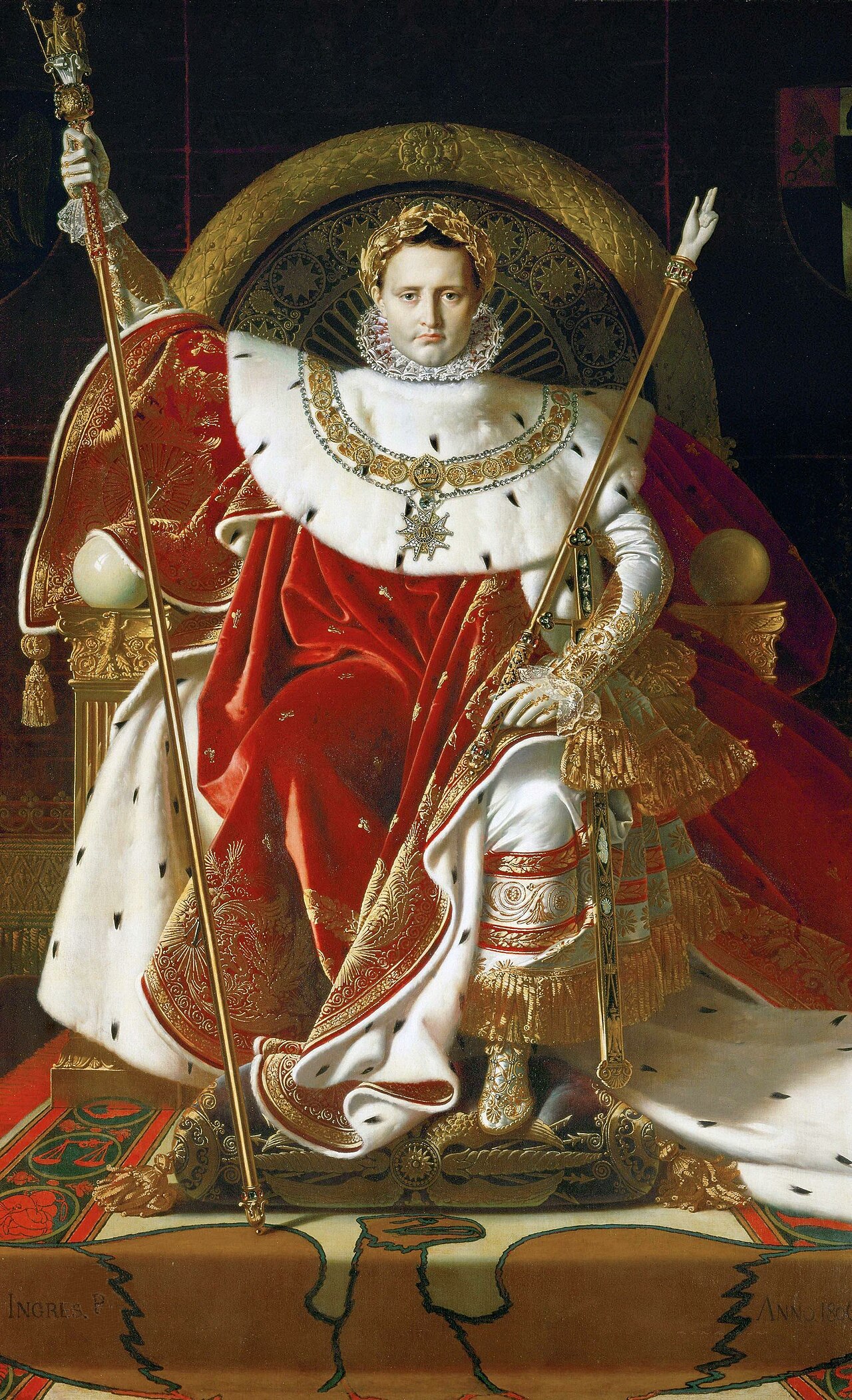 Painting
Primary source
Jean-Auguste-Dominique Ingres · 1806
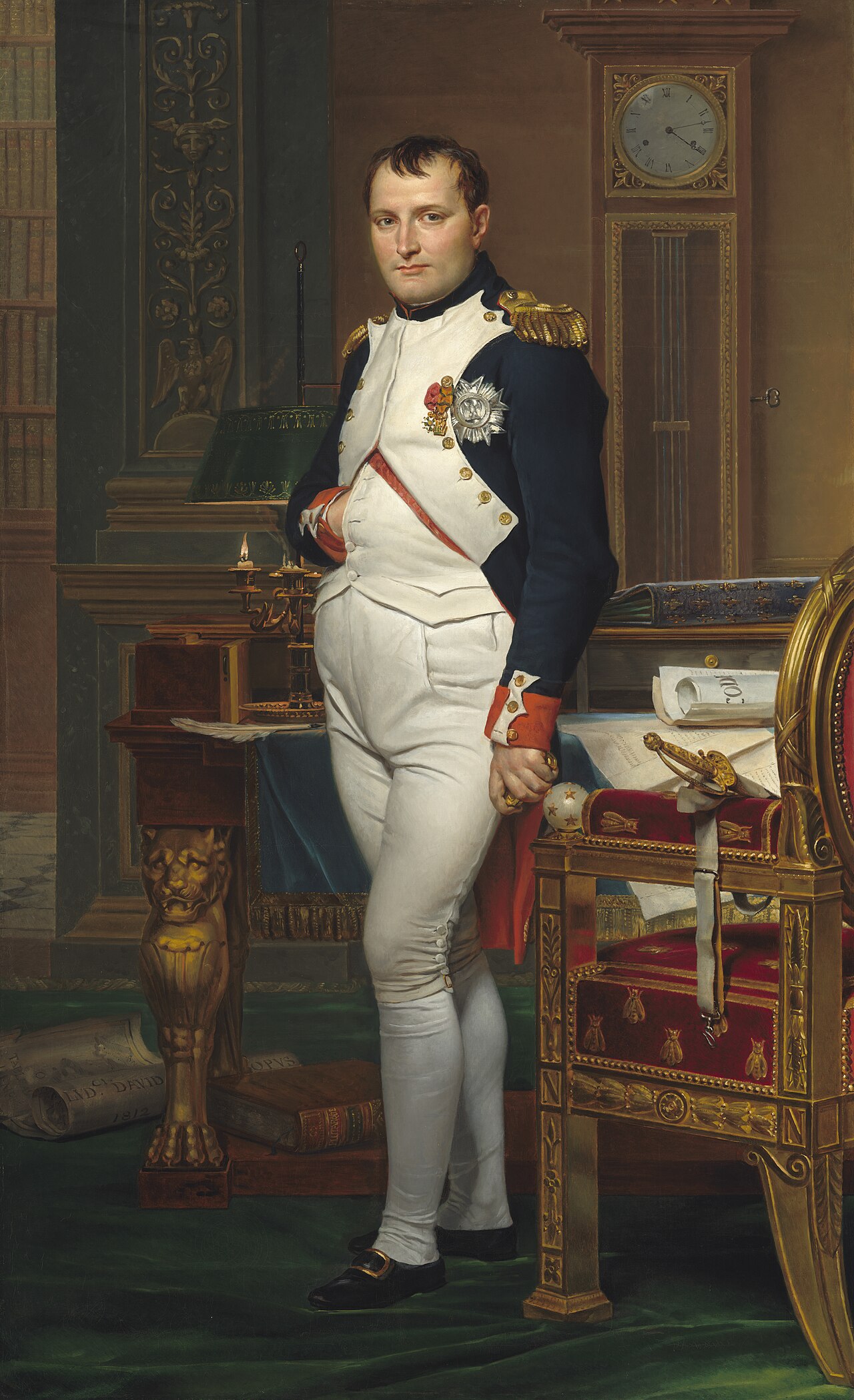 Painting
Primary source
Jacques-Louis David · 1812
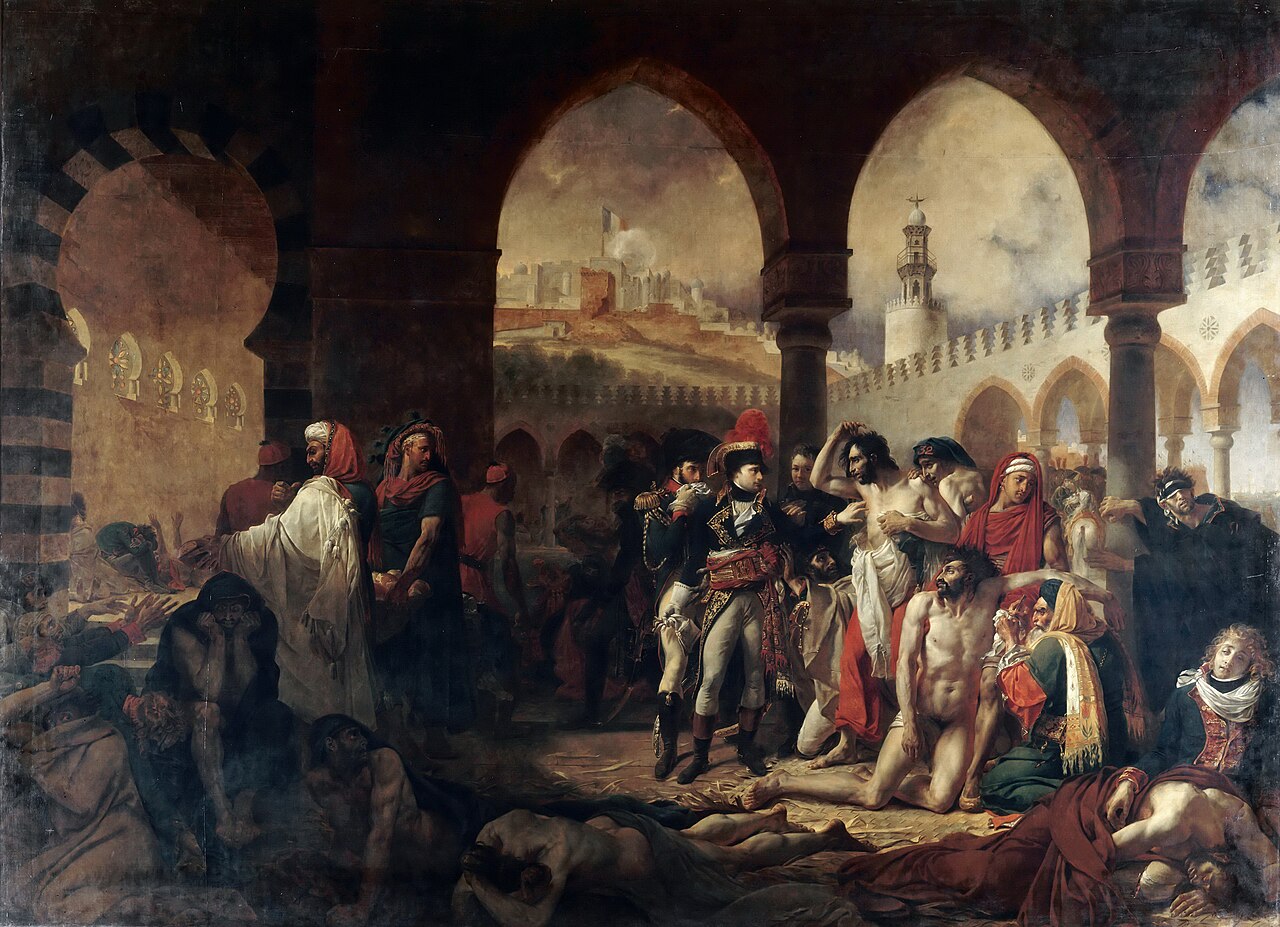 Painting
Secondary source
Antoine-Jean Gros · 1804
Primary source
7-9 July 1807
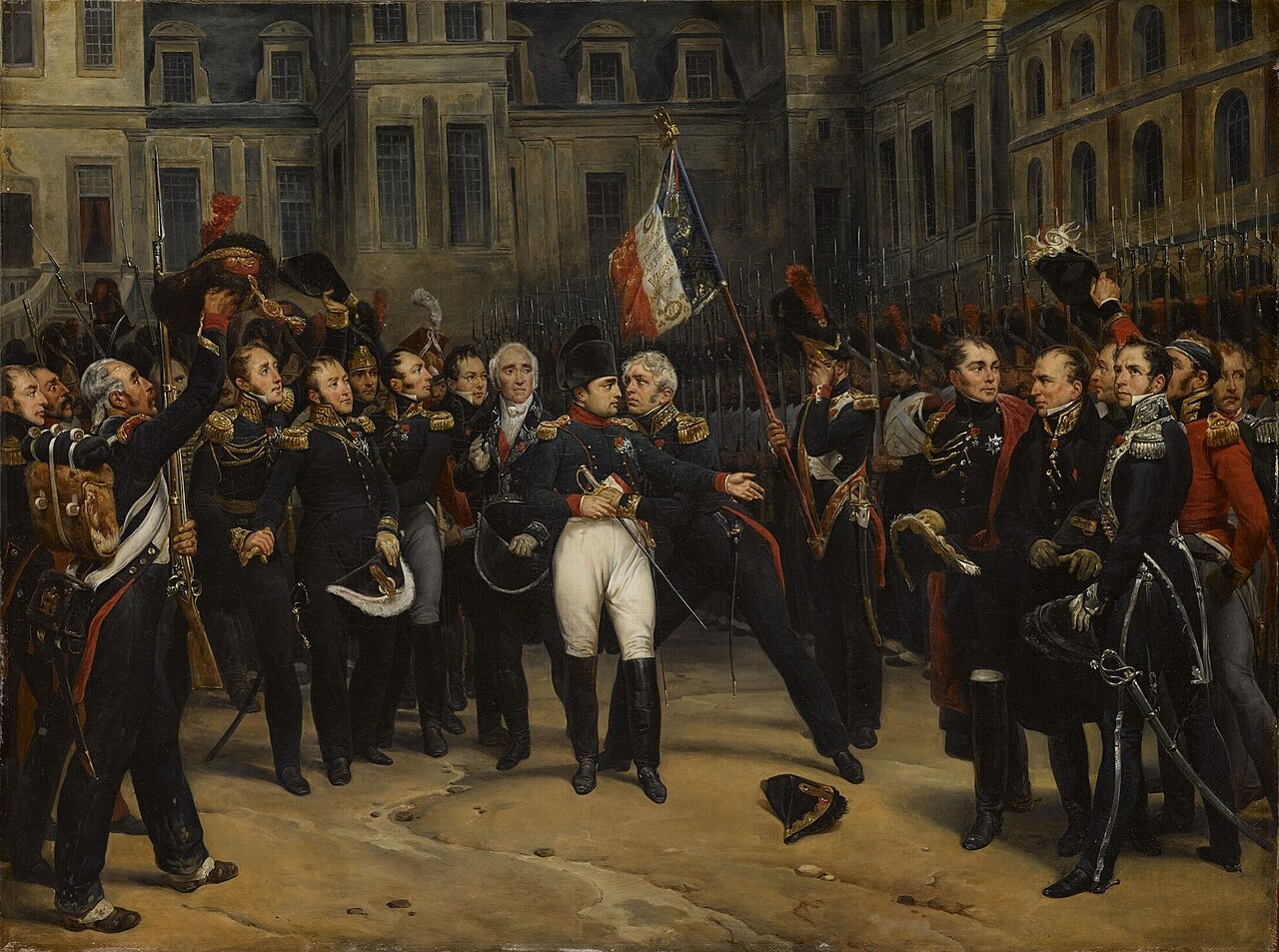 Speech
Primary source
Napoleon Bonaparte · 20 April 1814
 Book
Secondary source
Emmanuel, comte de Las Cases · 1823 (written 1815-1816)
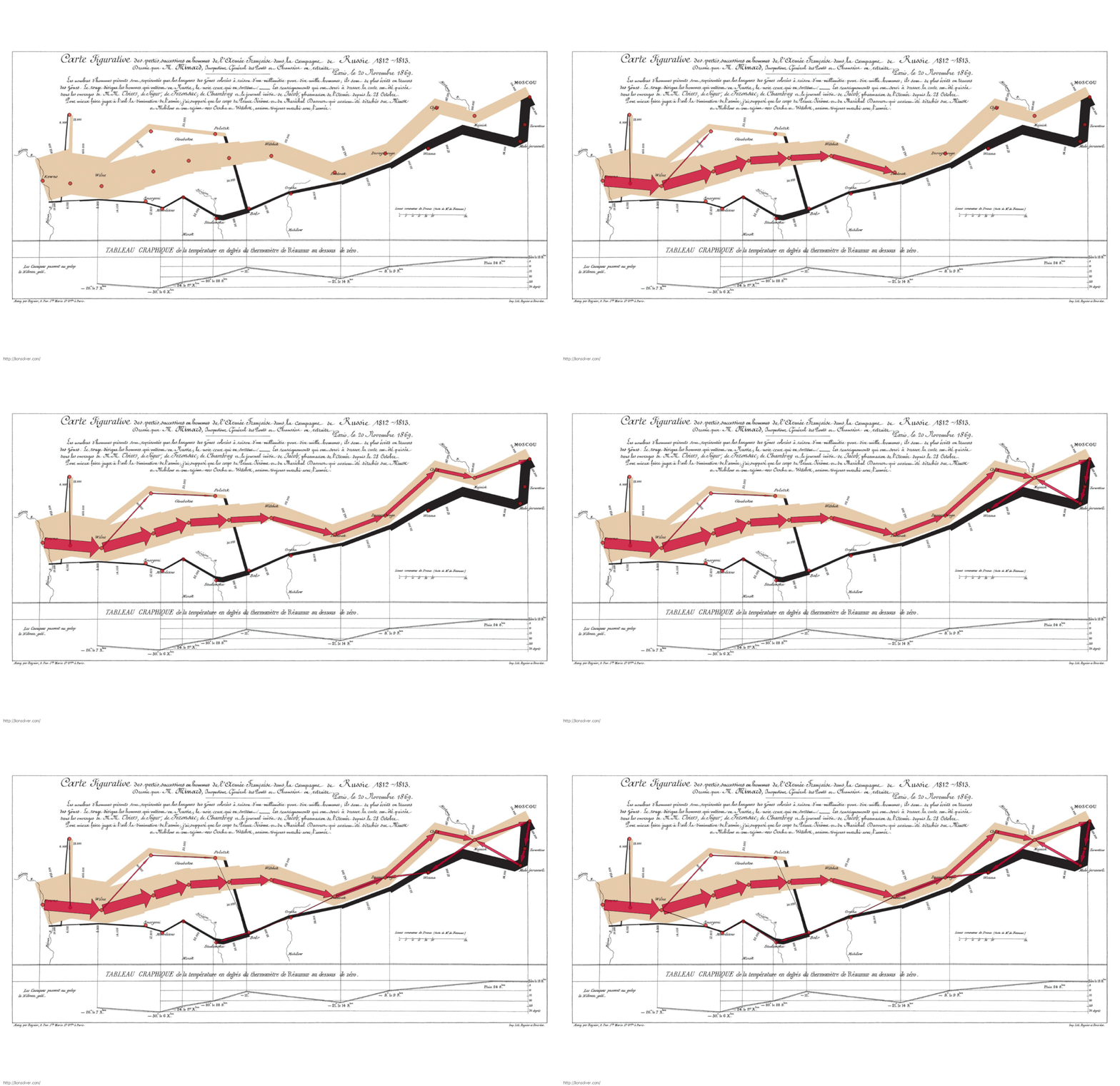 Artifact
Secondary source
Charles Joseph Minard · 1869
Primary source
11 April 1814
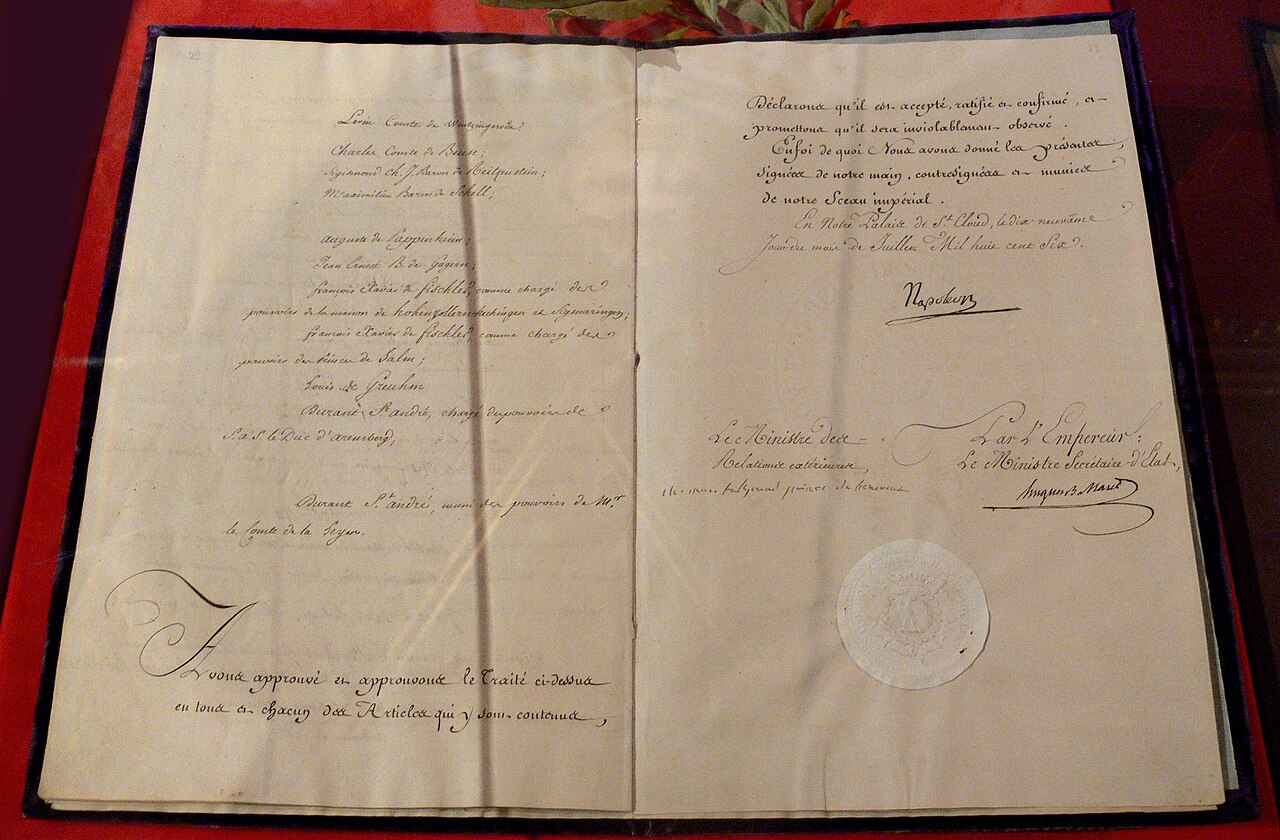 Document
Primary source
Napoleon · 12 July 1806
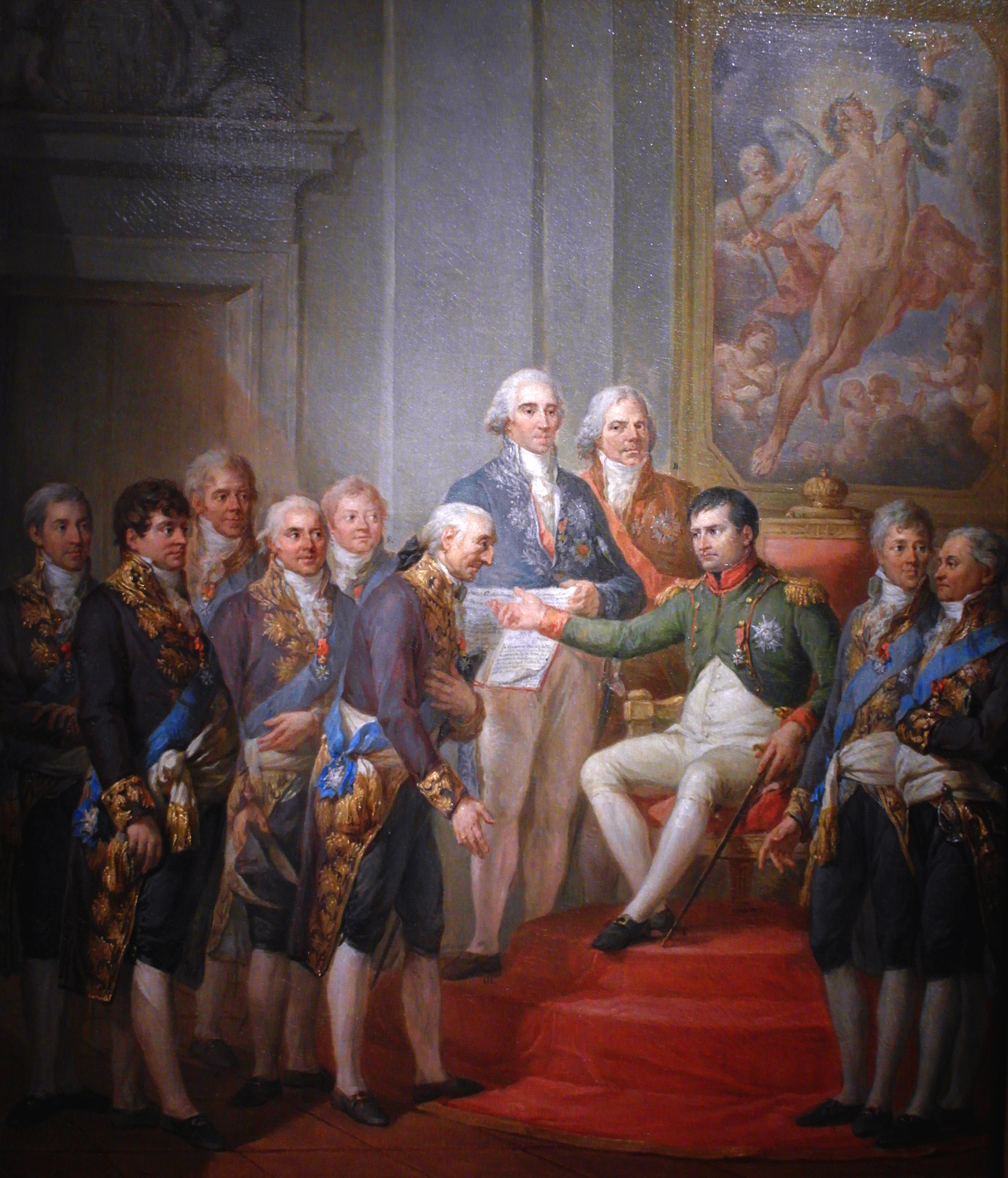 Document
Primary source
Napoleon · 22 July 1807
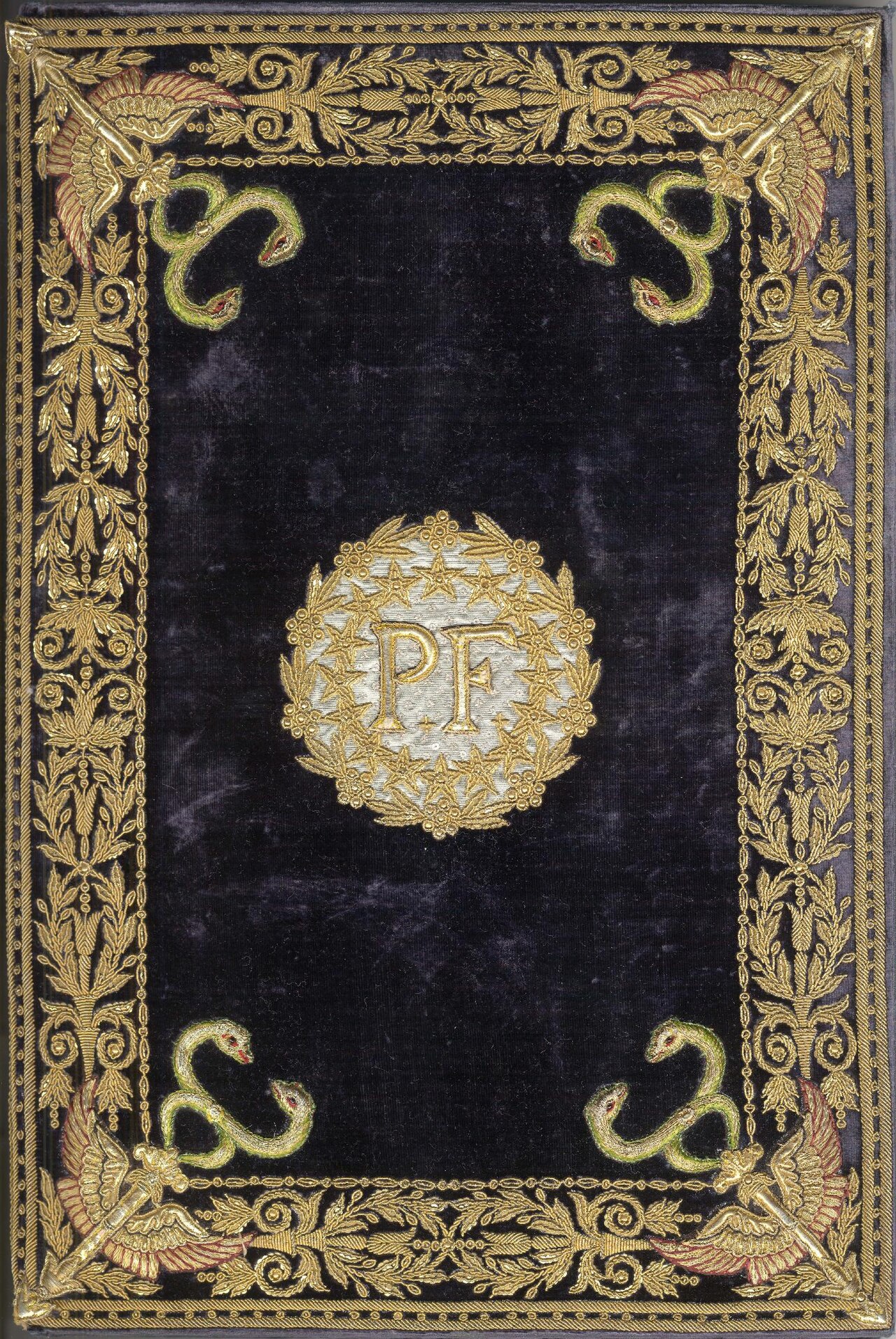 Document
Primary source
Napoleon · 1803
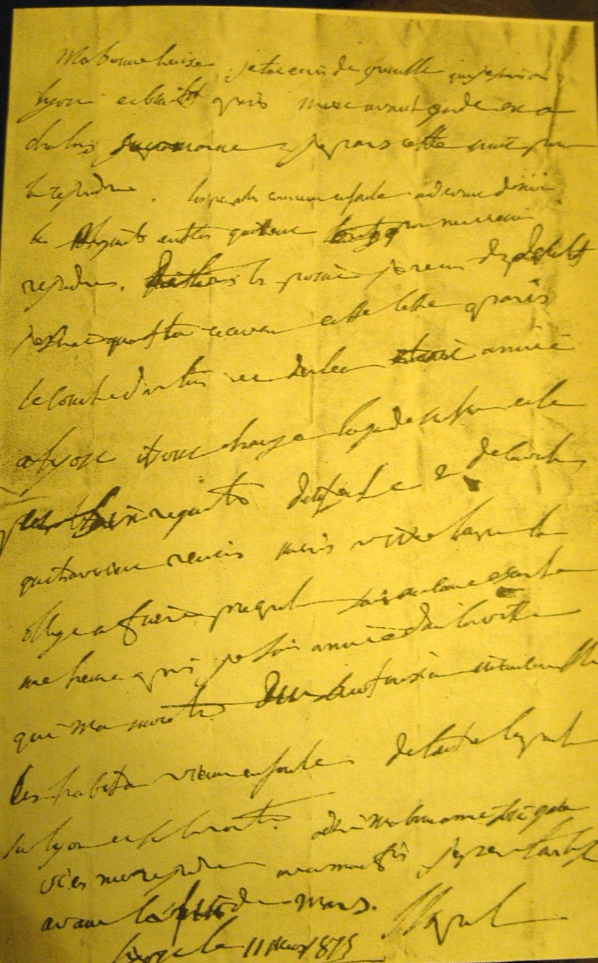 Letter
Primary source
Napoleon · 11 March 1815
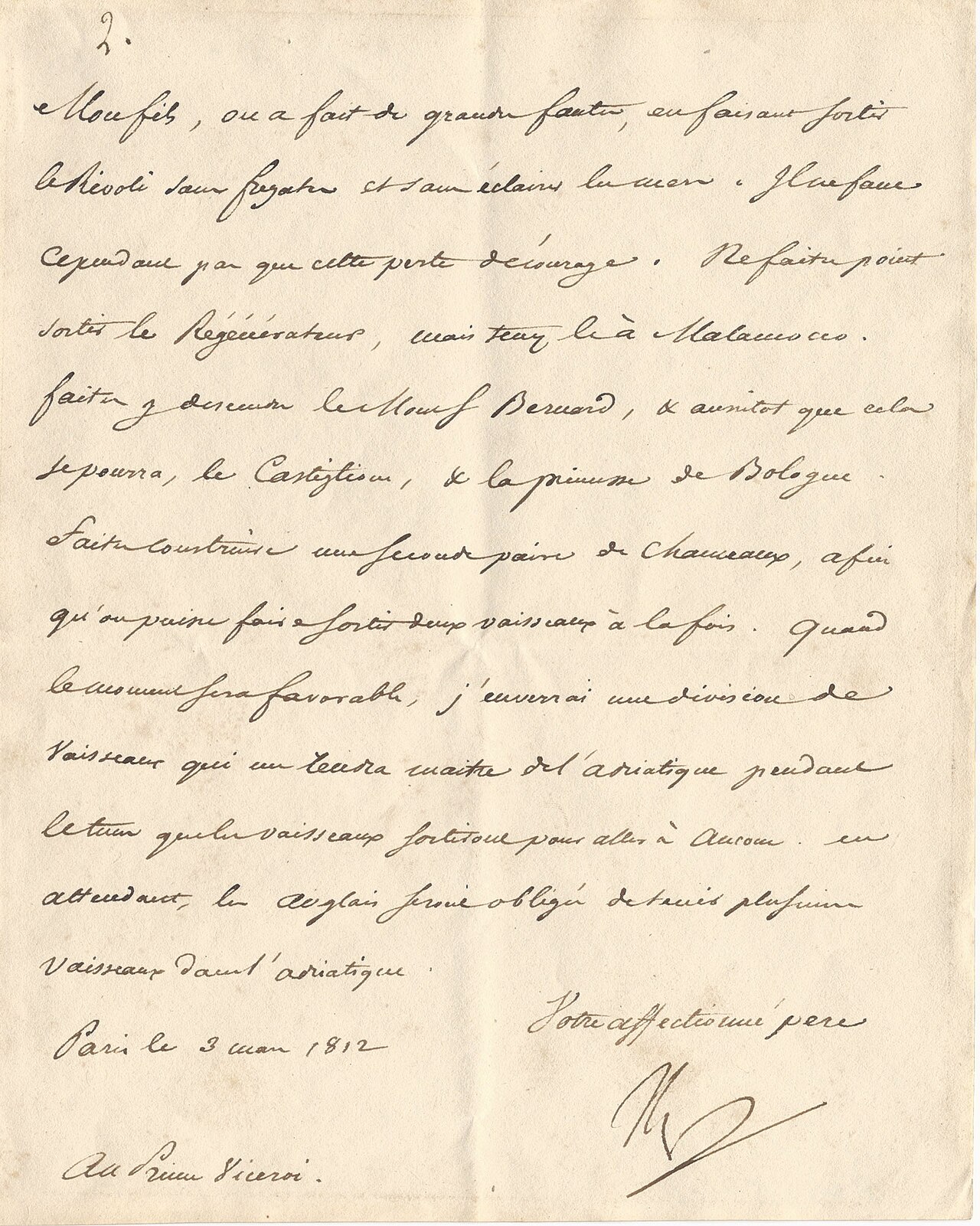 Letter
Primary source
Napoléon Bonaparte · 3 March 1812
Primary source
Napoleon · 1793
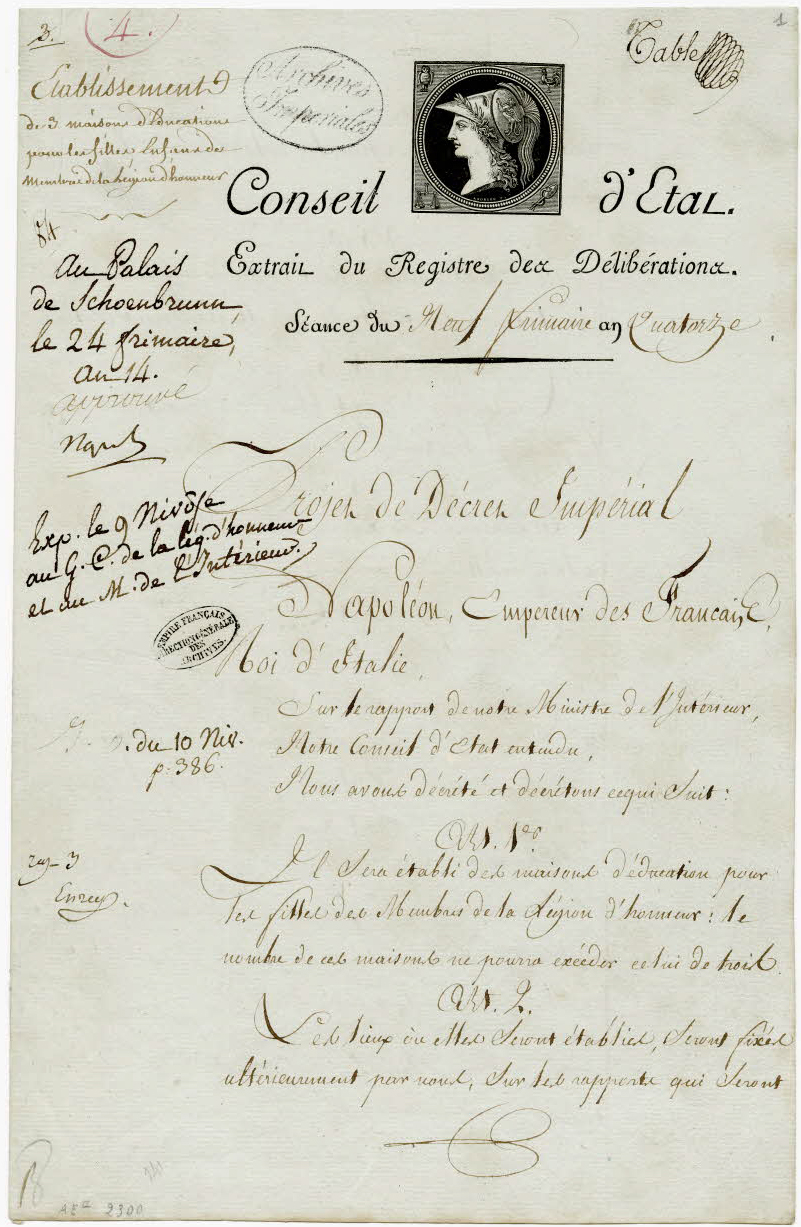 Document
Primary source
Napoleon · 15 December 1805
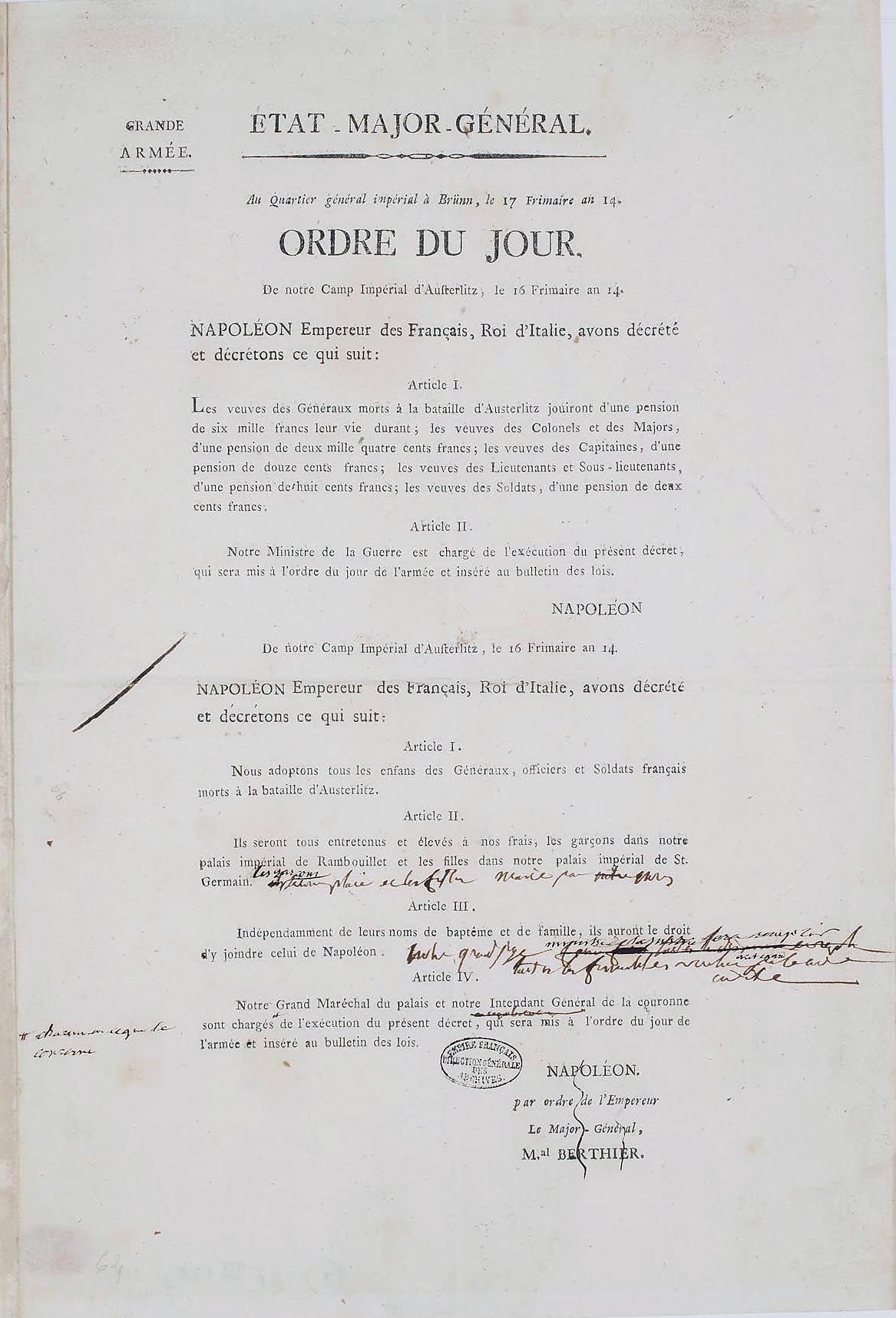 Document
Primary source
Napoleon · 7 December 1805
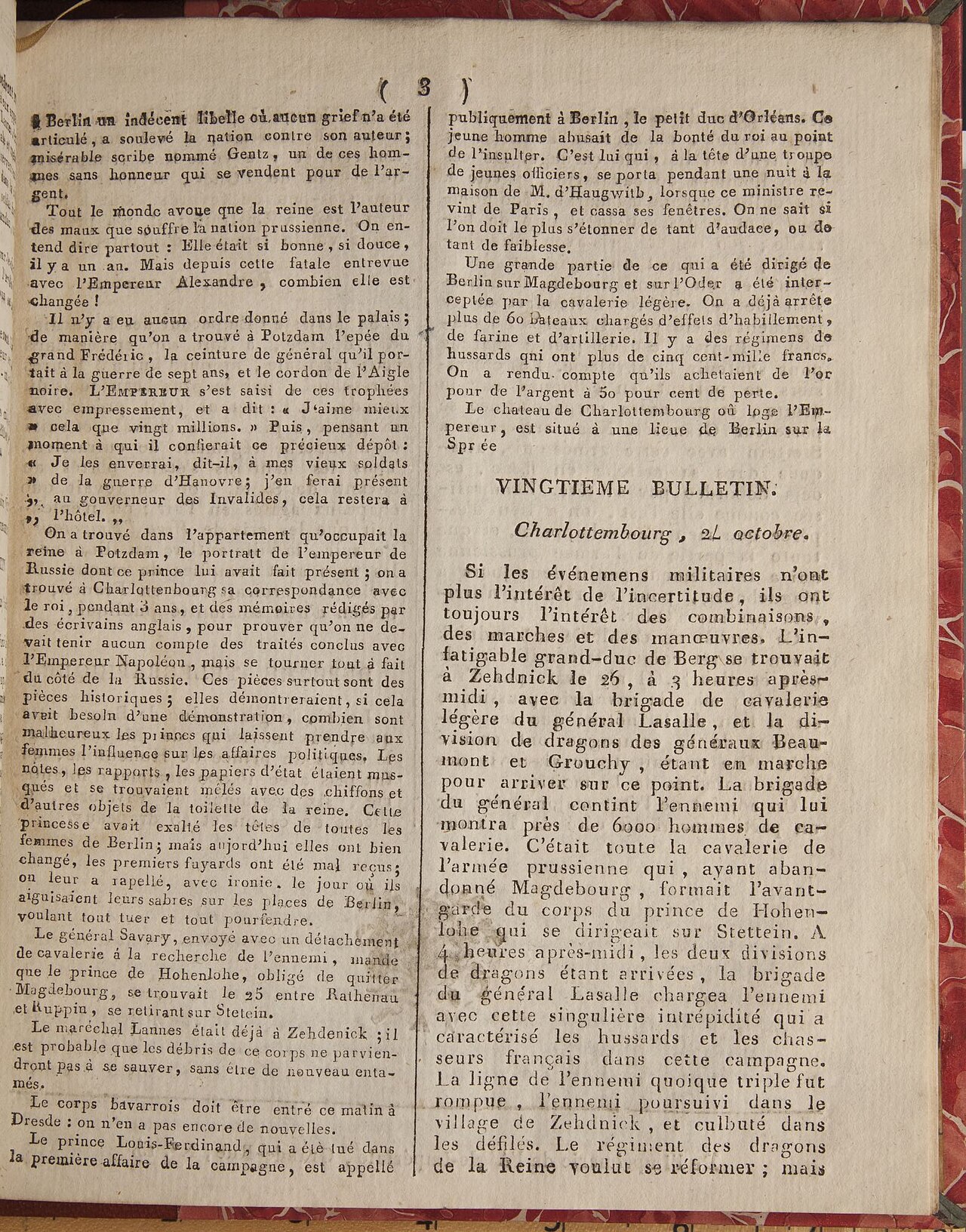 Newspaper article
Primary source
Napoleon Bonaparte / imperial headquarters · 8 October – 17 November 1806
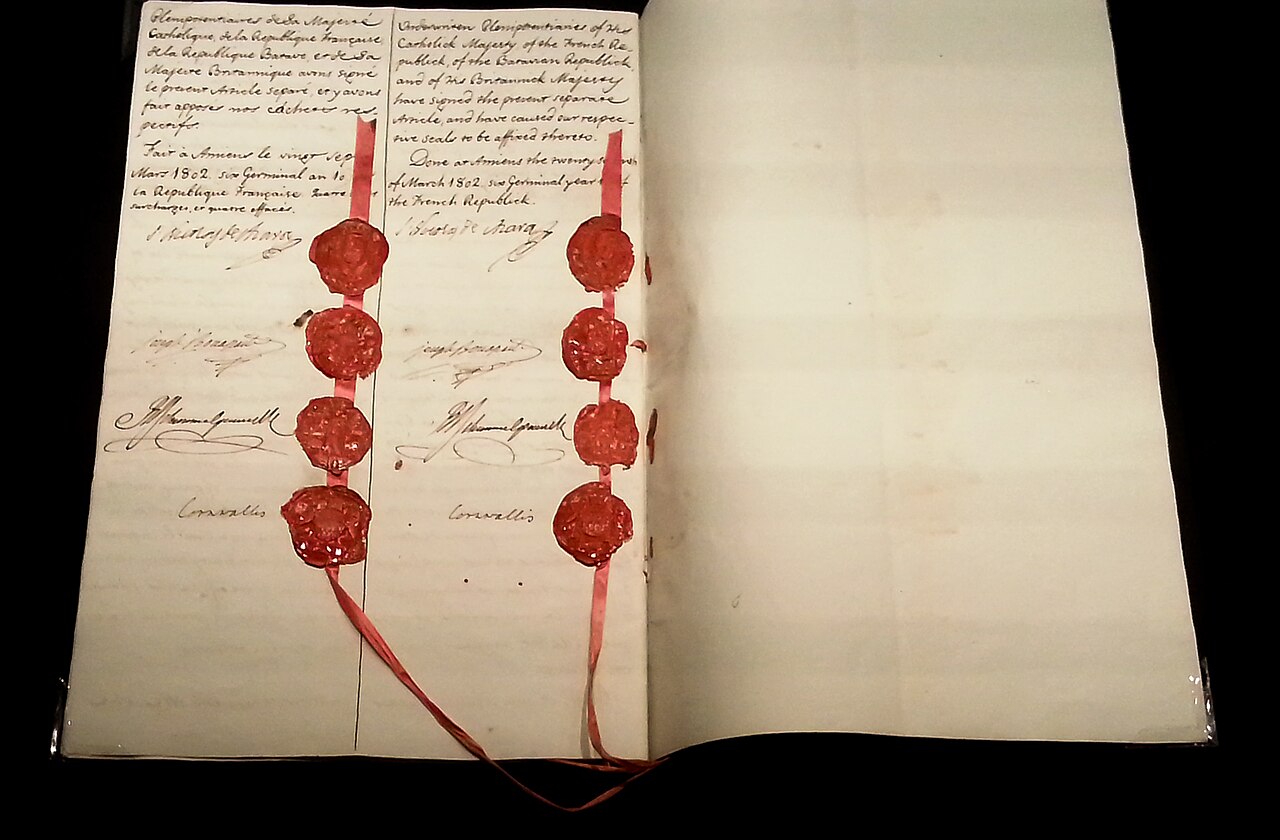 Document
Primary source
25 March 1802
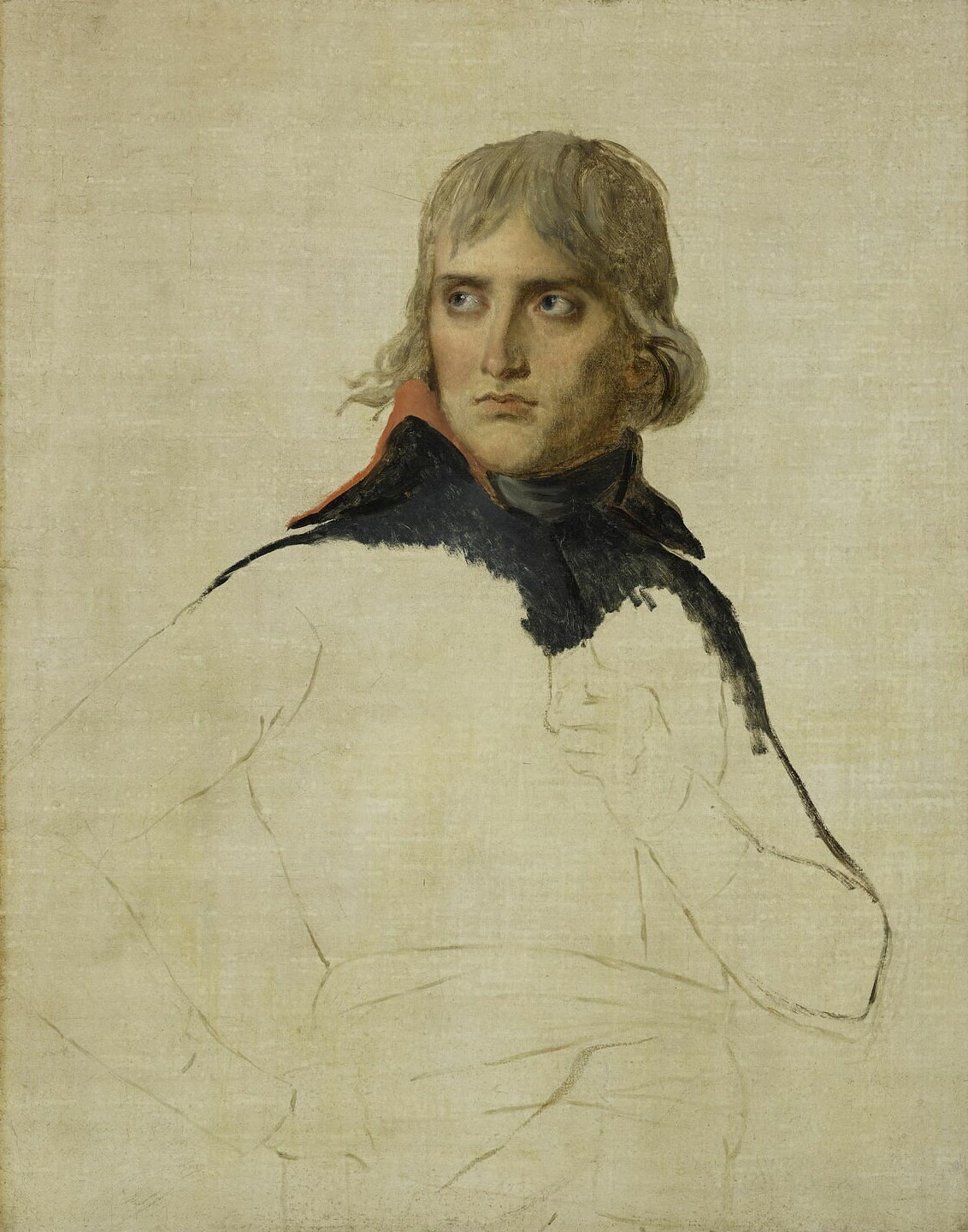 Painting
Primary source
Jacques-Louis David · 1797
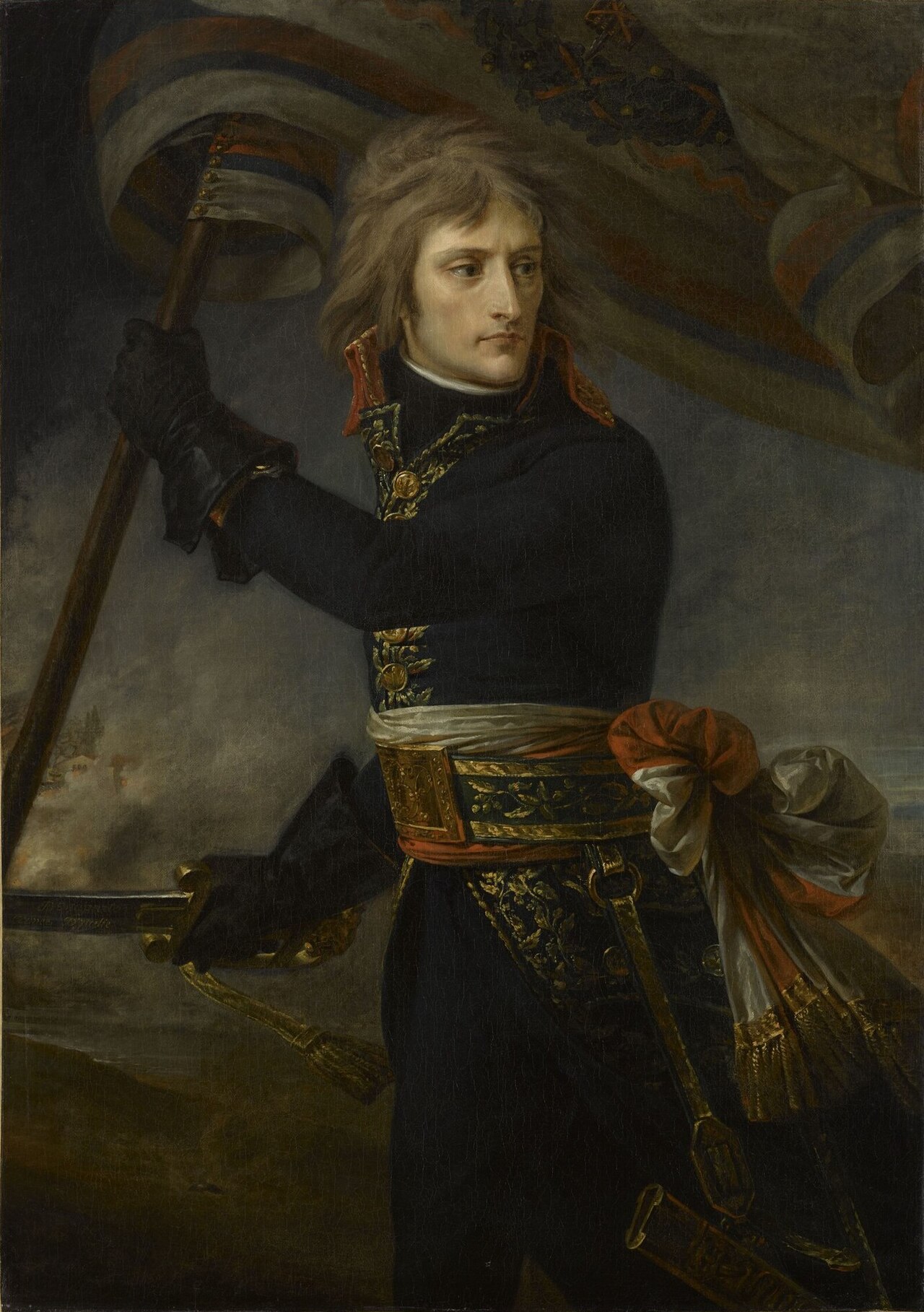 Painting
Primary source
Antoine-Jean Gros · 1796
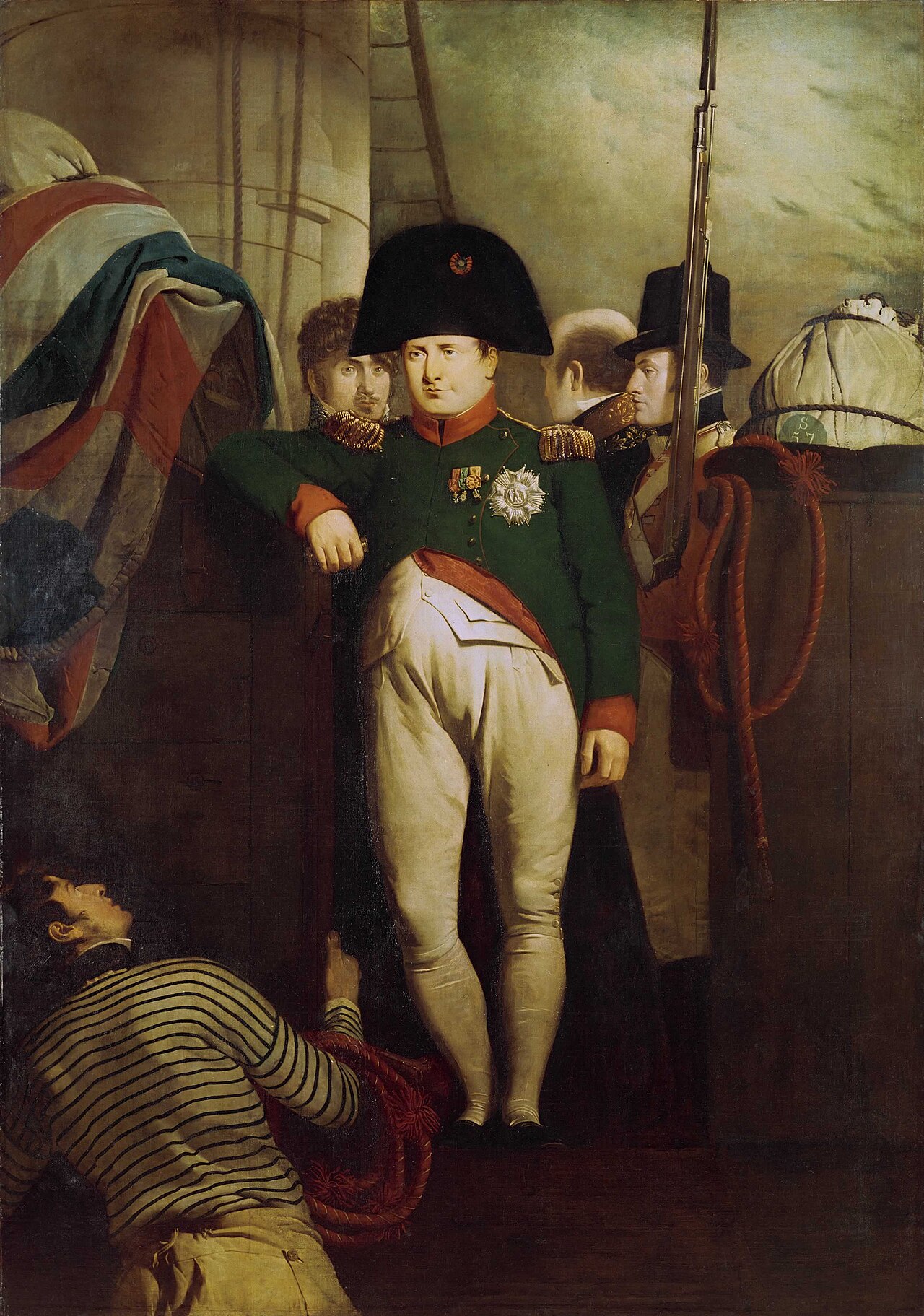 Painting
Primary source
Charles Lock Eastlake · 1815
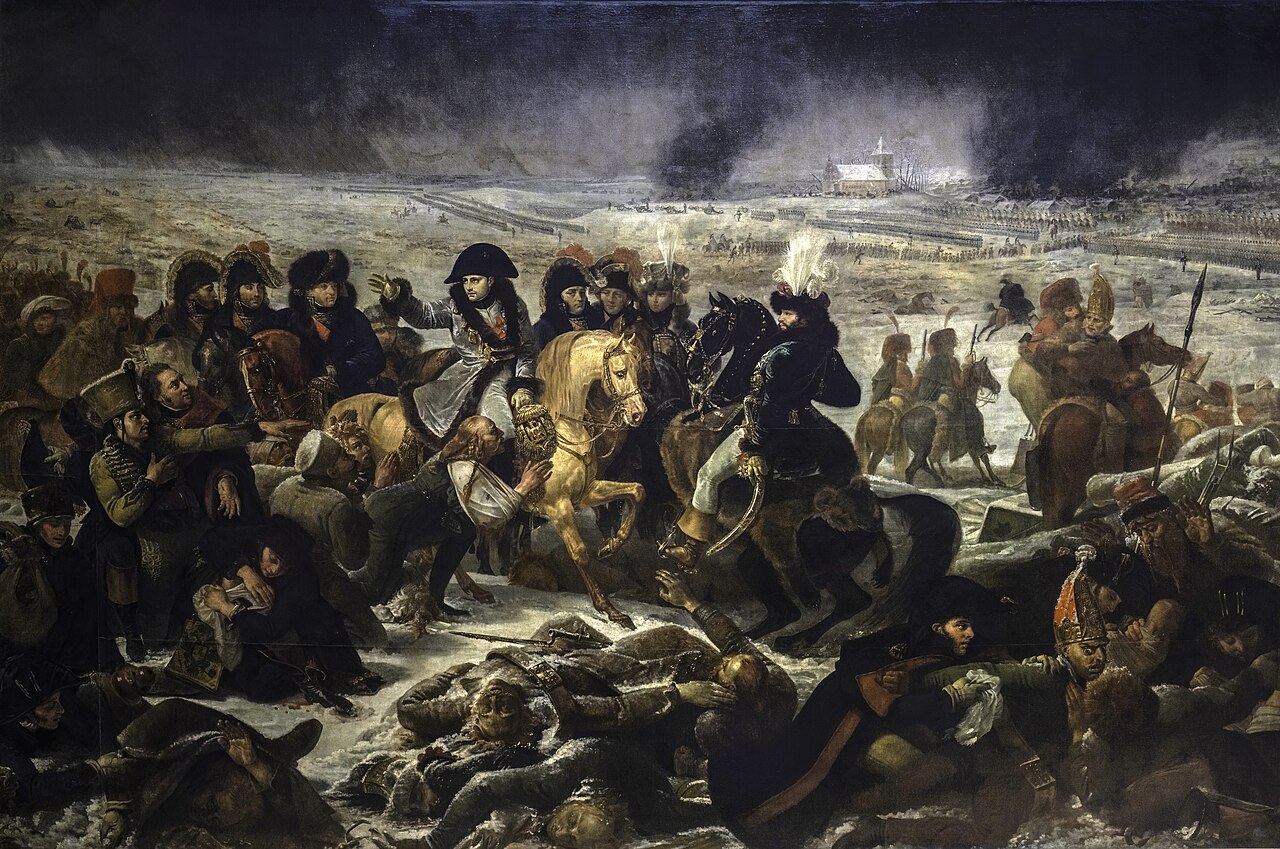 Painting
Primary source
Antoine-Jean Gros · 1807–1808
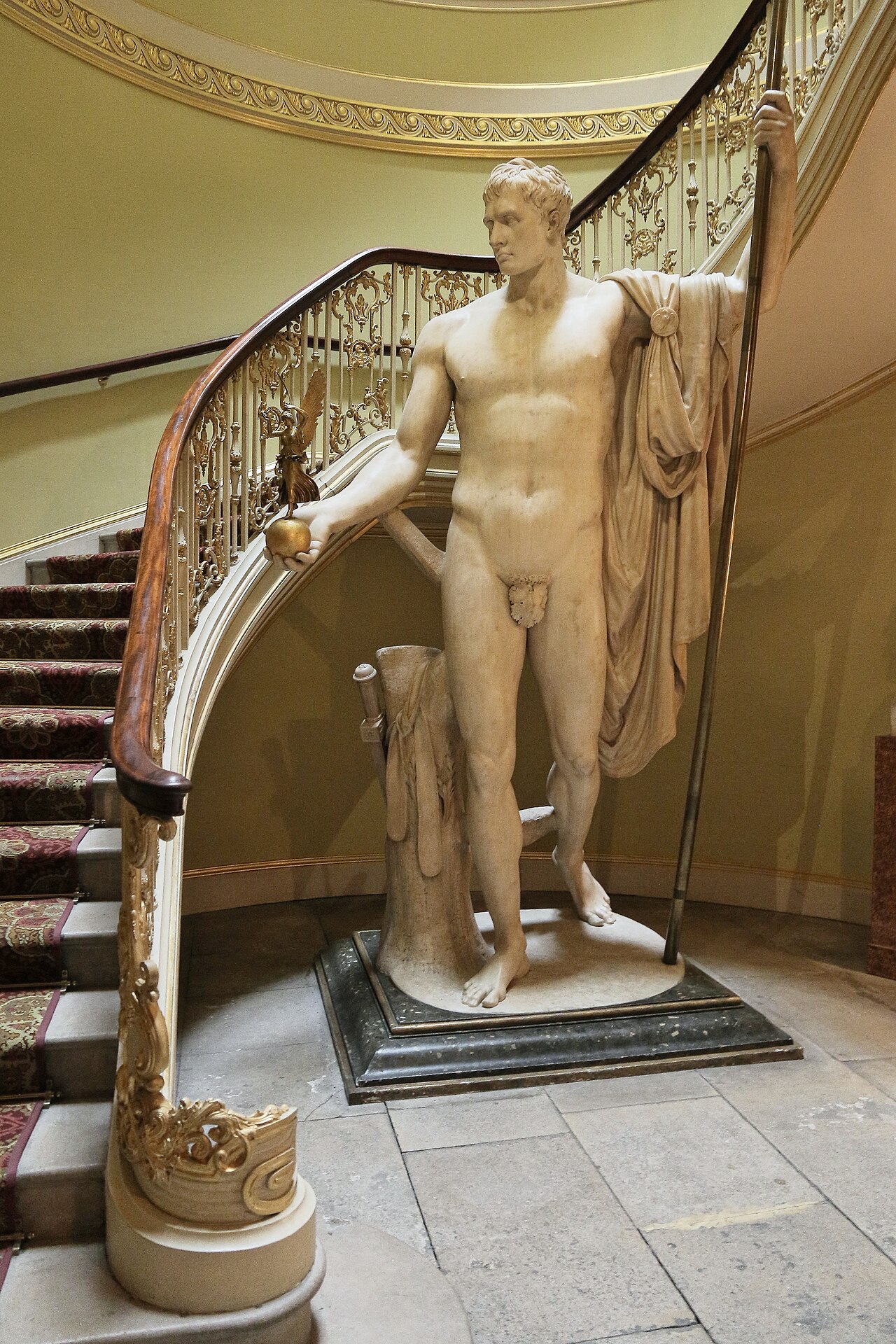 Sculpture
Primary source
Antonio Canova · 1806
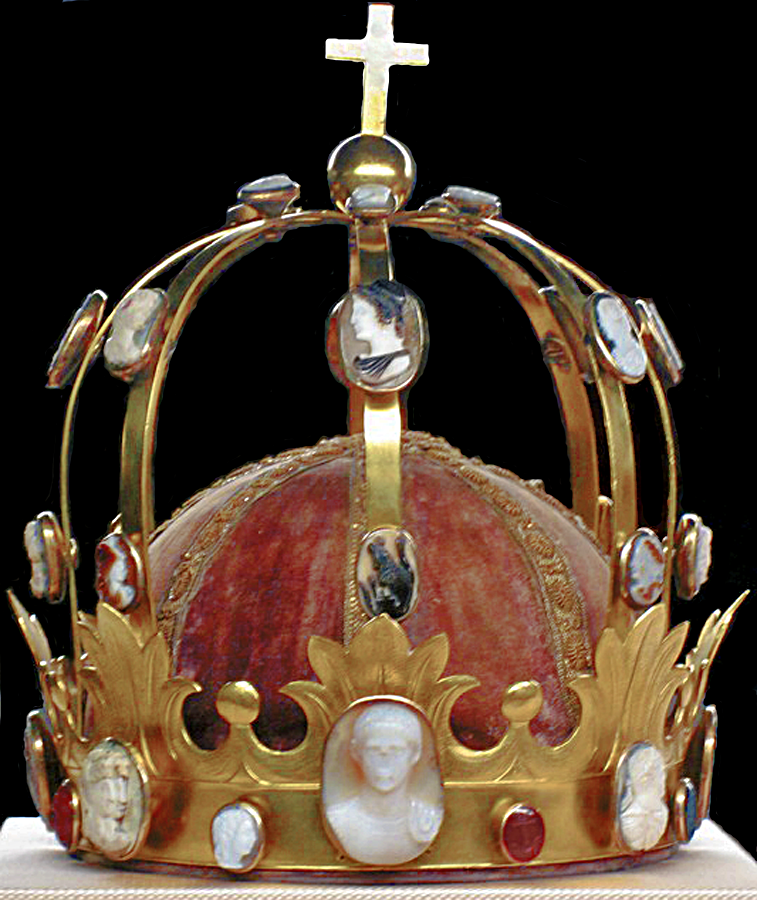 Artifact
Primary source
Martin Guillaume Biennais · 1804
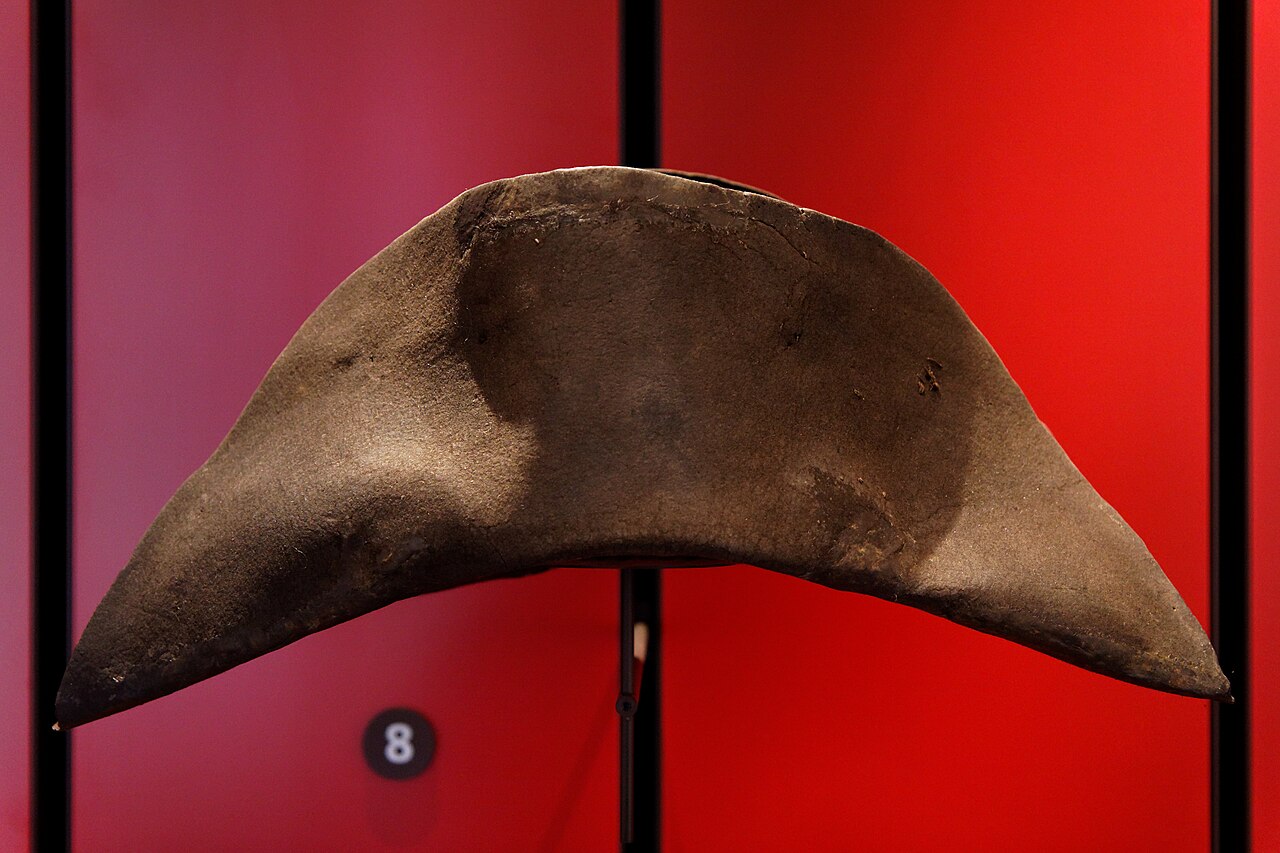 Artifact
Primary source
Poupard et Cie · c. 1800–1815
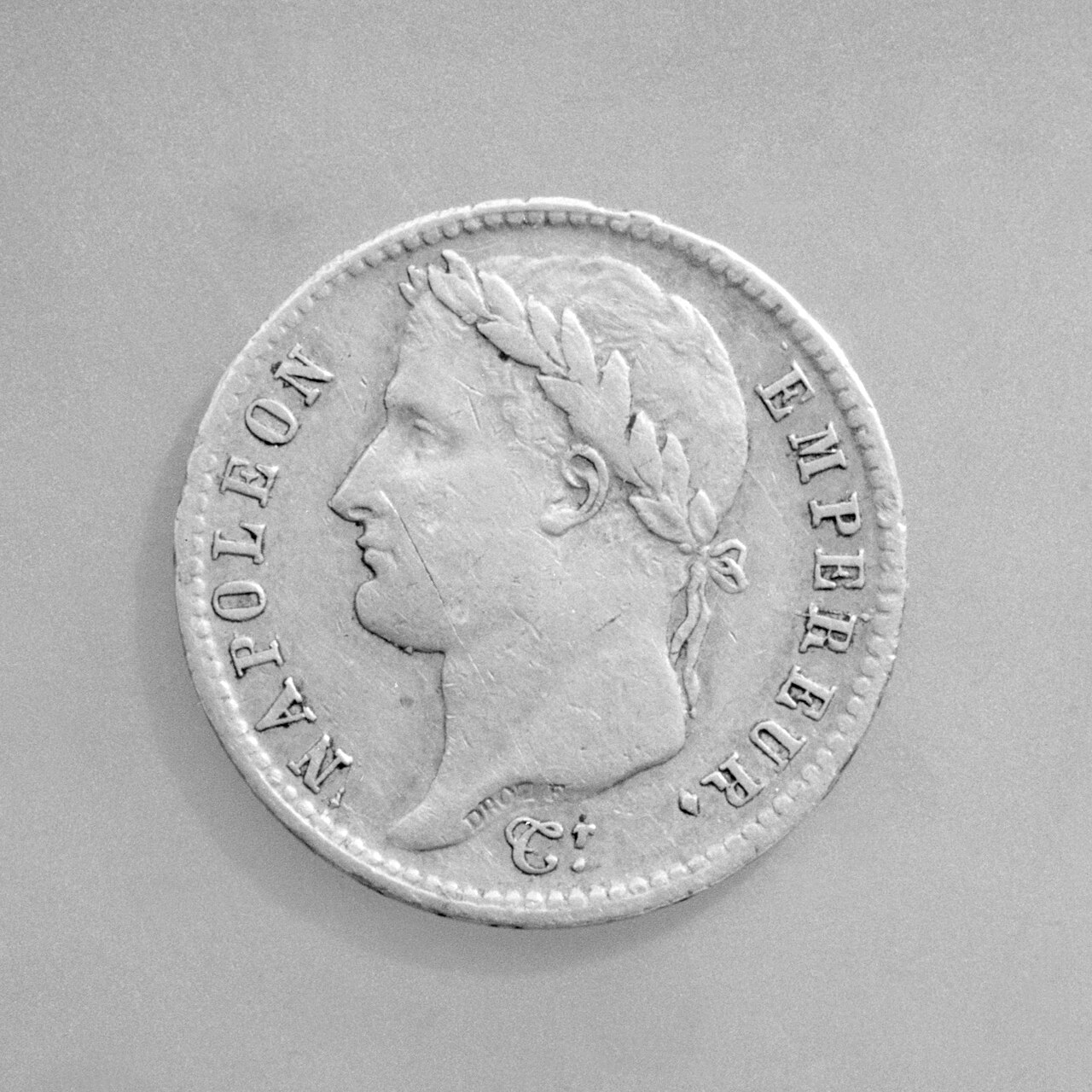 Artifact
Primary source
Pierre-Joseph Tiolier · 1803–1815
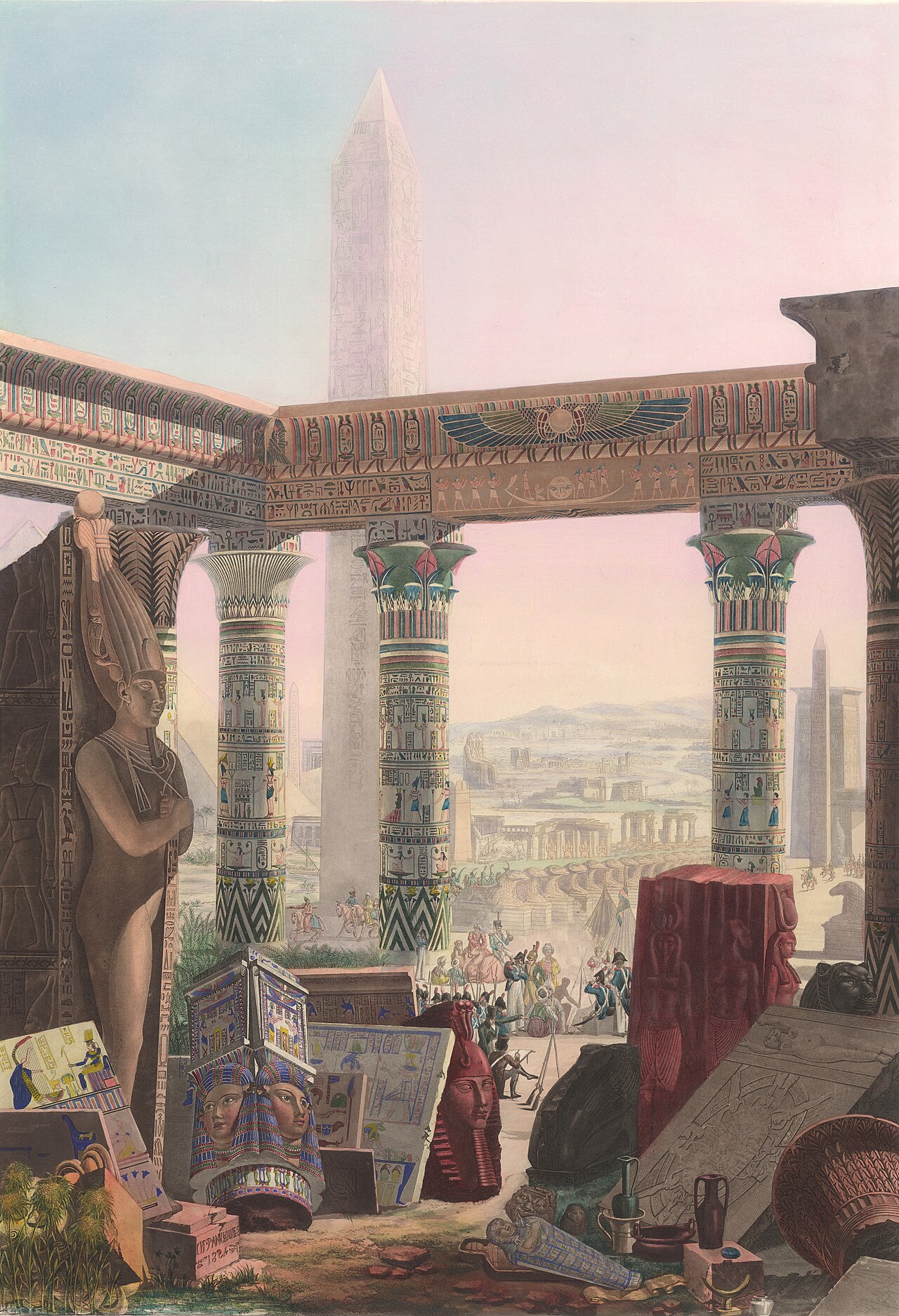 Book
Primary source
Commission des Sciences et des Arts · 1809–1829
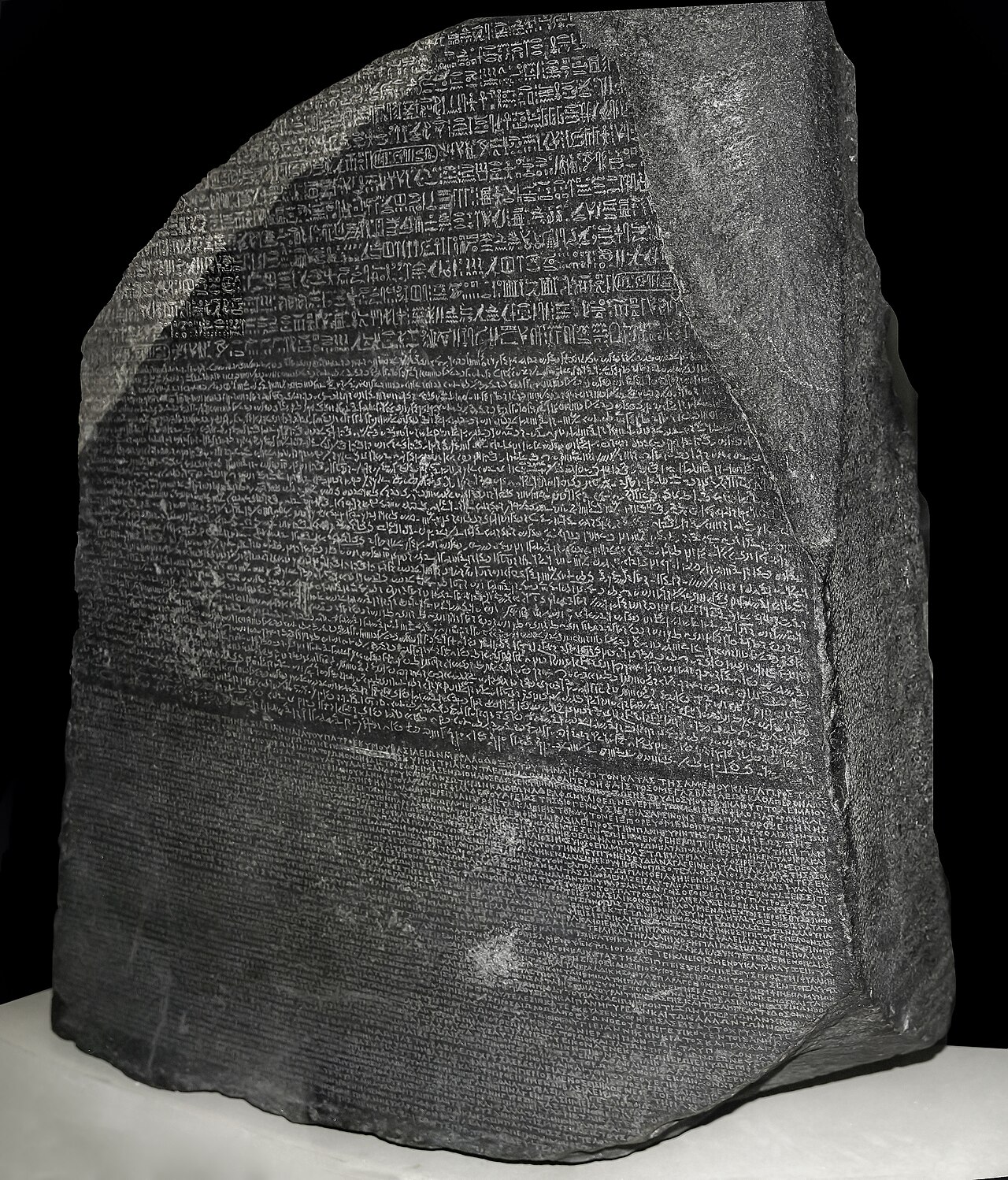 Artifact
Primary source
196 BC
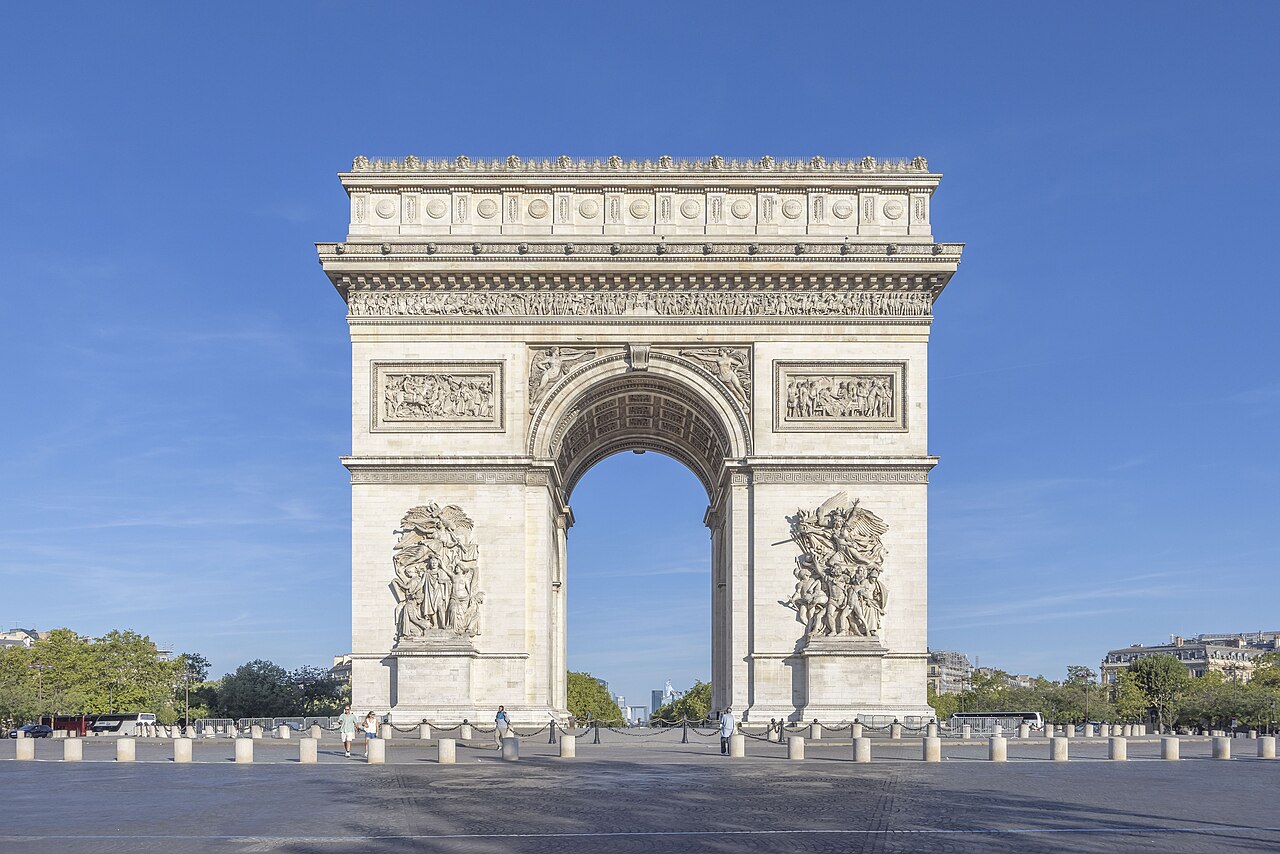 Artifact
Secondary source
Jean-François Chalgrin · 1836
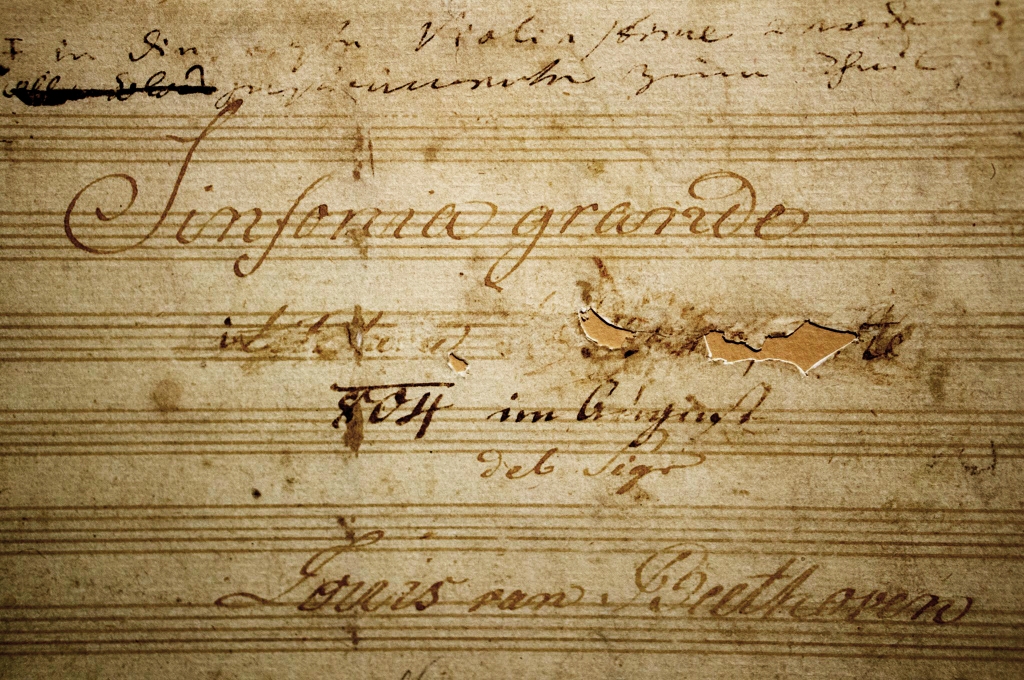 Document
Primary source
Ludwig van Beethoven · 1803-1804
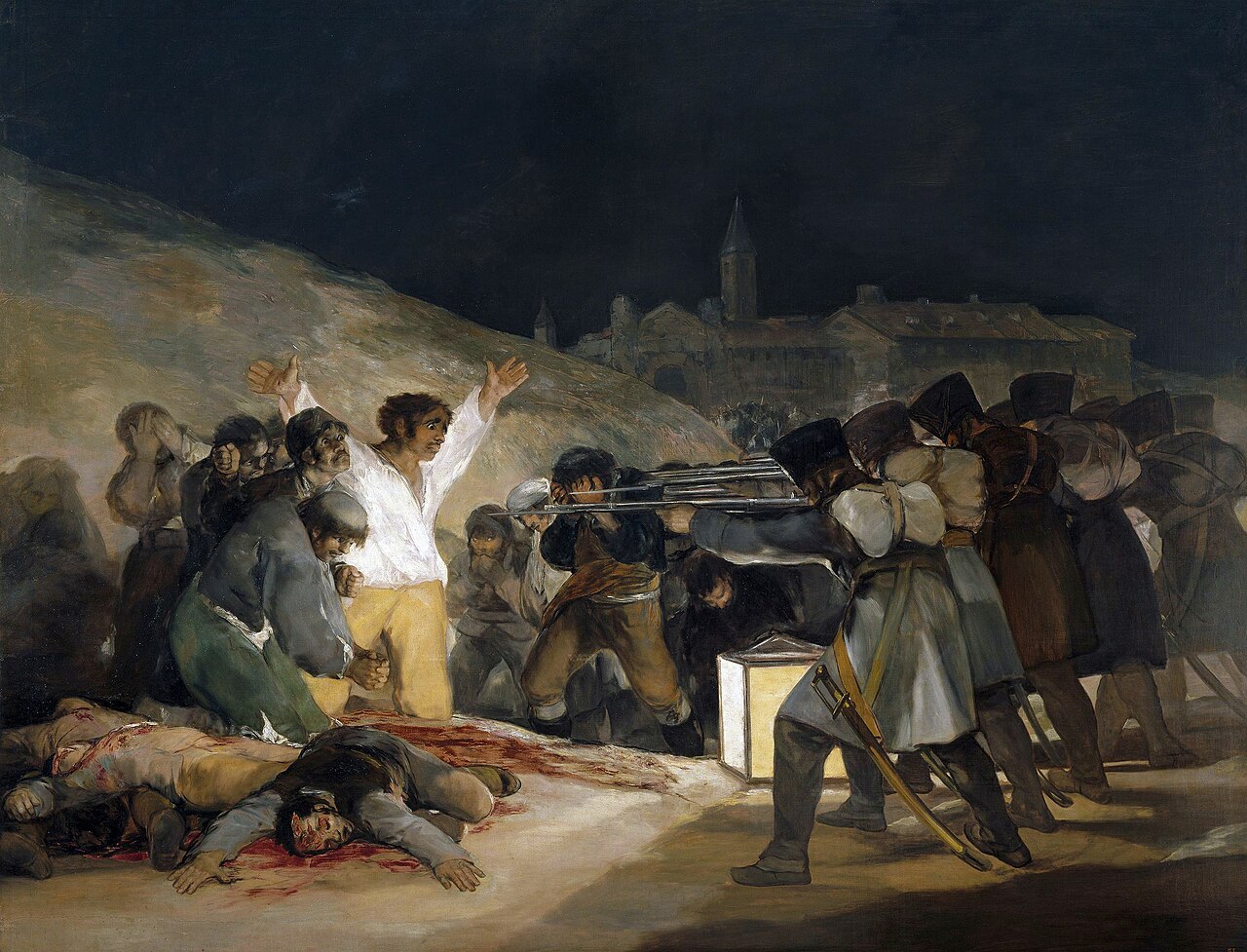 Painting
Secondary source
Francisco Goya · 1814
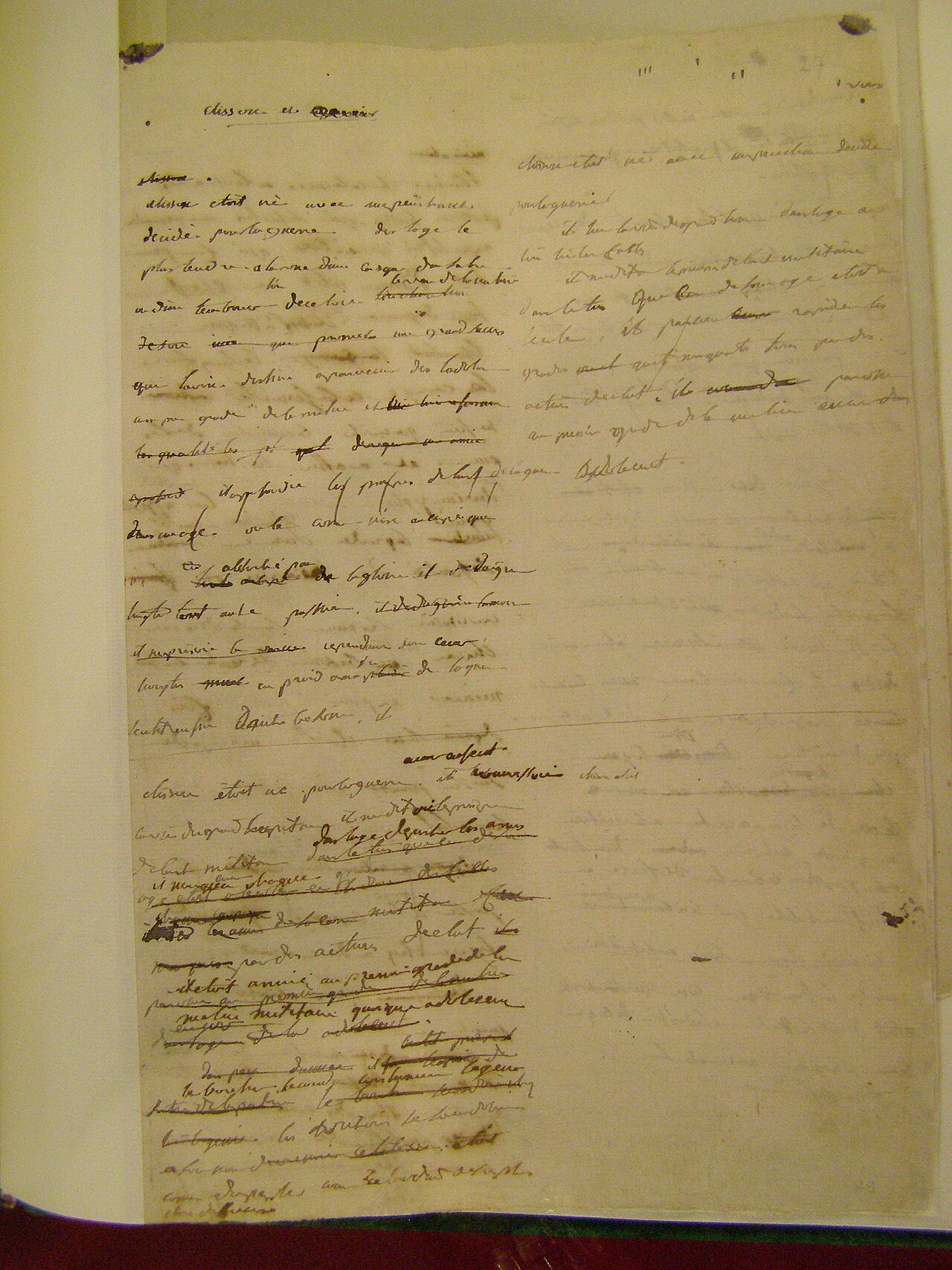 Book
Primary source
Napoleon Bonaparte · 1795
 Newspaper article
Primary source
Charles-Joseph Panckoucke · 1789-1901
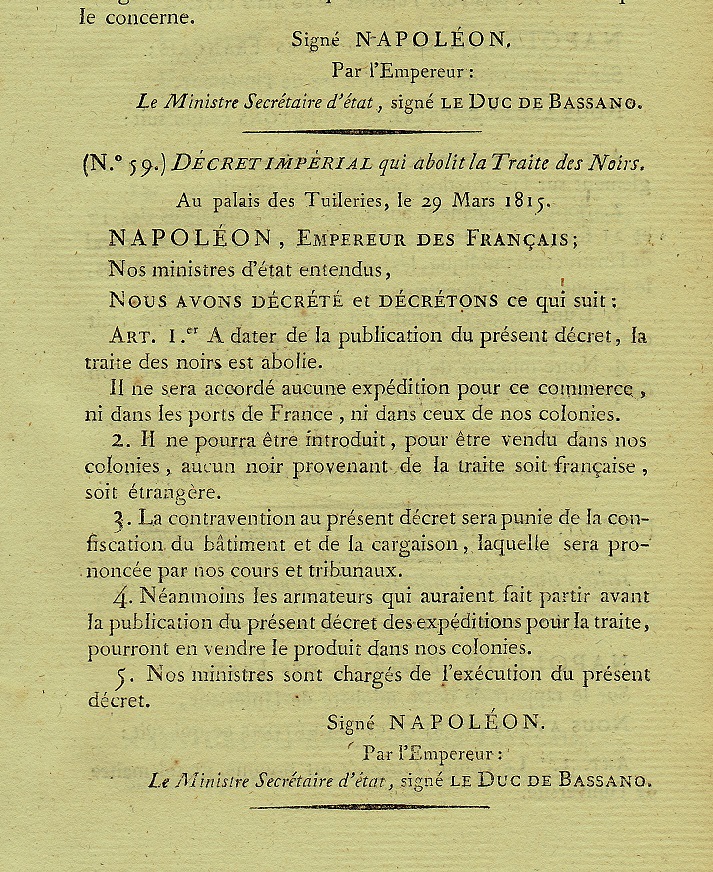 Document
Primary source
Napoleon · 29 March 1815
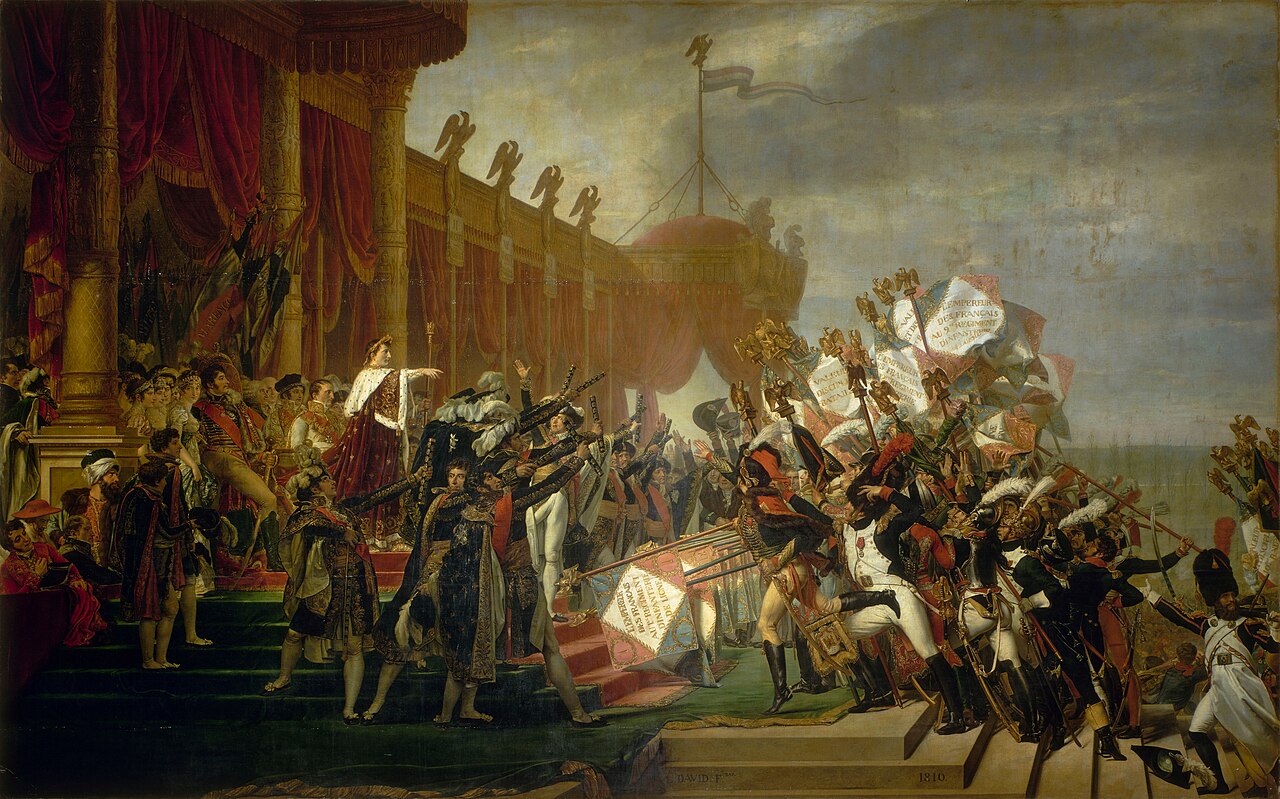 Painting
Secondary source
Jacques-Louis David · 1810
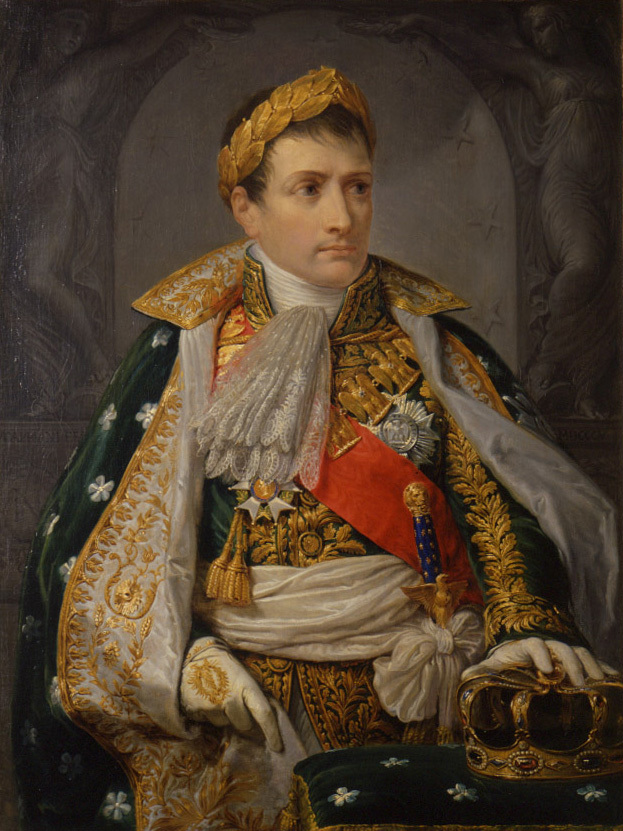 Painting
Secondary source
Andrea Appiani · 1805
 Book
Primary source
Emmanuel-Auguste-Dieudonné, comte de Las Cases · 1823
Primary source
Claire Elisabeth Jeanne Gravier de Vergennes, comtesse de Remusat · 1880
Primary source
Napoleon Bonaparte · 21 November 1806
Primary source
Jean-Baptiste-Antoine-Marcelin Marbot
Secondary source
Walter Scott · 1827
Primary source
French Consulate and the Holy See · 1801
 Letter
Primary source
Napoleon I, Emperor of the French · 1856
Primary source
Napoleon I, Emperor of the French · 1 December 1805
Secondary source
Napoleon I, Emperor of the French · 1910
Primary source
Napoleon I, Emperor of the French · 1913 (letters from 1804-1807)
 Speech
Primary source
Napoleon I, Emperor of the French · 1897
 Letter
Primary source
Clement King Shorter (editor); letters attributed to Napoleon I · 1910 (letters written during St Helena exile)
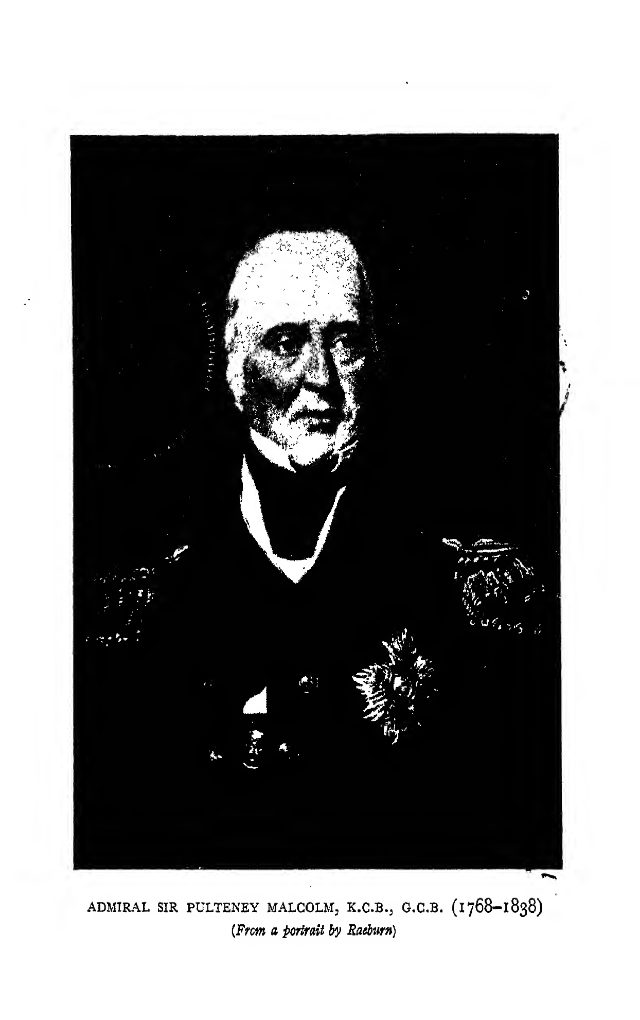 Diary entry
Primary source
Lady Clementina Malcolm · written 1816-1817, published 1899
Primary source
Madame Junot (Laure Junot, Duchesse d'Abrantès) · 1901
 Book
Primary source
Lucia Elizabeth Abell (née Balcombe) · 1844
Secondary source
Adolphe Thiers · 1875
 Book
Secondary source
Emil Ludwig · 1927
Secondary source
Francis Loraine Petre · 1912
 Book
Secondary source
Fernand Nicolay · 1907
Secondary source
F. Loraine Petre · 1901
Primary source
Louis Constant Wairy · 1830
Primary source
Napoleon · 15 May 1796
Primary source
Napoleon · 10 December 1797
Primary source
Napoleon · 1798
Primary source
Napoleon · 1815
Primary source
Napoleon · 20 April 1814
Primary source
Napoleon · 1888 (writings composed earlier, by Napoleon)
Primary source
Napoleon Bonaparte · 1786-1790
Primary source
Napoleon Bonaparte · 1790
Primary source
Napoleon Bonaparte · 27 March 1796
Primary source
Louis Antoine Fauvelet de Bourrienne
Secondary source
Ralph Waldo Emerson · 1850
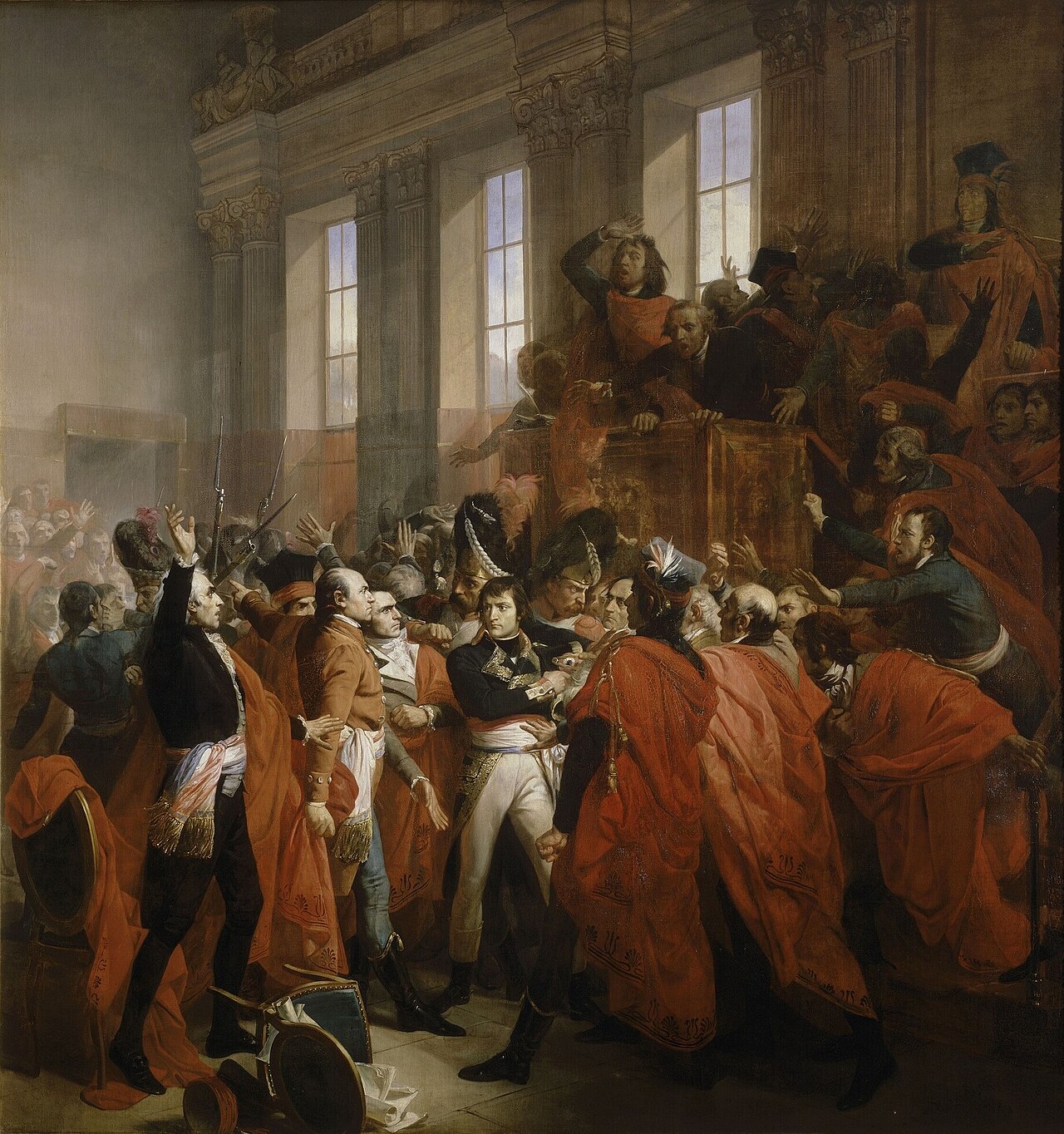 Painting
Secondary source
François Bouchot · 9 November 1799 (event); painted later
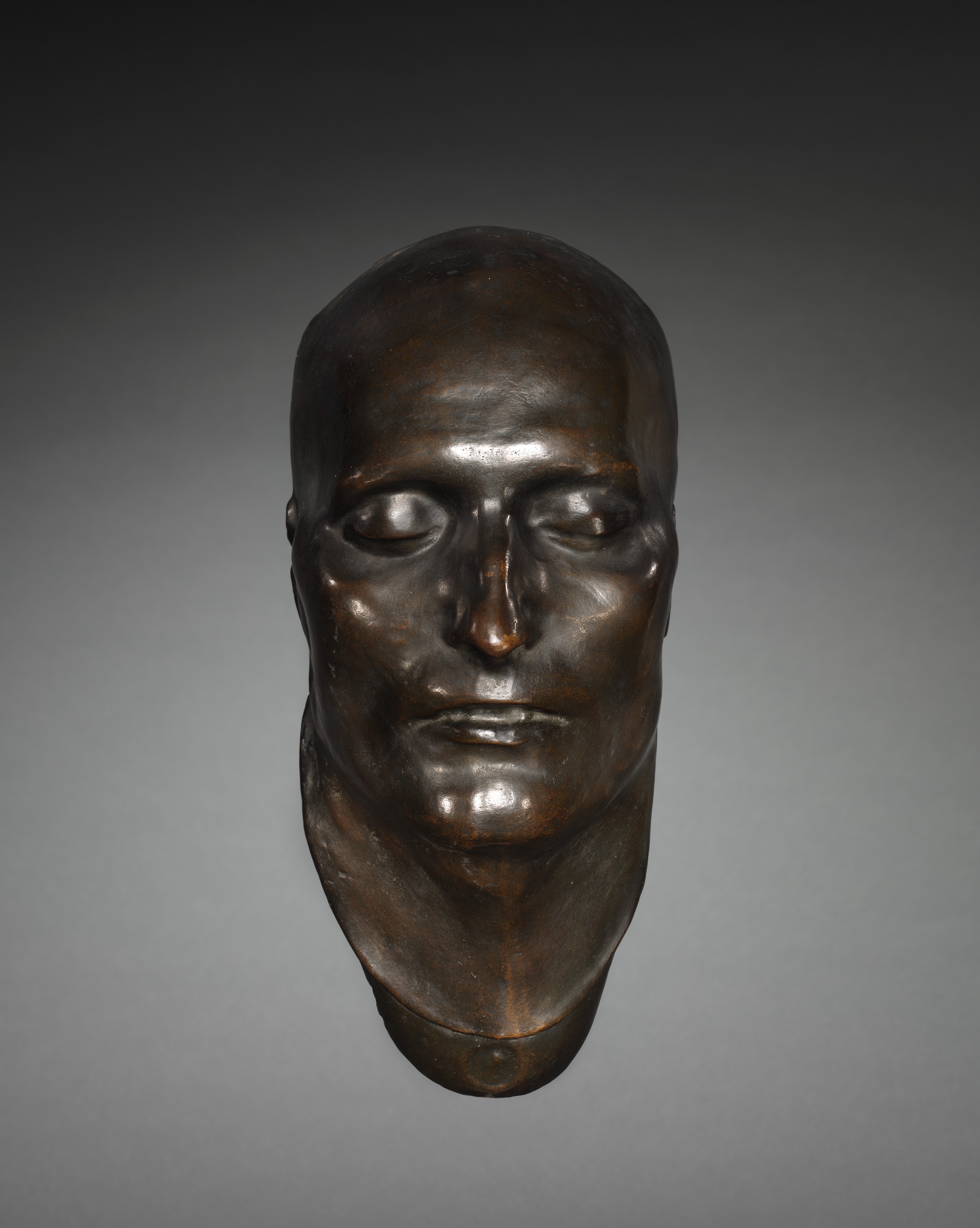 Sculpture
Primary source
C. Francesco Antommarchi · early 19th century
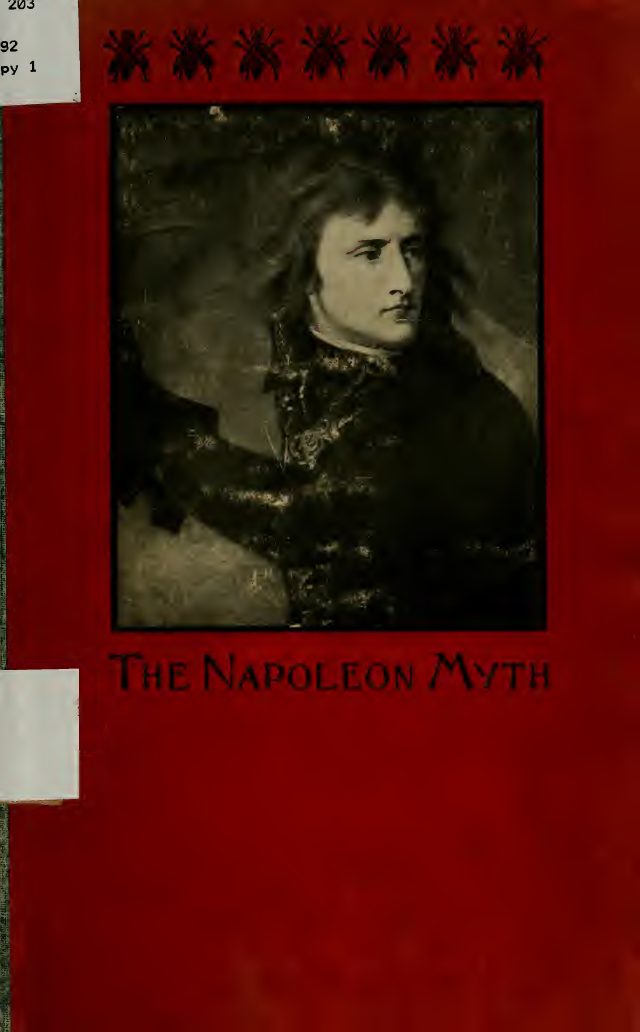 Book
Secondary source
Henry Ridgely Evans · 1905
 Book
Secondary source
Walter Geer · 1924
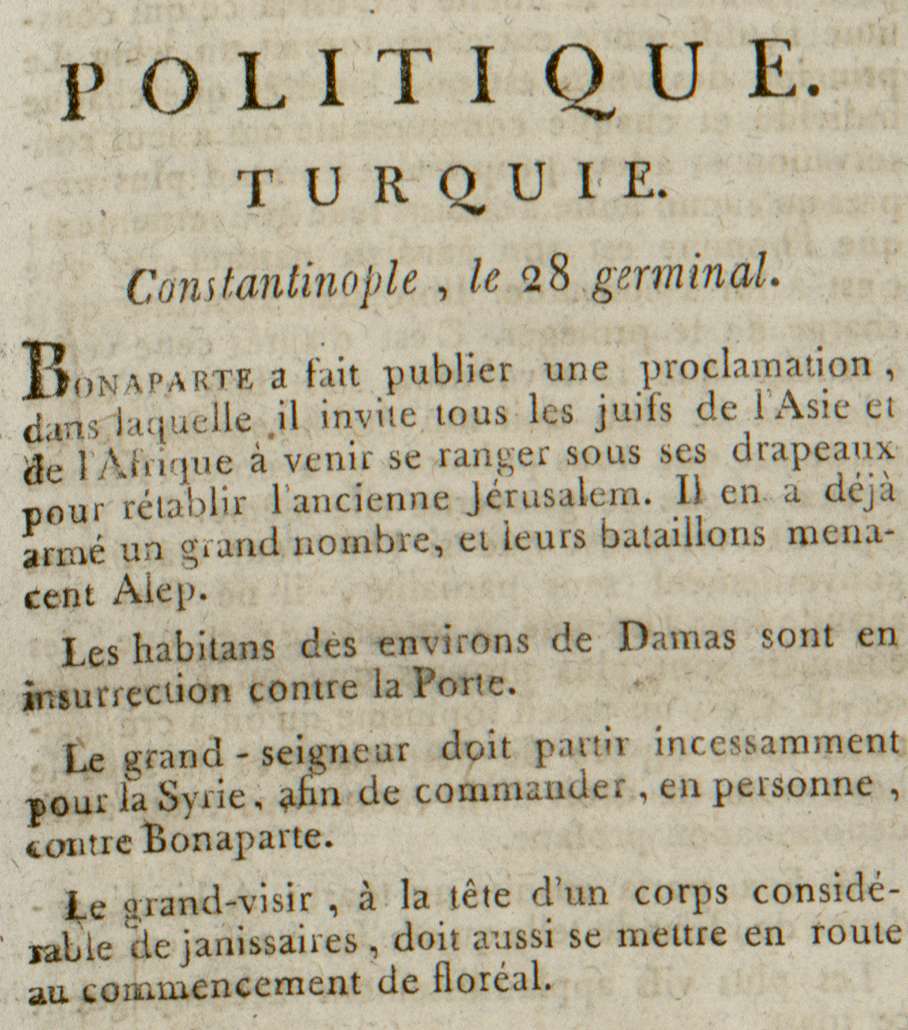 Newspaper article
Primary source
Gazette nationale
Want the full shelf? Chat with Napoleon Bonaparte in the app and open the Sources panel — every quote links back to the original.
4 assignments · 2 collections
Ready-made assignments and collections from the Humy team and other teachers that feature Napoleon Bonaparte. Preview any of them, then try it free.

History
with Napoleon Bonaparte
History
with Napoleon Bonaparte
History
with Napoleon Bonaparte
Paying customers



























Dr. Michael Calvert
Assistant Superintendent, South Allegheny School District, Pennsylvania
Been using Humy in his district since 2024
“We enjoyed the program last year and used it frequently.”

Jacob Chisom
World and American History, Monticello High School, Arkansas
Been using Humy in his classroom since 2024
“My students say it’s a welcome change of pace. I’m not a fan of the “sage on the stage” model, so I try to incorporate research-oriented and self-paced activities. With Humy, students have to take charge of their learning. They’ve become more adept at critical thinking, forming better questions, and improving their reading comprehension. The interview feature has been my go-to tool. I create assignments where students must ask historical figures a set number of questions, then summarize the responses to ensure they’re truly absorbing the material. This approach lets them actively explore the past rather than passively consuming information.”
Roger Campbell
7th-grade World History, Lancaster County, Pennsylvania
Been using Humy in his classroom since 2024
“Humy has helped me bring historical figures, sometimes long past, to life. When my students interact with these figures in real-time, it eliminates some of the perceived “ancient” characteristics of my curriculum. This has shifted my students’ thinking away from viewing history as abstract or irrelevant. Real-time interactions make historical figures relatable, even allowing students to ask off-topic questions that help put historical lives in a more relevant context for 13-year-olds. The feature I use the most is the interview feature. After teaching a topic, most recently Gandhi and Joan of Arc, I have the students ask pointed, focused questions. We practice good conversation techniques beforehand, teaching them to listen (or read) carefully and formulate thoughtful follow-up questions rather than just interrogating. It helps students practice effective conversation skills.”
Dr. Michael Calvert
Assistant Superintendent, South Allegheny School District, Pennsylvania
Been using Humy in his district since 2024
“We enjoyed the program last year and used it frequently.”
Jacob Chisom
World and American History, Monticello High School, Arkansas
Been using Humy in his classroom since 2024
“My students say it’s a welcome change of pace. I’m not a fan of the “sage on the stage” model, so I try to incorporate research-oriented and self-paced activities. With Humy, students have to take charge of their learning. They’ve become more adept at critical thinking, forming better questions, and improving their reading comprehension. The interview feature has been my go-to tool. I create assignments where students must ask historical figures a set number of questions, then summarize the responses to ensure they’re truly absorbing the material. This approach lets them actively explore the past rather than passively consuming information.”
Roger Campbell
7th-grade World History, Lancaster County, Pennsylvania
Been using Humy in his classroom since 2024
“Humy has helped me bring historical figures, sometimes long past, to life. When my students interact with these figures in real-time, it eliminates some of the perceived “ancient” characteristics of my curriculum. This has shifted my students’ thinking away from viewing history as abstract or irrelevant. Real-time interactions make historical figures relatable, even allowing students to ask off-topic questions that help put historical lives in a more relevant context for 13-year-olds. The feature I use the most is the interview feature. After teaching a topic, most recently Gandhi and Joan of Arc, I have the students ask pointed, focused questions. We practice good conversation techniques beforehand, teaching them to listen (or read) carefully and formulate thoughtful follow-up questions rather than just interrogating. It helps students practice effective conversation skills.”
FAQ
Like any LLM, the AI version of Napoleon Bonaparte can get details wrong. Open one of these sources in a new tab to verify what you’ve read.

French playwright and political activist known for her advocacy of women's rights.

Last King of France before the French Revolution.

French lawyer and politician, central figure of the French Revolution known for his role in the Reign of Terror.

Haitian revolutionary leader and first ruler of independent Haiti.

Military leader and statesman instrumental in the liberation of several South American countries from Spanish rule.

French royal figure.
Ready when you are
20 messages free · No credit card · Available in 50+ languages.