


Primary sourceBook1809–1829
Description de l'Égypte
Commission des Sciences et des Arts · 1809–1829
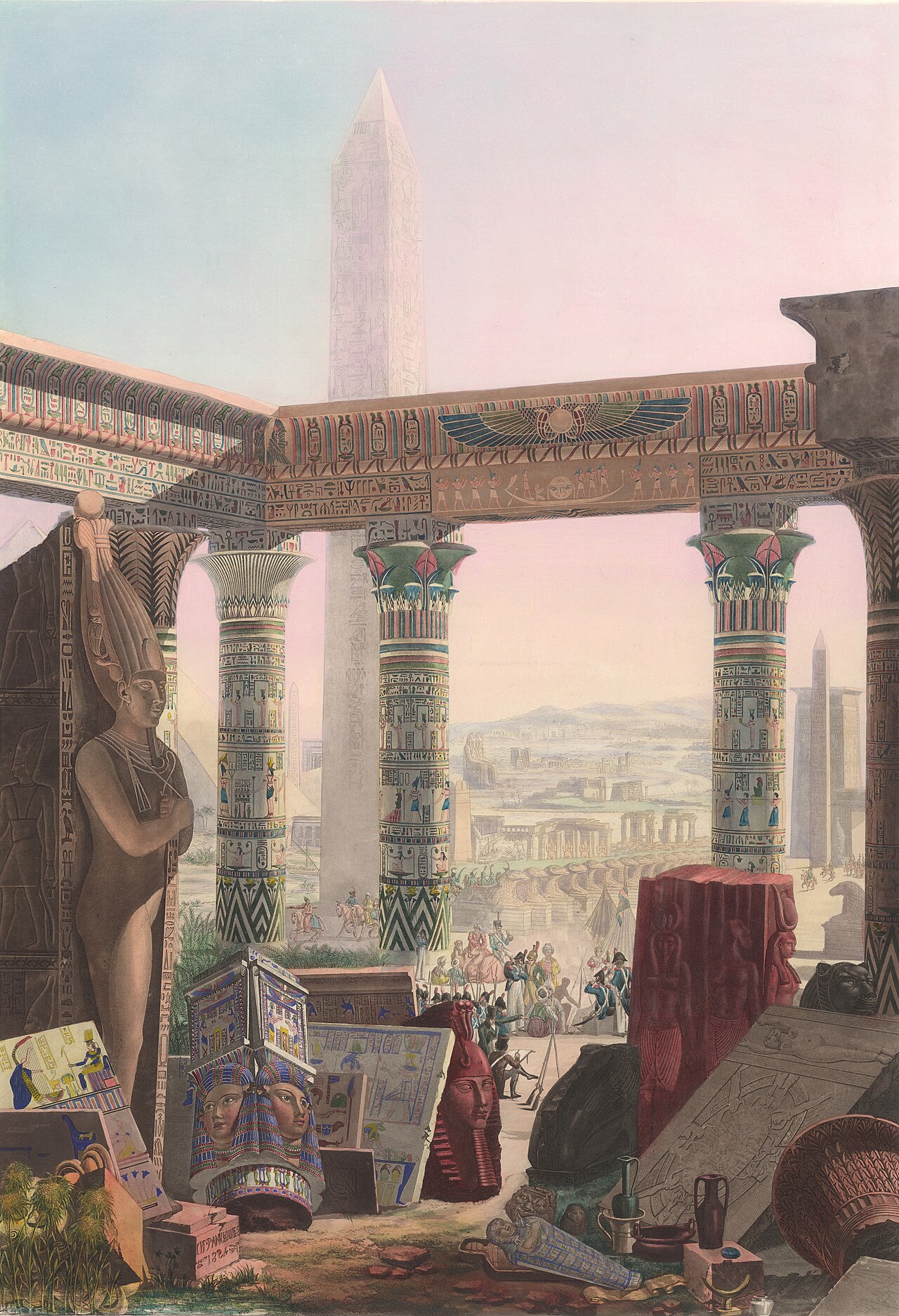
A massive multi-volume survey of ancient and modern Egypt compiled by scholars who accompanied Napoleon's Egyptian expedition.
Napoleon ordered this massive survey of Egypt compiled by the scholars who accompanied his military expedition there.
About this source
What it is
The Description de l'Égypte is a huge series of volumes, published from 1809, cataloguing the history, monuments and natural history of Egypt. It was produced by about 160 scholars and scientists, known as the savants, along with thousands of artists and engravers, who had travelled with Napoleon's army during the French expedition to Egypt from 1798 to 1801. Napoleon ordered the publication, and the first test volumes were shown to him in 1808.
Why it matters
At the time, it was the largest published work in the world, and its detailed maps and engravings shaped European knowledge of Egypt for decades. The work also shows Napoleon using science and scholarship alongside military conquest, presenting the invasion as a grand voyage of discovery, something the scholar Edward Said later criticised as one country's 'appropriation' of another.
Look closer
- Why might Napoleon have wanted scholars to accompany his army?
- What does the scale and detail of this project suggest about its purpose, beyond pure curiosity?
- Whose perspective is missing from a book about Egypt made entirely by French scholars and soldiers?
This book is part of the curated material that grounds the AI version of Napoleon Bonaparte and Pharaoh Khufu (Cheops) on Humy.ai — when students ask about related events, the AI can quote it and cite it.
More Napoleon Bonaparte sources
Meet the AI Napoleon Bonaparte →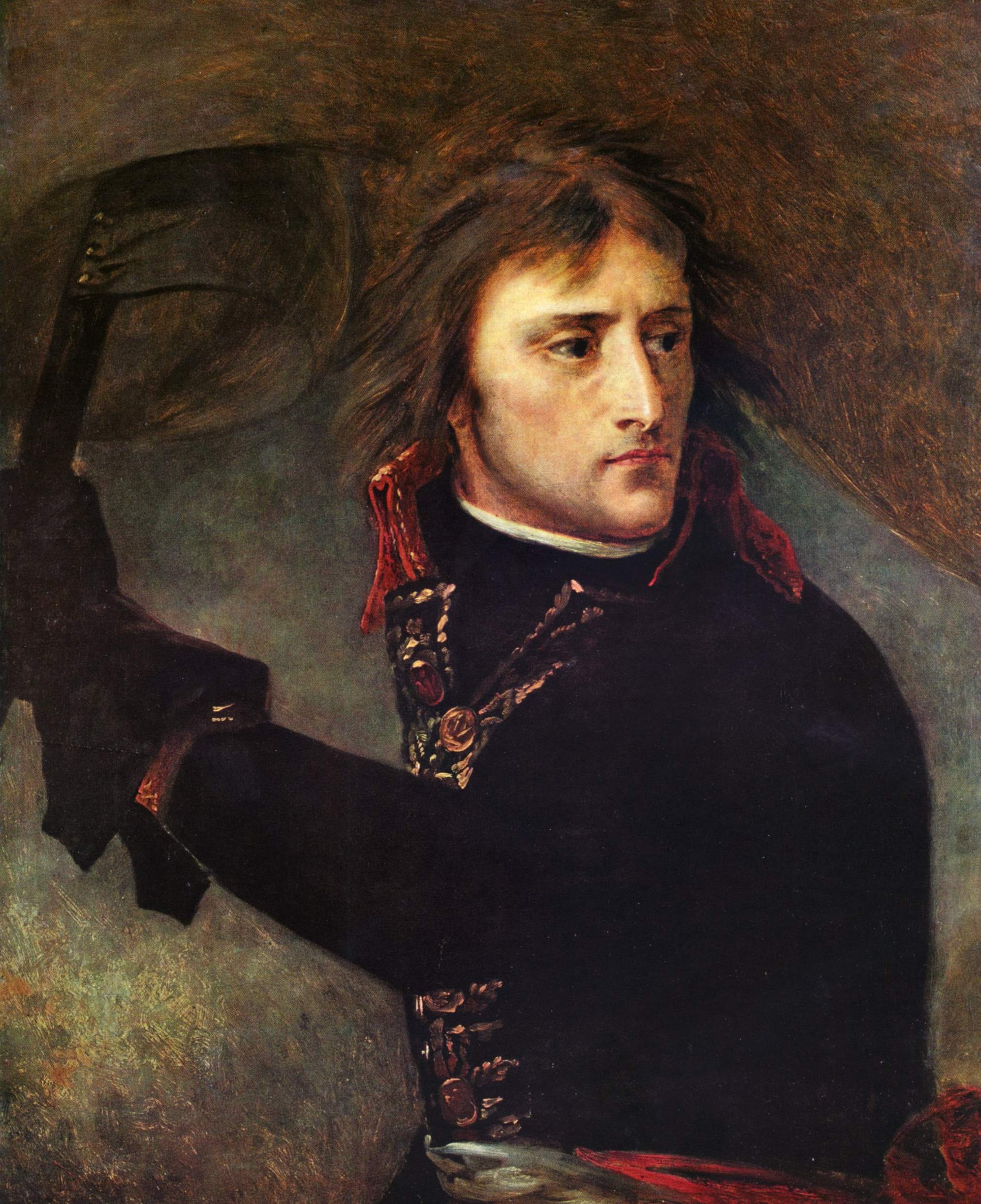 Painting
Primary source
Bonaparte au Pont d'Arcole
Antoine-Jean Gros · 1796
 Painting
Primary source
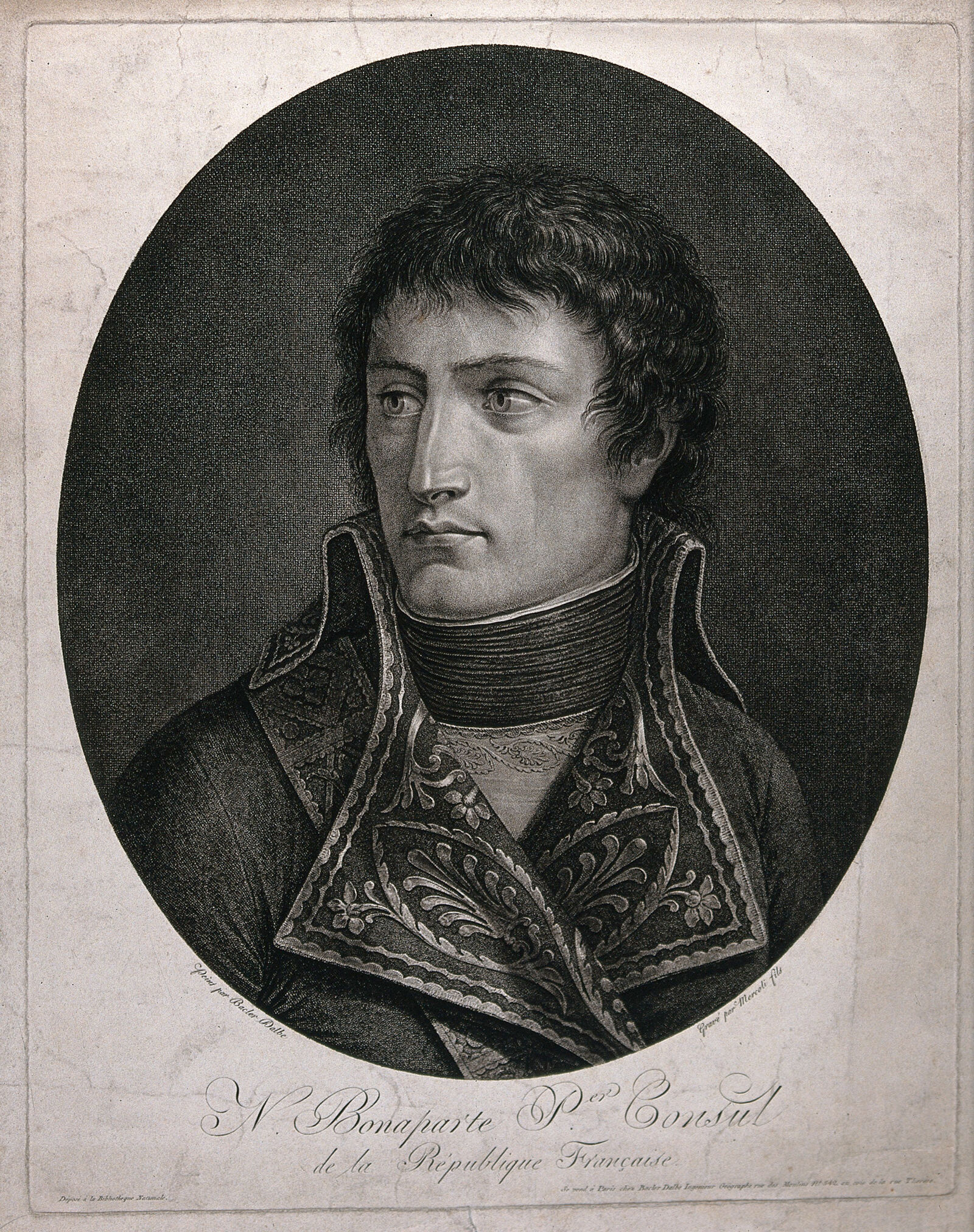
Napoleon Bonaparte, Stipple Portrait after Bacler d'Albe
Louis Albert Guislain Bacler d'Albe · c. 1800
 Painting
Primary source
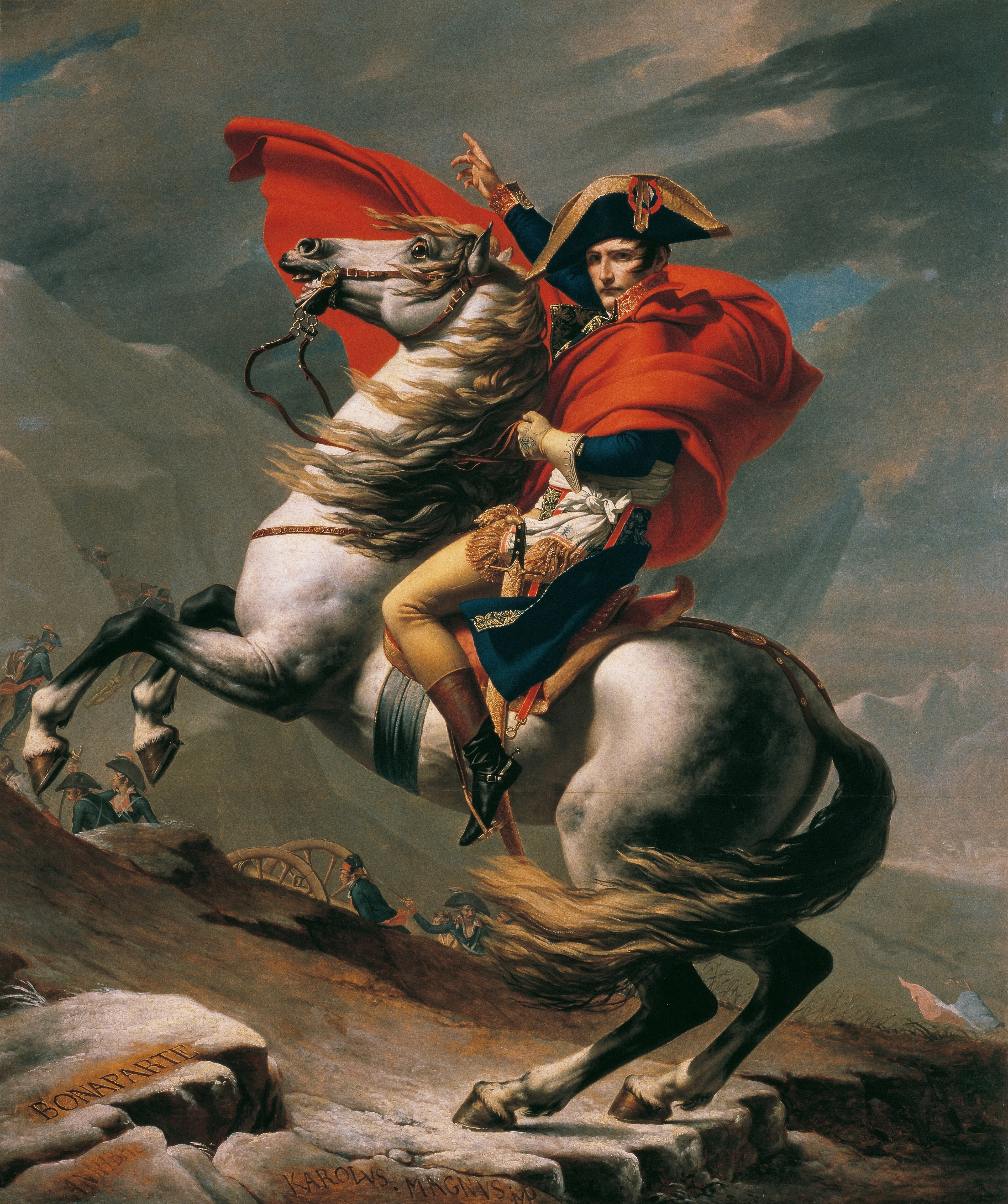
Napoleon Crossing the Alps (Bonaparte franchissant le Grand-Saint-Bernard)
Jacques-Louis David · 1801
 Painting
Primary source
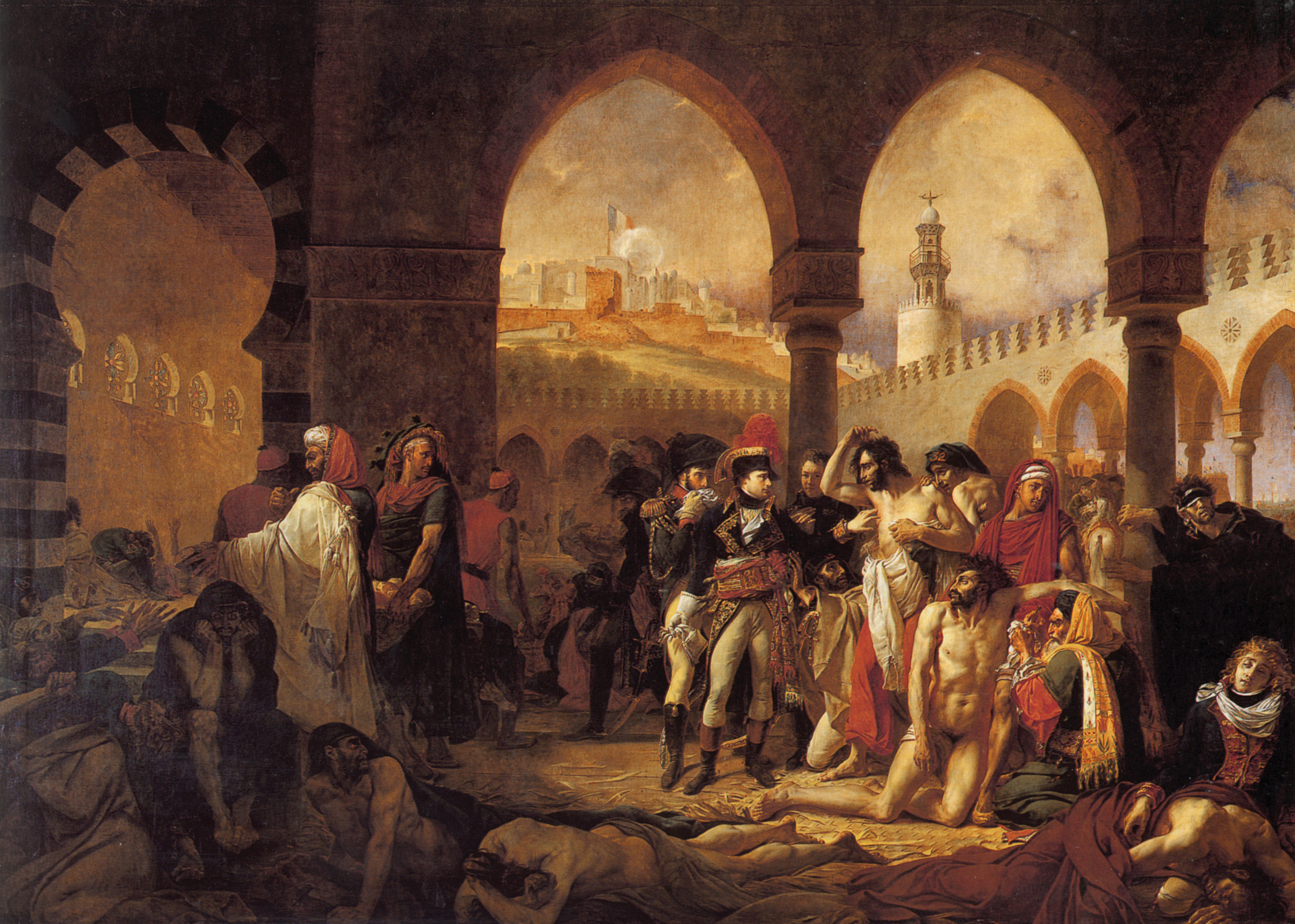
Bonaparte Visiting the Plague-Stricken at Jaffa
Antoine-Jean Gros · 1804
 Document
Primary source
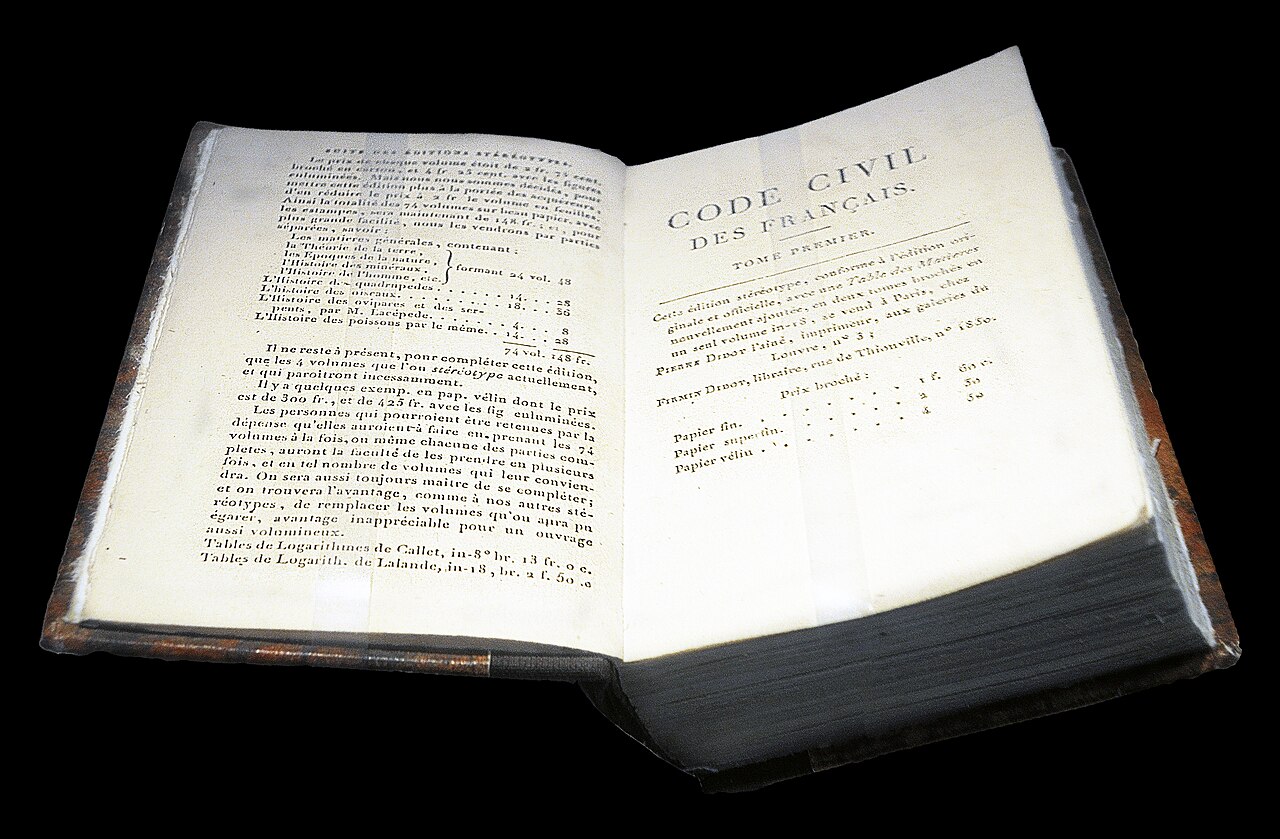
Civil Code of the French
1804
Ready when you are
Start chatting with Napoleon Bonaparte now.
20 messages free · No credit card · Available in 50+ languages.