


Secondary sourcePainting1814
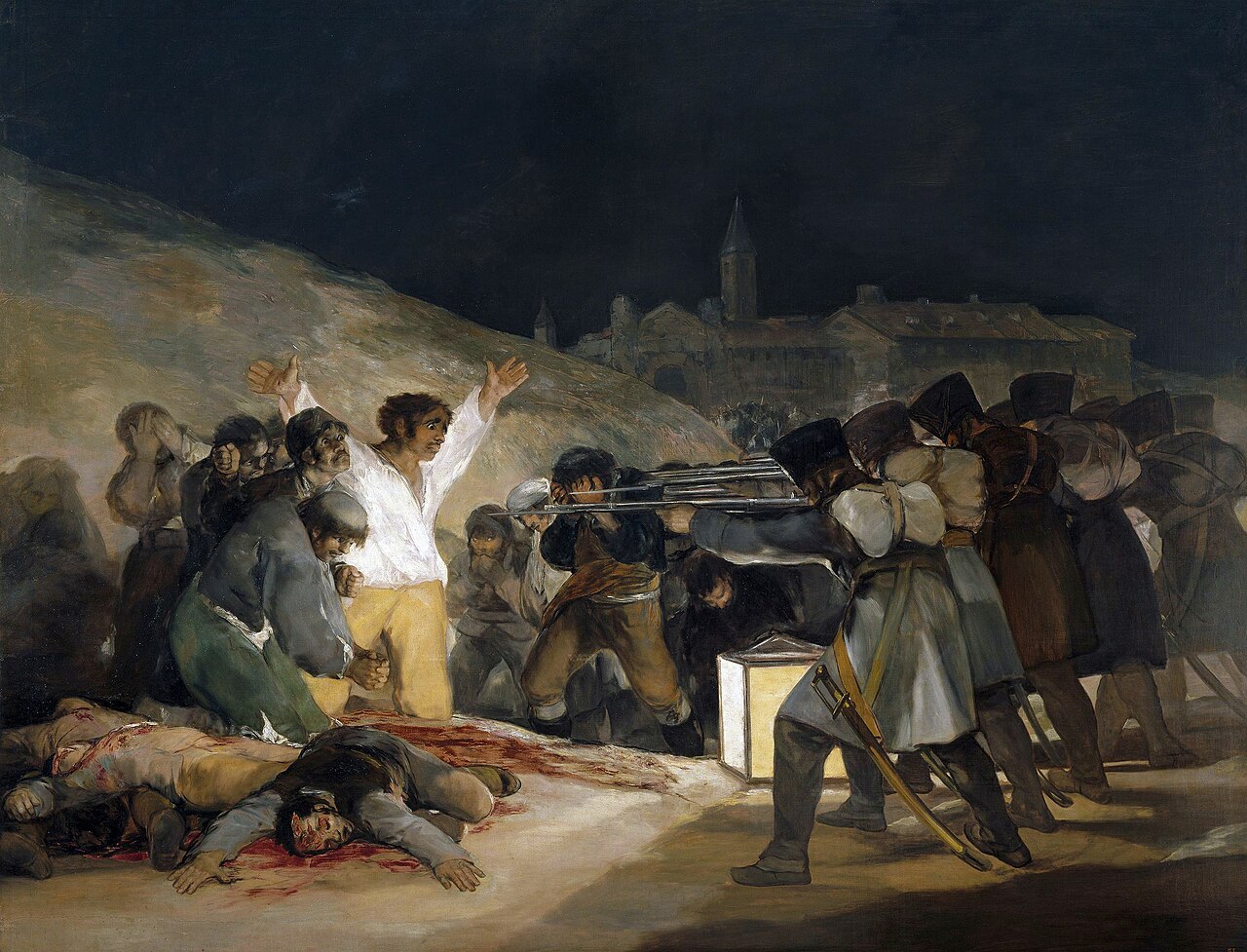
The Third of May 1808
Francisco Goya · 1814
Goya's painting of French soldiers executing Spanish civilians during Napoleon's occupation of Madrid, showing the occupied peoples' view of his wars.
Depicts French soldiers under Napoleon's occupation executing Spanish civilians, the occupied people's view of his wars.
About this source
What it is
The Third of May 1808 is a painting completed in 1814 by the Spanish artist Francisco Goya. It shows French troops executing Spanish civilians in Madrid in 1808, during the Peninsular War that followed Napoleon's occupation of Spain. It hangs today in the Museo del Prado in Madrid.
Why it matters
Goya painted this work to commemorate Spanish resistance after the restoration of the Spanish king, following the French occupation under Napoleon, who had placed his brother Joseph Bonaparte on the Spanish throne. The painting broke with earlier traditions of war art, showing the horror and suffering of ordinary people rather than heroism. It gives a view of Napoleon's empire from the perspective of the people it conquered, and it influenced later anti-war art.
Look closer
- How does Goya's painting differ from traditional paintings that glorify war and conquest?
- Why do you think Goya chose to show the victims' faces but not the faces of the soldiers?
- What does this painting suggest about how occupied people experienced Napoleon's rule?
This painting is part of the curated material that grounds the AI version of Napoleon Bonaparte and Francisco Goya on Humy.ai — when students ask about related events, the AI can quote it and cite it.
More Napoleon Bonaparte sources
Meet the AI Napoleon Bonaparte →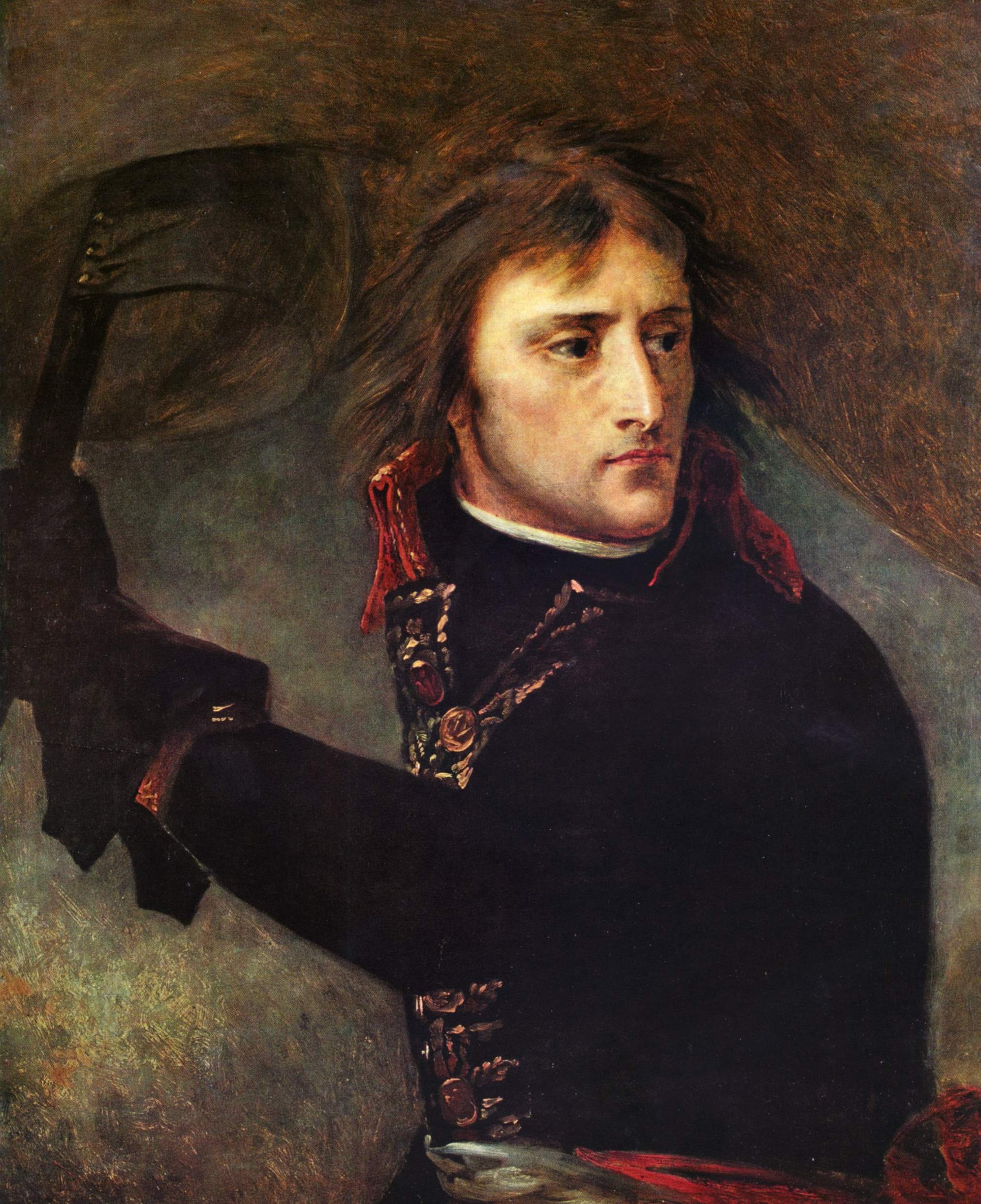 Painting
Primary source
Bonaparte au Pont d'Arcole
Antoine-Jean Gros · 1796
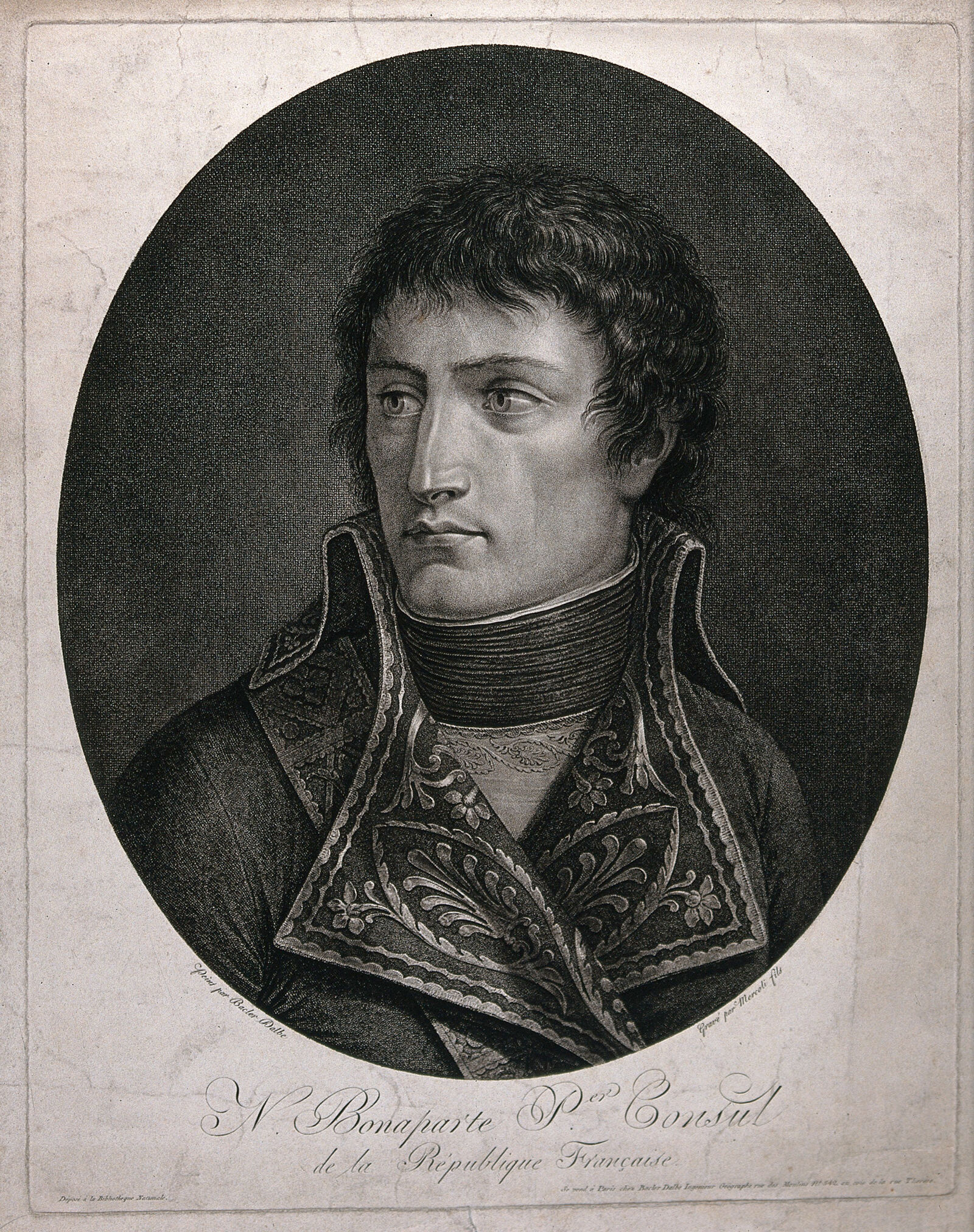 Painting
Primary source
Napoleon Bonaparte, Stipple Portrait after Bacler d'Albe
Louis Albert Guislain Bacler d'Albe · c. 1800
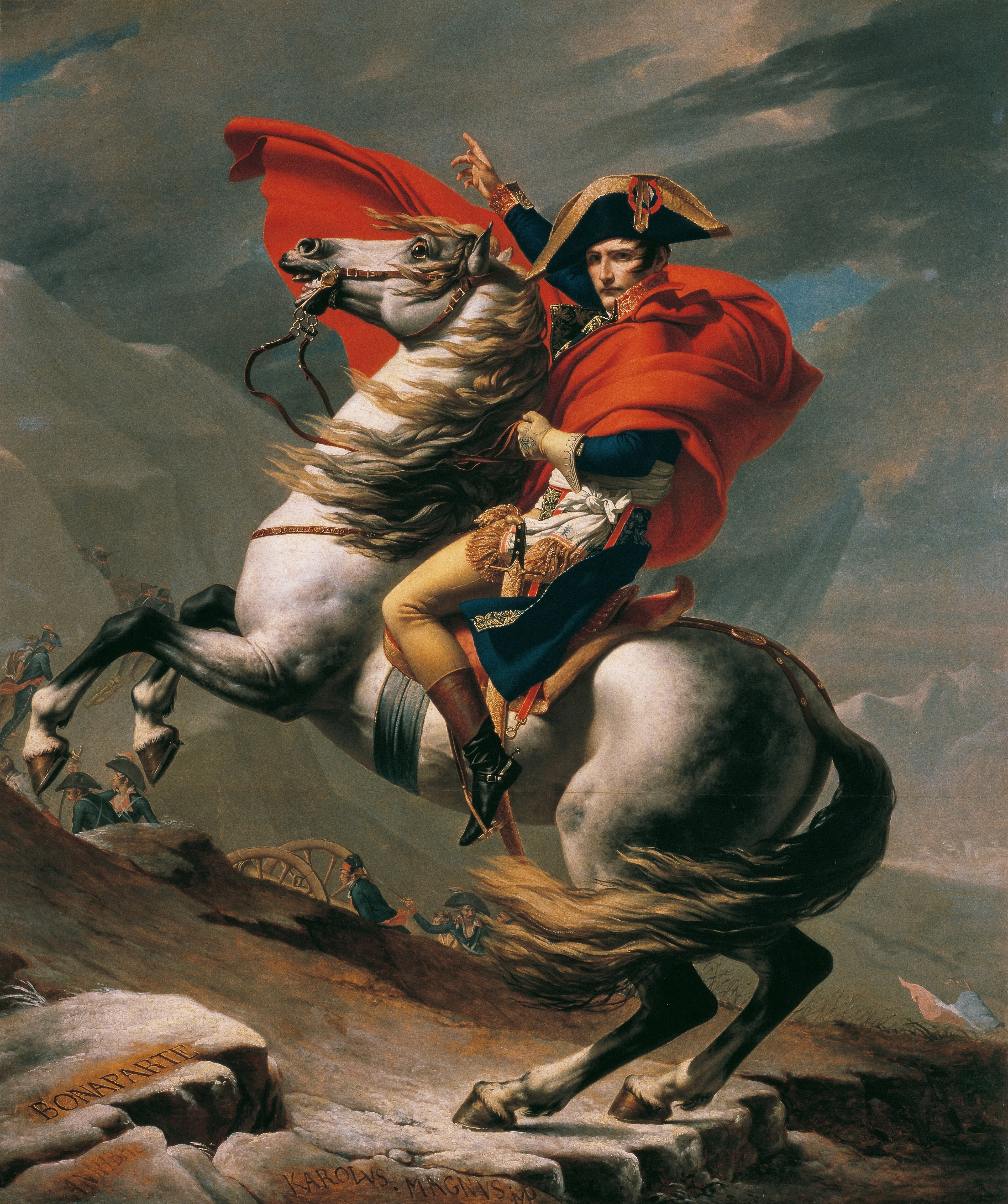 Painting
Primary source
Napoleon Crossing the Alps (Bonaparte franchissant le Grand-Saint-Bernard)
Jacques-Louis David · 1801
 Painting
Primary source
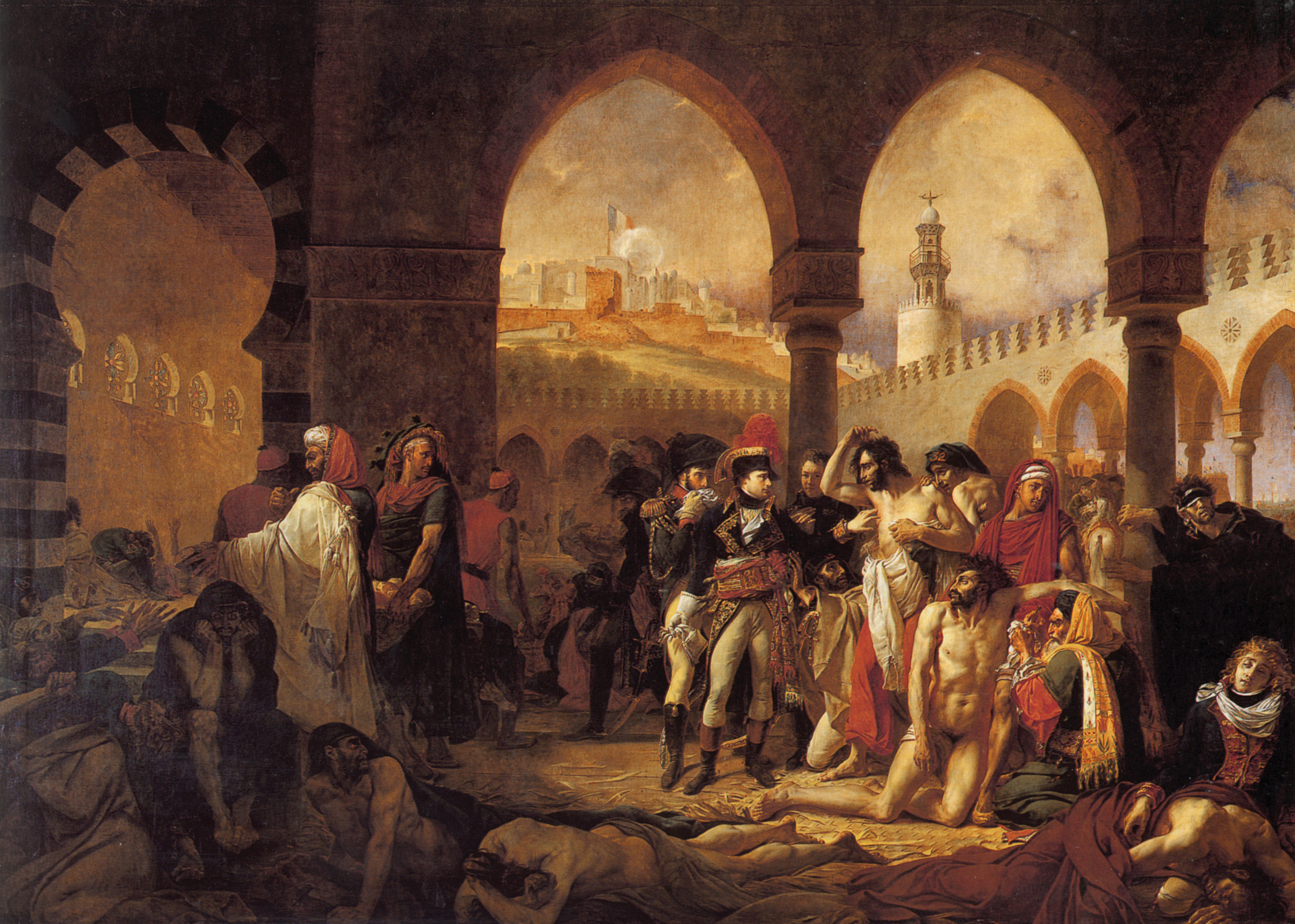
Bonaparte Visiting the Plague-Stricken at Jaffa
Antoine-Jean Gros · 1804
 Document
Primary source
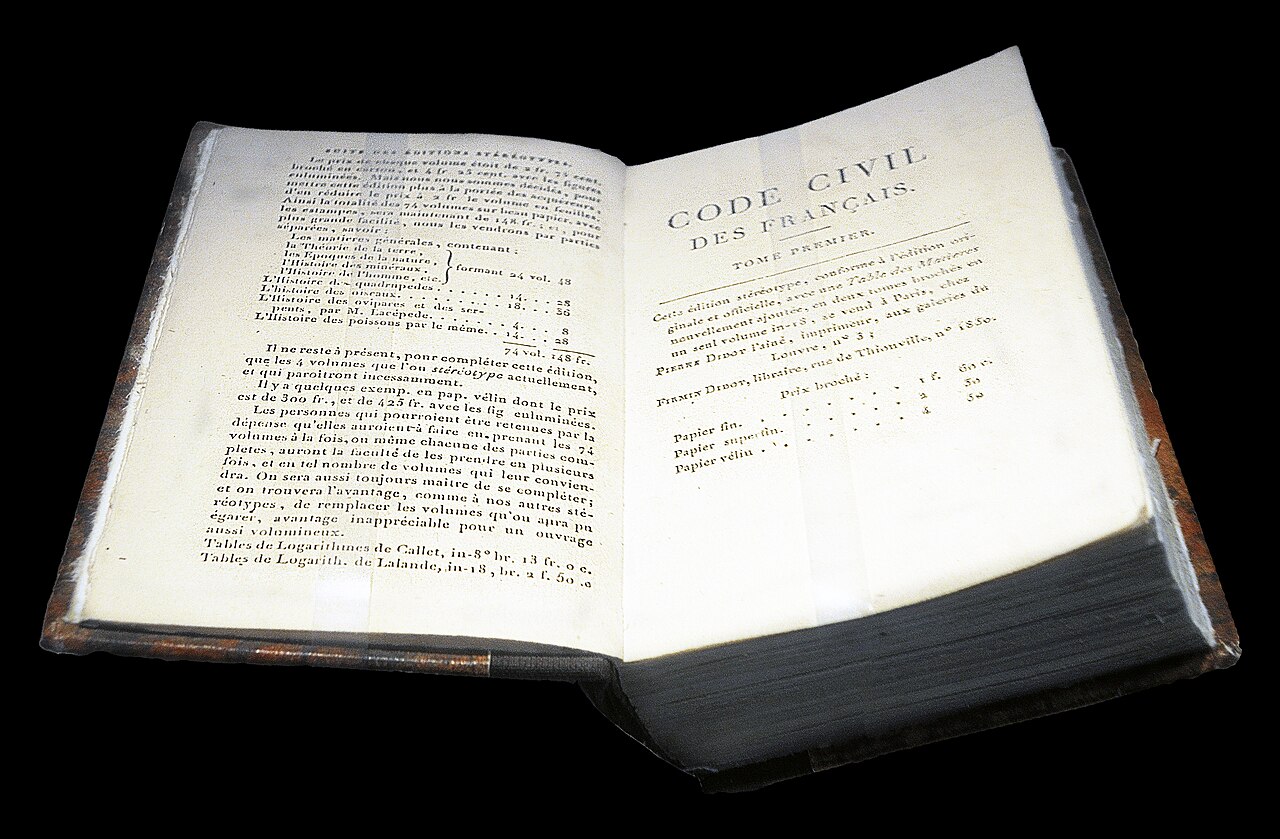
Civil Code of the French
1804
Ready when you are
Start chatting with Napoleon Bonaparte now.
20 messages free · No credit card · Available in 50+ languages.