


Primary sourceArtifact196 BC
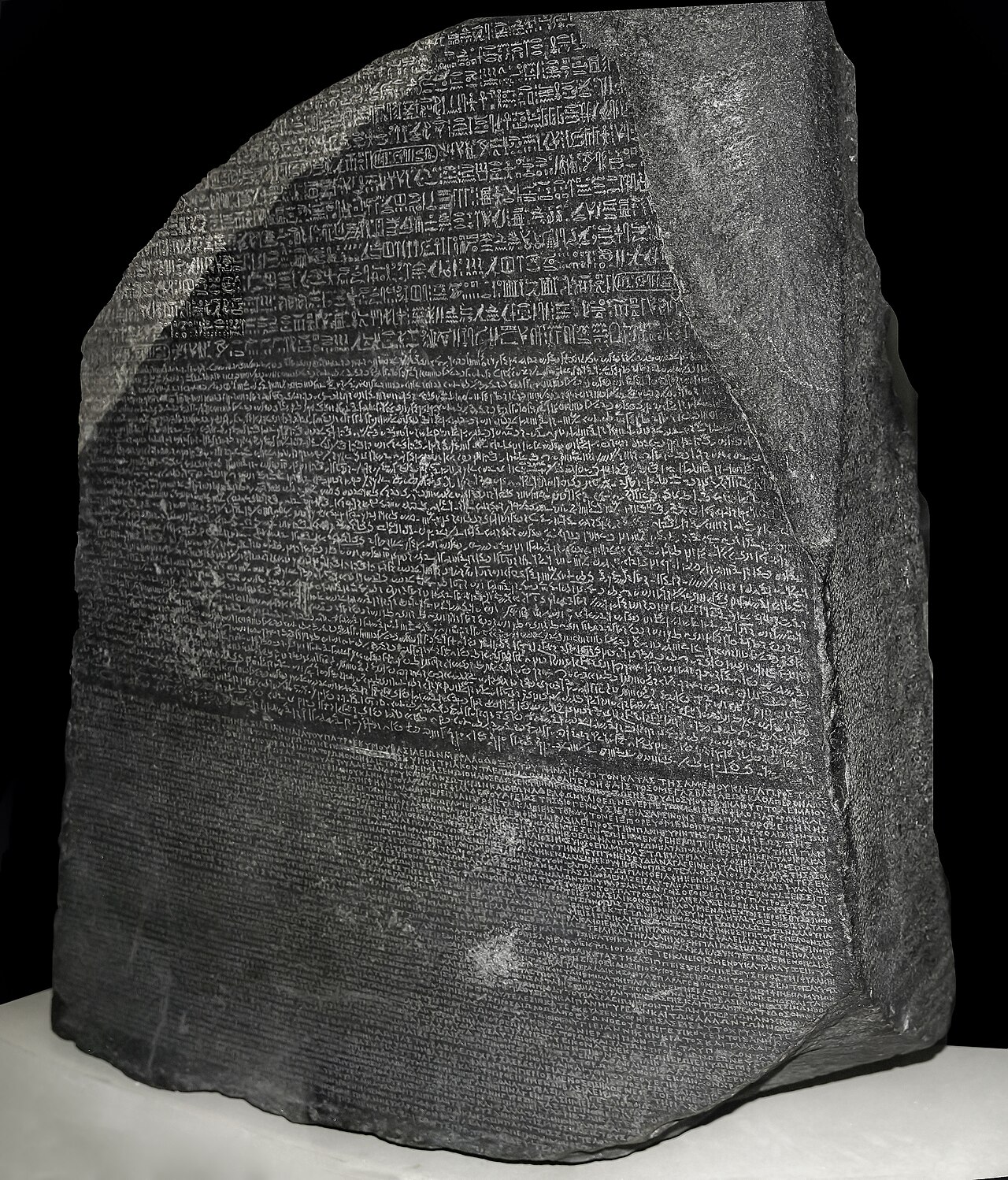
Rosetta Stone
196 BC
An ancient trilingual stele found by soldiers of Napoleon's Egyptian campaign in 1799, later taken by Britain and key to deciphering hieroglyphs.
Discovered by soldiers of Napoleon's Egyptian expedition, linking his campaign to the birth of Egyptology.
About this source
What it is
The Rosetta Stone is a stone slab carved in 196 BC with a decree written in Egyptian hieroglyphs, Egyptian Demotic script, and Ancient Greek. It was found in 1799 near Rosetta in Egypt and has been held by the British Museum since 1802.
Why it matters
French soldiers during Napoleon's invasion of Egypt discovered the stone, which later passed to Britain after France's defeat there. Because the same text appears in three scripts, scholars such as Jean-François Champollion used it to finally decode Egyptian hieroglyphs, founding the field of Egyptology. It shows how Napoleon's military campaigns also became scientific and cultural events.
Look closer
- Why might having the same text in three scripts help translate an unknown language?
- Why do you think the stone ended up in a British museum rather than in France or Egypt?
- What does this object tell us about the connections between war, conquest, and the study of history?
This artifact is part of the curated material that grounds the AI version of Napoleon Bonaparte on Humy.ai — when students ask about related events, the AI can quote it and cite it.
More Napoleon Bonaparte sources
Meet the AI Napoleon Bonaparte →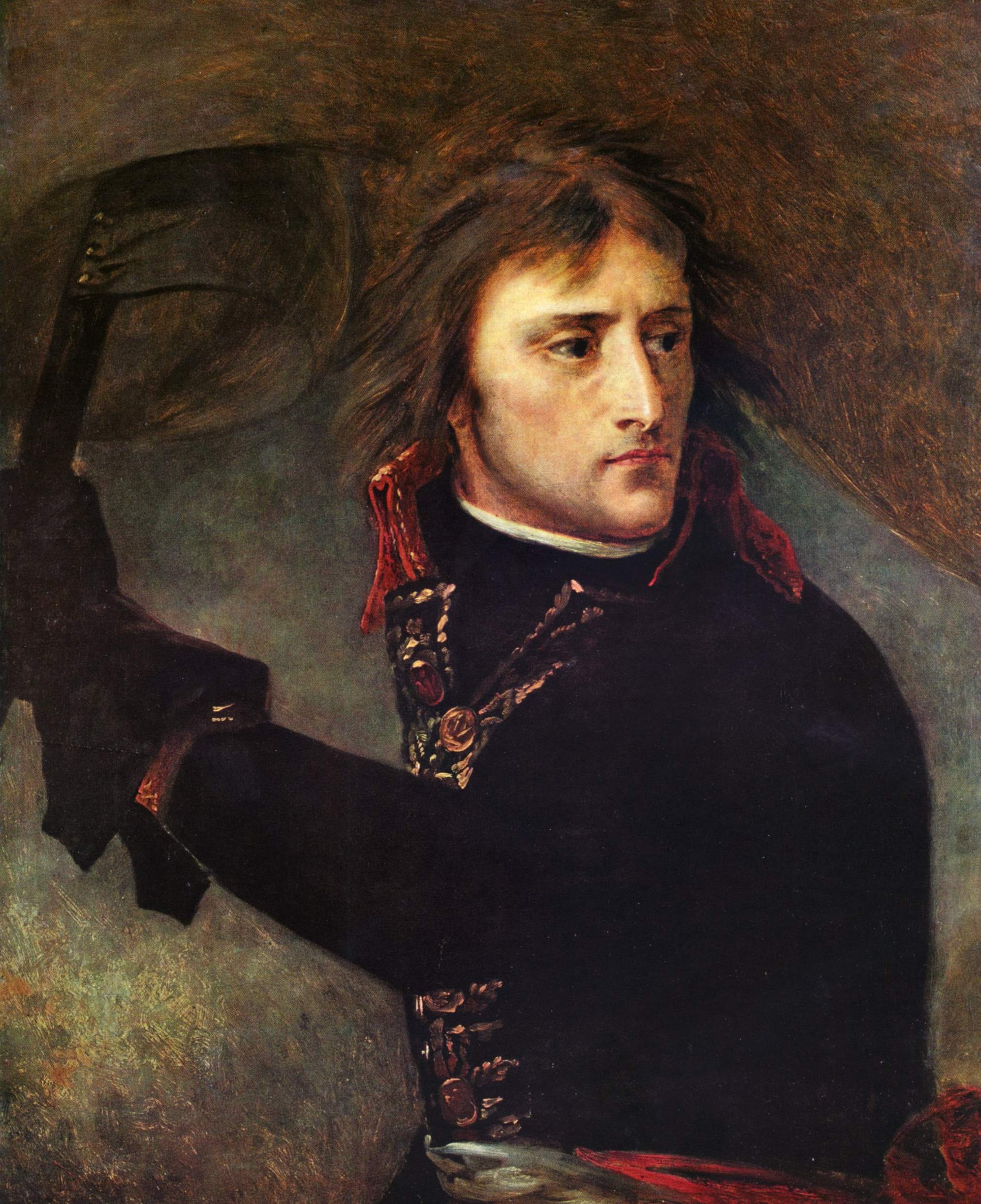 Painting
Primary source
Bonaparte au Pont d'Arcole
Antoine-Jean Gros · 1796
 Painting
Primary source
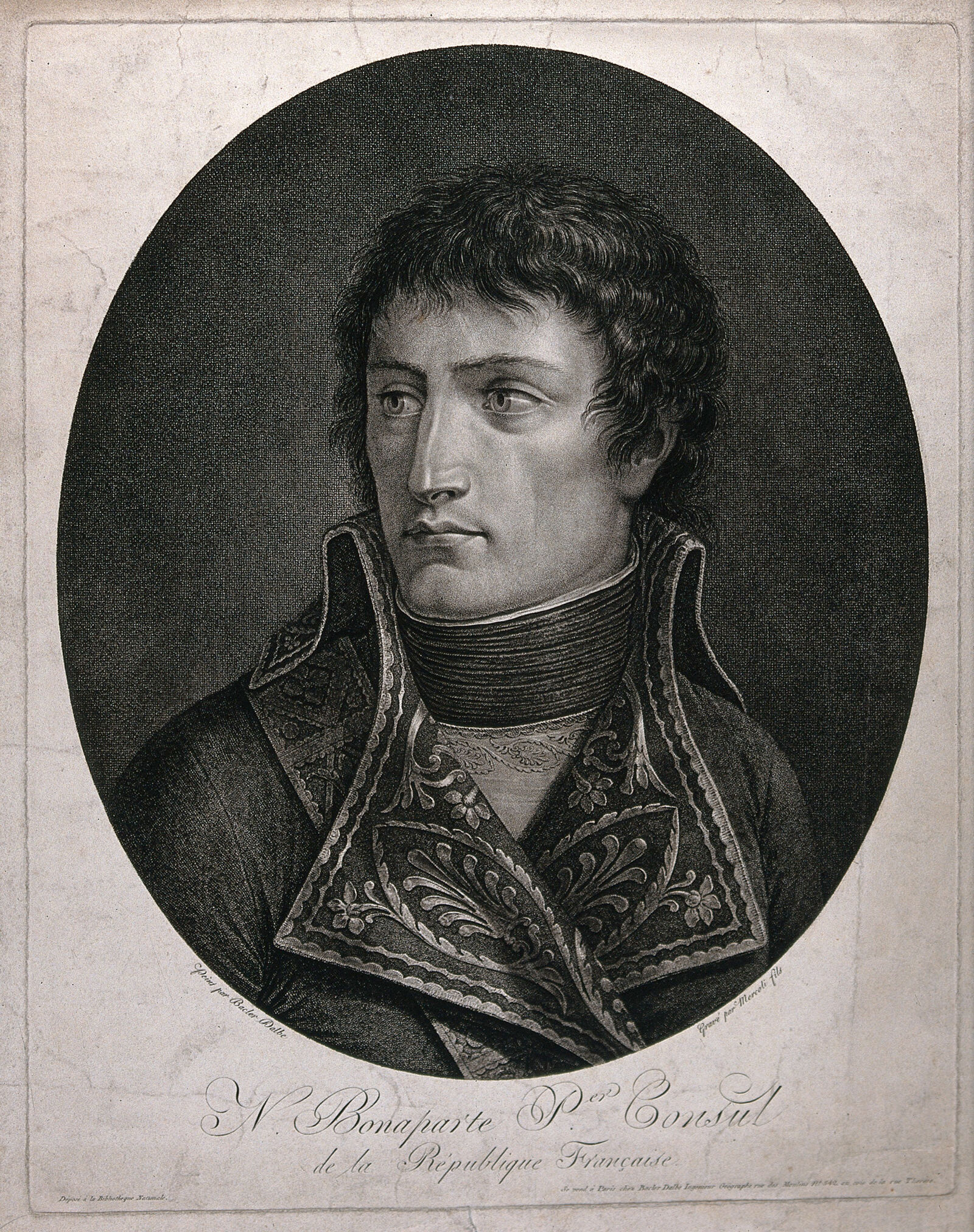
Napoleon Bonaparte, Stipple Portrait after Bacler d'Albe
Louis Albert Guislain Bacler d'Albe · c. 1800
 Painting
Primary source
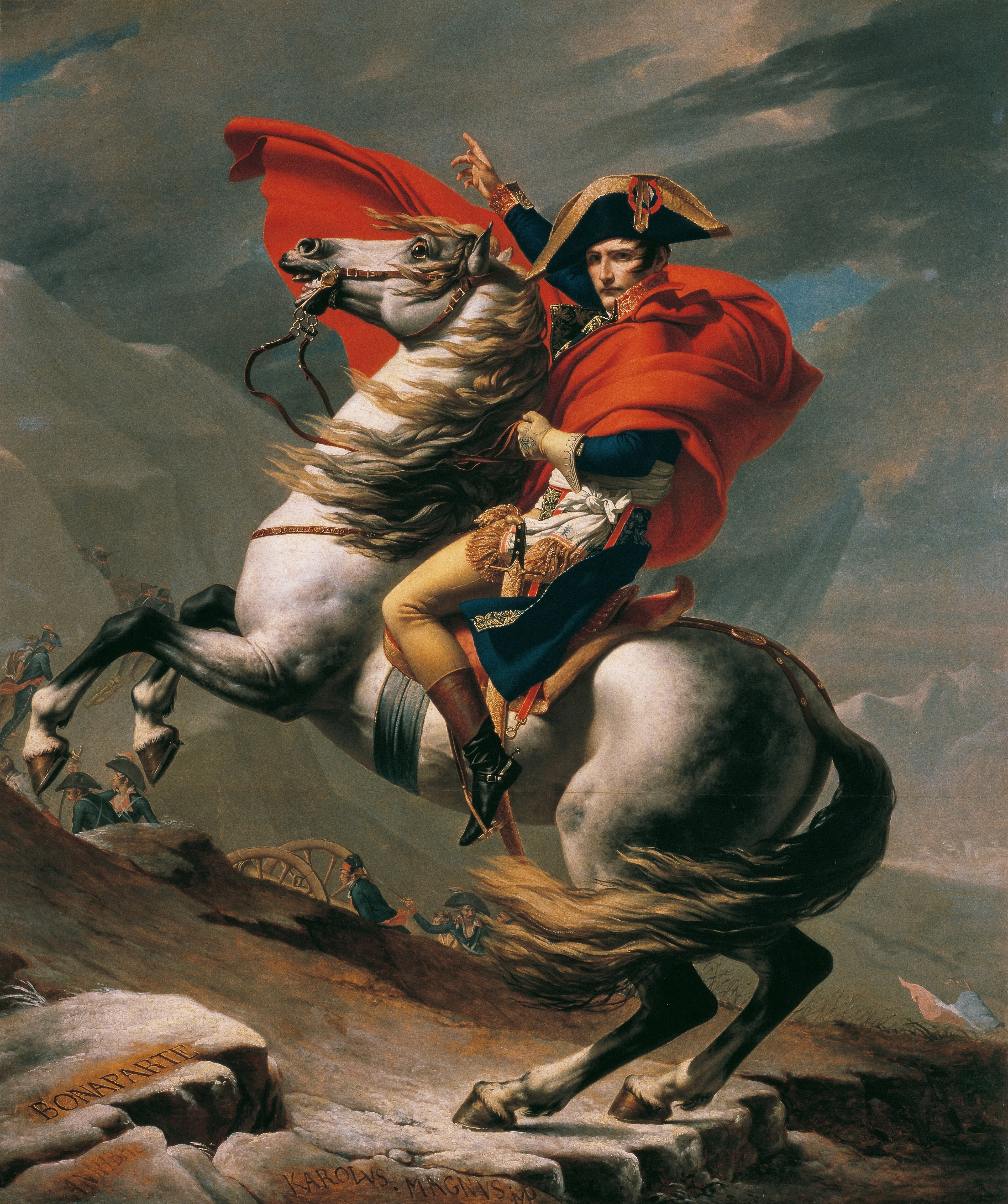
Napoleon Crossing the Alps (Bonaparte franchissant le Grand-Saint-Bernard)
Jacques-Louis David · 1801
 Painting
Primary source
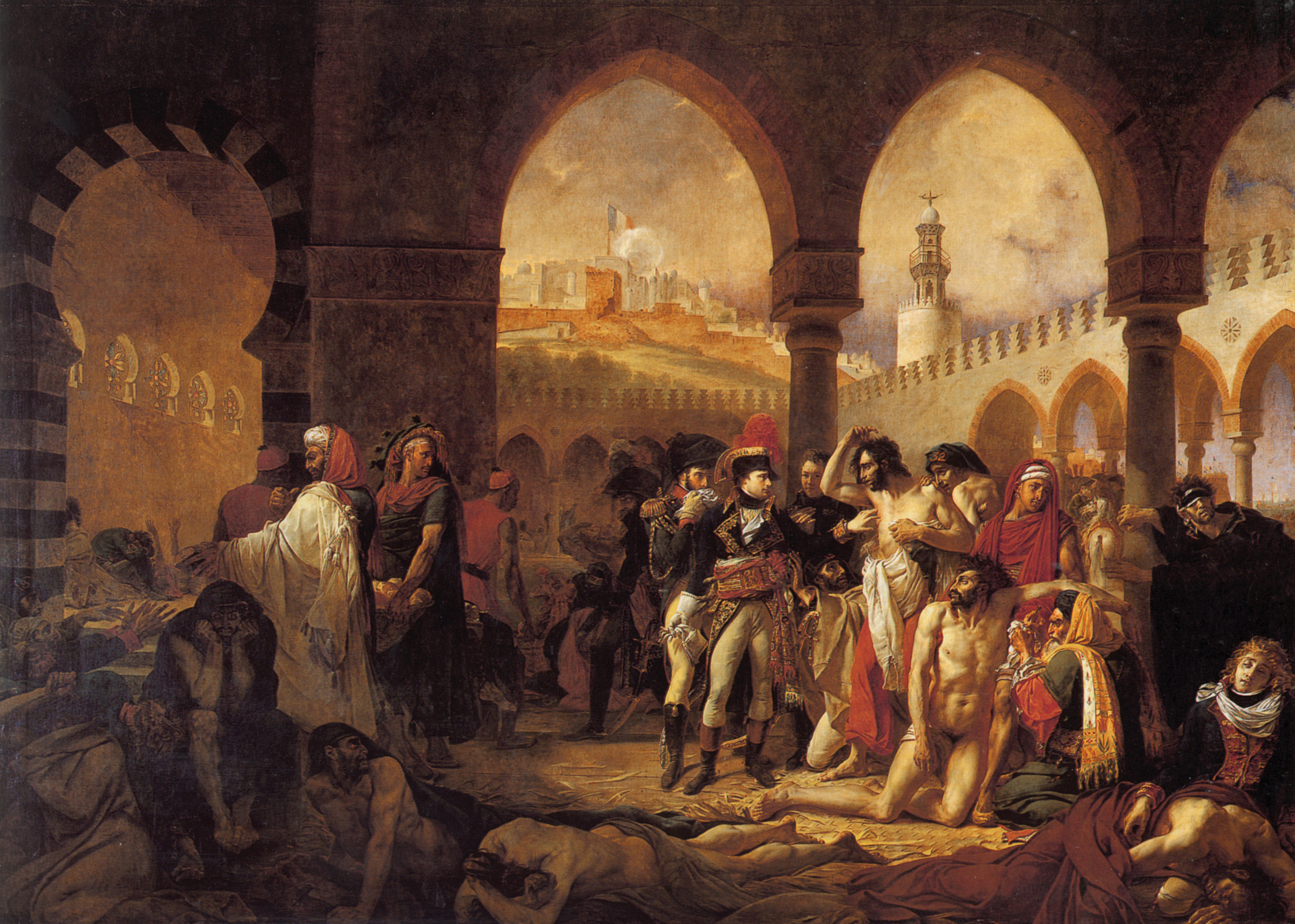
Bonaparte Visiting the Plague-Stricken at Jaffa
Antoine-Jean Gros · 1804
 Document
Primary source
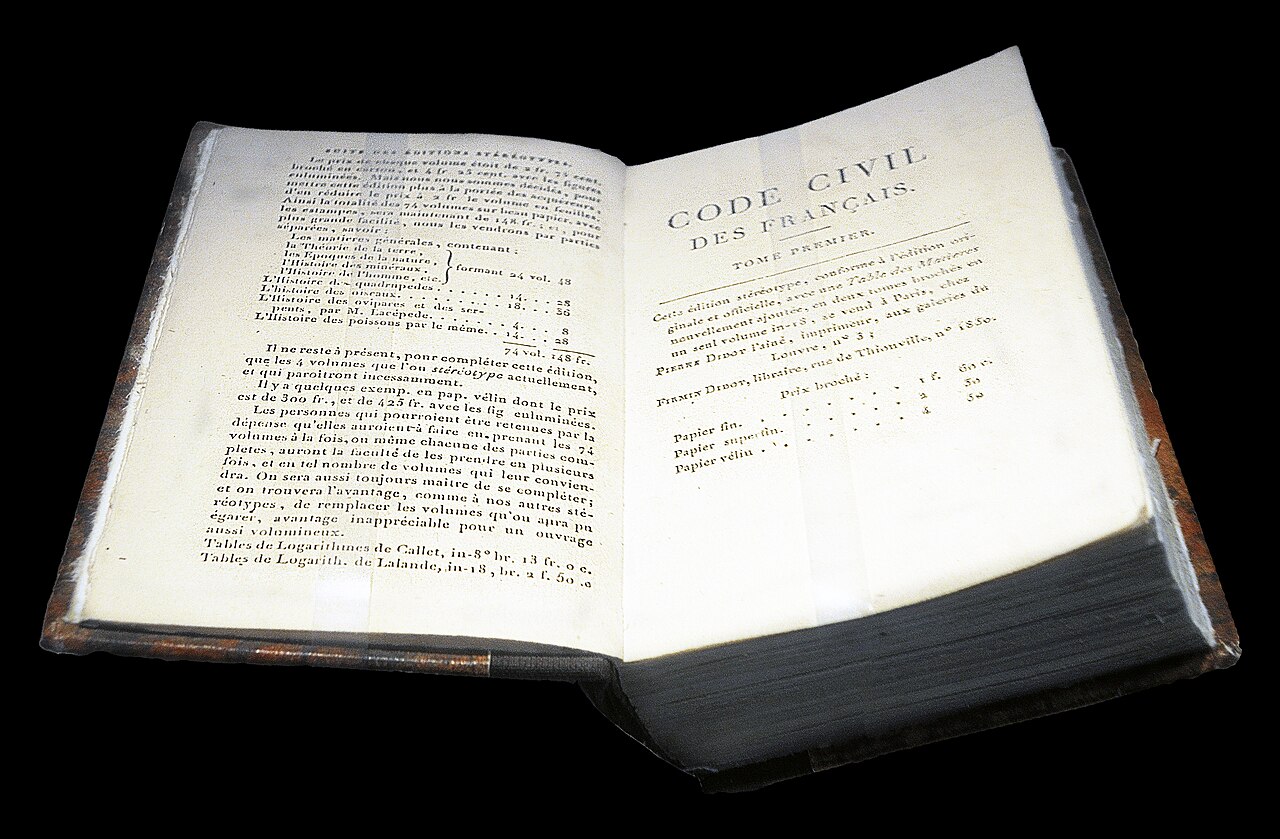
Civil Code of the French
1804
Ready when you are
Start chatting with Napoleon Bonaparte now.
20 messages free · No credit card · Available in 50+ languages.