


Secondary sourceArtifact1869
Minard's Map of Napoleon's Russian Campaign
Charles Joseph Minard · 1869
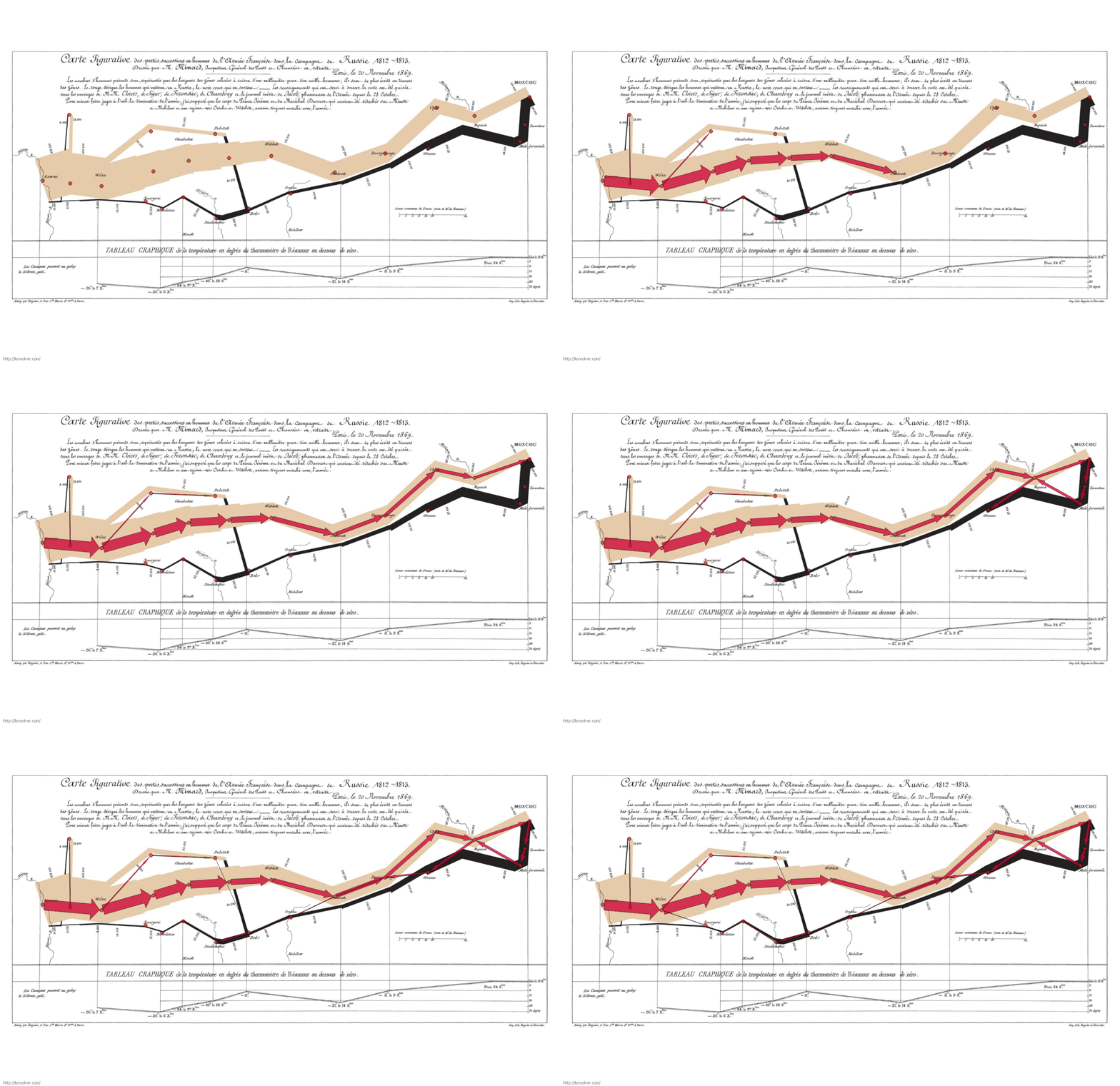
A famous 1869 flow map showing the catastrophic losses of Napoleon's army during the 1812 invasion of Russia.
This map visualises the destruction of Napoleon's Grande Armée in his disastrous 1812 Russian campaign.
About this source
What it is
This is a flow map made in 1869 by the French engineer Charles Joseph Minard, decades after the events it shows. It traces the march of Napoleon's army into Russia in 1812 and its retreat, using the width of a line to represent the number of soldiers remaining, alongside a chart of plunging winter temperatures. The original is held in the portfolio of Minard's works at the École nationale des ponts et chaussées.
Why it matters
The French invasion of Russia in 1812 was a turning point in the Napoleonic Wars, and Minard's map makes the scale of the disaster visible at a glance: a wide band leaving for Moscow shrinks to a thin line coming back. Minard, often called a father of information graphics, created this and many other maps to communicate numbers visually. It shows historians and students today how data and design can tell a historical story about Napoleon's leadership and its human cost.
Look closer
- Why do you think Minard chose to show troop numbers as the width of a line rather than as a table of figures?
- What does the shrinking band tell you that written accounts might not show as clearly?
- Minard made this map decades after 1812 — what are the benefits and limits of looking back at events this way?
This artifact is part of the curated material that grounds the AI version of Napoleon Bonaparte on Humy.ai — when students ask about related events, the AI can quote it and cite it.
More Napoleon Bonaparte sources
Meet the AI Napoleon Bonaparte →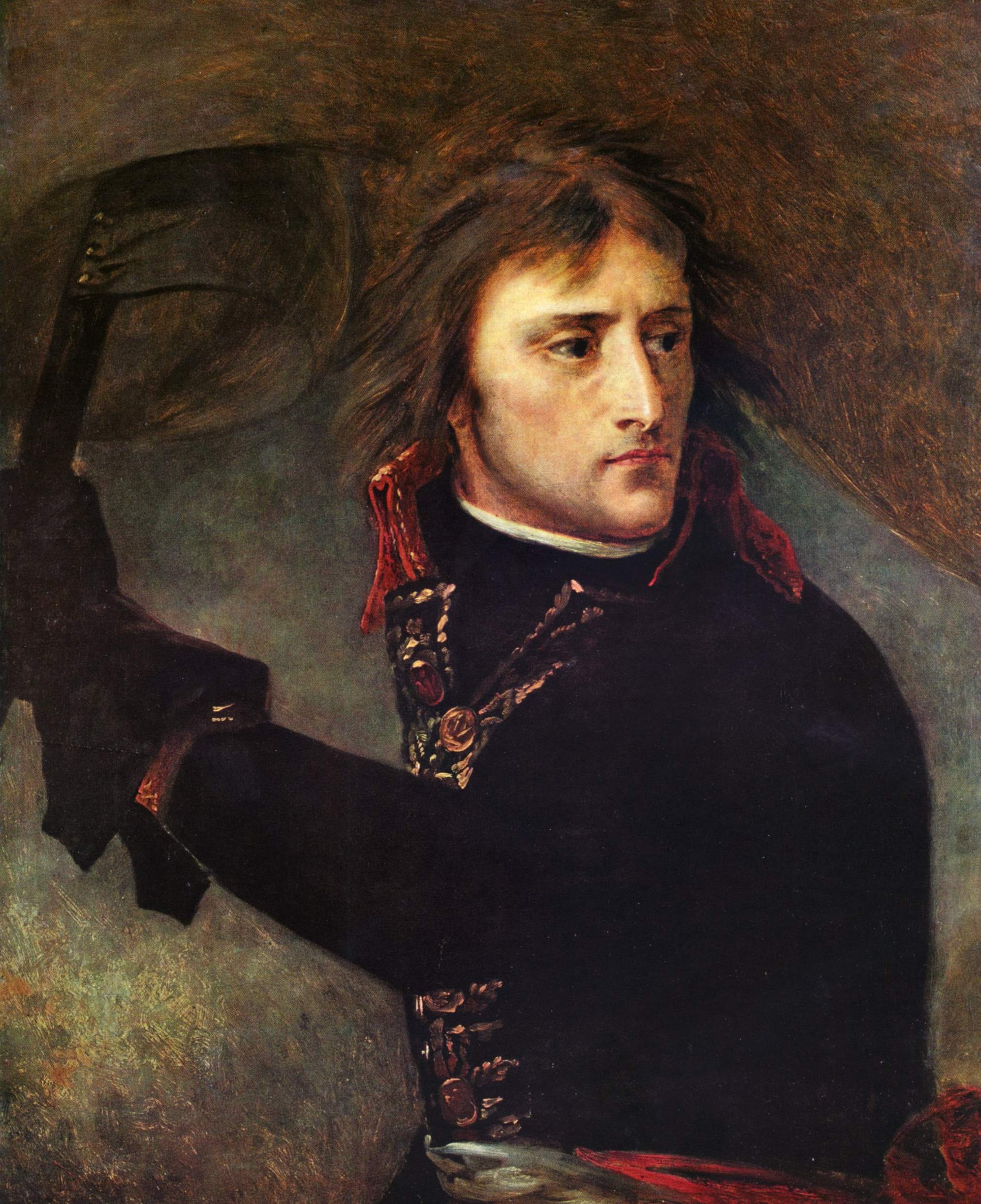 Painting
Primary source
Bonaparte au Pont d'Arcole
Antoine-Jean Gros · 1796
 Painting
Primary source
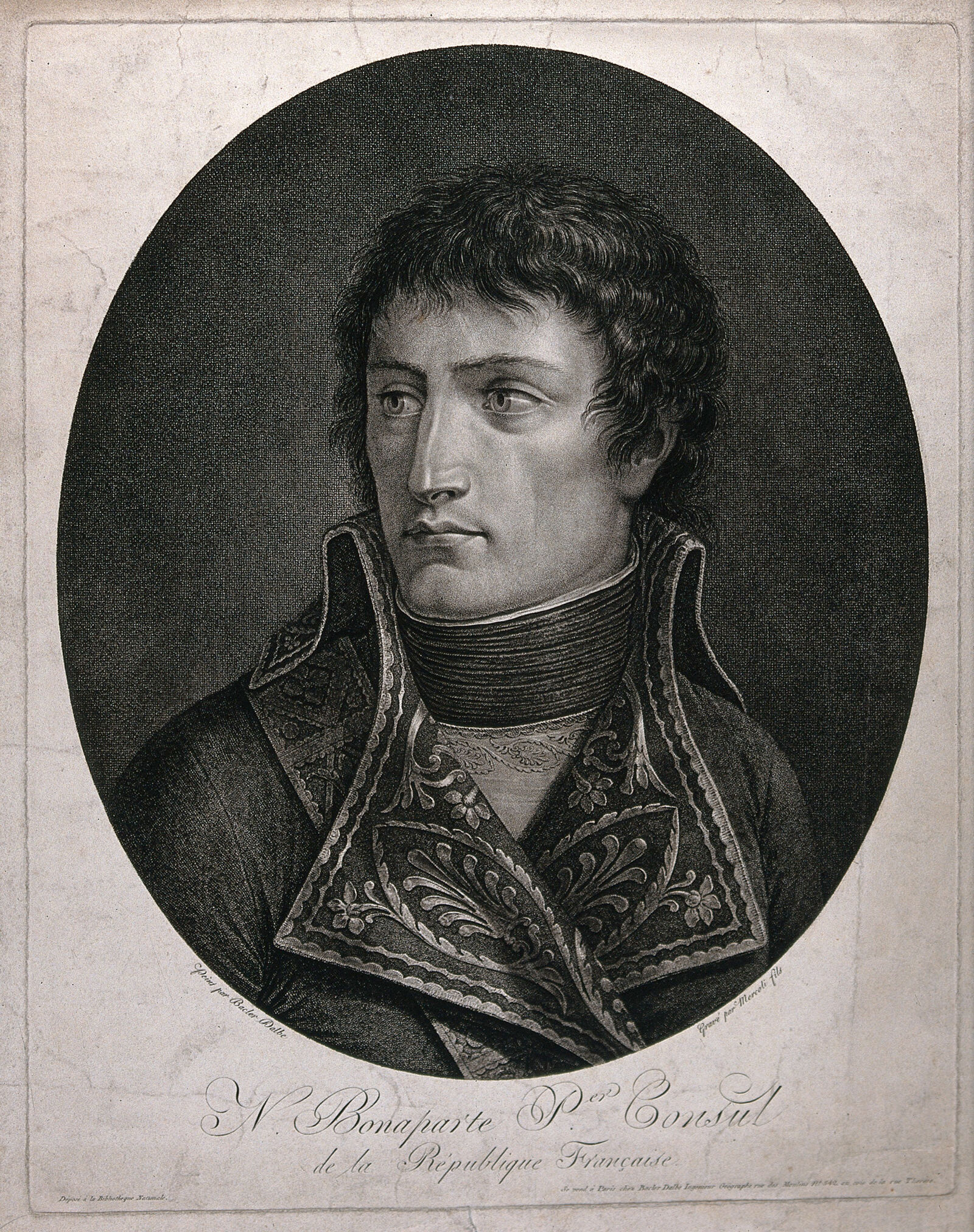
Napoleon Bonaparte, Stipple Portrait after Bacler d'Albe
Louis Albert Guislain Bacler d'Albe · c. 1800
 Painting
Primary source
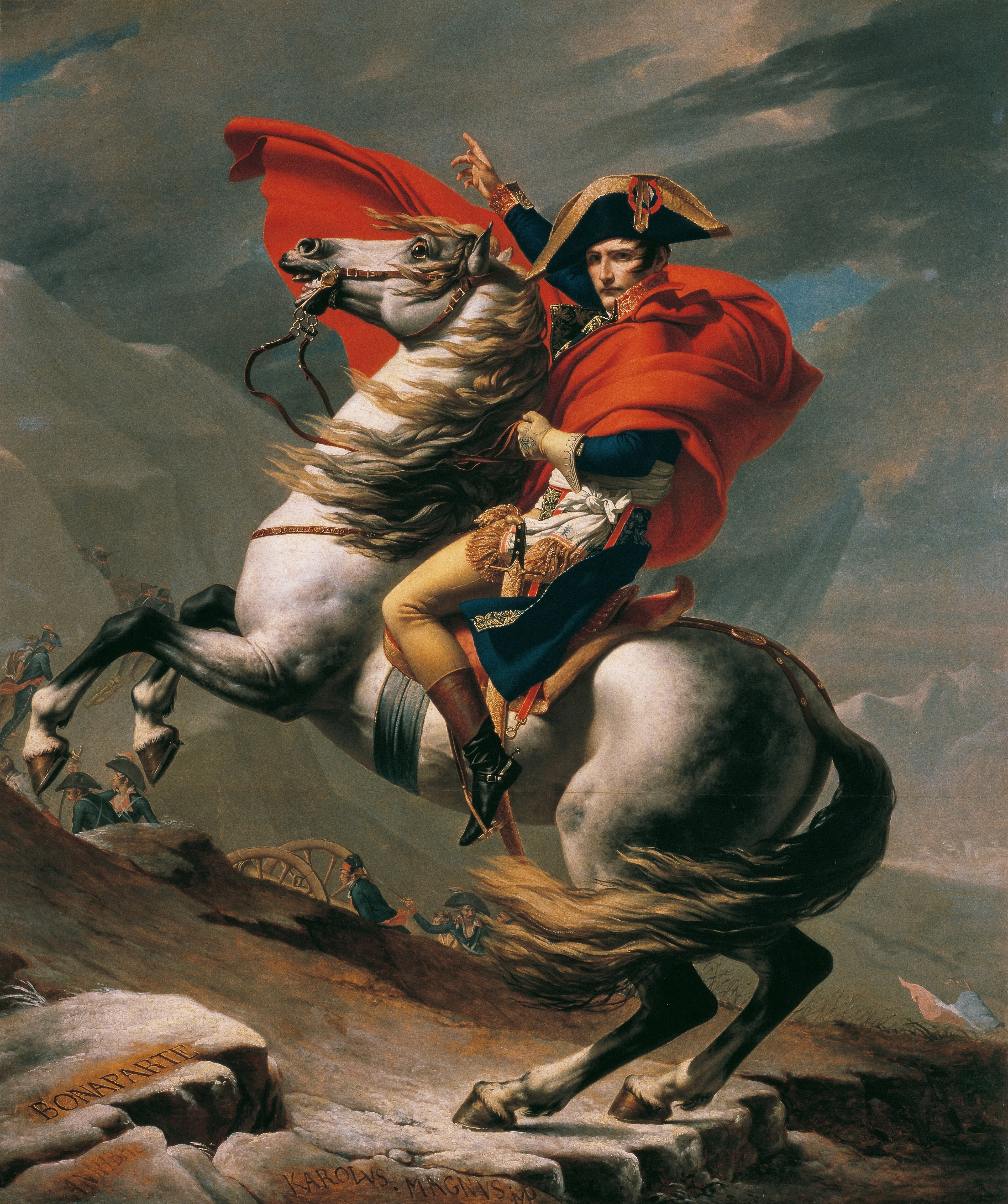
Napoleon Crossing the Alps (Bonaparte franchissant le Grand-Saint-Bernard)
Jacques-Louis David · 1801
 Painting
Primary source
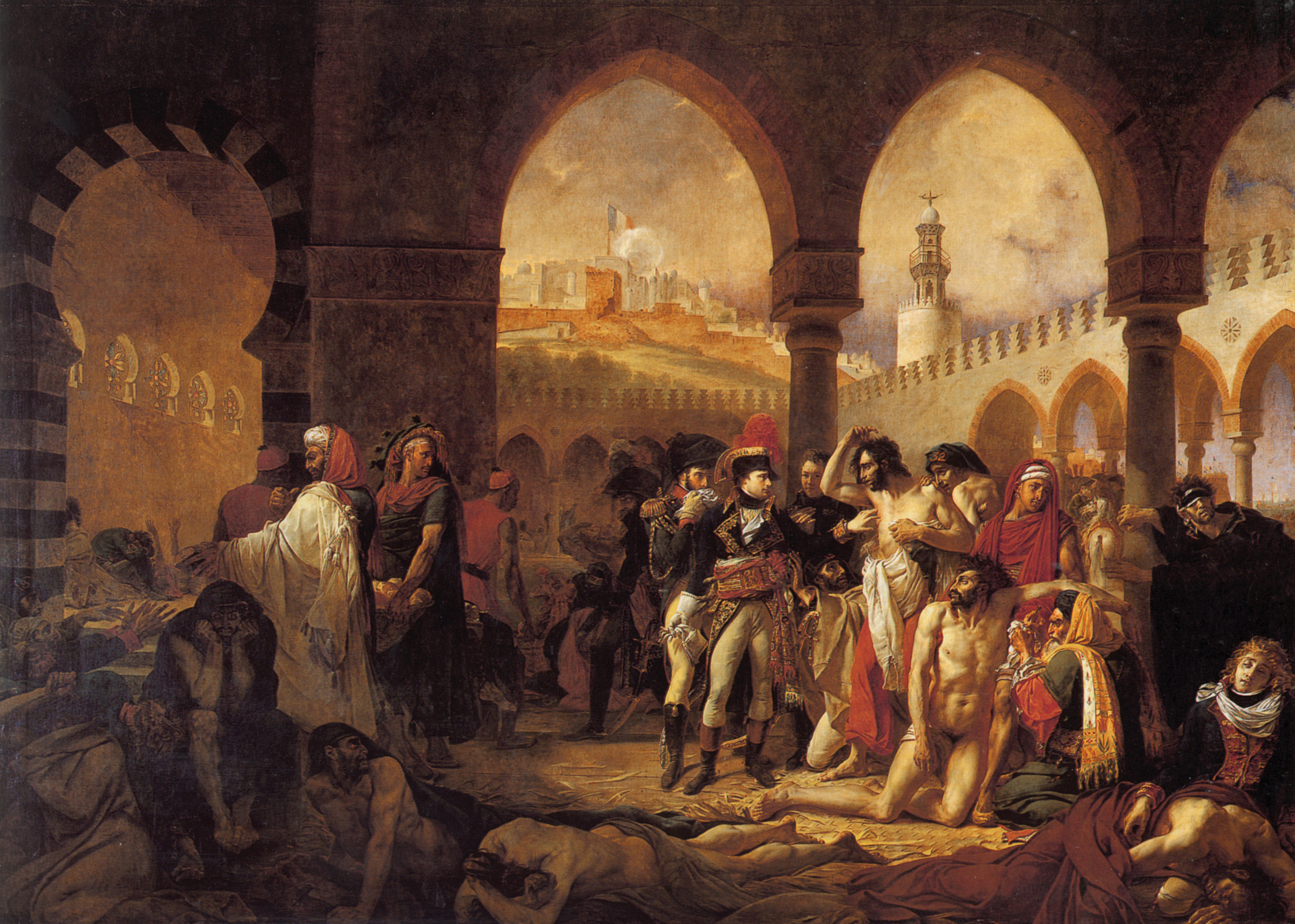
Bonaparte Visiting the Plague-Stricken at Jaffa
Antoine-Jean Gros · 1804
 Document
Primary source
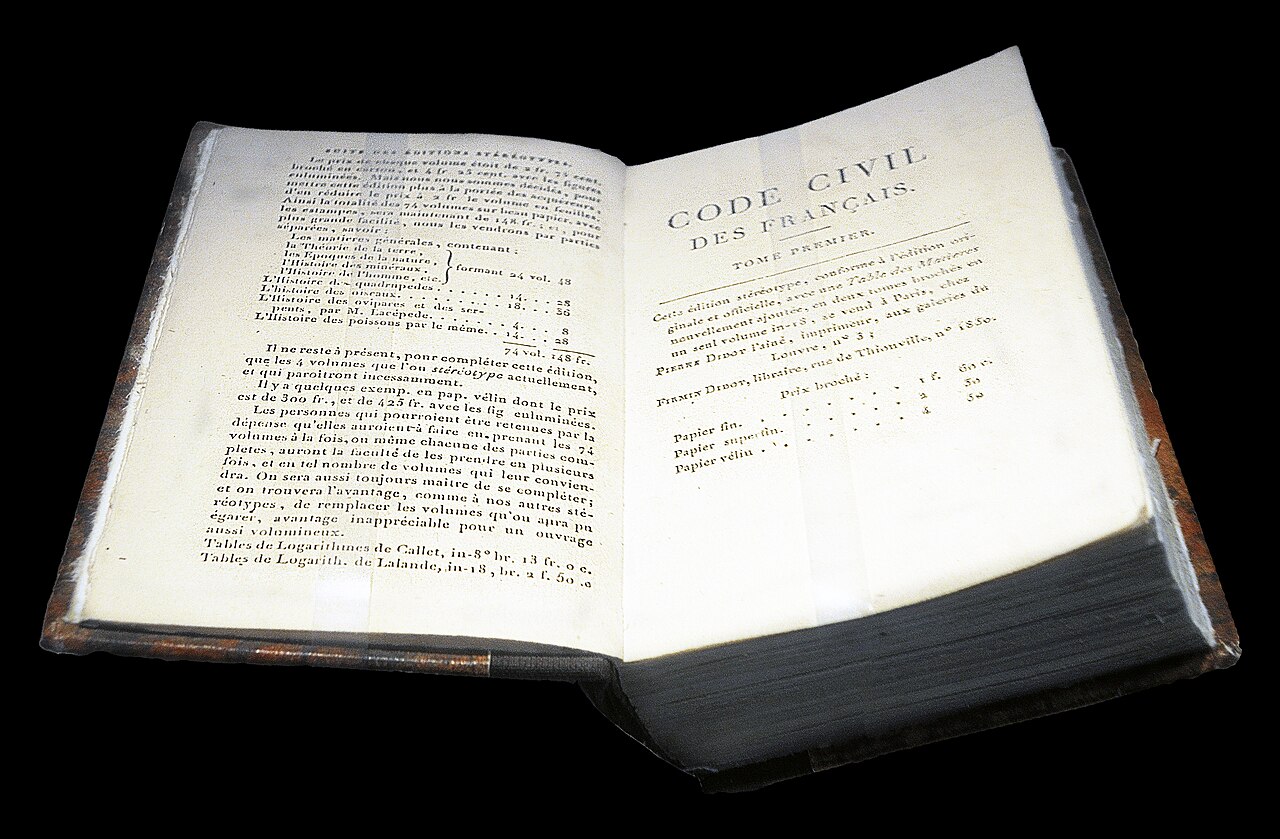
Civil Code of the French
1804
Ready when you are
Start chatting with Napoleon Bonaparte now.
20 messages free · No credit card · Available in 50+ languages.