


Primary sourceDocument11 April 1814
Treaty of Fontainebleau
11 April 1814
The 1814 treaty between Napoleon and the Allied powers that ended his reign as Emperor and sent him into exile on Elba.
Napoleon signed this treaty, ending his reign as Emperor and accepting exile on Elba.
About this source
What it is
The Treaty of Fontainebleau was agreed on 11 April 1814 between Napoleon and representatives of Austria, Russia and Prussia, and ratified by Napoleon on 13 April. It is held at the Palace of Fontainebleau. The treaty followed Napoleon's forced abdication after Allied armies invaded France and entered Paris.
Why it matters
By 1814 Austria, Prussia, Russia and other powers had defeated Napoleon's armies and occupied Paris. They refused to negotiate with him or his family any longer, and the French Senate formally dethroned him. This treaty ended Napoleon's rule as Emperor of the French and sent him into exile as sovereign of the island of Elba, closing the first phase of his reign. It shows how European powers dealt with a defeated ruler they still saw as dangerous.
Look closer
- Why might the Allied powers have insisted on exile rather than simply removing Napoleon from power?
- What does giving Napoleon sovereignty over Elba suggest about how seriously they took the risk of his return?
- Whose voices are missing from a treaty negotiated only between monarchs and their representatives?
This document is part of the curated material that grounds the AI version of Napoleon Bonaparte on Humy.ai — when students ask about related events, the AI can quote it and cite it.
More Napoleon Bonaparte sources
Meet the AI Napoleon Bonaparte → Painting
Primary source
Bonaparte au Pont d'Arcole
Antoine-Jean Gros · 1796
 Painting
Primary source
Napoleon Bonaparte, Stipple Portrait after Bacler d'Albe
Louis Albert Guislain Bacler d'Albe · c. 1800
 Painting
Primary source
Napoleon Crossing the Alps (Bonaparte franchissant le Grand-Saint-Bernard)
Jacques-Louis David · 1801
 Painting
Primary source
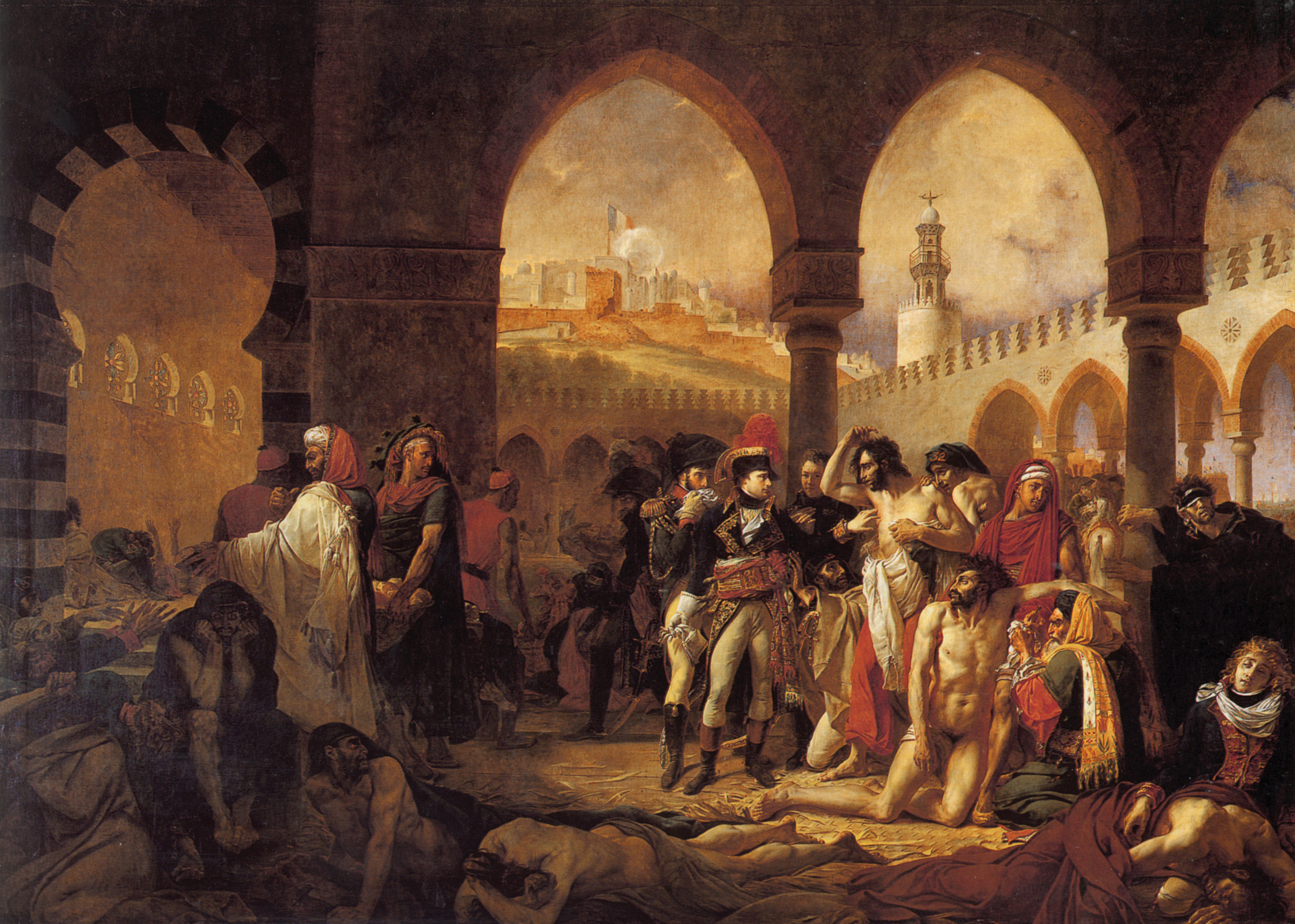
Bonaparte Visiting the Plague-Stricken at Jaffa
Antoine-Jean Gros · 1804
 Document
Primary source
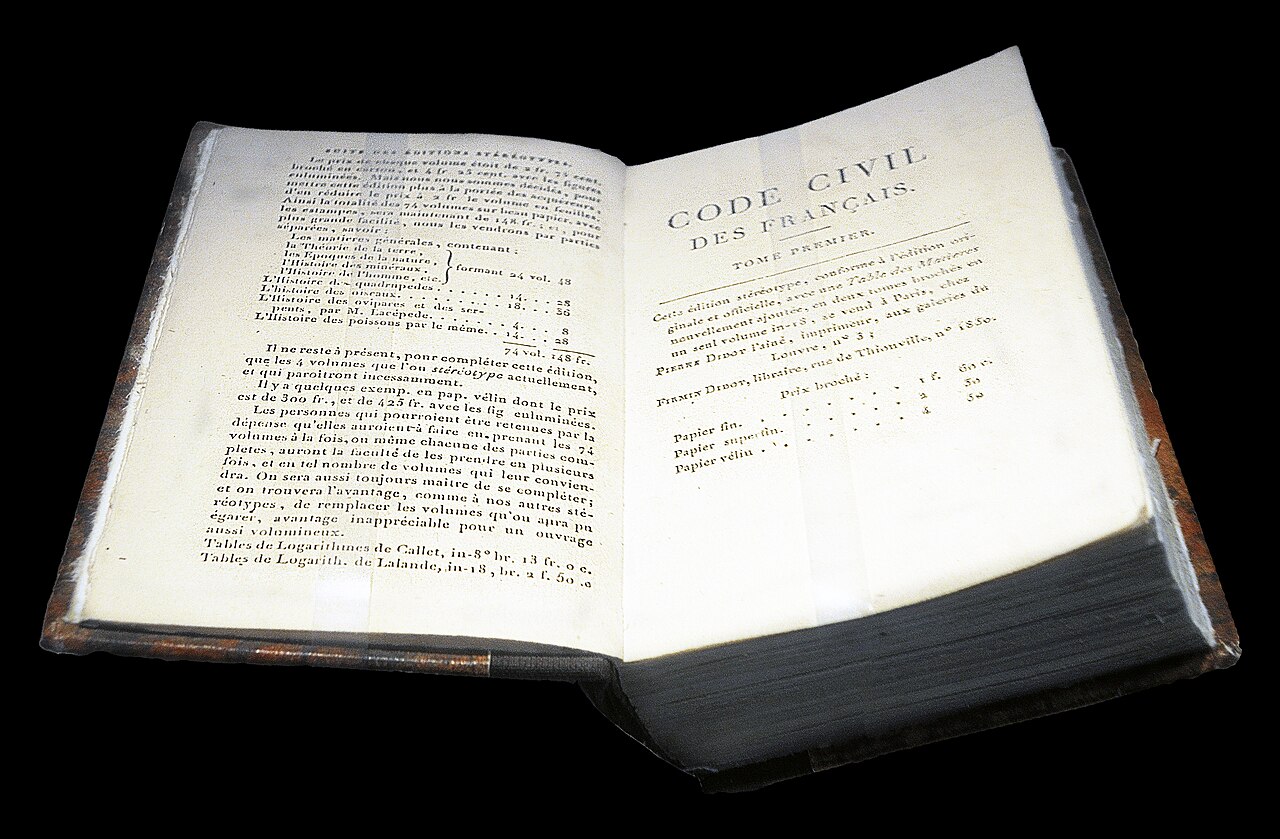
Civil Code of the French
1804
Ready when you are
Start chatting with Napoleon Bonaparte now.
20 messages free · No credit card · Available in 50+ languages.