


Secondary sourceBook1823 (written 1815-1816)
The Memorial of Saint Helena
Emmanuel, comte de Las Cases · 1823 (written 1815-1816)
Las Cases' journal of his conversations with Napoleon in exile on Saint Helena, first published in 1823, which helped create the Napoleonic legend.
This record of Napoleon's exile conversations, shaped by his companion Las Cases, created the lasting Napoleonic legend.
About this source
What it is
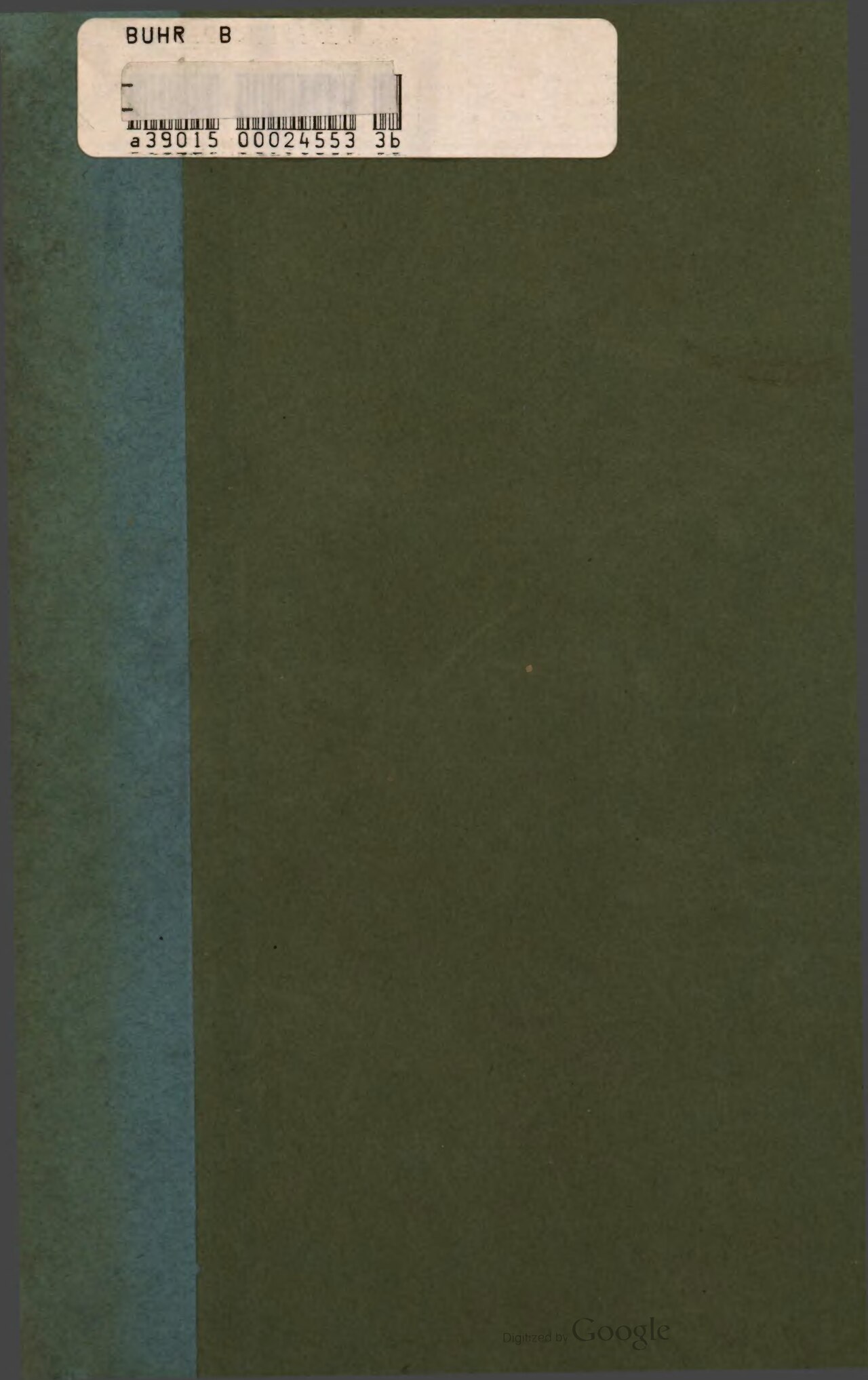
The Memorial of Saint Helena is a journal-memoir written by Emmanuel de Las Cases, who accompanied Napoleon into exile after his defeat at Waterloo. It records near-daily conversations between Las Cases and Napoleon about his life, career, and political ideas. Las Cases began writing it in 1815 and continued until he was expelled from the island; it was first published in 1823, after Napoleon's death. The image shown here is a library scan of a later printed volume, not the original manuscript.
Why it matters
Published after Napoleon's death, the Memorial became hugely popular across Europe and shaped how the public remembered him, presenting him as a reflective, almost heroic figure in exile. It became a founding text of the Napoleonic legend and Bonapartism, and later influenced figures such as Charles de Gaulle. But because it is Las Cases' record, filtered through his own admiration and purposes, it tells us as much about how the Napoleon myth was built as about Napoleon himself.
Look closer
- Why might Las Cases have wanted to record Napoleon's own words so carefully?
- How might a text written by an admirer differ from one written by an enemy?
- What does the popularity of this book suggest about how people wanted to remember Napoleon?
This book is part of the curated material that grounds the AI version of Napoleon Bonaparte on Humy.ai — when students ask about related events, the AI can quote it and cite it.
More Napoleon Bonaparte sources
Meet the AI Napoleon Bonaparte →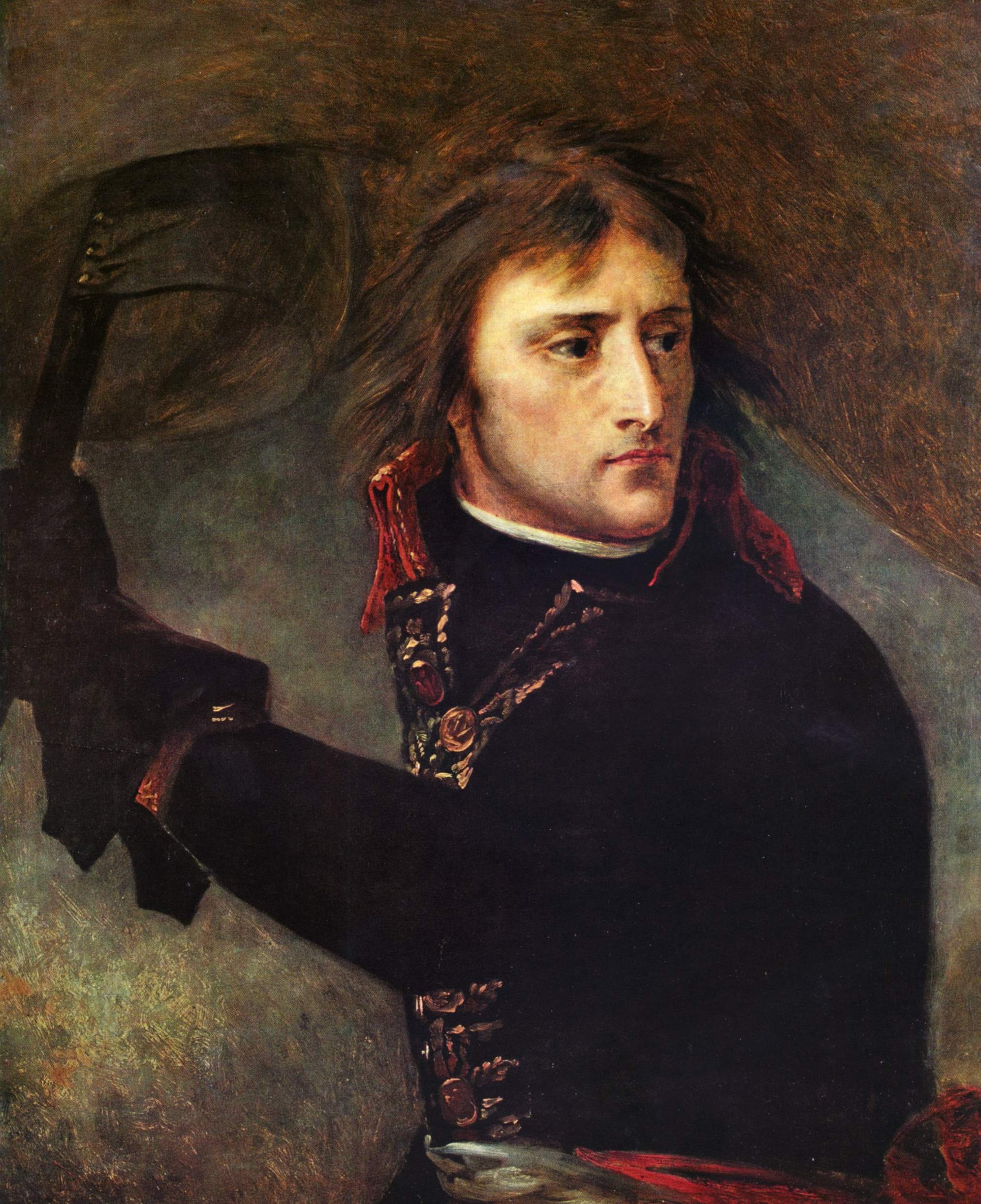 Painting
Primary source
Bonaparte au Pont d'Arcole
Antoine-Jean Gros · 1796
 Painting
Primary source
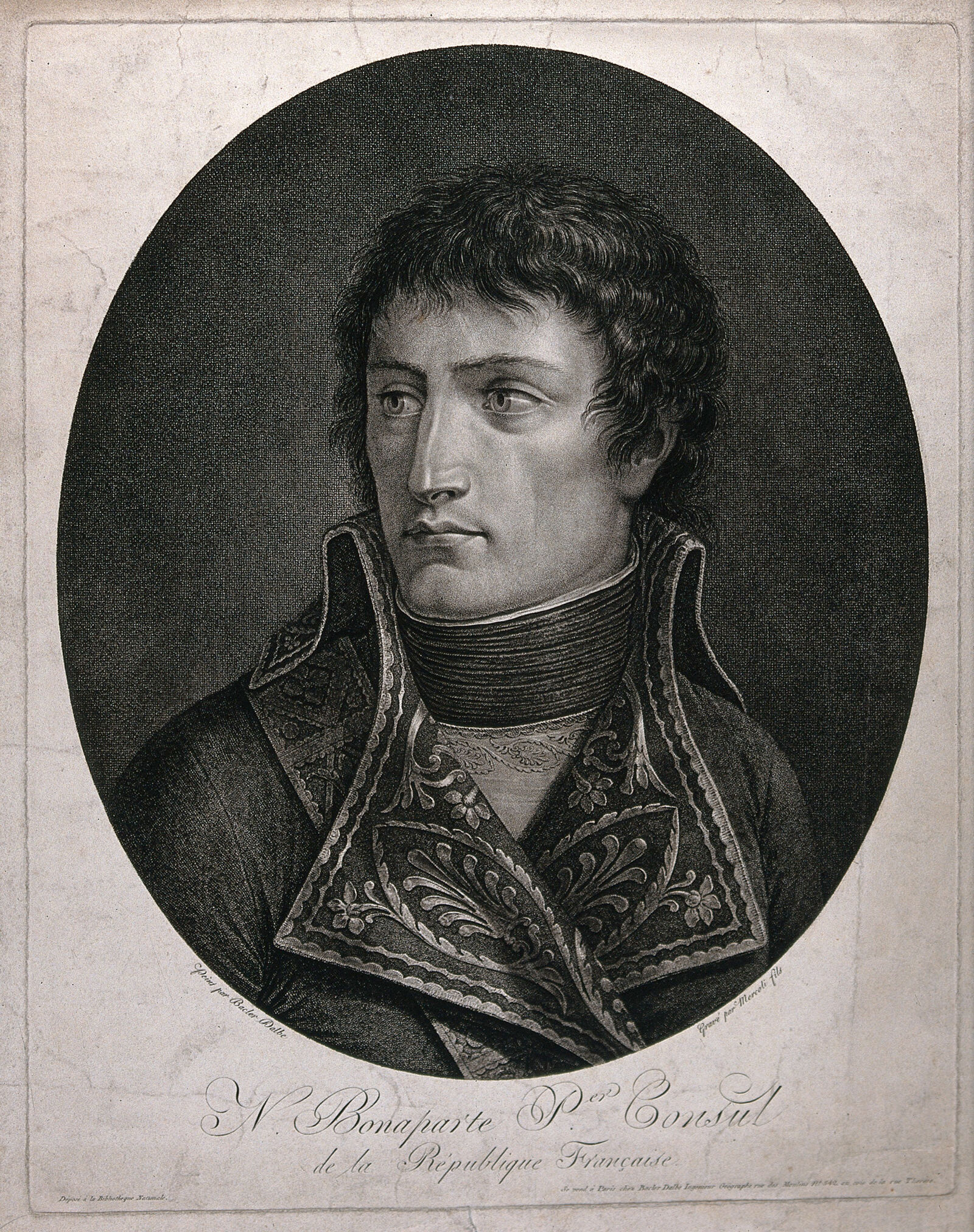
Napoleon Bonaparte, Stipple Portrait after Bacler d'Albe
Louis Albert Guislain Bacler d'Albe · c. 1800
 Painting
Primary source
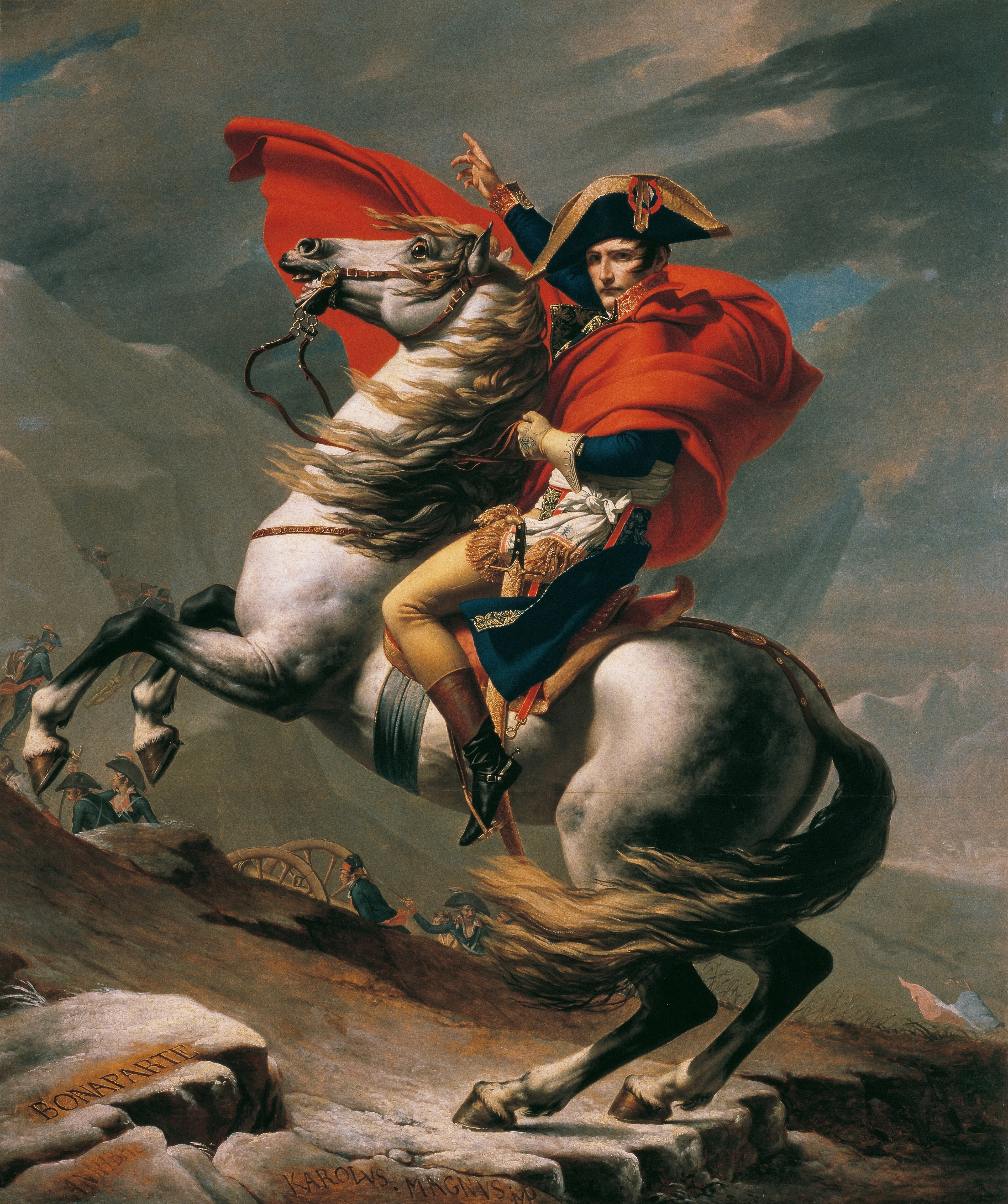
Napoleon Crossing the Alps (Bonaparte franchissant le Grand-Saint-Bernard)
Jacques-Louis David · 1801
 Painting
Primary source
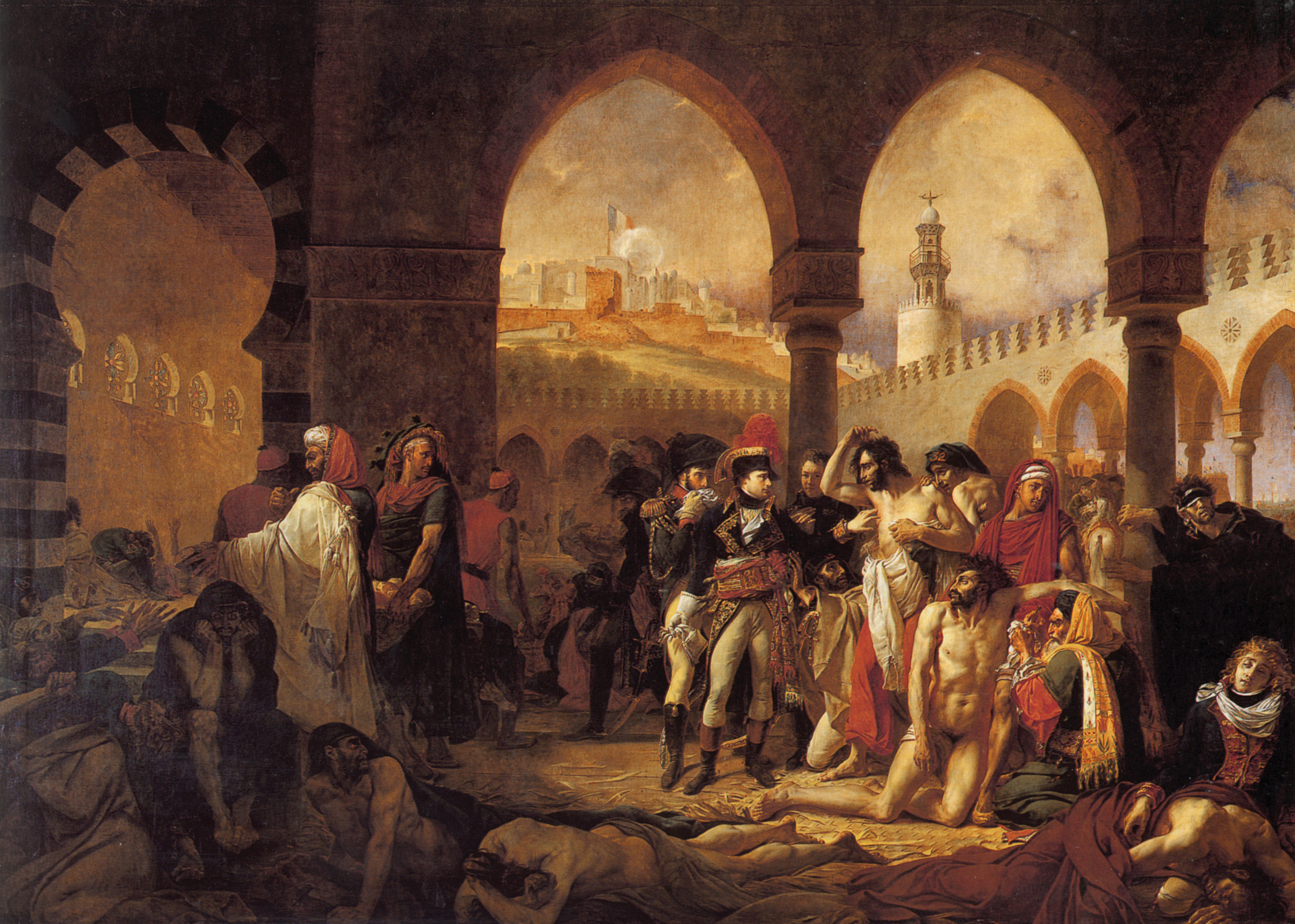
Bonaparte Visiting the Plague-Stricken at Jaffa
Antoine-Jean Gros · 1804
 Document
Primary source
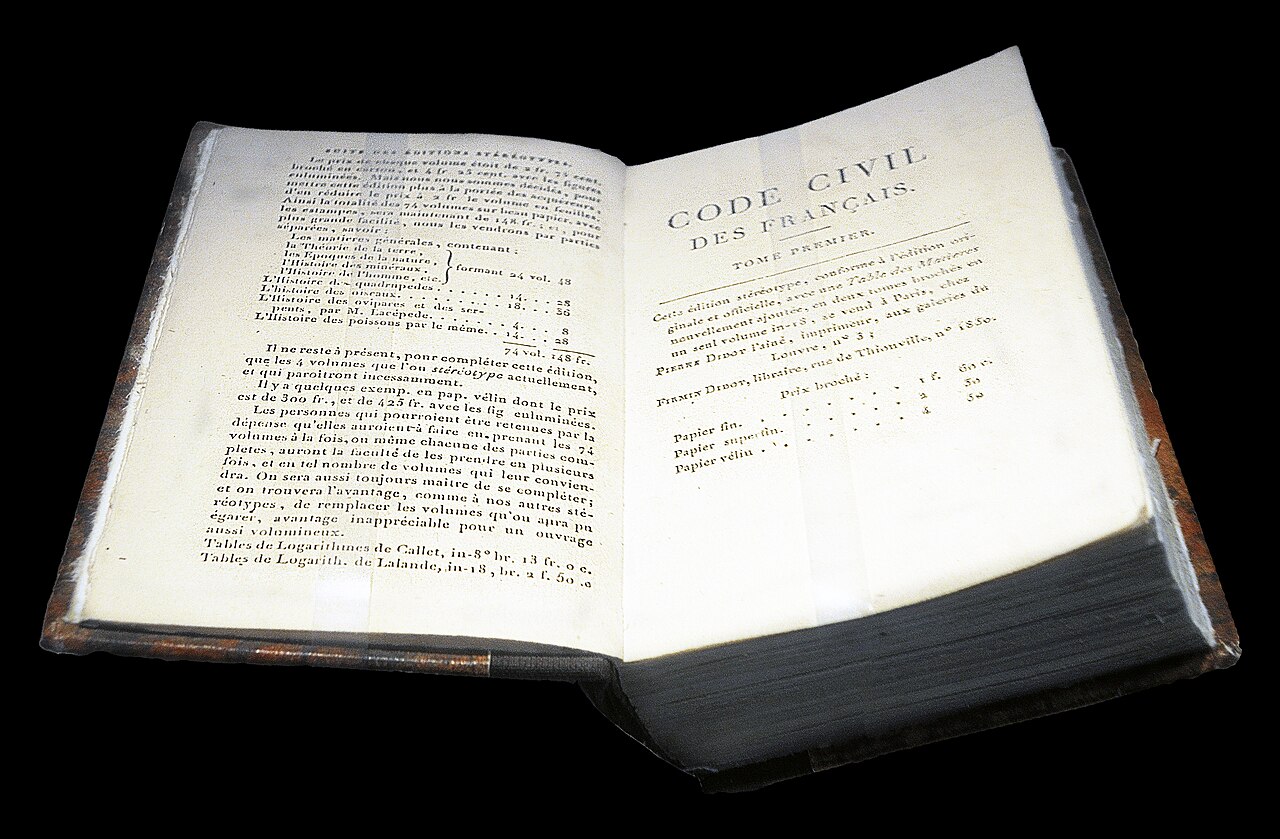
Civil Code of the French
1804
Ready when you are
Start chatting with Napoleon Bonaparte now.
20 messages free · No credit card · Available in 50+ languages.