


Secondary sourceSculpture1870
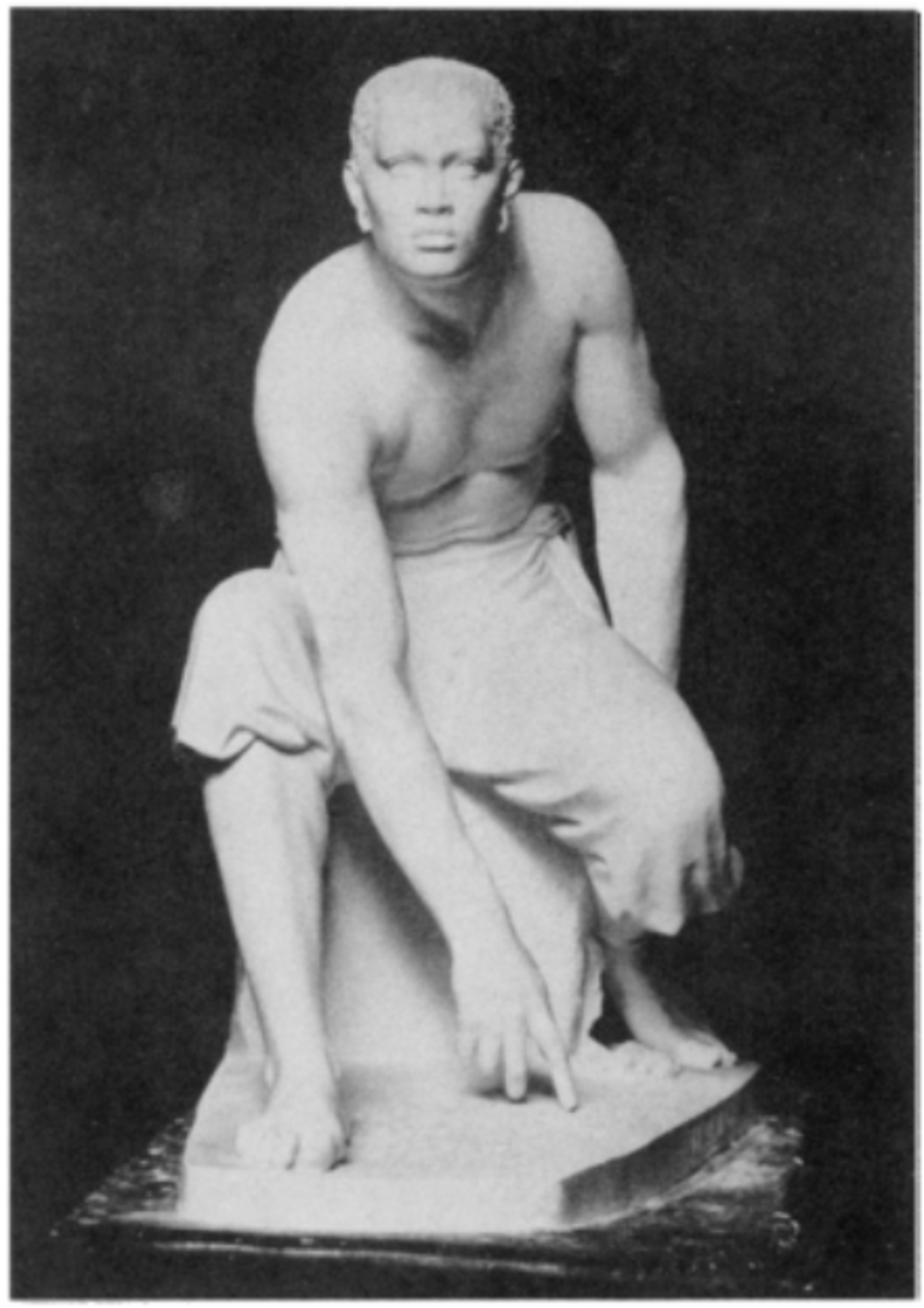
Toussaint Louverture (plaster sculpture)
Anne Whitney · 1870
A plaster sculpture by American abolitionist sculptor Anne Whitney, made in 1870, depicting Toussaint Louverture as a seated figure.
This sculpture by abolitionist Anne Whitney commemorates Toussaint Louverture as a symbol in post-Civil War American memory.
About this source
What it is
This plaster sculpture of Toussaint Louverture was made in 1870 by the American sculptor Anne Whitney. A black-and-white photograph shows the work: a seated, shirtless, muscular man wearing a draped loincloth, leaning forward with one arm braced on a base.
Why it matters
Anne Whitney was an American abolitionist, and her choice to sculpt Toussaint Louverture shows how he was remembered as a symbol of freedom in the United States after the Civil War. The work tells us as much about Whitney's political commitments and the era's ideas about race and heroism as it does about Toussaint himself.
Look closer
- Why might an American abolitionist sculptor in 1870 have chosen Toussaint Louverture as a subject?
- How does the pose and lack of clothing compare to other portraits of him made closer to his lifetime?
- What does the sculpture leave out about his actual life and leadership?
This sculpture is part of the curated material that grounds the AI version of Toussaint Louverture on Humy.ai — when students ask about related events, the AI can quote it and cite it.
More Toussaint Louverture sources
Meet the AI Toussaint Louverture → Document
Primary source
Constitution républicaine des colonies française de Saint-Domaingue
Toussaint Louverture · 1801
 Book
Primary source
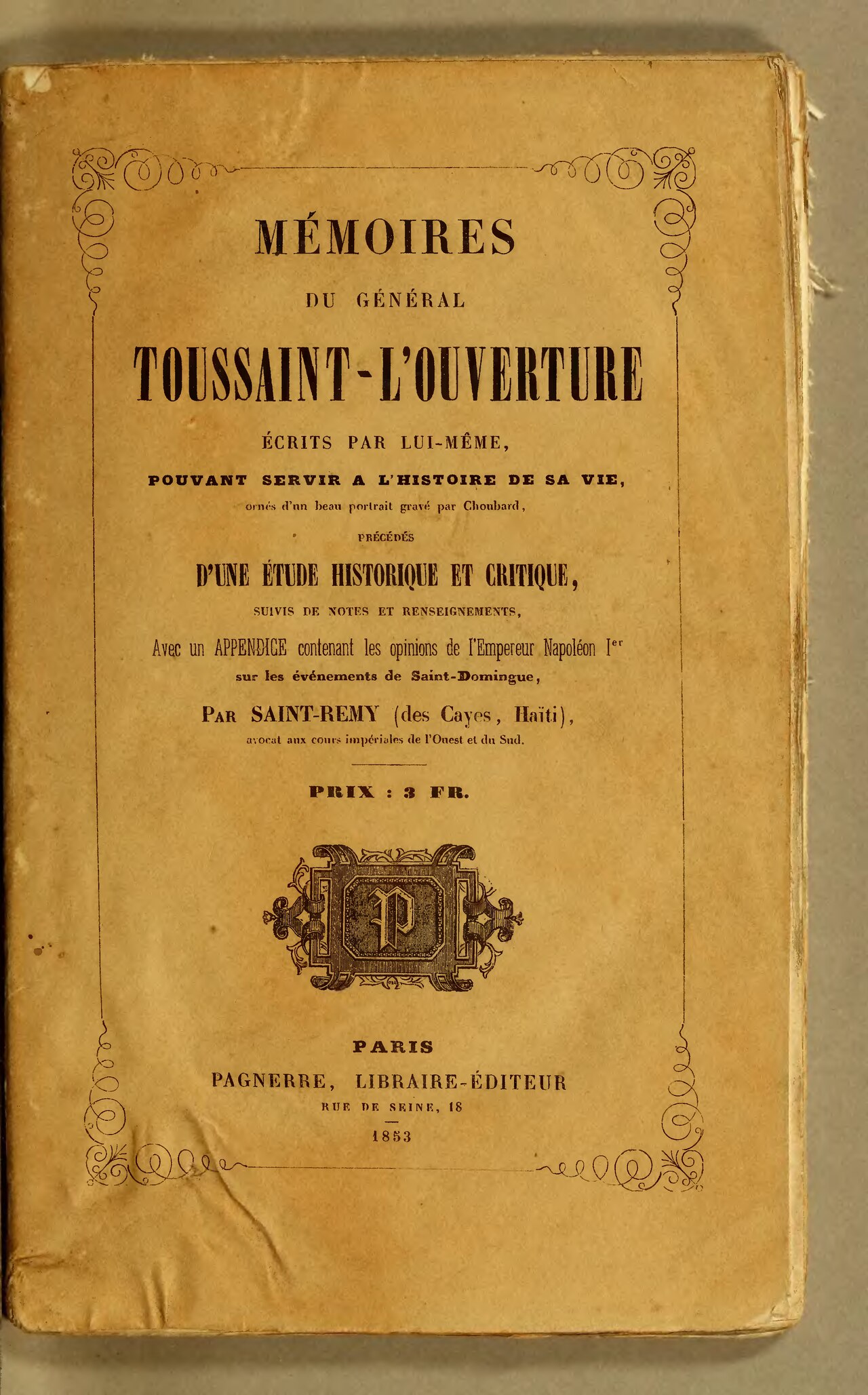
Mémoires du Général Toussaint-L'Ouverture écrits par lui-même
Toussaint Louverture · 1853 (text written 1802)
 Painting
Secondary source
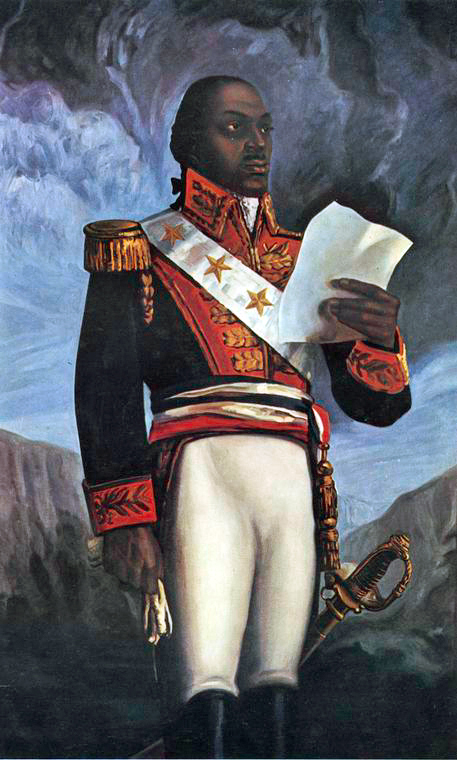
Général Toussaint Louverture
19th century
 Painting
Secondary source
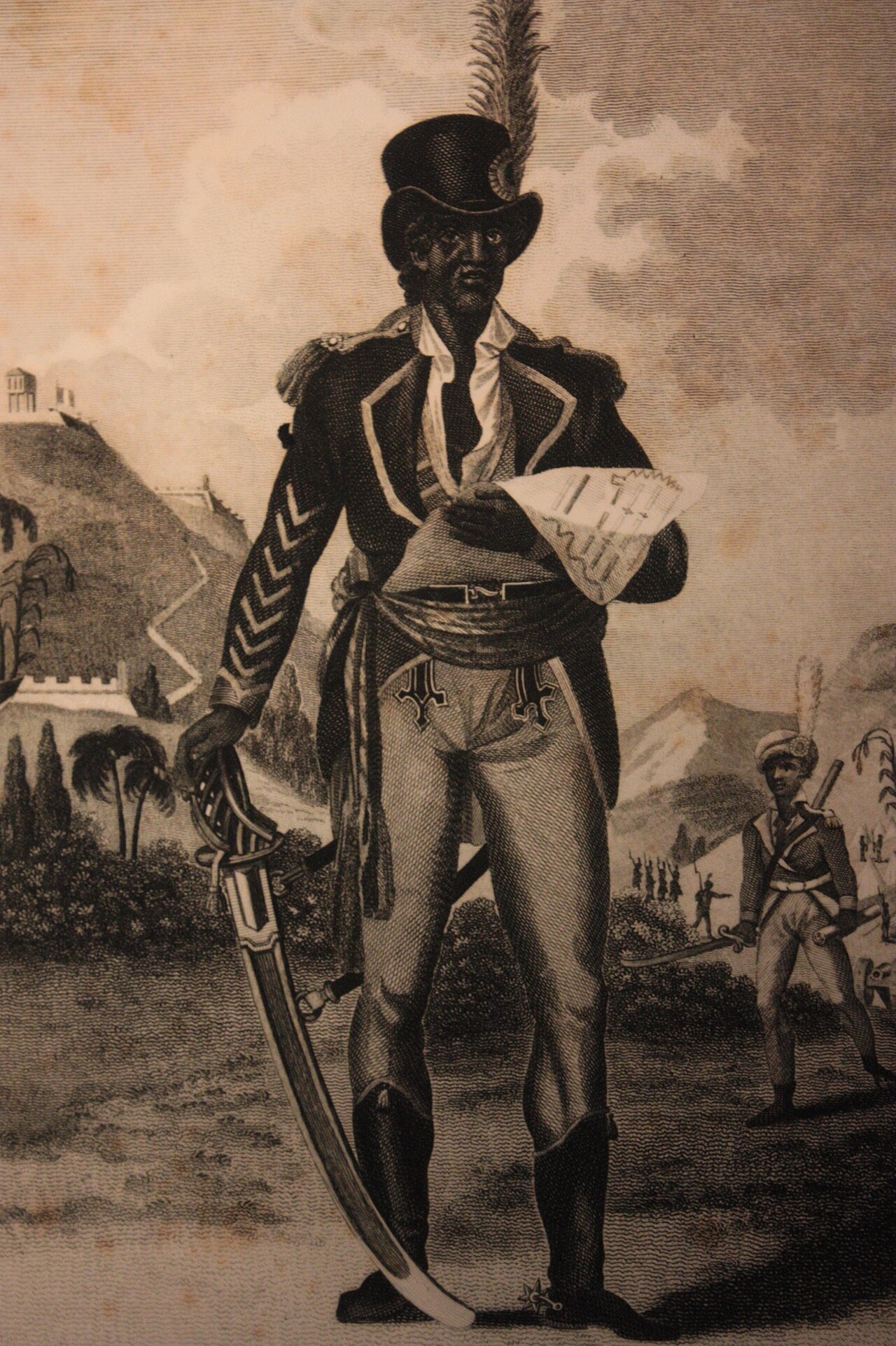
19th century engraving of L'Ouverture
J. Barlow, after a sketch by Marcus Rainsford · 19th century
 Painting
Secondary source
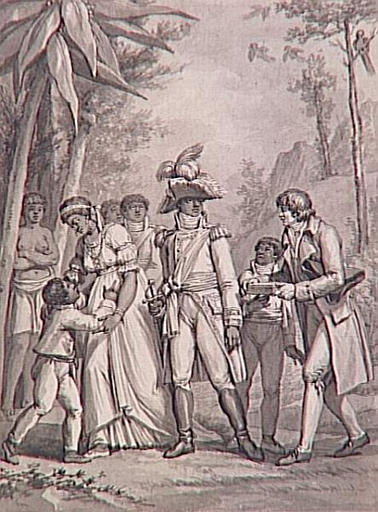
Toussaint Louverture reçoit une lettre du Premier Consul
Charles Monnet · 1802
Ready when you are
Start chatting with Toussaint Louverture now.
20 messages free · No credit card · Available in 50+ languages.