


Secondary sourcePainting1934
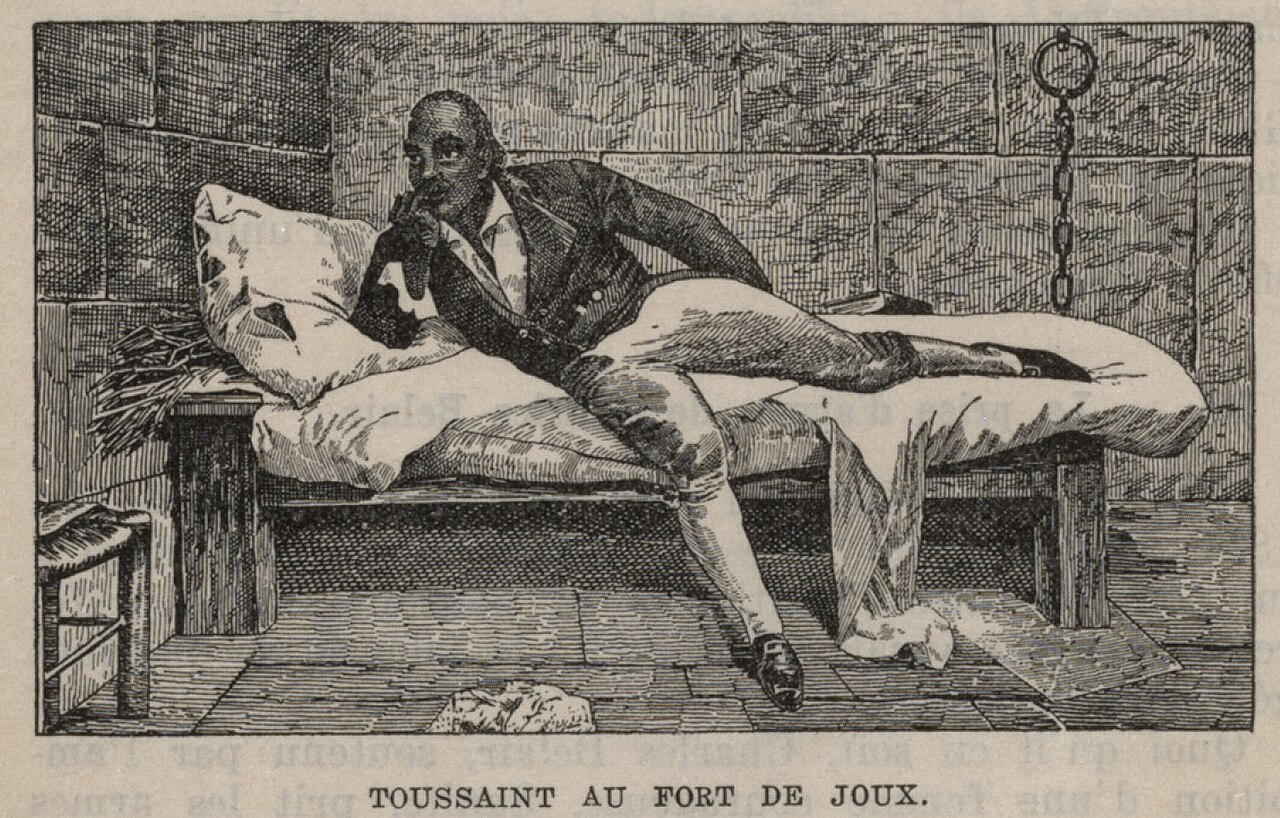
Toussaint au Fort de Joux
1934
A 1934 illustration imagining Toussaint Louverture in his prison cell at Fort de Joux, where he was deported and died.
A later illustration imagining Toussaint Louverture's imprisonment at Fort de Joux, where he died in 1803.
About this source
What it is
This 1934 illustration, by an unknown artist, shows Toussaint Louverture, hero of the Haitian Revolution, in his cell at Fort de Joux prison in France, where he was sent in 1802 on Napoleon Bonaparte's orders and died in 1803.
Why it matters
Toussaint Louverture's imprisonment and death in France, far from the country he helped free, became a powerful symbol in later retellings of his story. This image, made over a century after the events, shows how his imprisonment continued to be depicted and remembered in popular illustration.
Look closer
- What objects in the cell hint at the conditions he was kept in?
- Why might artists keep returning to this scene of imprisonment rather than his earlier victories?
- What does the choice to depict this moment, rather than his role as a leader, suggest about how he was remembered?
This painting is part of the curated material that grounds the AI version of Toussaint Louverture on Humy.ai — when students ask about related events, the AI can quote it and cite it.
More Toussaint Louverture sources
Meet the AI Toussaint Louverture → Document
Primary source
Constitution républicaine des colonies française de Saint-Domaingue
Toussaint Louverture · 1801
 Book
Primary source
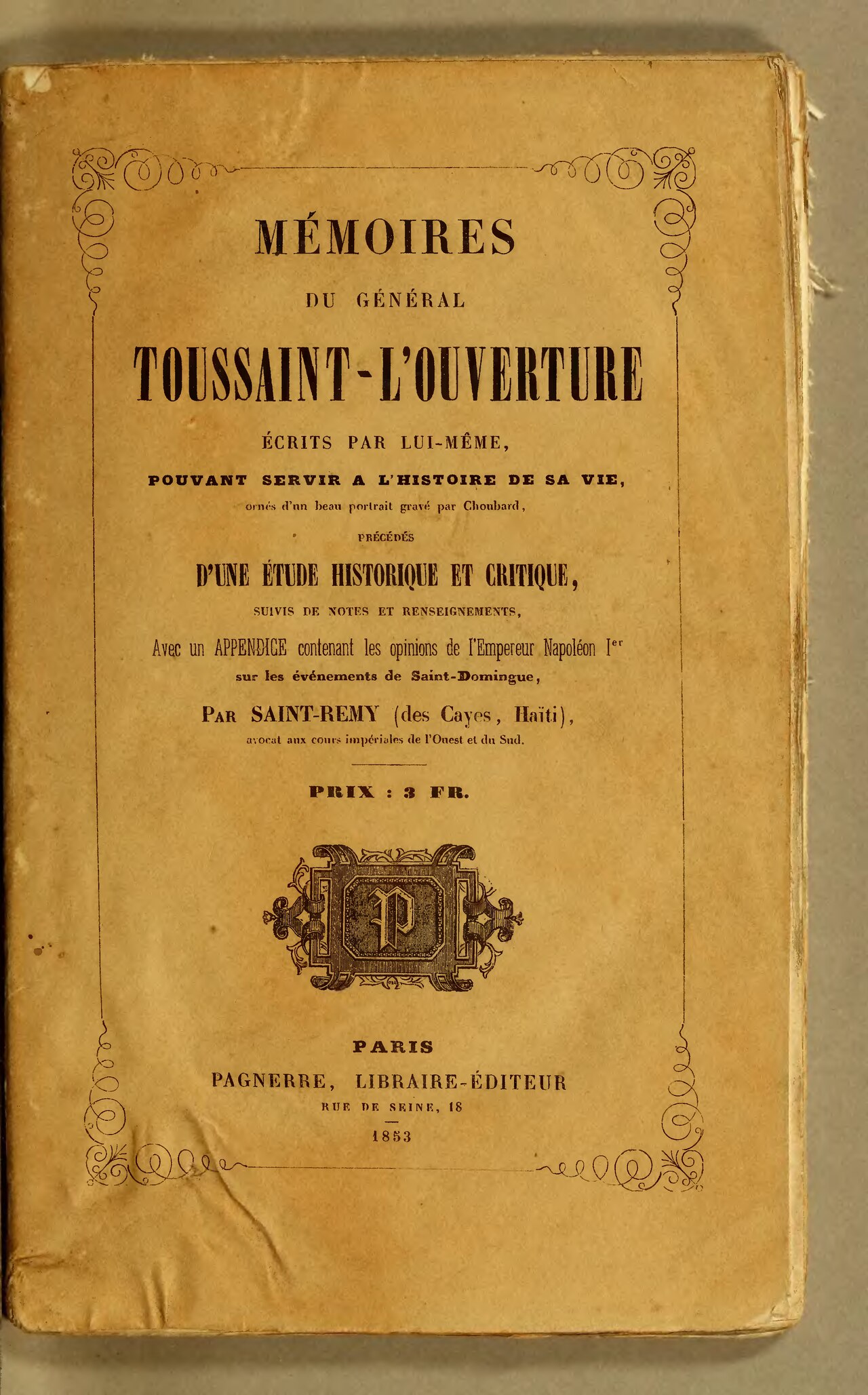
Mémoires du Général Toussaint-L'Ouverture écrits par lui-même
Toussaint Louverture · 1853 (text written 1802)
 Painting
Secondary source
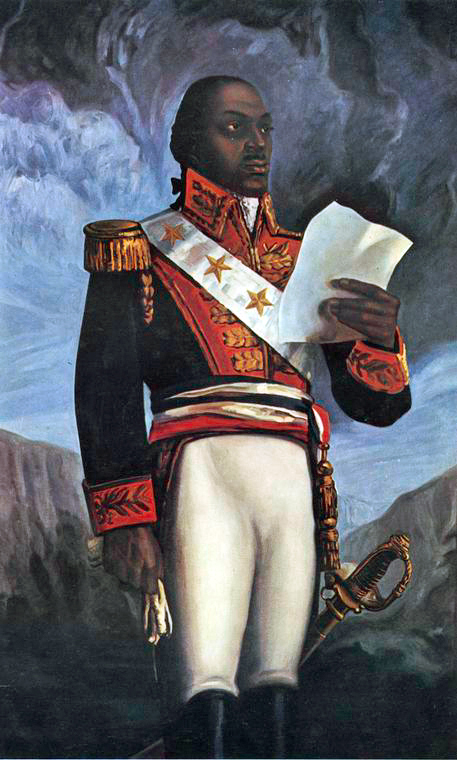
Général Toussaint Louverture
19th century
 Painting
Secondary source
19th century engraving of L'Ouverture
J. Barlow, after a sketch by Marcus Rainsford · 19th century
 Painting
Secondary source
Toussaint Louverture reçoit une lettre du Premier Consul
Charles Monnet · 1802
Ready when you are
Start chatting with Toussaint Louverture now.
20 messages free · No credit card · Available in 50+ languages.