


Secondary sourceBook1710
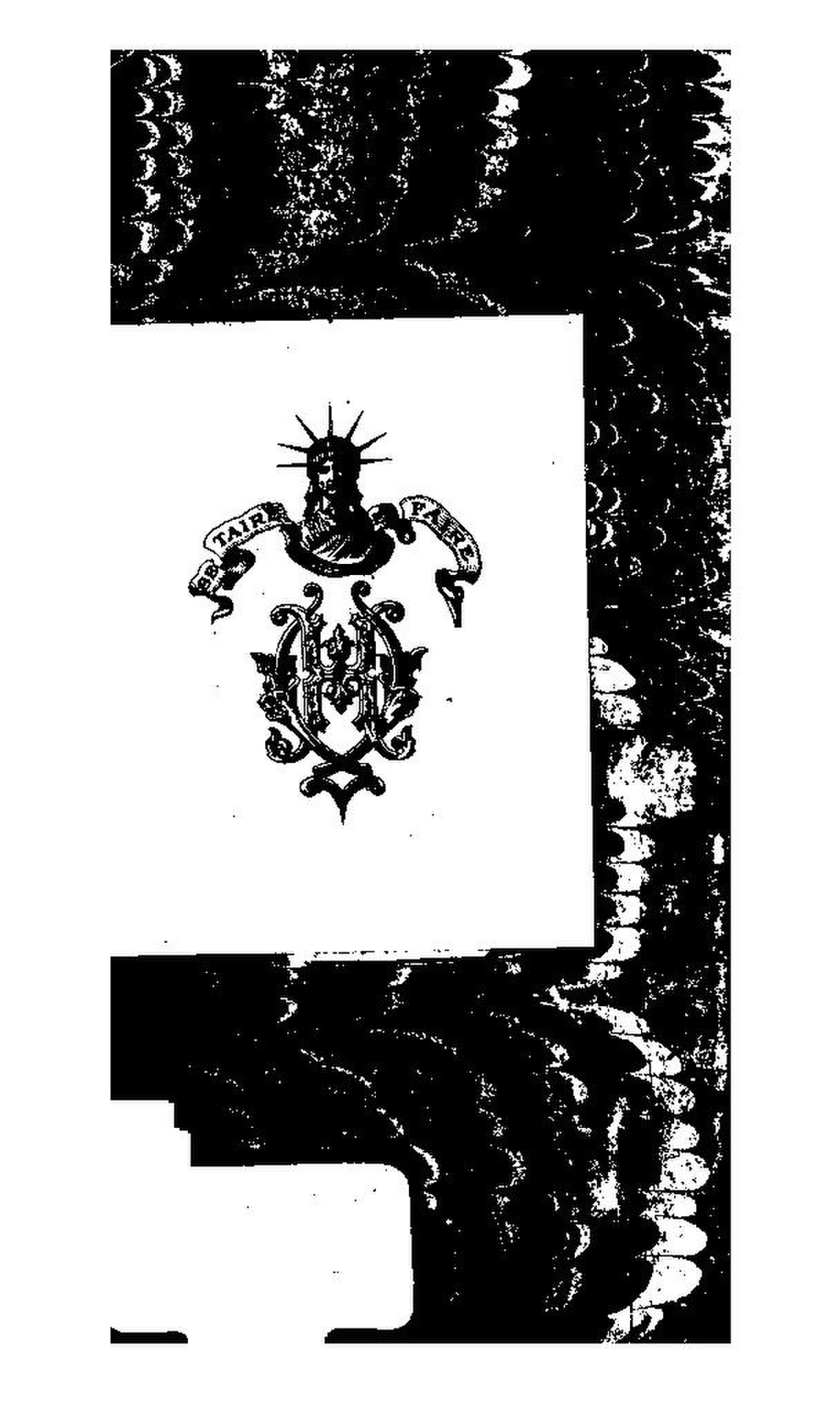
Histoire du grand Genghizcan
François Pétis de la Croix · 1710
An early 18th-century French biography of Genghis Khan based on Persian sources, which introduced the spelling 'Genghis' to European readers.
An early European biography of Genghis Khan that shaped Western understanding of his life and introduced the familiar spelling of his name.
About this source
What it is
This book, written by François Pétis de la Croix and published in 1710, is one of the first European biographies of Genghis Khan. It drew on Persian sources to tell the story of his life and the rise of the Mongol Empire. A copy is held by the Bibliothèque nationale de France.
Why it matters
This work shaped how Europeans understood Genghis Khan for generations, and it introduced the spelling of his name still common in English and French today. It shows how European scholars in the 1700s used Middle Eastern historical writing to construct the Western image of a figure they had never encountered directly, and how that image could differ from Mongol or Chinese traditions.
Look closer
- Why might an author writing in France in 1710 rely on Persian sources rather than Mongol ones?
- What does the opening praise of Genghis Khan's conquests tell you about the author's attitude?
- How might a biography written five centuries after its subject's death differ from one written by a contemporary?
This book is part of the curated material that grounds the AI version of Genghis Khan on Humy.ai — when students ask about related events, the AI can quote it and cite it.
More Genghis Khan sources
Meet the AI Genghis Khan →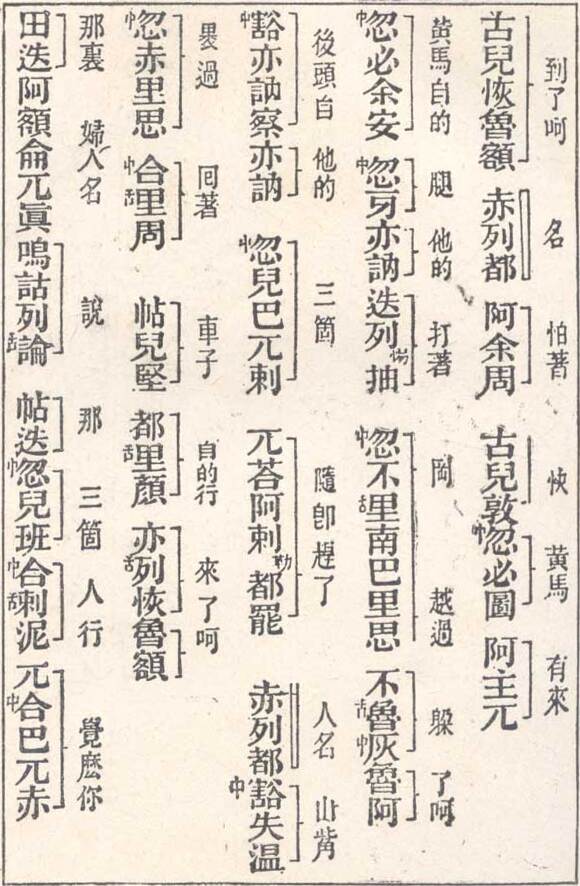 Book
Secondary source
The Secret History of the Mongols
c. 1228 (completed after 1227)
 Painting
Secondary source
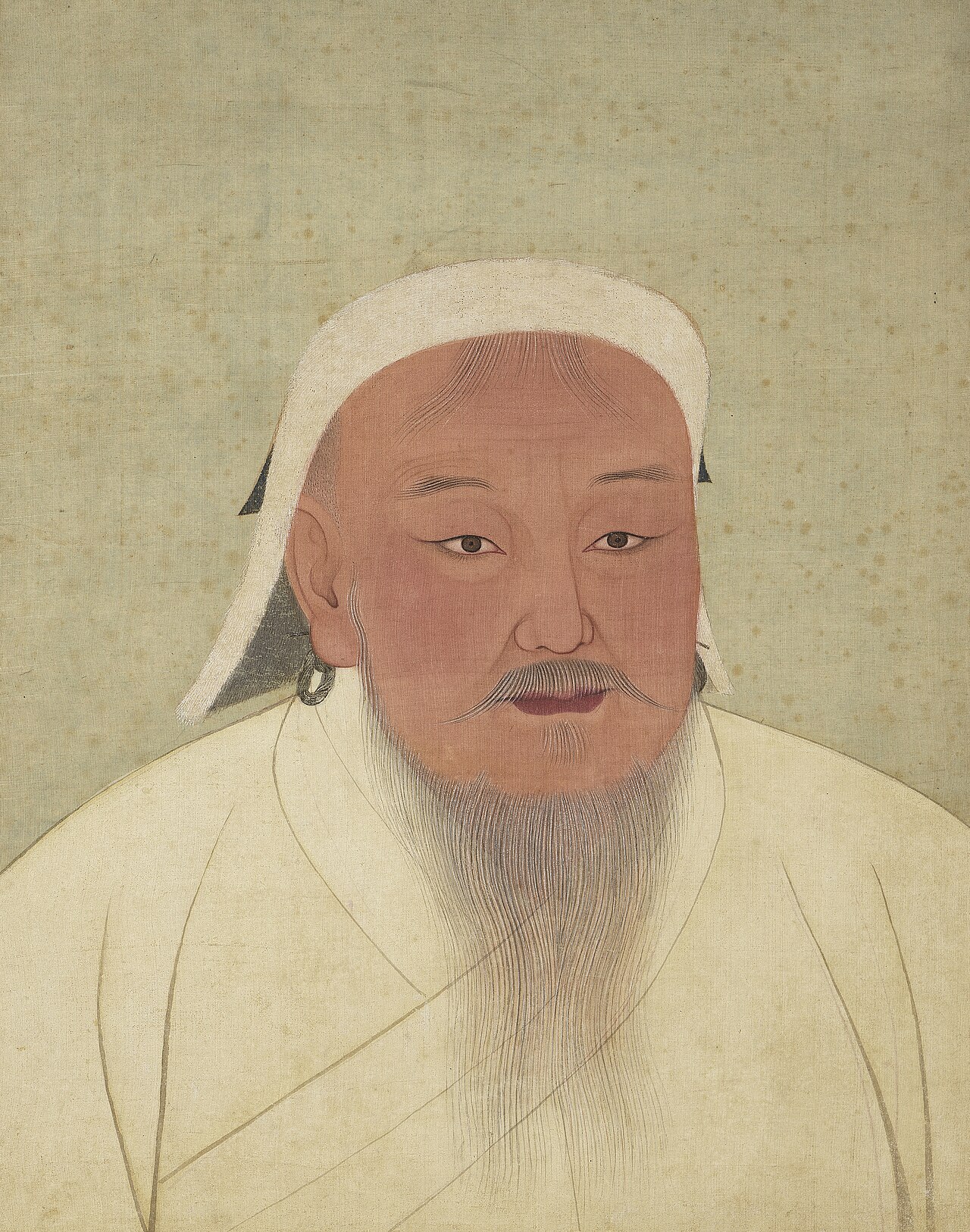
Portrait of Genghis Khan
Unknown Yuan court painter
 Book
Secondary source
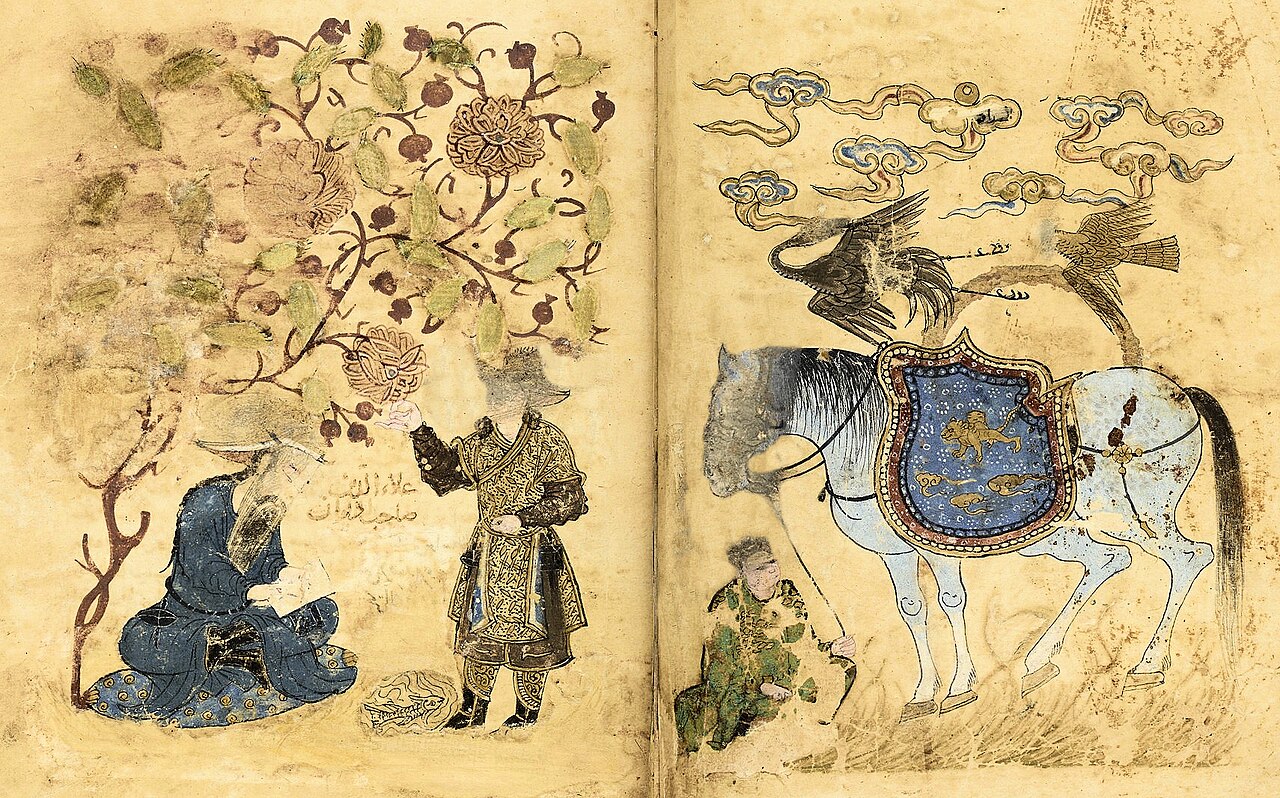
Tarikh-i Jahangushay-i Juvaini
Ata-Malik Juvayni
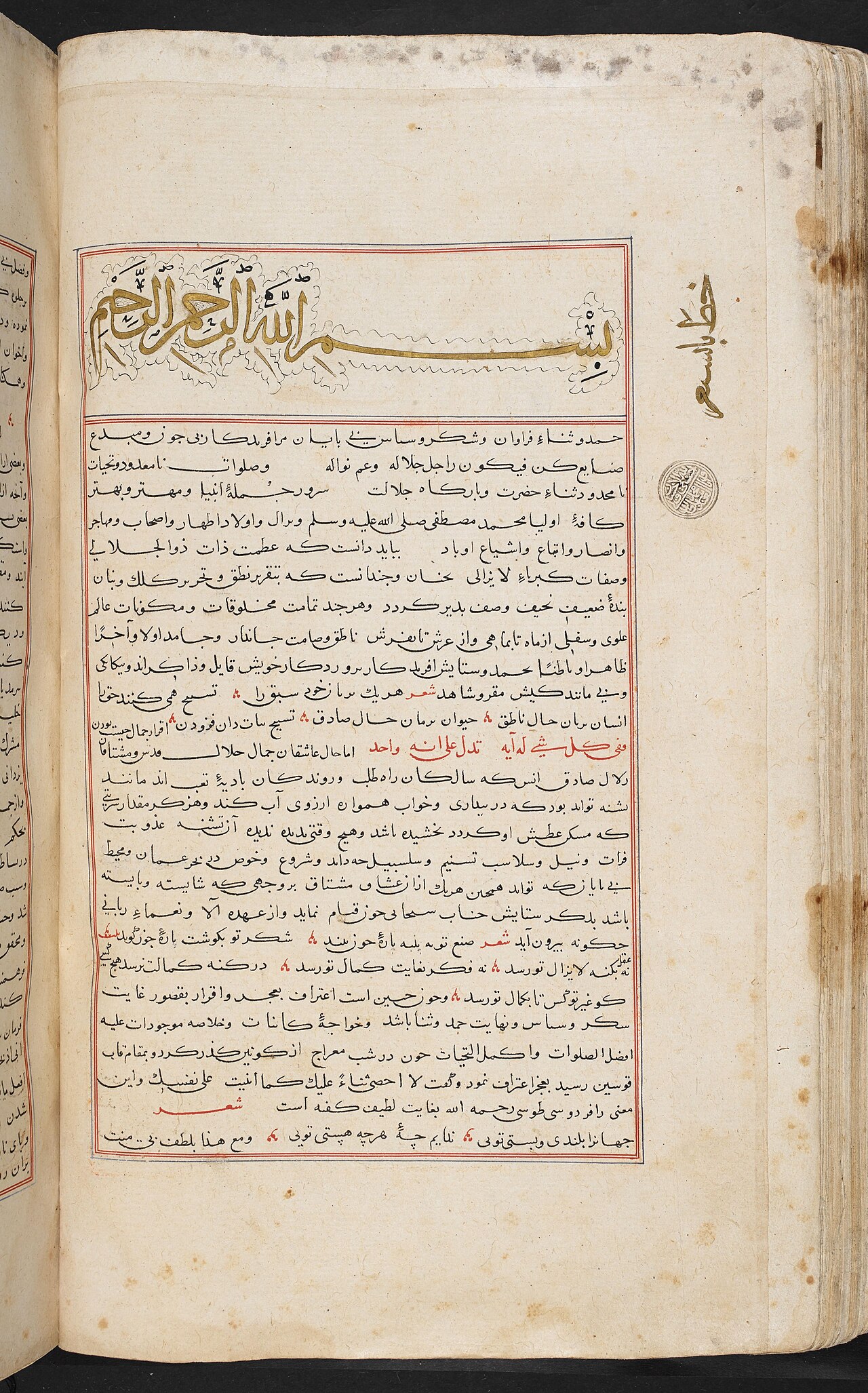 Book
Secondary source
Jami' al-tawarikh
Rashid al-Din Hamadani · c. 1400 (manuscript copy)
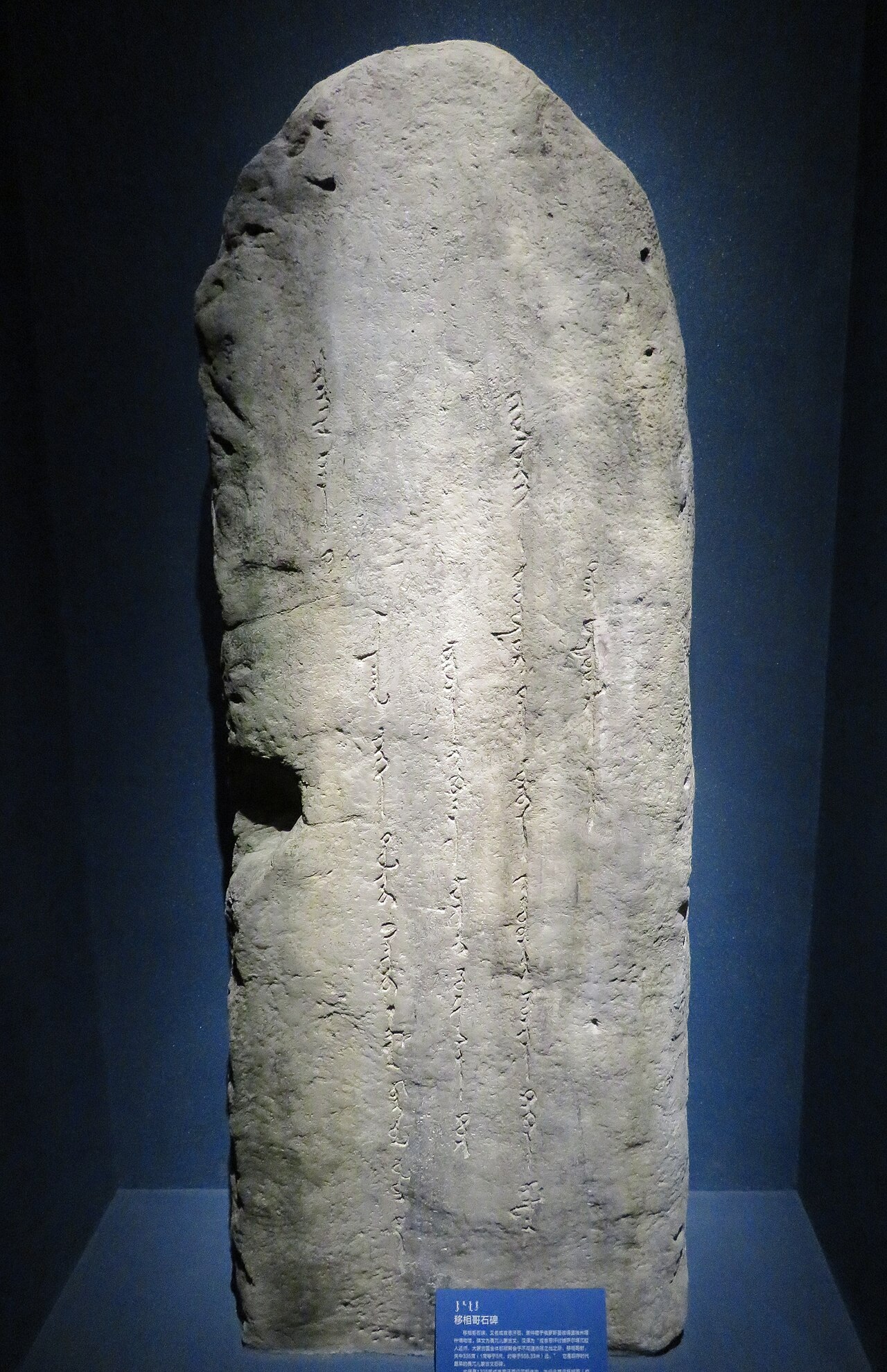 Artifact
Primary source
Stele of Genghis Khan
c. 1224-1225
Ready when you are
Start chatting with Genghis Khan now.
20 messages free · No credit card · Available in 50+ languages.