


Secondary sourcePainting14th century
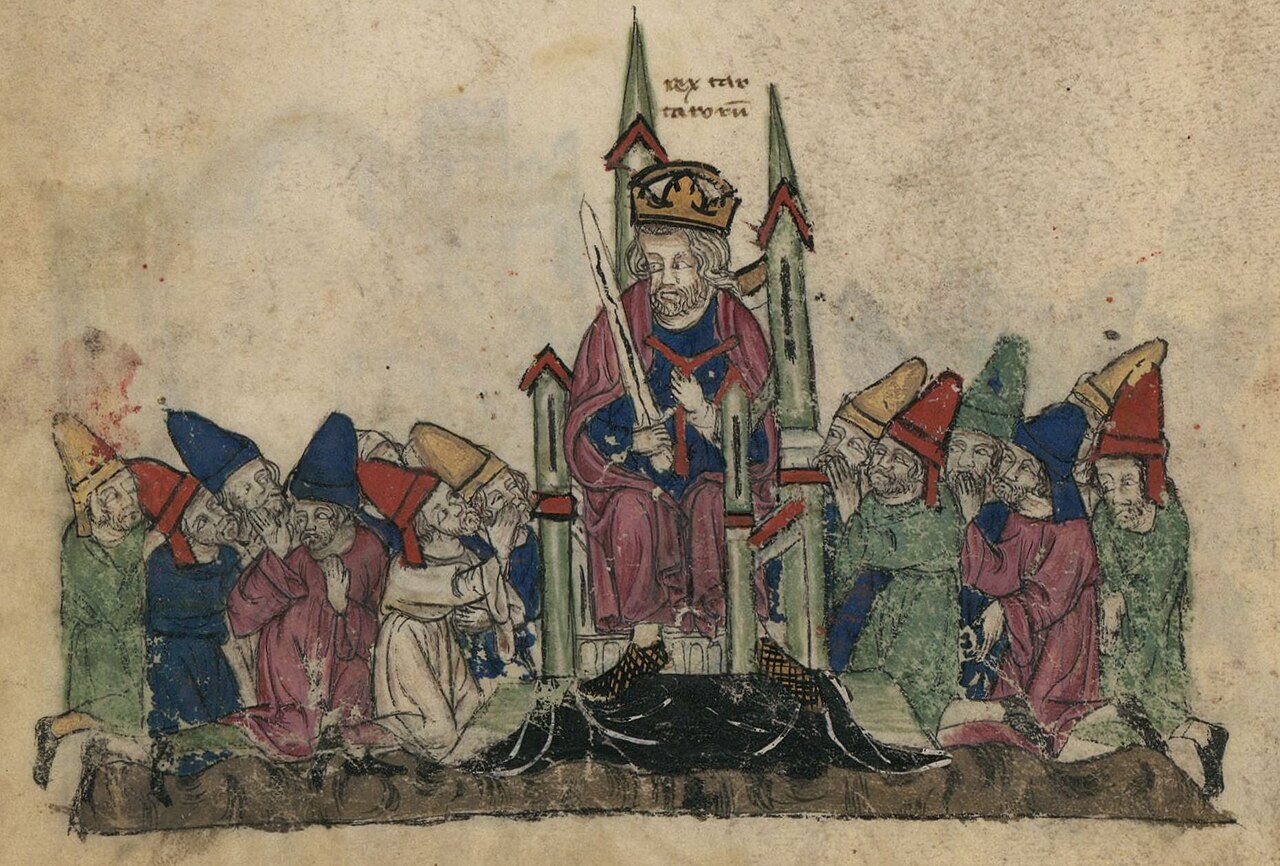
Homage to Genghis Khan, rex tartarorum
Unknown artist · 14th century
A 14th-century European manuscript illumination showing Genghis Khan as a crowned king receiving homage, labeled 'rex tartarorum'.
This medieval European illumination imagines Genghis Khan as a crowned king, showing his fame beyond the Mongol world.
About this source
What it is
This is a manuscript illumination from the 14th century, held by the Bibliothèque nationale de France. It shows a crowned, bearded king holding a sword, labeled in Latin as rex tartarorum ('king of the Tartars'), a European name for Genghis Khan, with kneeling figures bowing before him.
Why it matters
This image was made in medieval Europe, far from the Mongol world, showing how Genghis Khan was imagined by people who likely never saw him or his court. Dressing him as a European-style king with Gothic architecture shows how artists reshaped foreign rulers to fit familiar images of kingship rather than depicting his real appearance.
Look closer
- What European details (clothing, throne, architecture) are mixed into this image of a Mongol ruler?
- Why might medieval European artists have imagined Genghis Khan this way?
- What does this image tell us more about medieval Europe than about Genghis Khan himself?
This painting is part of the curated material that grounds the AI version of Genghis Khan on Humy.ai — when students ask about related events, the AI can quote it and cite it.
More Genghis Khan sources
Meet the AI Genghis Khan →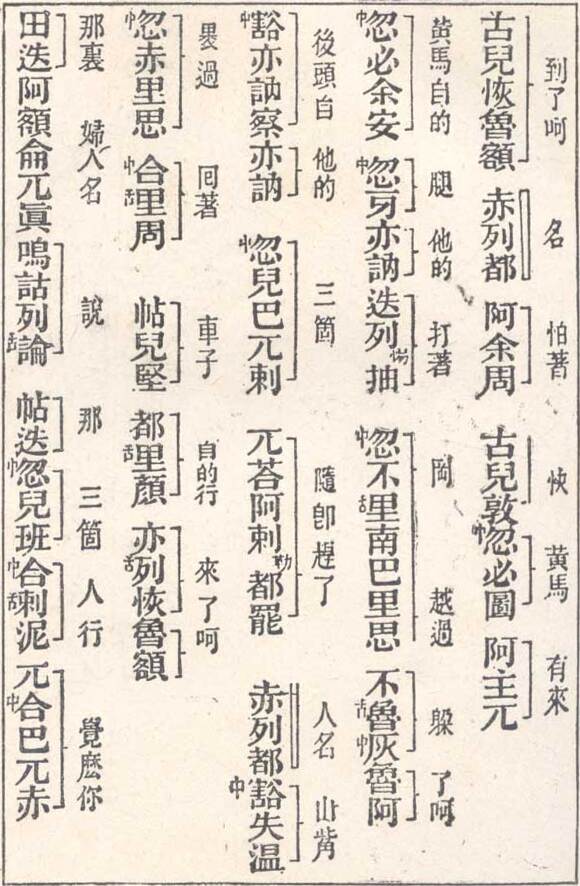 Book
Secondary source
The Secret History of the Mongols
c. 1228 (completed after 1227)
 Painting
Secondary source
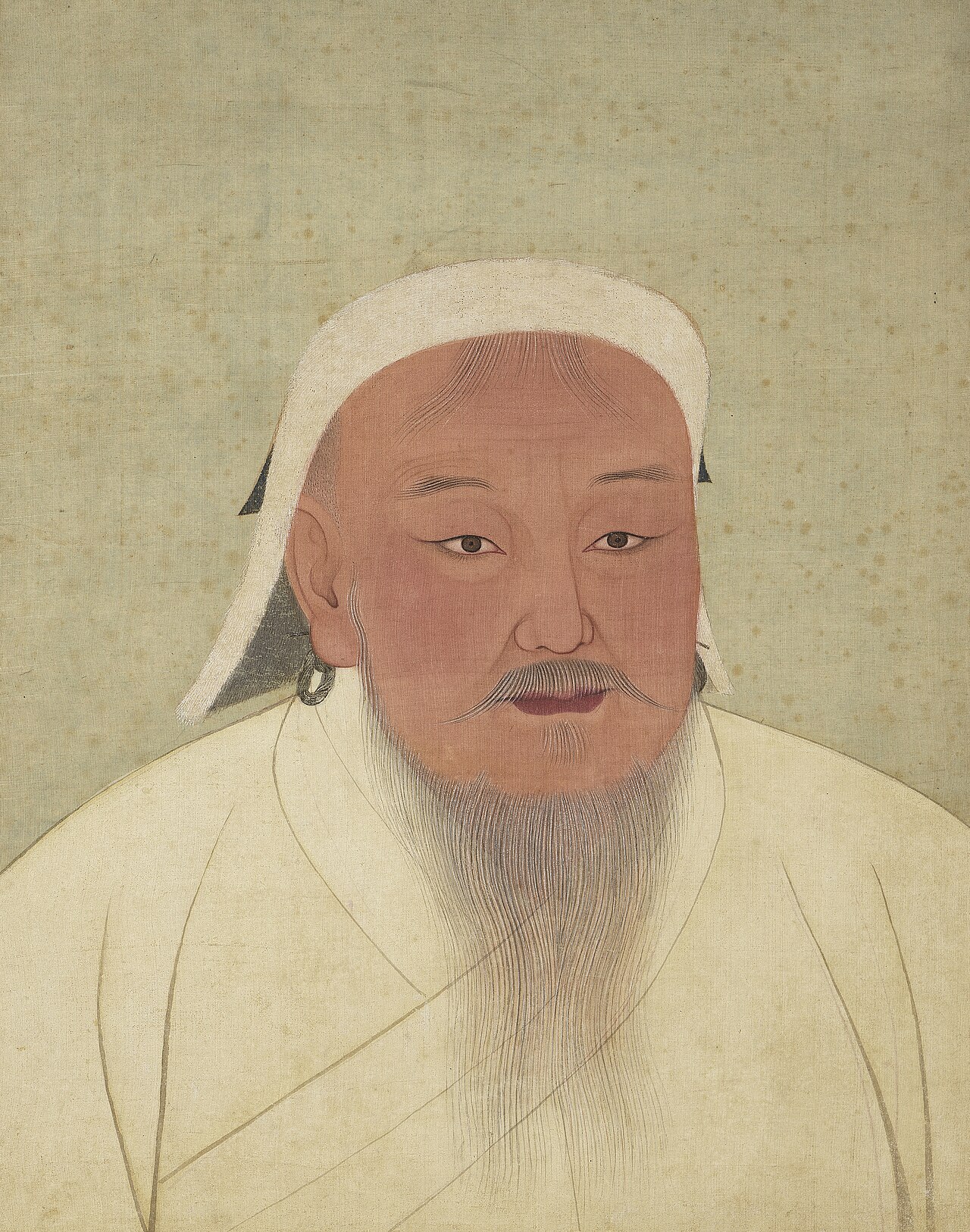
Portrait of Genghis Khan
Unknown Yuan court painter
 Book
Secondary source
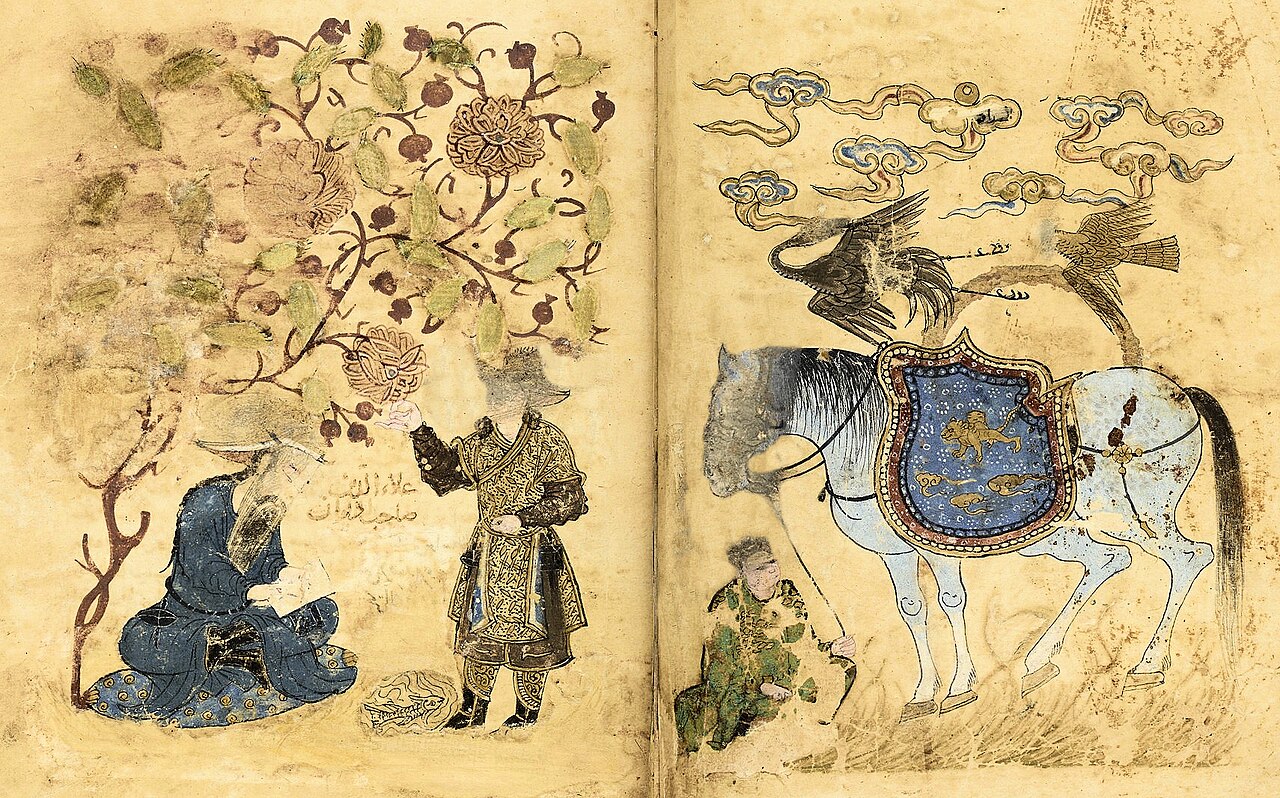
Tarikh-i Jahangushay-i Juvaini
Ata-Malik Juvayni
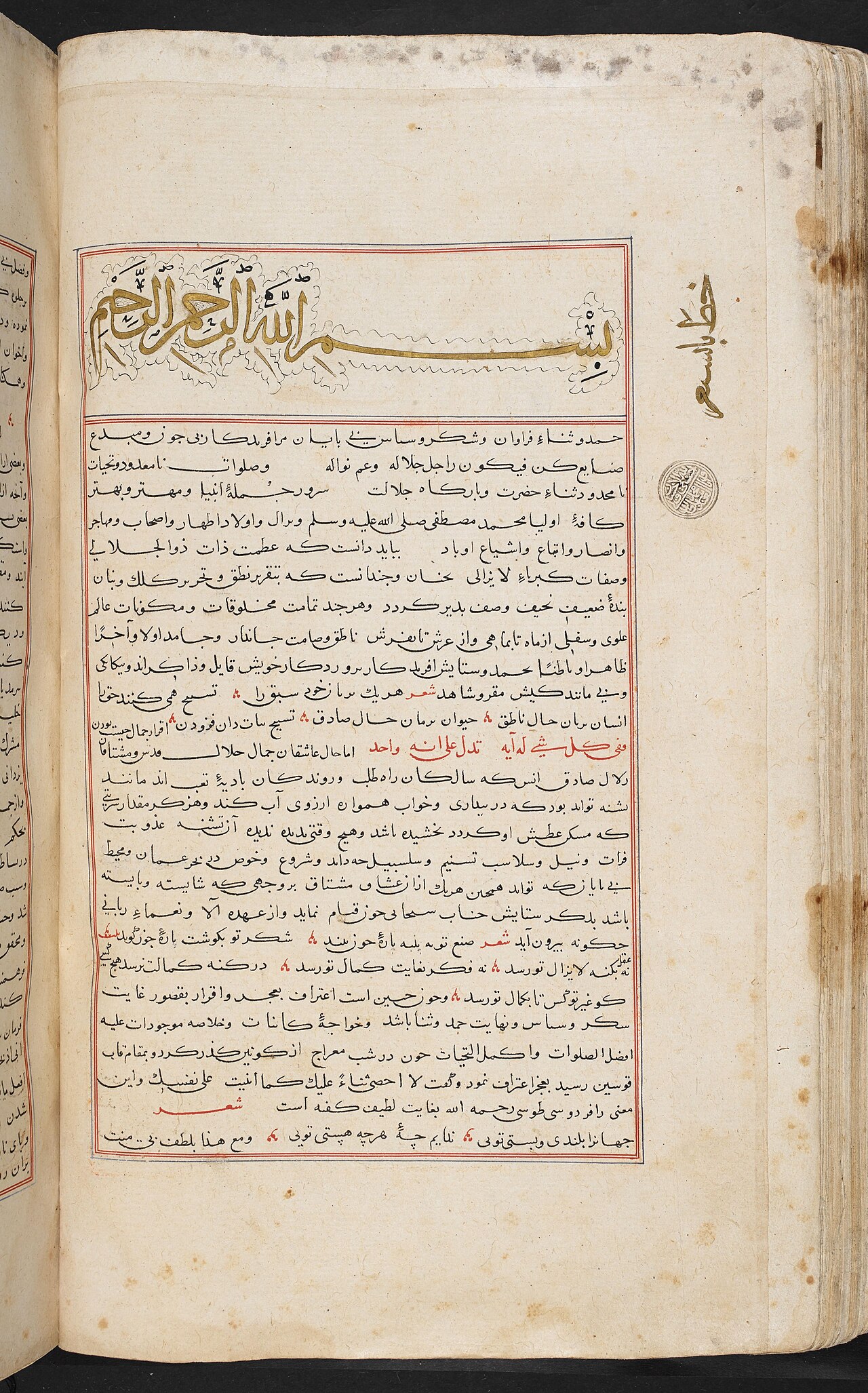 Book
Secondary source
Jami' al-tawarikh
Rashid al-Din Hamadani · c. 1400 (manuscript copy)
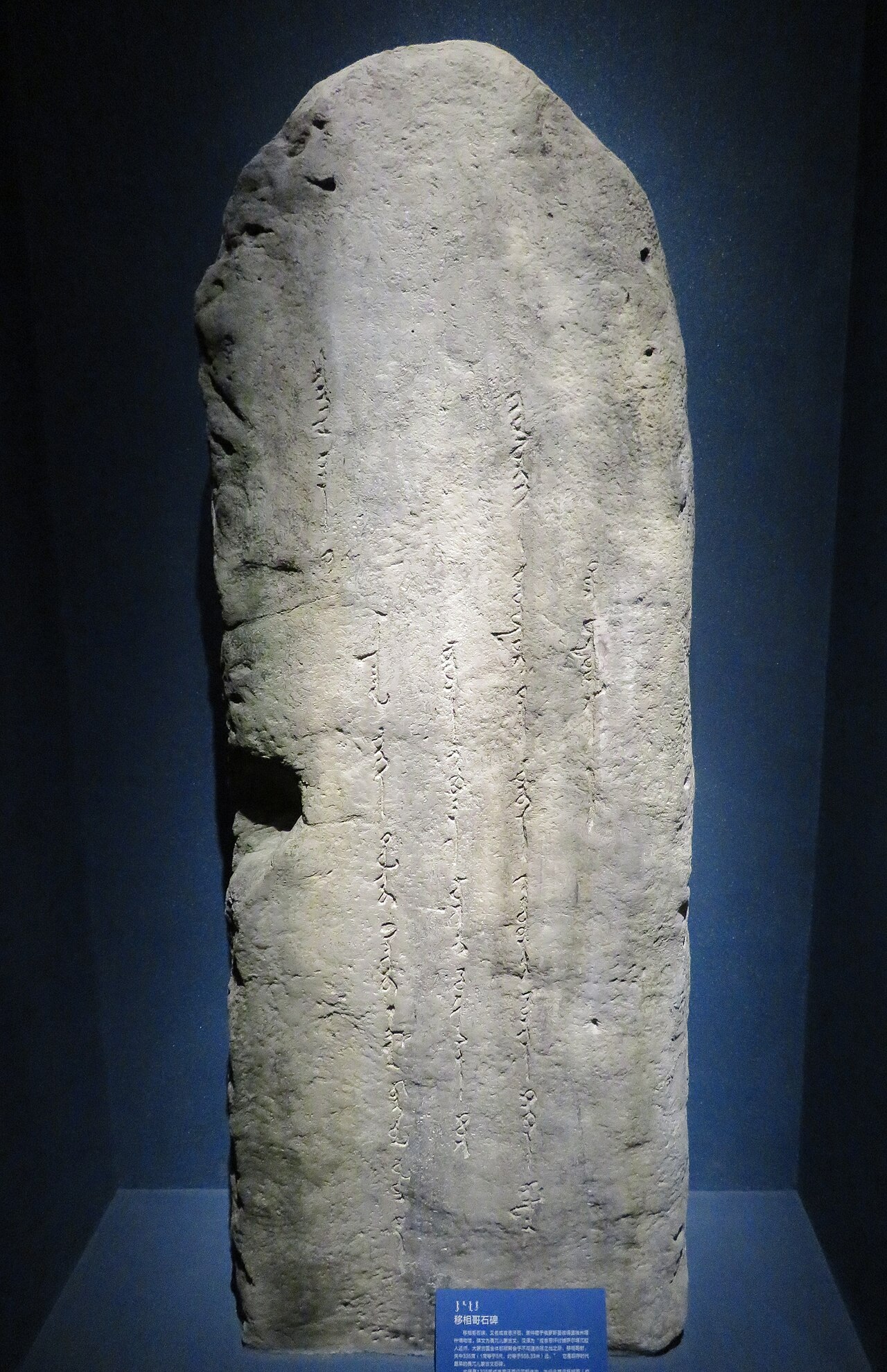 Artifact
Primary source
Stele of Genghis Khan
c. 1224-1225
Ready when you are
Start chatting with Genghis Khan now.
20 messages free · No credit card · Available in 50+ languages.