


Secondary sourceArtifact1929
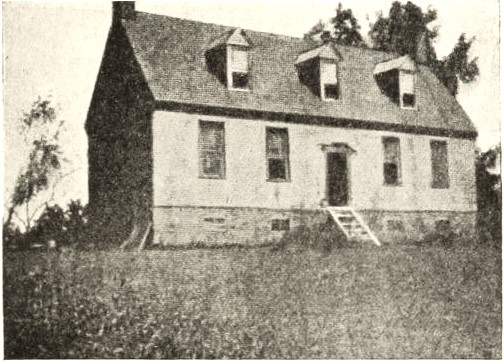
House built by Thomas Rolfe near Smith's Fort
Conway Whittle Sams · 1929
A 1929 book illustration of a two-story house that Thomas Rolfe, son of Pocahontas and John Rolfe, is said to have built in Virginia. It shows a family connection rather than her own life.
Shows a house built by Pocahontas's son Thomas Rolfe, linking her to her family's later history in Virginia.
About this source
What it is
This is a 1929 illustration of a wooden house with a steep gabled roof, three dormer windows and an outside staircase. It was made by Conway Whittle Sams and shows a house built by Thomas Rolfe near Smith's Fort in Virginia. The image is a secondary source, made long after the events it links to.
The description that comes with the image, taken from a Commons record, says the Rolfe home was of brick and was occupied by Black residents at the time, and that John D. Rockefeller, Jr. bought the land in 1928 for preservation. The house in the picture is wooden, so the record and the picture do not describe the same building in every detail.
Why it matters
Thomas Rolfe was the son of Pocahontas and John Rolfe. Houses like this one show how the Rolfe family's descendants settled in Virginia after the colony was founded. The picture and its description show how a 1920s writer and publisher recorded early colonial sites, often with the Native American and African American communities who lived near them left out.
Look closer
- What details of the house in the picture suggest its age, and what details are hard to date?
- Why might a 1929 book include this image, and what does it want readers to think about the Rolfe family?
- What does the picture leave out, such as the people who lived in or near the house?
This artifact is part of the curated material that grounds the AI version of Pocahontas on Humy.ai — when students ask about related events, the AI can quote it and cite it.
More Pocahontas sources
Meet the AI Pocahontas →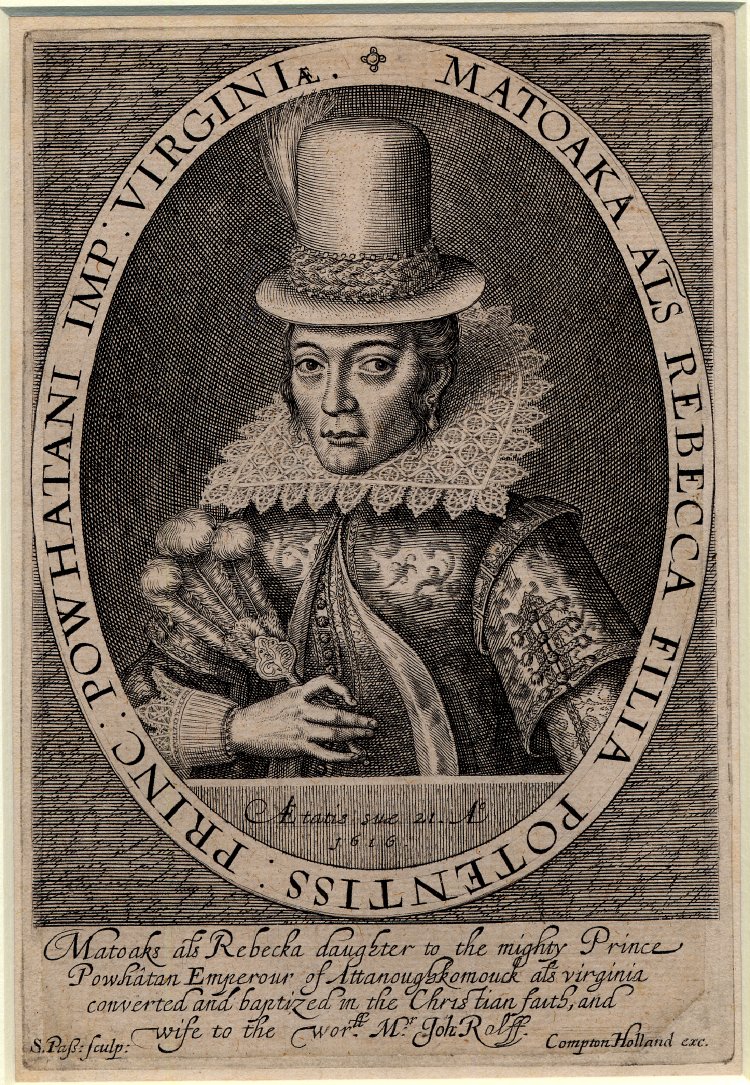 Painting
Primary source
Matoaka alias Rebecca Engraving
Simon van de Passe · 1616
 Painting
Secondary source
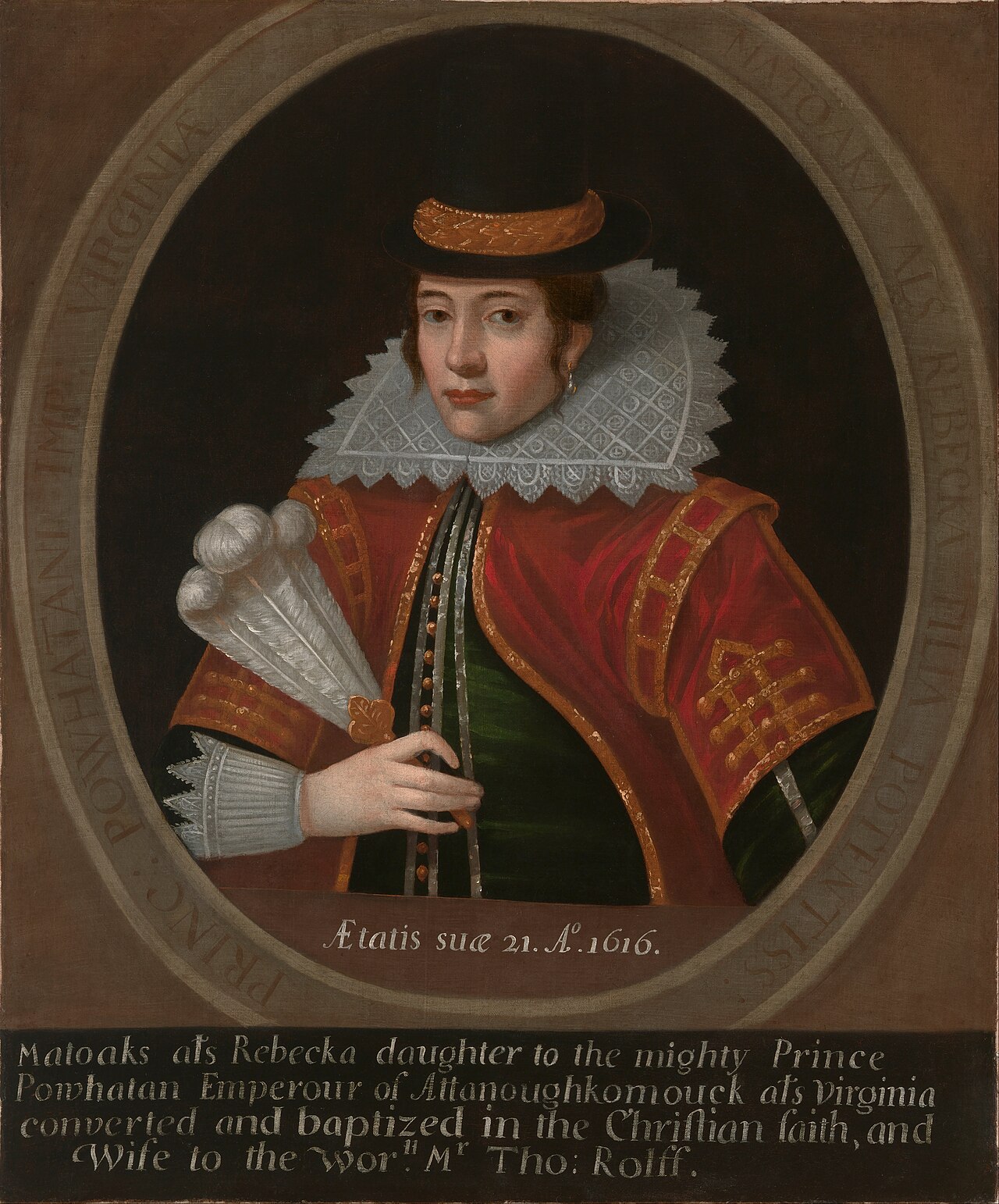
Pocahontas (Oil Portrait after van de Passe)
Unidentified Artist · 1616
 Book
Primary source
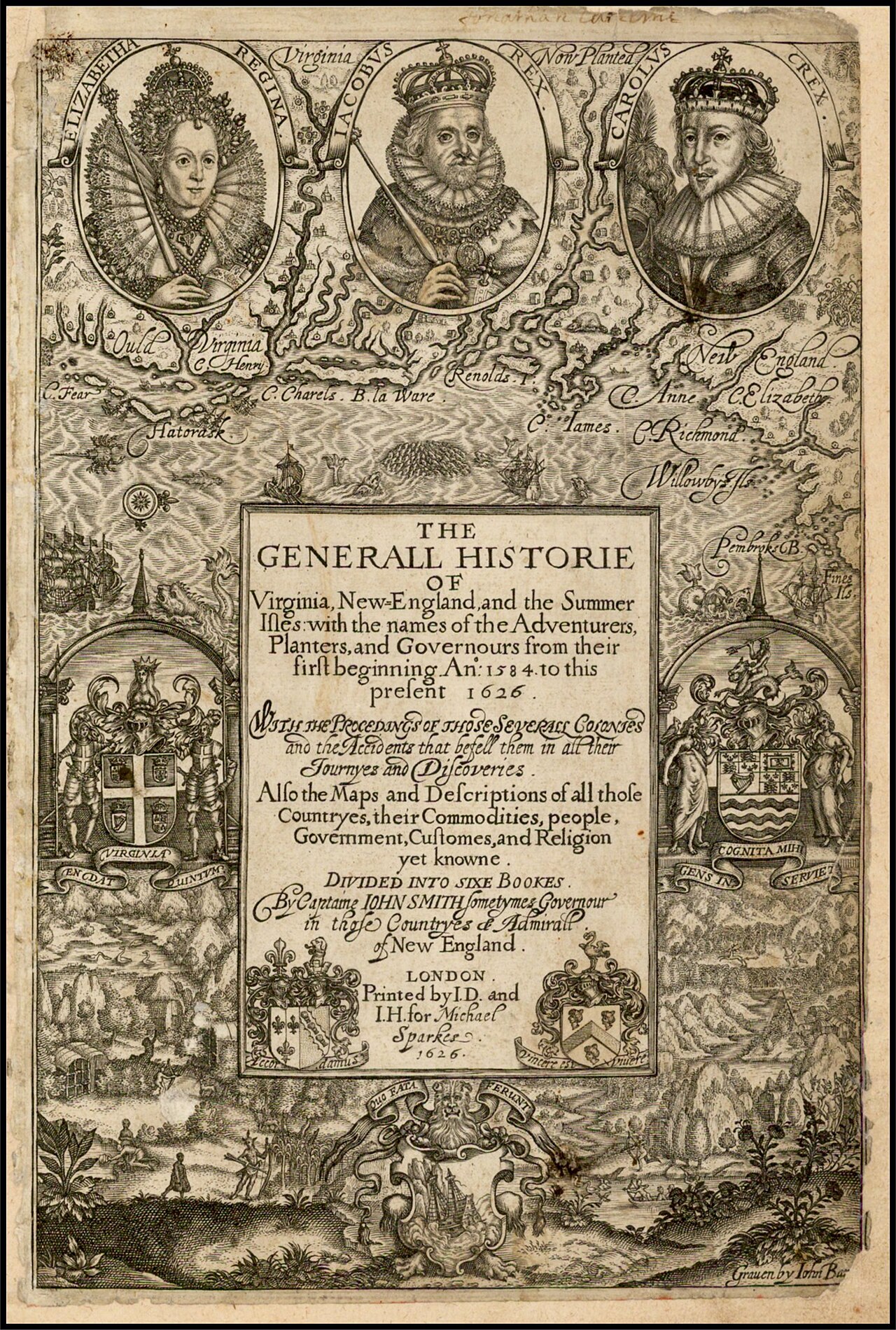
The Generall Historie of Virginia, New-England, and the Summer Isles
John Smith · 1624
 Book
Primary source
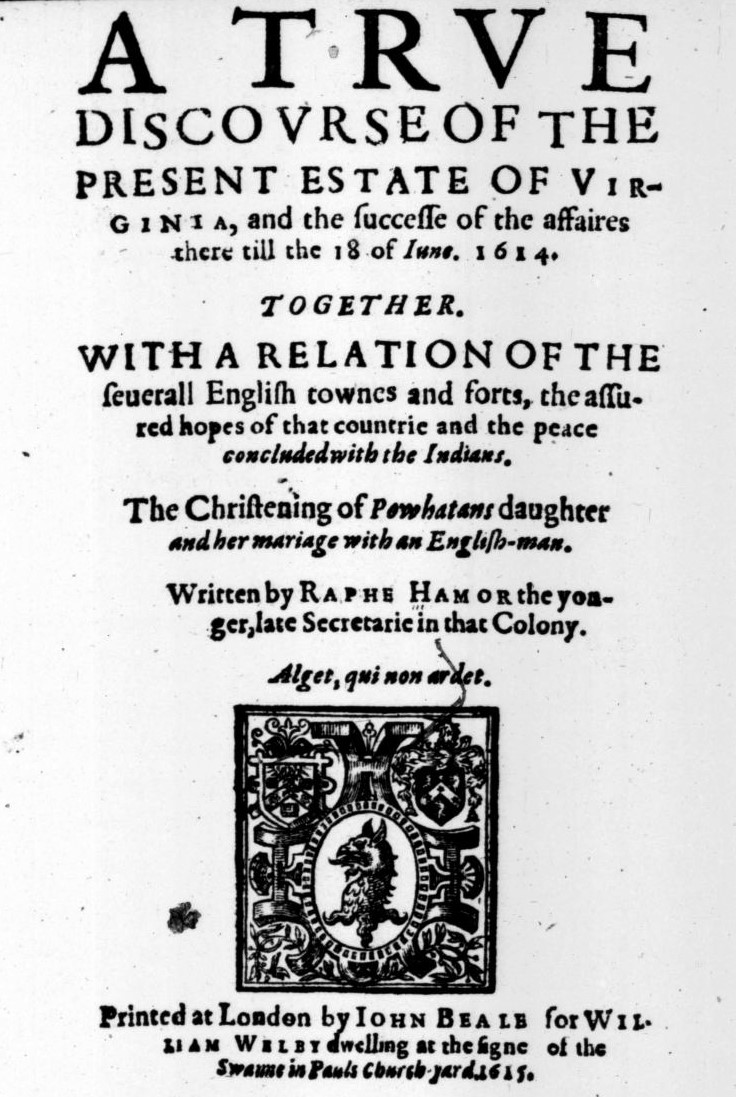
A True Discourse of the Present Estate of Virginia
Ralph Hamor · 1615
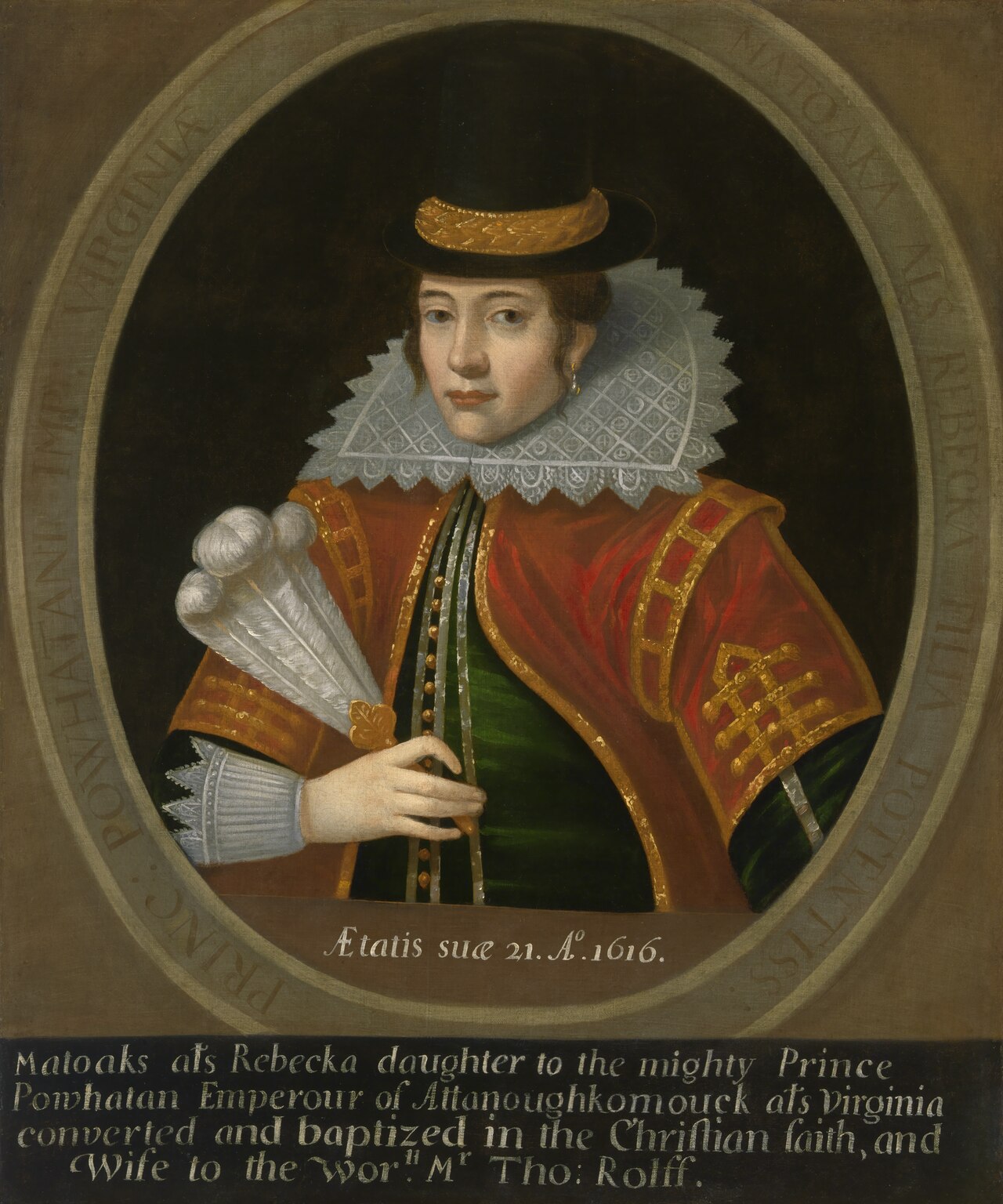 Painting
Secondary source
Portrait of Pocahontas
1616
Ready when you are
Start chatting with Pocahontas now.
20 messages free · No credit card · Available in 50+ languages.