


Primary sourceDocument1928
How It Feels to Be Colored Me
Zora Neale Hurston · 1928
Hurston's 1928 essay reflecting on race, identity and her childhood in the all-Black town of Eatonville.
Hurston's own essay stating her personal philosophy of race and identity, central to understanding her worldview.
About this source
What it is
This is a personal essay written by Zora Neale Hurston, published in 1928 in the magazine The World Tomorrow. In it she reflects on growing up in Eatonville, Florida, an all-Black town, and on what changed when she later lived among white people in Jacksonville.
Why it matters
The essay sets out Hurston's distinctive stance on race: she refuses to describe herself as "tragically colored" and insists on her own individuality rather than a narrative of victimhood. It draws directly on her childhood in Eatonville, the first all-Black incorporated town in the United States, and shows how a change of place could transform how a Black person experienced their own identity in the segregated South.
Look closer
- Why does Hurston say she only 'became colored' once she left Eatonville?
- What does her metaphor of a paper bag of mixed things suggest about her view of race and individuality?
- How might this essay have been received differently by Black and white readers in 1928?
This document is part of the curated material that grounds the AI version of Zora Neale Hurston on Humy.ai — when students ask about related events, the AI can quote it and cite it.
More Zora Neale Hurston sources
Meet the AI Zora Neale Hurston →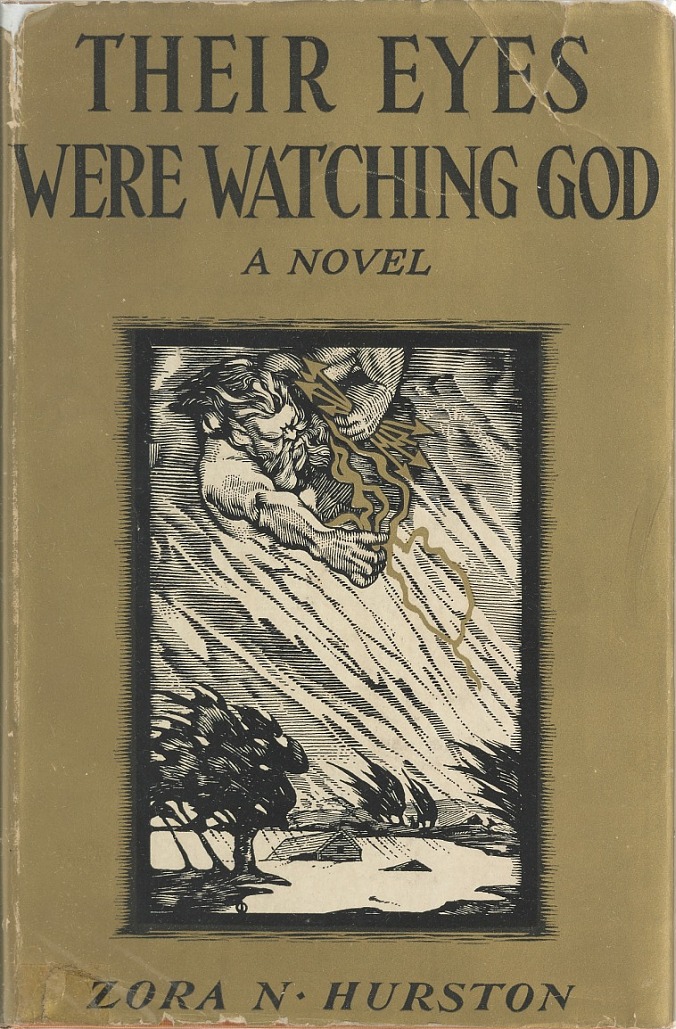 Book
Primary source
Their Eyes Were Watching God
Zora Neale Hurston · 1937
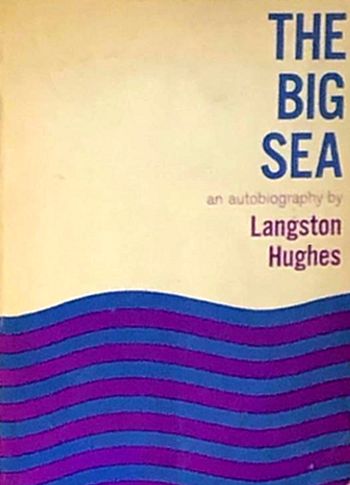 Book
Primary source
The Big Sea
Langston Hughes · 1940
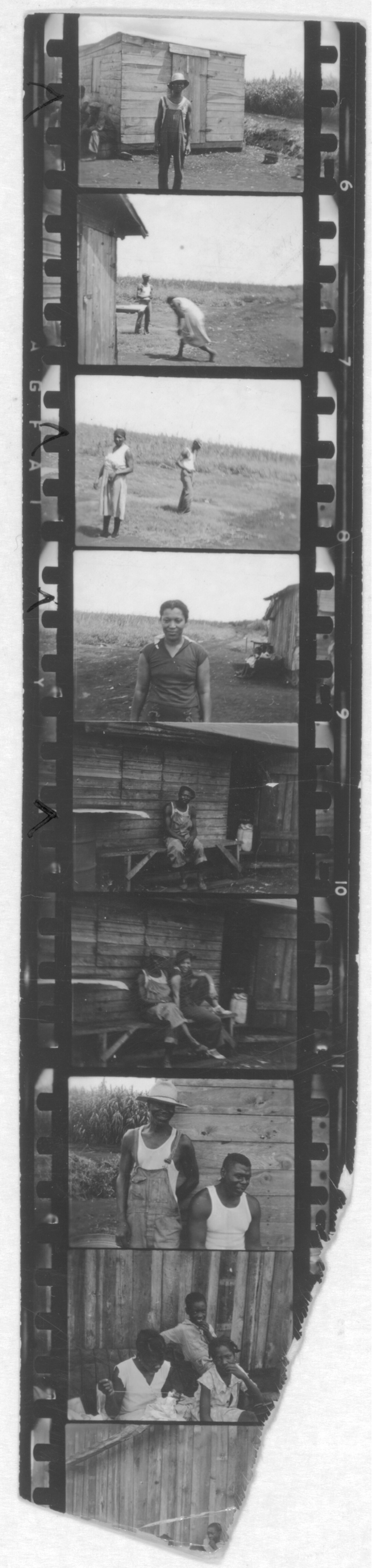 Photograph
Primary source
Zora Neale Hurston and Friends at a Recording Site
Unknown · 1935
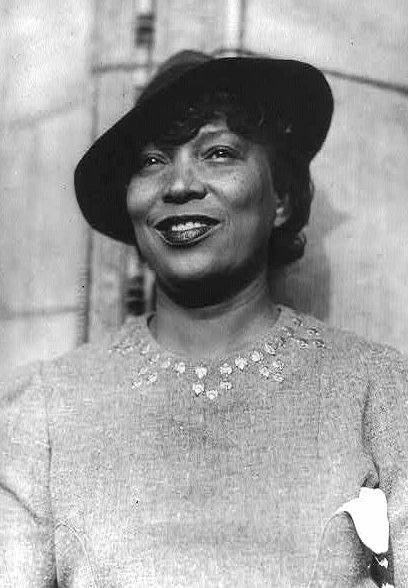 Photograph
Primary source
Photograph of Zora Neale Hurston
Unknown
Primary source
Zora Neale Hurston fieldwork footage
Zora Neale Hurston · 1928
Ready when you are
Start chatting with Zora Neale Hurston now.
20 messages free · No credit card · Available in 50+ languages.